Quick correction before anything else: there’s no such thing as a poisonous spider. Poison is something you eat or absorb through skin; venom is something injected through a bite or sting. Every arachnid on this list is venomous. Whether that venom actually threatens a human is a much shorter list than the internet wants you to believe.
Most “deadliest spiders” roundups also skip scorpions entirely, which is odd, because the scorpion responsible for the most arachnid deaths per year worldwide doesn’t even crack most spider-only lists. So this one covers both, ranked by a mix of medical significance — documented human deaths, severity of envenomation, and how often bites or stings actually happen near people — rather than which species sounds scariest in a headline.
Table of Contents
- Poisonous vs. Venomous: The Distinction That Matters
- 1. Sydney Funnel-Web Spider
- 2. Deathstalker Scorpion
- 3. Brazilian Wandering Spider
- 4. Indian Red Scorpion
- 5. Six-Eyed Sand Spider
- 6. Black Widow
- 7. Brown Recluse
- 8. Arizona Bark Scorpion
- 9. Chinese Bird Spider
- 10. Camel Spider (the honorable mention that isn’t actually venomous)
- Quick Reference Table
- What to Do If You’re Bitten or Stung
- FAQ
Poisonous vs. Venomous: The Distinction That Matters {#poisonous-vs-venomous}
Spiders and scorpions deliver their chemistry through fangs or a stinger, straight into tissue or bloodstream. That’s venom. Poison works the other direction — you’d have to lick or eat the animal for it to hurt you, which is why almost nobody has ever been poisoned by a tarantula. Every entry below is a venomous species, and the label “poisonous arachnid” that shows up in search results is technically wrong every single time, even though it’s how most people phrase the question.
The mechanism matters because it changes what “dangerous” means. A spider’s venom composition determines whether a bite causes localized pain, tissue death, or a systemic reaction that shuts down your nervous system. Neurotoxic venoms (funnel-webs, widows) hijack nerve signaling. Cytotoxic venoms (recluses, some wandering spiders) destroy cells at the bite site. Some species carry both.
1. Sydney Funnel-Web Spider {#sydney-funnel-web}
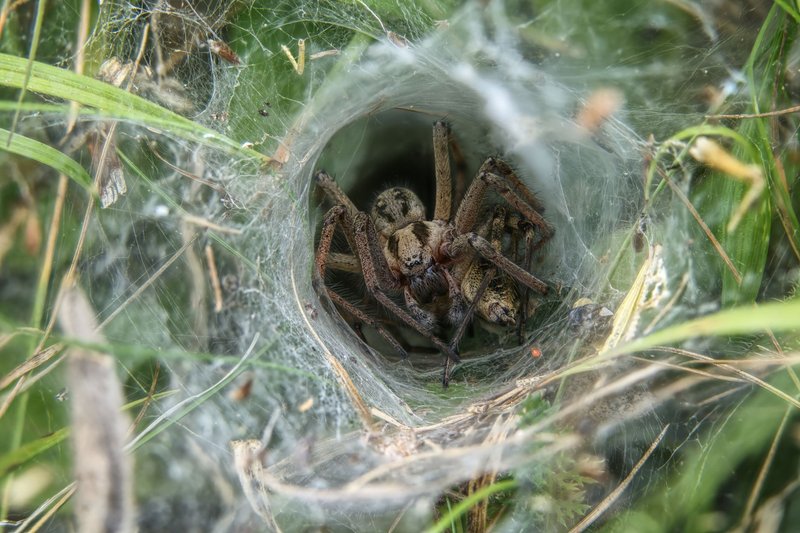
Scientific name: Atrax robustus Range: Coastal and mountainous regions within about 100 miles of Sydney, Australia Venom mechanism: Delta-atracotoxin, which locks open sodium channels in nerve cells and causes uncontrolled neurotransmitter release
The funnel-web earns the top spot because its venom is uniquely effective against primates — humans and monkeys are far more vulnerable to it than the dogs and cats you’d expect a defensive predator to target. Symptoms escalate fast: numbness around the mouth, muscle twitching, drenching sweats, and in severe untreated cases, respiratory failure within a few hours.
Here’s the twist: since Australia introduced a funnel-web antivenom in 1981, there have been zero recorded deaths from a confirmed bite where antivenom was administered. Before that, the species killed at least 13 people. It’s a textbook case of “extremely dangerous” and “no longer a real threat” being simultaneously true, provided you’re near a hospital.
2. Deathstalker Scorpion {#deathstalker}
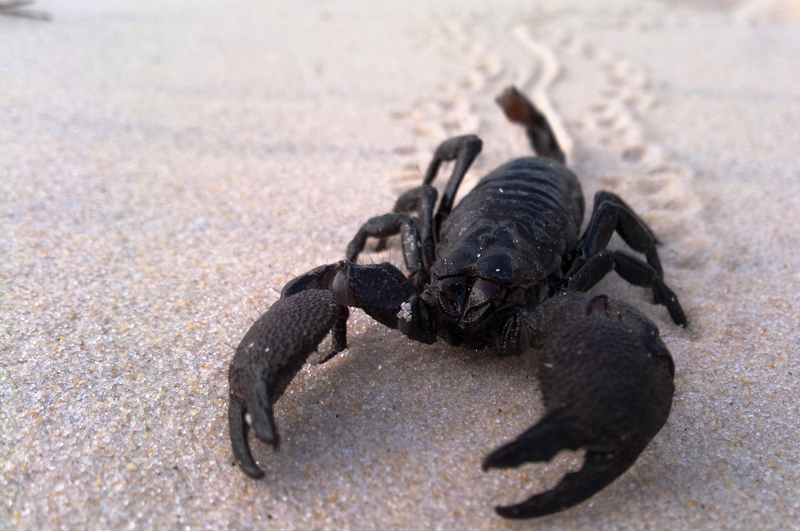
Scientific name: Leiurus quinquestriatus Range: North Africa and the Middle East, in arid deserts and scrubland Venom mechanism: A cocktail of chlorotoxin and other neurotoxins that overstimulate the nervous system
The deathstalker’s sting is agonizing but rarely lethal to healthy adults — the real danger is to children, the elderly, and anyone with a compromised cardiovascular or respiratory system, where it can trigger pulmonary edema or cardiac arrhythmia. Its venom is also one of the most studied in medicine: chlorotoxin has been investigated as a tumor-imaging agent because it binds selectively to glioma cells, which is a strange legacy for an animal known mostly for being extremely painful to step on.
3. Brazilian Wandering Spider {#brazilian-wandering}
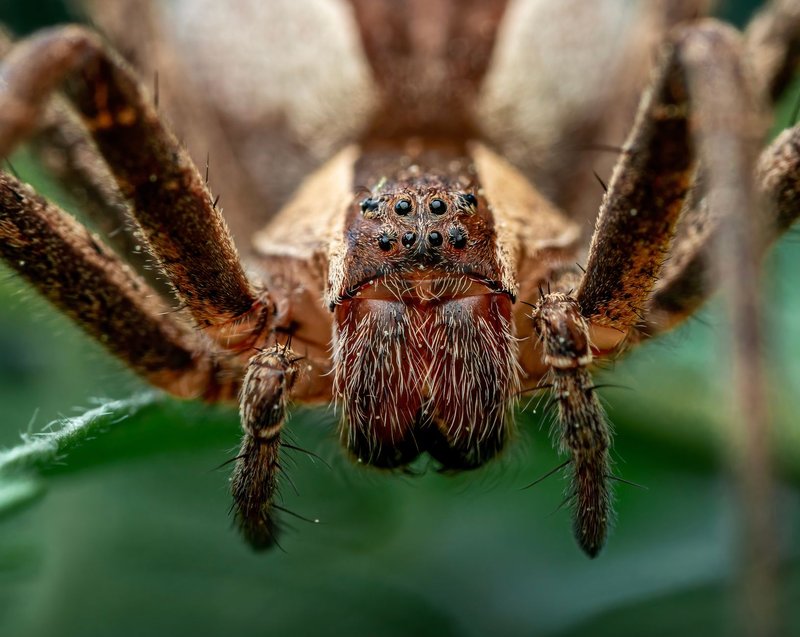
Scientific name: Phoneutria species, mainly P. nigriventer Range: Central and South America, especially Brazil, often near banana plantations Venom mechanism: PhTx3 toxins that disrupt neurotransmitter release, causing intense pain and, in male victims, priapism
Phoneutria means “murderess” in Greek, and Guinness World Records once listed it as the most venomous spider based on lab toxicity in mice. In practice, Brazil’s antivenom program and the spider’s tendency toward “dry bites” (little or no venom injected) mean confirmed fatalities are rare. It earned its reputation partly through cargo — wandering spiders have turned up in supermarket banana shipments across Europe and North America often enough that “spider in a banana box” became a recurring news story.
4. Indian Red Scorpion {#indian-red-scorpion}
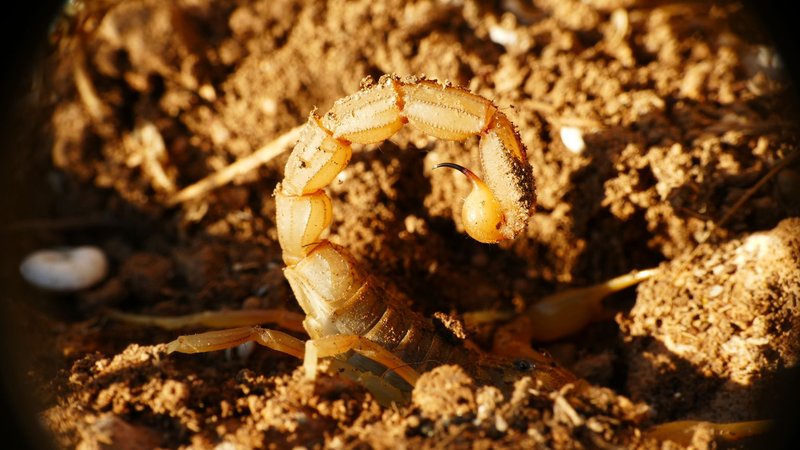
Scientific name: Hottentotta tamulus Range: India, and parts of Nepal, Pakistan, and Sri Lanka Venom mechanism: Cardiotoxic and neurotoxic peptides that trigger a massive release of catecholamines
This is the scorpion responsible for the most human deaths worldwide, and almost nobody outside South Asia has heard of it. Its venom doesn’t just cause local pain — it floods the body with stress hormones, driving blood pressure spikes, pulmonary edema, and heart failure, particularly in children under 15. Rural areas with limited hospital access see the highest fatality rates; where prazosin (a specific antihypertensive) is available promptly, mortality drops sharply.
5. Six-Eyed Sand Spider {#six-eyed-sand-spider}
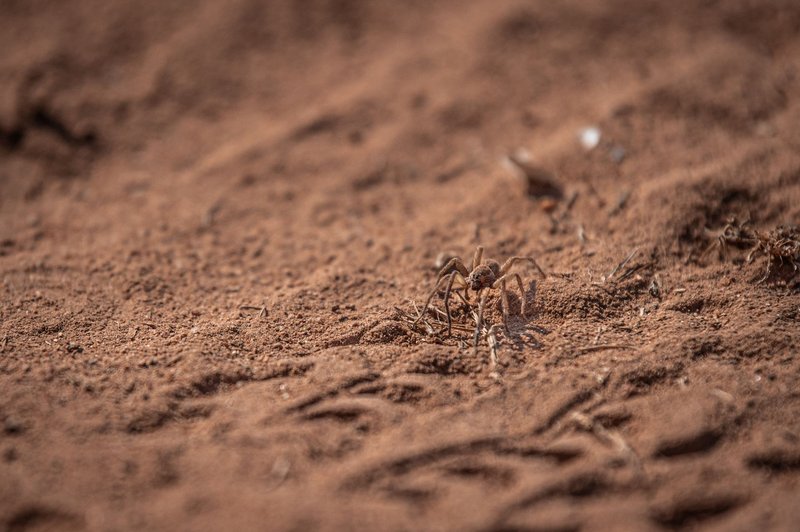
Scientific name: Hexophthalma species (formerly Sicarius) Range: Desert regions of southern Africa Venom mechanism: Sphingomyelinase D, a necrotic and hemolytic toxin similar to (and possibly more potent than) that of the brown recluse
Almost nothing is known about this spider’s effect on humans because confirmed bites are so rare — it buries itself in sand and rarely encounters people. What researchers do know from lab studies is unsettling: its venom can cause blood to lose its ability to clot, alongside the tissue necrosis typical of recluse-family bites. It stays lower on this list specifically because “extremely dangerous in theory” and “extremely rare in practice” cancel a lot of the real-world risk out.
6. Black Widow {#black-widow}
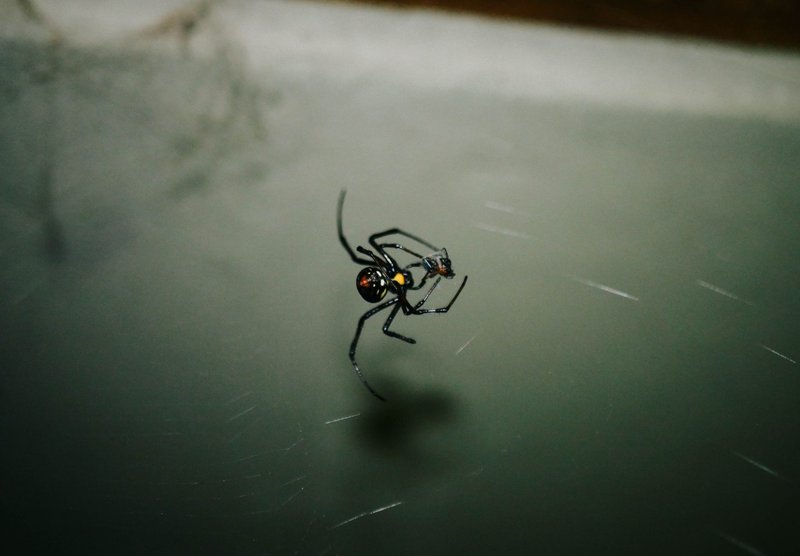
Scientific name: Latrodectus species Range: Every continent except Antarctica, with L. mactans common across the southern and western United States Venom mechanism: Alpha-latrotoxin, which causes massive, uncontrolled release of neurotransmitters at nerve endings
Black widow venom is roughly 15 times more potent than rattlesnake venom by weight, but the spider injects such a small dose that fatalities are now exceedingly rare in places with modern medical care — the CDC notes that healthy adults typically recover with supportive treatment and, when needed, antivenom. Symptoms include severe abdominal cramping and muscle rigidity intense enough that it’s been mistaken for appendicitis or a heart attack. The females eating their male partners is real, if overstated as a headline; it’s situational, not universal.
7. Brown Recluse {#brown-recluse}
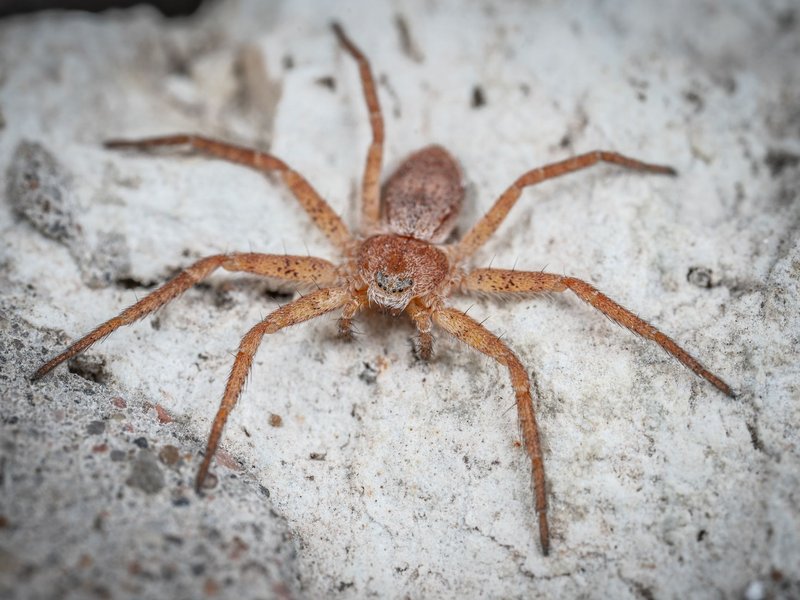
Scientific name: Loxosceles reclusa Range: South-central and midwestern United States Venom mechanism: Sphingomyelinase D, causing progressive tissue death (necrosis) at the bite site
The recluse rarely kills, but it’s the poster species for “the bite you didn’t feel becomes a wound you can’t ignore.” Venom triggers localized cell death that can spread over days, sometimes requiring surgical debridement. A lot of what gets blamed on brown recluses is actually misdiagnosed — bacterial skin infections, particularly MRSA, produce similar-looking lesions, and recluses don’t even live in most of the regions where “recluse bites” get reported. If you’re not in their actual range, it probably wasn’t one.
8. Arizona Bark Scorpion {#arizona-bark-scorpion}
Scientific name: Centruroides sculpturatus Range: Sonoran Desert, primarily Arizona and parts of California and New Mexico Venom mechanism: Neurotoxins that repeatedly activate sodium channels, producing pain out of proportion to any visible injury
North America’s most venomous scorpion causes a sting that’s been described as an electric shock followed by hours of throbbing pain, numbness, and occasionally muscle spasms severe enough to look like a seizure. Deaths are now rare thanks to antivenom, but it remains the scorpion most likely to actually put a healthy adult in an American emergency room. It also climbs — unlike most scorpions, it’s frequently found on walls, ceilings, and tree bark rather than just on the ground.
9. Chinese Bird Spider {#chinese-bird-spider}
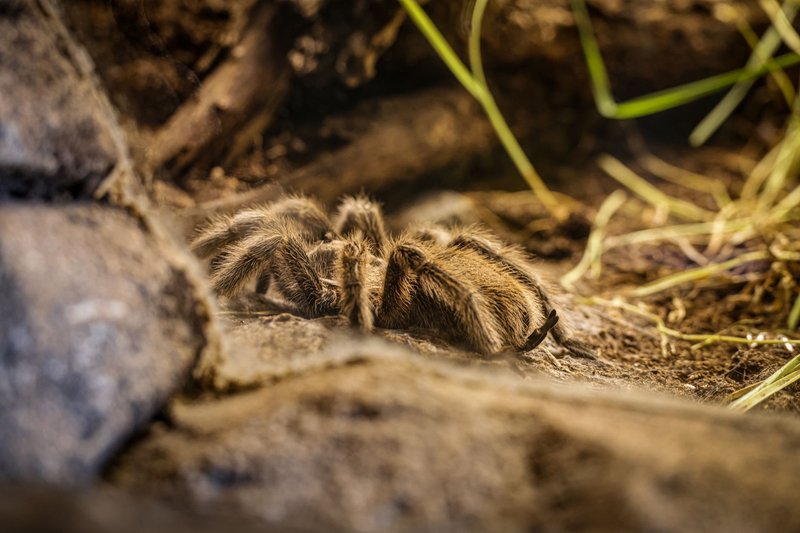
Scientific name: Cyriopagopus hainanus (formerly Haplopelma hainanum) Range: Hainan Island and southern China Venom mechanism: Huwentoxin, a peptide that blocks voltage-gated sodium channels
This tarantula’s venom is potent enough to have killed lab mice at doses far smaller than most tarantula venoms require, which is notable because most tarantulas — including the giant ones sold in pet stores — are only mildly dangerous to humans, with bites comparable to a wasp sting. No confirmed human deaths exist, but its bite reportedly causes pain, swelling, and muscle cramping disproportionate to its cousins. It’s a reminder that “tarantula” isn’t a single risk category; some species barely register, and this one is an outlier.
10. Camel Spider {#camel-spider}
Scientific name: Order Solifugae, various species Range: Deserts across the Middle East, North Africa, and southwestern United States
Camel spiders make almost every “deadliest arachnid” list despite not being true spiders and not being venomous at all. They’re solifuges — a separate arachnid order — and their aggressive-looking jaws (chelicerae) are purely mechanical, delivering a painful pinch but no toxin. The myths about them chasing humans, screaming, and being “half the size of a dog” trace back to soldier accounts during the Gulf War; the actual largest species tops out around six inches including legs. It makes this list as a correction, not a threat.
Quick Reference Table {#quick-reference-table}
| Species | Region | Danger to Humans |
|---|---|---|
| Sydney funnel-web spider | Sydney, Australia | Severe (near-zero with antivenom) |
| Deathstalker scorpion | North Africa, Middle East | Moderate-high (highest for children/elderly) |
| Brazilian wandering spider | Central/South America | Severe (rarely fatal with treatment) |
| Indian red scorpion | India, South Asia | Severe (leading cause of scorpion deaths) |
| Six-eyed sand spider | Southern Africa | Theoretically severe, practically rare |
| Black widow | Global | Moderate (rarely fatal today) |
| Brown recluse | Central/Midwest US | Moderate (necrotic, rarely fatal) |
| Arizona bark scorpion | Sonoran Desert, US | Moderate-high (very painful) |
| Chinese bird spider | Southern China | Low-moderate (no confirmed deaths) |
| Camel spider | Deserts worldwide | None (not venomous) |
What to Do If You’re Bitten or Stung {#what-to-do}
Wash the site with soap and water, apply a cold compress to slow venom spread, and keep the affected limb below heart level if possible. Take a photo of the spider or scorpion if you can do so safely — identification matters more for treatment than most people realize. Seek emergency care immediately if you notice difficulty breathing, chest pain, severe muscle rigidity, spreading numbness, or a wound that starts to blister or blacken within hours. Don’t cut the bite, don’t apply a tourniquet, and skip the folk remedies — the Mayo Clinic recommends treating any bite from an unidentified spider as a medical situation rather than something to wait out.
FAQ {#faq}
Are all arachnids poisonous? No — and technically, none are. Arachnids that harm humans do it through venom delivered by a bite or sting, not through poison that’s ingested or absorbed. “Poisonous spider” is common shorthand, but it’s biologically backward.
What’s the difference between poisonous and venomous? Poison has to be eaten, inhaled, or absorbed to cause harm — think poison dart frogs or certain mushrooms. Venom is injected directly into tissue through a bite, sting, or spine. Spiders and scorpions are venomous.
Which spider has killed the most people? The Sydney funnel-web has the strongest documented history of human deaths pre-antivenom, but globally, scorpions — especially the Indian red scorpion — cause far more deaths per year than any spider species, largely due to limited medical access in the regions where they’re common.
Do tarantulas pose a real danger to humans? For most species, no. The vast majority of tarantula bites are comparable to a bee sting, with pain and swelling but no lasting harm. Some Asian species, like the Chinese bird spider on this list, are exceptions worth taking seriously.
Should I kill a spider or scorpion I find in my house? Not necessary in most cases. Identification and avoidance work better than confrontation — most bites happen when the animal is trapped against skin (in shoes, bedding, or clothing), not from unprovoked attacks. Shake out shoes and check bedding in areas where dangerous species are known to live.