Markets and home kitchens often overlook pale produce, but the color white hides a surprising range of textures and uses — from crunchy roots to tender hearts. Thinking beyond cauliflower and onions opens up new options for soups, roasts, and simple sides.
There are 31 white vegetables, ranging from Artichoke Heart to White Radish (Mooli) (other forms). For each item you’ll find below the Scientific name, Edible part, Calories per 100g (kcal) to help with identification and meal planning — you’ll find below.
Are white vegetables less nutritious than colorful ones?
Not necessarily; many white vegetables provide fiber, potassium, and unique phytochemicals like allicin (in garlic and onions) or inulin (in chicory). Nutrition varies by species and edible part, so use the listed Scientific name and calorie info to compare options.
How can I use white vegetables to add variety to meals?
Start by swapping one familiar ingredient for a white alternative—roast white eggplant instead of purple, or shave raw white radish into salads—then combine textures (creamy, crunchy) and simple seasonings to highlight mild flavors without overpowering them.
White Vegetables
| Name | Scientific name | Edible part | Calories per 100g (kcal) |
|---|---|---|---|
| Cauliflower | Brassica oleracea var. botrytis | Floret | 25 |
| White Asparagus | Asparagus officinalis | Shoot | 20 |
| Daikon (White Radish) | Raphanus sativus var. longipinnatus | Root | 18 |
| Turnip | Brassica rapa subsp. rapa | Root | 28 |
| Parsnip | Pastinaca sativa | Root | 75 |
| Celeriac (Celery Root) | Apium graveolens var. rapaceum | Root | 42 |
| Garlic | Allium sativum | Clove | 149 |
| White Onion | Allium cepa | Bulb | 40 |
| Shallot | Allium cepa var. aggregatum | Bulb | 72 |
| White Potato | Solanum tuberosum | Tuber | 77 |
| Jicama | Pachyrhizus erosus | Root | 38 |
| Kohlrabi (white flesh) | Brassica oleracea var. gongylodes | Stem bulb | 27 |
| Fennel Bulb | Foeniculum vulgare var. azoricum | Bulb | 31 |
| Hearts of Palm | Bactris gasipaes (and other palms) | Heart (core) | 30 |
| White Button Mushroom | Agaricus bisporus | Fungal body | 22 |
| Enoki Mushroom | Flammulina velutipes | Fungal body | 37 |
| Oyster Mushroom | Pleurotus ostreatus | Fungal body | 33 |
| King Oyster Mushroom | Pleurotus eryngii | Fungal stem cap | 33 |
| Straw/Paddy Straw Mushroom | Volvariella volvacea | Fungal body | 20 |
| Bamboo Shoot | Bambusa spp. | Shoot | 27 |
| Jerusalem Artichoke (Sunchoke) | Helianthus tuberosus | Tuber | 73 |
| Lotus Root | Nelumbo nucifera | Rhizome | 74 |
| Salsify (Oyster Plant) | Tragopogon porrifolius | Root | 82 |
| White Corn (sweet corn variety) | Zea mays | Kernel | 86 |
| White Eggplant | Solanum melongena | Variety fruit (culinary vegetable) | 25 |
| Belgian Endive | Cichorium intybus var. foliosum | Leaf head | 17 |
| White Cabbage | Brassica oleracea var. capitata | Leaf head | 25 |
| Napa Cabbage | Brassica rapa subsp. pekinensis | Leaf head | 16 |
| Artichoke Heart | Cynara cardunculus var. scolymus | Heart (inner bud) | 47 |
| White Carrot (variety) | Daucus carota subsp. sativus | Root | 41 |
| White Radish (Mooli) (other forms) | Raphanus sativus | Root | 18 |
Images and Descriptions
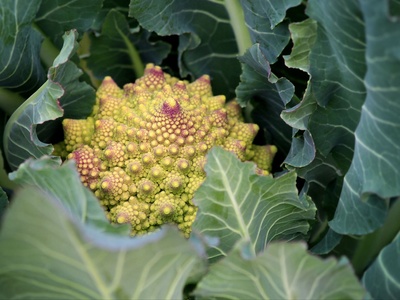
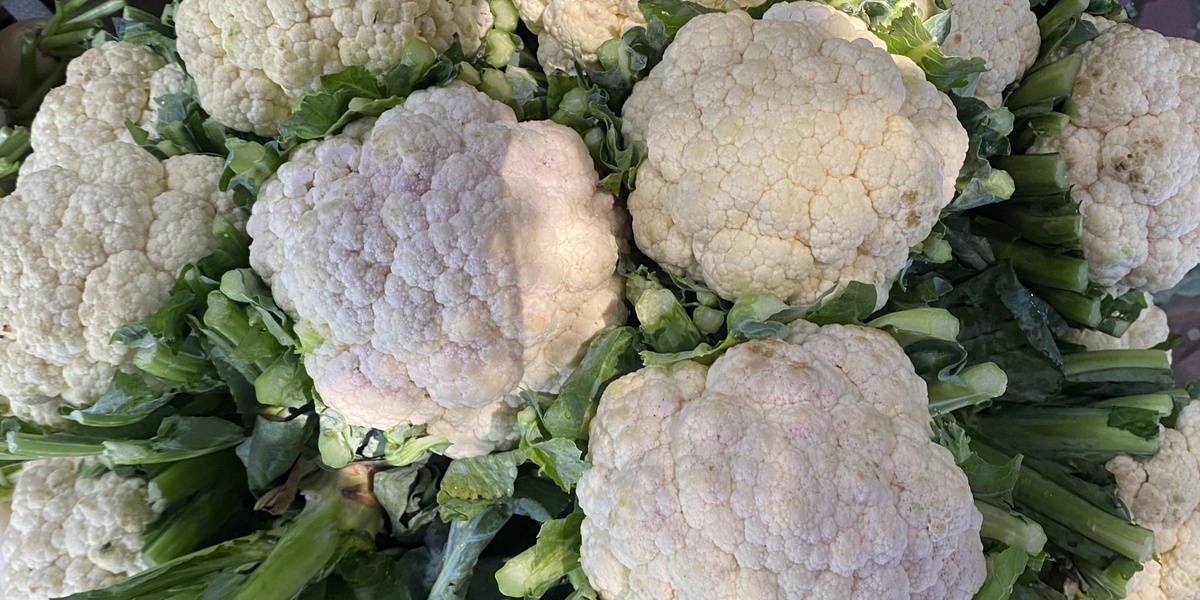
Cauliflower
Dense white florets with a compact head, used roasted, steamed, mashed, or riced; in season late summer–fall in many regions. Easy to grow in cool weather, a low‑calorie source of vitamin C and fiber, adapts to many cuisines.
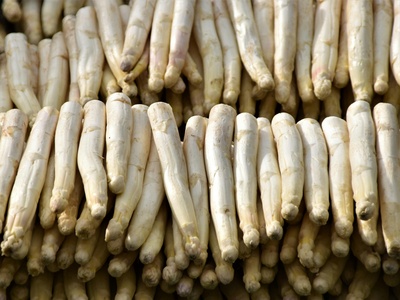
White Asparagus
Tender pale spears grown underground to prevent photosynthesis; prized in spring for delicate flavor. Often boiled or grilled and served with hollandaise. Needs cool, well‑drained soil to cultivate; milder and less bitter than green asparagus.
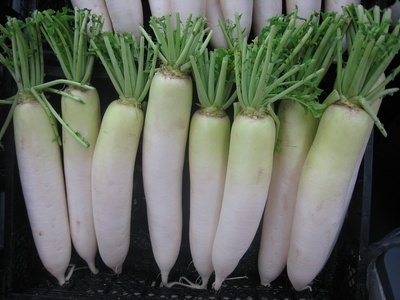
Daikon (White Radish)
Long white root popular in Asian cuisines, crisp and juicy raw in salads or pickled, also simmered in soups and stews. Cooler‑season crop, easy to grow from seed; high water content and a spicy, refreshing bite.
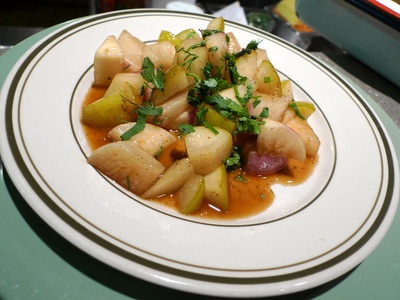
Turnip
Round, pale roots with slightly peppery flesh, eaten roasted, mashed, or in stews; young greens are edible too. Cool‑season hardy vegetable, commonly grown in spring and fall; good source of vitamin C and fiber.
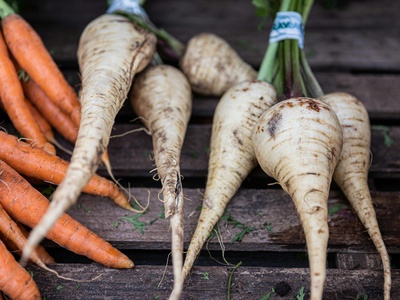
Parsnip
Creamy, sweet, aromatic root often roasted, mashed, or added to soups; peak in fall and winter when sweetness increases after frost. Easy to store, nutrient‑dense and starchy, a warming winter staple in temperate gardens.
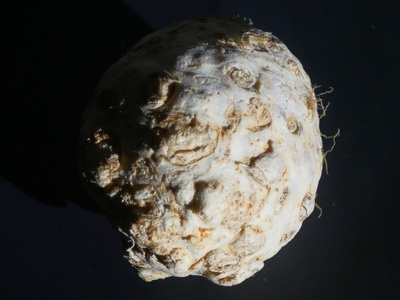
Celeriac (Celery Root)
Knobby, brown exterior hides crisp white flesh with celery‑like flavor; eaten raw in remoulade, roasted, or pureed. Harvest in cool months; stores well and provides vitamin K and fiber with a distinctive aroma.
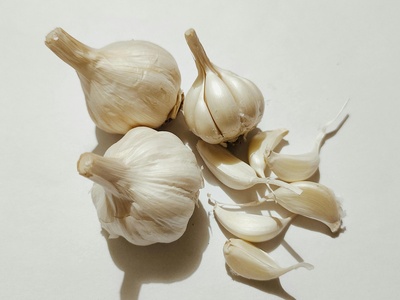
Garlic
White papery bulbs composed of individual cloves, indispensable as an aromatic in global cuisines; roasted, sautéed, or raw. Grows from cloves; hardy and easy to grow. Noted for sulfur compounds with immune and flavor benefits.
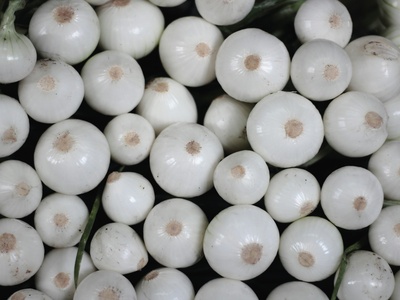
White Onion
Bulb with white skin and crisp, creamy flesh; milder and sweeter than yellow onion when raw. Used raw in salsas, salads, or cooked in any savory dish. Widely available and versatile, provides quercetin and flavor base.
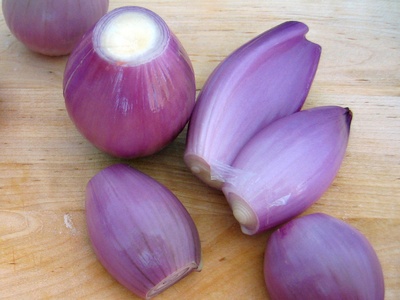
Shallot
Small, elongated bulbs with pale flesh and a refined, sweet‑garlic flavor; used raw in vinaigrettes or gently cooked to build sauces. Grows in clusters, stores well; favored for delicate, nuanced aromatics in cooking.
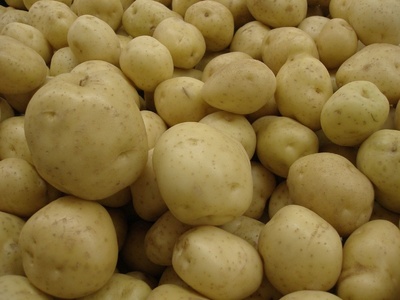
White Potato
Classic starchy tuber with pale, creamy flesh; mashed, roasted, fried, or boiled across cuisines. Versatile and productive in gardens, stores well; provides energy, potassium, and a neutral canvas for many flavors.
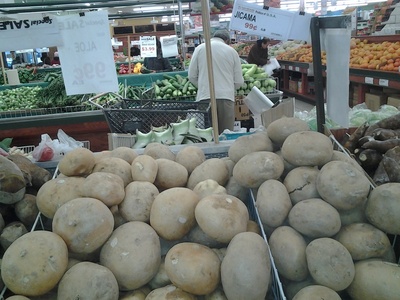
Jicama
Crunchy, juicy tuber with crisp white flesh and a mildly sweet, nutty flavor; eaten raw in salads, slaws, or cooked lightly. Warm‑season crop in frost‑free areas, excellent source of fiber and refreshing texture.
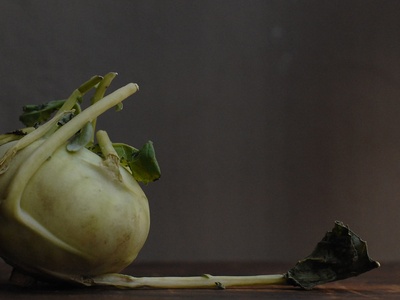
Kohlrabi (white flesh)
Round, pale interior beneath a green or purple skin; crunchy, mildly sweet, used raw in slaws, roasted, or sautéed. Harvestable in cool seasons, easy to grow; similar texture to a crisp radish or broccoli stem.
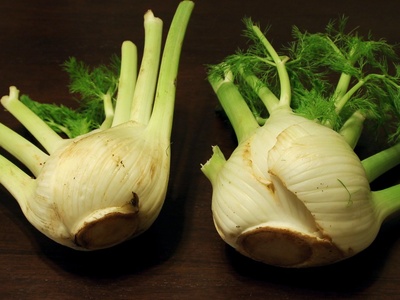
Fennel Bulb
Pale, layered bulb with feathery fronds and anise‑like aroma; eaten raw shaved in salads or roasted for sweetness. Grows in cool seasons; versatile in Mediterranean dishes and aids digestion as a flavorful aromatic.
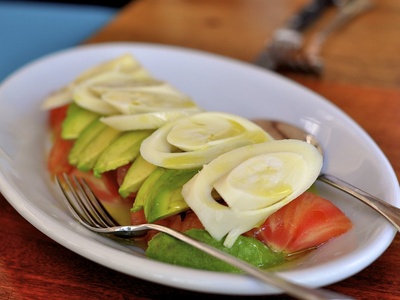
Hearts of Palm
Creamy, tender pale cylinders harvested from palm inner cores; used in salads, ceviches, or braised. Mild, slightly nutty flavor; sourced from cultivated palms, a delicate specialty ingredient with a pleasant, crunchy bite.
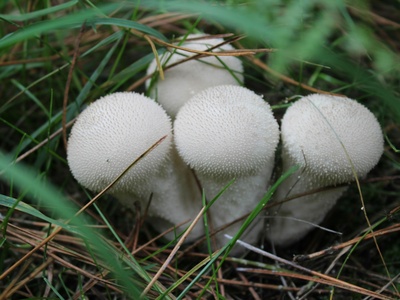
White Button Mushroom
Small, round white caps with mild, earthy flavor used raw, sautéed, or in sauces; year‑round grocery staple. Cultivated widely indoors, low in calories and rich in umami and B vitamins, versatile in many recipes.
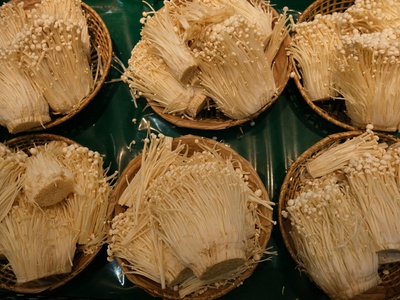
Enoki Mushroom
Long, thin white strands with tiny caps and a crisp, delicate texture; often used in soups, salads, and hotpots. Grown in cool, dark conditions; adds mild umami and visual appeal to East Asian dishes.
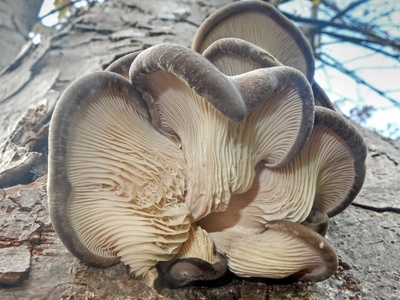
Oyster Mushroom
Fan‑shaped, pale to white caps with a tender texture and savory flavor; pan‑fried, grilled, or added to soups. Grows on dead wood and is cultivated easily; prized for quick cooking and pronounced umami.
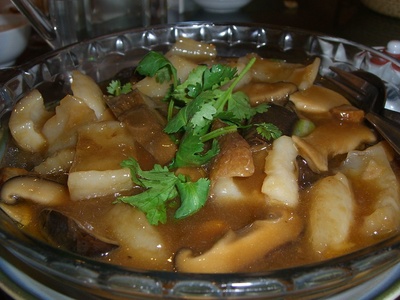
King Oyster Mushroom
Thick, meaty white stems with small caps, can be sliced into scallop‑like pieces and grilled or braised. Robust texture holds up to searing; cultivated commercially and foragers alike prize it as a plant‑based meat alternative.
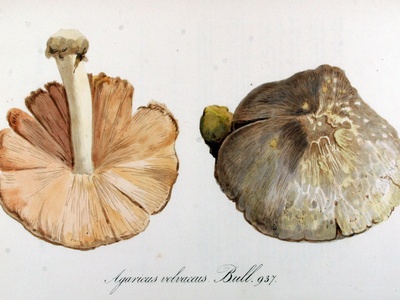
Straw/Paddy Straw Mushroom
Compact pale mushrooms commonly canned or fresh in Asian cooking, used in stir‑fries and soups. Grows on straw or paddy waste in warm climates; tender texture and mild flavor that soaks up sauces.

Bamboo Shoot
Pale, crisp edible shoots harvested young from bamboo stands; boiled to remove bitterness, used in stir‑fries, soups, and salads. Seasonal spring harvests in many cultures; low‑calorie, fibrous, and subtly sweet.
Jerusalem Artichoke (Sunchoke)
Knobbly tubers with pale, crunchy flesh that sweetens when cooked; roasted, pureed, or eaten raw. Grows from tubers; tolerant of many soils and provides inulin, which feeds beneficial gut bacteria.
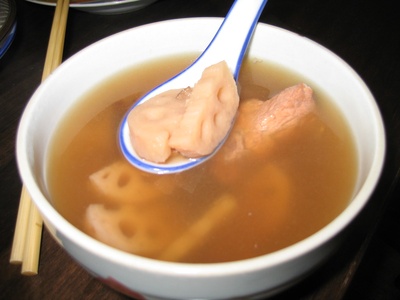
Lotus Root
Pale, knobby tuber with crisp, crunchy texture and distinctive holes; sliced for stir‑fries, soups, and pickles. Harvested from aquatic roots; mildly sweet, starchy, and visually striking in Asian cuisines.
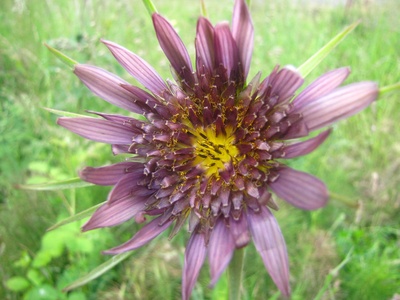
Salsify (Oyster Plant)
Long pale root with subtle oyster‑like flavor when cooked, used in soups, purees, or roasted; lesser‑known hardy cool‑season crop. Storability and unique taste make it a classic in European root vegetable mixes.

White Corn (sweet corn variety)
Sweet plump white kernels used fresh, grilled, or canned; seasonal late summer favorite. White sweet corn varieties are prized for color and clean sweetness; provides carbohydrates and fiber for hearty summer dishes.
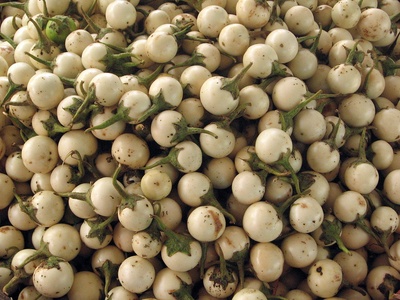
White Eggplant
Smooth white‑skinned eggplant varieties with creamy, pale flesh; grilled, roasted, or stewed in Mediterranean and Asian recipes. Mild flavor and tender texture when cooked; ornamental and culinary types available.
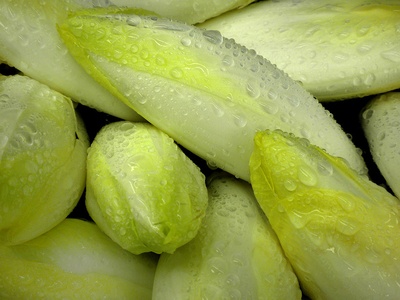
Belgian Endive
Tight, pale cream heads with slightly bitter flavor, eaten raw in salads or braised. Forcing process produces small, elongated white leaves grown in dark cellars; elegant winter vegetable with crisp texture.
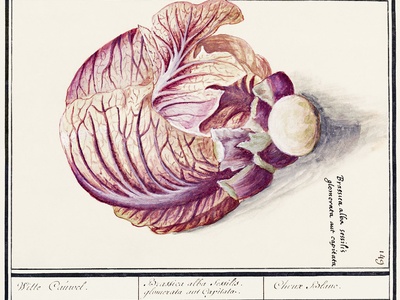
White Cabbage
Compact heads of pale, crisp leaves used raw for slaws or fermented into sauerkraut, or cooked in stews. Hardy cool‑season crop, stores well, and supplies vitamin C and crunchy texture in many cuisines.
Napa Cabbage
Elongated pale stems and light leaves, tender and mildly sweet; used in stir‑fries, kimchi, soups, and slaws. Fast‑growing in cool seasons, popular in East Asian cooking for quick, texture‑rich dishes.

Artichoke Heart
Pale, tender inner hearts remain after removing tougher outer leaves, prized grilled, marinated, or steamed. Harvested in season and sometimes canned; rich, nutty flavor and a focal ingredient in Mediterranean cooking.
White Carrot (variety)
Heirloom white carrot varieties offer pale, crunchy roots with milder, sometimes earthy flavor; used raw, roasted, or in stews. Grows like other carrots in cool seasons; a colorful alternative with similar nutrients to orange carrots.
White Radish (Mooli) (other forms)
General category of pale radishes including round and elongated types, crisp and peppery raw, or pickled and cooked; common in many regional dishes. Cool‑season crops, easy to grow, offer vitamin C and refreshing crunch.