What do elephants, Cross River gorillas, and migratory sea turtles have in common? They all help tell the story of Nigeria’s wild places.
Nigeria’s landscapes run the gamut from Sahelian grasslands in the north to savanna, montane forests in the Adamawa highlands, lowland rainforest in the south and coastal wetlands along the Gulf of Guinea. That range of habitats supports a remarkable variety of species, and it’s why conserving these areas matters for water, carbon storage, food and cultural values. But habitat loss, illegal hunting and trade are shrinking ranges and numbers for many animals, and urgent action is needed. This piece highlights the top 12 species and groups that define the wildlife of nigeria, grouped into three categories—large mammals; forest endemics and primates; and wetlands, birds and reptiles—and points to real parks, population estimates and on-the-ground conservation work.
Large Mammals and Big Cats
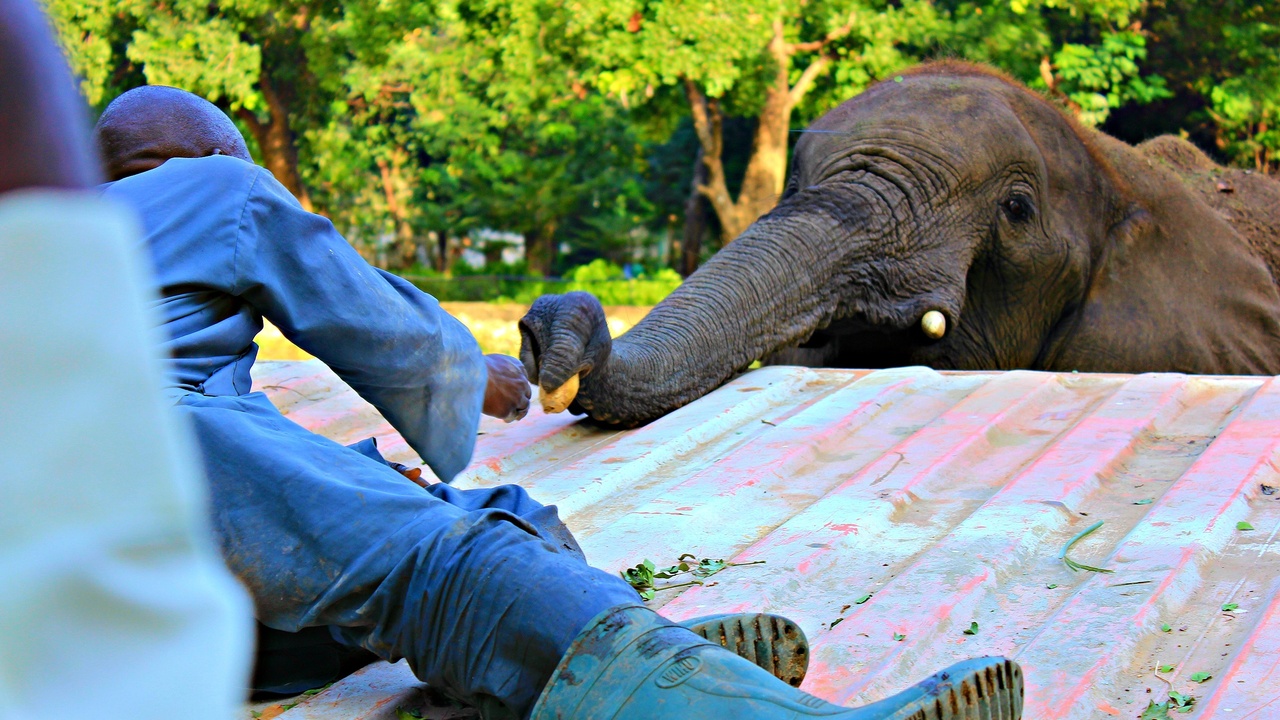
Large mammals act as keystone and umbrella species: their movements shape vegetation, disperse seeds and keep food webs intact. They also underpin tourism businesses that provide jobs to guides, lodge staff and local craftspeople; safaris to Yankari and boat trips on Kainji Lake draw paying visitors who support nearby communities.
Nigeria officially has 8 national parks (Nigeria National Park Service), and Gashaka-Gumti is the country’s largest protected area at 6,402 km². Yet poaching and habitat fragmentation continue to threaten big mammals, so many of these populations are listed or assessed by IUCN and monitored by groups like WWF and local NGOs.
1. African Elephant (Loxodonta africana / West African populations)
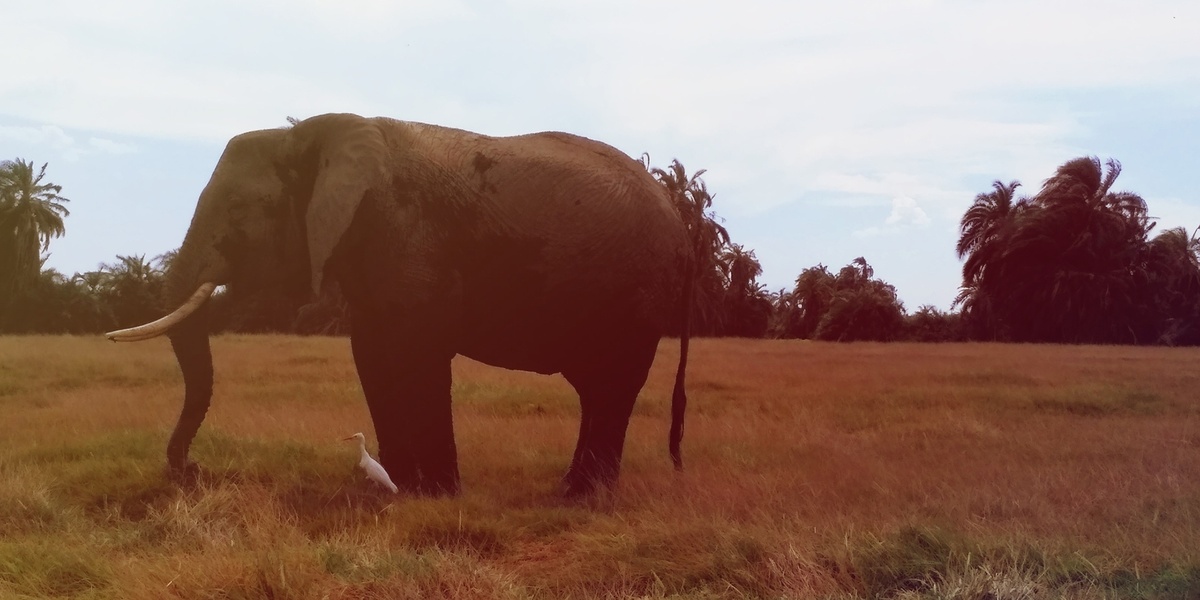
Elephants are among the most iconic and ecologically influential mammals in Nigeria’s savannas and parklands, shaping tree cover and dispersing large seeds. Across West Africa their range has contracted sharply, and remaining groups near Kainji Lake and Yankari form important conservation remnants documented in regional IUCN summaries.
Beyond ecology, elephants attract safari visitors and sustain guides, drivers and lodges. Threats include ivory poaching and human–wildlife conflict on farmland, and Nigerian NGOs such as the Nigeria Conservation Foundation work with communities on fencing, compensation schemes and anti-poaching patrols to reduce incidents and support coexistence.
2. Lion (Panthera leo)
Lions once ranged more widely across Nigeria but are now locally rare or extirpated in many areas; historical records show broad distribution while contemporary surveys suggest very limited, patchy presence. In places like Yankari there are occasional reports and camera-trap evidence of large felids, but national and regional IUCN assessments emphasize that viable lion populations require large, connected prey bases and protected habitat.
Because lions are indicators of ecosystem health and can draw international tourism, regional partnerships and long-term habitat connectivity are essential for any chance of recovery. That requires coordinated anti-poaching, prey recovery and landscape-scale planning.
3. Leopard (Panthera pardus)
Leopards are remarkably adaptable and secretive, persisting in both forest patches and savanna mosaics where human presence is lower. Camera-trap studies and park reports have detected leopards in places such as Gashaka-Gumti and pockets of Okomu, showing their ability to survive in fragmented landscapes when pressure is reduced.
As top predators, leopards help control herbivore and mesopredator numbers, benefiting vegetation and smaller prey species. Their main threats are snaring, retaliatory killing and forest loss, so anti-snare patrols and community outreach remain top conservation priorities.
4. Hippopotamus (Hippopotamus amphibius)
Hippos are freshwater specialists in larger rivers and lakes, and they play a surprising role in nutrient cycling by moving material between land and water. Kainji Lake and its associated waterways host hippo sightings and are places where their grazing shapes aquatic vegetation and influences fish habitats.
Hippos can be a draw for boat-based tourism and support riverside livelihoods, but they face threats from illegal hunting, dam construction and pollution. Freshwater biodiversity studies and IUCN assessments underline declining trends where rivers are modified or overexploited.
Forest Specialists and Primates
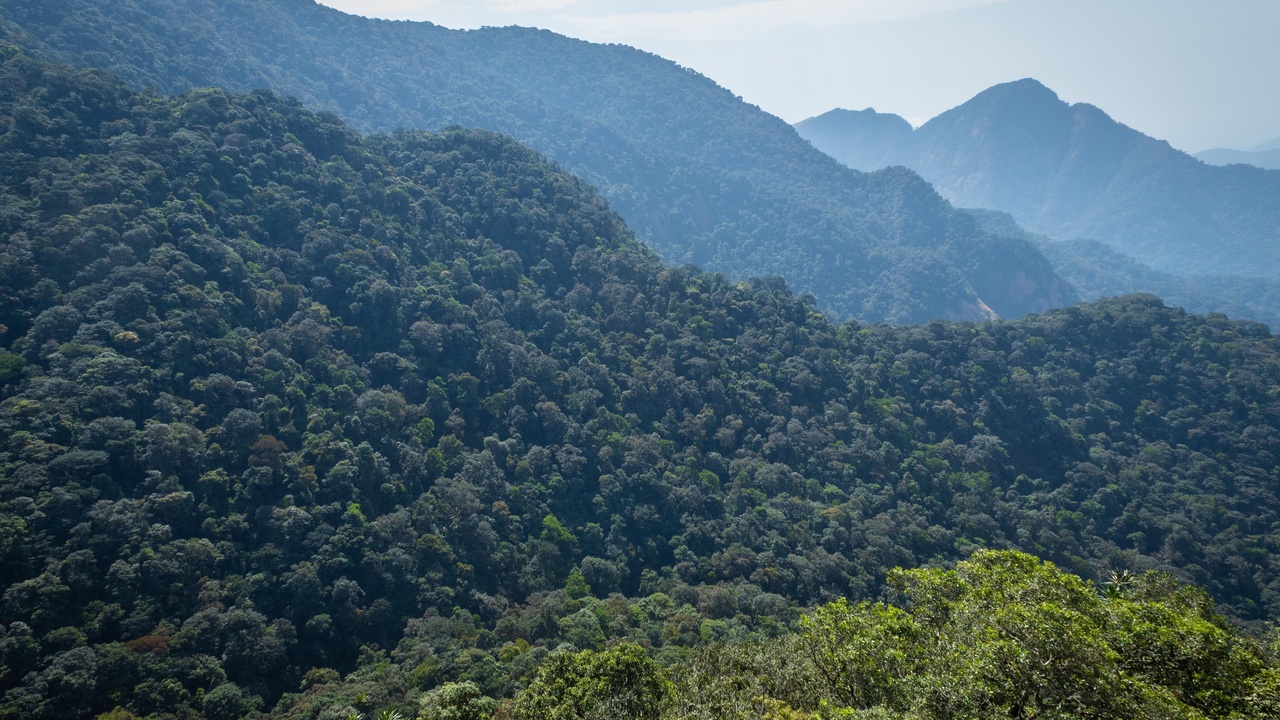
Remaining forest patches—Cross River, Okomu and scattered corridor fragments—are biodiversity hotspots that host endemic and highly threatened species. These forests supply water, store carbon and support pollinators and fisheries for downstream communities.
Primates act as both flagships and ecological indicators: their sensitivity to disturbance means protecting them also safeguards broader ecosystem services. Logging, agricultural expansion, the bushmeat trade and international wildlife trafficking are the main threats documented by IUCN and TRAFFIC in the region.
5. Cross River Gorilla (Gorilla gorilla diehli)
The Cross River gorilla is one of Africa’s rarest great apes, living in a small transboundary population between Nigeria and Cameroon. Best-available estimates put numbers at roughly 200–300 individuals, a figure cited in IUCN accounts and recent field surveys.
Protecting these gorillas conserves montane and lowland forest blocks and unlocks international funding and research partnerships (for example with the Zoological Society of London). Cross River National Park and adjacent Cameroonian forests rely on community-based monitoring and ranger patrols to reduce hunting and maintain habitat.
6. Nigeria–Cameroon Chimpanzee (Pan troglodytes ellioti)
This chimpanzee subspecies occupies scattered forest patches in Nigeria and Cameroon and is threatened by logging, hunting and fragmentation. IUCN assessments list the subspecies as facing significant declines where forest cover is lost and bushmeat pressure is high.
Maintaining forest corridors between Okomu and Cross River landscapes is vital for genetic exchange, and local NGOs run education and rehabilitation programs to reduce hunting and support rescued animals.
7. African Grey Parrot (Psittacus erithacus)
The African grey parrot has deep cultural and economic value but has suffered steep declines across West Africa due to trapping for the international pet trade and loss of forest habitat. TRAFFIC and IUCN reports document declines of more than 70% in parts of the species’ range.
Addressing illegal trade, improving enforcement under CITES and developing community livelihood alternatives are concrete ways to reduce pressure. Historic market routes and recent enforcement actions show both the scale of the problem and pathways for recovery.
8. Forest Elephant/Forest Ungulates and Duikers
Smaller forest mammals—duikers and forest-adapted elephants where they persist—are central to seed fate and forest regeneration, moving and consuming seeds in ways that shape future tree communities. Okomu and Cross River recordings regularly note duikers as common but declining components of the mammal assemblage.
Since duikers are heavily targeted by bushmeat hunters, community patrols and alternative protein projects help reduce hunting pressure and thus support forest structure, carbon storage and long-term ecosystem resilience.
Wetlands, Birds, and Reptiles
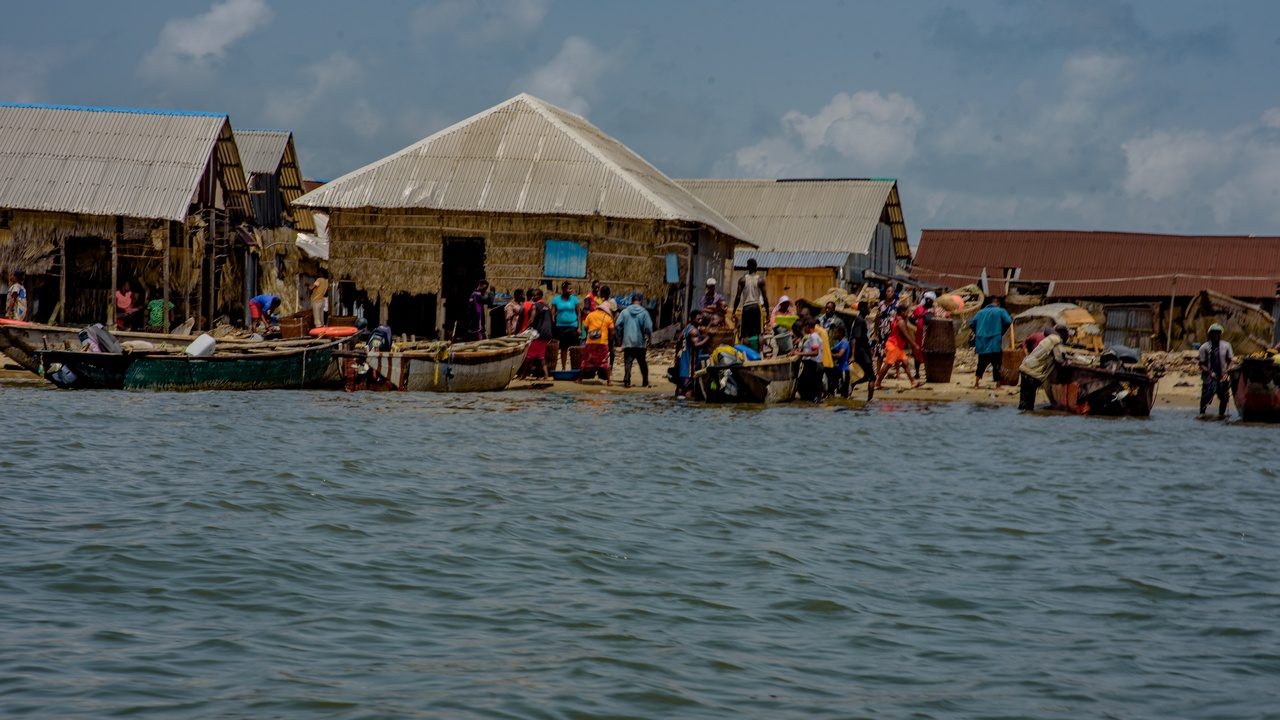
Nigeria’s coastal and wetland systems—Niger Delta mangroves, Lagos lagoon and coastal beaches—are critical for fisheries, storm protection and migratory flyways. These habitats support thousands of fishers and salt-harvesters while serving as stopovers for birds and nesting grounds for turtles.
Wetlands’ health is directly tied to livelihoods, so pollution, oil spills, coastal development and sand mining have outsized impacts. Conservation work informed by IUCN and university studies helps quantify nesting numbers, bird counts and manatee sightings to guide local protection measures.
9. African Manatee (Trichechus senegalensis)
The West African manatee is a gentle, shy aquatic mammal that inhabits coastal lagoons and large rivers, and it serves as an indicator of healthy seagrass and mangrove systems. IUCN lists the species as vulnerable in many parts of its range due to bycatch, boat strikes and habitat degradation.
Protecting manatees benefits fisheries and shoreline stability, and community-led monitoring in parts of the Niger Delta has documented local sightings and bycatch incidents that feed into conservation planning and awareness campaigns.
10. Sea Turtles (Green and Hawksbill)
Nigeria’s beaches are used by green and hawksbill turtles for nesting, with seasons peaking at predictable months depending on locality. Local NGOs and volunteer groups run beach patrols that record nesting attempts and protect eggs from collection and disturbance.
Protecting nesting beaches supports eco-tourism, helps maintain coastal dunes and reduces erosion. The biggest threats are coastal development, egg harvesting and marine pollution, and groups working with UNEP and regional partners compile nesting counts to monitor trends.
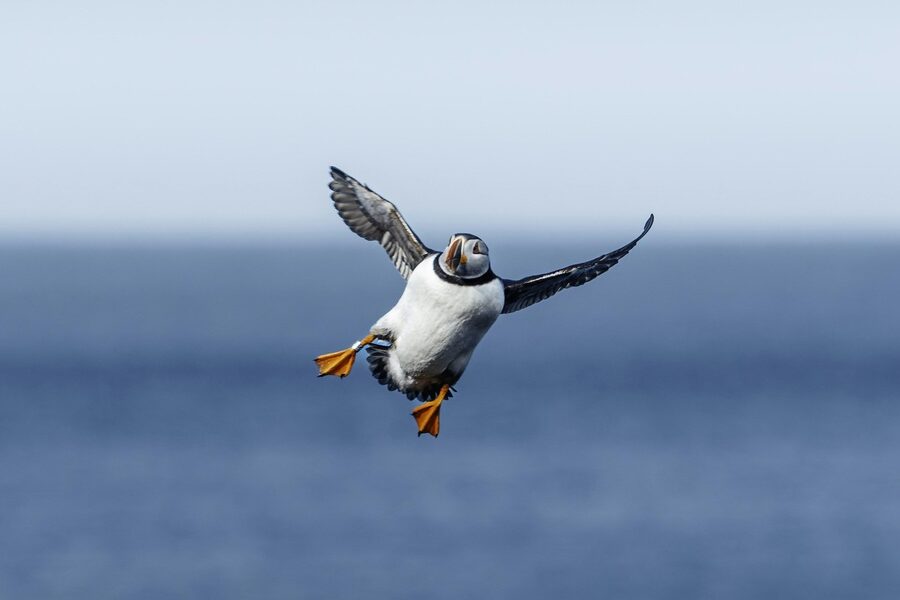
11. Migratory and Water Birds (waders, flamingos, and ducks)
Nigeria sits on major East Atlantic and Afro‑tropical flyways, hosting large congregations of waders, ducks and other waterbirds in wetlands like Lagos lagoon and parts of the Niger Delta. These sites are vital for overwintering and refueling during migration.
Bird counts and surveys from Wetlands International and local ornithological groups show how important these wetlands are, and protecting them supports birdwatching economies and signals wetland health for fisheries and communities.
12. African Rock Python and Other Reptiles
The African rock python, monitor lizards and crocodiles occupy riverine and forest habitats, acting as apex or meso-predators that regulate fish and small mammal populations. Crocodiles, for example, are reported from Kainji Lake and other freshwater systems where they influence aquatic food webs.
Reptiles are culturally significant in many communities but vulnerable to hunting and habitat loss. Conservation programs that address trade and protect nesting or basking sites help reduce declines and unintended human–wildlife conflict.
Summary
- Protecting these 12 species protects entire ecosystems and the livelihoods that depend on them, from fishers in the Niger Delta to guides at Yankari and Kainji Lake.
- Many of the highlighted animals are globally threatened—most notably the Cross River gorilla (≈200–300 individuals)—and require targeted action including law enforcement, habitat corridors and community engagement.
- Protected areas are central anchors: Nigeria has 8 national parks, and Gashaka‑Gumti (6,402 km²) remains a cornerstone for large‑scale conservation in the country.
- Coastal and wetland conservation pays dividends for people and nature alike, supporting fisheries, protecting coasts and sustaining migratory bird and turtle populations through local monitoring and beach protection.
- Get involved: visit parks responsibly, support credible local NGOs, and follow IUCN, WWF and national park updates to stay informed about the wildlife of nigeria and practical ways to help.