In the early 2000s fewer than 100 Iberian lynx remained in the wild; coordinated conservation has helped that number climb into the low thousands. That dramatic turnaround grabs headlines, but it’s one chapter in a much larger story about nature across Spain’s mosaics of wetlands, mountains, islands and productive coasts.
Spain’s fauna matters for more than wildlife lovers. Nature underpins regional economies through ecotourism, provides services such as pollination and flood regulation, and shapes local identities from Andalusian steppe villages to Cantabrian mountain communities.
This piece highlights ten especially impressive animals and groups, showing where to see them, why they matter ecologically and culturally, and what their recoveries or declines teach us. For readers curious about the wildlife of Spain, expect concrete sites (parks and reserves), recent numbers, and practical viewing suggestions.
Iconic Mammals and Conservation Success Stories
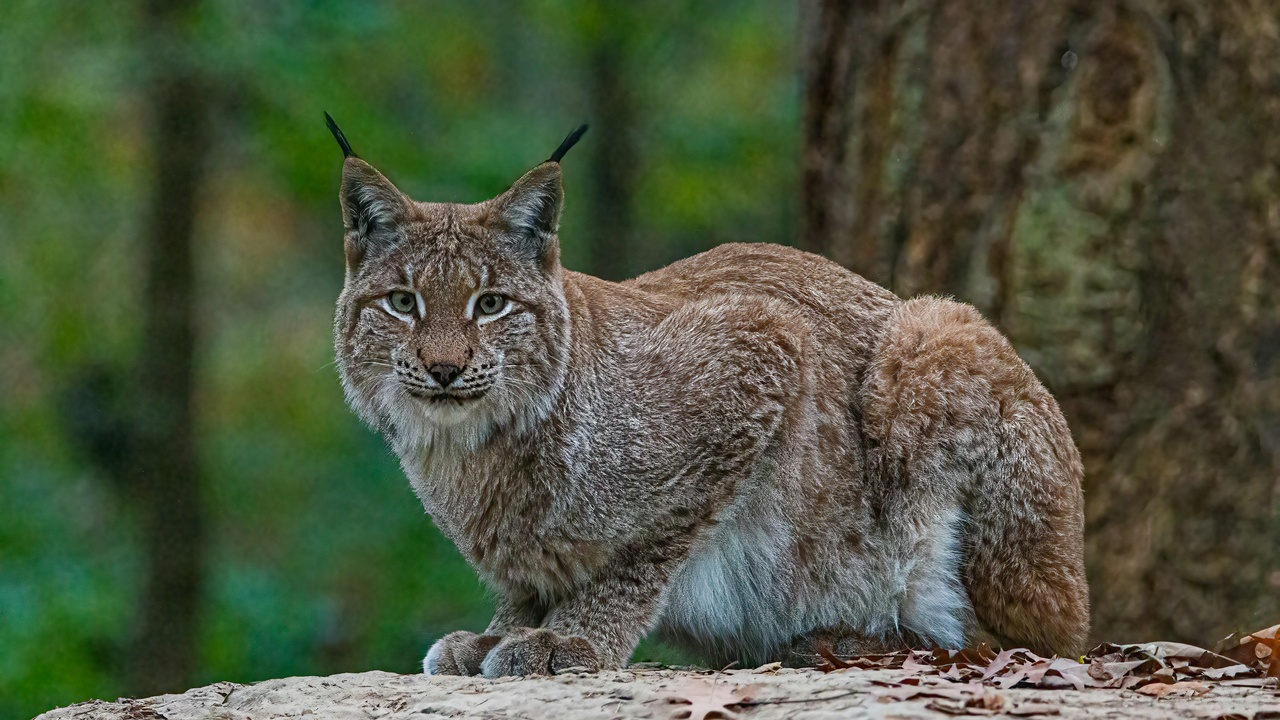
Spain’s Mediterranean scrub, oak woodlands and Cantabrian highlands host both small island specialists and large carnivores. Several species have benefited from active reintroductions and protection, though human–wildlife conflict and fragmentation remain pressing challenges.
Conservation in Spain often links to local economies: protected areas like Doñana and the Cantabrian Mountains draw tourists while programs run by IUCN partners, WWF España and the Spanish Ministry for Ecological Transition support monitoring, compensation schemes and habitat restoration.
1. Iberian lynx — Europe’s rare feline comeback
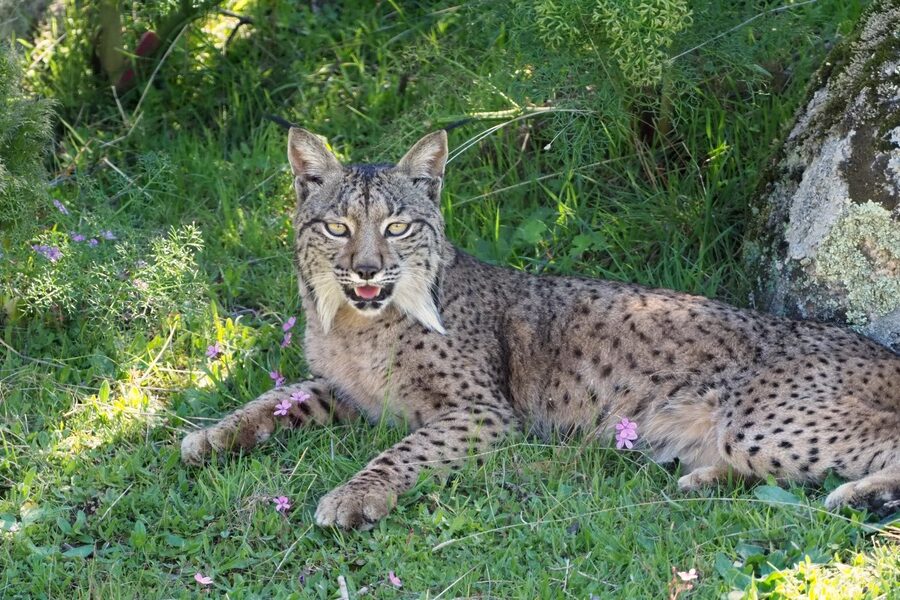
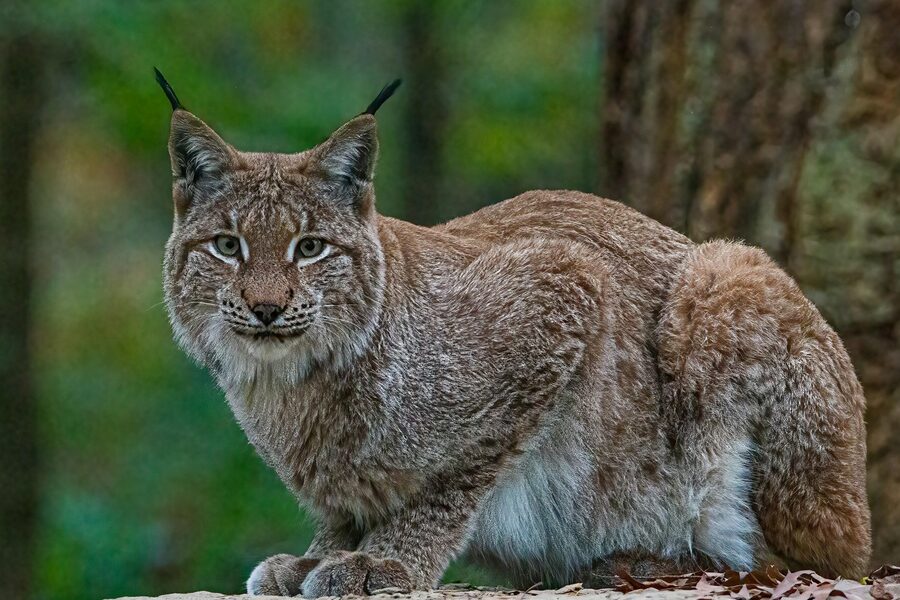
The Iberian lynx is one of Spain’s most famous conservation successes. After a collapse to under 100 individuals in the early 2000s, coordinated captive-breeding and reintroductions helped numbers recover to roughly 1,000–1,200 animals in the following decade (figures tracked by IUCN and WWF partners).
Captive-breeding centres in Andalusia and targeted releases in Doñana and Sierra Morena are central to the program. Genetic and health monitoring, rabbit restoration (their main prey) and road-mitigation measures support long-term viability.
Local communities benefit through guided wildlife tourism, research jobs and conservation funding, but threats persist: habitat loss, vehicle collisions and periodic disease outbreaks require ongoing attention.
2. Spanish wolf — resilient packs in the north
The Iberian wolf’s stronghold is northwestern Spain. Recent surveys estimate the combined Spanish and Portuguese population in the low thousands, with common state ranges cited around 1,500–2,500 animals across the peninsula.
Regional attitudes vary: Galicia and Asturias tend to show more local tolerance than some areas of Castilla y León, where livestock losses drive tensions. Compensation schemes, improved shepherding practices and non-lethal deterrents are key management tools.
Visitors hoping to glimpse wolves often head to Sierra de la Culebra (Zamora), where guided tours and long-term monitoring projects use tracking, camera traps and genetics to better understand pack dynamics.
3. Cantabrian brown bear — a fragile recovery
The Cantabrian brown bear population has slowly rebounded but remains vulnerable, with recent estimates of around 300 individuals in the Cantabrian range. Small population size and fragmentation create genetic and demographic risks.
EU-funded LIFE projects and regional corridor initiatives aim to reconnect habitat patches, reduce vehicle collisions and improve monitoring. Cross-regional cooperation and community involvement are essential to prevent setbacks.
Protected areas and lookout points in the Cantabrian Mountains offer responsible wildlife-watching opportunities that encourage local stewardship while limiting disturbance.
4. Iberian ibex and other mountain specialists
Steep cliffs and high ridges host charismatic ungulates like the Iberian ibex, well adapted to vertical terrain and common in several mountain systems. Historical overhunting led to declines but legal protection and sensible management allowed many populations to recover.
Sierra Nevada and Picos de Europa are strongholds where ibex and other mountain specialists thrive. When hunting is sustainably managed it becomes part of local rural economies, and non-lethal wildlife tourism—photography and guided hikes—adds an alternative income stream.
Mountain species also act as indicators of ecosystem health; conserving their habitats benefits water regulation, soil stability and other species that share alpine niches.
Birds and Migratory Marvels
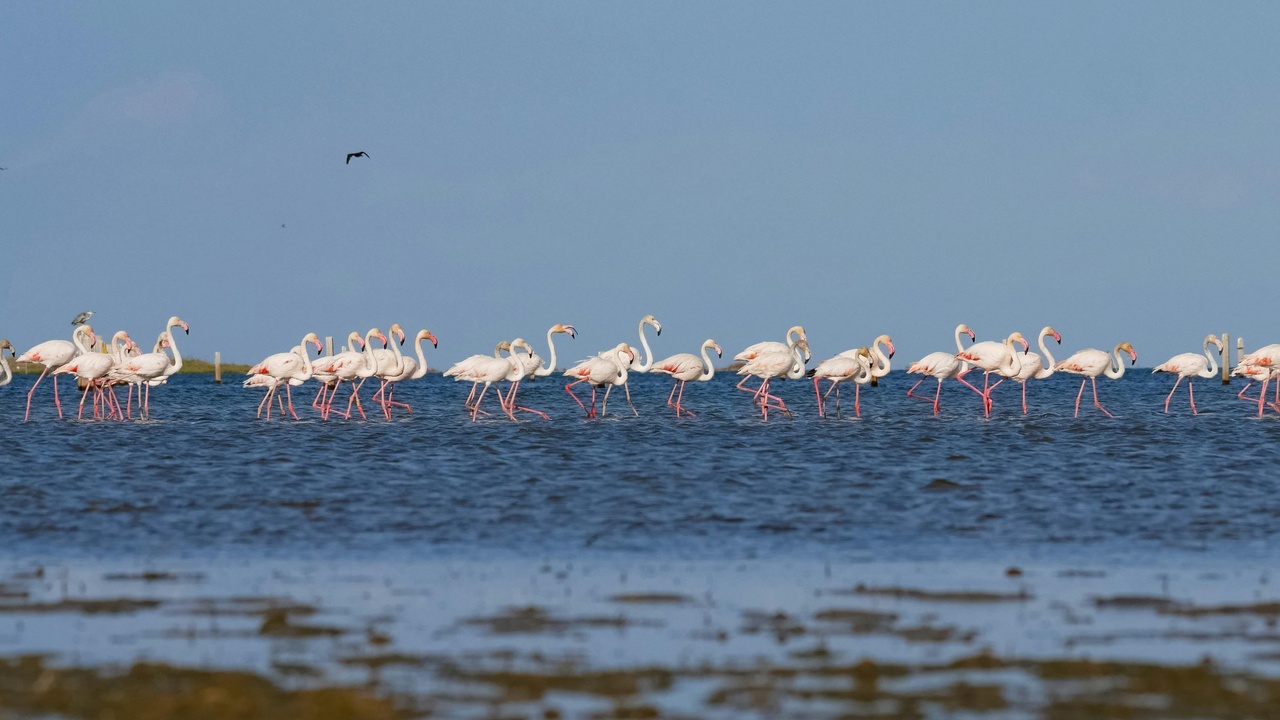
Spain sits along the East Atlantic flyway and acts as both wintering ground and stopover for tens of millions of migratory birds each year. Wetlands and deltas such as Doñana and the Ebro Delta provide crucial feeding and resting habitat for long-distance migrants.
These sites support local economies through birdwatching and related services, and they serve as important barometers for global environmental change.
5. Greater flamingo — pink clouds on the wetlands
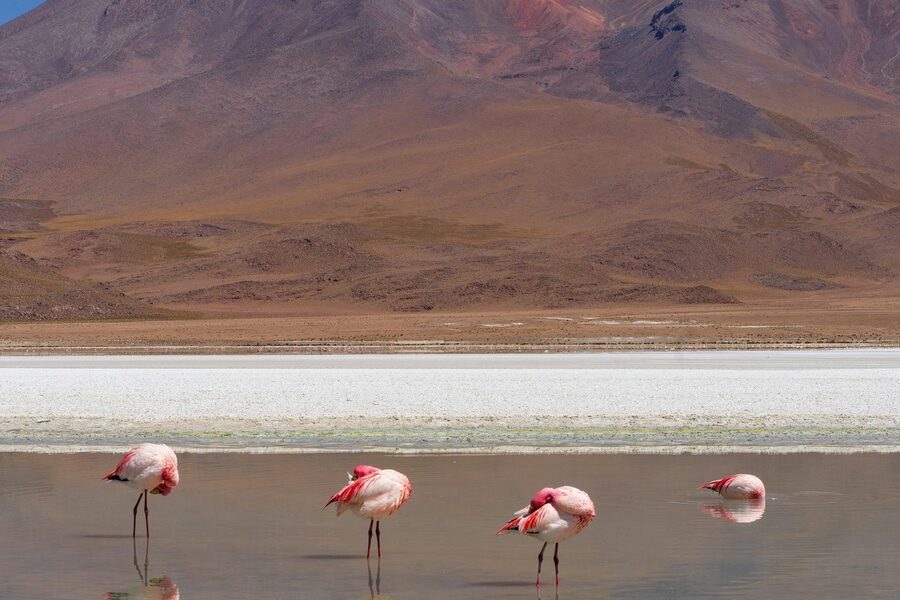
Large flocks of greater flamingos create memorable spectacles at Spain’s key wetlands. Important colonies can number several thousand birds at sites like the Ebro Delta, Doñana and Fuente de Piedra.
These birds rely on salt pans and shallow lagoons for feeding and breeding, and managed saltworks often support abundant food resources. Flamingo tourism generates measurable income for coastal communities, encouraging wetland conservation.
Flamingos are most visible in spring and late summer during breeding and post-breeding movements, though timing varies by site and annual conditions.
6. Griffon vulture — cliffs alive with scavengers
Spain hosts one of Europe’s largest populations of griffon vultures—tens of thousands overall—making it a continental stronghold. Vultures provide vital scavenging services that recycle carcasses and limit disease spread.
Threats include poisoning and collisions with powerlines. Conservation measures such as safe feeding stations, carcass management plans and powerline mitigation have helped many colonies recover.
Monfragüe National Park and other limestone cliffs are excellent places to watch vultures and support local guides who combine conservation education with tourism.
7. Bonelli’s eagle and other Mediterranean raptors
Bonelli’s eagle is a high-priority raptor in Spain, with targeted nest protection, translocations and local reintroduction efforts underway in places like Catalonia and parts of Andalusia.
Electrocution on pylons, human disturbance and prey declines threaten raptor populations. Raptor-safe pylon retrofits, protected nesting zones and careful land-use planning reduce risks.
These powerful birds attract specialist birdwatchers; their monitoring programs also inform broader landscape decisions, such as where to allow development or wind infrastructure.
Reptiles, Amphibians and Island Endemics
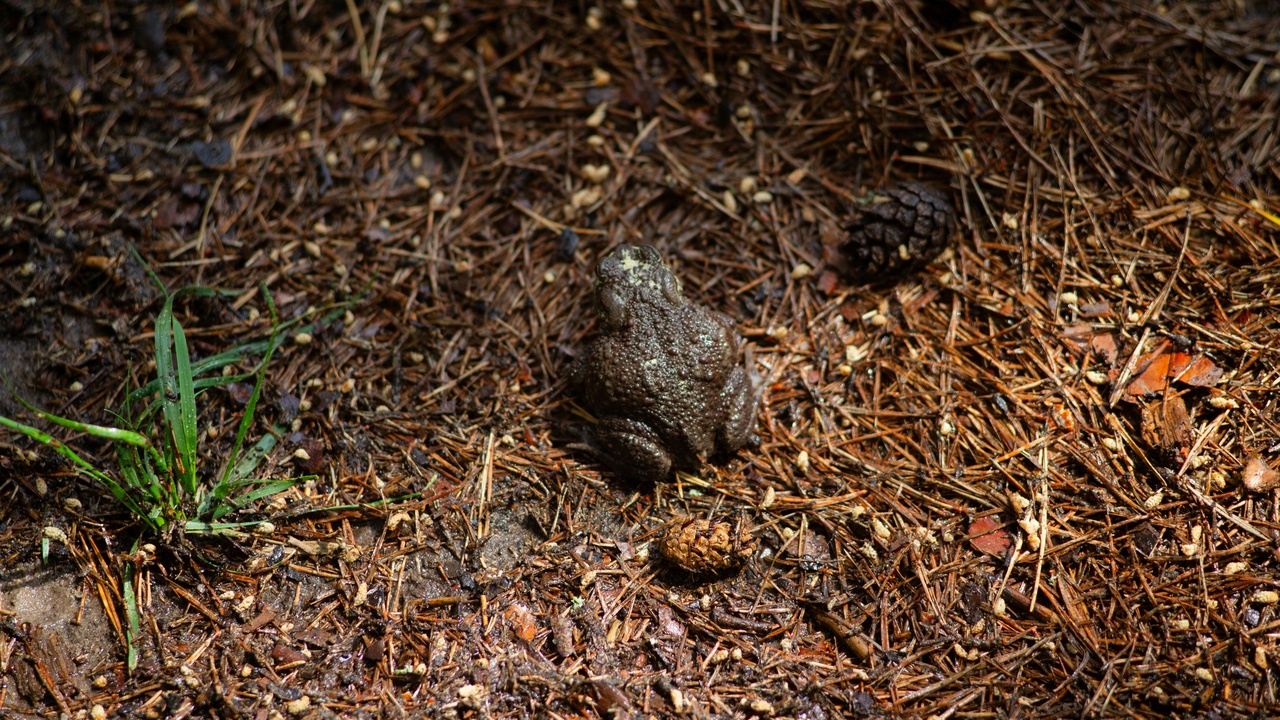
The Balearic and Canary Islands, plus peninsular microhabitats, shelter many endemics—species found nowhere else. Island fauna tend to have tiny ranges and high conservation sensitivity, so targeted actions like captive-breeding and habitat protection are common.
Reptiles and amphibians often indicate broader habitat health, and protecting them preserves unique evolutionary lineages as well as local cultural heritage.
8. Mallorcan midwife toad and island specialists
Island species often have minute ranges and special needs. The Mallorcan midwife toad (Alytes muletensis) was once critically endangered but benefitted from captive-breeding and reintroduction programs that began in the late 20th century.
This toad depends on cool mountain streams in the Tramuntana and faces threats from introduced predators and habitat loss. Captive-breeding facilities and habitat restoration have improved its prospects.
Similar stories of focused conservation apply to other Balearic and Canary endemics, where small-scale, hands-on interventions can avert extinction.
9. Mediterranean tortoise and diverse reptiles
Spain hosts Mediterranean tortoises such as Hermann’s and the spur-thighed tortoise, along with a rich assemblage of lizards and snakes in dry scrub and dune systems.
Illegal collection for the pet trade, coastal development and dune loss threaten these species. Citizen science projects, wildlife rehabilitation centres and dune-protection initiatives help monitor populations and rescue individuals.
Regions like Valencia and parts of Catalonia still hold healthy Hermann’s tortoise populations where local conservation and public awareness are strong.
10. Marine wildlife — whales, dolphins and sea turtles off Spanish coasts
Spanish waters—from the Atlantic, Canary Islands and Strait of Gibraltar to Mediterranean shores—host rich marine life. Over 20 cetacean species have been recorded in these waters, including common dolphins, bottlenose dolphins and fin whales.
Loggerhead sea turtles nest and forage along Mediterranean and Atlantic beaches, and responsible whale-watching in the Canary Islands and the Strait of Gibraltar supports local economies while promoting conservation.
Threats such as fisheries bycatch, plastic pollution and vessel strikes are tackled by MPAs, bycatch mitigation measures and research led by groups like the Spanish Cetacean Society and WWF España.
Summary
- The recovery of the Iberian lynx shows how captive-breeding, habitat restoration and long-term monitoring can bring a species back from the brink.
- Spain’s position on major flyways and its extensive wetlands make it essential for migratory birds—protecting deltas and marshes protects millions of migrants and local livelihoods.
- Island endemics and certain mountain populations remain highly vulnerable; targeted, small-scale interventions (captive breeding, corridors, safe infrastructure) are often the difference between persistence and loss.
- Responsible wildlife tourism, support for trusted NGOs (WWF España, SEO/BirdLife, Spanish Cetacean Society) and participation in citizen science are practical ways to help on-the-ground conservation.