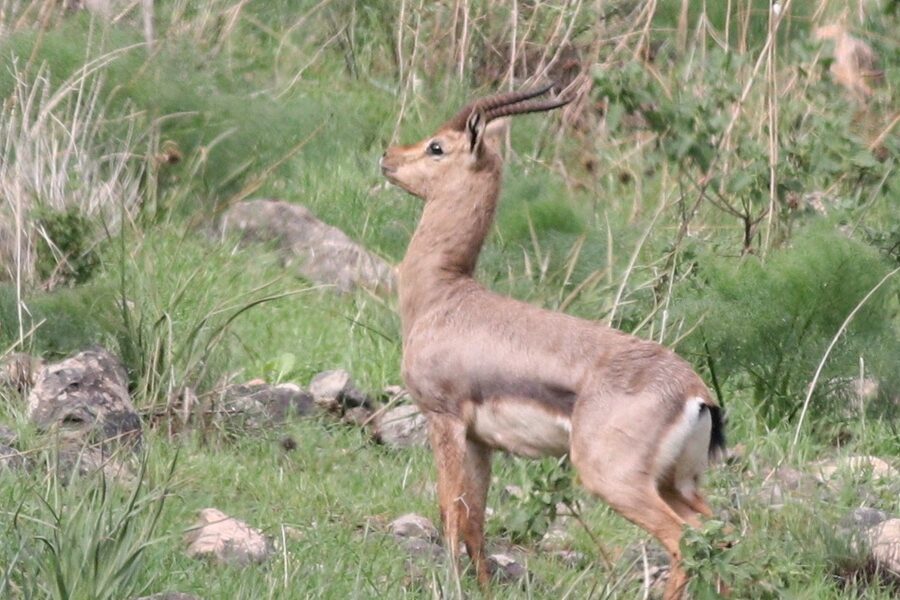
In the 1960s birdwatchers first flocked to the River Gambia estuary and helped put this small West African country on the global nature map. Imagine sliding along the river in a wooden launch at dawn, hippos grunting in the shallows while African fish eagles wheel and a guide points out a troop of monkeys on a shaded bank.
The Gambia punches far above its weight: within just 11,295 km² it hosts a remarkable concentration of riverine mammals, migratory and resident birds, reptiles and coastal species that together tell the story of West Africa’s ecosystems. These species support livelihoods, cultural traditions and important migration routes.
This piece profiles the top eight wildlife highlights that illustrate the country’s ecological importance and conservation priorities, from river giants and primates to raptors, shorebirds and mangrove life. For specific population or range figures consult BirdLife International, the IUCN and the Gambia Department of Parks and Wildlife.
Riverine Mammals and Large Fauna
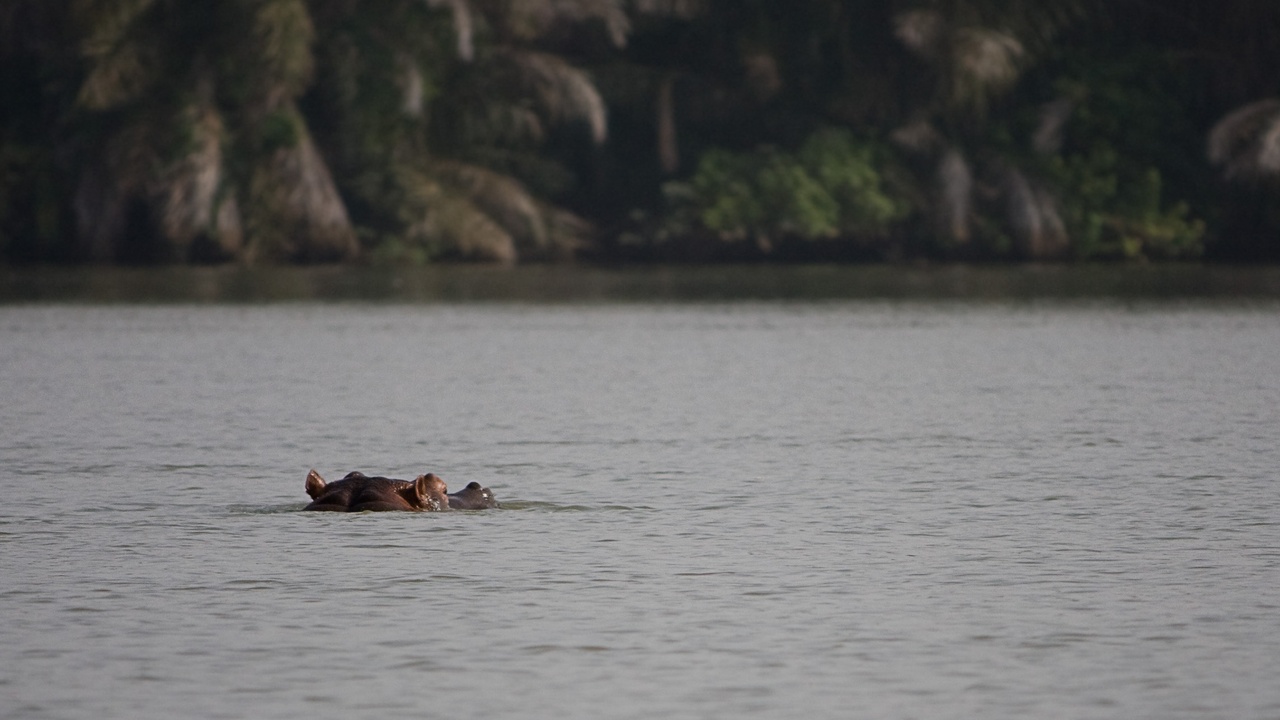
The River Gambia (roughly 1,120 km long) is the spine of the country’s wildlife, concentrating fauna along its freshwater corridors and tidal estuaries. Much of the nation’s biodiversity is tied to these riparian zones, which provide drinking water, feeding grounds and migration routes for species big and small.
Protected areas such as River Gambia National Park and the Bao Bolong Ramsar site channel visitors and researchers into compact, accessible habitats where wildlife viewing and community livelihoods overlap. Boat safaris and village-based tourism generate important income for local people.
Conservation pressures are clear: habitat loss upstream, unsustainable hunting, and increasing river traffic all complicate management. Park rangers and local groups are working to balance tourism, fishing and species protection along the river corridor.
1. Hippopotamus: The River’s Heavyweight
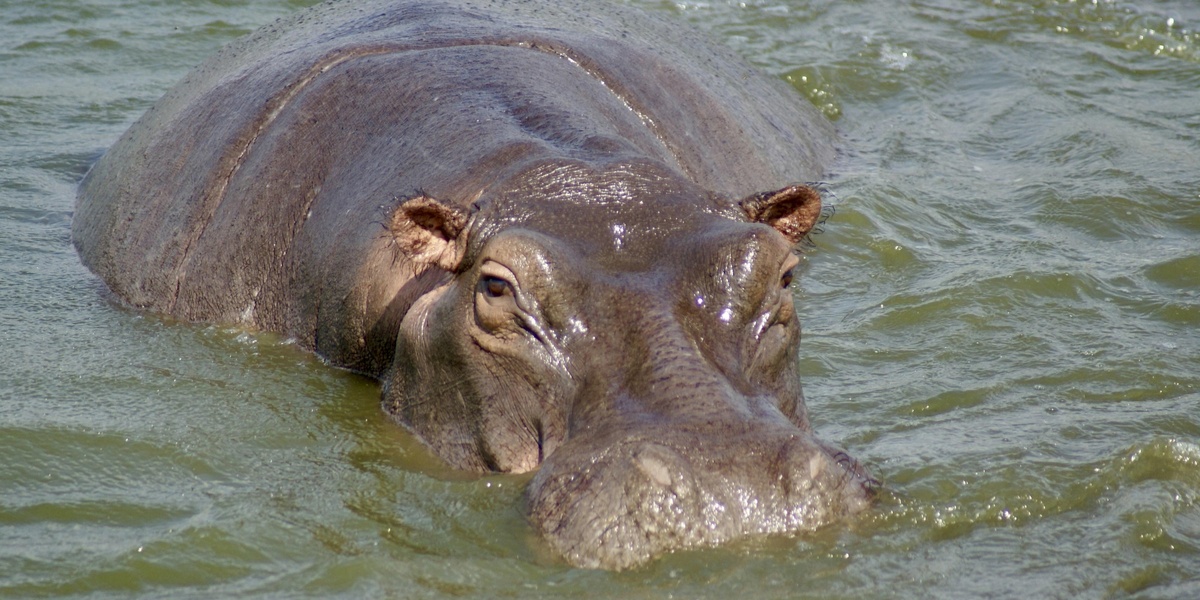
Hippos are among the most visible large mammals along the River Gambia, readily spotted from morning and evening boat safaris in River Gambia National Park and adjacent channels. They often lie semi-submerged by day and graze on riverbanks after dusk.
Park reports and guide accounts record dozens at popular viewing stretches, and sightings remain a reliable draw for wildlife tourists. Hippo viewing funnels visitors into local communities that host guides and boats, supporting village economies.
That visibility brings management challenges: hippos damage fishing gear and, on rare occasions, injure fishermen. Guides emphasize safety—staying a respectful distance, avoiding sudden noise and timing encounters—so tourism and fishing can coexist.
2. Primates: Vervet and Patas Monkeys
Several primate species are common near villages, beach forests and reserves, with habituated groups making them easy for visitors to observe. Bijilo (often called Monkey Park) and Abuko Nature Reserve (established 1968) are two sites where primates are reliably seen.
Vervet and patas monkeys often forage at forest edges and in secondary growth, making them visible indicators of habitat condition. Guided primate walks and short trails at Bijilo and Abuko supply steady income for local guides and conveyances for conservation messaging.
Visitors commonly report close encounters—monkeys moving through canopy gaps or pausing on a path—so guides train guests in low-impact viewing and how to avoid feeding animals, which can lead to nuisance behavior and health issues for the primates.
3. Bushbuck, Warthog and Other Terrestrial Mammals
Beyond the riverbanks, a patchwork of savanna and forest pockets supports smaller ungulates and carnivores: bushbuck, common warthog, genet and several mongoose species. These animals are less conspicuous but critical to food-web dynamics.
Park mammal checklists and camera-trap surveys conducted by reserves and research groups document their presence and relative abundance. Rangers often log sightings and tracks, which feed into management decisions and anti-poaching patrols.
Camera traps and guided night walks can produce memorable records—warthog rooting in sandy tracks, a genet detected by infrared—providing both scientific data and wildlife-viewing opportunities for visitors who venture beyond the most frequented trails.
Birdlife and Wetland Species
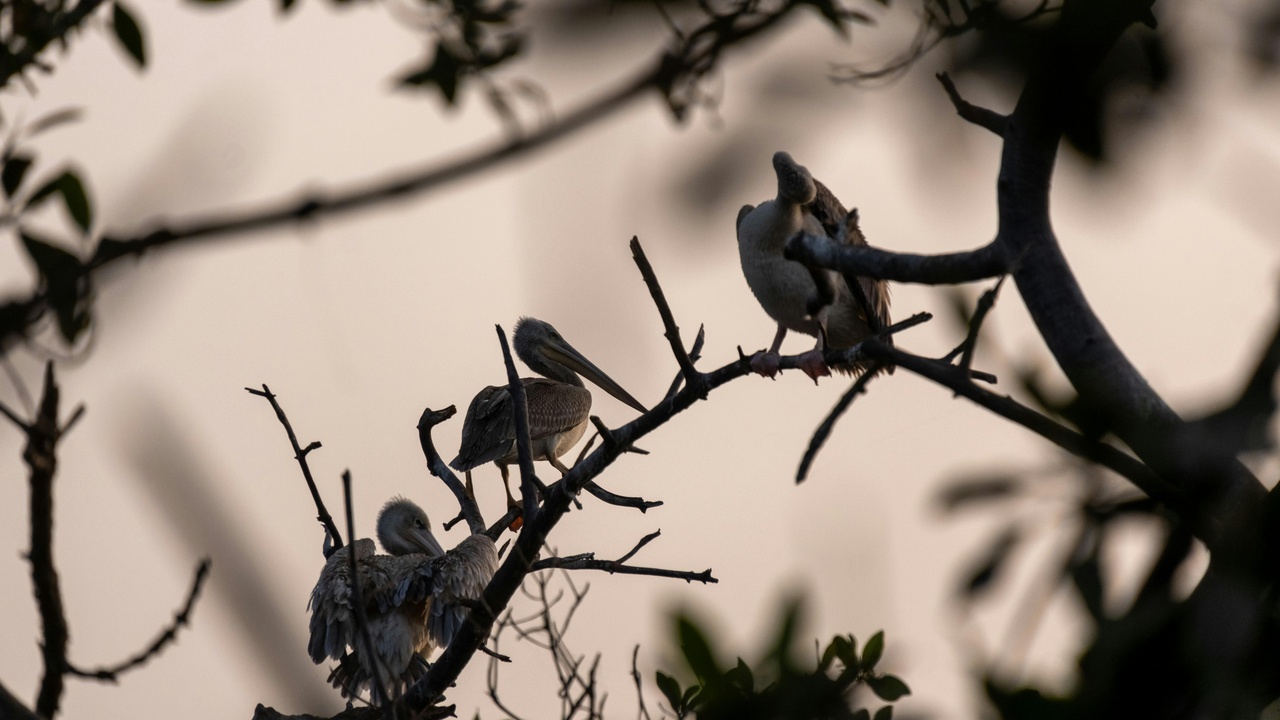
For its size the country is a global birding hotspot, with over 500 bird species recorded across riverine forests, mangroves, tidal flats and dry woodlands (see BirdLife International for species lists). That richness concentrates in easy-to-access reserves, making the country a magnet for international birdwatchers.
Tidal flats, mangrove creeks and freshwater pools form complementary habitats where migrants and residents feed; Tanji Bird Reserve and the River Gambia estuary are among the key sites. Birding seasonality also aligns with visitor offerings, so guides can plan focused tours around peak migration.
Local guides, guesthouses and small tour operators depend heavily on birding revenue, which in turn funds monitoring and habitat protection efforts that benefit many other species.
4. Migratory Birds: A Flyway Hub
The Gambia serves as a crucial wintering and stopover location for Palearctic migrants, hosting large numbers of shorebirds and passerines that arrive from Europe and Asia. This concentration of migrants underpins seasonal tourism and international conservation monitoring.
Species such as lesser whitethroat and common sandpiper are among migrants reported during counts, and organized birding trips and seasonal surveys contribute data to international flyway studies. Local counts often involve volunteer counters and guide networks.
Migratory peaks create reliable tourism seasons that help guesthouses and guides plan staffing and conservation activities; they also alert researchers to changes in timing or numbers that may reflect broader ecological shifts.
5. Resident Waterbirds and Raptors: Fish Eagle and Kingfishers
Iconic residents like the African fish eagle and several kingfisher species are staples of river cruises and photographic safaris. These birds are visible indicators of fish abundance and healthy riparian habitat.
Field guides and observational notes describe fish-eagle pairs nesting on large riverine trees and kingfishers hunting from low perches. Photographers prize these encounters for their dramatic action shots and easily observable behavior.
Raptor and waterbird sightings are also used in informal monitoring: changes in nesting success or numbers can signal shifts in fish stocks or habitat quality, which matters to both conservationists and local fishers.
6. Flamingos, Waders and Shorebirds on the Coast
Tidal flats and estuaries attract flamingos, plovers, sandpipers and large flocks of waders that shift with the tides. Tanji Bird Reserve and nearby mudflats provide predictable roosts and feeding grounds during low tide.
Seasonal counts and reserve logs document flocks and passage migrants; guides use tidal schedules to time visits for the best viewing. Maintaining intertidal health supports fisheries and the coastal communities that rely on them.
Visitors often watch mixed flocks quartering the flats at dawn, then retreat to sheltered pools as the tide returns—a rhythm that makes coastal birding both productive and memorable.
Reptiles, Mangroves and Coastal Life
Mangroves, estuaries and the Atlantic coastline broaden the Gambia’s biodiversity beyond inland forests and savannas. Mangrove stands function as nurseries for fish, trap sediments and store carbon, while estuaries link freshwater and marine systems.
Protected coastal sites and community-led mangrove restoration projects help sustain fisheries and buffer erosion. Conservation concerns include bycatch of turtles and fish, coastal development pressure and pollution from upstream activities.
Local fishers, reserve staff and NGOs often collaborate on monitoring and sustainable practices that benefit both biodiversity and village livelihoods along the coast and river mouths.
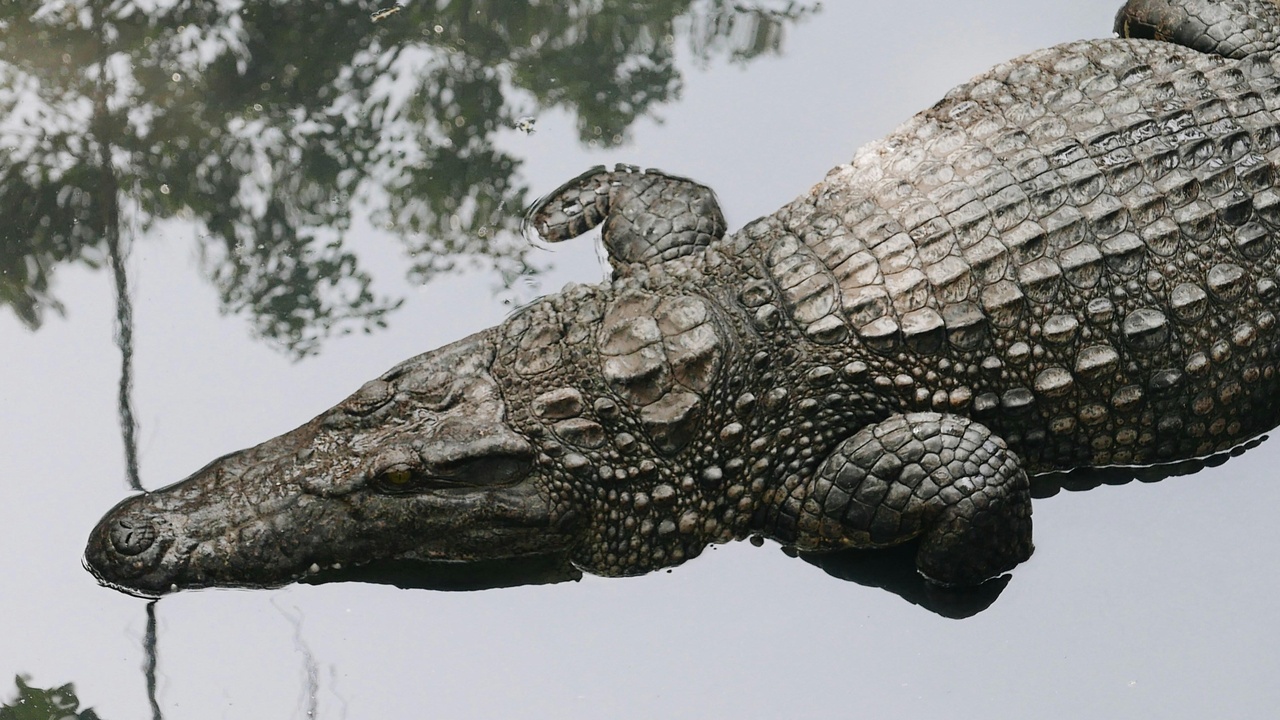
7. Nile Crocodile: River Predator and Tourist Draw
The Nile crocodile is a visible apex predator in rivers and estuaries, regularly sighted basking on banks or sliding into the water when boats approach. Its presence shapes river food webs and attracts curious tourists.
IUCN assessments list the species with a broad range, and local park records and ranger logs document regular sightings in protected river reaches. Crocodile monitoring—counts, nest checks and occasional relocations—feeds management planning.
Guides brief visitors on safety and respectful viewing distances; rangers sometimes engage communities in nest protection to reduce conflicts and protect hatchlings for future decades.
8. Turtles, Mangrove Fauna and Estuarine Fish
The coast and mangroves support sea turtles (report presence carefully and consult regional conservation groups for confirmed species), juvenile fish, crabs and mudflat specialists that form the backbone of local fisheries. Mangroves are essential nursery habitats for many commercial fish species.
Regional turtle-conservation projects and IUCN species accounts provide the best sources for verified records and ongoing protection efforts. Community turtle patrols and seasonal awareness campaigns have been used in neighboring countries and may inform local initiatives here.
Examples from coastal villages include sustainable crab-harvesting practices and small-scale mangrove restoration that both protect shoreline resilience and support long-term fish production.
Summary
- The River Gambia is the country’s ecological backbone, concentrating a remarkable range of species within just 11,295 km².
- For birds, this small nation punches above its weight — over 500 species are recorded, drawing international birders and contributing to flyway monitoring (see BirdLife International).
- Mangroves, crocodiles, hippos, primates and coastal fauna form linked habitats that sustain fisheries, tourism and community livelihoods; protecting these zones is a conservation priority.
- Support responsible ecotourism and local conservation efforts (and consult IUCN and national authorities for species-level data) to help ensure these species persist for future visitors and residents.