São Tomé and Príncipe’s isolation has shaped a lot of unique plants and animals, but that same isolation makes the islands sensitive to outside species. Small ecosystems can change quickly when introduced plants or animals take hold, affecting forests, freshwater habitats and agriculture.
There are 15 Invasive Species in Sao Tome and Principe, ranging from African Tulip Tree to Siam Weed. For each species you’ll find below a concise table organized with the columns: Scientific name,Distribution (island/habitat),Impact so you can quickly see where each appears and what it does; you’ll find below detailed entries for all 15 species.
How do these invasive species typically arrive and spread on the islands?
Most arrive via human activity — shipping, contaminated plant material, intentional planting or accidental release — then spread locally by wind, water, animals or human movement; knowing common pathways helps target prevention at ports, nurseries and roadside plantings.
What practical steps can residents and authorities take to reduce impacts?
Early detection and rapid removal of new populations, strict controls on imported plants and soil, public awareness, and coordinated habitat restoration are the most effective measures to limit establishment and reduce long-term damage.
Invasive Species in Sao Tome and Principe
| Name | Scientific name | Distribution (island/habitat) | Impact |
|---|---|---|---|
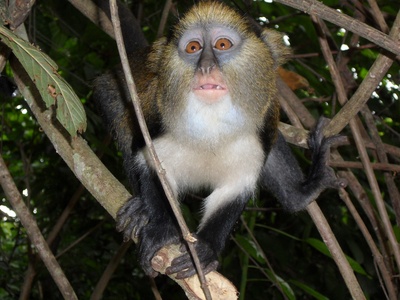
| Mona Monkey | Cercopithecus mona | São Tomé; forests and agricultural areas. | Preys on native bird eggs and nestlings, including endemic species. |
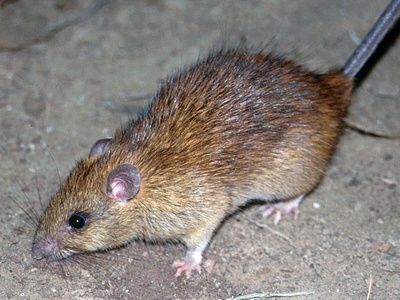
| Black Rat | Rattus rattus | Both islands; widespread in all habitats, including human settlements. | Major predator of bird eggs/chicks; damages crops and spreads disease. |
| Feral Pig | Sus scrofa | São Tomé; forests and agricultural lands. | Damages native vegetation and soils through rooting; raids crops. |
| Feral Cat | Felis catus | Both islands; widespread from forests to urban areas. | Preys heavily on native birds, reptiles, and invertebrates. |
| House Mouse | Mus musculus | Both islands; primarily in and around human settlements and agriculture. | Consumes stored food, damages crops, and may impact native invertebrates. |
| House Gecko | Hemidactylus mabouia | Both islands; common on buildings and in disturbed habitats. | Competes with and displaces native gecko species. |
| Common Waxbill | Estrilda astrild | Both islands; open habitats, grasslands, and agricultural areas. | Competes with native seed-eating birds for food resources. |
| Quinine Tree | Cinchona ledgeriana | São Tomé; montane cloud forests and old plantations. | Forms dense, single-species stands, shading out and displacing native plants. |
| Siam Weed | Chromolaena odorata | São Tomé; roadsides, abandoned farms, and forest edges. | Smothers native vegetation, reduces pasture quality, and is toxic to livestock. |
| Guava | Psidium guajava | Both islands; forests, abandoned lands, and pastures. | Forms dense thickets that outcompete and displace native plant species. |
| African Tulip Tree | Spathodea campanulata | Both islands; common in disturbed forests and agricultural areas. | Outcompetes native trees and forms dense stands with its rapid growth. |
| Red-flowered Raspberry | Rubus rosifolius | São Tomé; forest clearings and montane habitats. | Forms dense, thorny thickets that prevent native plant regeneration. |
| Little Fire Ant | Wasmannia auropunctata | São Tomé; coastal areas, agricultural land, and forests. | Painful stings impact humans/animals; displaces native ants and invertebrates. |
| Cottony Cushion Scale | Icerya purchasi | Both islands; agricultural areas, particularly on citrus trees. | Damages citrus and other crops by sucking sap, reducing yields. |
| Giant Reed | Arundo donax | São Tomé; riverbanks and wet, disturbed areas. | Displaces native riparian vegetation and alters stream hydrology. |
Images and Descriptions
Mona Monkey
An Old World monkey with a brown back and white belly, introduced from West Africa. It has become a significant predator, threatening the island’s unique birdlife and raiding crops, causing major conservation and economic problems.
Black Rat
A slender, long-tailed rodent originally from Asia that arrived as a stowaway on ships. It is a highly adaptable and destructive species on islands worldwide, posing a severe threat to native wildlife, especially birds.
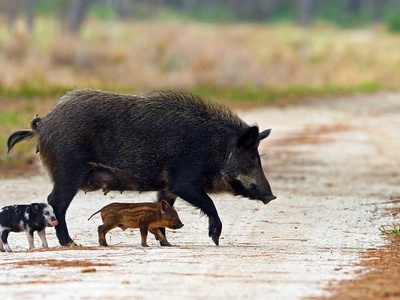
Feral Pig
Descended from domestic pigs introduced by settlers, these animals have established wild populations. Their rooting behavior disrupts forest floors, damages plant roots, and contributes to soil erosion, while also causing significant losses to local farmers.
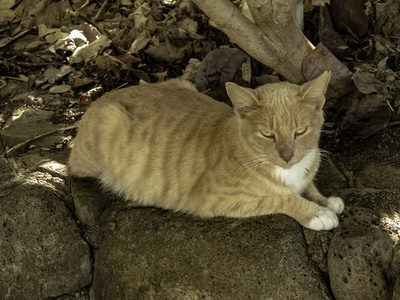
Feral Cat
Domestic cats that have established feral populations are a major threat to São Tomé and Príncipe’s endemic fauna. As efficient, non-native predators, they have a devastating impact on species that did not evolve with such threats.
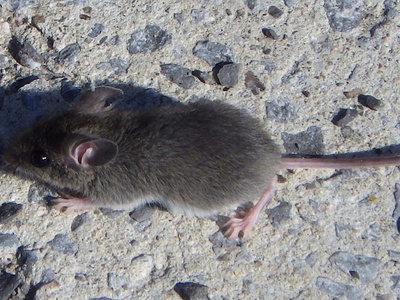
House Mouse
Originating from Eurasia, this small rodent arrived with human voyagers. While often associated with buildings, it can invade natural habitats, competing with native species for food and acting as a disease vector.
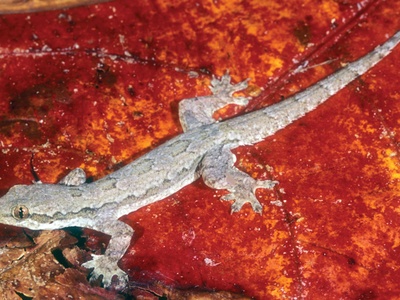
House Gecko
Native to sub-Saharan Africa, this highly successful gecko has spread globally as a stowaway. It thrives in human-altered environments, outcompeting native reptiles for food and territory, leading to declines in their populations.
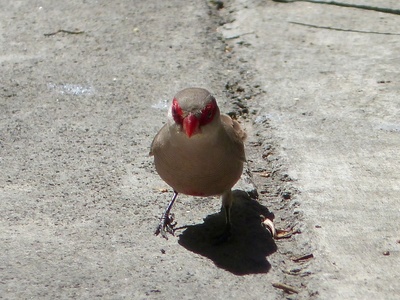
Common Waxbill
A small finch native to mainland sub-Saharan Africa, likely introduced as a cage bird. It has established large, widespread populations that compete directly with endemic finches and other small granivores for seeds and other resources.
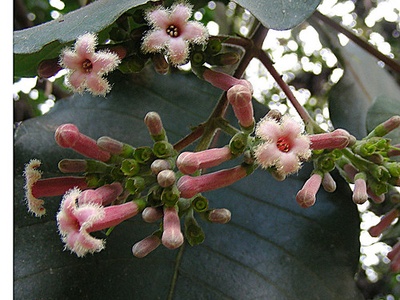
Quinine Tree
A tree native to the Andes, introduced for quinine production. It has escaped cultivation, aggressively invading high-altitude native forests and threatening the unique flora of these sensitive ecosystems by altering the habitat structure.
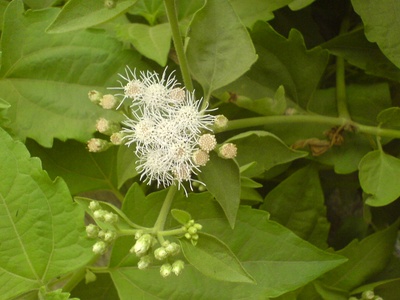
Siam Weed
A fast-growing shrub from the Americas that forms dense, tangled thickets. It rapidly colonizes disturbed land, preventing the regeneration of native forest species and degrading agricultural land with its aggressive growth.
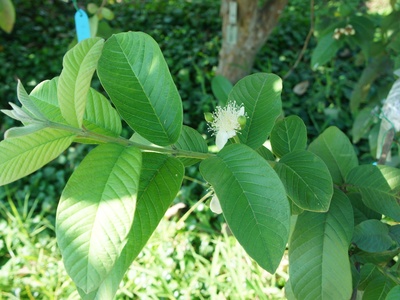
Guava
Introduced for its popular fruit from the tropical Americas, guava has become a highly invasive plant. It spreads rapidly, forming impenetrable stands that alter habitat structure and reduce biodiversity in both forests and agricultural landscapes.
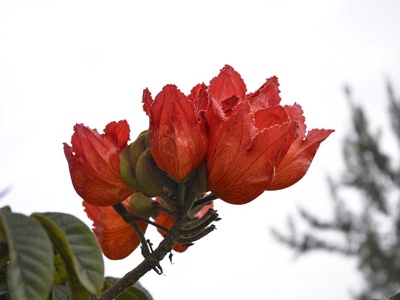
African Tulip Tree
A large, fast-growing tree with showy orange-red flowers, introduced as an ornamental from mainland Africa. It aggressively colonizes open areas and forest gaps, displacing native pioneer species and altering forest regeneration cycles.
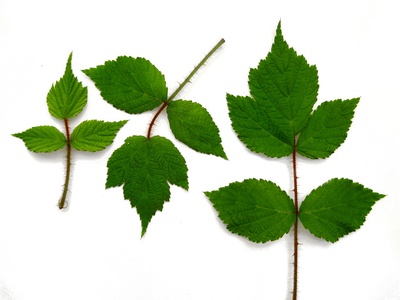
Red-flowered Raspberry
Originating from tropical Asia, this raspberry was likely introduced for its fruit. It has become a problem in forest gaps and disturbed areas, where its thorny canes create dense barriers that inhibit the growth of native species.
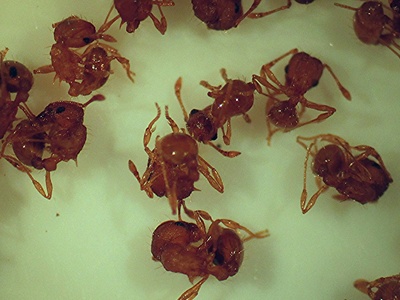
Little Fire Ant
A tiny but highly aggressive ant from Central and South America. It inflicts painful stings and forms supercolonies that decimate local invertebrate populations, threatening ecosystem balance and making agricultural work difficult.
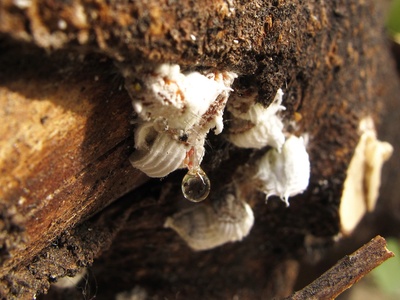
Cottony Cushion Scale
An insect pest originally from Australia that has spread globally on nursery stock. It attaches to plants and feeds on sap, weakening them and promoting the growth of sooty mold, which impacts photosynthesis and fruit quality.
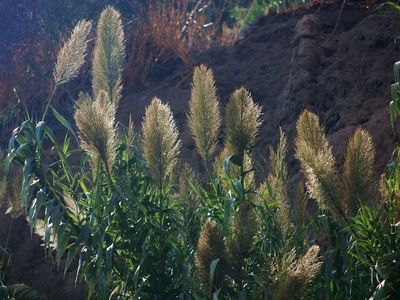
Giant Reed
A tall, cane-like grass from Eurasia that forms dense stands along waterways. It consumes large amounts of water, outcompetes native streamside plants, increases fire risk, and can alter the physical structure of riverbanks.