The Comoros archipelago sits between Madagascar and the African mainland, where steep volcanic slopes meet coastal forests and scrub. That isolation has produced species found only on one or two islands, so even small habitat changes can have outsized effects on local wildlife.
There are 17 Rare Animals in the Comoros, ranging from the Anjouan Island skink to the Mount Karthala white-eye. Entries are organized to show Scientific name,IUCN status,Range (islands), which you’ll find below.
How threatened are these island species and what do their IUCN listings tell me?
IUCN categories summarize extinction risk based on population size, trend, and distribution; many species in the Comoros are listed as Vulnerable, Endangered, or Data Deficient because they occupy tiny ranges and face habitat loss or invasive predators. Check the IUCN status column for each entry to see current assessments and note that “Data Deficient” means more field research is needed rather than a clean bill of health.
Where in the islands can I responsibly look for these animals?
Some species are viewable in protected or higher-elevation areas (for example, around Karthala and parts of Anjouan), but sightings often require local guides, patience, and strict respect for habitats; stay on trails, avoid handling wildlife, follow local regulations, and support conservation-minded operators to minimize disturbance while increasing your chance to observe them.
Rare Animals in the Comoros
| Common name | Scientific name | IUCN status | Range (islands) |
|---|---|---|---|
| Coelacanth | Latimeria chalumnae | Critically Endangered | Grande Comore, Anjouan |
| Livingstone’s fruit bat | Pteropus livingstonii | Critically Endangered | Anjouan, Mohéli |
| Hawksbill sea turtle | Eretmochelys imbricata | Critically Endangered | Grande Comore, Anjouan, Mohéli |
| Anjouan scops owl | Otus capnodes | Endangered | Anjouan |
| Karthala scops owl | Otus pauliani | Endangered | Grande Comore |
| Mohéli scops owl | Otus moheliensis | Endangered | Mohéli |
| Grand Comoro drongo | Dicrurus fuscipennis | Endangered | Grande Comore |
| Green sea turtle | Chelonia mydas | Endangered | Grande Comore, Anjouan, Mohéli |
| Anjouan brush warbler | Nesillas longicaudata | Endangered | Anjouan |
| Comoro rousette | Rousettus obliviosus | Vulnerable | Grande Comore, Anjouan, Mohéli |
| Mount Karthala white-eye | Zosterops mouroniensis | Vulnerable | Grande Comore |
| Grand Comoro flycatcher | Humblotia flavirostris | Vulnerable | Grande Comore |
| Comoro blue pigeon | Alectroenas sganzini | Vulnerable | Grande Comore, Anjouan, Mohéli |
| Kirk’s white-eye | Zosterops kirki | Vulnerable | Grande Comore |
| Anjouan Island skink | Flexiseps johannae | Vulnerable | Anjouan |
| Dugong | Dugong dugon | Vulnerable | Grande Comore, Anjouan, Mohéli |
| Comoro ground gecko | Paroedura sanctijohannis | Vulnerable | Grande Comore |
Images and Descriptions
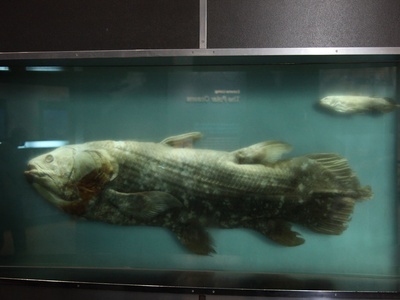
Coelacanth
Known as the “living fossil,” this ancient fish was thought extinct for millions of years. It lives in deep volcanic caves, growing up to 2 meters long. This tiny population is critically threatened by accidental capture in shark nets.
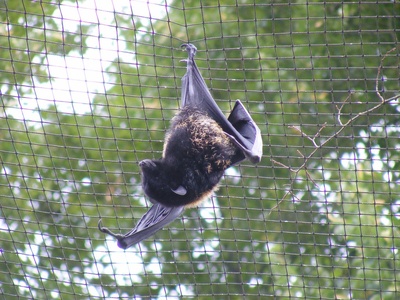
Livingstone’s fruit bat
One of the world’s largest bats with a wingspan over 1.4 meters. This “flying fox” is found only in tiny forest patches, with a total population of around 1,200. Its survival is threatened by deforestation and cyclones.
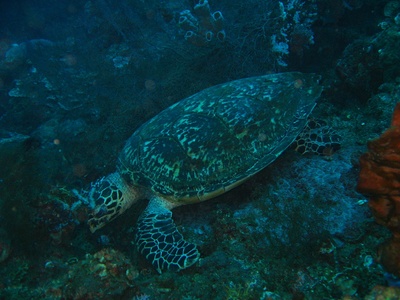
Hawksbill sea turtle
Named for its sharp, bird-like beak, this turtle nests on remote Comorian beaches. It is a critical part of coral reef ecosystems but is threatened by poaching for its beautiful shell and the destruction of its nesting and feeding habitats.
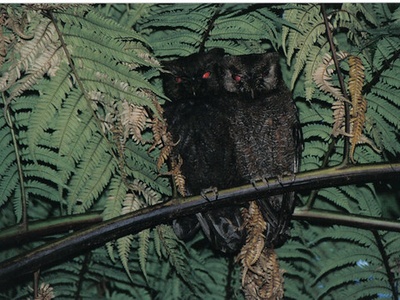
Anjouan scops owl
This small, elusive owl is found only in the remaining mountain forests of Anjouan. Once thought to be extinct, it was rediscovered in 1992. Its survival depends entirely on protecting its rapidly shrinking and fragmented forest home from agriculture.

Karthala scops owl
One of the world’s rarest owls, this tiny bird is restricted to the forested slopes of the active Mount Karthala volcano. Its entire population of roughly 2,000 birds is extremely vulnerable to volcanic eruptions and ongoing deforestation.
Mohéli scops owl
Only discovered by scientists in 1995, this endangered owl is endemic to a single forested ridge on the small island of Mohéli. With fewer than 1,000 individuals, it is threatened by habitat loss and invasive species like black rats.
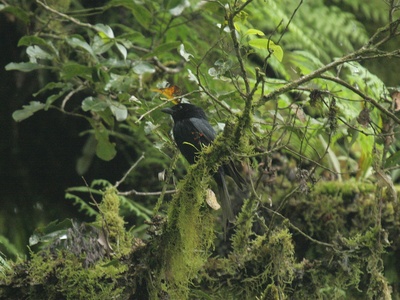
Grand Comoro drongo
This striking, glossy-black bird with a distinctive forked tail is found only in the forest canopy on the slopes of Mount Karthala. This endangered species has a very small range, making it highly susceptible to habitat destruction and severe weather.
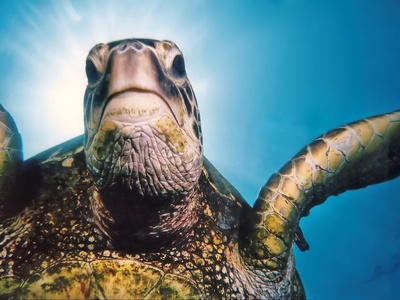
Green sea turtle
A large migratory turtle famous for nesting in the Mohéli Marine Park, a key site in the Western Indian Ocean. Despite its name, its shell is brown; the name comes from its green body fat. It is endangered due to poaching and habitat loss.
Anjouan brush warbler
A small, secretive bird found only in the montane forests on Anjouan. This endangered warbler is threatened by the near-total conversion of its native forest habitat to agriculture, leaving it with a tiny, fragmented range on the island’s peaks.
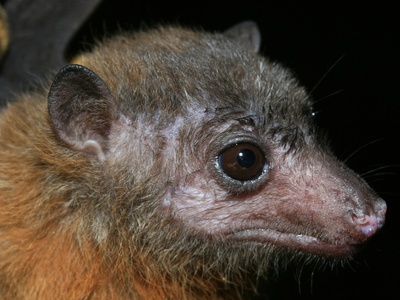
Comoro rousette
A medium-sized, cave-dwelling fruit bat that plays a vital role as a pollinator and seed disperser in the forest. This vulnerable species is threatened by deforestation which reduces its food sources and by human disturbance of its cave roosting sites.
Mount Karthala white-eye
This small, greyish bird is a true specialist, living only in the unique heathland habitat near the 2,361-meter summit of Mount Karthala. Its entire world is just a few square kilometers, making it extremely vulnerable to volcanic activity and climate change.
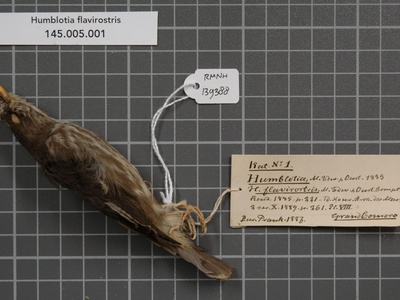
Grand Comoro flycatcher
This unique bird is the only member of its genus, making it a special part of Comorian biodiversity. Found only in the mountain forests of Grande Comore, this vulnerable species is threatened by ongoing deforestation for agriculture, logging, and invasive plants.
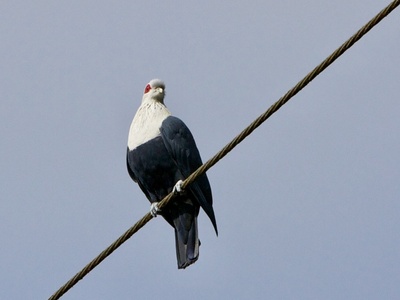
Comoro blue pigeon
A beautiful, dark blue pigeon with a bright red patch of skin around its eye. It inhabits the remaining native forests across the islands, feeding on fruit. This vulnerable species is declining due to habitat loss and pressure from illegal hunting.
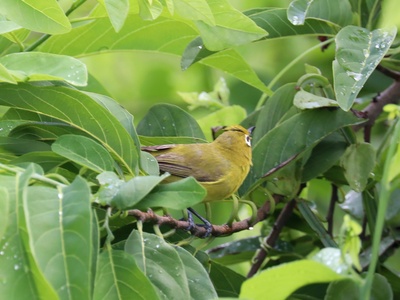
Kirk’s white-eye
A small, sociable songbird with a conspicuous white eye-ring, found only on the island of Grande Comore. It forages for insects and nectar in forests and woodlands and is threatened by habitat degradation and competition from other bird species.
Anjouan Island skink
A secretive, little-studied lizard endemic to the island of Anjouan. This vulnerable skink lives in the leaf litter of humid forests, a habitat that is rapidly disappearing due to clearing for agriculture, threatening this unique Comorian reptile.
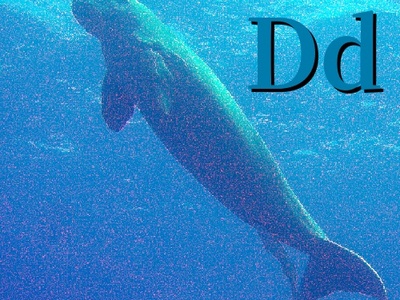
Dugong
Often called a “sea cow,” this gentle marine mammal grazes on seagrass in shallow coastal waters. The Comoros hosts a tiny, isolated population that is highly threatened by boat strikes and entanglement in fishing nets, making any sighting exceptionally rare.
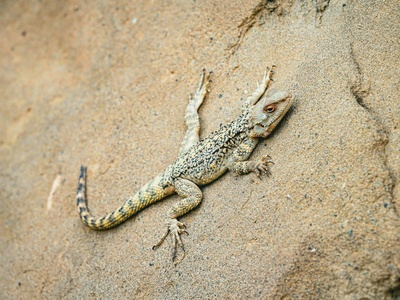
Comoro ground gecko
A nocturnal, ground-dwelling gecko with intricate patterns, found only on Grande Comore. It hides under logs and rocks in lowland forests, a habitat that has been severely fragmented by agriculture and urbanization, making this vulnerable reptile increasingly hard to find.