Malta’s position in the central Mediterranean gives it a compact but varied mammal list shaped by island size, human history and nearby sea lanes. Urban areas, agricultural land and coastal waters each support different species, so sightings can range from common rodents to offshore cetaceans.
There are 21 Mammals of Malta, ranging from the Black rat to the Striped dolphin; for each species the list shows Scientific name,Status,Where found so you can quickly see identification, conservation details and typical locations you’ll find below.
Are any of Malta’s land mammals native, or were they introduced?
Most terrestrial species on Malta arrived through human activity or natural rafts; true endemics are rare. Many common species, like the Black rat, are introduced, while others are transient or survivors of older native populations—check the Status column for origin and conservation notes.
How likely am I to see the Striped dolphin or other marine mammals?
Striped dolphins are regular offshore visitors but sightings depend on season, weather and boat routes; early morning or calm sea surveys increase chances. Use coastal boat trips or wildlife tours and consult the Where found column for common sighting areas.
Mammals of Malta
| Common name | Scientific name | Status | Where found |
|---|---|---|---|
| Bottlenose dolphin | Tursiops truncatus | Native; LC (Mediterranean subpop. vulnerable) | Offshore and coastal waters around Malta, Gozo, Comino; bays and coves |
| Common dolphin | Delphinus delphis | Native; LC | Offshore waters around Malta, mainly deep channels |
| Striped dolphin | Stenella coeruleoalba | Native; LC | Offshore waters and deep channels around Malta |
| Risso’s dolphin | Grampus griseus | Native; LC | Offshore and deeper coastal waters around Malta |
| Sperm whale | Physeter macrocephalus | Occasional vagrant; VU | Offshore deep waters around Malta |
| Cuvier’s beaked whale | Ziphius cavirostris | Occasional vagrant; LC | Deep offshore waters around Malta |
| Fin whale | Balaenoptera physalus | Occasional vagrant; EN | Offshore, deep Mediterranean waters near Malta |
| Long-finned pilot whale | Globicephala melas | Occasional vagrant; DD | Offshore and rare strandings around Maltese coasts |
| False killer whale | Pseudorca crassidens | Vagrant; DD | Rare offshore sightings near Malta |
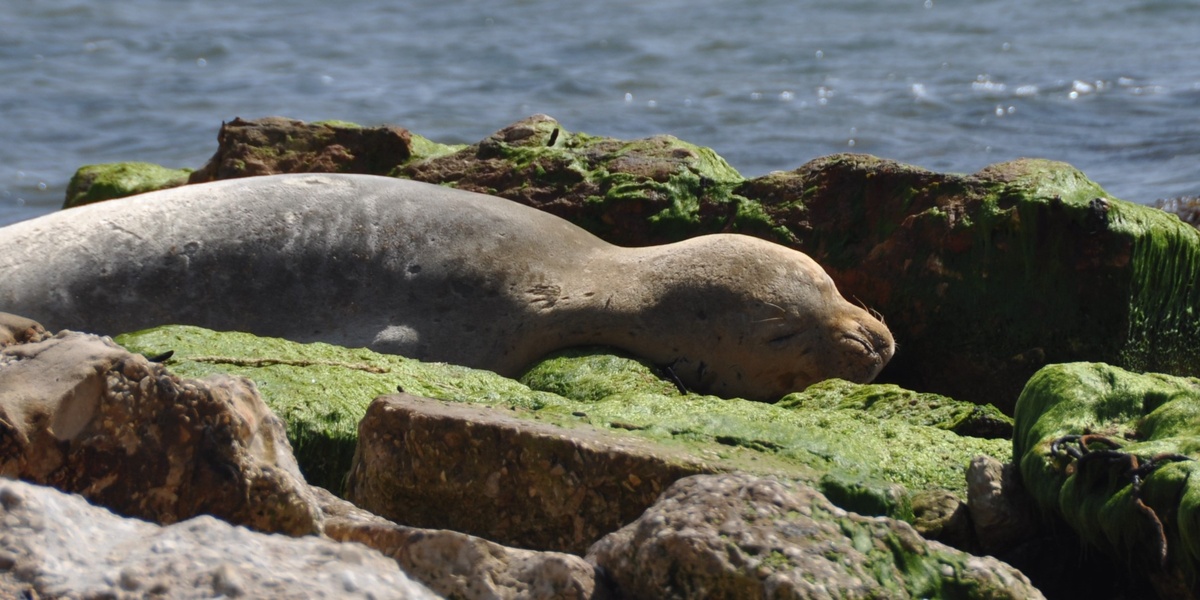
| Mediterranean monk seal | Monachus monachus | Historically resident; EN (locally extirpated) | Historically coastal caves and islets around Malta; now absent |
| Kuhl’s pipistrelle | Pipistrellus kuhlii | Native; LC | Widespread on Malta, Gozo, Comino; urban, rural, roosts in buildings and crevices |
| Savi’s pipistrelle | Hypsugo savii | Native; LC | Across islands; roosts in buildings, rock crevices, rural areas |
| Schreibers’ bat (common bent-wing) | Miniopterus schreibersii | Native; NT | Caves and old mines on Malta and Gozo; coastal cliffs |
| European free-tailed bat | Tadarida teniotis | Native; LC | Cliffs, buildings and coastal areas across Maltese islands |
| Long-fingered bat | Myotis capaccinii | Rare/occasional; VU | Occasional records near freshwater or coastal foraging areas |
| Sicilian shrew | Crocidura sicula | Native; LC | Rural and scrubby areas across Malta and Gozo; farmland edges |
| House mouse | Mus musculus | Introduced; LC | Widespread on Malta, Gozo, Comino; human settlements and fields |
| Black rat | Rattus rattus | Introduced; LC | Widespread across islands; coastal, rural and urban areas |
| Brown rat | Rattus norvegicus | Introduced; LC | Common in towns, ports, dumps and wetter areas across Malta |
| European rabbit | Oryctolagus cuniculus | Introduced; NT | Fields, garigue and rural areas on Malta and Gozo |
| Feral cat | Felis catus | Introduced; NA | Widespread in towns, countryside and feral colonies across islands |
Images and Descriptions
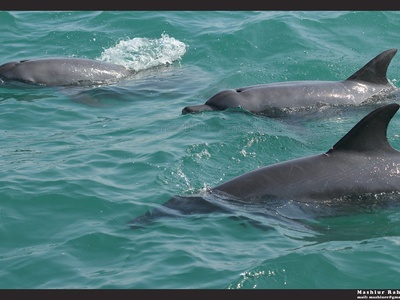
Bottlenose dolphin
Large, friendly-looking dolphin often seen from boats and headlands. Regular inshore and offshore, especially around reefs and bays. Good for Malta wildlife tours; local populations face fisheries interaction and pollution pressures.
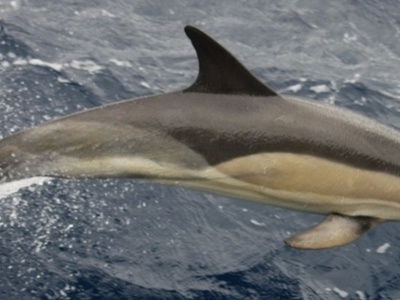
Common dolphin
Fast, slender dolphins forming large, active groups offshore. Seen seasonally in deeper water; spectacular bow-riding behavior. Regular offshore sightings on boat trips during warmer months.
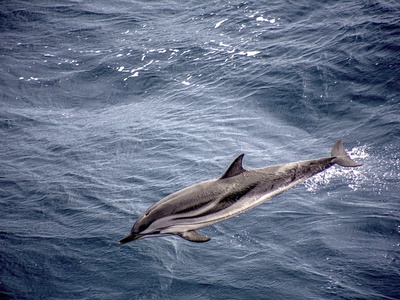
Striped dolphin
Slim, highly gregarious dolphin with slender body and distinctive stripe. Common offshore, often in large groups; shows energetic displays. Best viewed on pelagic trips.
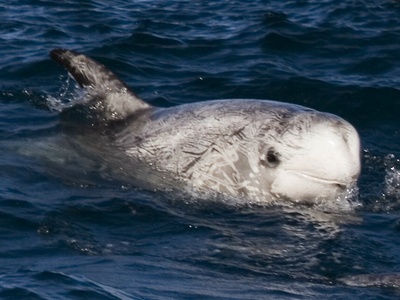
Risso’s dolphin
Bulky grey dolphin with scarred skin and rounded head. Less acrobatic, often in small groups offshore. Regular but less common than striped and common dolphins.
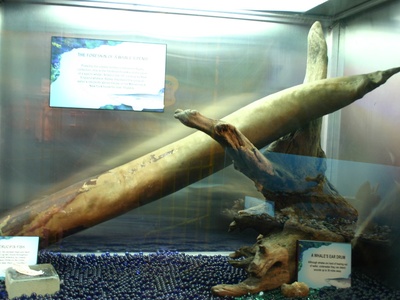
Sperm whale
Gigantic toothed whale, deep-diving and rare near Malta. Uncommon but recorded; exciting if sighted. Threatened by ship strikes and noise; major conservation interest.
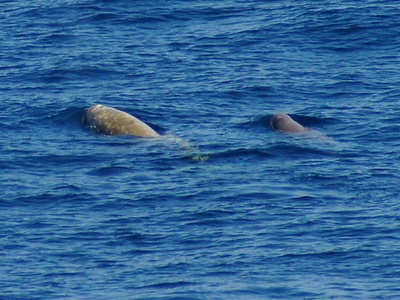
Cuvier’s beaked whale
Elusive deep-diving beaked whale, rarely seen at surface. Recorded a few times in Maltese waters; prized by cetacean-watchers when present.

Fin whale
Second-largest whale, sleek and fast. Rare but recorded in Maltese waters. Globally endangered; sightings are exceptional and attract attention from researchers.
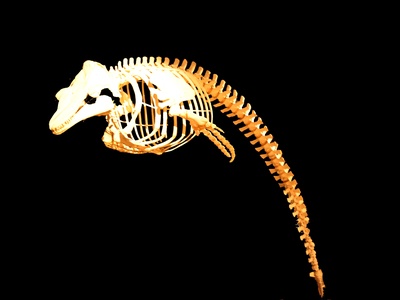
Long-finned pilot whale
Large, social whale sometimes recorded or stranded in the region. Not a regular sight; mass-stranding history in Mediterranean makes reports notable.
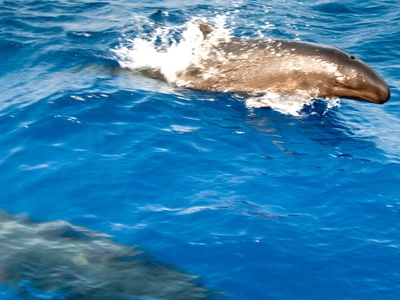
False killer whale
Large, black dolphin-like cetacean occasionally recorded as a vagrant. Rare but memorable when seen; usually in deep water in small groups.
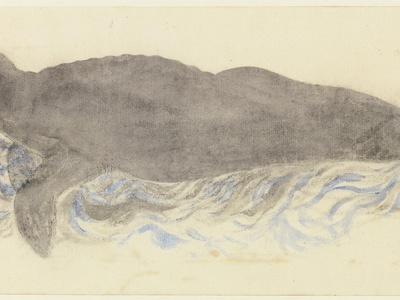
Mediterranean monk seal
Once used Maltese sea caves and rocky shores; now locally extinct with only historical records. Conservation priority in the region; any modern sightings are critical.
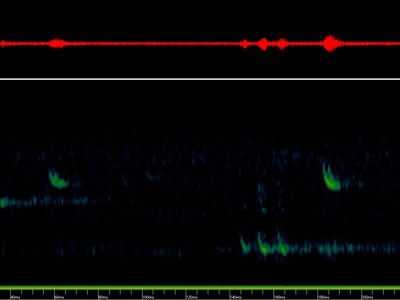
Kuhl’s pipistrelle
Small, brown pipistrelle common at dusk. Adaptable to towns and countryside; easy to hear and often spotted over streets and fields at night.

Savi’s pipistrelle
Thin, agile bat active at dusk with high-pitched calls. Common in dry, rocky habitats; often seen near cliffs and old buildings.
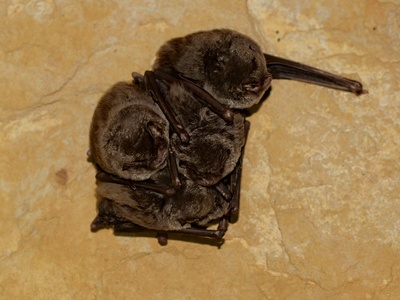
Schreibers’ bat (common bent-wing)
Medium-sized, long-winged bat that roosts in caves. Forms colonies; migratory tendencies locally. Vulnerable to disturbance of roost sites.
European free-tailed bat
Fast-flying, broad-winged bat often seen at dusk over sea and cliffs. Distinctive high-speed flight and audible calls; commonly hunts over open areas.
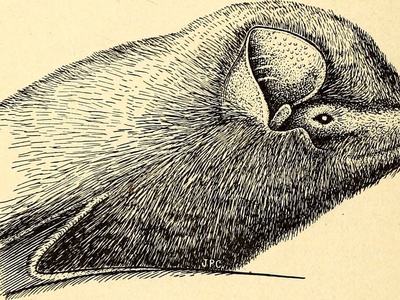
Long-fingered bat
A water-associated bat with long toes for catching prey over water. Rare in Malta; records are noteworthy for bat-watchers and conservationists.
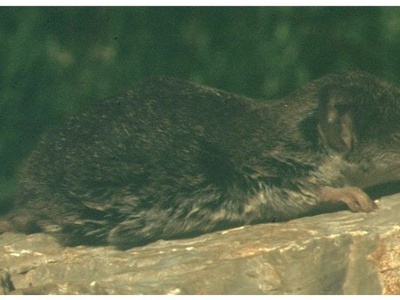
Sicilian shrew
Tiny insect-eating shrew common in Mediterranean scrub. Secretive and rarely seen; known from trapping and owl pellets. Native small mammal of Maltese countryside.
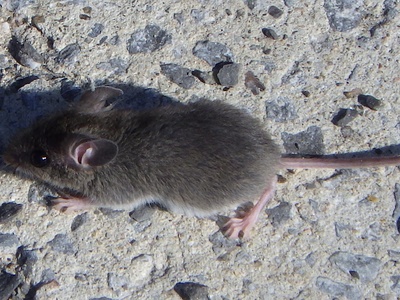
House mouse
Tiny, ubiquitous rodent in homes, barns and fields. Common and commensal with humans; easy to find signs of activity, not a conservation focus.
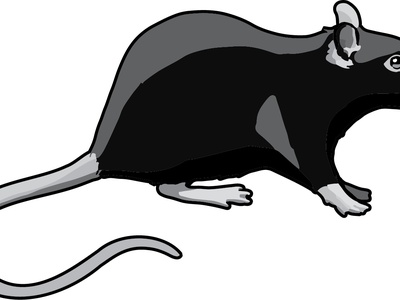
Black rat
Arboreal-savvy rodent often found in buildings, harbors and fields. Long-established invasive species with major impacts on native fauna, especially seabirds and reptiles.
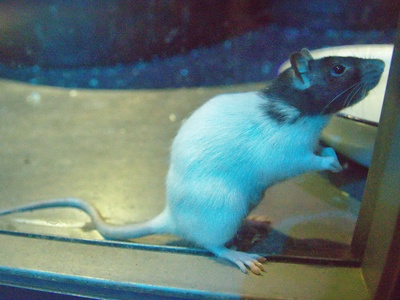
Brown rat
Larger, ground-dwelling rat frequenting human-modified habitats. Widespread and familiar; implicated in disease transmission and ecological impacts.
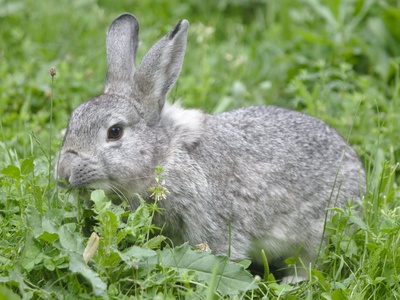
European rabbit
Small lagomorph introduced and common in scrub and farmland. Browses vegetation and can be locally abundant; valued by some but considered a pest in places.
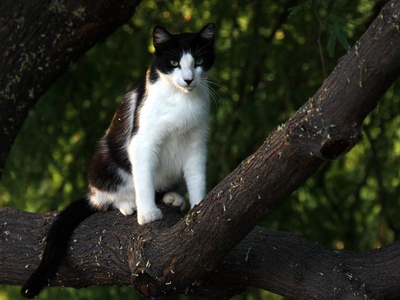
Feral cat
Domesticated cat living wild in many colonies. Highly visible and impactful predator on native birds and reptiles; central to local conservation and management debates.