Iraq’s mix of marshes, river corridors, steppe and desert creates pockets of habitat where uncommon species persist despite development and disturbance. Many of these animals are locally restricted, so understanding where they occur is essential for any conservation or observation effort.
There are 18 Rare Animals in Iraq, ranging from the Basra reed warbler to the Sociable lapwing. For each species, you’ll find below the Scientific name, IUCN status, and Iraqi range & habitat to help you understand distribution and conservation concerns you’ll find below.
How up-to-date are the IUCN statuses listed here?
IUCN assessments are updated periodically; the statuses provided in the list reflect the most recent published evaluations at the time of compilation, but check the IUCN Red List or national reports for any new changes, especially for rapidly declining or recovering species.
Where in Iraq are you most likely to see these rare species?
Look for wetland specialists like the Basra reed warbler in southern marshes and reedbeds, and steppe or agricultural-edge birds such as the Sociable lapwing on open plains and fallow fields; seasonal timing, local access rules and experienced guides greatly improve chances of observation.
Rare Animals in Iraq
| Name | Scientific name | IUCN status | Iraqi range & habitat |
|---|---|---|---|
| Basra reed warbler | Acrocephalus griseldis | Endangered | Southern Mesopotamian marshes; reeds and reedbeds |
| Iraq babbler | Argya altirostris | Endangered | Southern marshes and reedbeds of southern Iraq |
| Euphrates softshell turtle | Rafetus euphraticus | Critically Endangered | Tigris–Euphrates rivers, tributaries and marshes |
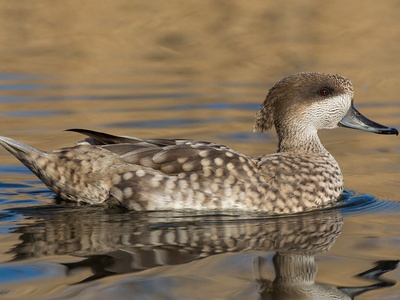
| Marbled duck | Marmaronetta angustirostris | Vulnerable | Marshes, lakes and floodplains across Iraq |
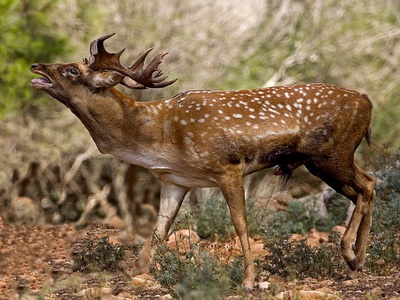
| Persian fallow deer | Dama mesopotamica | Endangered | Reintroduced reserves and protected sites in central/southern Iraq |
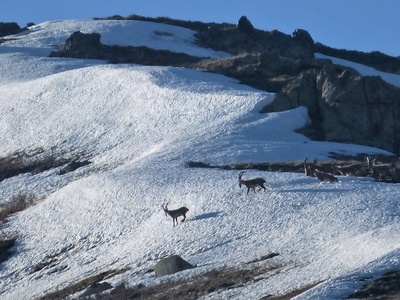
| Bezoar ibex (wild goat) | Capra aegagrus | Vulnerable | Zagros mountain ranges of northern and eastern Iraq; rocky slopes |
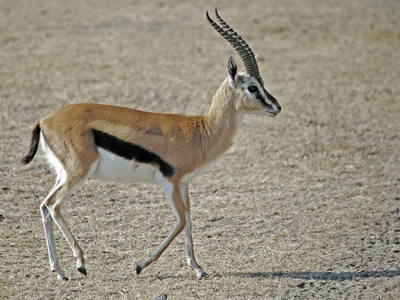
| Goitered gazelle | Gazella subgutturosa | Vulnerable | Western and central deserts and steppe regions |
| Saker falcon | Falco cherrug | Endangered | Open plains, agricultural edges and deserts across Iraq (passage/resident) |
| Egyptian vulture | Neophron percnopterus | Endangered | Cliffs, steppe and agricultural landscapes; passage migrant |
| Persian leopard (regional) | Panthera pardus tulliana | Endangered (regional) | Zagros and Kurdistan mountainous woodlands and cliffs |
| MacQueen’s bustard | Chlamydotis macqueenii | Vulnerable | Western deserts and dry steppe of Iraq |
| Sociable lapwing | Vanellus gregarius | Critically Endangered | Occasional passage and stopover in Iraqi agricultural plains |
| Eurasian otter | Lutra lutra | Near Threatened (Regionally Endangered) | Rivers, marshes and wetlands across Iraq |
| Green sea turtle | Chelonia mydas | Endangered | Northern Persian Gulf coastal waters off southern Iraq |
| Hawksbill turtle | Eretmochelys imbricata | Critically Endangered | Coastal and nearshore waters of the northern Persian Gulf |
| Marsh gazelle (rewilding targets) | Gazella spp. (regional populations) | Regionally Vulnerable | Historic marsh-edge floodplains and reed margins |
| Marsh harrier subspecies (regional concerns) | Circus aeruginosus (regional populations) | Regionally Near Threatened | Reedbeds and marshes of southern Iraq |
| Iraq spring/river endemic fishes (group) | Multiple species (e.g., Aphanius spp.) | Various (Vulnerable to Endangered) | Isolated springs, tributaries of Tigris–Euphrates |
Images and Descriptions

Basra reed warbler
A small, secretive reed warbler endemic to the Mesopotamian marshes; became rare after drainage and pollution. Survives in fragmented reedbeds of southern Iraq and Iran; conservation focuses on wetland restoration and protected reed habitat.
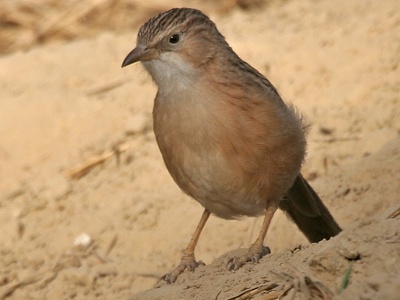
Iraq babbler
A charismatic, plain brown passerine largely confined to remnant Mesopotamian marsh habitat. Habitat loss and disturbance made it rare; recovery of marshes has helped but populations remain small and localised, requiring ongoing protection.
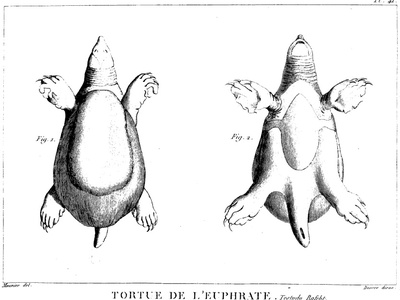
Euphrates softshell turtle
A large freshwater turtle unique to the Mesopotamian river system. Critically endangered from habitat degradation, pollution and damming; fewer than a few hundred mature individuals estimated, concentrated in isolated river sections and marsh remnants.
Marbled duck
A shy, mottled duck that breeds in reed-fringed wetlands. Vulnerable because of wetland loss and hunting; Iraq’s marshes remain an important stronghold during migration and winter, but numbers are fragmented and declining.
Persian fallow deer
Once extinct in the wild inside Iraq, now the subject of reintroductions from captive stocks. Endangered globally; notable for recovery efforts but still vulnerable due to small, reintroduced populations and habitat pressures.
Bezoar ibex (wild goat)
A rugged mountain goat adapted to cliffs and crags in Kurdistan. Vulnerable from hunting and habitat fragmentation; populations persist in remote ranges but are small and patchy.
Goitered gazelle
A desert-adapted gazelle that suffered large declines from hunting and land conversion. Still present in several desert areas of Iraq, but numbers are much reduced and management of hunting is essential for survival.
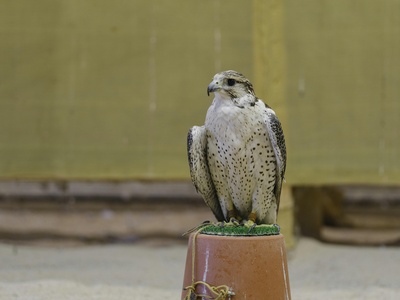
Saker falcon
A large falcon prized in falconry; populations have plummeted due to trapping, habitat change and electrocution. Iraq is part of its migratory and resident range; local breeding is scarce and populations are fragmented.
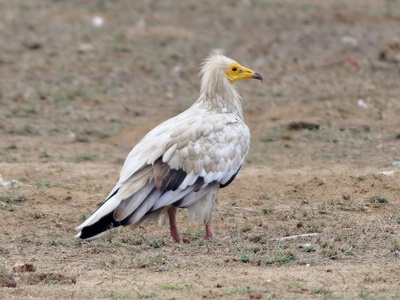
Egyptian vulture
A small white vulture that migrates through and breeds in parts of the Middle East. Threatened by poisoning, collisions and reduced food availability; sightings in Iraq are increasingly rare and populations are fragmented.
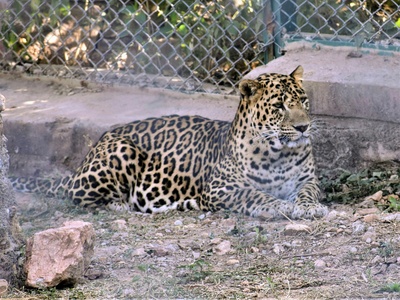
Persian leopard (regional)
A rare large carnivore surviving in small numbers in northern Iraqi mountains. Regionally endangered due to habitat loss, conflict-related persecution and prey decline; occasional camera-trap records suggest a tiny remnant population.
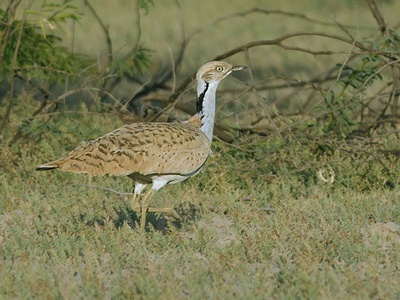
MacQueen’s bustard
A large desert bird that has declined from hunting and habitat degradation. Iraq provides important seasonal habitat; low densities and fragmented sites make local populations vulnerable without protection.
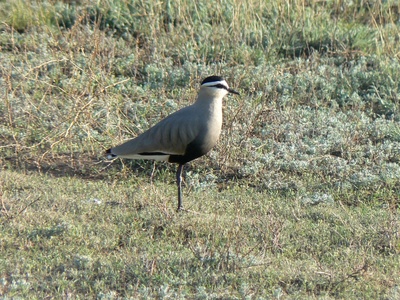
Sociable lapwing
A grassland shorebird in severe decline globally; Iraq forms part of its migratory route and stopover sites. Very rare and unpredictable in Iraq; conservation needs are international and include safe stopover habitat.
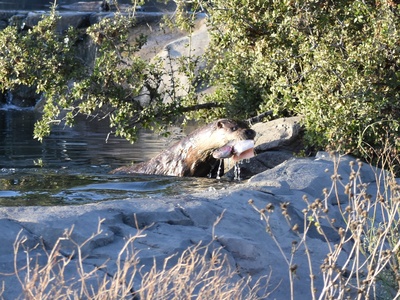
Eurasian otter
A semi-aquatic mammal dependent on healthy rivers and marshes. Declines in water quality, drainage and hunting have made otters scarce; Iraq’s marsh restoration helps but populations remain low and vulnerable.
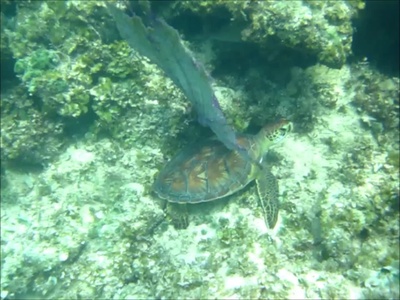
Green sea turtle
A large marine turtle that forages in coastal waters of the Gulf. Threatened globally by bycatch, coastal development and pollution; Iraqi coastal records are rare but conservation of Gulf habitats is vital.
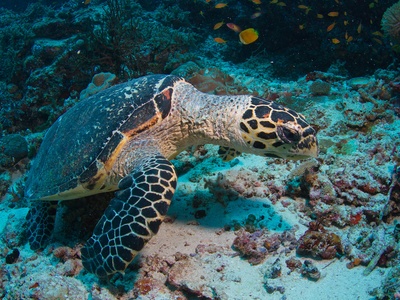
Hawksbill turtle
A critically endangered sea turtle occurring rarely in Iraqi Gulf waters. Extremely vulnerable due to illegal trade, bycatch and habitat loss; any regional sightings are conservation priorities.
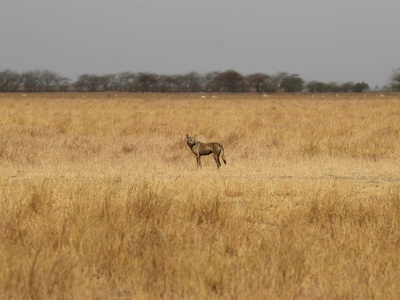
Marsh gazelle (rewilding targets)
Small, locally-endemic gazelle populations historically used marsh-edge habitats; many populations collapsed from hunting and land-use change. Some are targets for reintroduction and habitat restoration projects.

Marsh harrier subspecies (regional concerns)
Common elsewhere but regional reedbed-dependent populations have declined with marsh loss. In Iraq these local populations are of conservation concern and depend on marsh restoration and reduced disturbance.
Iraq spring/river endemic fishes (group)
A suite of small endemic freshwater fishes confined to springs and tributaries. Habitat fragmentation, water extraction and pollution have pushed several species to small, isolated populations needing targeted freshwater conservation.