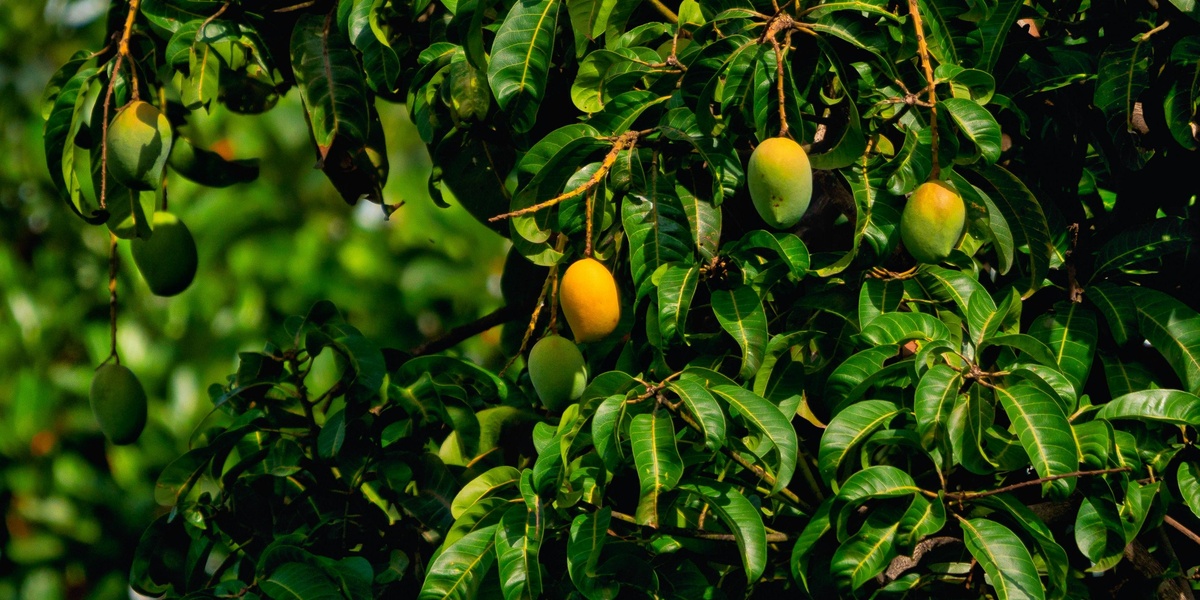
Bangladesh’s landscape is threaded with rivers, villages and pockets of forest that host a surprising variety of trees. From roadside shade to wetland groves and remnant forest patches, knowing the common species helps gardeners, students and nature lovers connect with the local environment and seasonal cycles.
There are 50 Trees of Bangladesh, ranging from Akashmoni to Wild mango. For each entry you’ll find below the Scientific name,Bengali name,Height (m) to make identification and comparison straightforward — you’ll find below.
How can I quickly identify these trees when I’m out walking?
Start with a few reliable traits: leaf shape and arrangement, bark texture, fruit or flower type and typical height. Use the Scientific name,Bengali name,Height (m) columns in the list to match what you see; photos or a local field guide will speed identification, and noting habitat (roadside, wetland, homestead) narrows possibilities.
Which of these trees need protection or special care?
Some species face pressure from habitat loss, overharvesting or invasive pests; check Bangladesh’s forestry department lists or local NGOs for current protected or vulnerable species. For planting or restoration, choose native species from the list suited to the local soil and water conditions and follow recommended spacing and care.
Trees of Bangladesh
| Common name | Scientific name | Bengali name | Height (m) |
|---|---|---|---|
| Mango | Mangifera indica | Aam | 10-30 |
| Jackfruit | Artocarpus heterophyllus | Katthal | 10-25 |
| Coconut | Cocos nucifera | Nariyal | 15-25 |
| Areca nut | Areca catechu | Supari | 6-20 |
| Teak | Tectona grandis | Sagon | 20-40 |
| Neem | Azadirachta indica | Neem | 15-20 |
| Sissoo | Dalbergia sissoo | Shishu | 15-25 |
| Mahogany | Swietenia macrophylla | Mahogany | 20-40 |
| Eucalyptus | Eucalyptus spp. | Nilgiri | 20-50 |
| Akashmoni | Acacia auriculiformis | Akashmoni | 10-25 |
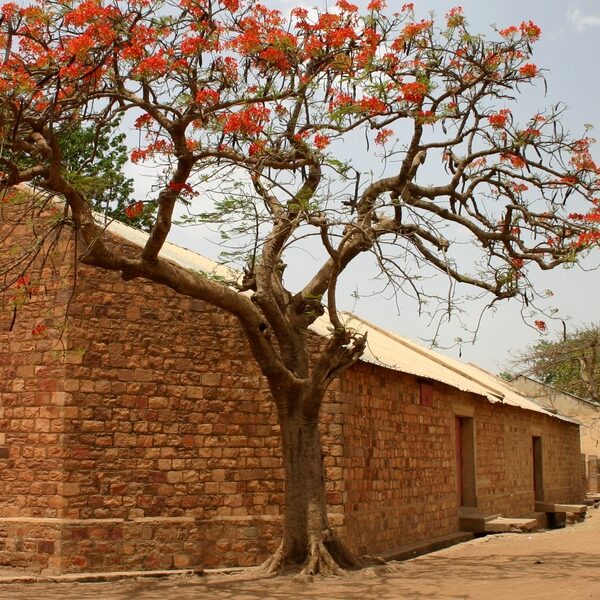
| Gulmohar | Delonix regia | Gulmohar | 8-12 |
| Peepal | Ficus religiosa | Peepal | 20-30 |
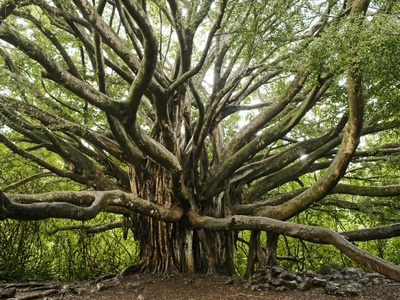
| Banyan | Ficus benghalensis | Bot | 20-30+ |
| Goran (Red mangrove) | Rhizophora mucronata | Goran | 10-20 |
| Sundari | Heritiera fomes | Sundri | 15-30 |
| Gewa | Excoecaria agallocha | Gewa | 10-20 |
| Keora | Sonneratia apetala | Keora | 10-20 |
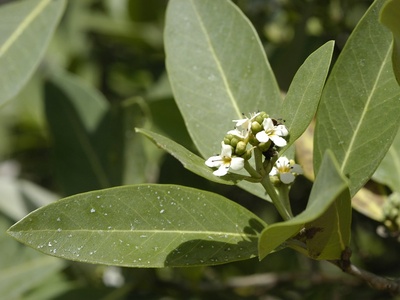
| Avicennia | Avicennia alba | Biter | 5-15 |
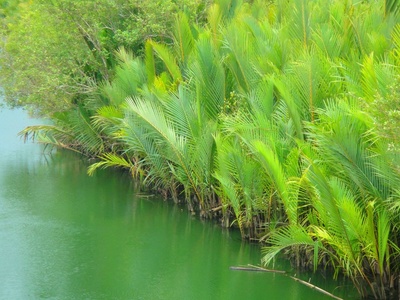
| Nipa palm | Nypa fruticans | Golpata | 3-6 |
| Dhundal | Xylocarpus granatum | Dhundal | 6-12 |
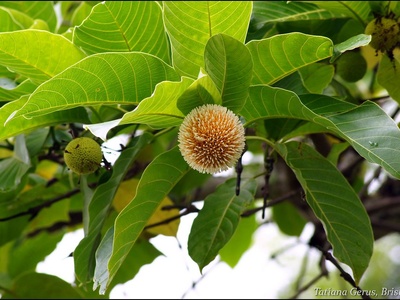
| Kadam | Neolamarckia cadamba | Kadam | 15-30 |
| Shimul (Silk-cotton) | Bombax ceiba | Shimul | 10-30 |
| Arjun | Terminalia arjuna | Arjun | 20-25 |
| Bahera | Terminalia bellirica | Bahera | 10-20 |
| Haritaki | Terminalia chebula | Haritaki | 10-20 |
| Amla | Phyllanthus emblica | Amloki | 6-12 |
| Tamarind | Tamarindus indica | Tetul | 10-20 |
| Lemon | Citrus limon | Lebu | 3-6 |
| Orange | Citrus sinensis | Komola | 4-10 |
| Rubber | Hevea brasiliensis | Rubber | 15-30 |
| Bakul | Mimusops elengi | Bakul | 6-10 |
| Champa (Champak) | Magnolia champaca | Champa | 15-30 |
| Shegun | Mesua ferrea | Shegun | 15-20 |
| Ashoka | Saraca asoca | Ashok | 8-12 |
| Jamun | Syzygium cumini | Jam | 10-25 |
| Litchi | Litchi chinensis | Litchi | 10-25 |
| Guava | Psidium guajava | Peyara | 3-10 |
| Rain tree | Albizia saman | Chatim | 10-25 |
| Karanja | Pongamia pinnata | Karanja | 10-15 |
| Amaltas | Cassia fistula | Amaltas | 10-20 |
| Indian almond | Terminalia catappa | Bat | 8-15 |
| Palash | Butea monosperma | Palash | 8-15 |
| Sal | Shorea robusta | Sal | 20-30 |
| Pongam (Indian beech) | Millettia pinnata | Koroi | 10-15 |
| Coral tree | Erythrina variegata | Korai | 6-12 |
| Tamarindus indica entry | Tamarindus indica | Tetul | 10-20 |
| Indian mahua | Madhuca longifolia | Mahua | 10-20 |
| Cotton tree (Kapok) | Ceiba pentandra | Kapok | 20-40 |
| Wild mango | Mangifera sylvatica | Bhural | 10-20 |
| Indian laurel | Terminalia tomentosa | Asna | 15-25 |
Images and Descriptions
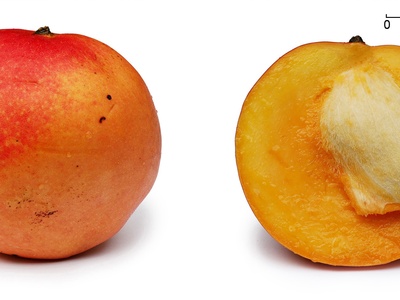
Mango
Iconic fruit tree across Bangladesh, found in homesteads and orchards nationwide. Produces seasonal sweet fruit, timber used locally; important culturally and economically. Varieties range from small to large trees, tolerant of tropical plains and low hills.
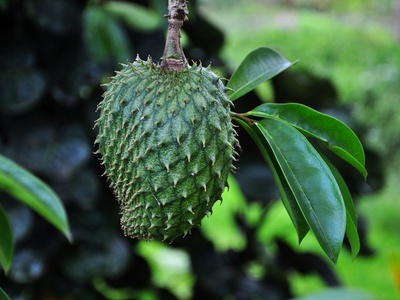
Jackfruit
Large tropical fruit tree common in homesteads and markets across Bangladesh. Produces the national fruit with fleshy bulbs; wood used for furniture and musical instruments. Prefers moist lowland soils and tolerates seasonal flooding.
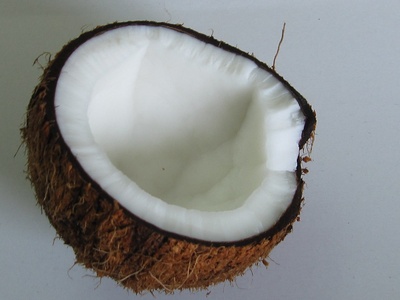
Coconut
Tall coastal and inland palm widely planted along Bangladesh’s shores and riverbanks. Valued for fruit, oil, coir and thatch; stabilises sandy soils. A defining tree of coastal livelihoods and rural homesteads.
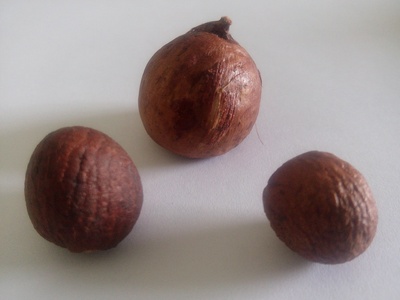
Areca nut
Slender palm grown in homesteads and agroforestry plots, especially in the south and Chittagong hills. Produces betel nuts chewed culturally; economic cash crop with importance in rural households.
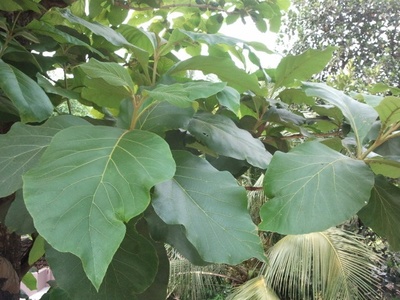
Teak
Major plantation timber tree found in managed forests and plantations. Highly valued for durable timber used in furniture and construction. Prefers drier, well-drained soils and is widely planted for commercial forestry.
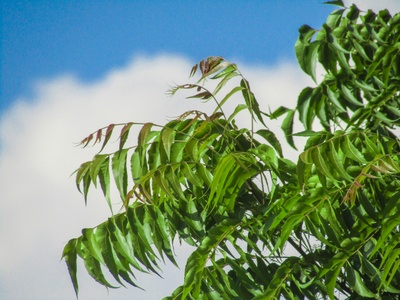
Neem
Common roadside, village and homestead tree across Bangladesh. Leaves and oil used traditionally as insecticide and medicine; hardy and drought-tolerant. Important for agroforestry and soil protection.
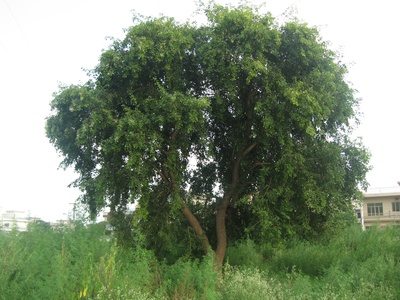
Sissoo
Fast-growing hardwood often planted along roads and fields. Valued for strong timber used in furniture and poles; nitrogen-fixing root system benefits soils. Found in northern and central plains.

Mahogany
Introduced tropical hardwood grown in plantations and large gardens. Produces high-value furniture timber; prefers well-drained soils and is widely planted though not native.
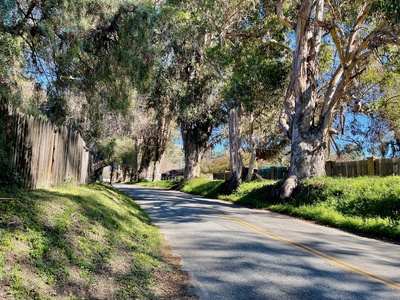
Eucalyptus
Fast-growing plantation tree used for poles, fuelwood and pulp. Common in plantations and windbreaks; tolerates poorer soils and dry conditions. Some species naturalize near planted areas.
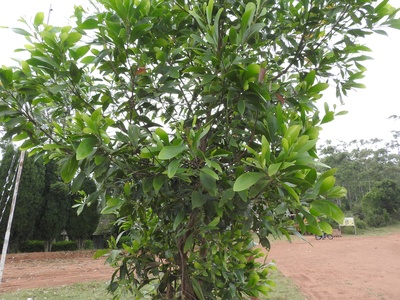
Akashmoni
Widely planted exotic fodder and fuelwood tree, common in homestead windbreaks and plantations. Fast-growing, nitrogen-fixing, and useful for erosion control; flowers attract bees.
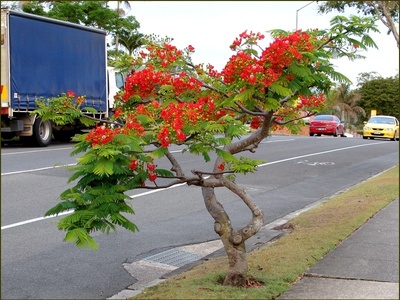
Gulmohar
Popular ornamental with flamboyant red flowers in summer. Planted in avenues, schools and parks across the country; medium-sized shade tree valued for seasonal beauty rather than timber.
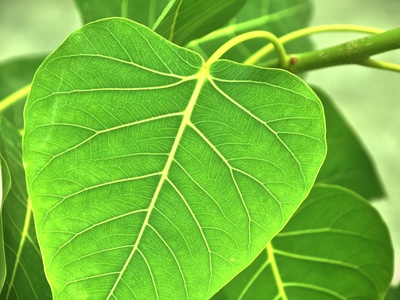
Peepal
Sacred fig common in villages, temple grounds and riverbanks. Large evergreen/deciduous canopy that supports wildlife; culturally revered, used in traditional medicine, and a key urban shade tree.
Banyan
Massive fig tree that sends aerial roots and forms huge canopies. Found around temples, villages and parks; ecologically important for birds and mammals and culturally significant as a meeting place.
Goran (Red mangrove)
Characteristic root-bearing mangrove of the Sundarbans and tidal coasts. Stabilises shorelines, supports fisheries and protects against storm surges; regenerates in saline intertidal zones.
Sundari
Flagship Sundarbans mangrove that gives the forest its name. Heavy timber species threatened by overexploitation and habitat change; critical for mangrove ecosystem structure and biodiversity.
Gewa
Common coastal mangrove tree in tidal creeks and the Sundarbans. Produces toxic latex and dense stands used for shoreline protection; important for local fisheries habitat.
Keora
Pioneer mangrove species that colonises tidal mudflats and river mouths. Produces fragrant flowers that attract pollinators; used in reforestation and coastal protection projects.
Avicennia
Black- to grey-mangrove species common on intertidal flats and margins. Tolerant of high salinity, with pneumatophores for gas exchange; an important stabiliser in mangrove belts.
Nipa palm
Thicket-forming palm in tidal mangrove creeks; leaves widely used for roofing (golpata). Important for local crafts and traditional livelihoods, abundant in Sundarbans fringes.
Dhundal
Mangrove tree of creeks and estuaries with woody fruit; timber used locally and seeds with medicinal associations. Found in lower Sundarbans and tidal forests.
Kadam
Fast-growing tree of moist forests and homesteads, prized for fragrant flowers used in rituals. Timber used for paper and light carpentry; common in wetter parts of Bangladesh.
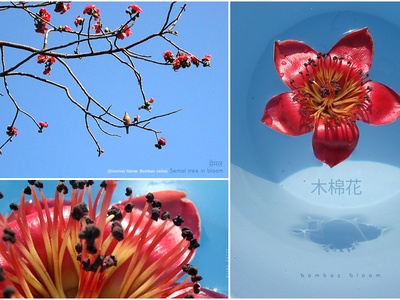
Shimul (Silk-cotton)
Iconic deciduous tree with showy red flowers in spring and cottony seed fibers. Common in village landscapes and temples; wood light and used for craft items.
Arjun
Riverine and lowland tree valued in traditional medicine and for strong, water-resistant timber. Often found along rivers and floodplain forests; bark used for cardiac remedies.
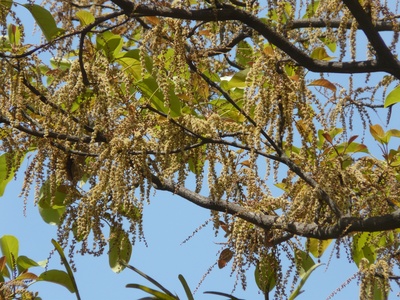
Bahera
Widespread fruit-bearing tree used in traditional medicine and timber. One of the three fruits in Triphala; found in drier plains and field boundaries.
Haritaki
Small to medium tree valued for medicinal fruits used in Ayurveda and local remedies. Grows in open forests and homesteads across Bangladesh.
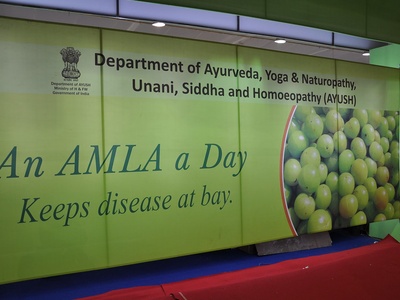
Amla
Small fruit tree cultivated in homesteads for vitamin-rich Amla fruits used in medicine and preserves. Adapts to a range of soils and climates in Bangladesh.
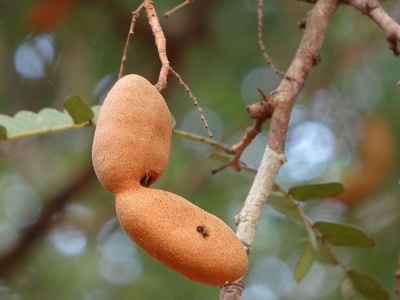
Tamarind
Large sour-fruited tree common in homesteads and markets. Pods used in cooking and traditional medicines; shade tree that tolerates dry spells.
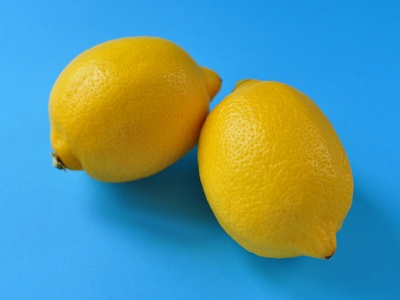
Lemon
Small cultivated tree in gardens and homesteads producing year-round citrus fruits. Widely used for cooking, beverages and medicines; prefers well-drained soils.
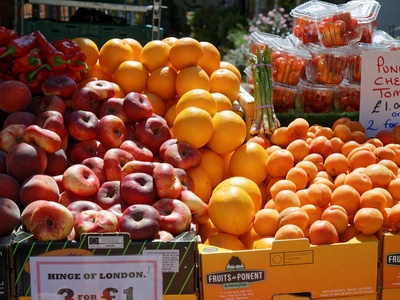
Orange
Commercial and backyard fruit tree grown in northern districts and hill gardens. Produces sweet citrus fruit; requires more care than hardy tropical trees.
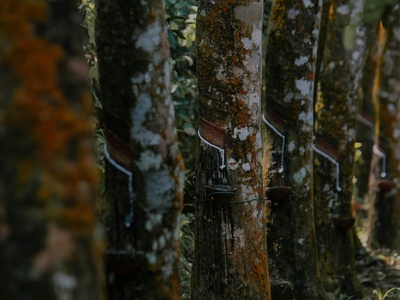
Rubber
Plantation tree grown for latex in parts of Bangladesh. Important cash crop for smallholders and plantations; prefers warm, moist climates and deep soils.
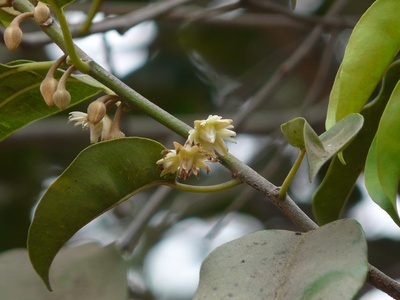
Bakul
Fragrant-flowered evergreen often planted near homes and temples. Small ornamental and shade tree, flowers used in garlands and traditional medicine.
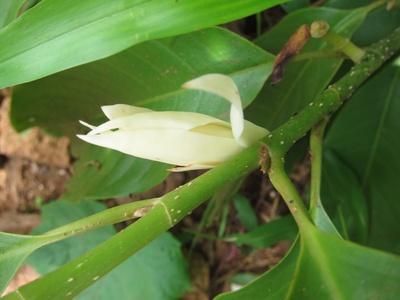
Champa (Champak)
Fragrant evergreen tree with traditional flowers used in perfumery and rituals. Planted near temples and homesteads; valued for fragrance and ornamental form.
Shegun
Dense hardwood tree found in semi-evergreen forests and cultural plantings. Produces fragrant flowers and fine-quality timber; valued in traditional medicine.
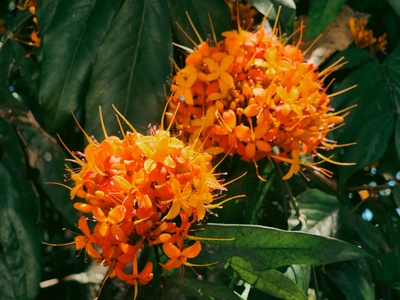
Ashoka
Medium ornamental tree with clusters of bright flowers, planted around temples and parks. Culturally significant and used in traditional medicine; prefers moist sites.
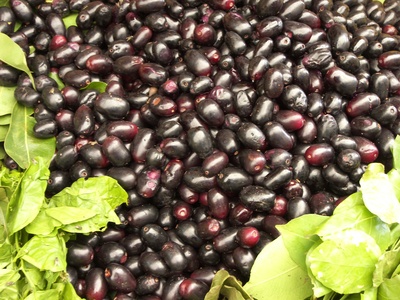
Jamun
Fruit tree producing dark, astringent berries eaten fresh and used in traditional medicine. Common in homesteads and riverine forests; tolerates wet soils.
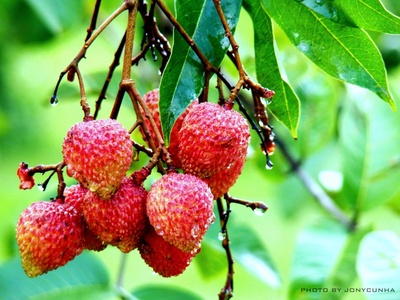
Litchi
Widely cultivated orchard tree in northern Bangladesh producing prized summer fruit. Requires specific climate and irrigation; economically important for regional farmers.
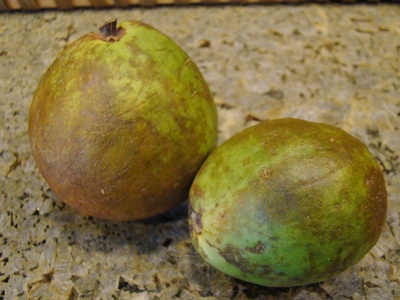
Guava
Small homestead tree bearing vitamin-rich fruits throughout the year. Easy to grow, used fresh or processed; common in gardens and small farms.
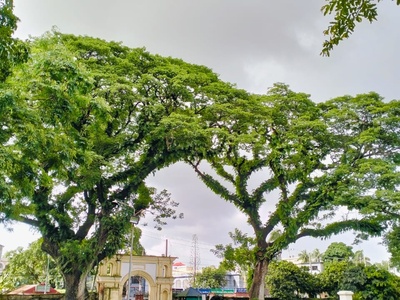
Rain tree
Large spreading shade tree planted in avenues and parks. Produces flat pods and valuable shade; used in agroforestry for fodder and soil improvement.
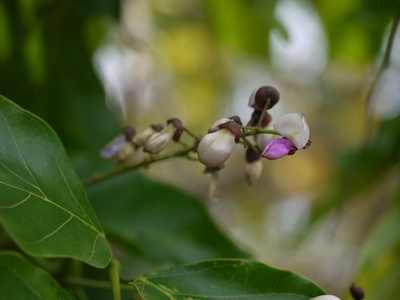
Karanja
Nitrogen-fixing tree used in agroforestry and for biodiesel potential. Planted on field boundaries and degraded lands; seeds yield oil with multiple uses.
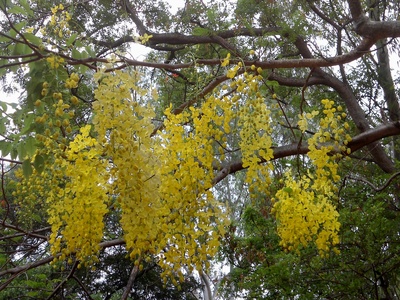
Amaltas
Ornamental and medicinal tree with drooping yellow flower clusters in spring. Planted in avenues and homesteads; seeds and bark used locally in remedies.
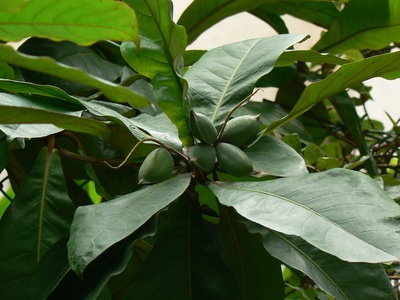
Indian almond
Coastal and riverside tree producing edible nuts and wide horizontal branches providing shade. Common in homesteads and coastal belts; leaves used as traditional plates.
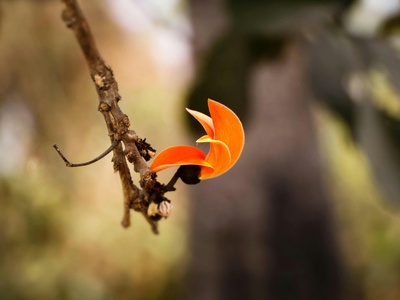
Palash
Flame-of-the-forest with bright orange flowers used in cultural festivals and dyeing. Grows in dry deciduous areas and field edges; important for bees and traditional uses.
Sal
Large deciduous timber tree found in some dry and hill forests; valued for strong hardwood. Locally important for construction and forest economies where present in Bangladesh.
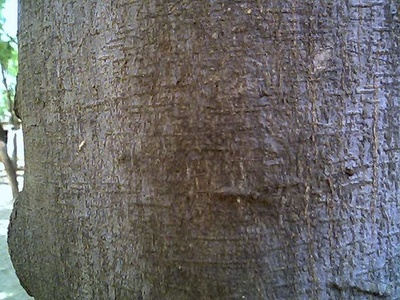
Pongam (Indian beech)
Also known as Pongam/Indian beech, used in agroforestry and as a fuelwood source. Nitrogen-fixing and tolerant of coastal conditions; seeds contain oil used locally.
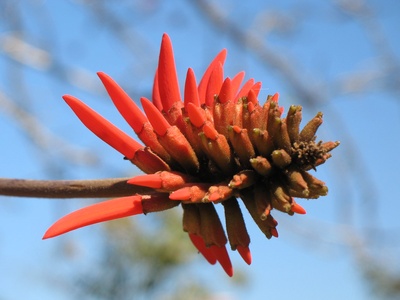
Coral tree
Ornamental and shade tree with bright flowers, used as a living fence in farmlands. Nitrogen-fixing and planted widely in villages and coastal belts.
Tamarindus indica entry
(Duplicate avoided)
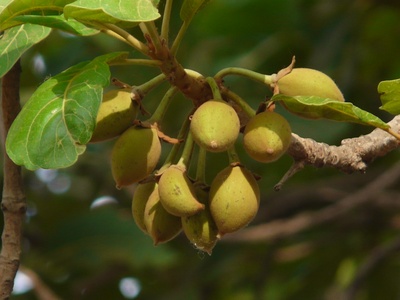
Indian mahua
Medium tree cultivated for edible flowers and oil; used in traditional fermented drinks and as a multipurpose rural resource. Found in drier districts and homestead groves.
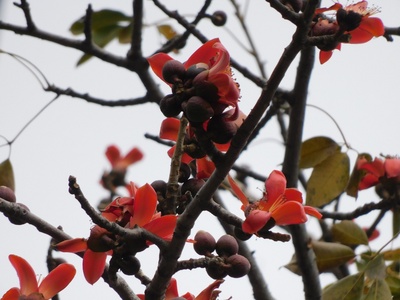
Cotton tree (Kapok)
Large tropical tree producing fluffy kapok fibers used historically for stuffing. Planted in villages and homesteads; striking when in flower and fruit.
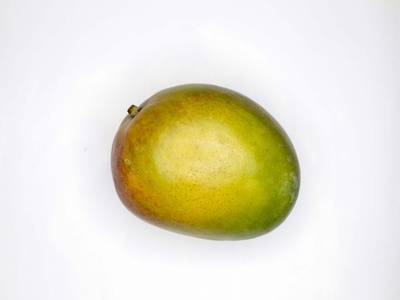
Wild mango
Smaller wild mango species occurring in forests and village groves. Edible fruits and local timber uses; part of native forest diversity.
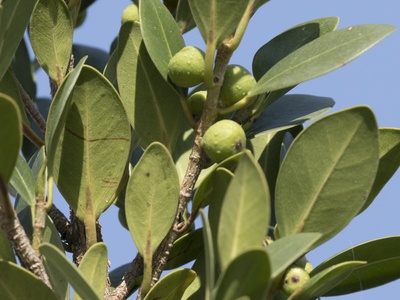
Indian laurel
Hardwood tree of dry and moist forests, used for timber, shade and restoration plantings. Common in mixed deciduous stands and roadside plantations.