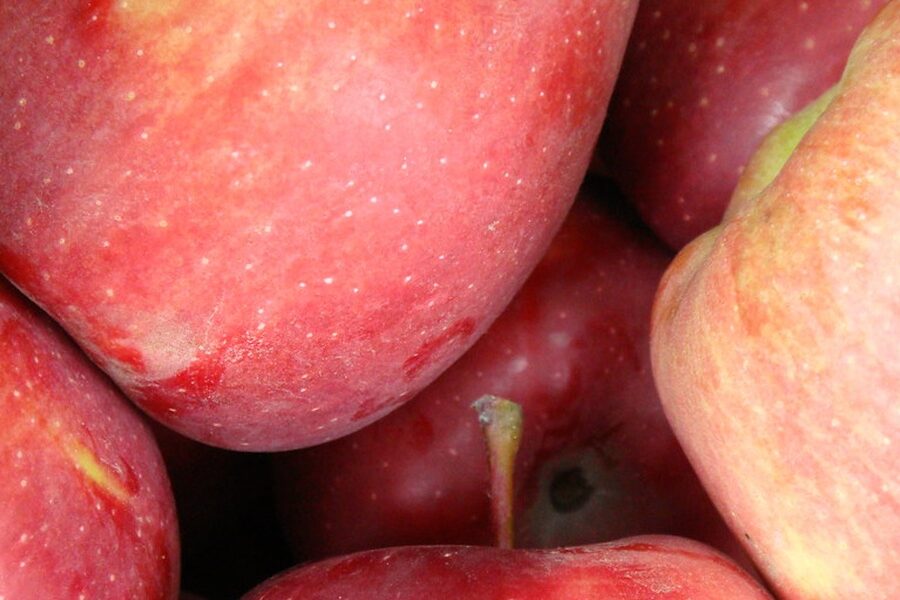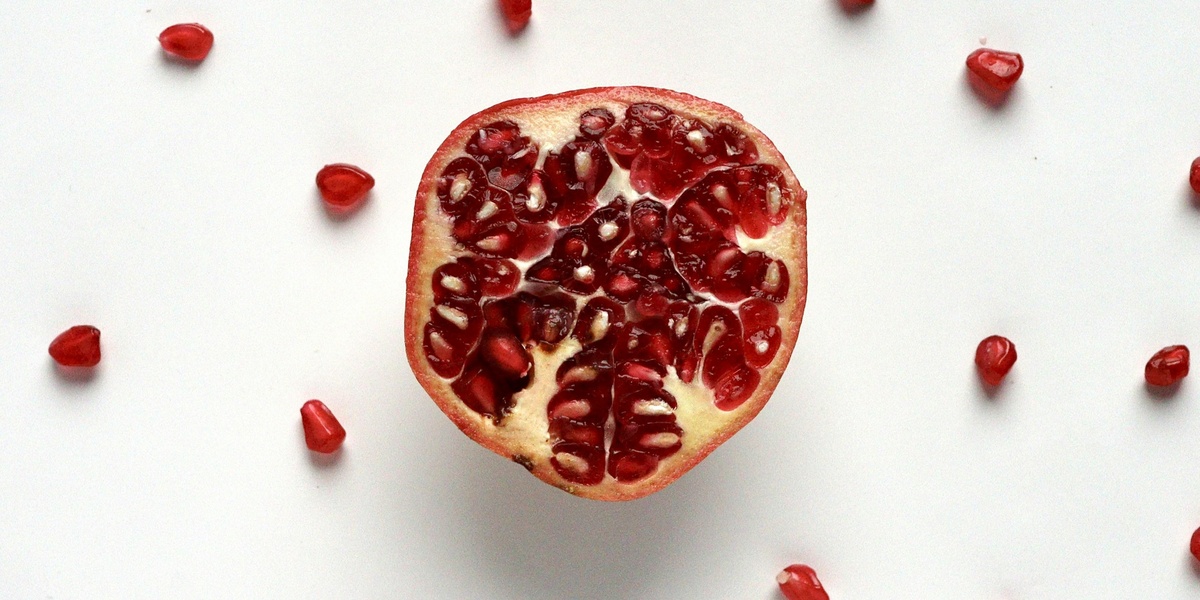
Iran’s varied climate—from Caspian coastal plains to Zagros foothills and desert oases—has long supported a rich tradition of fruit growing. Local markets and home orchards reflect centuries of cultivation, seasonal rhythms, and regional specialties that make exploring Iran’s produce rewarding.
There are 31 Fruits of Iran, ranging from Apple to Watermelon. For each entry, the list shows Scientific name, Persian name, Regions & season so you can identify varieties and plan when to buy or try them; you’ll find below.
How should I use the Scientific name, Persian name, and Regions & season columns?
Use the Scientific name to avoid confusion between similar fruits, the Persian name to ask vendors or read labels locally, and the Regions & season column to know where a fruit is grown and when it’s at peak freshness—handy for shopping, cooking, or sourcing ingredients.
Which fruits are truly seasonal and which are available longer?
Seasonality varies: crops like watermelon are peak-summer items, while apples can be stored and sold long after harvest. Check the Regions & season column for each fruit to see its local harvest window and whether storage or imports extend availability.
Fruits of Iran
| Name | Scientific name | Persian name | Regions & season |
|---|---|---|---|
| Apple | Malus domestica | sib (سیب) | West & East Azerbaijan; Aug–Oct |
| Pear | Pyrus communis | golābi (گلابی) | Gilan, Mazandaran, Hamedan; Aug–Oct |
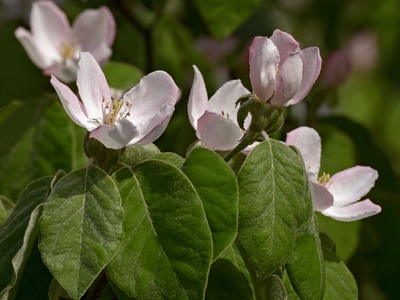
| Quince | Cydonia oblonga | beh (به) | Gilan, East Azerbaijan, Mazandaran; Oct–Nov |
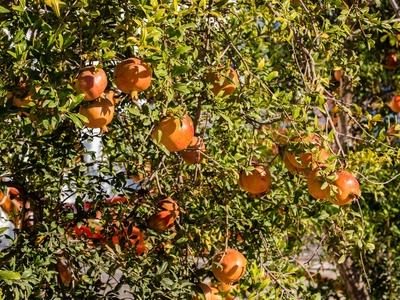
| Pomegranate | Punica granatum | anar (انار) | Fars, Kerman, Yazd, Isfahan; Sep–Nov |
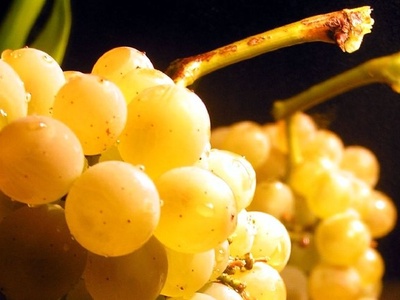
| Grape | Vitis vinifera | angūr (انگور) | Qazvin (Takestan), Fars, East & West Azerbaijan; Aug–Oct |
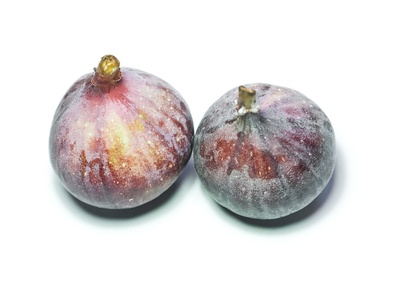
| Fig | Ficus carica | anjir (انجیر) | Fars, Hormozgan, Kerman, Bushehr; Jun–Sep |
| Date | Phoenix dactylifera | khormā (خرما) | Khuzestan, Kerman, Hormozgan, Sistan & Baluchestan; Aug–Oct |
| Sweet cherry | Prunus avium | gilās (گیلاس) | Tehran, East & West Azerbaijan; May–Jun |
| Sour cherry | Prunus cerasus | ālbālū (آلبالو) | Kurdistan, Hamedan, Tehran; Jun–Jul |
| Apricot | Prunus armeniaca | zardālū (زردآلو) | Qazvin, Fars, Kerman; May–Jul |
| Peach | Prunus persica | holū (هلو) | Fars, Isfahan, Kermanshah; Jun–Aug |
| Nectarine | Prunus persica var. nucipersica | nektārīn (نکتارین) | Fars, Isfahan; Jun–Aug |
| Plum | Prunus domestica | ālū (آلو) | Hamedan, Razavi Khorasan, Fars; Jul–Sep |
| Mulberry | Morus spp. | tūt (توت) | Mazandaran, Gilan, West Azerbaijan; May–Jul |
| Persimmon | Diospyros kaki | khormālū (خرمالو) | Mazandaran, Gilan; Oct–Nov |
| Orange | Citrus sinensis | porteghāl (پرتقال) | Mazandaran, Gilan, Golestan, Khuzestan; Nov–Feb |
| Mandarin | Citrus reticulata | nārangī (نارنگی) | Mazandaran, Gilan, Golestan; Oct–Dec |
| Lemon | Citrus limon | limū (لیمو) | Mazandaran, Khuzestan, Gilan; Nov–Mar |
| Bitter orange | Citrus aurantium | narenj (نارنج) | Mazandaran, Gilan; Nov–Jan |
| Kumquat | Fortunella spp. | kumquat (کومکوات/کومکات) | Gilan, Mazandaran; Nov–Jan |
| Loquat | Eriobotrya japonica | azgīl (ازگیل) | Mazandaran, Gilan, Golestan; Apr–May |
| Kiwi | Actinidia deliciosa | kīvī (کیوی) | Mazandaran, Gilan; Oct–Nov |
| Strawberry | Fragaria × ananassa | tūt farangī (توت فرنگی) | Mazandaran, West Azerbaijan, Tehran; Apr–Jun |
| Watermelon | Citrullus lanatus | hendavāneh (هندوانه) | Khuzestan, Fars, Sistan; Jun–Sep |
| Muskmelon (Cantaloupe) | Cucumis melo | kharbozeh (خربزه) | Kerman, Fars, Khuzestan; Jun–Aug |
| Olive | Olea europaea | zeytūn (زیتون) | Fars, Khuzestan, Kermanshah; Oct–Nov |
| Barberry | Berberis vulgaris | zereshk (زرشک) | South Khorasan (Birjand), Razavi Khorasan; Jul–Aug |
| Sumac | Rhus coriaria | somāq (سماق) | Fars, Kerman, Khorasan; Aug–Sep |
| Jujube | Ziziphus jujuba | annāb (عناب) | Kerman, Sistan, Razavi Khorasan; Aug–Oct |
| Senjed (Russian olive/oleaster) | Elaeagnus angustifolia | senjed (سنجد) | Central provinces, Yazd, Semnan; Oct–Nov |
| Grapefruit | Citrus × paradisi | grapefruit (گریپ فروت) | Hormozgan, Khuzestan; Jan–Mar |
Images and Descriptions
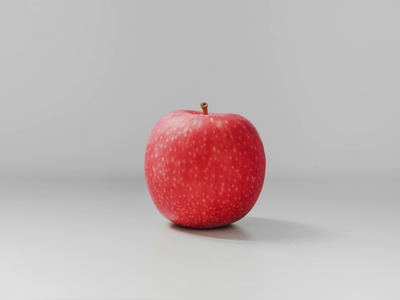
Apple
Crisp, widely grown eating fruit with many local cultivars. Eaten fresh, baked or stewed, and stored for winter. Iran’s cool highlands supply domestic markets and exports; apples are a staple snack and ingredient in northern and northwestern provinces.
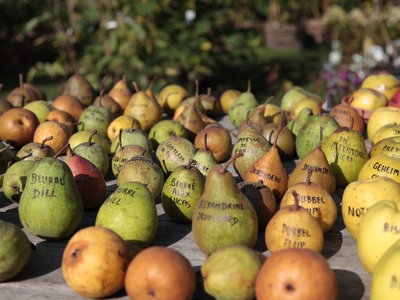
Pear
Juicy and aromatic, pears are eaten fresh or poached and used in desserts. Grown in cooler provinces, they complement apples in orchards and local markets, prized for late summer harvests and home-preserved compotes.
Quince
Aromatic and tannic raw, quince is usually cooked into jams, stews, and the fragrant halva-like “morabba.” Quince trees are traditional in gardens and bazaars; autumn harvesting yields fruit for long-term preserves and culinary uses.
Pomegranate
Iconic Persian fruit with jewel-like arils used fresh, juiced, or as a souring agent in stews and salads. Pomegranates feature in festivals and cuisine; many regional varieties provide sweet or tart flavor profiles each autumn.
Grape
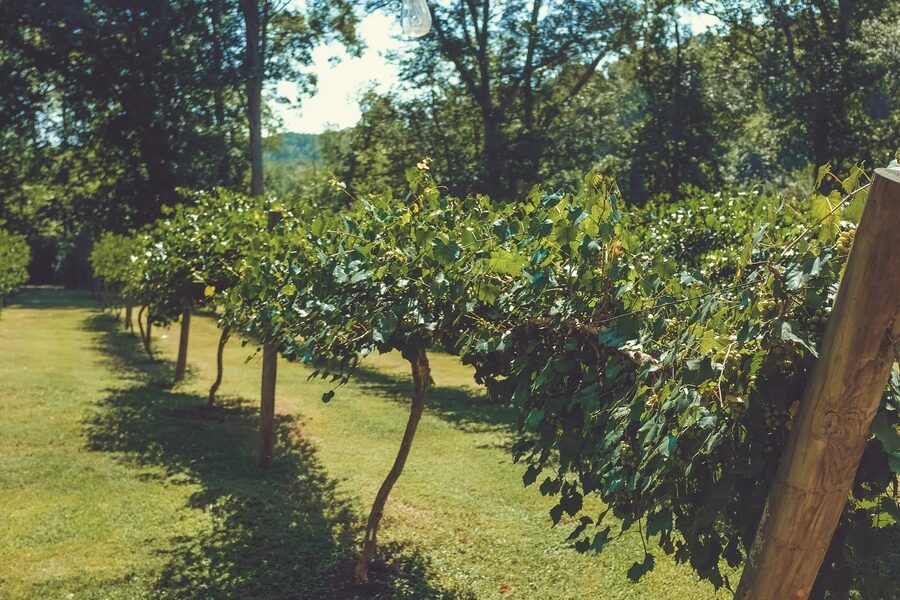
Grown for table use, raisins and wine historically, grapes are central to Iranian diets. Fresh clusters, sun-dried keshmesh, and grape molasses appear in sweets, jams, and traditional dishes during late summer harvests.
Fig
Sweet, soft figs are eaten fresh or dried, used in desserts and traditional snacks. Southern and warm provinces produce two harvests in some areas; figs are valued for their flavor and long shelf life when dried.
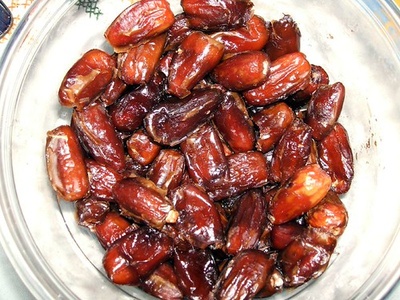
Date
Staple southern fruit, dates are eaten fresh or dried and used in sweets, energy snacks, and religious offerings. Iranian varieties range from soft to dry; harvested late summer into autumn in hot lowlands.
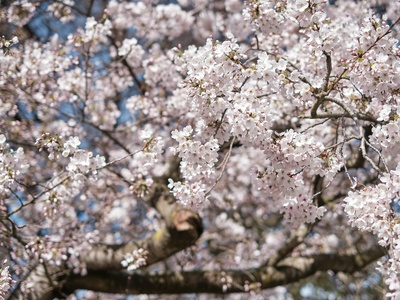
Sweet cherry
Glossy, sweet cherries are a popular spring fruit enjoyed fresh or in syrups and desserts. Grown in cooler uplands, they are celebrated at local harvests and sold in markets for short seasonal windows.
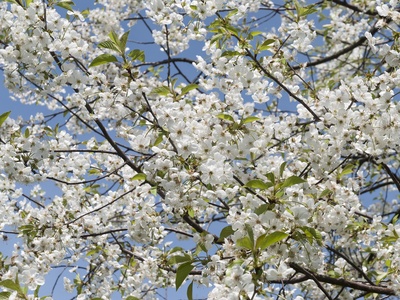
Sour cherry
Tart cherries are used in preserves, stews, compotes, and the famous albaloo rice. Their bright sourness is prized in Persian cooking and confectionery during early summer harvests.
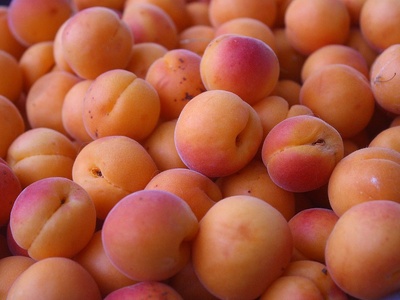
Apricot
Sweet, fragrant apricots dominate summer markets fresh or dried (as kaymak). They are central to jams, compotes, and traditional drying for winter; apricot trees are a signature crop in many orchards.
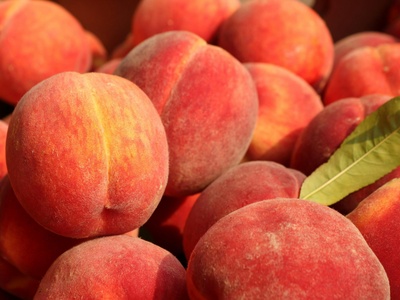
Peach
Soft, juicy peaches are eaten fresh, baked, or canned. Iran grows many summer varieties used in street markets and home preserves; they are appreciated for their aroma and seasonal sweetness.
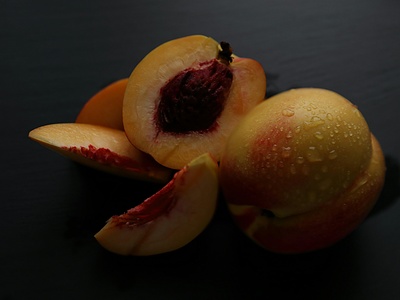
Nectarine
Smooth-skinned nectarine similar to peach but firmer. Eaten fresh or in desserts, they appear in summer markets alongside peaches and are valued for their fragrant flavor and easy-to-eat texture.
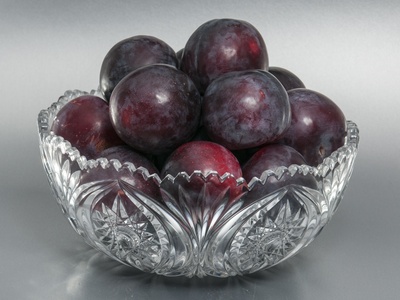
Plum
Plums are eaten fresh, dried (prunes), or cooked into sauces and jams. Diverse varieties support summer markets, and dried plums are used as sweet-tart snacks and ingredients in traditional recipes.
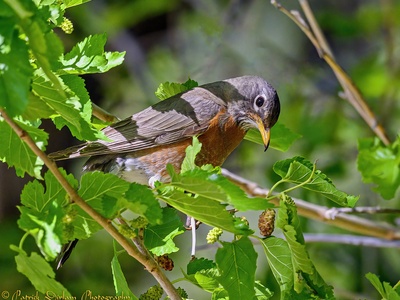
Mulberry
Mulberries appear early in summer as sweet, soft berries eaten fresh, dried, or used in sherbets and jams. Trees line orchards and village lanes; black and white types are both common.
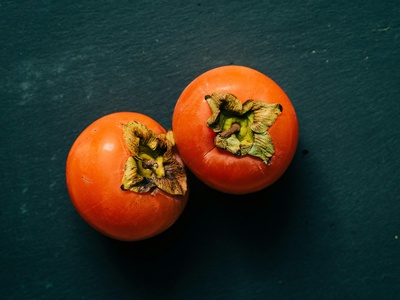
Persimmon
Honeyed and orange-skinned, persimmons are eaten fresh when soft or dried into chewier snacks. Their autumn appearance is popular for fresh desserts and as a seasonal specialty in northern provinces.
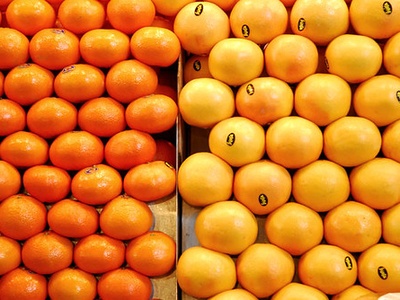
Orange
Sweet oranges are a winter staple from Iran’s Caspian and southern coasts. Eaten fresh or juiced, they supply domestic markets through winter and are used in marmalades and salads.
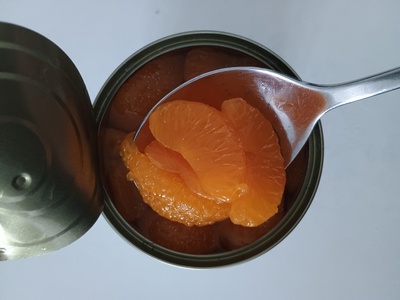
Mandarin
Easy-peel mandarins are fragrant and sweet, popular as a winter snack. Grown on the Caspian coast and southern groves, they are eaten fresh, candied, or used in seasonal desserts.
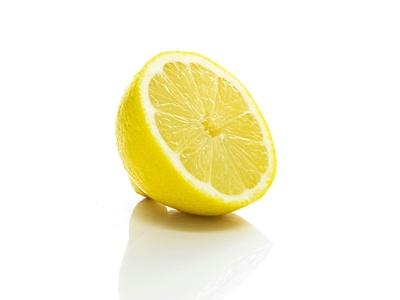
Lemon
Acidic lemons are essential in Persian cooking and drinks. Grown in coastal provinces, they flavor stews, marinades, and beverages year-round, with harvests concentrated in winter months.
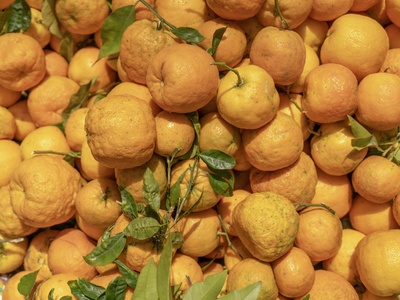
Bitter orange
Aromatic and sour, bitter orange is used for marmalade, perfumes, and traditional medicine. Its blossom (bāzarg) is celebrated, and fruit plays a role in regional preserves and flavouring.
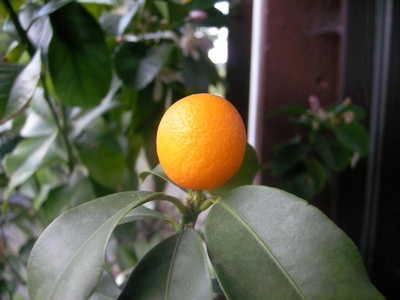
Kumquat
Small, sweet-peel citrus eaten whole or preserved. Kumquats are grown in northern groves and used in jams, candied fruit, and as decorative winter produce in local markets.
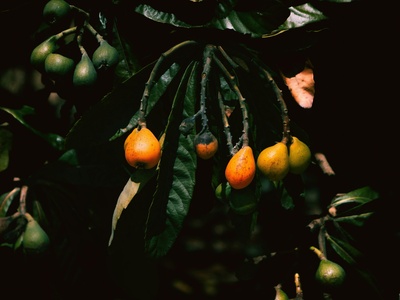
Loquat
Early spring fruit with sweet-tart flesh, loquats are eaten fresh, stewed, or made into jams. Their blossoms and fruit are a welcome seasonal treat in northern gardens and bazaars.
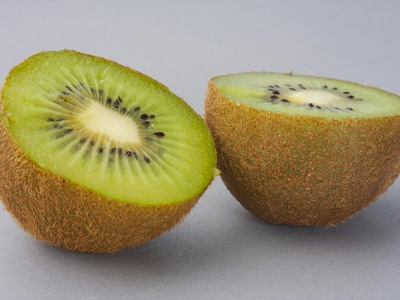
Kiwi
Cultivated in humid northern provinces, kiwi offers tangy, vitamin-rich flesh eaten fresh or in salads. Late autumn harvests supply fresh fruit markets and growing small-scale export production.
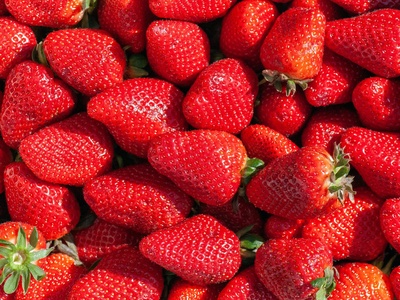
Strawberry
Widely cultivated for fresh markets, strawberries are a spring favorite eaten raw, in desserts, and jams. Local greenhouse production extends supply and supports farmers around urban centers.
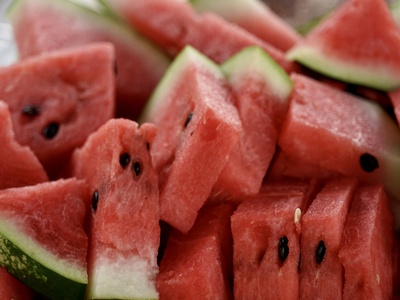
Watermelon
Iconic summer fruit, watermelons are eaten fresh at picnics and markets. Southern plains produce large melons for domestic consumption and seasonal festivals during hot months.
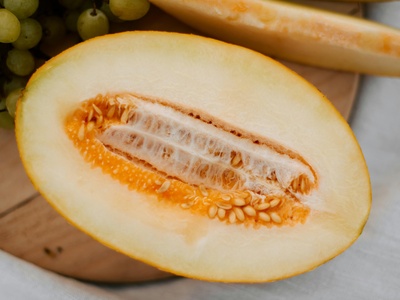
Muskmelon (Cantaloupe)
Aromatic muskmelons are summer favorites eaten fresh or in salads. Their sweet flesh is central to seasonal stalls and home fruit platters across warm provinces.
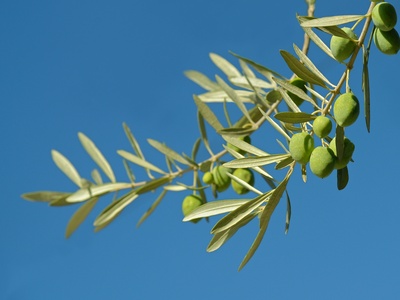
Olive
Olives are both table fruit and oil source. Iranian olives are pickled, cured, or cold-pressed for oil. Harvests in autumn provide staples for cuisine and local artisanal producers.
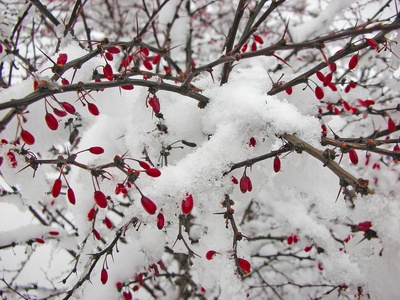
Barberry
Small tart red berries are dried and integral to Persian cooking, especially zereshk polo. Barberries are cultivated on eastern slopes and harvested for their bright sour flavor used year-round.
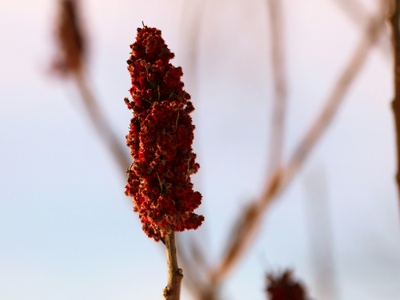
Sumac
Red sumac berries are dried and ground into a tangy spice widely sprinkled over kebabs and salads. The fruit is harvested and sun-dried to make a distinctive sour condiment central to Persian flavors.
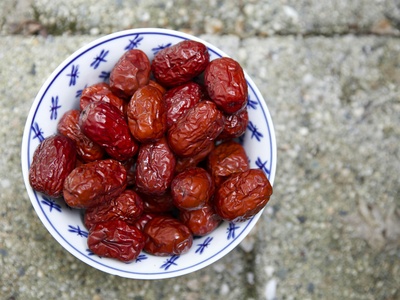
Jujube
Sweet-tart jujubes are eaten fresh, dried, or candied and used in traditional medicine. Grown in eastern and southeastern provinces, they are a nutritious seasonal snack and remedy ingredient.
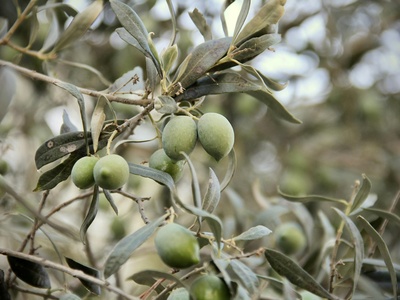
Senjed (Russian olive/oleaster)
Small, aromatic fruits traditionally used in Nowruz celebrations’ Haft-Seen table. Senjed are eaten dried or preserved, valued for fragrance and cultural symbolism as well as their subtle tart flavor.
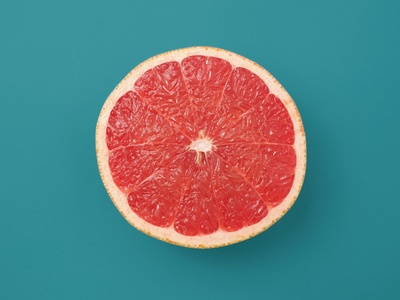
Grapefruit
Large, slightly bitter citrus grown in southern coastal groves. Grapefruit supplies winter citrus markets, eaten fresh or juiced, and is used occasionally in salads and preserves.