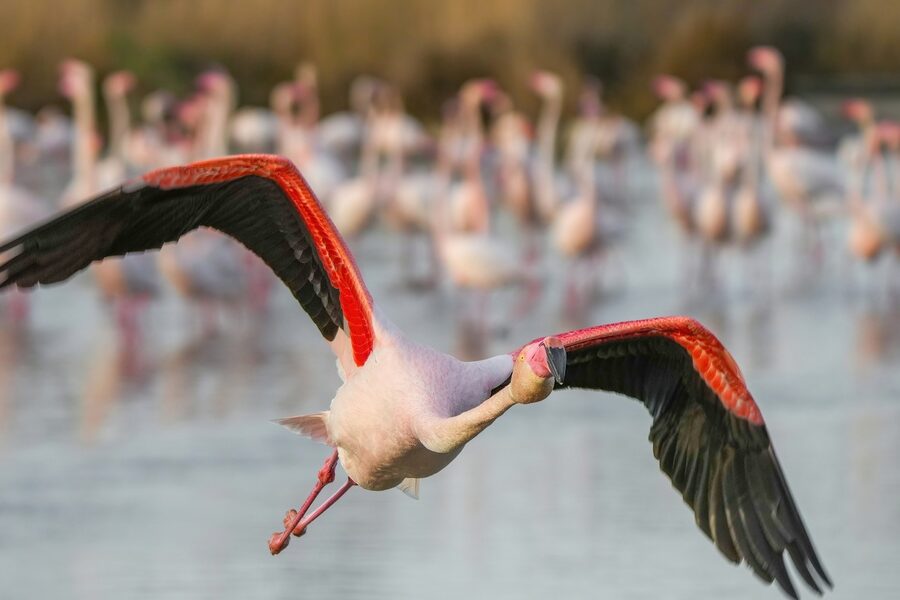
In 2009 the Wadden Sea — part of Denmark’s tidal coastline — was inscribed as a UNESCO World Heritage Site for its vital role as a habitat for millions of migratory birds and marine mammals.
The wildlife of Denmark matters because these species underpin biodiversity, deliver tangible ecosystem services (clean water, flood regulation, coastal fisheries), and fuel outdoor recreation and local economies. Conservation successes—recovery of seals, beavers returning to waterways, and growing eagle populations—show how policy and community action pay off. Yet a clear problem remains: habitat pressure from coastal development, agricultural drainage and the growing risks of sea-level rise and climate change threaten those gains.
Denmark’s varied coastline, wetlands, forests, and rewilding projects have produced a surprising roster of resilient, ecologically important species — eight of which capture the country’s natural character. Below I group them into three habitat-based categories: Coastal & Marine; Forest & Wetland; and Large Mammals & Raptors, with examples of why they matter for nature and people.
Coastal and Marine Species
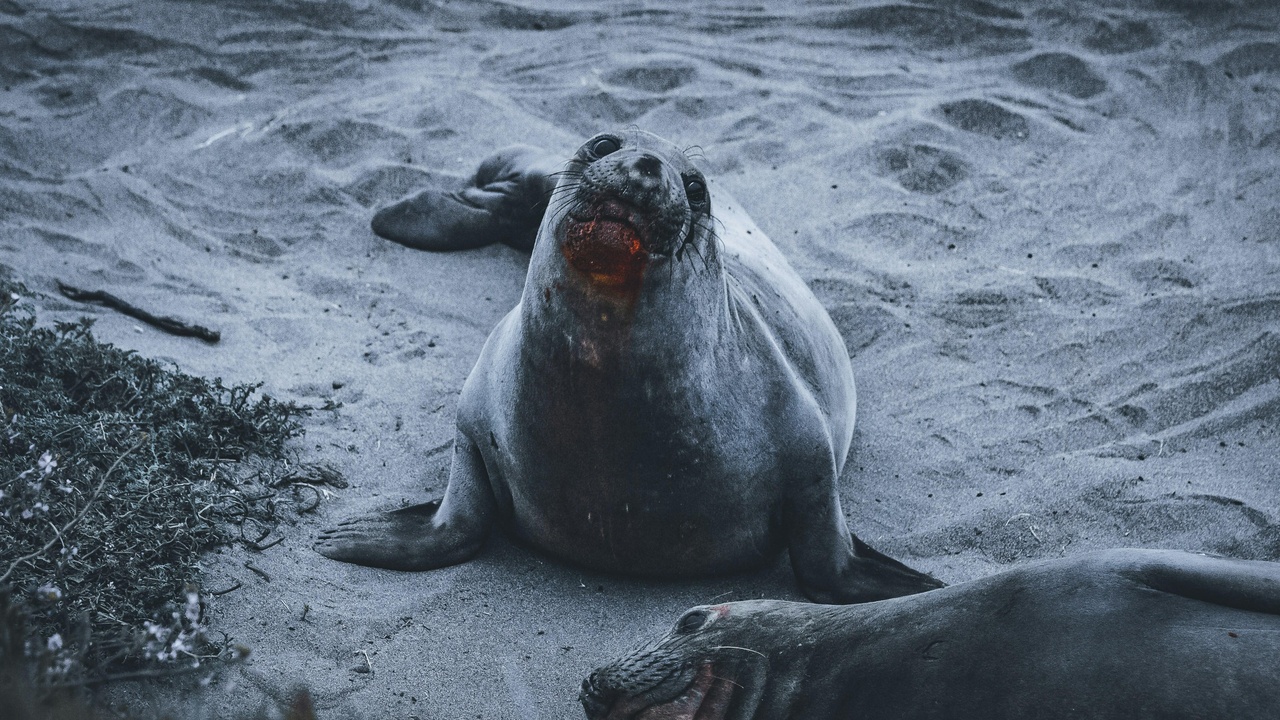
With roughly 7,300 km of shoreline, Denmark’s tidal flats, islands and sheltered seas are essential staging, breeding and feeding grounds for many species (Wadden Sea, UNESCO, 2009). These coastal habitats support dense migratory traffic, seabird colonies and marine mammals while sustaining local fisheries and tourism. At the same time, shipping, recreational pressure and rising seas from climate change create real management challenges. Local monitoring (for example by the Danish Nature Agency) and site protections around places like Rømø and Skallingen are central to keeping these systems productive.
1. Grey Seal (Halichoerus grypus)
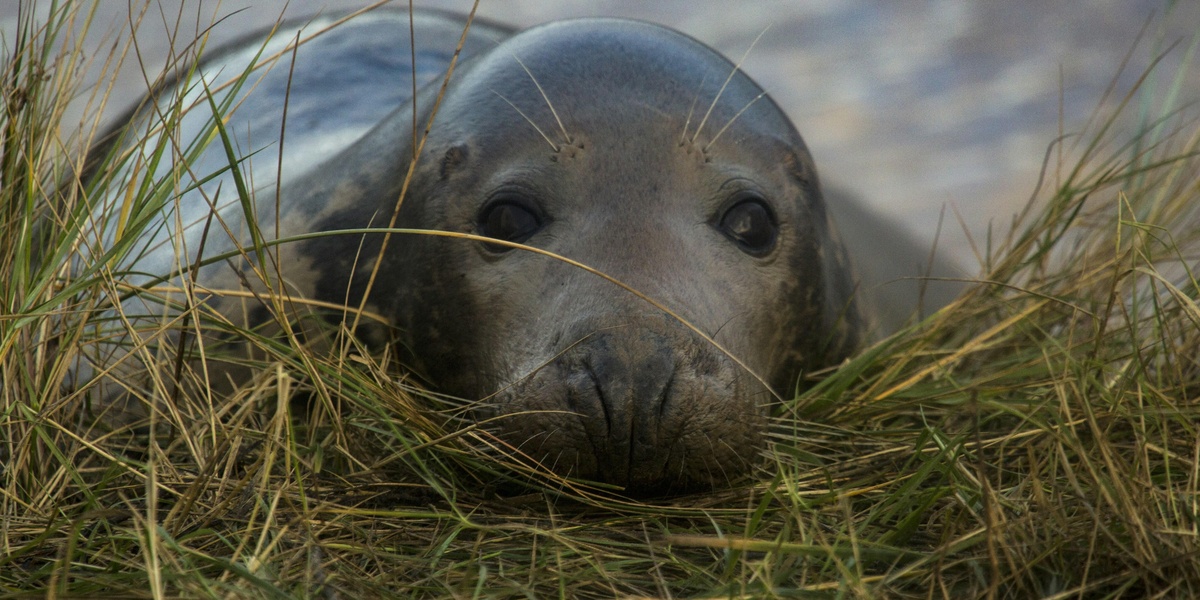
The grey seal is a signature marine mammal in Danish waters and a visible conservation success. After heavy declines in the mid-20th century, populations have been recovering since roughly the 1950s–1970s, with increasing pup numbers at major haul-out and breeding sites in the Wadden Sea and Kattegat.
Sites such as Rømø and Anholt are well-known for haul-outs and attract seal-watching tours operating in regulated zones. Grey seals play a role as mid-level predators in coastal food webs and contribute to ecotourism, though they sometimes come into conflict with coastal fishers—issues addressed through monitoring programs run by NGOs and the Danish Nature Agency.
2. Harbour Porpoise (Phocoena phocoena)
The harbour porpoise is the most common small cetacean in Danish waters and is regularly observed in both the North Sea and Baltic-adjacent areas. Seasonal concentrations occur in summer and autumn in places like the Kattegat and inner Danish waters, and acoustic monitoring programs—expanded since the 1990s—help estimate abundance and movement.
As a top mesopredator, the porpoise indicates marine ecosystem health but is sensitive to bycatch in gillnets and to underwater noise. Danish research groups and partnerships use passive acoustic detectors and visual surveys in the Belt Sea and Kattegat to track trends and inform mitigation measures.
3. Common Eider (Somateria mollissima)
The common eider is a sea duck strongly tied to Danish coasts and small islands, where nesting colonies occur on islets and skerries. Coastal communities have long practiced eiderdown harvesting—dating back to at least the 18th century—with families collecting down from nests each spring for insulation and local income.
Eider colonies bolster coastal birdwatching and small-scale economies, but the species is vulnerable to disturbance during nesting and to changes in food supply. Traditional harvesting on West Coast isles and breeding sites in the North Sea remain cultural touchstones while also requiring careful management to avoid disturbing nesting birds.
Forest and Wetland Residents
Denmark’s inland mosaic—remnant forests, peatlands, lakes and restored wetlands—has seen active conservation and reintroductions (Thy National Park was established in 2008). These habitats improve water quality, store floodwater and provide recreation while supporting specialized species. Research by Aarhus University and monitoring by the Danish Nature Agency underpin many restoration projects.
4. Eurasian Beaver (Castor fiber)
Beavers have returned to Denmark through both reintroduction projects and natural recolonization, with organized efforts beginning in the late 1990s. As ecosystem engineers they build dams and ponds that increase wetland complexity, create breeding habitat for amphibians and waterbirds, and raise groundwater levels.
Beaver-created wetlands can reduce downstream flood peaks and boost local biodiversity, but they sometimes conflict with agriculture or drainage schemes. Populations are now well established in parts of Jutland, where local management agreements and compensation schemes help balance landowner concerns with the ecological gains beavers provide.
5. European Otter (Lutra lutra)
The otter has staged a comeback in parts of Denmark after steep declines during the 20th century. Improvements in water quality, legal protection and river restoration (notably work along stretches of the Gudenå and other rivers) have helped otter numbers recover over recent decades.
Otters are top freshwater predators and strong indicators of healthy river systems. Anglers, river restoration projects and citizen science schemes report spraints and tracks, informing local conservation. Managed solutions—such as fish-fence adjustments or habitat buffers—help reduce conflicts between otters and fisheries.
6. Common Crane (Grus grus)
The common crane is a spectacular seasonal migrant and has increasingly been recorded breeding in Danish wetlands after restoration work. Hundreds of cranes can stage during spring and autumn migration, and recent breeding records—reported since the 2010s—signal improving wetland conditions.
Wetlands such as Lille Vildmose and restored lowland bogs in Jutland provide staging and nesting habitat. Cranes attract birdwatchers and nature-based tourism, and collaborative habitat management (water-level control and disturbance reduction) supports their continued return.
Large Mammals and Birds of Prey
While Denmark lacks the large carnivores of bigger countries, it supports a handful of large mammals and recovering raptors thanks to habitat protection, hunting regulation and conservation programs. The white-tailed eagle’s recovery over recent decades is a high-profile example of how targeted conservation can restore top predators and cultural icons.
7. Red Deer (Cervus elaphus)
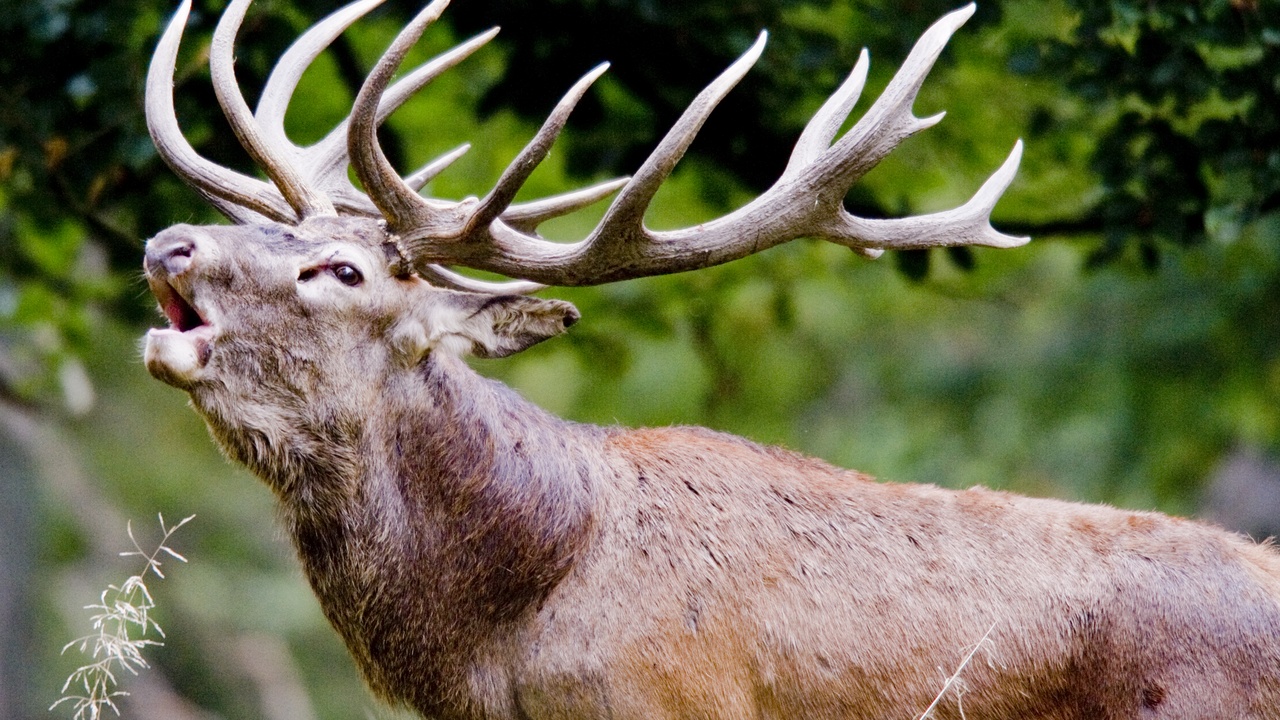
Red deer are Denmark’s largest native deer and a species of interest for hunters, conservationists and wildlife viewers alike. They occur in forests and heaths across Jutland and some islands, with seasonal behavior that culminates in the autumn rut when stags display and vocalize.
Population management balances regulated hunting with conservation, and deer influence forest vegetation through browsing—shaping habitat structure. Rutting season in autumn also creates wildlife-watching opportunities that benefit rural tourism and local guide services.
8. White-tailed Eagle (Haliaeetus albicilla)
The white-tailed eagle is an emblematic raptor that has made a notable recovery in Denmark after decades of legal protection and habitat safeguards. Conservation work since the 1980s and intensified monitoring in recent decades have led to significant increases in nesting and fledgling records across coastal and inland sites.
As a top avian predator and scavenger, the eagle connects coastal and freshwater food webs and draws public interest—high-profile nest records and sightings often spur local conservation support. Ornithological groups (including monitoring by national bird organizations) document nesting on coastal cliffs, islands and large forested lakeshores.
Summary
Denmark’s coasts, wetlands and recovering inland habitats host an array of species that matter ecologically and culturally—from grey seals on sandbanks to beavers engineering new ponds and white-tailed eagles reclaiming former territories (Wadden Sea, UNESCO, 2009). These eight species illustrate how conservation action, protected sites and community involvement can bring measurable recoveries, even as development pressure and climate change pose ongoing risks.
Supporting local monitoring groups, visiting sensitive areas responsibly, and reporting sightings to citizen science programs all help sustain these gains. Thoughtful land-use planning and continued investment in restoration will determine whether these species thrive for future generations.
- Coastal habitats like the Wadden Sea support internationally important marine and bird life.
- Reintroduction and wetland restoration (since the 1990s and 2000s) have driven measurable recoveries.
- Species such as beavers, cranes and white-tailed eagles link ecology with cultural value and tourism.
- Visit responsibly, support local conservation groups, and report wildlife observations to citizen science programs to help monitor trends.