From the boreal forests to the Arctic tundra and rocky coasts, Canada’s vast landscapes shape a wide variety of wildlife. Seasonal migrations, regional habitats and human land use all influence which species appear in a given province or territory.
There are 94 Animals of Canada, ranging from American beaver to Wood frog. For each species we list Scientific name, Canadian range, Conservation status, and you’ll find these details below.
Where in Canada am I most likely to see a wide variety of animals?
Southern mixedwood forests, coastal British Columbia and parts of the Atlantic provinces host high species diversity because of varied habitats and milder climates, while the Prairies and wetlands are great for birds and large mammals; timing matters too, so plan visits for breeding or migration seasons to maximize sightings.
How current is the conservation status information and where does it come from?
Statuses come from recognized assessments (national and provincial lists, COSEWIC, IUCN) but can change, so use the list as a starting point and check official government or conservation organization sites for the latest updates.
Animals of Canada
| Name | Scientific name | Canadian range | Conservation status |
|---|---|---|---|
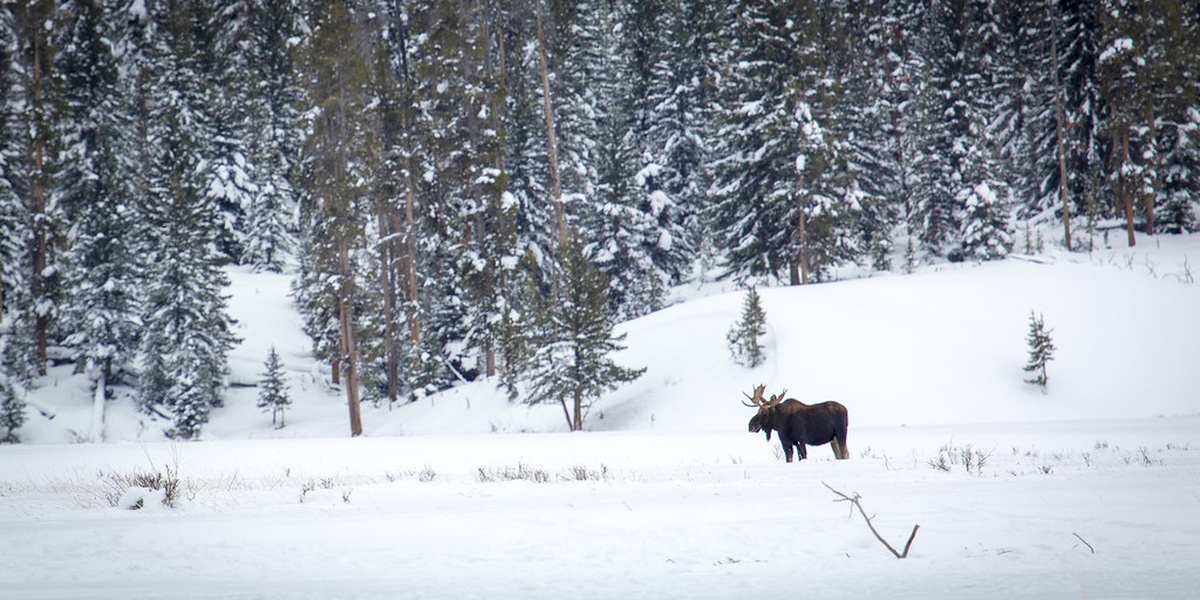
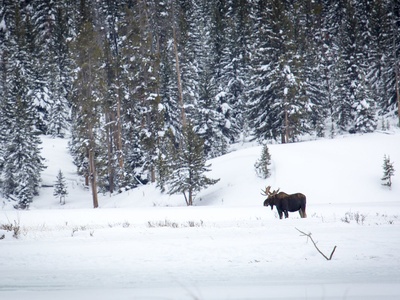
| Moose | Alces alces | Across boreal forests and tundra: BC, AB, SK, MB, ON, QC, NB, NL, YT, NT | Least Concern (IUCN) |
| White-tailed deer | Odocoileus virginianus | Widespread: BC (southern), AB, SK, MB, ON, QC, NB, NS, PE, NL | Least Concern (IUCN) |
| American elk (Wapiti) | Cervus canadensis | Rocky Mountains and parts of AB, BC, YT, NT, reintroduced ON | Least Concern (IUCN) |
| Plains bison | Bison bison | Plains and protected herds: AB, SK, MB, ON (reintroduced) | Near Threatened (IUCN) / Recovery ongoing |
| American black bear | Ursus americanus | Across forests Canada-wide except high Arctic: BC to NL | Least Concern (IUCN) |
| Grizzly bear | Ursus arctos | Western Canada: BC, AB (mountainous areas), YT, NT | Special Concern/Threatened in regions (COSEWIC) |
| Polar bear | Ursus maritimus | Arctic coasts and sea ice: NU, NT, YT, northern QC, Labrador | Vulnerable (IUCN) / Special Concern (COSEWIC) |
| Grey wolf | Canis lupus | Across most of Canada, especially boreal and tundra regions | Least Concern (IUCN) |
| Coyote | Canis latrans | Widespread across Canada, including urban fringes | Least Concern (IUCN) |
| Red fox | Vulpes vulpes | Widespread across Canada; common in rural and suburban areas | Least Concern (IUCN) |
| Arctic fox | Vulpes lagopus | Arctic islands and tundra: NU, NT, YT, northern QC, Labrador | Least Concern (IUCN) |
| Canada lynx | Lynx canadensis | Boreal forests across much of Canada: BC to NL | Least Concern (IUCN) |
| Bobcat | Lynx rufus | Southern regions across Canada: BC, AB, SK, MB, ON, QC, NB, NS | Least Concern (IUCN) |
| Cougar (Mountain lion) | Puma concolor | Western Canada: BC, AB (sporadic), rare eastward records | Least Concern (IUCN) |
| Wolverine | Gulo gulo | Boreal and Arctic mountains: BC, AB, YT, NT, NU, northern QC | Least Concern (IUCN) / Threatened regionally |
| American beaver | Castor canadensis | Widespread across freshwater habitats in Canada | Least Concern (IUCN) |
| North American river otter | Lontra canadensis | Rivers, lakes, and coasts across Canada | Least Concern (IUCN) |
| American marten | Martes americana | Mature boreal and montane forests across Canada | Least Concern (IUCN) |
| Fisher | Pekania pennanti | Forested areas across Canada, especially boreal regions | Least Concern (IUCN) |
| Snowshoe hare | Lepus americanus | Boreal forests and tundra edges across Canada | Least Concern (IUCN) |
| Arctic hare | Lepus arcticus | High Arctic islands and tundra: NU, NT, northern QC, Labrador | Least Concern (IUCN) |
| Muskrat | Ondatra zibethicus | Wetlands and marshes across southern and boreal Canada | Least Concern (IUCN) |
| Mountain goat | Oreamnos americanus | High mountains: BC, AB, YT, NT | Least Concern (IUCN) |
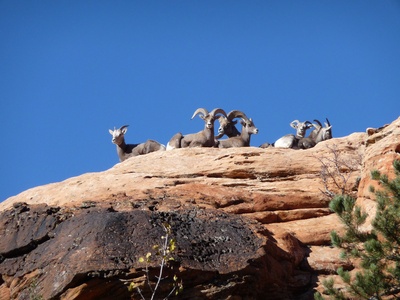
| Bighorn sheep | Ovis canadensis | Rocky Mountains and foothills: BC, AB, southern SK | Least Concern (IUCN) / Regionally monitored |
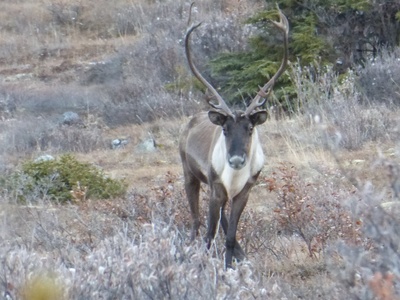
| Caribou (Woodland and barren-ground) | Rangifer tarandus | Tundra and boreal regions across Canada; many herds: NU, NT, YT, QC, NL, ON, MB | Varies by population; many Threatened (COSEWIC) |
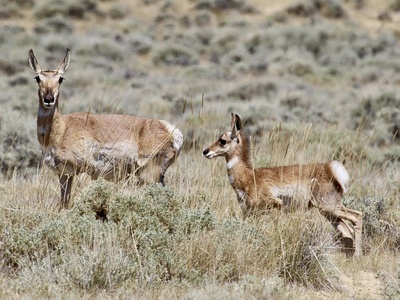
| Pronghorn | Antilocapra americana | Grasslands and plains in southern AB, SK near U.S. border | Least Concern (IUCN) |
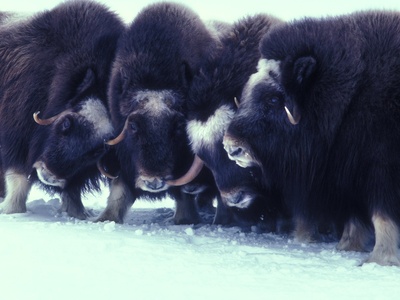
| Muskox | Ovibos moschatus | High Arctic islands and tundra: NU, NT, northern QC, Labrador | Least Concern (IUCN) |
| Beluga whale | Delphinapterus leucas | Arctic and subarctic: Churchill (MB), St. Lawrence River (QC), others | Near Threatened (IUCN) / Regionally Endangered |
| Narwhal | Monodon monoceros | Arctic waters: NU, NT, northern QC, east Arctic | Near Threatened (IUCN) |
| Bowhead whale | Balaena mysticetus | High Arctic waters: NU, NT, east Arctic | Least Concern (IUCN) / Recovery ongoing |
| Humpback whale | Megaptera novaeangliae | Coastal waters Atlantic and Pacific: BC, Atlantic provinces | Least Concern (IUCN) |
| Orca (Killer whale) | Orcinus orca | Coastal waters widely: BC (resident populations), Atlantic Canada | Data Deficient/Varies by population (IUCN) |
| North Atlantic right whale | Eubalaena glacialis | Atlantic Canadian waters seasonally: NB, NS, NL (rare) | Critically Endangered (IUCN) |
| Harbour seal | Phoca vitulina | Coastal waters across Canada: Pacific and Atlantic coasts | Least Concern (IUCN) |
| Harp seal | Pagophilus groenlandicus | Atlantic Canada and Arctic pack ice: NL, NS, NB, QC | Least Concern (IUCN) |
| Walrus | Odobenus rosmarus | Arctic coasts and ice floes: NU, NT, northern QC, Labrador | Near Threatened (IUCN) |
| Canada goose | Branta canadensis | Widespread across Canada, breeding across provinces and territories | Least Concern (IUCN) |
| Common loon | Gavia immer | Lakes and large ponds across boreal and shield regions: ON, QC, MB, SK, BC | Least Concern (IUCN) |
| Bald eagle | Haliaeetus leucocephalus | Coastal and inland waters across Canada, especially BC, ON, QC, NL | Least Concern (IUCN) |
| Peregrine falcon | Falco peregrinus | Widespread migrant and breeder: coastal cliffs and cities across Canada | Least Concern (IUCN) |
| Snowy owl | Bubo scandiacus | Arctic tundra and irruptive winter occurrences across southern Canada | Least Concern (IUCN) |
| Atlantic puffin | Fratercula arctica | Coastal Newfoundland and Labrador, Nova Scotia breeding colonies | Vulnerable (IUCN) |
| Whooping crane | Grus americana | Breeding in Wood Buffalo NP (NT) and migration stopovers; rare in AB, SK, MB | Endangered (COSEWIC) |
| Sandhill crane | Antigone canadensis | Breeding across boreal wetlands and prairie provinces; migratory across Canada | Least Concern (IUCN) |
| Canada jay (Gray jay) | Perisoreus canadensis | Boreal and montane forests across Canada | Least Concern (IUCN) |
| Black-capped chickadee | Poecile atricapillus | Widespread across southern and boreal Canada | Least Concern (IUCN) |
| Ruby-throated hummingbird | Archilochus colubris | Breeds in southern Ontario, Quebec and Atlantic provinces; migratory | Least Concern (IUCN) |
| Common murre | Uria aalge | Atlantic and Pacific coasts, nesting on sea cliffs in BC and Atlantic provinces | Least Concern (IUCN) |
| Atlantic salmon | Salmo salar | Eastern rivers: NL, NS, NB, QC, PE, maritime waters | Endangered/Varies by river (COSEWIC) |
| Chinook salmon | Oncorhynchus tshawytscha | Pacific coast rivers: BC; some southern Atlantic introductions | Least Concern (IUCN) |
| Sockeye salmon | Oncorhynchus nerka | Pacific rivers and some interior lakes: BC | Least Concern (IUCN) |
| Coho salmon | Oncorhynchus kisutch | Pacific coast rivers: BC | Least Concern (IUCN) |
| Arctic char | Salvelinus alpinus | Arctic and subarctic lakes and rivers: NU, NT, YT, northern provinces | Least Concern (IUCN) |
| Lake trout | Salvelinus namaycush | Deep, cold lakes across boreal and shield regions: ON, QC, MB, SK, NT | Least Concern (IUCN) |
| Northern pike | Esox lucius | Widespread in lakes, rivers and wetlands across Canada | Least Concern (IUCN) |
| Walleye | Sander vitreus | Lakes and rivers across southern and central Canada: ON, MB, SK, AB | Least Concern (IUCN) |
| Lake sturgeon | Acipenser fulvescens | Large rivers and lakes: ON, QC, MB, SK, AB | Threatened/Endangered regionally (COSEWIC) |
| Atlantic cod | Gadus morhua | Atlantic Canadian waters, historically abundant: NL, NS, NB, PE | Vulnerable (IUCN) / Regionally depleted |
| American lobster | Homarus americanus | Atlantic coast: NB, NS, PE, NL | Least Concern (IUCN) |
| Snow crab | Chionoecetes opilio | Cold Atlantic continental shelf waters: NL, NS, NB | Least Concern (IUCN)/Commercially important |
| Wood frog | Lithobates sylvaticus | Across boreal and temperate forests in Canada | Least Concern (IUCN) |
| Common garter snake | Thamnophis sirtalis | Widespread across Canada, especially southern regions | Least Concern (IUCN) |
| Painted turtle | Chrysemys picta | Ponds, marshes, and slow rivers across southern Canada | Least Concern (IUCN) |
| Blanding’s turtle | Emydoidea blandingii | Wetlands and shallow lakes in southern Ontario, Quebec, MB and parts of Prairies | Threatened (COSEWIC) |
| Northern leopard frog | Lithobates pipiens | Wetlands and grasslands across central and western Canada, some declines | Least Concern (IUCN) / At risk regionally |
| American toad | Anaxyrus americanus | Woodlands and fields across southern Canada | Least Concern (IUCN) |
| Monarch butterfly | Danaus plexippus | Breeds across southern Canada: ON, QC, MB, SK, AB, BC (western populations) | Endangered (IUCN) / Declining populations |
| Atlantic puffin (duplicate removed) | Fratercula arctica | See earlier entry | Vulnerable (IUCN) |
| Common murre (duplicate removed) | Uria aalge | See earlier entry | Least Concern (IUCN) |
| American robin | Turdus migratorius | Widespread across Canada in summer, urban and rural areas | Least Concern (IUCN) |
| Eastern bluebird | Sialia sialis | Southern Ontario and Maritime provinces in suitable openings | Least Concern (IUCN) |
| Common eider | Somateria mollissima | Coastal Arctic and Atlantic Canada: NL, NS, NB, QC, NU | Least Concern (IUCN) |
| Purple sandpiper | Calidris maritima | Rocky Atlantic coasts in winter: NL, NS, NB | Least Concern (IUCN) |
| Atlantic whitefish | Coregonus huntsmani | Known only in a few Nova Scotia lakes and rivers | Endangered (COSEWIC) |
| Eastern wolf | Canis lycaon | Parts of Ontario and Quebec, and Algonquin region | Special Concern/Threatened regionally (COSEWIC) |
| Northern gannet | Morus bassanus | Atlantic nesting colonies in NL, NS, NB; coastal foraging | Least Concern (IUCN) |
| Pectoral sandpiper | Calidris melanotos | Breeds in Arctic tundra; migratory stopovers across Canada | Least Concern (IUCN) |
| Northern pike (duplicate removed) | Esox lucius | See earlier entry | Least Concern (IUCN) |
| Atlantic salmon (duplicate removed) | Salmo salar | See earlier entry | Endangered/Varies by river (COSEWIC) |
| Boreal chorus frog | Pseudacris maculata | Boreal and prairie wetlands across Canada (MB, SK, AB, ON) | Least Concern (IUCN) |
| Long-tailed duck | Clangula hyemalis | Arctic and coastal waters, migratory across Canada | Least Concern (IUCN) |
| Black bear (duplicate removed) | Ursus americanus | See earlier entry | Least Concern (IUCN) |
| Fisher (duplicate removed) | Pekania pennanti | See earlier entry | Least Concern (IUCN) |
| Wolverine (duplicate removed) | Gulo gulo | See earlier entry | Least Concern (IUCN) |
| Townsend’s big-eared bat | Corynorhinus townsendii | BC interior and southern regions (isolated populations) | Special Concern / Regionally at risk |
| Northern gannet (duplicate removed) | Morus bassanus | See earlier entry | Least Concern (IUCN) |
| Rock ptarmigan | Lagopus muta | Arctic and alpine tundra across northern Canada | Least Concern (IUCN) |
| Red knot | Calidris canutus | Migrates through Atlantic and Arctic Canada; some stopover sites | Endangered (IUCN) / Varies regionally |
| Common eider (duplicate removed) | Somateria mollissima | See earlier entry | Least Concern (IUCN) |
| Tomcod (Atlantic tomcod) | Microgadus tomcod | Coastal Atlantic Canada estuaries and bays | Least Concern (IUCN) |
| Minke whale | Balaenoptera acutorostrata | Coastal Atlantic and Pacific waters seasonally | Least Concern (IUCN) |
| Long-eared owl | Asio otus | Woodlands and open habitats across southern Canada | Least Concern (IUCN) |
| Arctic char (duplicate removed) | Salvelinus alpinus | See earlier entry | Least Concern (IUCN) |
| Common eider (second duplicate removed) | Somateria mollissima | See earlier entry | Least Concern (IUCN) |
Images and Descriptions
Moose
A very large deer common in Canada’s boreal and tundra regions, moose favor wetlands and forests. Notable for massive palmate antlers on males and excellent swimming ability, often feeding on aquatic plants in summer.
White-tailed deer
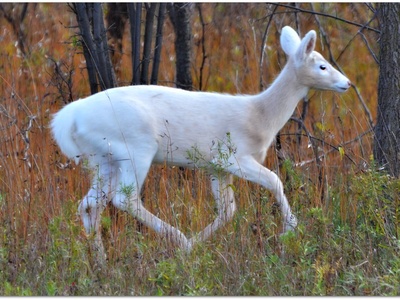
A familiar medium-sized deer across southern Canada, living in forests, fields and suburbs. Agile and adaptable, white-tailed deer populations have grown in many regions and are known for their distinctive tail-flagging behavior.
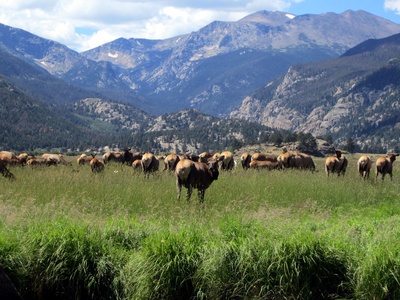
American elk (Wapiti)
Also called wapiti, elk inhabit montane forests and grasslands in western Canada and reintroduced pockets elsewhere. Notable for thunderous bugling calls during fall rut and large herds where habitat allows.
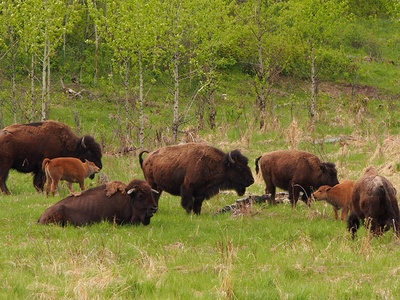
Plains bison
North America’s iconic large grassland bovine survives in wild and managed herds in Canada’s plains and parks. Historically widespread, bison recovery programs protect remnant populations and restore prairie ecosystems.
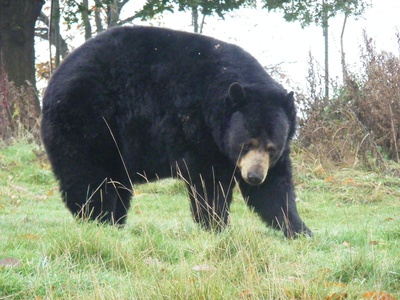
American black bear
A widespread forest omnivore ranging through much of Canada, black bears use woodlands, mountains and wetlands. Notable for dietary flexibility—feeding on fruit, nuts, insects and carrion—and frequent human-wildlife interactions near settlements.
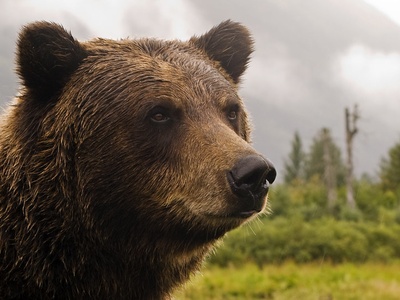
Grizzly bear
Large brown bear of western mountains and coastal areas, grizzlies require large home ranges and diverse habitats. Notable for long humped shoulders, powerful digging claws, and vulnerability to habitat fragmentation.
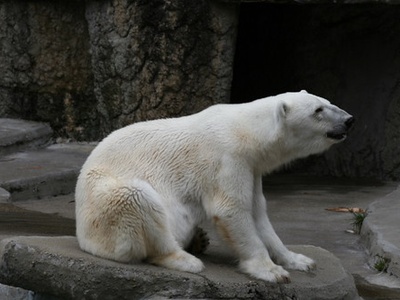
Polar bear
Arctic marine predator dependent on sea ice to hunt seals around Canada’s high Arctic. Iconic and climate-sensitive, polar bears face challenges as sea-ice loss alters hunting opportunities and distribution.
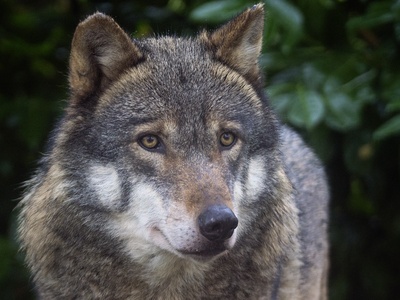
Grey wolf
A top carnivore occupying forests, tundra and remote regions across Canada, wolves form packs to hunt ungulates like moose and deer. Notable for complex social structure and long-distance movements in search of prey.
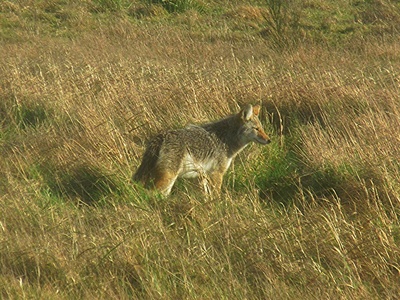
Coyote
A versatile, medium-sized canid that thrives in varied habitats from prairies to cities. Coyotes are opportunistic feeders and notable for expanding northward and adapting to human-altered landscapes.
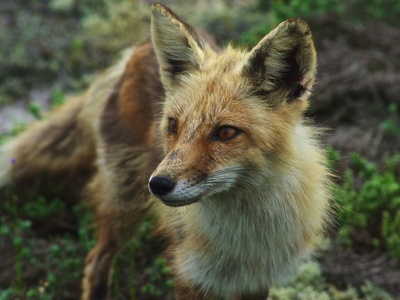
Red fox
A small adaptable omnivore found across Canadian forests, fields and towns. Notable for its reddish coat and cunning hunting of rodents; urban red foxes adjust diets to human presence.
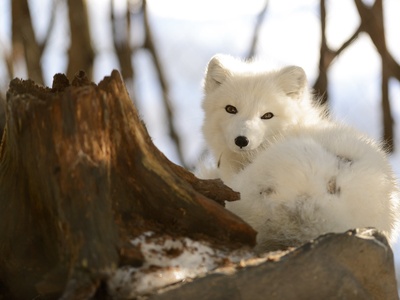
Arctic fox
A small Arctic specialist inhabiting tundra and islands, the Arctic fox has thick white winter fur and seasonal color change. Notable for scavenging and following polar bears to feed on seal carcasses.
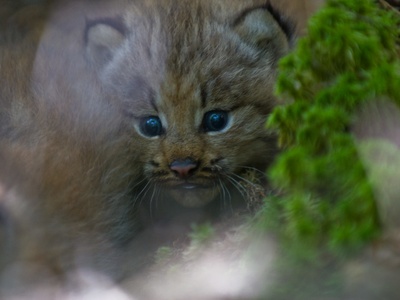
Canada lynx
A medium-sized wildcat of boreal forests, lynx depend heavily on snowshoe hare populations and deep-snow habitats. Notable for remarkably large, furry paws that act like snowshoes for winter hunting.
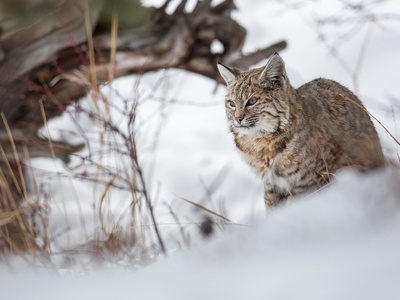
Bobcat
A smaller, adaptable lynx relative occupying forests, brushlands, and edges in southern Canada. Notable for tufted ears and secretive, solitary behavior; expanding into areas altered by humans.
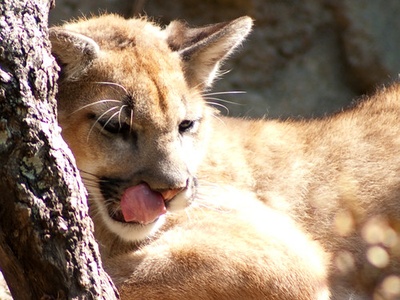
Cougar (Mountain lion)
A large solitary predator found mainly in western mountains and forests, cougars are stealthy ambush hunters. Notable for wide-ranging solitary behavior and occasional long-distance dispersal leading to sightings far from core range.
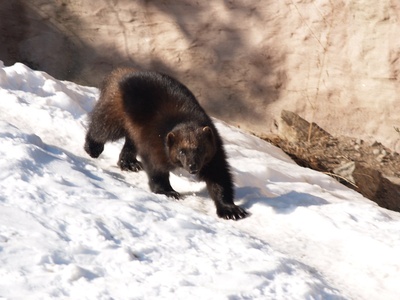
Wolverine
A powerful, solitary mustelid inhabiting remote cold regions and mountains. Notable for its strength-to-size ratio, capacity to travel long distances, and dependence on intact, snow-rich landscapes.
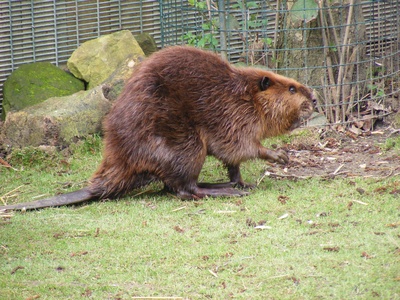
American beaver
A large semi-aquatic rodent famous for building dams and lodges in rivers and wetlands. Beavers dramatically modify landscapes, creating ponds that benefit biodiversity and water retention.
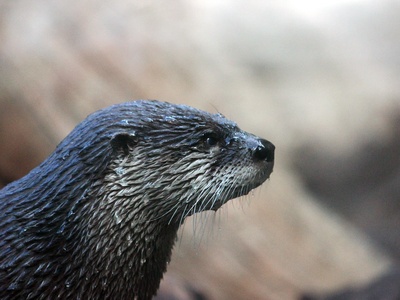
North American river otter
A playful semi-aquatic mustelid found in freshwater and coastal areas; otters eat fish and crustaceans. Notable for social play behaviors and strong swimming abilities with streamlined bodies and webbed feet.
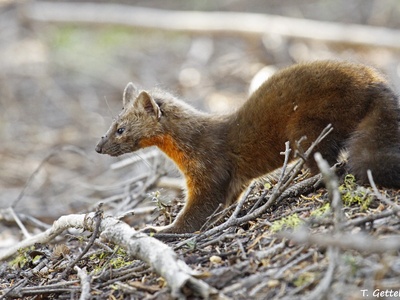
American marten
A small forest-dwelling carnivore inhabiting mature coniferous stands. Martens are notable for tree-climbing agility and sensitivity to logging; they rely on complex forest structures for denning and hunting.

Fisher
A medium-sized mustelid that preys on squirrels, hares and porcupines; fishers thrive in large forest tracts. Notable for being one of the few predators capable of preying on porcupines by flipping them.
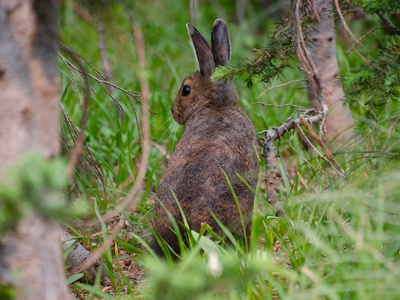
Snowshoe hare
A medium-sized lagomorph of boreal regions, snowshoe hares change fur color seasonally for camouflage and are central to predator-prey cycles, strongly influencing lynx and other carnivore populations.
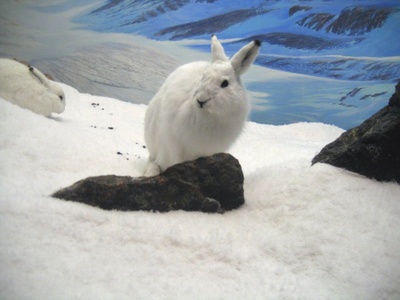
Arctic hare
A large northern lagomorph adapted to cold tundra, Arctic hares have thick fur and seasonal color change. Notable for forming groups and surviving extreme northern winter conditions.
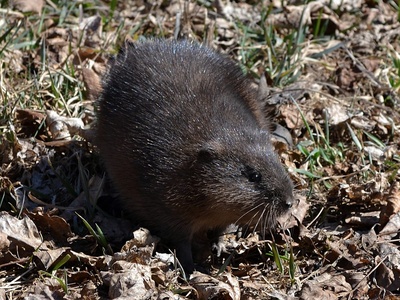
Muskrat
A semiaquatic rodent inhabiting marshes, ponds and slow rivers, muskrats build lodges from vegetation. Notable for shaping wetland vegetation and serving as prey for many predators.
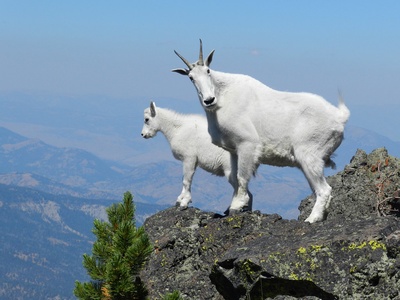
Mountain goat
A sure-footed ungulate of alpine and subalpine cliffs, mountain goats have thick white coats and horns. Notable for navigating steep rocky terrain and forming small matriarchal groups.
Bighorn sheep
A rugged mountain ungulate inhabiting cliffs and dry slopes; bighorns form visible rams-and-ewe groups. Notable for impressive curled horns used in rutting battles among males.
Caribou (Woodland and barren-ground)
A migratory deer species ranging from tundra to boreal forests; caribou undertake long seasonal movements. Notable for cultural importance to Indigenous peoples and widespread population declines in many herds.
Pronghorn
A swift open-country ungulate inhabiting grasslands and sagebrush in parts of southern prairies. Notable for remarkable speed and unique evolutionary lineage (only living member of Antilocapridae).
Muskox
A shaggy, cold-adapted ungulate of Arctic tundra with thick insulating coat. Notable for living in herds and surviving extreme winters using fat reserves and dense underwool called qiviut.
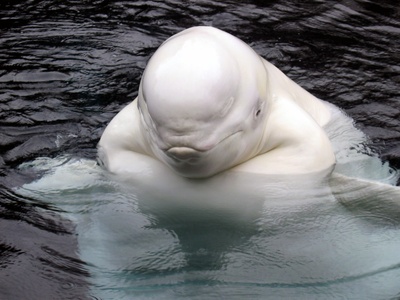
Beluga whale
A social white toothed whale found in Arctic bays and some estuaries; belugas are vocal and curious. Notable for localized resident populations such as the threatened St. Lawrence belugas.
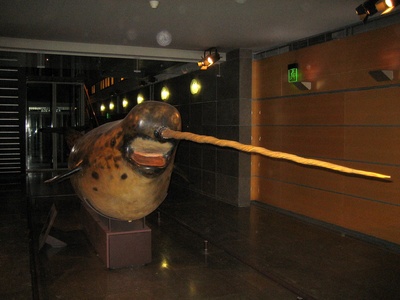
Narwhal
A medium-sized Arctic whale famous for the male’s long tusk (elongated tooth). Narwhals feed beneath sea ice in deep fjords and are specialized to ice-covered Arctic habitats.
Bowhead whale
A large, slow-moving baleen whale of Arctic waters with a massive bow-shaped skull. Notable for longevity (some individuals may live over 200 years) and historical importance to Indigenous communities.
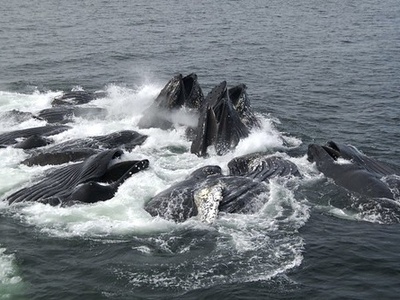
Humpback whale
A large migratory baleen whale found in Canadian coastal waters during summer feeding seasons. Notable for acrobatic breaches, long pectoral fins, and recovering populations following whaling bans.
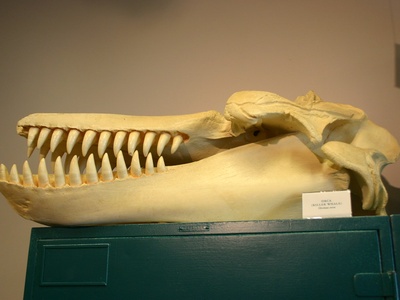
Orca (Killer whale)
A top marine predator found near coasts; resident and transient populations show different diets and social structures. Notable for complex vocal cultures and regional prey specializations.
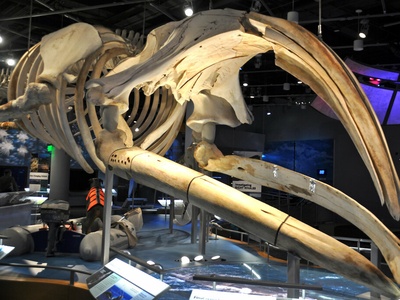
North Atlantic right whale
A large baleen whale once abundant in Atlantic waters, now critically endangered with few remaining animals. Notable for slow approach to coasts making it vulnerable to ship strikes and entanglement.
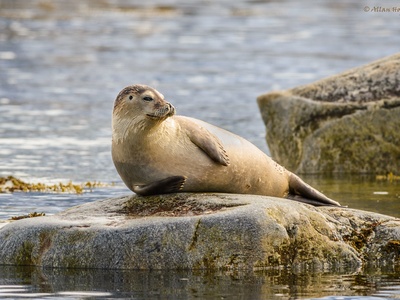
Harbour seal
A common coastal pinniped frequenting bays, estuaries and rocky shores. Notable for hauling out on beaches and rocks, feeding primarily on fish and squid.
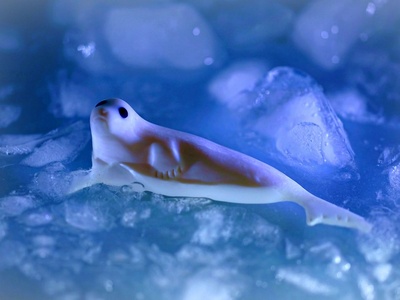
Harp seal
A gregarious Arctic and subarctic seal breeding on pack ice; harp seals migrate seasonally. Notable for large seasonal migrations and pups with white natal fur.
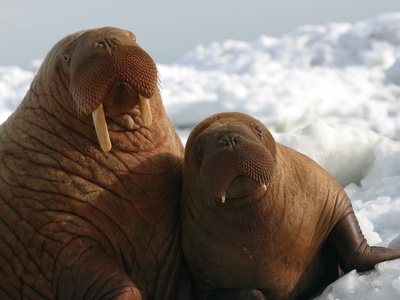
Walrus
A large, tusked pinniped of Arctic seas that uses ice and shores for resting and feeding on benthic invertebrates. Notable for social herds and sensitivity to diminishing sea ice.
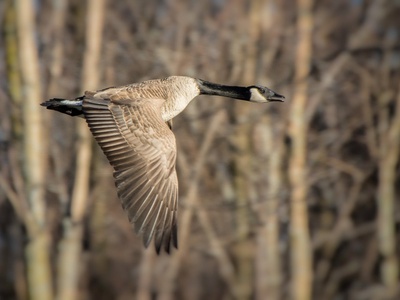
Canada goose
A ubiquitous large waterfowl that breeds across Canada’s wetlands and lakes. Notable for loud honking, large migratory flocks, and urban nesting habits in parks and golf courses.
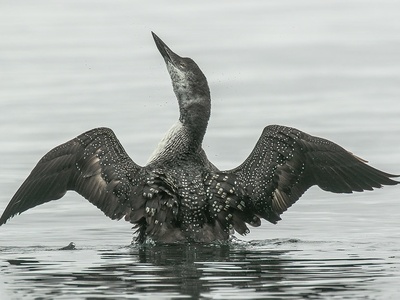
Common loon
A striking diving bird of northern lakes known for haunting calls; loons dive for fish and require clear, undisturbed lakes for breeding. Notable for red eyes and expert diving.
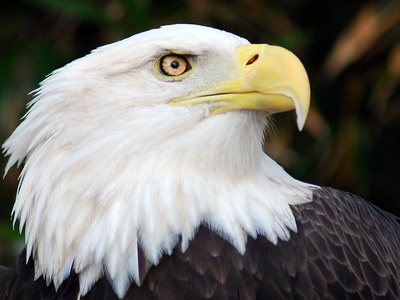
Bald eagle
A large raptor living near coasts and large waterways; bald eagles feed on fish and carrion. Notable for conservation recovery after pesticide-era declines and impressive nesting sites.
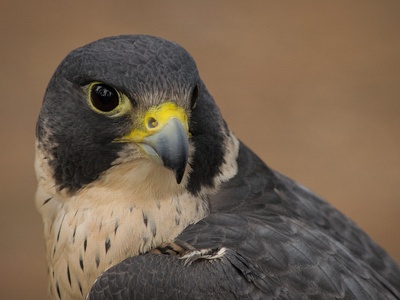
Peregrine falcon
A high-speed raptor found on cliffs and urban high-rises; peregrines hunt birds in aerial stoops. Notable for being the fastest animal in a dive and recovering after pesticide-related declines.
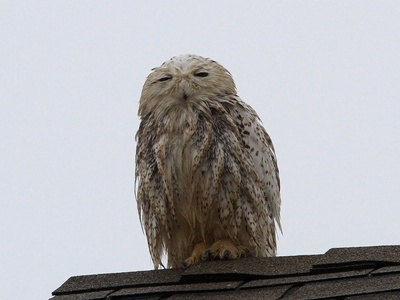
Snowy owl
A large white owl of Arctic tundra that sometimes irrupts southward in winter. Notable for daytime hunting and dramatic population fluctuations tied to lemming cycles.
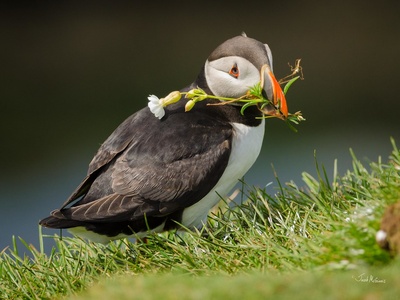
Atlantic puffin
A colorful seabird nesting on rocky Atlantic islands; puffins dive to catch small fish and carry many in their bill. Notable for striking beaks during breeding season and iconic colonies in Atlantic Canada.
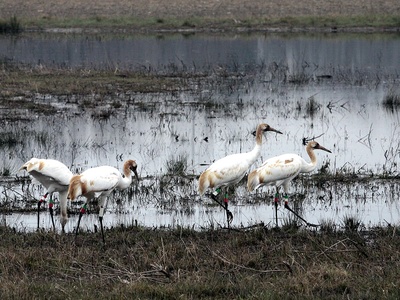
Whooping crane
One of North America’s rarest cranes, whooping cranes breed in northern boreal wetlands and migrate to southern U.S. Notable for intensive conservation and reintroduction efforts to boost tiny wild populations.
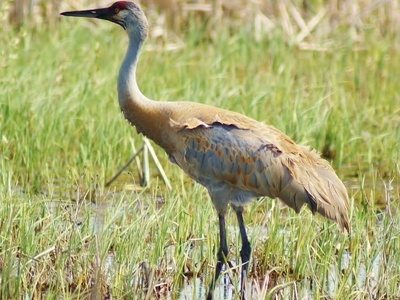
Sandhill crane
A tall, long-legged crane of wetlands and grasslands that breeds in northern and prairie regions. Notable for loud trumpeting calls and large migratory flocks in spring and fall.
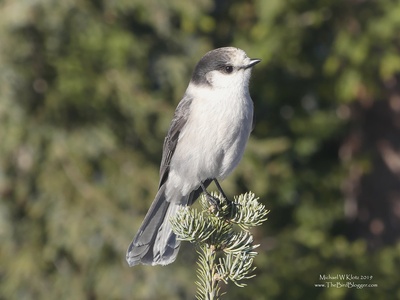
Canada jay (Gray jay)
A friendly, bold forest bird of boreal woods known for caching food and approaching humans. Notable for surviving winter by storing food and its nickname “whiskey jack” in some regions.
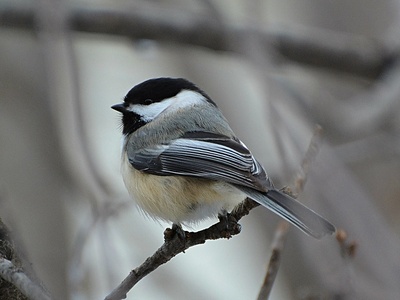
Black-capped chickadee
A small, familiar songbird of woodlands and backyards; chickadees are fearless around people and have complex social calls. Notable for remarkable memory when retrieving cached food.
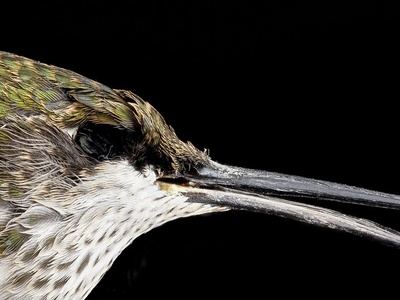
Ruby-throated hummingbird
A tiny nectar-feeding bird that breeds in eastern Canada during summer months and migrates long distances. Notable for rapid wingbeats and high-energy lifestyle despite small body size.
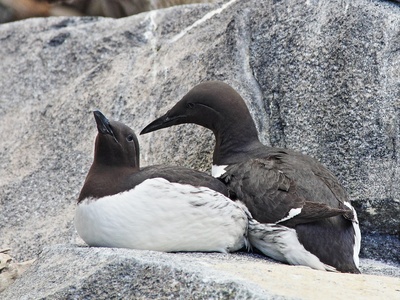
Common murre
A black-and-white seabird nesting in dense colonies on cliffs; murres dive for fish and have penguin-like flight. Notable for crowded cliff colonies and communal chick-rearing.
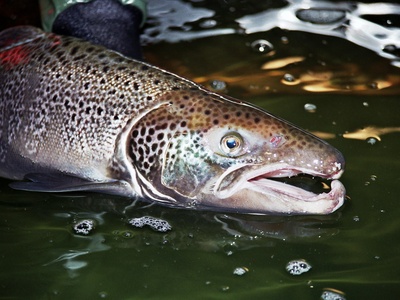
Atlantic salmon
An anadromous fish migrating between rivers and the Atlantic Ocean, Atlantic salmon spawn in freshwater streams. Notable for dramatic declines in many rivers and ongoing restoration efforts.
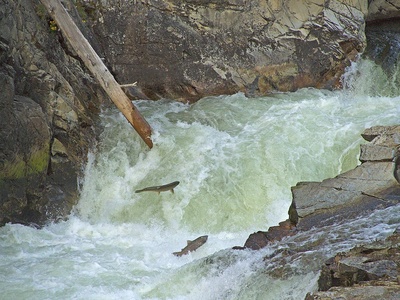
Chinook salmon
A large Pacific salmon species that spawn in BC rivers and return from the ocean. Notable as a prized sport fish and important cultural and ecological resource for coastal Indigenous peoples.
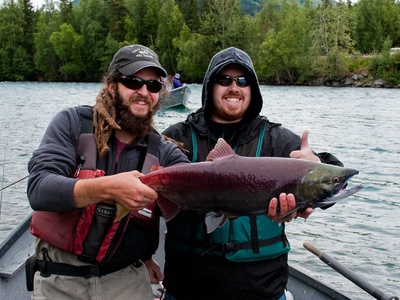
Sockeye salmon
A brightly colored Pacific salmon known for long migrations to natal lakes and rivers to spawn. Notable for dramatic mass runs and ecologically important nutrient transfers from sea to freshwater ecosystems.
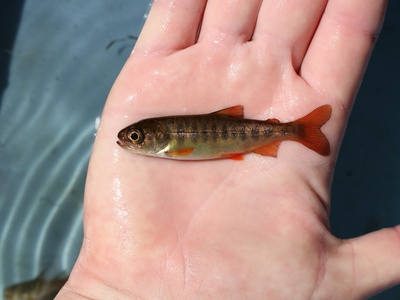
Coho salmon
A medium-sized Pacific salmon that returns to BC streams to spawn after ocean feeding. Notable for energetic aerial acrobatics during spawning and being a key species for coastal fisheries and ecosystems.
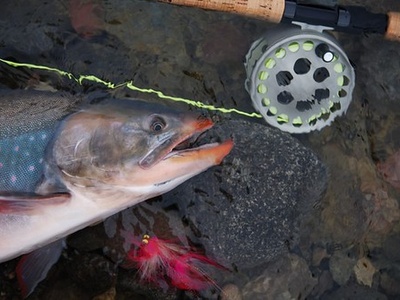
Arctic char
A cold-water salmonid of Arctic lakes and rivers, char occupy both freshwater and anadromous forms. Notable for varied life histories and importance to northern communities for subsistence fishing.
Lake trout
A large cold-water trout inhabiting deep lakes in Canada’s shield and boreal regions. Notable as a top freshwater predator and a prized recreational fish in deep northern lakes.
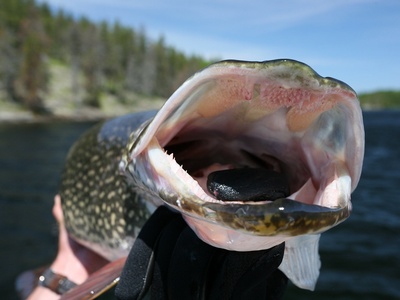
Northern pike
A long, ambush predator of freshwater habitats found widespread across Canada. Notable for voracious appetite, ability to take large prey, and importance to anglers and aquatic food webs.
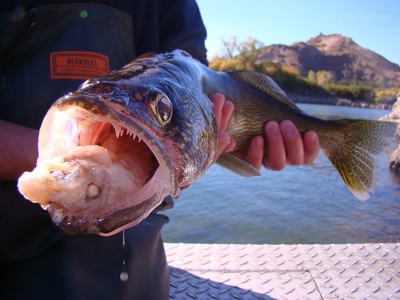
Walleye
A popular sport and food fish inhabiting lakes and rivers, walleye are crepuscular hunters feeding on fish and invertebrates. Notable for prized status among anglers and sensitive spawning habitat needs.
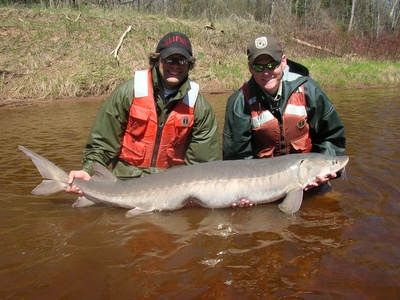
Lake sturgeon
A prehistoric-looking, long-lived bottom-feeding fish inhabiting large rivers and lakes. Notable for slow growth and late maturity, making populations vulnerable to overfishing and habitat loss.
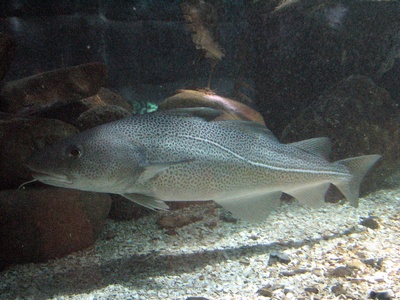
Atlantic cod
A historically important commercial fish of Atlantic waters that has suffered dramatic stock declines. Notable for critical fisheries collapse in the 1990s and long-term restoration challenges.
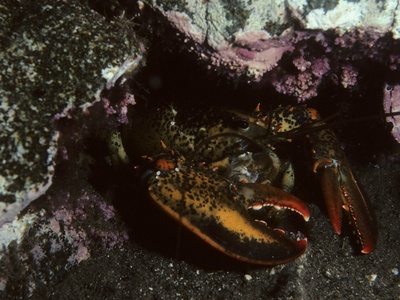
American lobster
A large, economically vital crustacean inhabiting rocky bottoms in Atlantic Canada; lobsters are caught commercially and recreationally. Notable for complex life cycles and strong regional fisheries management.
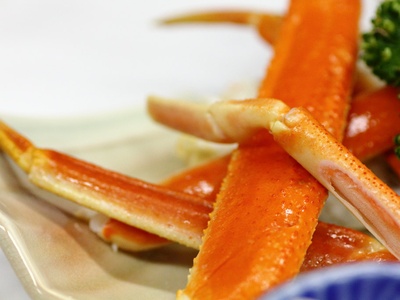
Snow crab
A cold-water crab species fished across Atlantic Canada, occupying continental shelf and slope habitats. Notable for supporting major fisheries and sensitivity to ocean temperature changes affecting distribution.
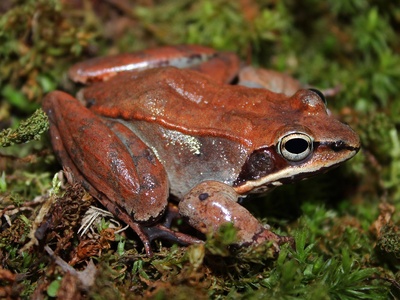
Wood frog
A small frog of northern forests that breeds in temporary ponds and vernal pools. Notable for being able to survive freezing temperatures by using glucose as a cryoprotectant during winter hibernation.
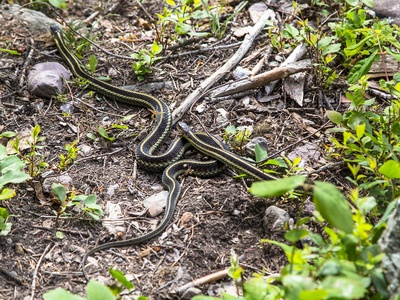
Common garter snake
A slender, adaptable snake found in wetlands and meadows; garter snakes feed on amphibians, fish and invertebrates. Notable for tolerance of human-altered landscapes and frequent sightings near water.
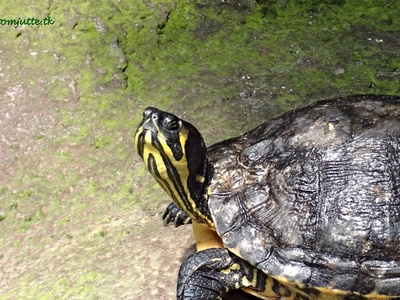
Painted turtle
A common freshwater turtle inhabiting warm shallow waters with basking sites. Notable for colorful markings and long life; populations are sensitive to wetland loss and road mortality.
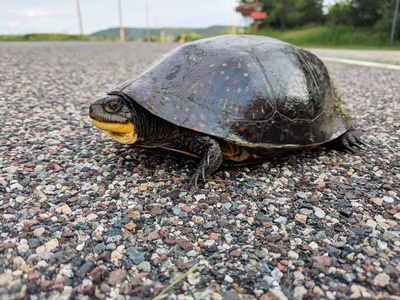
Blanding’s turtle
A semi-aquatic turtle of wetlands and slow waters, Blanding’s turtle has a domed shell and bright chin. Notable for long maturation times and vulnerability to habitat fragmentation and road mortality.
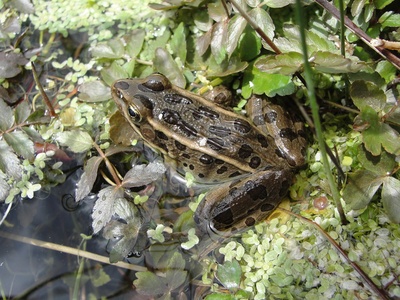
Northern leopard frog
A spotted frog occupying wetlands and meadows in central Canada; leopard frogs have seen regional declines. Notable for being an indicator of wetland health and historic commonness.
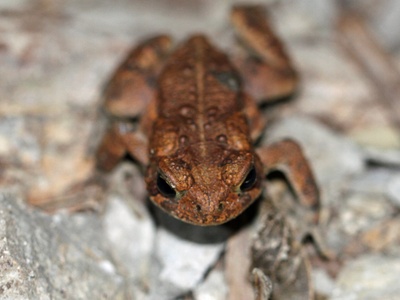
American toad
A widespread terrestrial amphibian using damp habitats and gardens; American toads have dry, warty skin and breed in ponds. Notable for loud, long trilling calls during spring breeding season.
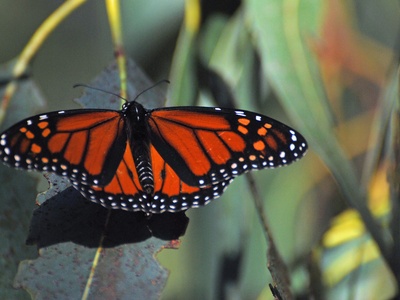
Monarch butterfly
A migratory butterfly that breeds in Canadian meadows and gardens, feeding on milkweed as caterpillars. Notable for long-distance migrations and dramatic population declines tied to habitat loss and pesticides.
Atlantic puffin (duplicate removed)
See earlier entry
Common murre (duplicate removed)
See earlier entry
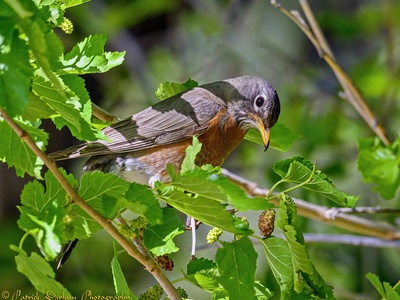
American robin
A familiar songbird that breeds widely across Canada and occupies lawns, forests and parks. Notable for being an early spring indicator and eating fruit and insects, aiding seed dispersal.
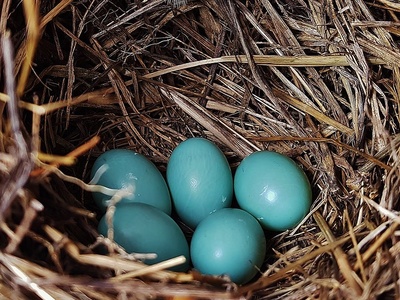
Eastern bluebird
A small thrush of open habitats and pastures in eastern Canada, nesting in cavities and boxes. Notable for vibrant blue plumage on males and dependence on open, insect-rich habitats.
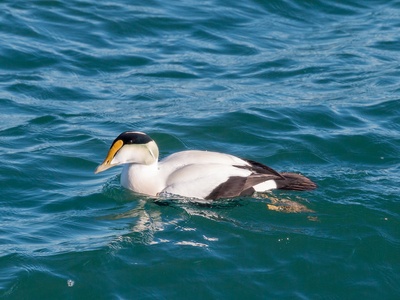
Common eider
A large sea duck of northern coasts that nests in colonies on islands and feeds on benthic invertebrates. Notable for down used historically for insulation and for strong coastal family groups.
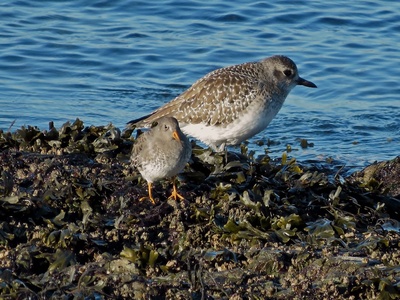
Purple sandpiper
A hardy shorebird that forages on rocky intertidal zones along Atlantic Canada during winter. Notable for occupying cold, wave-swept habitats when many shorebirds migrate further south.
Atlantic whitefish
A rare freshwater fish endemic to Nova Scotia’s river systems, Atlantic whitefish is critically imperiled. Notable for extremely limited distribution and focused recovery programs in local waters.
Eastern wolf
A medium-sized canid inhabiting eastern forests; eastern wolves occupy mixed-wood landscapes and prey on deer and beavers. Notable for complex taxonomy and importance to regional predator dynamics.
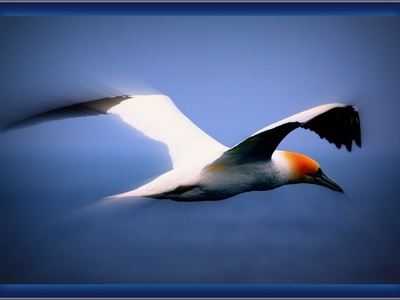
Northern gannet
A large plunge-diving seabird that nests on cliffs and islands in Atlantic Canada, gannets feed on schooling fish by spectacular aerial dives. Notable for dense breeding colonies and long foraging flights.
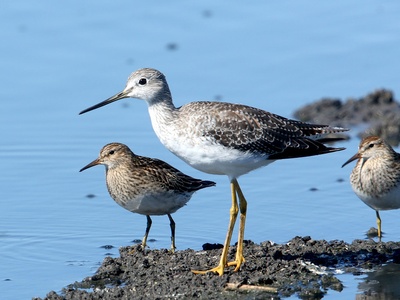
Pectoral sandpiper
A migratory shorebird that breeds in Arctic tundra and migrates through Canadian wetlands during migration. Notable for long-distance migration and reliance on stopover habitats for refueling.
Northern pike (duplicate removed)
See earlier entry
Atlantic salmon (duplicate removed)
See earlier entry
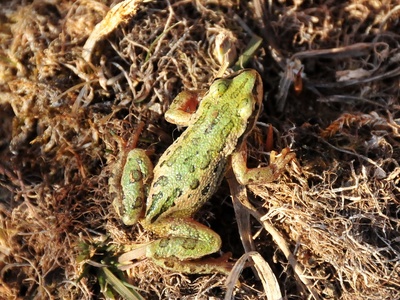
Boreal chorus frog
A small chorus frog of wetlands and marshes that breeds in ephemeral pools. Notable for loud calling choruses in spring and sensitivity to wetland drainage and pesticide exposure.
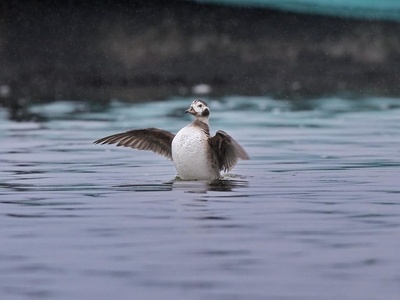
Long-tailed duck
A diving sea duck found in Arctic and coastal waters, long-tailed ducks feed on mollusks and crustaceans. Notable for striking winter plumage and long migration routes connecting Arctic breeding grounds and wintering seas.
Black bear (duplicate removed)
See earlier entry
Fisher (duplicate removed)
See earlier entry
Wolverine (duplicate removed)
See earlier entry
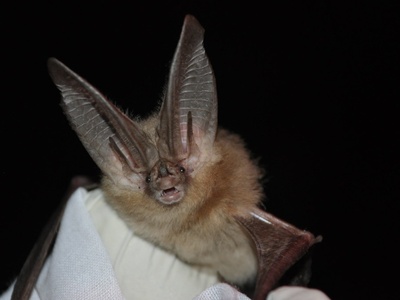
Townsend’s big-eared bat
A medium-sized insectivorous bat inhabiting caves and old buildings in parts of BC. Notable for prominent large ears used for passive hearing and vulnerability to habitat disturbance.
Northern gannet (duplicate removed)
See earlier entry
Rock ptarmigan
A ground-dwelling bird of tundra and alpine zones that changes plumage seasonally for camouflage. Notable for being well-adapted to cold with feathered legs and feet for insulation.
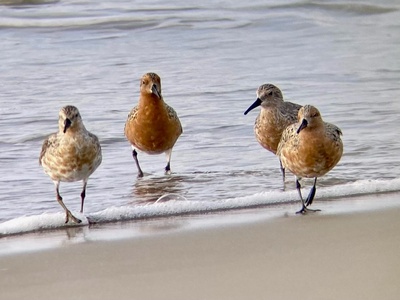
Red knot
A long-distance migratory shorebird that stops in Canadian coasts during migration. Notable for extreme migratory flights and population declines tied to prey loss at stopover sites.
Common eider (duplicate removed)
See earlier entry
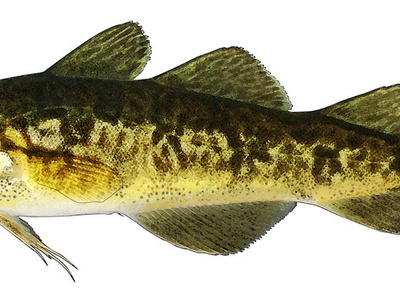
Tomcod (Atlantic tomcod)
A small coastal cod-like fish inhabiting estuaries and nearshore waters in Atlantic Canada. Notable for being an early-season prey fish important to coastal food webs and local fisheries.
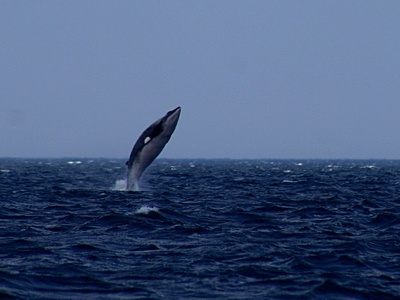
Minke whale
A small baleen whale found in Canadian coastal waters during feeding season. Notable for common sightings near shore and opportunistic feeding on small schooling fish and krill.
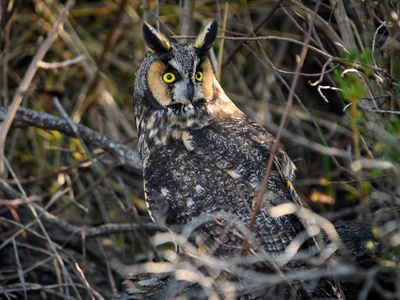
Long-eared owl
A medium owl with ear tufts that roosts in trees and hunts rodents at night. Notable for secretive habits and dependence on mixed habitats with open hunting areas and forested cover.
Arctic char (duplicate removed)
See earlier entry
Common eider (second duplicate removed)
See earlier entry