The Gambia’s narrow river corridor and warm climate support a surprising variety of fruit trees in gardens, farms and wild patches, with markets reflecting both everyday staples and local specialties. A short trip between villages can reveal seasonal stalls of familiar and uncommon fruits used in snacks, jams and traditional dishes.
There are 22 Fruits of the Gambia, ranging from Banana to Wild custard apple; for each entry the data is organized as Scientific name,Local name(s),Season (months), which you’ll find below.
How can I tell these fruits apart when shopping or foraging?
Look for a combination of features: overall shape and size, leaf and flower appearance, and common local names used by vendors. If possible, ask for the fruit’s local name and check the season—many species are only available at certain months, which helps narrow identification.
When is the best time to buy or harvest Gambian fruits?
Timing depends on the species, but markets peak during local harvest months listed for each fruit; buy fresh at market stalls during those months or inquire with growers for exact ripening windows to get the best flavor and availability.
Fruits of the Gambia
| Name | Scientific name | Local name(s) | Season (months) |
|---|---|---|---|
| Mango | Mangifera indica | Wolof: mango;Mandinka: mangoo;Fula: mango | May–August (varieties extend to September) |
| Baobab | Adansonia digitata | Wolof: bouye;Mandinka: buya | October–January |
| Tamarind | Tamarindus indica | Wolof: tamarind;Mandinka: tamarind | November–March |
| Coconut | Cocos nucifera | coastally common;often called “coconut” | Year-round (peaks varied by location) |
| Banana | Musa spp. | Often called “banana” or “fig” locally | Year-round (peaks vary) |
| Plantain | Musa paradisiaca | Cooking banana;locally “plantain” | Year-round (steady supply) |
| Papaya (Pawpaw) | Carica papaya | Commonly “pawpaw” | Year-round |
| Guava | Psidium guajava | Often called “guava” | November–April and scattered year-round |
| Pineapple | Ananas comosus | Pineapple | Year-round with peaks |
| Watermelon | Citrullus lanatus | Watermelon | March–July (hot season) |
| Cantaloupe/Melon | Cucumis melo | Muskmelon/Cantaloupe | March–July |
| Orange | Citrus sinensis | Orange | December–March |
| Lemon/Lime | Citrus limon/Citrus aurantiifolia | Lemon/Lime | Year-round (peaks in cooler months) |
| Cashew apple | Anacardium occidentale | Cashew apple (with nut) | April–July |
| Jujube (Ber) | Ziziphus mauritiana | Often called jujube or “ber” | June–September |
| Date (palm) | Phoenix dactylifera | Date | December–January (local cultivated/home gardens) |
| Wild custard apple | Annona senegalensis | Wild custard apple | June–September |
| Soursop (Graviola) | Annona muricata | Soursop (locally in some gardens) | May–August (where cultivated) |
| Black plum | Vitex doniana | Black plum;locally foraged names vary | June–September |
| Natal plum | Carissa edulis | Carissa;locally known in some areas | December–March |
| Parkia pods (pulp) | Parkia biglobosa | Locust bean tree (pulp sometimes eaten) | March–May |
| Guinea fig / Wild fig | Ficus spp. | Various local names depending on species | Varies by species; many fruit year-round or seasonally |
Images and Descriptions
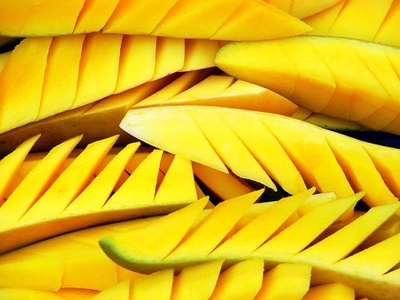
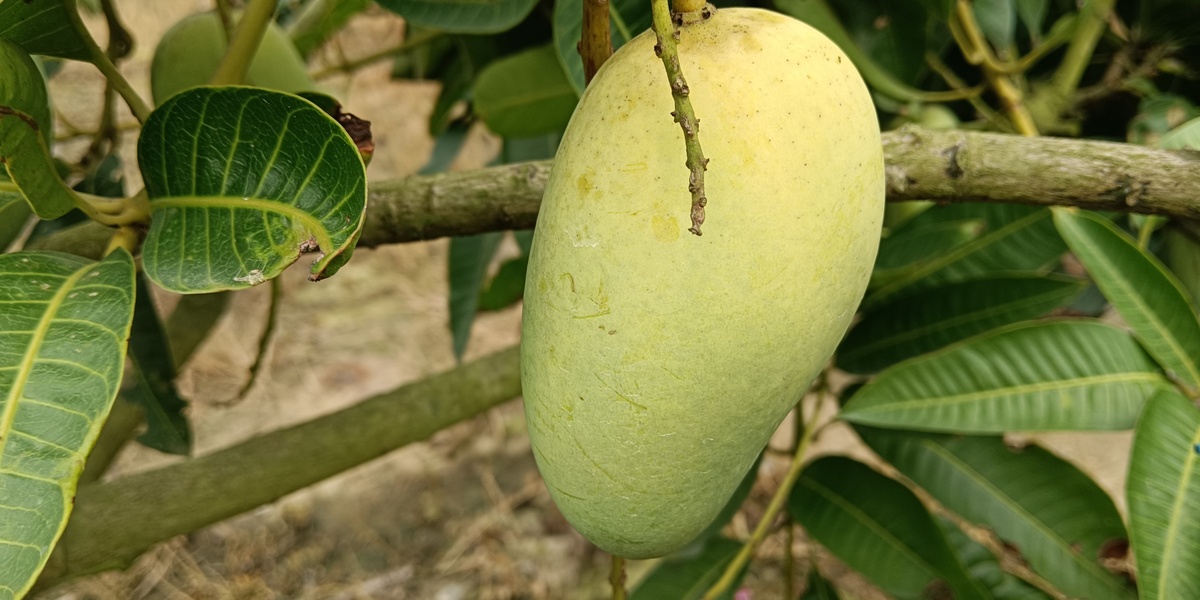
Mango
Sweet, juicy tropical fruit widely grown and sold in markets across The Gambia; eaten fresh, dried, or made into juices, chutneys and desserts. Many local varieties range from fibrous to buttery textures and are culturally significant.
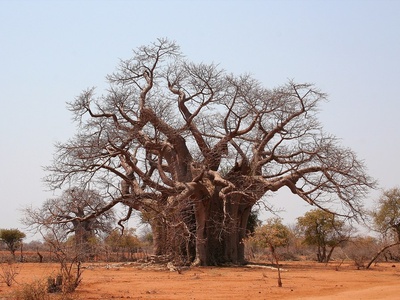
Baobab
Large dry-season fruit with a hard shell and tangy, powdery pulp; popularly foraged and sold as a nutrient-rich snack or drink ingredient. Used fresh or rehydrated for sauces, juices and traditional remedies.
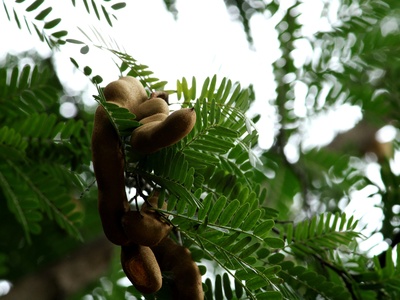
Tamarind
Sour-sweet pods commonly foraged and sold in markets; pulp is eaten raw, made into drinks, sauces and candies, or used to flavor savory dishes. Popular as a refreshing snack during the dry season.
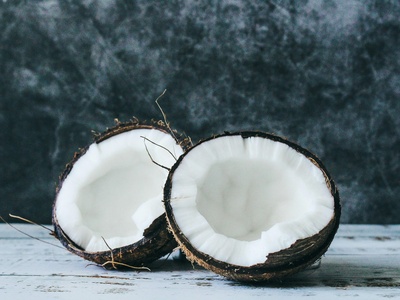
Coconut
Fresh coconut water and firm white flesh are sold at beaches, markets and roadside stalls. Used for drinking, cooking, oil, desserts and traditional dishes; trees line coastal areas and compounds.
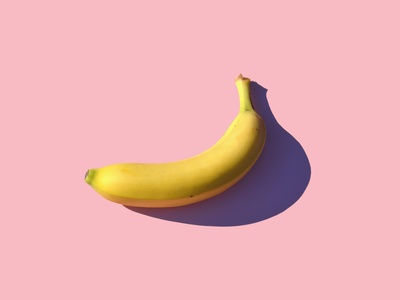
Banana
Soft, sweet bananas are commonly grown in gardens and sold ripe for eating, blending into smoothies, or used in snacks. Several dessert cultivars are available year-round where irrigation or home gardens exist.
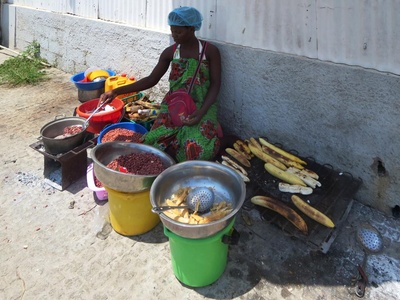
Plantain
Starchy cooking banana eaten fried, boiled or roasted as a staple side. Widely sold in markets and used in stews, fritters and street food across The Gambia.
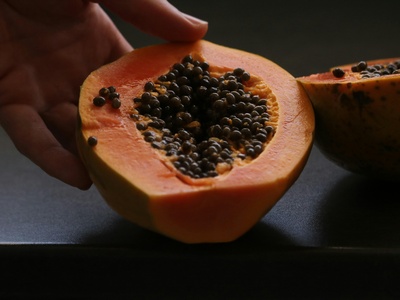
Papaya (Pawpaw)
Soft, sweet papaya is grown in home gardens and sold in markets; eaten fresh, in fruit salads, smoothies, and as a digestive aid. Young green fruit is sometimes cooked or used in savory dishes.
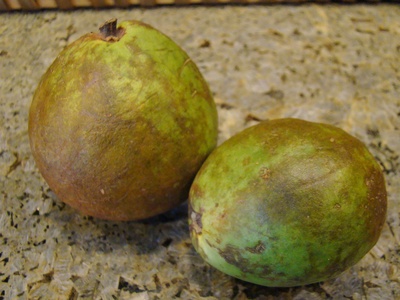
Guava
Fragrant, mildly sweet to tart fruit grown in gardens and market stalls; eaten fresh, juiced, or made into jams. Wild and cultivated types vary from crunchy to soft textures.
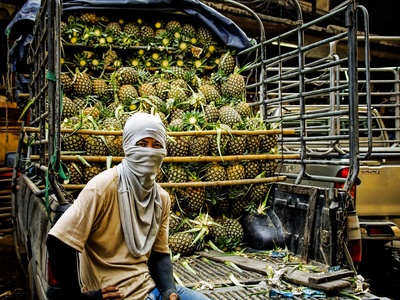
Pineapple
Aromatic, sweet-tart fruit cultivated in small plots and sold in markets; eaten fresh, juiced or grilled. Local varieties are smaller but flavorful and important for local trade and roadside vendors.
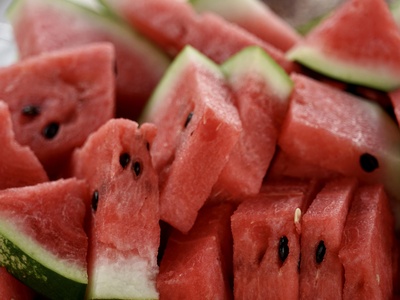
Watermelon
Large, juicy melons sold widely in markets and by roadside vendors during the hot months. Served fresh, chilled, or sliced for street snacks; a popular thirst-quencher in the dry season.
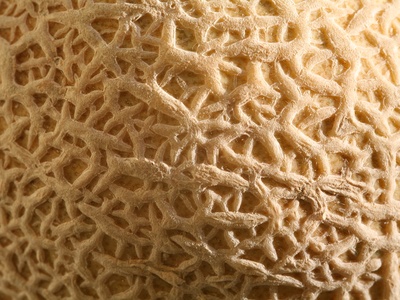
Cantaloupe/Melon
Sweet-fleshed melons grown in fields and sold in markets during the hot season. Eaten fresh, in fruit salads or as light snacks; varieties range from fragrant cantaloupes to less aromatic local melons.
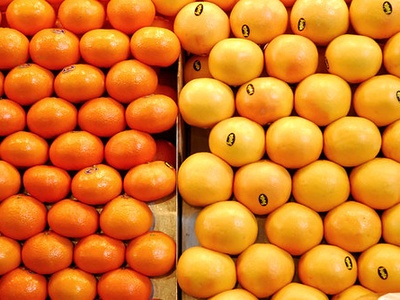
Orange
Sweet citrus cultivated in home gardens and orchards; sold fresh or juiced in markets. Popular eaten raw or as part of morning drinks, and used in desserts and occasional preserves during harvest months.
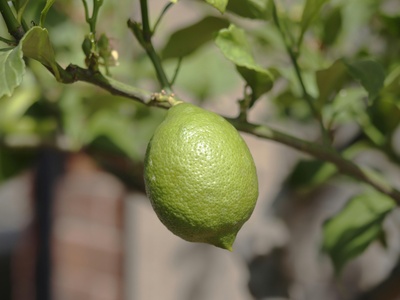
Lemon/Lime
Small citrus fruits used widely as flavoring, in drinks, marinades and condiments. Home gardens and market sellers provide fresh lemons and limes year-round for cooking and refreshing beverages.
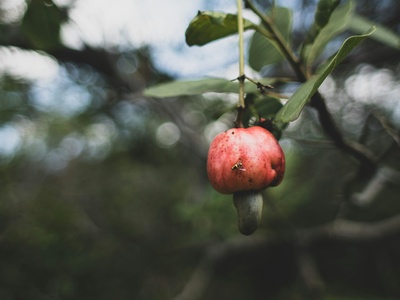
Cashew apple
Bright, juicy cashew apples are produced alongside cashew nuts; eaten fresh where available and sometimes fermented into local drinks. More commonly the nuts are traded, but apples are eaten or processed locally when abundant.
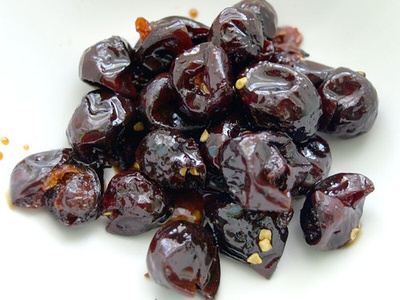
Jujube (Ber)
Small, sweet-tart fruits that grow on hardy trees across Sahelian areas; commonly foraged and sold. Eaten fresh when ripe or dried for snacks; drought-tolerant and culturally familiar in rural areas.
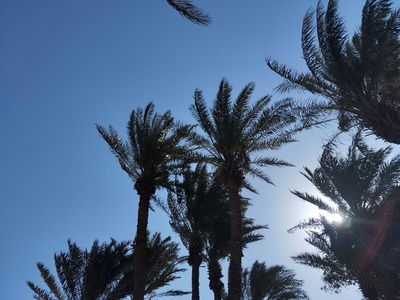
Date (palm)
Dates are grown on a small scale in gardens or present along homesteads; eaten fresh or dried and used for sweets and ceremonial occasions where available.
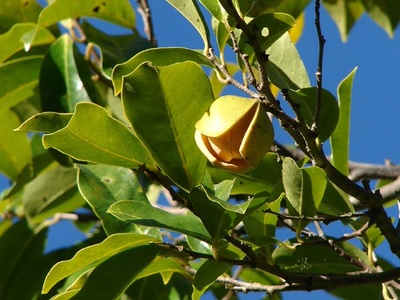
Wild custard apple
Small, aromatic fruits foraged from wild trees and occasional gardens; the soft, sweet pulp is eaten fresh. Less commonly sold in markets but known to foragers as a tasty seasonal treat.
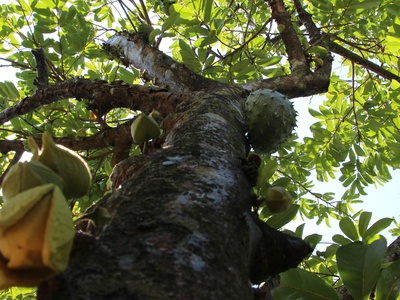
Soursop (Graviola)
A large, soft-fleshed fruit with sweet-sour flavor grown in some home gardens; eaten fresh or as a cooling juice. Not as widespread but present in towns with tropical gardens.
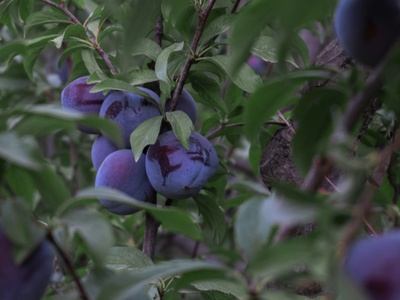
Black plum
Small dark fruits foraged from woodland trees and sold in local markets. Sweet-acidic pulp is eaten fresh, sometimes made into drinks; an important wild fruit in rural diets.
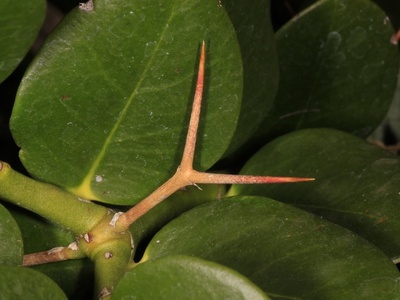
Natal plum
Bright red, mildly sweet fruits of a thorny shrub often foraged and occasionally sold. Eaten fresh or used as treats; plants also serve as hedges around compounds.

Parkia pods (pulp)
Pods produce sweetish pulp that some communities eat fresh or use for light snacks before seeds are processed for the fermented condiment (dawadawa). Pods may be foraged from village trees during harvest.
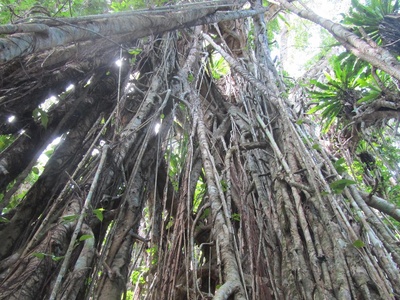
Guinea fig / Wild fig
Several native fig species bear small edible figs foraged near villages and sold occasionally. Typically sweet, eaten fresh, and culturally important as a wild food resource.