Guatemala’s birdlife reflects a tight mix of habitats—lowland rainforest, cloud forest, wetlands and coastal scrub—so species lists are a useful way to plan outings or track sightings. Whether you’re scanning canopy gaps or watching a mangrove edge, a concise checklist keeps things manageable.
There are 40 Birds of Guatemala, ranging from Acorn Woodpecker to White-fronted Parrot. For each species you’ll find below: Scientific name,Status,Where to see, presented so you can quickly identify and locate each bird you’ll find below.
When is the best time to see most species on this list?
The dry season (roughly November–April) is often easiest for access and visibility, but many resident species are present year-round while migrants boost diversity in winter; plan trips around target species and local trail conditions.
Where in Guatemala should I go to maximize species variety?
Visit a mix of habitats—cloud forests and highland lakes, lowland rainforests, and coastal wetlands—to cover different communities; protected areas like Tikal and Sierra de las Minas plus local reserves and guided tours offer the best chances to spot a wide range.
Birds of Guatemala
| Common name | Scientific name | Status | Where to see |
|---|---|---|---|
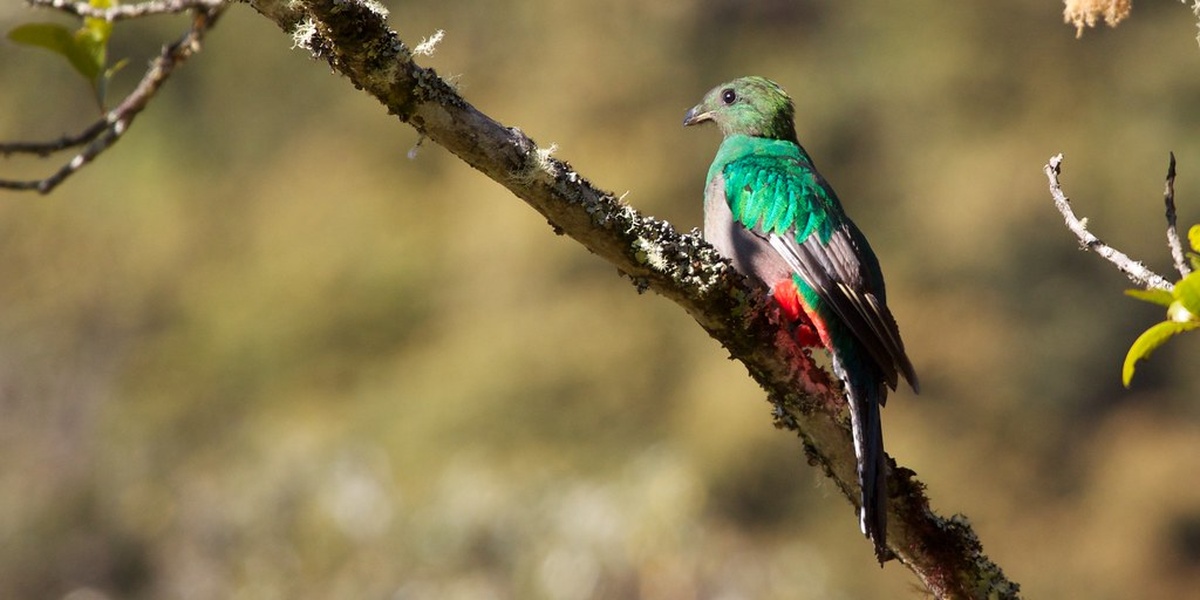
| Resplendent Quetzal | Pharomachrus mocinno | Resident | Cloud forest highlands (Sierra de las Minas, Quetzaltenango) |
| Keel-billed Toucan | Ramphastos sulfuratus | Resident | Lowland rainforest, Petén, Caribbean lowlands and Pacific foothills |
| Scarlet Macaw | Ara macao | Resident | Lowland forest, Petén, Maya sites (Tikal), community reserves on Pacific coast |
| Great Green Macaw | Ara ambiguus | Resident | Mature lowland forest and riverine corridors, northeastern Petén and Izabal |
| Horned Guan | Oreophasis derbianus | Resident | Mature cloud forest, Sierra de los Cuchumatanes and Sierra de las Minas |
| Ocellated Turkey | Meleagris ocellata | Resident | Lowland forest and seasonally dry forests, northern Petén and northern lowlands |
| Great Curassow | Crax rubra | Resident | Lowland humid forest, large tracts in Petén and protected reserves |
| Plain Chachalaca | Ortalis vetula | Resident | Lowland scrub, forest edge and agricultural landscapes across lowlands |
| Crested Guan | Penelope purpurascens | Resident | Lowland and foothill forest canopy, Pacific and Caribbean lowlands |
| Lineated Woodpecker | Dryocopus lineatus | Resident | Open woodland, forest edges, lowlands and riverine gallery forests |
| Acorn Woodpecker | Melanerpes formicivorus | Resident | Oak-pine highlands and agricultural highland edges, central highlands and volcano slopes |
| Rufous-tailed Hummingbird | Amazilia tzacatl | Resident | Gardens, forest edges and lowlands throughout Guatemala |
| Violet Sabrewing | Campylopterus hemileucurus | Resident | Cloud forest edges and understory, mid to high elevations in southern highlands |
| Turquoise-browed Motmot | Eumomota superciliosa | Resident | Dry to humid forest edges, Pacific lowlands and agricultural valleys |
| Gartered Trogon | Trogon caligatus | Resident | Lowland rainforest and foothills, Petén and Caribbean slope |
| Black-throated Trogon | Trogon rufus | Resident | Interior humid forest, low to mid elevations in Atlantic and Pacific slopes |
| Montezuma Oropendola | Psarocolius montezuma | Resident | Lowland forest edges, large trees near rivers and plantations, Petén and Pacific lowlands |
| Osprey | Pandion haliaetus | Migrant | Coastal areas, large lakes and rivers; seen during migration and year-round |
| King Vulture | Sarcoramphus papa | Resident | Lowland and foothill forest; secretive but flies over mature forests and reserves |
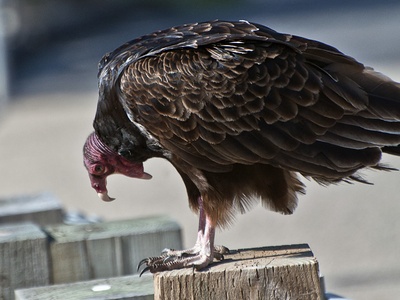
| Turkey Vulture | Cathartes aura | Resident | Widespread scavenger across habitats from lowlands to highlands |
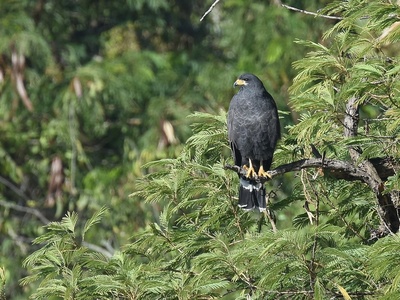
| Common Black Hawk | Buteogallus anthracinus | Resident | River edges, mangroves and coastal lagoons on Pacific and Caribbean coasts |
| Hook-billed Kite | Chondrohierax uncinatus | Resident | Forest canopy and edges, often near riparian corridors in lowlands |
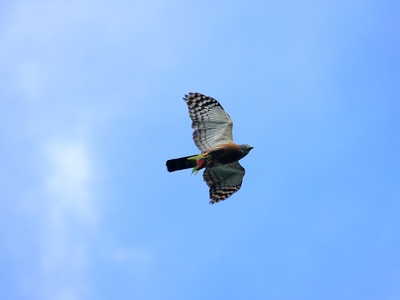
| Double-toothed Kite | Harpagus bidentatus | Resident | Forest interior and edges, lowland to foothill wet forests, often follows mixed flocks |
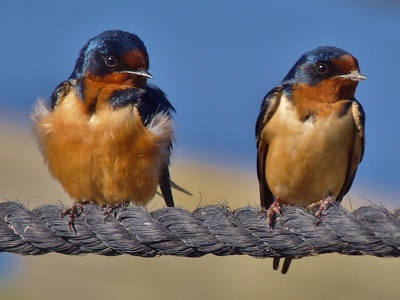
| Barn Swallow | Hirundo rustica | Migrant | Open areas, fields, towns and wetlands during migration and winter |
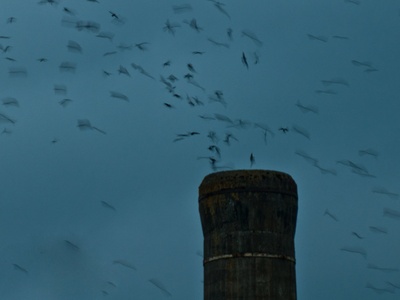
| Vaux’s Swift | Chaetura vauxi | Migrant | Forested valleys and roosts in chimneys; passage migrant and winter visitor in highlands |
| White-collared Swift | Streptoprocne zonaris | Resident | Highland canyons and cliffs, often near cloud forests and steep valleys |
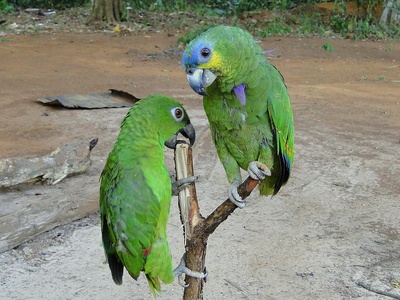
| Mealy Parrot | Amazona farinosa | Resident | Humid lowland forest canopy and forest edge, common in Petén and Atlantic lowlands |
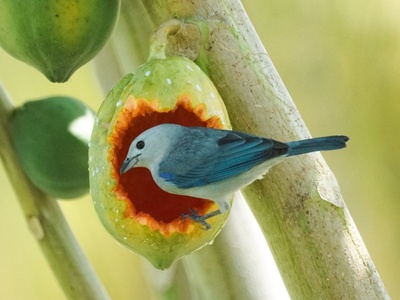
| Blue-gray Tanager | Thraupis episcopus | Resident | Gardens, forest edges and towns across lowlands and lower highlands |
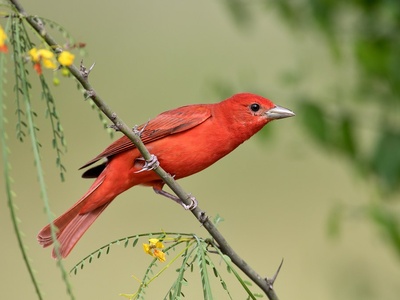
| Summer Tanager | Piranga rubra | Migrant | Woodlands and forest edges; colorful migrant that winters and passes through Guatemala |
| Clay-colored Thrush | Turdus grayi | Resident | Widespread in gardens, parks, forest edges and towns throughout the country |
| Mountain Thrush | Turdus plebejus | Resident | Cloud forests and high-elevation woodlands, commonly seen in Quetzaltenango and volcano forests |
| Vermilion Flycatcher | Pyrocephalus rubinus | Resident | Open countryside, river edges and agricultural areas; conspicuous males with bright red plumage |
| Great Kiskadee | Pitangus sulphuratus | Resident | Open woodland, riversides, towns and edge habitats across lowlands |
| Common Pauraque | Nyctidromus albicollis | Resident | Lowland and foothill forests, open clearings and disturbed habitats, often near roads at night |
| Baltimore Oriole | Icterus galbula | Migrant | Woodlands, parks and edges during migration and winter; seen across elevations |
| Brown Jay | Psilorhinus morio | Resident | Lowland forest and edge, especially Petén and Pacific lowlands; social noisy flocks |
| House Wren | Troglodytes aedon | Resident | Gardens, scrub and forest edges across lowlands and highlands; common and vocal |
| White-fronted Parrot | Amazona albifrons | Resident | Lowland and foothill forest edges, small flocks in agricultural landscapes and gallery forest |
| Magnificent Frigatebird | Fregata magnificens | Resident | Coastal waters, estuaries and lagoons on Pacific and Caribbean coasts |
| Great Blue Heron | Ardea herodias | Resident | Wetlands, rivers, lakes and coastal lagoons throughout Guatemala |
Images and Descriptions
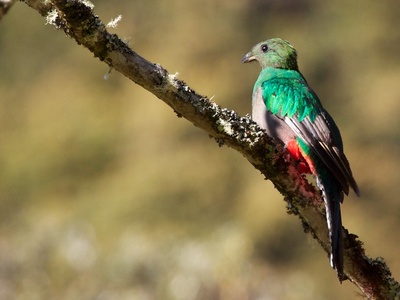
Resplendent Quetzal
A stunning emerald and crimson trogon famous for long tail streamers and ritual courtship displays. Found in high-elevation cloud forest where it eats fruits and insects; a top draw for birders visiting Guatemala’s western highlands and protected reserves.
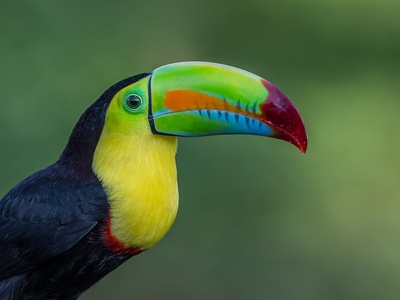
Keel-billed Toucan
Large, colorful bill and loud calls make this toucan unmistakable in canopy openings. Often seen perched conspicuously in lowland forests and edges, it feeds on fruit and small prey and is common around Petén and Atlantic lowlands.

Scarlet Macaw
Brilliant red, blue and yellow macaw often seen flying in pairs or small flocks. Prefers mature lowland forest and river corridors; community conservation programs in Petén and Pacific coastal reserves offer reliable viewing opportunities.
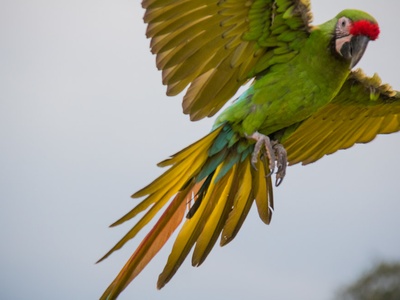
Great Green Macaw
Large, mainly green parrot with blue and red accents and a powerful beak. Extremely dependent on large trees and specialized habitats; endangered and locally rare, best sought in remnant coastal and riverine forests in northeastern Guatemala.
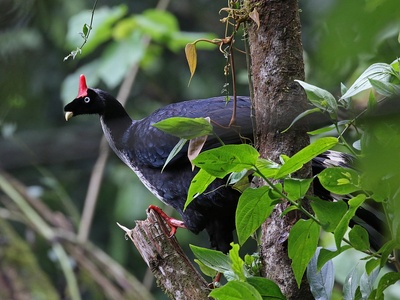
Horned Guan
Striking turkey-like bird with a horny red forehead casque and dark plumage. Very secretive in high-elevation cloud forests, rare and a conservation priority; seen on specialized guided trips to highland cloud forest strongholds.
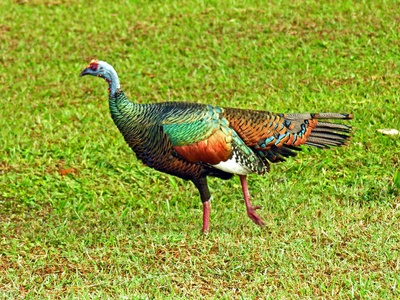
Ocellated Turkey
A spectacular wild turkey with iridescent plumage and eye-like tail spots; shy and patchily distributed in lowland forest of northern Petén and adjacent areas. Best found in intact tropical forest and Maya Biosphere landscapes.
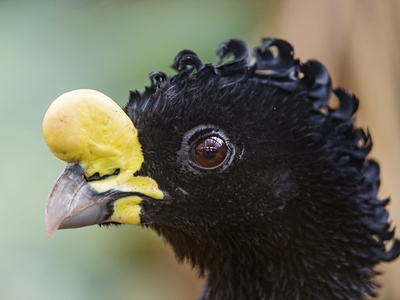
Great Curassow
Large, pheasant-like forest bird with glossy black plumage and curly crest. Secretive but gregarious at fruiting trees and forest edges; strongly affected by hunting and habitat loss and monitored in protected lowland areas.
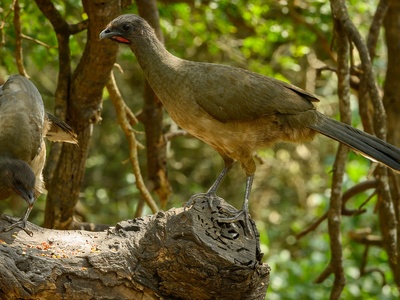
Plain Chachalaca
Noisy, gregarious game bird common in lowland scrub and forest edge. Often heard before seen, it forages in groups for fruit and leaves and adapts well to disturbed habitats near farms and villages.
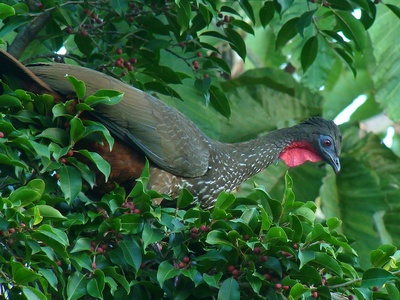
Crested Guan
Large canopy-dwelling cracid with long tail and crest, usually detected by loud, resonant calls. Feeds on fruit in the canopy and is more often heard than seen except at fruiting trees in lowland forests.
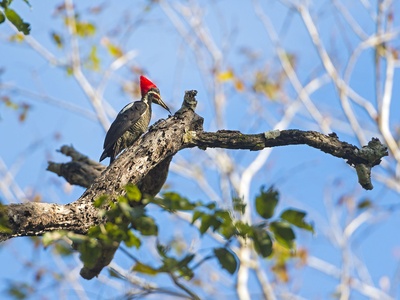
Lineated Woodpecker
Large black woodpecker with prominent white stripes and red crest (male). Drills in dead wood and large limbs in lowland forest and open woodlands; often conspicuous by its loud drumming and calls.
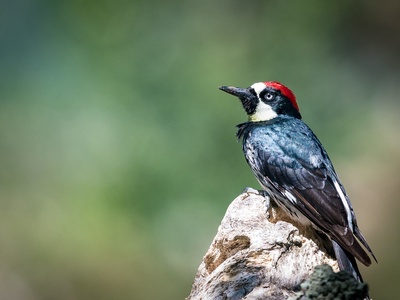
Acorn Woodpecker
A sociable, cooperative woodpecker that stores acorns in granary trees. Common in oak-pine highlands, it forms noisy clans and is a characteristic bird of Guatemala’s high-elevation woodlands and coffee zone forests.
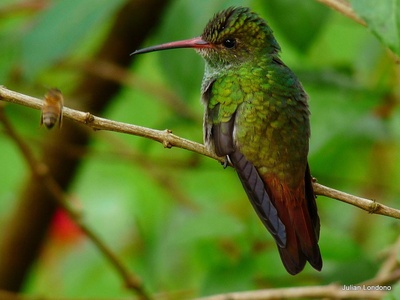
Rufous-tailed Hummingbird
A widespread, adaptable hummingbird with rufous tail and green body, frequently seen at feeders and forest edges. Feeds on a variety of flowers and small insects, making it one of the most commonly encountered hummingbirds in Guatemala.
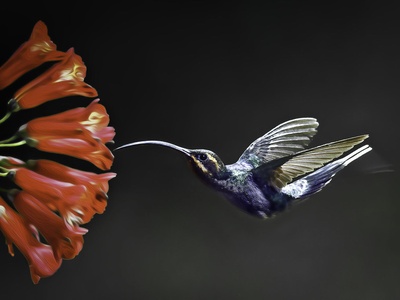
Violet Sabrewing
Large hummingbird with violet-blue throat and slow wingbeats, favoring shaded forest edges and streams in montane cloud forests. Territorial and spectacular, it’s a favorite species for highland birding near gardens and reserves.
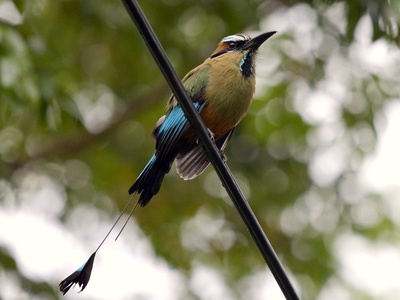
Turquoise-browed Motmot
Flashy motmot with boldly colored brow and long racket-tipped tail. Prefers open woodland and edge habitats on the Pacific slope; often seen perched motionless on exposed branches before sallies for insects and small prey.
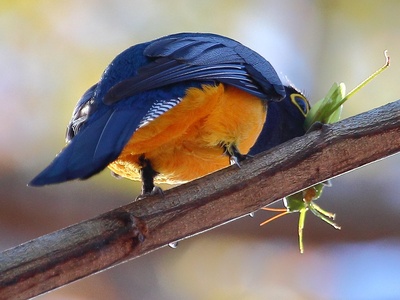
Gartered Trogon
Small, colorful trogon with distinctive belly and soft calls, commonly found in lowland forest and edges. Sits quietly in shaded understory while feeding on fruits and insects, frequently encountered on birding trails.
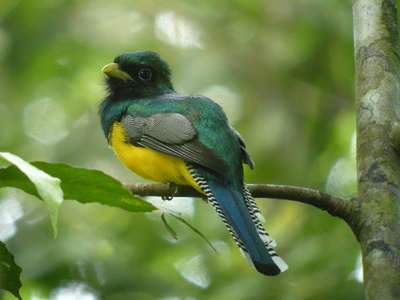
Black-throated Trogon
A compact, richly colored trogon with a dark throat and warm underparts. Prefers interior forest and shaded ravines where it hunts insects and eats fruit, typically seen as one or two individuals within mixed flocks.
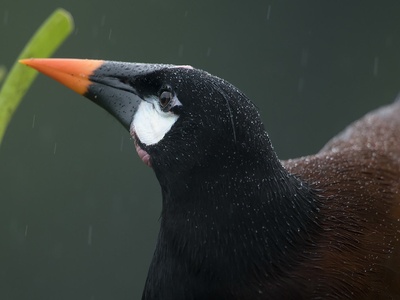
Montezuma Oropendola
Large icterid with hanging woven nests and a raucous, bubbling song. Colonial breeder that favors tall trees in lowland forest and plantations; conspicuous at communal roosts and nesting colonies.
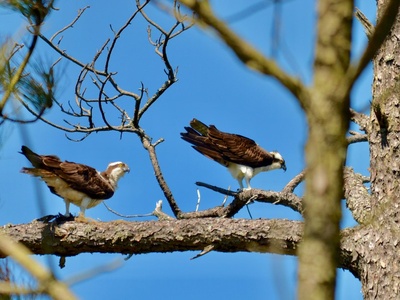
Osprey
Fish-eating raptor with reversible toes and plunge-diving behavior. Regular on coasts, wetlands and large reservoirs during migration and in winter, easily recognized by its white underparts and distinctive hovering dive technique.
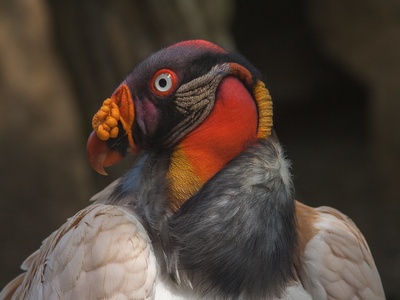
King Vulture
Large, striking vulture with colorful bare head and broad wings. Rare and locally distributed, this species scavenges in mature forest landscapes and is a prized sighting for visitors to remote lowland reserves and protected areas.
Turkey Vulture
Common and widespread scavenger recognized by slow flight and dihedral wing posture. Often seen soaring over open country, roadsides and landfills; plays an important ecological role cleaning up carrion across Guatemala.
Common Black Hawk
Dark, stocky raptor that hunts over rivers and coastal lagoons for fish and crabs. Often seen perched on riverside snags or soaring low above water; reliable along coastal wetlands and large river systems.

Hook-billed Kite
Specialist predator of snails and large invertebrates with a hooked bill. Secretive in forest canopy and edges, it moves along riparian corridors and is more often heard than observed.
Double-toothed Kite
Small agile raptor that hunts insects and small birds, frequently following mixed-species flocks. Prefers wet forest interior and edges and is often seen making short sallies from perches.
Barn Swallow
Worldwide migratory swallow with deeply forked tail and glossy blue upperparts. Passes through and winters in Guatemala, often seen hawking insects over fields, lakes and towns during migration seasons.
Vaux’s Swift
Small, fast-flying swift that nests in hollow trees and roosts communally in chimneys. Occurs as a migrant and winter visitor in highland valleys, forming dramatic evening roosts in towns and forested canyons.
White-collared Swift
Large, powerful swift with white collar, commonly seen in fast-flying flocks over highland canyons and cloud forest rims. Prefers cliff faces and steep valleys for nesting and foraging on aerial insects.
Mealy Parrot
Large green parrot with pale lores and heavy bill that forms noisy flocks. Feeds on fruit and seeds in forest canopy and is often seen flying between feeding sites in lowland rainforests.
Blue-gray Tanager
Pleasant, common tanager with pale blue-gray plumage, readily visits gardens and trees near towns. Adaptable and social, feeding on fruit and insects; a familiar species for casual birdwatchers and travelers.
Summer Tanager
Bright red (male) or yellowish (female) tanager that breeds in North America and migrates through or winters in Guatemala. Often found in open woodlands and forest edges feeding on insects and fruits.
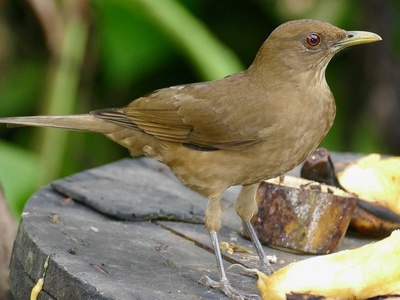
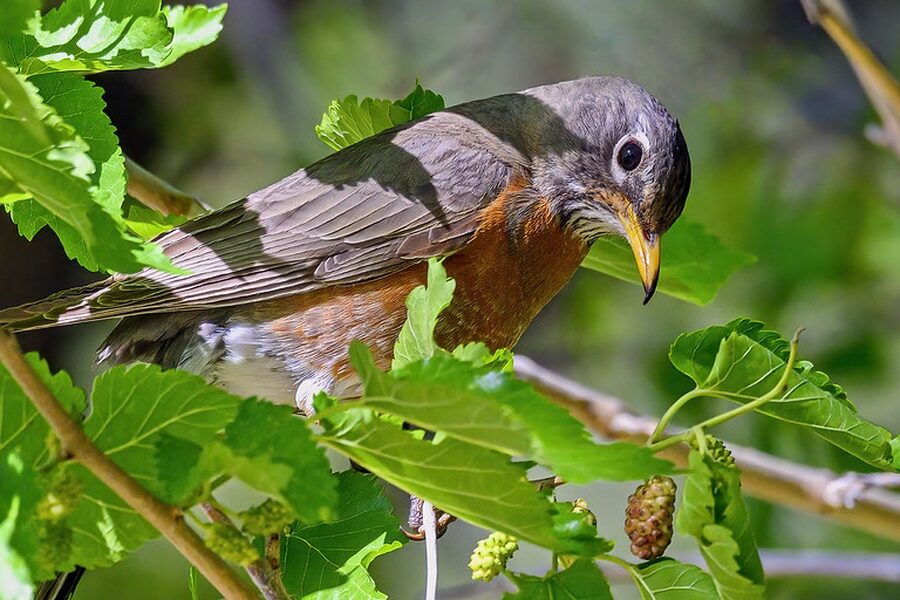
Clay-colored Thrush
A ubiquitous, medium-sized thrush with plain plumage and melodic song; Guatemala’s familiar garden thrush. Eats fruit and invertebrates, and adapts well to human-altered habitats from lowlands to moderate elevations.
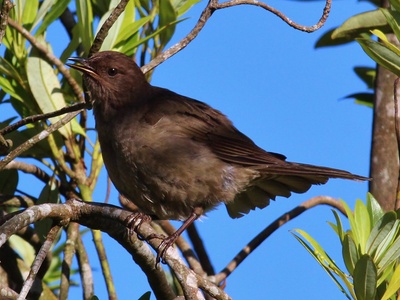
Mountain Thrush
A sturdy, subdued thrush of montane forests, often heard singing from treetops at dawn. Forages on the forest floor and in leaf litter; typical of highland cloud forest habitats and protected parks.
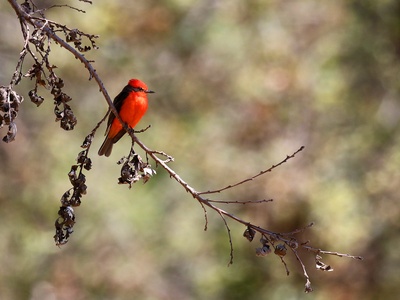
Vermilion Flycatcher
Small, striking flycatcher with brilliant red underparts in males, often perching conspicuously on wires and low branches. Catches insects from exposed perches in open habitats and riparian zones throughout lowland regions.
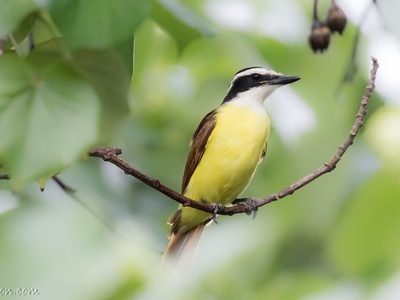
Great Kiskadee
Bold, noisy, and unmistakable with a crest and loud call, this generalist flycatcher hunts insects and small vertebrates. Common in human-modified landscapes, along rivers and in parklands throughout Guatemala’s lower elevations.
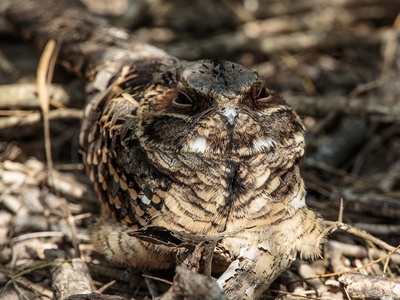
Common Pauraque
Cryptic nightjar active at dusk and night with soft buzzing calls and mottled plumage that blends into leaf litter. Roosts by day on the ground and is often heard more than seen on tropical nights.
Baltimore Oriole
Bright orange-and-black migratory oriole breeding in North America and passing through Guatemala in migration or winter. Visits flowering trees and fruiting trees, builds pendulous nests, and is a welcome migrant in many habitats.
Brown Jay
Large, social corvid with brownish plumage and loud, varied calls. Lives in cohesive family groups, forages opportunistically on fruit, insects and small vertebrates; conspicuous in lowland forest edges and secondary growth.
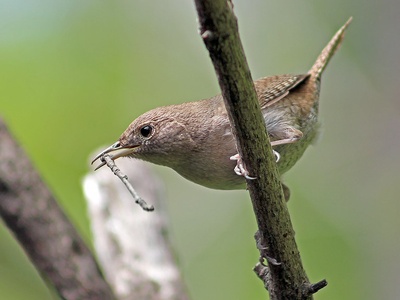
House Wren
Small, energetic wren with bubbly song and compact body, often nesting in cavities and human structures. Bold and adaptable, seen in gardens, farms and forest edges from lowlands to high-elevation settlements.
White-fronted Parrot
Medium-sized parrot with white forehead and green body, forming small noisy flocks. Feeds on fruit and cultivated crops at forest edges and agricultural areas, commonly encountered in lowland and foothill zones.
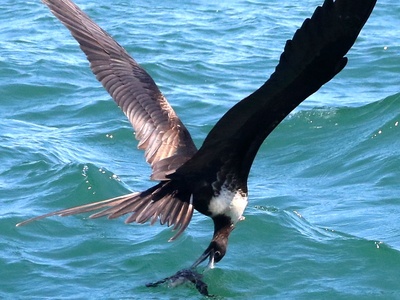
Magnificent Frigatebird
Large seabird with long wings and forked tail; males display inflatable red throat pouches in breeding season. Soars above coastal waters and mangroves, often harassing other seabirds to steal food and is common along both coasts.
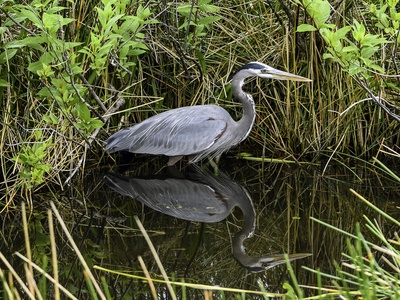
Great Blue Heron
Tall, stately heron with slate-blue plumage and slow deliberate foraging style. Widespread in freshwater and coastal wetlands, feeding on fish and amphibians; familiar at lagoons, river margins and agricultural ponds across the country.