Fiji’s islands and reefs are home to a mix of coastal, forest and marine life shaped by isolation and deep cultural ties to the land and sea. That mix makes some species both unique and fragile, with pressures from development, invasive species and changing seas affecting populations across the archipelago.
There are 11 Endangered Species in Fiji, ranging from Coconut crab to Napoleon (Humphead) wrasse. For each species, the list below is organized with columns: Scientific name, IUCN status, Main threats — you’ll find below.
How does a species get listed as endangered in Fiji?
The IUCN assesses species using criteria like population size and trends, geographic range, and the severity of threats; local surveys, expert reviews and national data feed those assessments, so an “endangered” label reflects measurable risk rather than folklore or rarity alone.
What practical steps can locals and visitors take to help these species?
Simple, effective actions include supporting and respecting protected areas, avoiding wildlife disturbance or collection, reducing plastic and pollution, choosing sustainable seafood, reporting rare sightings to local groups, and backing community conservation projects that control invasive species and restore habitats.
Endangered Species in Fiji
| Name | Scientific name | IUCN status | Main threats |
|---|---|---|---|
| Fiji petrel | Pseudobulweria macgillivrayi | Critically Endangered 2018 | Introduced rats and cats, disturbance, light attraction |
| Collared petrel | Pterodroma brevipes | Vulnerable 2018 | Introduced predators, habitat loss, light pollution |
| Hawksbill turtle | Eretmochelys imbricata | Critically Endangered 2018 | Illegal shell trade, egg harvest, bycatch, habitat loss |
| Green turtle | Chelonia mydas | Endangered 2016 | Egg harvest, bycatch, coastal development, pollution |
| Leatherback turtle | Dermochelys coriacea | Vulnerable 2013 | Bycatch, egg poaching, marine pollution, climate change |
| Napoleon (Humphead) wrasse | Cheilinus undulatus | Endangered 2016 | Overfishing for live trade, reef degradation |
| Giant clam | Tridacna gigas | Vulnerable 2012 | Overharvest, shell trade, reef degradation, bleaching |
| Coconut crab | Birgus latro | Vulnerable 2018 | Overharvesting, habitat loss, low reproductive rates |
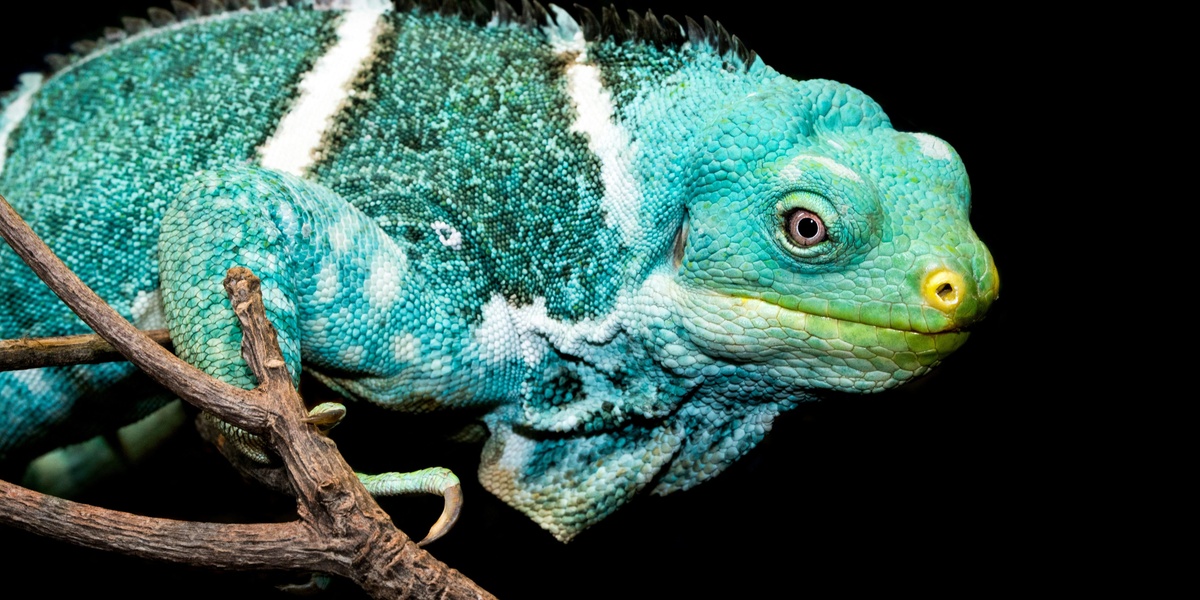
| Fiji banded iguana | Brachylophus vitiensis | Endangered 2012 | Habitat loss, invasive predators, pet trade |
| Fijian blossom bat | Notopteris macdonaldi | Vulnerable 2017 | Roost disturbance, deforestation, cyclones |
| Giant manta ray | Mobula birostris | Vulnerable 2018 | Bycatch, targeted fisheries, habitat degradation |
Images and Descriptions

Fiji petrel
A secretive, nocturnal seabird known from Gau and nearby islets. Extremely rare and poorly known, it nests in forested slopes and faces severe decline from introduced predators and human disturbance at breeding sites.
Collared petrel
A medium-sized gadfly petrel that breeds in burrows on forested Fijian islands. Vulnerable due to rat and feral cat predation and loss of intact forested nesting habitat; often disoriented by artificial lights.
Hawksbill turtle
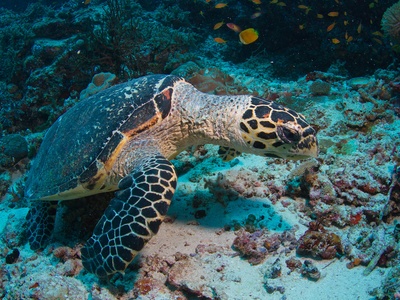
A striking reef-associated turtle that forages on Fiji’s coral reefs and nests on sandy beaches. Critically endangered from historic shell trade, ongoing egg and adult take, coastal development and fishing bycatch.
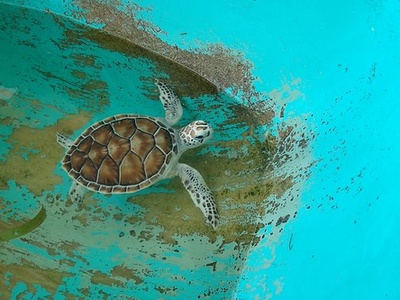
Green turtle
A common herbivorous sea turtle on seagrass beds and reefs around Fiji. Found on nesting beaches across the islands; threatened by egg and adult harvest, incidental capture in fisheries and coastal habitat loss.
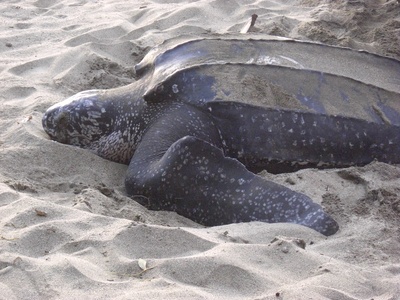
Leatherback turtle
The world’s largest migratory turtle, visiting Fijian waters and occasional nesting beaches. Populations decline from fisheries bycatch, targeted egg collection, plastic ingestion and warming seas affecting hatchling survival.
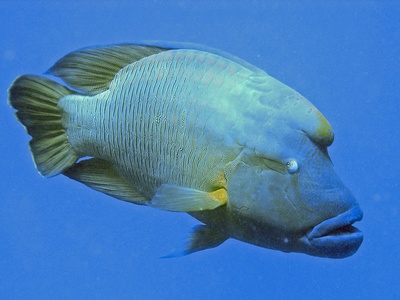
Napoleon (Humphead) wrasse
A large, slow-growing reef fish on Fiji’s outer reefs and drop-offs. Valued in live reef and food trades; late maturity and heavy fishing pressure have driven dramatic local declines.
Giant clam
The largest giant clam found on shallow Fijian reefs and lagoon flats. Harvested for meat and shells; sensitive to coral reef loss, pollution and bleaching events that reduce survival and recruitment.
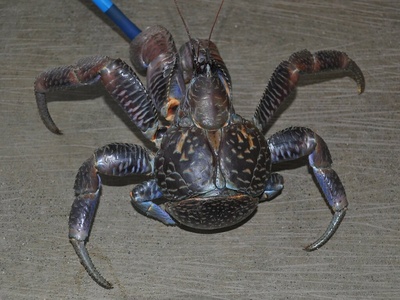
Coconut crab
The world’s largest land arthropod, common on Fiji’s offshore isles and coastal forests. A traditional food source; populations are declining from unsustainable harvest and loss of coastal forest habitat.
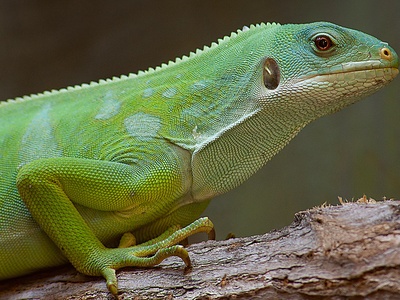
Fiji banded iguana
A bright, tree-dwelling iguana endemic to several Fijian islands. Requires intact forest canopy; faces fragmentation, predation by introduced mammals and pressure from illegal collection for the pet trade.
Fijian blossom bat
A nectar- and pollen-feeding bat endemic to Fiji that pollinates native trees. Depends on cave and forest roosts; declines are linked to habitat loss, roost disturbance and extreme weather events.
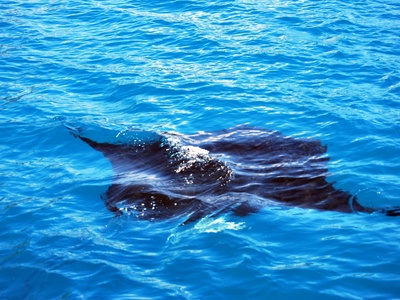
Giant manta ray
A large filter-feeding ray occasionally seen in Fijian offshore waters and cleaning stations. Vulnerable from entanglement, targeted fishing for gill plates and degradation of plankton-rich habitats where they feed.