Ireland’s varied habitats — peat bogs, coastal cliffs, hedgerows and mixed woodlands — support a wide range of plants that define Ireland’s seasons and ecosystems. Knowing which species are native helps with identification, ecology and practical decisions like planting or conservation.
There are 55 Ireland’s native plants, ranging from Ash to Yew. Information is organized under Scientific name,Habitat and distribution,Conservation status so you can quickly see identification, where each species occurs and any risks to watch for; you’ll find below.
How can I tell these native plants apart from introduced species?
Look at the Scientific name and typical Habitat and distribution listed for each entry, compare with local field guides or online county records, and note where you found the plant (natural habitats like bogs or hedgerows are more likely to host natives). If in doubt, consult a local botanist or community group to confirm identification.
Can I use this list for gardening or conservation projects?
Yes — use the Conservation status column to prioritize species protection, source seed or plants from reputable native-provenance suppliers, and match plants to their natural habitats to improve survival and biodiversity. For formal projects, check regional conservation guidelines and any legal protections first.
Ireland’s Native Plants
| Common name | Scientific name | Habitat and distribution | Conservation status |
|---|---|---|---|
| Common oak | Quercus robur | mixed woodlands and hedgerows; widespread lowlands across Ireland | Least Concern |
| Sessile oak | Quercus petraea | upland and mixed woodlands; common in west and southwest Ireland | Least Concern |
| Scots pine | Pinus sylvestris | scattered native woodlands and upland relicts; west and southwest remnants (Kerry, Wicklow) | Least Concern |
| Hazel | Corylus avellana | woodland edges, hedgerows and scrub; widespread | Least Concern |
| Hawthorn | Crataegus monogyna | hedgerows, scrub and woodland margins; widespread | Least Concern |
| Blackthorn | Prunus spinosa | hedgerows, scrub and woodland edges; widespread | Least Concern |
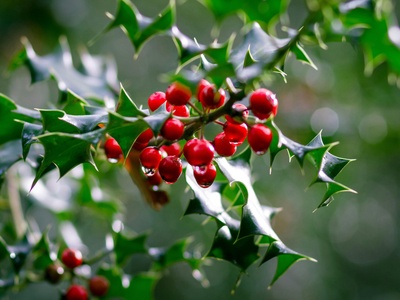
| Holly | Ilex aquifolium | woodlands, hedgerows and rocky coasts; widespread | Least Concern |
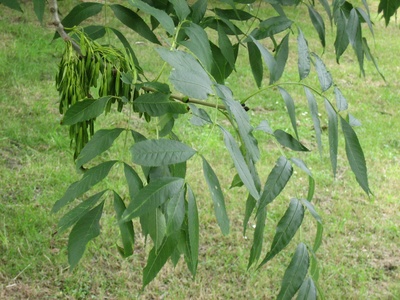
| Ash | Fraxinus excelsior | mixed woodlands and hedgerows; widespread but declining | Near threatened |
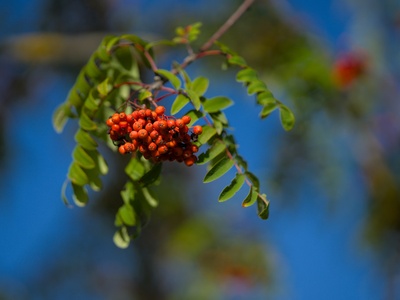
| Rowan | Sorbus aucuparia | uplands, hedgerows and mountain woods; widespread | Least Concern |
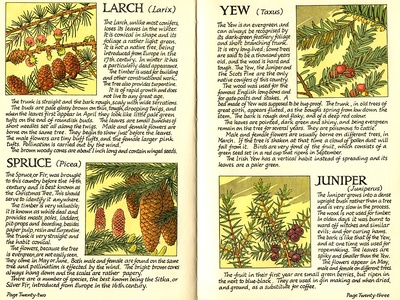
| Yew | Taxus baccata | woodland fragments, churchyards and shady cliffs; scattered west & south | Near threatened |
| Gorse | Ulex europaeus | heaths, coastal slopes and disturbed ground; widespread | Least Concern |
| Heather | Calluna vulgaris | heaths, moorland and acidic soils; widespread uplands | Least Concern |
| Bell heather | Erica cinerea | dry heaths and acidic grassland; common in west and south uplands | Least Concern |
| Cross-leaved heath | Erica tetralix | wet heaths and bog margins; west and north common | Least Concern |
| Bog asphodel | Narthecium ossifragum | bog pools, wet heath and blanket bogs; west and north common | Least Concern |
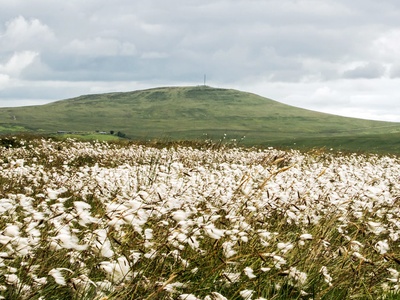
| Bog cotton | Eriophorum angustifolium | blanket bogs and wet peatlands; widespread in west and north | Least Concern |
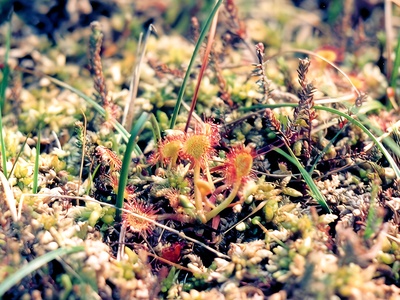
| Common sundew | Drosera rotundifolia | bogs, wet heaths and acidic flushes; widespread but patchy | Least Concern |
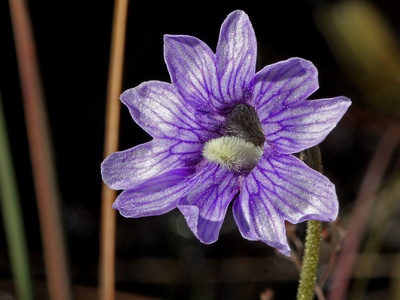
| Butterwort | Pinguicula vulgaris | damp rocky flushes and bog pools; scattered in north and west | Vulnerable |
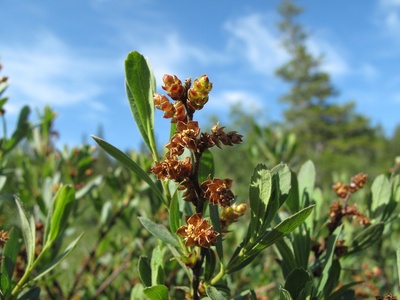
| Bog myrtle | Myrica gale | acidic fens, bog pools and flushes; west and north distribution | Least Concern |
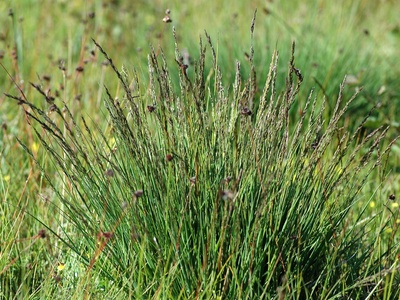
| Purple moor-grass | Molinia caerulea | wet heaths, bog margins and upland grassland; widespread | Least Concern |
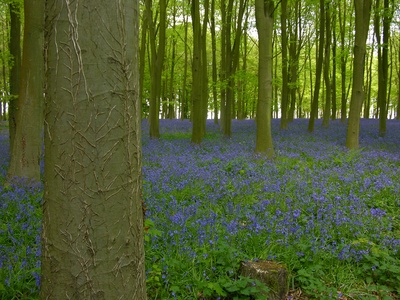
| Bluebell | Hyacinthoides non-scripta | ancient woodlands and hedgerows; widespread lowlands | Least Concern |
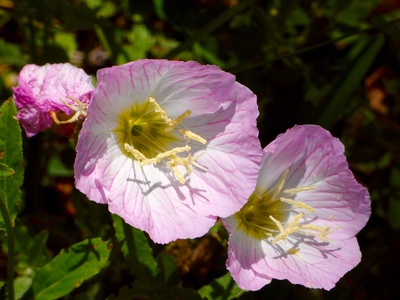
| Primrose | Primula vulgaris | woodland edges, hedgerows and grassy banks; widespread | Least Concern |
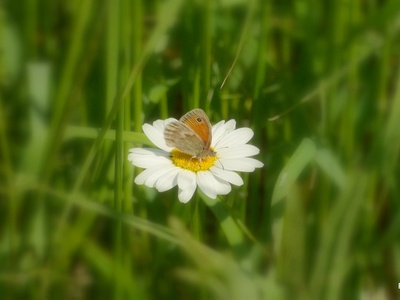
| Oxeye daisy | Leucanthemum vulgare | meadows, roadside verges and rough grassland; widespread | Least Concern |
| Foxglove | Digitalis purpurea | woodland clearings, heathland and disturbed ground; widespread | Least Concern |
| Common knapweed | Centaurea nigra | meadows, field margins and verges; widespread | Least Concern |
| Red campion | Silene dioica | woodland edges, hedgerows and shady banks; widespread | Least Concern |
| Sea campion | Silene uniflora | rocky sea cliffs, headlands and coastal rocks; found around all coasts | Least Concern |
| Sea thrift | Armeria maritima | coastal cliffs, saltmarsh edges and shingle; widespread on shores | Least Concern |
| Rock samphire | Crithmum maritimum | rocky shores and sea cliffs; west and south coasts common | Least Concern |
| Sea holly | Eryngium maritimum | sand dunes and frontal dune systems; west and south coasts | Vulnerable |
| Ragged robin | Silene flos-cuculi | wet meadows, marshes and damp grassland; scattered but present | Least Concern |
| Meadow buttercup | Ranunculus acris | pastures, meadows and roadside verges; widespread | Least Concern |
| Marsh marigold | Caltha palustris | stream banks, wet ditches and marshy ground; widespread | Least Concern |
| Water avens | Geum rivale | damp woodlands, stream sides and wet meadows; scattered widely | Least Concern |
| Wild garlic | Allium ursinum | shady woodlands and stream banks; west and south more frequent | Least Concern |
| Bracken | Pteridium aquilinum | wooded hillsides, fields and disturbed ground; widespread | Least Concern |
| Killarney fern | Trichomanes speciosum | humid shaded rockfaces, waterfalls and deep ravines; very local (Kerry, SW) | Endangered |
| Early purple orchid | Orchis mascula | woodland clearings, grassland and hedgebanks; scattered across Ireland | Least Concern |
| Irish lady’s-tresses | Spiranthes romanzoffiana | damp machair, dune slacks and wet grassland; rare, coastal pockets | Vulnerable |
| Heath spotted-orchid | Dactylorhiza maculata | heaths, acidic grassland and moorland; upland and lowland occurrences | Least Concern |
| Ribwort plantain | Plantago lanceolata | grasslands, roadside verges and lawns; widespread | Least Concern |
| Sea plantain | Plantago maritima | saltmarshes, rocky shores and coastal grassland; coastal distribution | Least Concern |
| Blackberry | Rubus fruticosus agg. | hedgerows, scrub and woodland edges; widespread | Least Concern |
| Sea lavender | Limonium vulgare | saltmarshes and upper shorelines; local coastal occurrences | Least Concern |
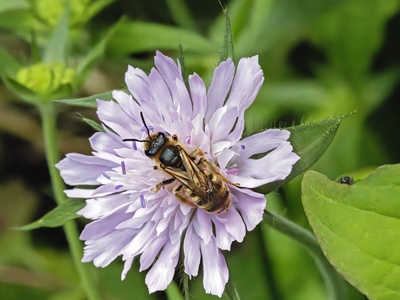
| Field scabious | Knautia arvensis | meadows, roadside verges and rough grassland; widespread where less intensively managed | Least Concern |
| Wild sorrel | Rumex acetosa | meadows, grassland and coastal grass; widespread | Least Concern |
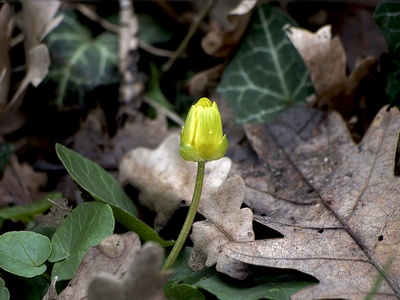
| Lesser celandine | Ficaria verna | woodland floors, hedgerows and damp banks; widespread spring flush | Least Concern |
| Ivy | Hedera helix | woodland understory, hedgerows and cliff bases; widespread | Least Concern |
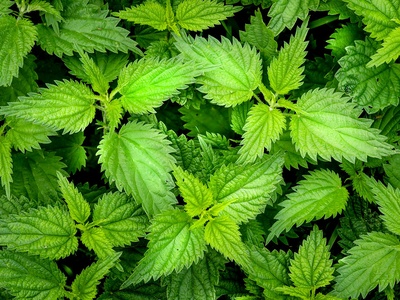
| Nettle | Urtica dioica | disturbed ground, hedgerows, riverbanks and nutrient-rich soils; widespread | Least Concern |
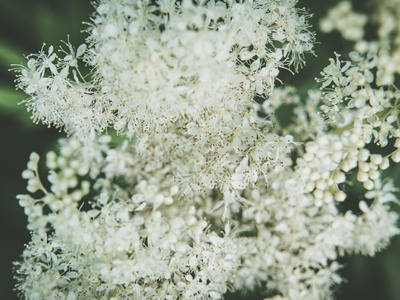
| Meadowsweet | Filipendula ulmaria | wet meadows, stream banks and marshy ground; scattered widely | Least Concern |
| Yellow flag iris | Iris pseudacorus | ponds, ditches and wetland margins; widespread where wetlands exist | Least Concern |
| Dog rose | Rosa canina | hedgerows, woodland edges and scrub; widespread | Least Concern |
| Wild strawberry | Fragaria vesca | woodland clearings, grassy banks and hedgerows; widespread | Least Concern |
| Yellow rattle | Rhinanthus minor | meadows and species-rich grassland; common in lowland meadows where not heavily fertilised | Least Concern |
| Honeysuckle | Lonicera periclymenum | hedgerows, woodland edges and scrub; widespread in southern and western areas | Least Concern |
Images and Descriptions
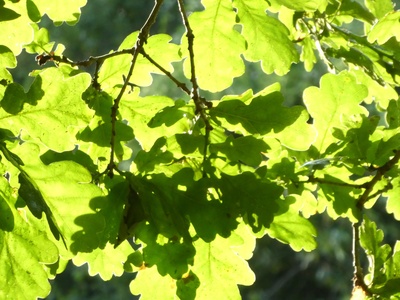
Common oak
A large broadleaf tree with lobed leaves and acorns. A keystone of native woodlands, it supports many insects, birds and fungi. Easily seen in parks, old hedgerows and lowland forests.
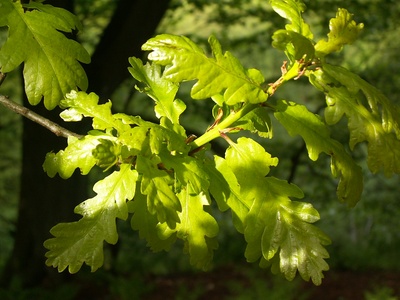
Sessile oak
Closely related to common oak but with stalkless acorns and narrower leaves. Dominates many upland woods and supports diverse wildlife. Look for it on acidic soils and older woodland stands.
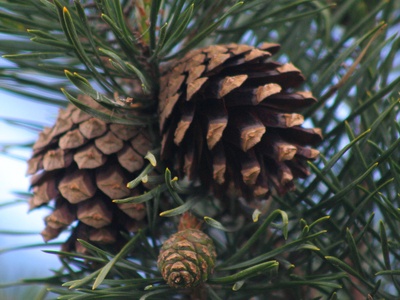
Scots pine
A tall evergreen pine with orange-brown bark and long needles. Native relict populations occur in a few upland sites; important for specialist lichens and birds despite being fragmented.
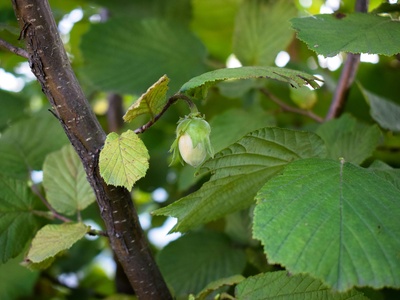
Hazel
A multi-stemmed shrub or small tree producing edible nuts. Common in hedgerows and ancient woodland rides, hazel catkins are an early pollen source and its nuts feed birds and mammals.
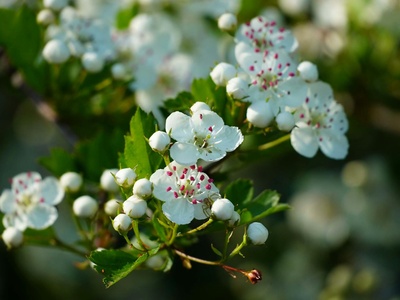
Hawthorn
A thorny shrub with white spring flowers and red autumn haws. Key for nesting birds and pollinators, hawthorn forms dense hedges and is a familiar feature of the rural Irish landscape.
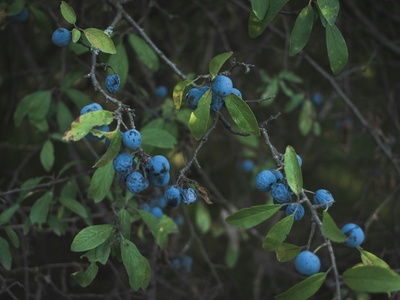
Blackthorn
A spiny shrub with white spring blossom and dark sloes in autumn. Often forms dense, protective hedgerows and is important for early pollinators and wildlife shelter.
Holly
An evergreen tree or shrub with glossy prickly leaves and red berries. Found in woodlands and churchyards, berries are valuable winter food for birds; leaves persist through winter providing shelter.
Ash
A tall deciduous tree with opposite pinnate leaves and winged seeds (samaras). Historically widespread in woodlands and hedgerows; populations are under pressure from ash dieback disease.
Rowan
A small tree with pinnate leaves and clusters of orange-red berries. Common in upland and exposure-prone sites, its fruit feeds birds and it tolerates thin soils and harsh conditions.
Yew
A slow-growing evergreen with dark foliage and red arils. Often found in old churchyards and wood fragments; historically important and locally scarce due to habitat loss.
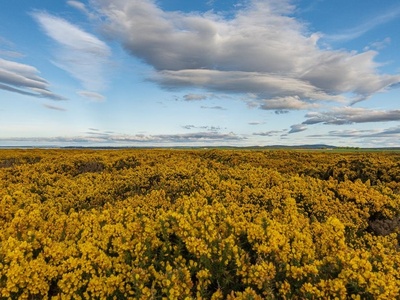
Gorse
A spiny evergreen shrub with bright yellow pea-flowers most of the year. Dominant on heathland and coastal slopes, it provides nectar for insects and dense shelter for birds.
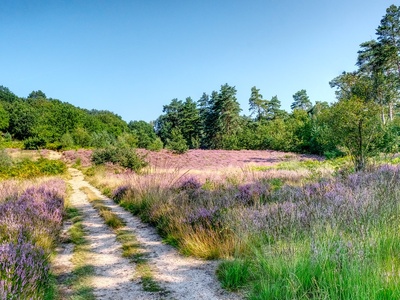
Heather
Low, woody shrub with purple late-summer flowers. Dominates much heath and moor habitat, supporting specialized insects and grazing birds; a classic element of Irish uplands.
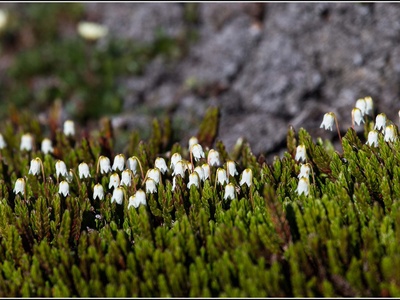
Bell heather
A fine-leaved shrub with deep-pink bell-shaped flowers. Favors drier heathland and adds colour to acid uplands, supporting bees and specialist invertebrates.
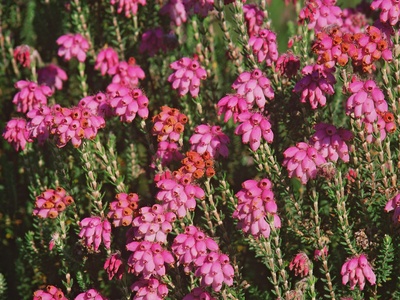
Cross-leaved heath
A small heath with pale pink, tubular flowers preferring wet, peaty soils. Often found around bog pools and flushes, it indicates healthy bog and wet heath habitats.

Bog asphodel
A golden-flowered bog plant growing in wet, peaty hollows and flushes. Its bright spikes are a familiar sight in acid bog landscapes and help indicate intact bog habitat.
Bog cotton
A tussock-forming sedge with cottony seedheads that ripple across bogs in late spring and summer. Iconic of peatland landscapes and useful for spotting boggy ground at a distance.
Common sundew
A small carnivorous plant with sticky, red-tipped leaves that trap insects. Found in nutrient-poor bogs and wet heaths, it supplements nutrients by digesting prey and is striking up close.
Butterwort
A small carnivorous herb with sticky leaves that catch tiny insects. Occurs in wet, nutrient-poor sites; locally scarce and of conservation interest where bog habitat persists.
Bog myrtle
A fragrant shrub of peaty wetlands with aromatic leaves and catkins. Often found around bog pools and wet flushes, it was historically used for flavouring and as insect-repellent.
Purple moor-grass
A tussock grass forming dense clumps on wet acidic soils. Creates characteristic purple hills in late season, shapes habitat structure and influences bog and heath restoration.
Bluebell
A spring-flowering bulb with nodding blue bells carpeting shady woods. A favourite of walkers in spring, it indicates long-established woodland and provides early nectar for insects.
Primrose
A pale yellow spring flower found on hedgebanks and shady banks. One of the first wildflowers of spring, its scented blooms are popular with early pollinators and walkers alike.
Oxeye daisy
A familiar white-petalled daisy of summer meadows and roadside verges. Attractive to bees and butterflies, it features in species-rich grasslands and traditional hay meadows.
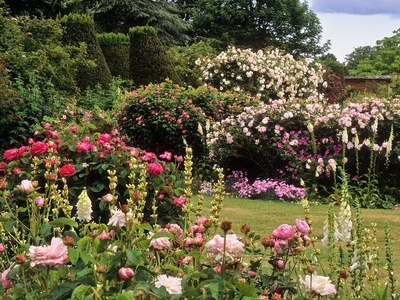
Foxglove
A tall plant with tubular pink flowers favoured by bees. Common on woodland edges and disturbed soils, it contains powerful compounds and is a striking part of late-summer flora.
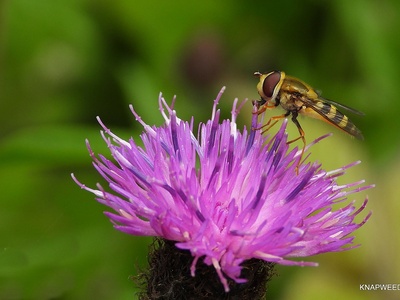
Common knapweed
A purple, thistle-like flower of species-rich grassland. Valuable for pollinators and a sign of less intensively managed meadows, it attracts many bees and butterflies.
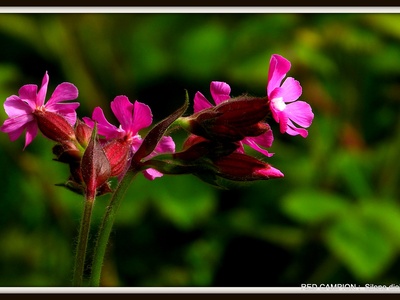
Red campion
A pink-flowered perennial that brightens shaded edges and hedgerows in late spring and summer. Prefers damp, semi-shaded spots and supports a range of pollinating insects.
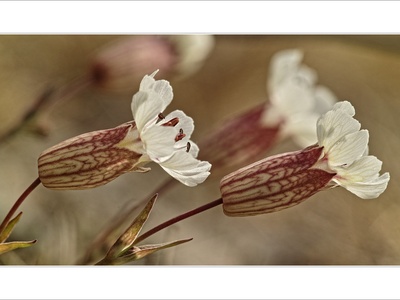
Sea campion
A silvery-leaved perennial with white flowers hugging rocky shores. Tough and salt-tolerant, it is a regular sight on cliffs and rocky promontories around Ireland’s coasts.
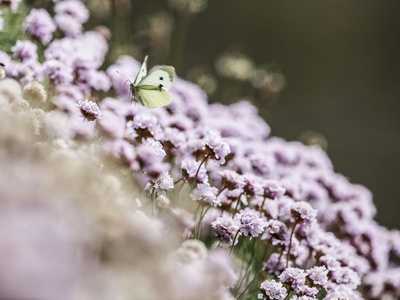
Sea thrift
A tufted perennial with pink pom-pom flowers on wiry stems. Common on exposed coasts, it tolerates salt spray and adds splashes of colour to cliff tops and strandlines.
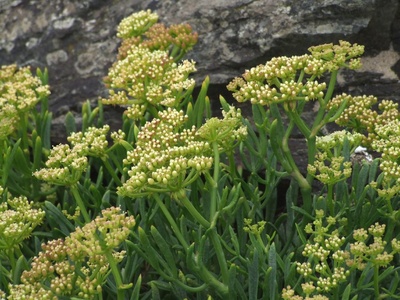
Rock samphire
A fleshy-leaved coastal plant with yellow-green umbels, aromatic when crushed. Grows in crevices on sea cliffs and rocky shores, long-collected historically for flavouring and vitamins.
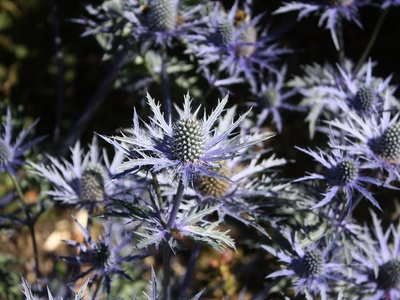
Sea holly
A spiky, silvery-blue coastal plant of mobile dunes. Flowers attract pollinators but populations suffer from dune erosion and trampling; a feature of healthy dune systems where it survives.
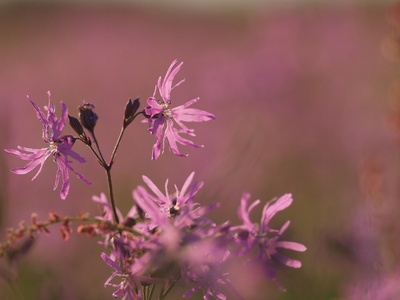
Ragged robin
A delicate pink flower with deeply divided petals, often swaying in damp meadows. Prefers uncut, species-rich wetlands and is a good indicator of traditional wet grassland.
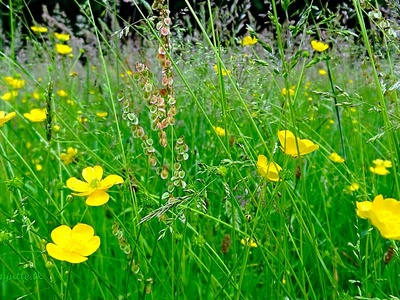
Meadow buttercup
A bright yellow buttercup of meadows and fields. Common in less intensively managed grasslands, its glossy flowers are familiar in spring and early summer.
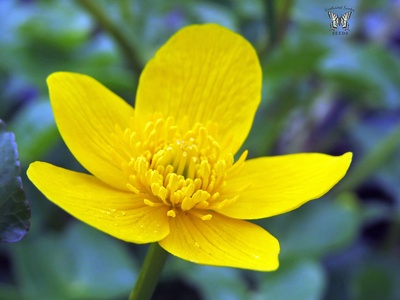
Marsh marigold
A glossy yellow spring flower found beside streams and in wet hollows. One of the earliest wetland flowers, it brightens ditches and marshes and signals damp, unpolluted water.
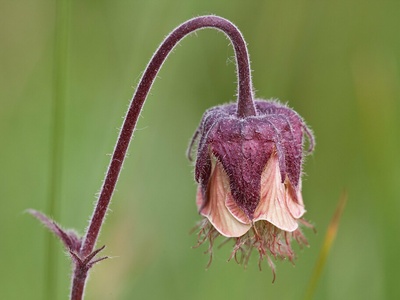
Water avens
A nodding, bell-like flower with coppery tones in damp, shady habitats. Often found near streams and wet woods, it favors unshaded dampness and supports pollinators.
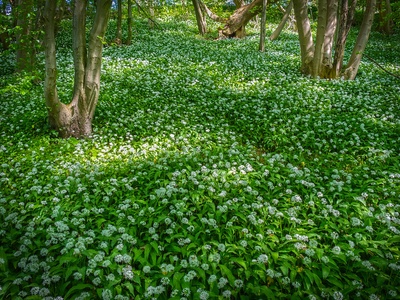
Wild garlic
A spring woodland plant with broad leaves and scented white umbels. Leaves smell of garlic when crushed; carpets parts of ancient woodland and is popular with foragers (ensure correct ID).
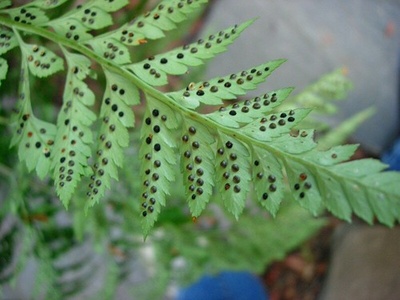
Bracken
A coarse fern that forms extensive stands across hills and woodland edges. Highly adaptable and often dominant on acidic soils, it shapes habitats but can be invasive in recovering woodlands.
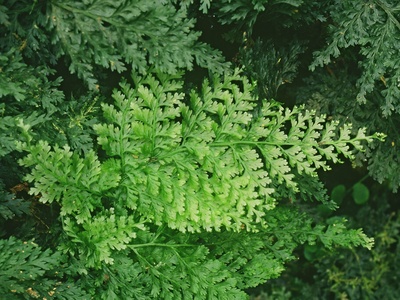
Killarney fern
A delicate, lace-like filmy fern restricted to very humid, shaded rock sites. One of Ireland’s rarest ferns, confined to a few western localities and protected by conservation measures.
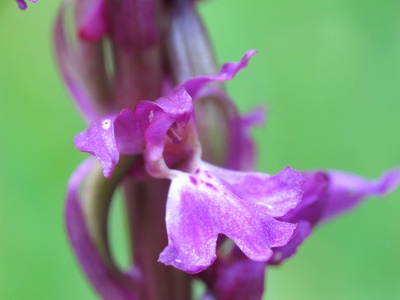
Early purple orchid
A showy early orchid with spotted leaves and dense purple flower spikes. Seen in spring in semi-shaded places and species-rich grassland; an attractive sight for orchid enthusiasts.
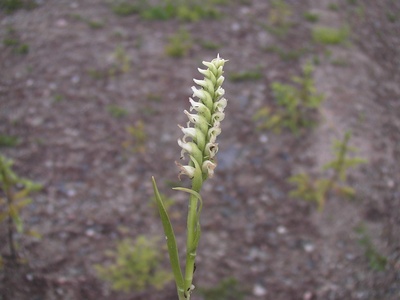
Irish lady’s-tresses
A delicate white spiral-flowered orchid found in a few coastal dune and machair sites. Scarce and of conservation interest, notable for its spiral flower arrangement and restricted coastal habitat.
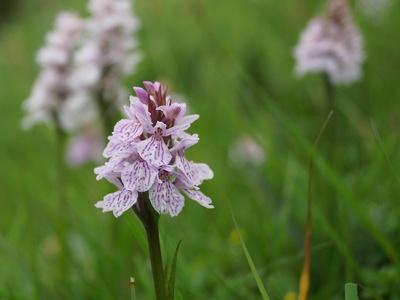
Heath spotted-orchid
A variable orchid with spotted leaves and pale pink flower spikes. Prefers acid soils in heathy grassland and upland bog margins, rewarding careful watchers in late spring and summer.
Ribwort plantain
A tough, rosette-forming plant with narrow leaves and long seed spikes. Common in lawns and meadows, it provides seeds for birds and nectar for small insects.
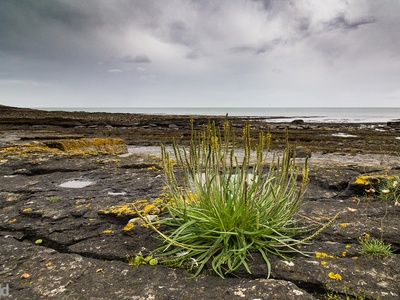
Sea plantain
A salt-tolerant plant with fleshy leaves and compact flower spikes. Found on saltmarshes and rocky coasts, it tolerates saline spray and contributes to coastal plant communities.
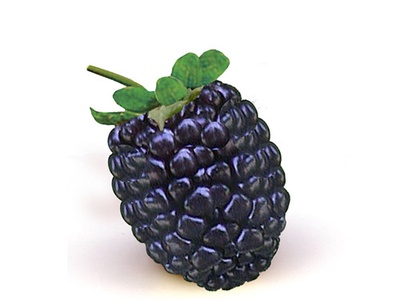
Blackberry
A bramble forming dense, thorny thickets covered in white flowers then juicy blackberries. Vital for wildlife as nectar source and fruit provider; common in hedgerows and scrubby margins.
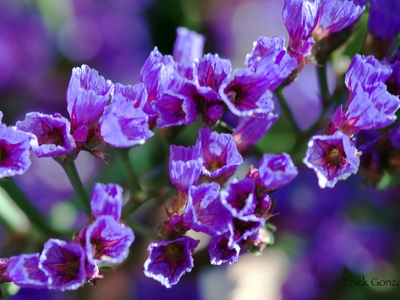
Sea lavender
A cluster-forming coastal perennial with papery, pale flowers often seen on upper marshes. Tolerant of saline conditions, it adds summer colour to saltmarsh edges where present.
Field scabious
A pincushion-like lilac flower of species-rich meadows. Attractive to bees and butterflies, it benefits from traditional hay meadow management and reduced fertiliser use.
Wild sorrel
A sour-tasting perennial with arrow-shaped leaves and upright clusters of reddish seeds. Common in meadows and rough grassland, often used historically as a flavouring and edible spring leaf.
Lesser celandine
A glossy yellow early-spring flower carpeting shady banks and damp woods. Appears before leaf-out, offering early nectar and a bright welcome to springtime walkers.
Ivy
An evergreen climber with lobed leaves and later-season creamy flower umbels. Important for late-season nectar and winter berries for birds; common on walls, trees and shady hedgerows.
Nettle
A tall, stinging plant of nutrient-rich ground that hosts many butterfly and insect larvae. Often associated with old boundaries and riversides, it signals productive soils and supports food webs.
Meadowsweet
A fragrant white-flowered plant of damp meadows and river margins. Historically used for flavour and medicine, it prefers moist, unpolluted watercourses and damp grassland.
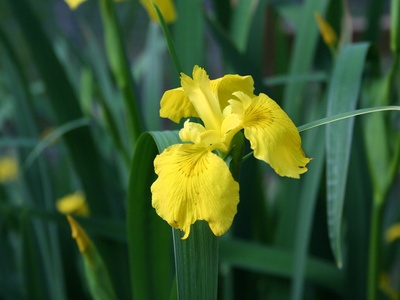
Yellow flag iris
A robust yellow-flowered plant of shallow water margins and ditches. Provides cover and nectar at pond edges; watch for its tall sword-like leaves along slow-moving water.
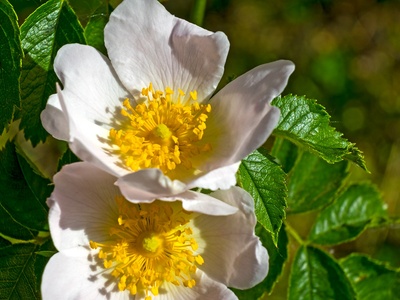
Dog rose
A scrambling shrub with pale pink flowers and red hips in autumn. Common in older hedgerows, hips feed birds and were used historically for vitamin-rich preserves.
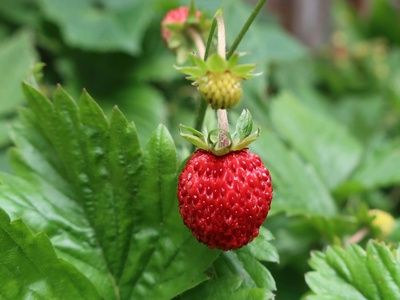
Wild strawberry
A low-growing plant with trifoliate leaves and small sweet fruits. Often found in semi-shaded banks and grassy breaks in woods; fruits are a tasty wild treat.
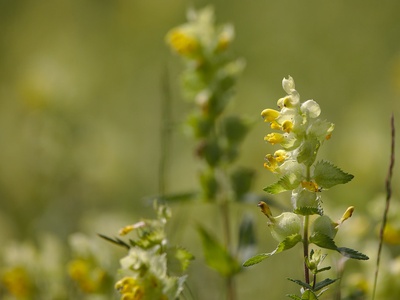
Yellow rattle
A semi-parasitic annual that weakens vigorous grasses, allowing wildflowers to flourish. Valued in meadow restoration, its yellow, toothed flowers appear in summer and support pollinators.
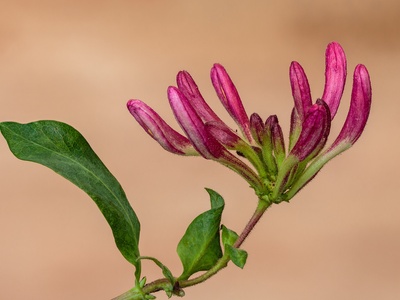
Honeysuckle
A fragrant climbing shrub with tubular flowers that attract moths and bees. Twines through hedges and scrub, offering scented summer evenings and nectar for pollinators.