Moldova’s mix of rivers, wetlands and fragmented forests hides a surprising array of less-common wildlife. From aquatic species in the Dniester and Prut to isolated forest pockets, these habitats support animals that are rarely seen but important for local biodiversity.
There are 13 Rare Animals in Moldova, ranging from Beluga sturgeon to Stellate sturgeon. For each species, the listing below shows Scientific name, Status, Where found (habitat/regions) so you can quickly see both taxonomy and distribution, which you’ll find below.
Which parts of Moldova are most important for these rare species?
River corridors (especially the Dniester and Prut), floodplain wetlands and remaining forest fragments are key. Aquatic species rely on riverine habitats and spawning grounds, while land species are concentrated in protected areas and less-disturbed woodlands.
How reliable is the information and how often should it be checked?
Conservation status can change with new surveys, so use these listings as a snapshot: consult national red lists, recent research and local NGOs for updates every few years, especially for migratory or river-dependent species.
Rare Animals in Moldova
| Name | Scientific name | Status | Where found (habitat/regions) |
|---|---|---|---|
| European ground squirrel | Spermophilus citellus | IUCN: Vulnerable | Steppe grasslands, central and south Moldova |
| Lesser kestrel | Falco naumanni | Regionally threatened; IUCN: Least Concern | Open farmland, steppe, southern Moldova |
| Imperial eagle | Aquila heliaca | IUCN: Vulnerable | Scattered woodlands, steppe, river valleys |
| Saker falcon | Falco cherrug | IUCN: Endangered | Open steppe and farmland, southern regions |
| Greater spotted eagle | Clanga clanga | IUCN: Vulnerable | Wetlands, floodplain forests, Dniester valley |
| European pond turtle | Emys orbicularis | IUCN: Near Threatened | Rivers, oxbows, wetlands, southern Moldova |
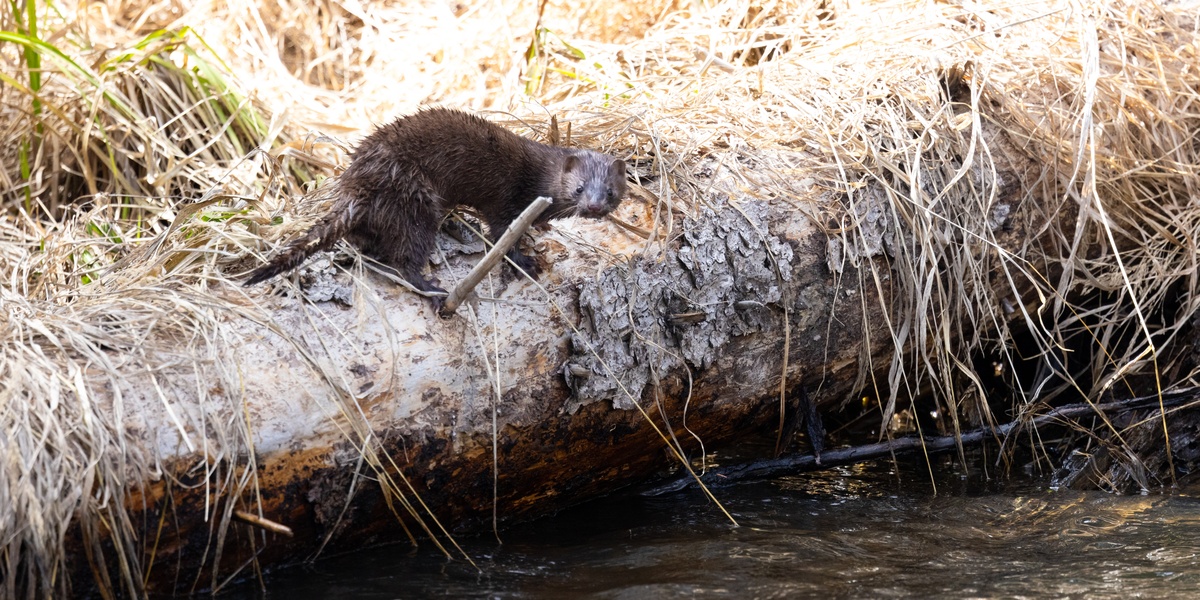
| European mink | Mustela lutreola | IUCN: Critically Endangered | Riparian forests and wetlands (historical records) |
| Eurasian otter | Lutra lutra | IUCN: Near Threatened | Rivers, streams, reservoirs, Dniester basin |
| Beluga sturgeon | Huso huso | IUCN: Critically Endangered | Dniester and Black Sea tributaries (historical/occasional) |
| Russian sturgeon | Acipenser gueldenstaedtii | IUCN: Critically Endangered | Dniester and Prut tributaries, Black Sea drainage |
| Stellate sturgeon | Acipenser stellatus | IUCN: Vulnerable | Black Sea tributaries including Dniester estuary |
| Pygmy cormorant | Microcarbo pygmaeus | IUCN: Least Concern; regionally declining | Wetlands, reedbeds, Dniester floodplain |
| Black stork | Ciconia nigra | IUCN: Least Concern; locally scarce | Mature forest, river valleys, Dniester basin |
Images and Descriptions
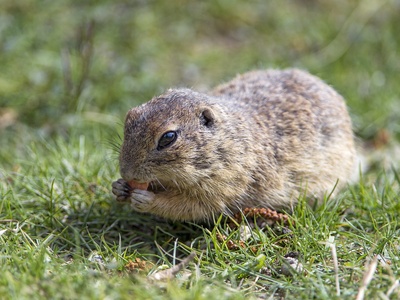
European ground squirrel
A burrowing steppe rodent that creates complex colonies. Populations have plunged across Moldova due to conversion of grasslands to crops, fragmentation and persecution. It’s a flagship of steppe biodiversity and legally protected where small colonies remain.

Lesser kestrel
A small, colonial falcon that nests in buildings and cliffs in open farmland. Moldova is part of its European range but numbers fell because of pesticide loss of insect prey and nest site reduction. Conservation focuses on nest protection and agri-friendly practices.
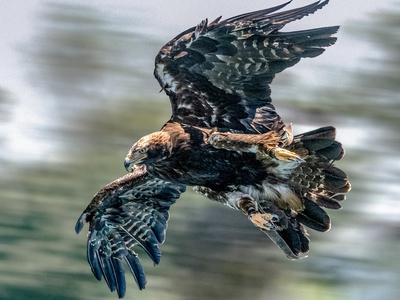
Imperial eagle
A large, slow-breeding steppe eagle that nests in isolated trees and small woodlands. Moldova supports a few breeding pairs; habitat loss, illegal shooting and prey decline make it scarce. Protecting nesting trees and grassland prey helps its recovery.
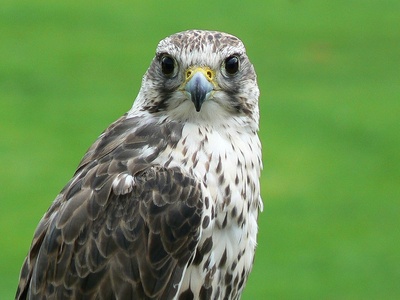
Saker falcon
A powerful open-country falcon once more widespread across Moldovan steppe. Today it is rare from illegal capture for falconry, loss of nesting sites and agricultural change. International recovery efforts target habitat protection and anti-poaching.
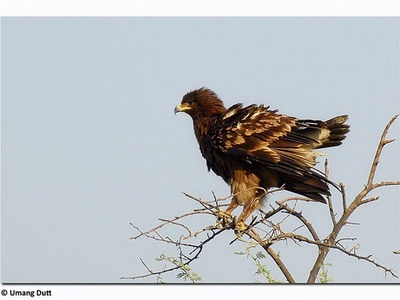
Greater spotted eagle
A bulky forest-wetland raptor that uses floodplain forests and marshes in the Dniester valley. Populations are small and vulnerable to wetland drainage, forest clearance and disturbance. Moldova’s remaining floodplains are important for migration and breeding.
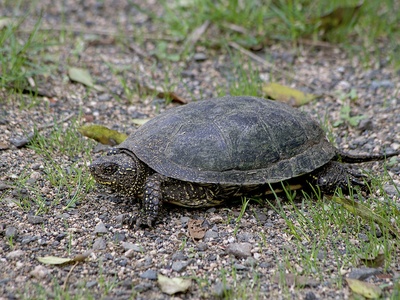
European pond turtle
A medium-sized freshwater turtle of ponds, oxbows and slow rivers. In Moldova populations are fragmented by wetland drainage, pollution and road mortality; local conservation includes protecting nesting sites and reducing water pollution to help recovery.
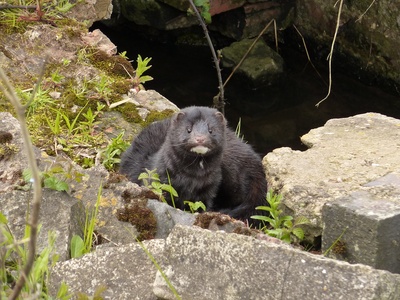
European mink
A semiaquatic mustelid once common in Moldova’s rivers and wetlands. Now critically endangered across its range and likely extirpated locally, declines are driven by habitat loss, pollution and competition with invasive American mink.
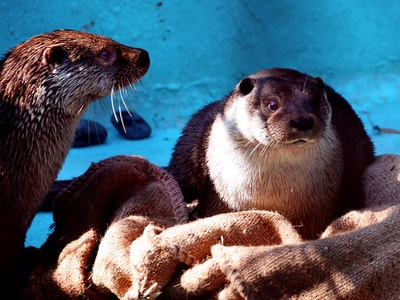
Eurasian otter
A secretive river mammal found in clean rivers and reservoirs, the otter survives in Moldova’s Dniester basin but remains uncommon. Water pollution, habitat loss and road mortality threaten local populations; it’s protected and monitored as a water-quality indicator.
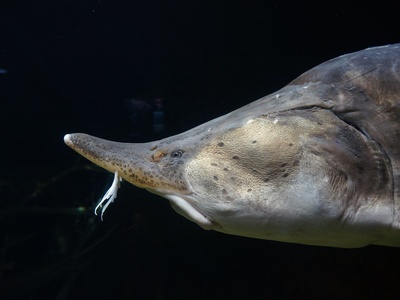
Beluga sturgeon
A giant migrating sturgeon that historically entered the Dniester to spawn. Once economically and ecologically important, it’s now critically endangered from overfishing, dams blocking migration and pollution; modern records in Moldova are rare or historical.
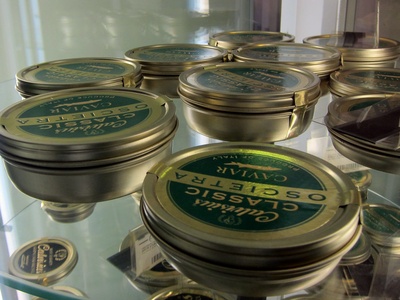
Russian sturgeon
A large Black Sea sturgeon recorded historically in Moldova’s rivers. Severe declines from poaching, pollution and blocked migration routes have made it critically endangered regionally; conservation needs river connectivity and anti-poaching enforcement.
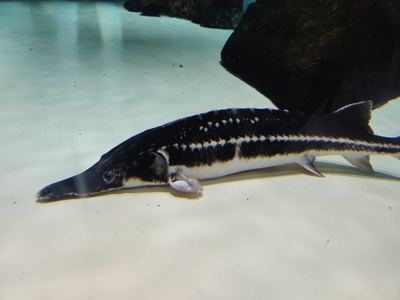
Stellate sturgeon
A long-bodied sturgeon that used estuaries and lower river reaches. Historically present near the Dniester mouth, it faces threats from fishing pressure, habitat alteration and pollution, leaving only small remnant populations in the region.
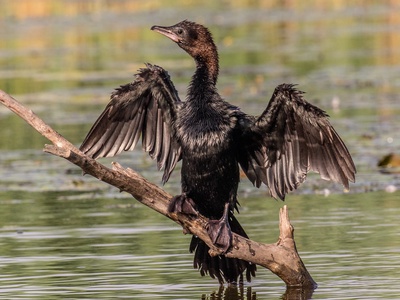
Pygmy cormorant
A small, social cormorant that nests in reedbeds and floodplain trees. Moldova’s wetlands support important local colonies, but drainage, disturbance and hunting have reduced numbers; wetland protection benefits this species and many others.
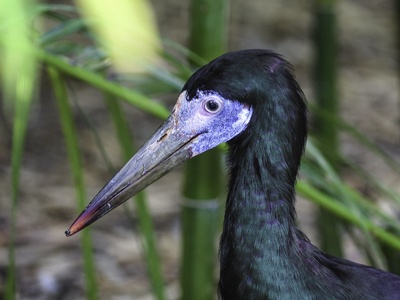
Black stork
A solitary, forest-dependent stork that nests in mature trees along rivers. Rare in Moldova due to forest clearance and human disturbance, it is protected and signals the conservation value of intact riparian forests.