Canada’s varied habitats—from Arctic tundra and boreal forest to grasslands and coastal islands—support a surprising variety of mammals. If you enjoy spotting wildlife or need a quick reference for study or travel, a concise list helps connect species to place.
There are 91 Mammals of Canada, ranging from American badger to Yellow-bellied marmot; for each species you’ll find Scientific name,Average weight (kg),Range (provinces/territories) listed — you’ll find below.
How can I use the list to find which mammals occur in a particular province or territory?
Each entry includes the Range (provinces/territories), so you can scan for the region you care about and see which species are recorded there; combine that with the Scientific name to confirm identification across field guides and online databases.
Where can I check if a species on the list is protected or at risk?
For conservation status, consult provincial/territorial wildlife agencies and national sources like COSEWIC or Environment and Climate Change Canada, which provide up-to-date listings and recovery plans linked to the species names in the list.
Mammals of Canada
| Name | Scientific name | Average weight (kg) | Range (provinces/territories) |
|---|---|---|---|
| Moose | Alces alces | 400-600 | BC,AB,SK,MB,ON,QC,NL,NT,NU |
| White-tailed deer | Odocoileus virginianus | 45-100 | BC,AB,SK,MB,ON,QC,NB,NS,PE,NL |
| Mule deer | Odocoileus hemionus | 55-100 | BC,AB,SK,YT,NT |
| Caribou | Rangifer tarandus | 80-160 | NT,NU,YT,QC,NB,NL,MB,ON |
| Elk (Wapiti) | Cervus canadensis | 200-350 | BC,AB,SK,MB,ON |
| Pronghorn | Antilocapra americana | 35-55 | AB,SK,MB |
| Wood bison | Bison bison | 700-1,000 | NT,YK,AB,BC,MB |
| Muskox | Ovibos moschatus | 200-400 | NU,NT,QC,NL |
| Mountain goat | Oreamnos americanus | 70-140 | BC,AB,YT,NT |
| Dall sheep | Ovis dalli | 60-100 | YT,NT,BC,AK border areas |
| Bighorn sheep | Ovis canadensis | 70-110 | BC,AB,SK,YT |
| American black bear | Ursus americanus | 90-270 | BC,AB,SK,MB,ON,QC,NB,NS,PE,NL,YT,NT |
| Grizzly bear | Ursus arctos | 180-360 | BC,AB,YT,NT |
| Polar bear | Ursus maritimus | 350-700 | NU,NT,MB (Hudson Bay),NL,QC |
| Sea otter | Enhydra lutris | 20-45 | BC coastal waters |
| River otter | Lontra canadensis | 6-12 | All provinces/territories |
| Wolverine | Gulo gulo | 9-25 | BC,AB,YT,NT,NU,MB,ON,QC |
| Fisher | Pekania pennanti | 3-6 | BC,AB,ON,QC,NB,NS |
| American marten | Martes americana | 0.7-1.4 | BC,AB,SK,MB,ON,QC,NB,NL,YT,NT |
| American mink | Neovison vison | 0.7-1.5 | All provinces/territories near water |
| Ermine (short-tailed weasel) | Mustela erminea | 0.06-0.2 | All provinces/territories |
| Long-tailed weasel | Neogale frenata | 0.07-0.3 | BC,AB,SK,MB,ON,QC,NB,NS,PE |
| American badger | Taxidea taxus | 7-14 | BC,AB,SK,MB,ON,QC |
| Raccoon | Procyon lotor | 4-10 | All provinces/territories |
| Red fox | Vulpes vulpes | 4-7 | All provinces/territories |
| Arctic fox | Vulpes lagopus | 2-5 | NU,NT,NL,QC,BC (Islands) |
| Gray wolf | Canis lupus | 30-50 | BC,AB,SK,MB,ON,QC,NB,YT,NT,NU |
| Coyote | Canis latrans | 7-20 | All provinces/territories |
| Swift fox | Vulpes velox | 4-5 | SK,AB,MB (limited) |
| Bobcat | Lynx rufus | 6-15 | BC,AB,SK,MB,ON,QC,NB,NS |
| Canada lynx | Lynx canadensis | 8-11 | BC,AB,YT,NT,NU,MB,ON,QC |
| Cougar | Puma concolor | 45-100 | BC,AB,SK,ON,QC (rare) |
| American beaver | Castor canadensis | 11-32 | All provinces/territories |
| North American porcupine | Erethizon dorsatum | 5-18 | All provinces/territories |
| Muskrat | Ondatra zibethicus | 0.5-1.2 | All provinces/territories |
| Snowshoe hare | Lepus americanus | 1.2-2.5 | BC,AB,SK,MB,ON,QC,NB,NS,PE,NL |
| Arctic hare | Lepus arcticus | 3-5 | NU,NT,NL,QC northern |
| Eastern cottontail | Sylvilagus floridanus | 1-1.5 | ON,QC,NB,NS,PE,BC (limited) |
| Eastern chipmunk | Tamias striatus | 0.2-0.3 | ON,QC,NB,NS,PE,NL |
| Least chipmunk | Neotamias minimus | 0.06-0.12 | BC,AB,SK,MB,ON,QC,YT,NT |
| Red squirrel | Tamiasciurus hudsonicus | 0.2-0.5 | All provinces/territories |
| Northern flying squirrel | Glaucomys sabrinus | 0.15-0.25 | BC,AB,SK,MB,ON,QC,NB,NS,NL |
| Southern flying squirrel | Glaucomys volans | 0.1-0.2 | ON,QC,NB,NS,PE (southern) |
| Meadow vole | Microtus pennsylvanicus | 0.03-0.1 | All provinces/territories |
| Prairie vole | Microtus ochrogaster | 0.1-0.2 | SK,MB,AB (southern) |
| Northern bog lemming | Synaptomys borealis | 0.02-0.06 | BC,AB,YT,NT,NU,MB,ON,QC |
| Deer mouse | Peromyscus maniculatus | 0.02-0.03 | All provinces/territories |
| White-footed mouse | Peromyscus leucopus | 0.02-0.03 | ON,QC,NB,NS,PE |
| House mouse | Mus musculus | 0.02-0.05 | All provinces/territories (urban) |
| Norway rat | Rattus norvegicus | 0.2-0.5 | All provinces/territories (urban) |
| Northern pocket gopher | Thomomys talpoides | 0.15-0.6 | BC,AB,SK,MB,ON |
| American pika | Ochotona princeps | 0.15-0.3 | BC,AB (mountains) |
| Hoary marmot | Marmota caligata | 4-9 | BC,YT,NT |
| Yellow-bellied marmot | Marmota flaviventris | 3-7 | BC,AB (mountain regions) |
| Groundhog (woodchuck) | Marmota monax | 4-9 | ON,QC,NB,NS,PE,BC,AB,SK |
| Little brown bat | Myotis lucifugus | 0.006-0.009 | All provinces/territories (except some far north) |
| Big brown bat | Eptesicus fuscus | 0.02-0.04 | All provinces/territories |
| Northern long-eared bat | Myotis septentrionalis | 0.006-0.009 | ON,QC,NB,NS,MB,SK |
| Hoary bat | Lasiurus cinereus | 0.02-0.04 | BC,AB,SK,MB,ON,QC |
| Silver-haired bat | Lasionycteris noctivagans | 0.01-0.02 | BC,AB,SK,MB,ON,QC,NB,NS |
| Eastern red bat | Lasiurus borealis | 0.02-0.03 | ON,QC,NB,NS,PE |
| Harbour seal | Phoca vitulina | 60-160 | BC,AB,SK (coasts),MB (coastlines),ON,QC,NB,NS,PE,NL |
| Grey seal | Halichoerus grypus | 150-350 | NB,NS,PE,NL,QC |
| Harp seal | Pagophilus groenlandicus | 70-130 | NL,QC,NB,NS |
| Hooded seal | Cystophora cristata | 190-310 | NL,QC,NB |
| Ringed seal | Pusa hispida | 45-70 | NU,NT,NU islands,QC,NL |
| Bearded seal | Erignathus barbatus | 200-300 | NU,NT,NU islands,NL,QC |
| Spotted seal | Phoca largha | 55-140 | BC coast,NT,NU (coasts) |
| Walrus | Odobenus rosmarus | 800-1,500 | NU,NT,NU islands,NL |
| Beluga | Delphinapterus leucas | 0.5-1.6 | NU,NT,NU coasts,QC,NB,NL |
| Narwhal | Monodon monoceros | 0.8-1.6 | NU,NT |
| Bowhead whale | Balaena mysticetus | 60,000-100,000 | NU,NT,QC,NL |
| Blue whale | Balaenoptera musculus | 80,000-150,000 | BC,QC,NL,NB,NS |
| Fin whale | Balaenoptera physalus | 20,000-80,000 | BC,QC,NL,NB,NS |
| Humpback whale | Megaptera novaeangliae | 25,000-30,000 | BC,QC,NL,NB,NS |
| Sperm whale | Physeter macrocephalus | 30,000-45,000 | QC,NL,BC deep waters |
| Northern bottlenose whale | Hyperoodon ampullatus | 3,000-5,000 | QC,NL,NS deep waters |
| Killer whale | Orcinus orca | 3,000-6,000 | BC,QC,NL,NB,NS |
| Harbour porpoise | Phocoena phocoena | 30-60 | BC,QC,NB,NS,NL |
| Dall’s porpoise | Phocoenoides dalli | 70-120 | BC,AK coastal waters |
| Northern fur seal | Callorhinus ursinus | 50-100 | BC coastal islands (seasonal) |
| Steller sea lion | Eumetopias jubatus | 300-1,000 | BC coastal waters |
| Striped skunk | Mephitis mephitis | 1-4 | All provinces/territories |
| Short-tailed shrew | Blarina brevicauda | 0.01-0.02 | ON,QC,NB,NS,PE,MB,SK |
| Star-nosed mole | Condylura cristata | 0.04-0.08 | ON,QC,NB,NS,PE,NL,MB |
| American shrew mole | Neurotrichus gibbsii | 0.01-0.02 | BC coastal forests |
| Arctic ground squirrel | Urocitellus parryii | 1-2 | NU,NT,YT,BC (north) |
| Richardson’s ground squirrel | Urocitellus richardsonii | 0.6-1.2 | SK,AB,MB,ON (southern) |
| Thirteen-lined ground squirrel | Ictidomys tridecemlineatus | 0.2-0.4 | SK,MB,AB,ON southern |
| Pacific white-sided dolphin | Lagenorhynchus obliquidens | 80-100 | BC coastal and offshore |
| Sika deer | Cervus nippon | 40-70 | BC (Vancouver Island),some mainland |
Images and Descriptions
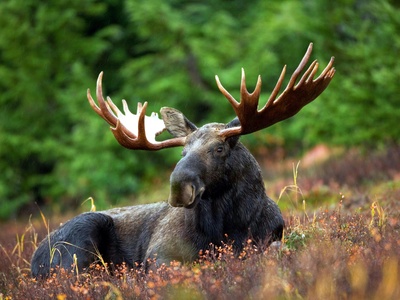
Moose
Massive, long-legged browser of forests and wetlands; Canada’s largest land mammal. Common across boreal and mixed forests, moose are solitary and swim well. Populations vary regionally; hunting and habitat change shape local numbers.
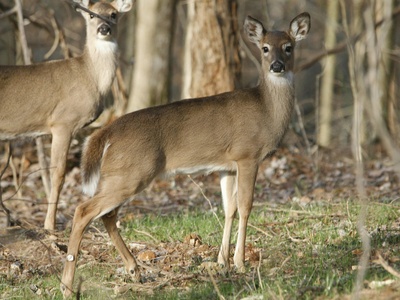
White-tailed deer
Widespread adaptable deer found near forests and farmlands. Known for the white tail flash when alarmed, they are common in southern Canada and expanding in some areas, influencing forest regeneration and predator dynamics.
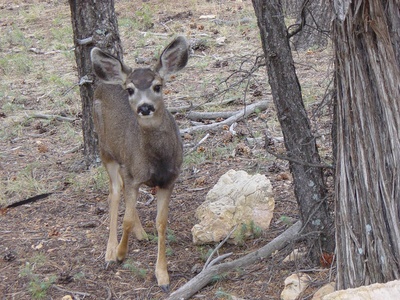
Mule deer
Western deer of open woodlands and foothills; large ears and bounding gait. Mule deer frequent sagebrush and montane habitats, often differentiated from white-tailed deer where ranges meet.
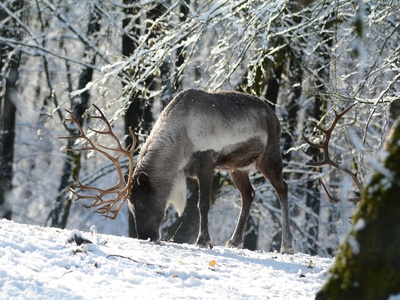
Caribou
Iconic Arctic and boreal ungulate with migratory and sedentary forms. Herds range from tundra to boreal forests; many populations are threatened by habitat loss, climate change, and industrial development.
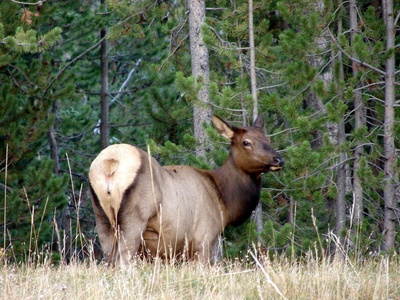
Elk (Wapiti)
Large herd-forming deer of forests and grasslands. Reintroduced and expanding in parts of Canada, elk graze in open meadows and can form large seasonal aggregations; valued by hunters and wildlife viewers.
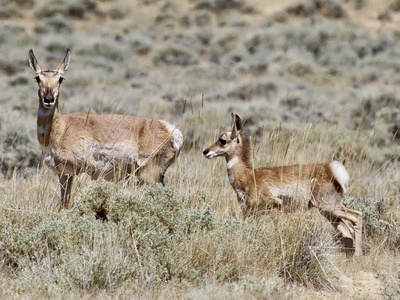
Pronghorn
Swift open-country grazer of prairie Canada. Pronghorn use speed to escape predators and rely on wide open habitats; populations persist in southern prairie provinces where grasslands remain.
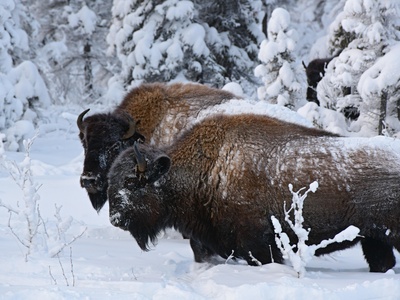
Wood bison
Massive gregarious bison of boreal plains and wetlands. Once nearly extirpated, wood bison have been the focus of recovery and reintroduction programs; they shape grassland ecology through grazing.
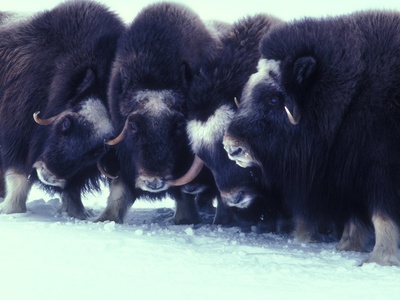
Muskox
Tundra specialist with thick coat and strong social herds. Muskoxen survived the Ice Age in Arctic Canada and are adapted to extreme cold; they are a conservation success where populations have recovered.
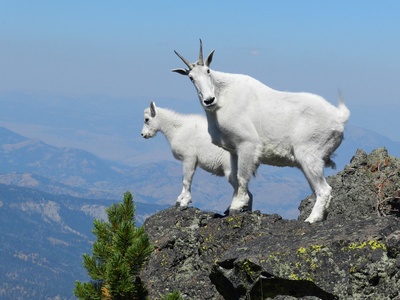
Mountain goat
Steep alpine specialist with climbing ability and white coat. Mountain goats live on rocky slopes and cliffs; they are popular with observers but sensitive to disturbance in high-elevation habitats.
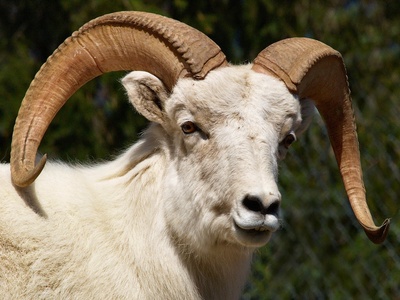
Dall sheep
Alpine sheep with white coat and dramatic cliff habitats. Dall sheep form ewe and ram groups, use steep terrain to avoid predators, and are emblematic of northern mountain ranges.
Bighorn sheep
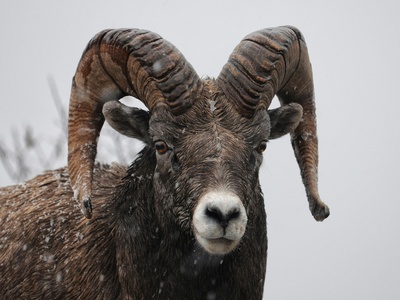
Rocky-mountain grazer inhabiting cliffs and dry slopes. Bighorn rams have impressive curved horns; populations are fragmented and managed carefully to reduce disease and maintain genetic diversity.
American black bear
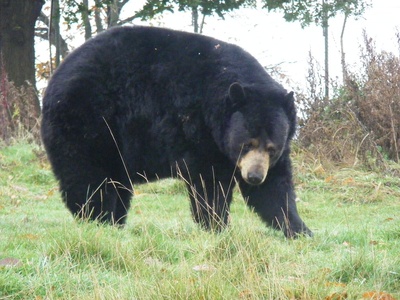
Widespread omnivore in forests and mountains. Black bears feed on plants, insects and meat, and adapt to human-modified landscapes; conservation focuses on reducing human-bear conflict.
Grizzly bear
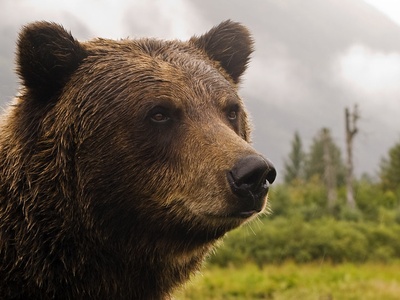
Large brown bear of mountains and subalpine areas. Grizzlies are ecologically important apex omnivores with low densities; habitat protection and connectivity are central to conservation in western Canada.
Polar bear
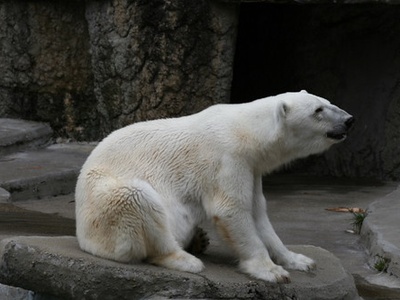
Arctic sea-ice predator specialized on seals. Polar bears depend on sea ice for hunting; climate-driven ice loss threatens populations and drives seasonal changes in distribution and behavior.
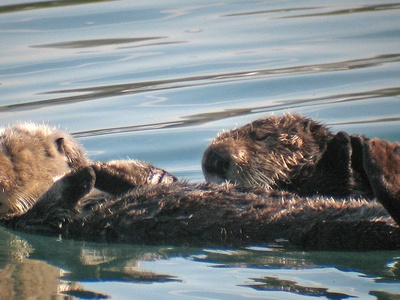
Sea otter
Reintroduced and recovering along Pacific coast; keystone in kelp ecosystems. Sea otters control sea urchins and support kelp forests; conservation successes in BC followed decades of protection.
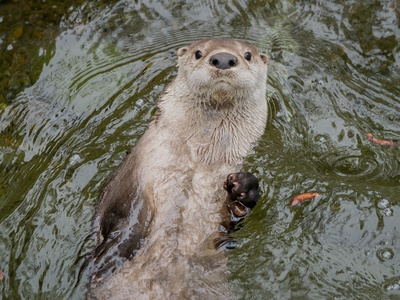
River otter
Playful semi-aquatic piscivore of lakes, rivers and coasts. River otters are agile swimmers, feed on fish and invertebrates, and are widely distributed where freshwater and riparian habitats exist.
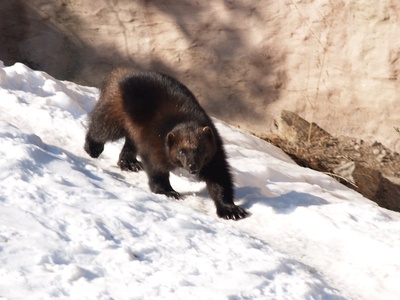
Wolverine
Powerful solitary mustelid of remote boreal and alpine regions. Wolverines scavenge and hunt, require large territories, and are sensitive to human disturbance and habitat fragmentation.

Fisher
Forest carnivore that preys on porcupines and small mammals. Fishers live in mature forests and have benefited from recolonization and reintroduction in parts of eastern Canada.
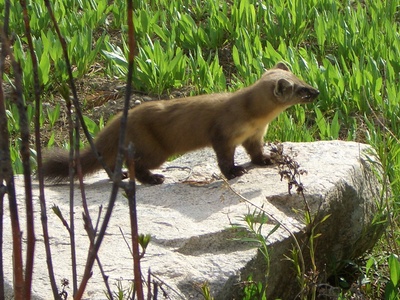
American marten
Small arboreal predator of mature conifer forests. Martens feed on small mammals and birds; their presence indicates healthy old-forest ecosystems and they’re historically trapped for fur.
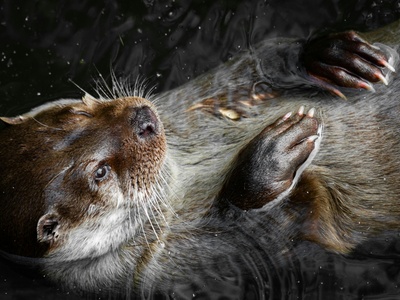
American mink
Semi-aquatic predator of wetlands and shorelines. Mink eat fish, crustaceans and small mammals; they are adaptable and sometimes affected by fur-farming escapes or releases.
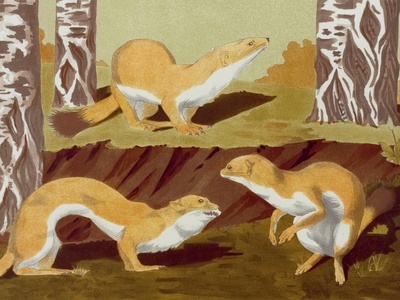
Ermine (short-tailed weasel)
Tiny, bold predator with seasonal white winter coat in cold regions. Ermines hunt voles and other small prey; their dramatic color change makes them emblematic of northern winters.
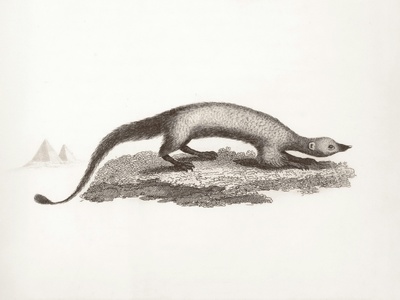
Long-tailed weasel
Slim predator of fields, forests and edges. Long-tailed weasels are agile hunters of rodents and birds, often living near human-modified habitats where prey is abundant.
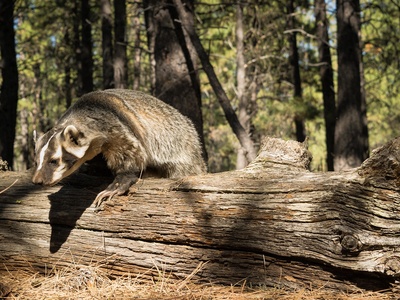
American badger
Fossorial predator of prairies and open habitats. Badgers dig for ground squirrels and other burrowing prey; they are a characteristic species of grassland ecosystems.
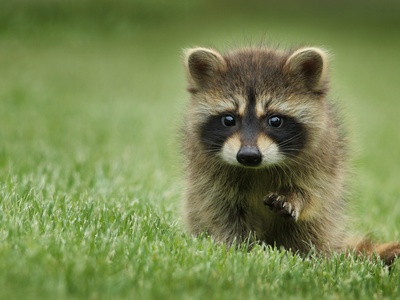
Raccoon
Omnivorous, dexterous mammal thriving near water and human settlements. Raccoons are adaptable scavengers with masked faces; urban populations have grown, increasing human-wildlife interactions.
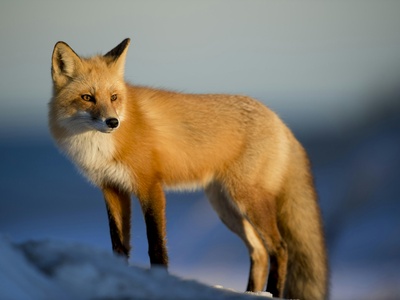
Red fox
Common adaptable canid occupying forests, farmland and suburbs. Red foxes eat rodents, birds and fruit; populations are stable and they often thrive near people.
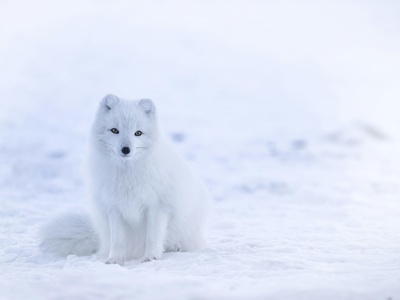
Arctic fox
Tundra specialist with thick white winter coat. Arctic foxes scavenge and hunt lemmings; they track sea-ice and have been impacted by climate and competition from red foxes.
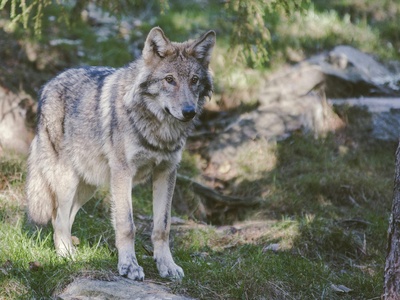
Gray wolf
Apex predator in forests and tundra, living in packs and regulating prey populations. Wolves are culturally important and managed regionally; recovery and conflict with livestock are ongoing issues.
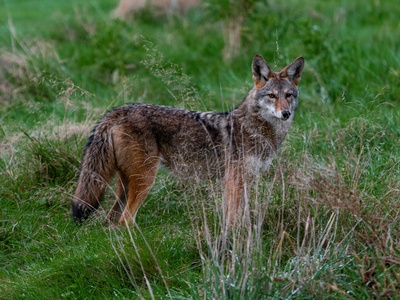
Coyote
Flexible omnivore expanding across Canada into varied habitats. Coyotes exploit small mammals, carrion and anthropogenic food, thriving in rural and urban environments and altering predator communities.
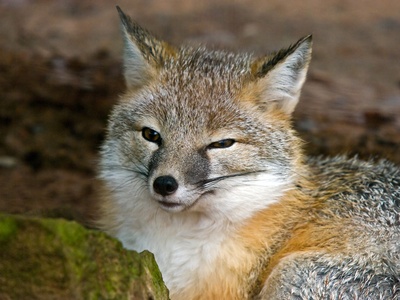
Swift fox
Small prairie fox reintroduced to parts of the Canadian plains. Swift foxes prefer open, dry grasslands and are the focus of conservation because of their restricted range and historical declines.
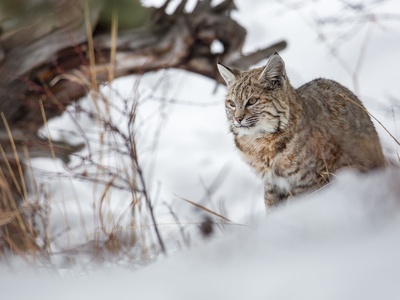
Bobcat
Secretive short-tailed wildcat of forests and brushy cover. Bobcats prey on rabbits and rodents; they are adaptable and sometimes expand into suburban edges where prey is abundant.
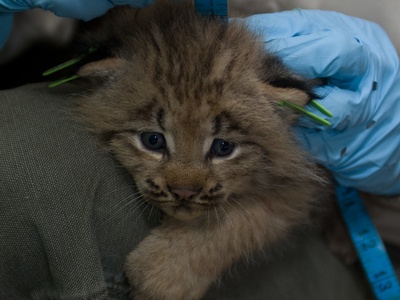
Canada lynx
Specialist of boreal forests reliant on snowshoe hares. Canada lynx have cyclic populations tied to hare abundance and require deep-snow habitat for hunting and avoidance of competitors.
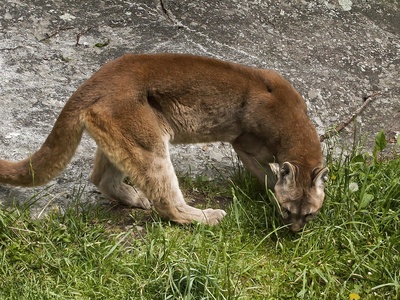
Cougar
Large solitary cat of forests and mountains. Cougars roam vast territories and are expanding their range in eastern Canada via dispersal; sightings are increasing though populations are sparse.
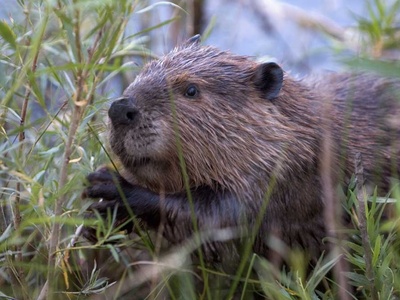
American beaver
Engineer of wetlands that builds dams and lodges. Beavers create ponds that boost biodiversity and alter water dynamics, historically trapped but now common in many regions.
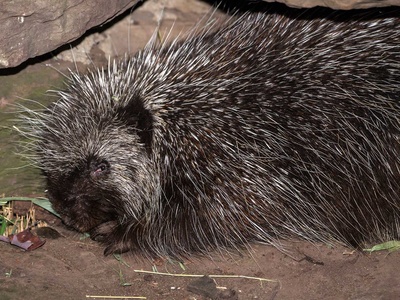
North American porcupine
Nocturnal herbivore known for quills and tree-climbing. Porcupines feed on bark and foliage; they affect forest dynamics and can conflict with forestry or orchards.
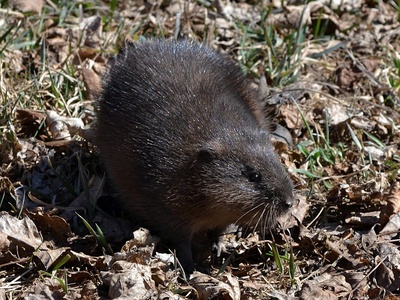
Muskrat
Wetland rodent building lodges from vegetation and mud. Muskrats help structure marshes and are common across aquatic habitats; fur trapping historically influenced local economies.
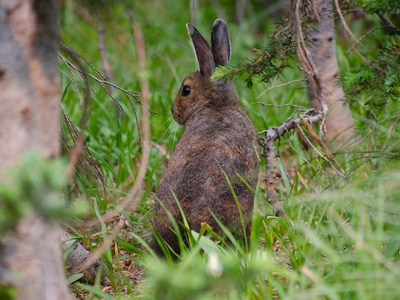
Snowshoe hare
Hare with large hind feet and seasonal coat color changes in some populations. Snowshoe hares have boom-and-bust cycles that strongly influence predators like Canada lynx.
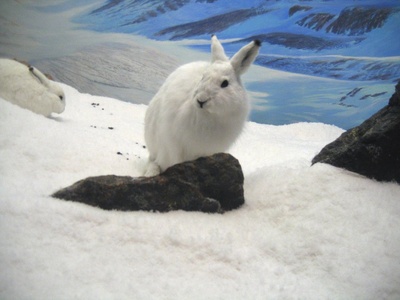
Arctic hare
Large tundra hare adapted to cold; white in winter and active in open tundra. Arctic hares form groups and are key prey for Arctic predators like foxes and wolves.
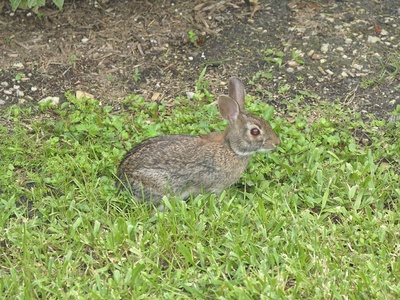
Eastern cottontail
Introduced/expanded in parts of southern Canada; occupies fields, hedgerows and suburbs. Prolific breeders, they are common in agricultural and edge habitats where winters are milder.
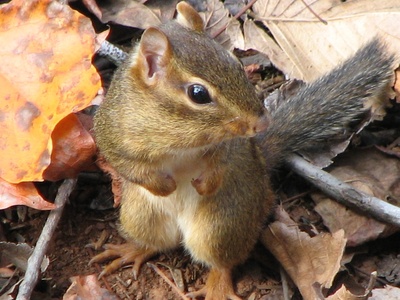
Eastern chipmunk
Small striped rodent of woodlands and gardens. Active in daytime, chipmunks hoard seeds and are a familiar sight in eastern Canada’s forests and backyards.
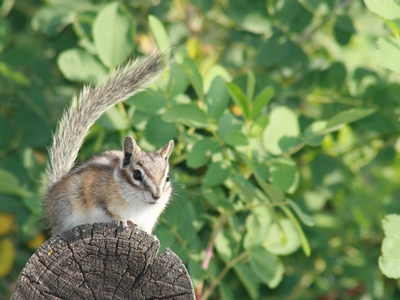
Least chipmunk
Smaller, western and boreal chipmunk occupying rocky slopes and open forests. Least chipmunks are agile, vocal, and harvest seeds for winter reserves.
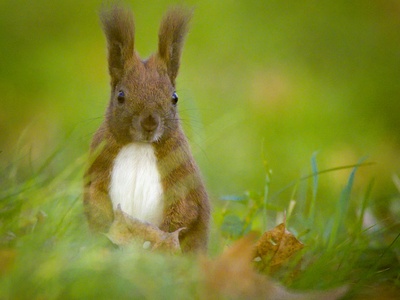
Red squirrel
Energetic tree-dwelling squirrel that defends middens of cone caches. Red squirrels influence conifer seed survival and are common in coniferous forests nationwide.
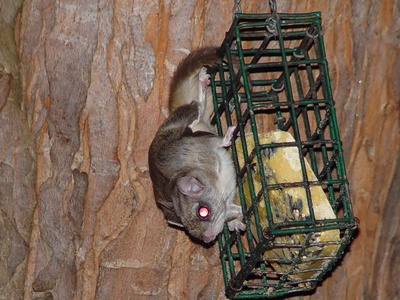
Northern flying squirrel
Nocturnal glider of mature forests, using skin membranes to glide among trees. They rely on tree cavities and fungi; quiet and rarely seen despite being widespread.
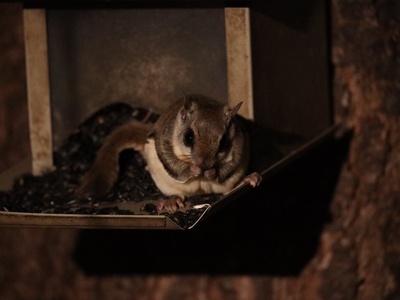
Southern flying squirrel
Small nocturnal glider found in southern woodlands and suburbs. Southern flying squirrels feed on seeds and fungi and nest in tree cavities, often near people.
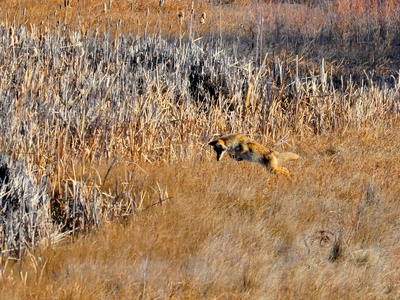
Meadow vole
Abundant grassland and meadow rodent that influences vegetation and predator populations. Meadow voles breed rapidly and are a key prey item for many raptors and carnivores.
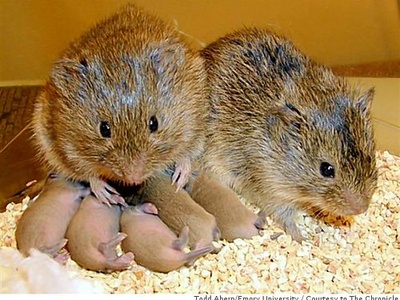
Prairie vole
Grassland vole of prairie and meadows with notable social behavior. Prairie voles prefer denser cover and are sensitive to grassland loss and agriculture intensification.
Northern bog lemming
Small tundra and bog specialist feeding on grasses and sedges. Collared with cold regions, bog lemmings influence tundra vegetation and are prey for Arctic predators.
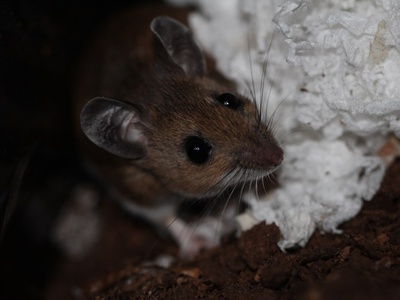
Deer mouse
Widespread nocturnal rodent of forests and fields. Deer mice are adaptable generalists, important prey for many predators and known carriers of some zoonotic pathogens.
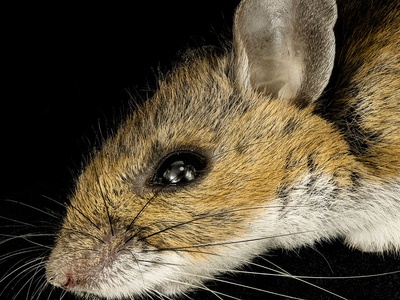
White-footed mouse
Expanding northward with climate change into parts of southeastern Canada. White-footed mice occupy woodlots and edges, competing with and complementing deer mouse populations.
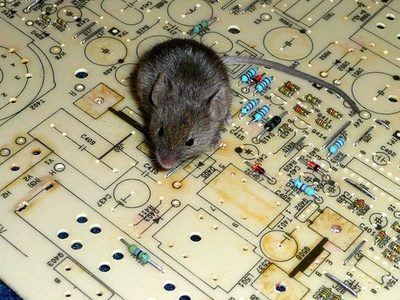
House mouse
Introduced commensal rodent associated with humans. House mice thrive in buildings and disturbed habitats and have established wild populations near settlements across Canada.
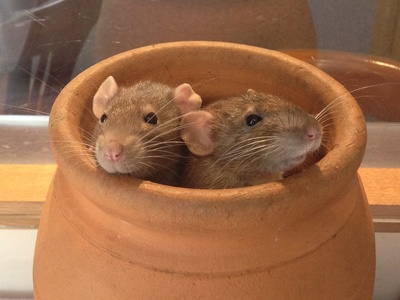
Norway rat
Introduced adaptable rodent now widespread near human activity. Norway rats occupy sewers, docks and urban areas, influencing sanitation and occasionally interacting with native species.
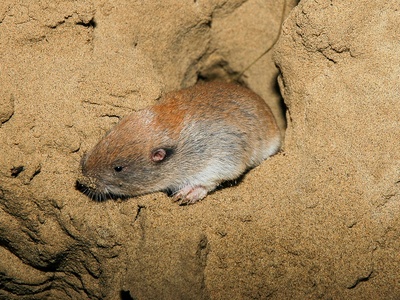
Northern pocket gopher
Burrowing herbivore of grasslands and meadows. Pocket gophers aerate soils and influence plant communities; they prefer well-drained soils and are critical prairie ecological engineers.
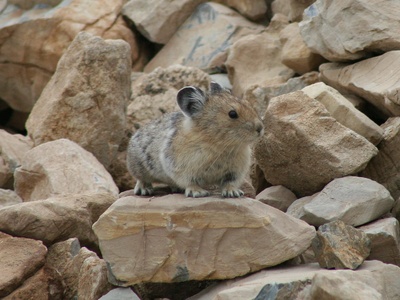
American pika
Small alpine lagomorph living in talus slopes. Pikas collect haypiles for winter and are vulnerable to warming climates that reduce suitable cool habitat.
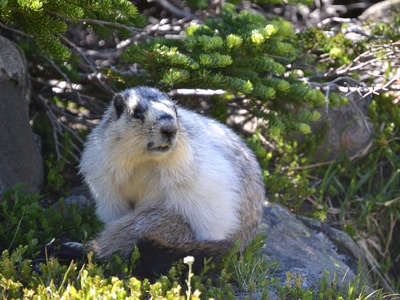
Hoary marmot
Large alpine rodent of high meadows and talus fields. Hoary marmots live in colonies, hibernate long winters, and produce loud whistles to warn of predators.
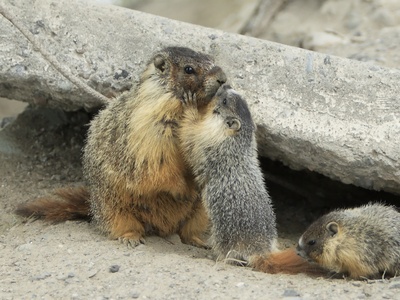
Yellow-bellied marmot
Alpine and subalpine ground squirrel that hibernates and lives in colonies. Yellow-bellied marmots are common in western mountain meadows and easy to observe near trails.
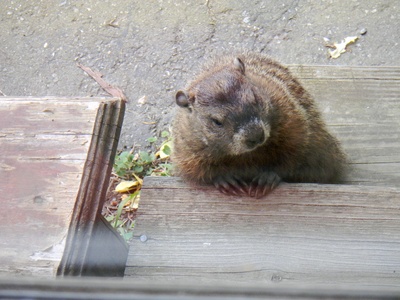
Groundhog (woodchuck)
Common burrowing marmot of fields and edges. Groundhogs feed on vegetation, dig extensive burrow systems, and are frequent garden visitors across much of southern Canada.
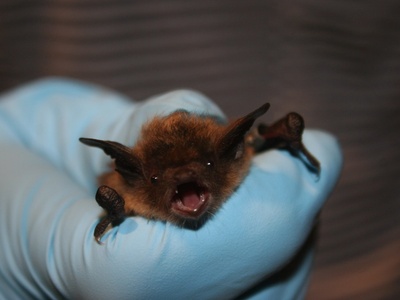
Little brown bat
Small insectivorous bat once very common in buildings and forests. Populations crashed in many regions from white-nose syndrome; conservation focuses on roost protection and disease management.
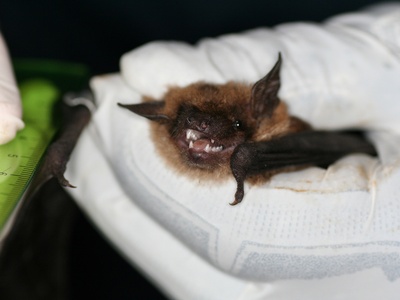
Big brown bat
Robust insect-eating bat that roosts in buildings and tree cavities. Big brown bats forage over open areas and are among the more resilient species to habitat disturbance.
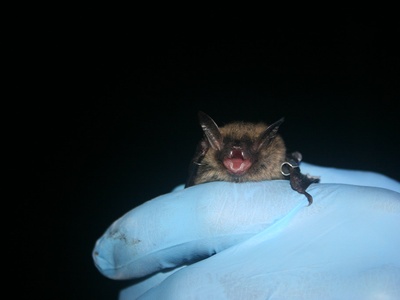
Northern long-eared bat
Forest-dwelling bat that roosts in trees and snags. Northern long-eared bats are threatened by white-nose syndrome and forest loss, reducing summer roosting habitats.
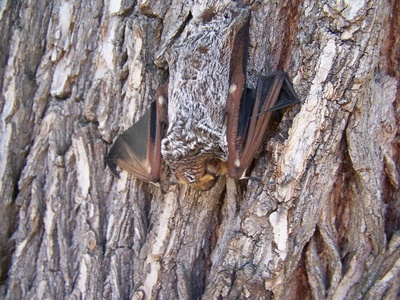
Hoary bat
Long-distance migratory tree-roosting bat. Hoary bats are solitary, feed on moths and are often found in forest edges during migration and summer.
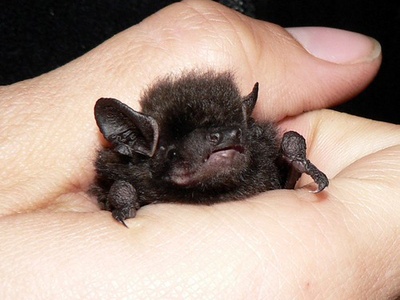
Silver-haired bat
Migrate and forage in forested areas; often caught on the wing. Silver-haired bats eat flying insects and use tree cavities for roosting.
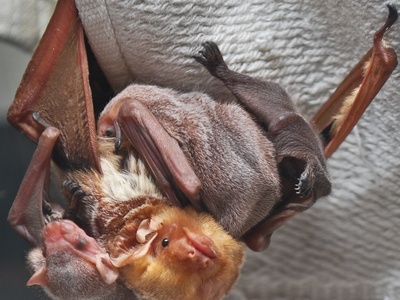
Eastern red bat
Tree-roosting migratory bat of southern woodlands. Eastern red bats migrate seasonally and are seen more in warmer months; they roost singly in foliage.
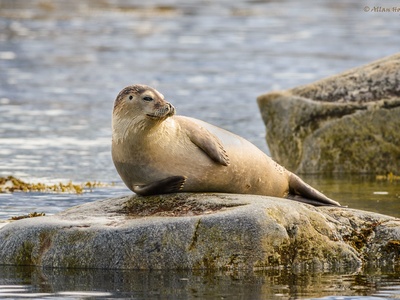
Harbour seal
Common coastal seal in bays and estuaries. Harbour seals haul out on rocks and beaches, feed on fish, and are a frequent sight near shorelines.
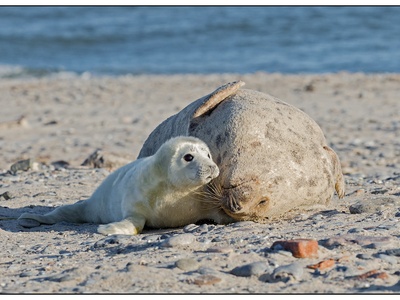
Grey seal
Large Atlantic seal that breeds on rocky islands and coasts. Grey seals form large colonies and consume fish; population recovery has been strong in eastern Canada.
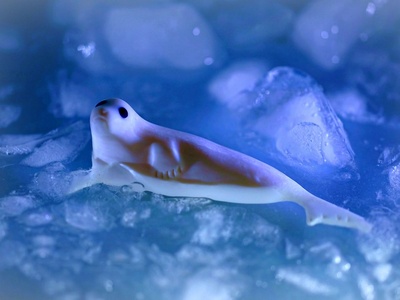
Harp seal
Ice-breeding seal of sub-Arctic seas. Harp seals migrate and form massive whelping aggregations on pack ice; they are central to North Atlantic marine ecosystems and fisheries debates.
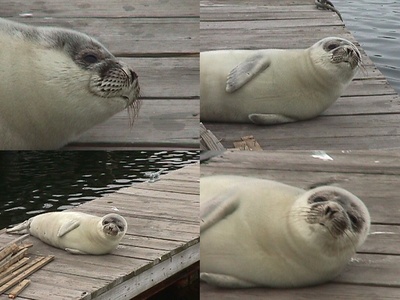
Hooded seal
Large ice-breeding seal with unique neonatal features. Hooded seals have restricted breeding sites and deep-diving foraging behavior; they are less numerous than some other seal species.
Ringed seal
Small ice-associated seal crucial to Arctic food webs. Ringed seals create breathing holes in ice and are primary prey of polar bears, sensitive to sea-ice loss.
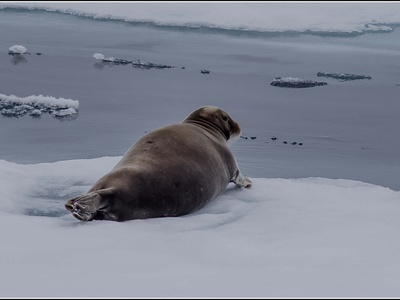
Bearded seal
Large whiskered seal of Arctic and sub-Arctic floes. Bearded seals feed on benthic invertebrates and are important for indigenous communities’ subsistence.
Spotted seal
Pacific and Arctic spotted seals occurring in northern and Pacific waters. Spotted seals use coastal haul-outs and are affected by sea-ice dynamics and human disturbance.
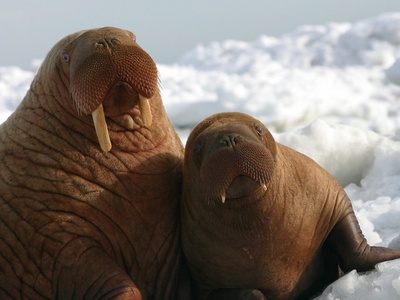
Walrus
Large tusked pinniped of Arctic coasts and ice floes. Walruses feed on benthic invertebrates and haul out on ice or beaches; they are culturally significant to northern peoples.
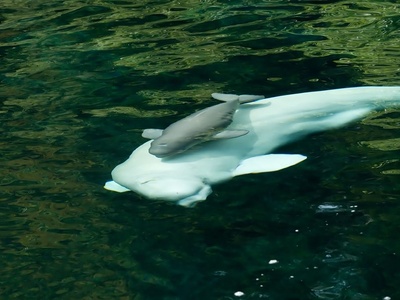
Beluga
White “sea canary” of Arctic and sub-Arctic estuaries. Belugas form coastal aggregations, are vocal, and important culturally and ecologically; many populations are monitored for health and contaminants.
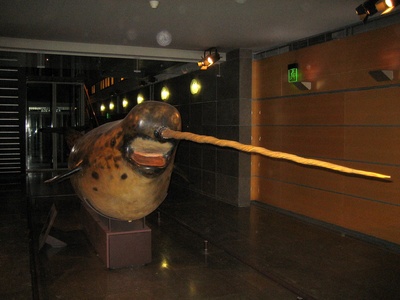
Narwhal
Toothed whale of the high Arctic noted for male tusk. Narwhals use deep fjords and pack-ice regions seasonally; they are vulnerable to climate-driven habitat changes and increased human activity.
Bowhead whale
Arctic baleen whale with massive head for breaking ice and filter-feeding. Bowheads have long lifespans and were heavily hunted historically; populations are recovering under protection.
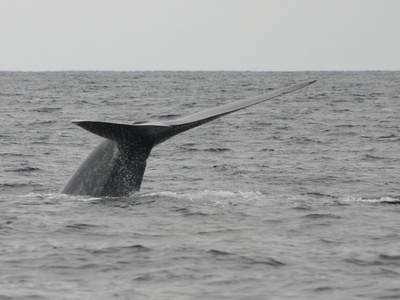
Blue whale
World’s largest animal, feeding on tiny krill in deep waters. Blue whales occur seasonally in productive Canadian ocean regions and are endangered from historical whaling and ship strikes.
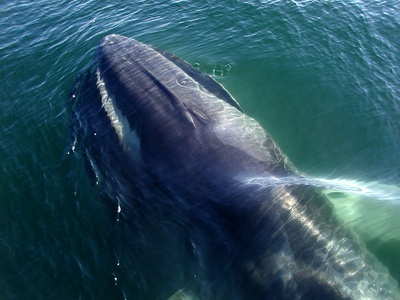
Fin whale
Large fast-swimming baleen whale in both Pacific and Atlantic waters. Fin whales feed on fish and krill and are less numerous than historically due to whaling.
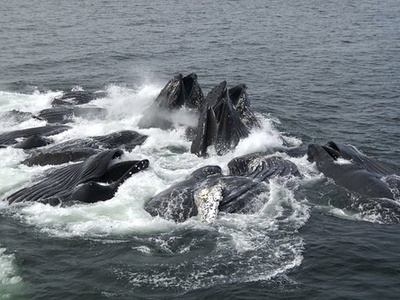
Humpback whale
Acrobatic baleen whale known for breaching and songs. Humpbacks feed in Canadian waters seasonally and have benefited from protection, showing signs of recovery.
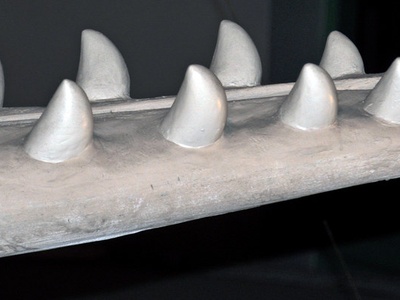
Sperm whale
Large toothed whale that dives deeply for squid. Sperm whales occur offshore in Canadian deep waters; they have distinctive massive heads and social groups.
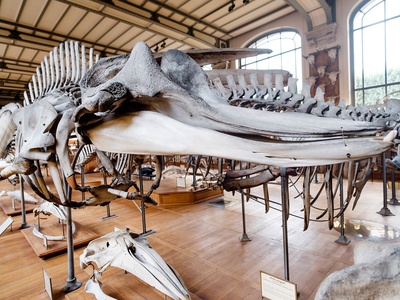
Northern bottlenose whale
Deep-diving beaked whale of the North Atlantic. Northern bottlenose whales inhabit canyons and are notable for long dives and sensitivity to sonar and disturbance.
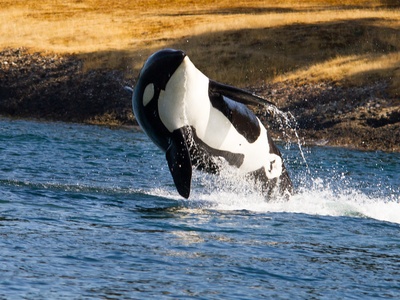
Killer whale
Apex marine predator with distinct ecotypes (residents, transients). Killer whales frequent coastal and offshore waters; some populations are resident and culturally knowledgeable about local prey.
Harbour porpoise
Small porpoise of coastal waters and estuaries. Harbour porpoises are shy, feed on small fish, and are sensitive to gillnet bycatch and noise pollution.
Dall’s porpoise
Fast, black-and-white porpoise of the North Pacific. Dall’s porpoises ride bow waves and are common offshore of British Columbia, often seen in pods.
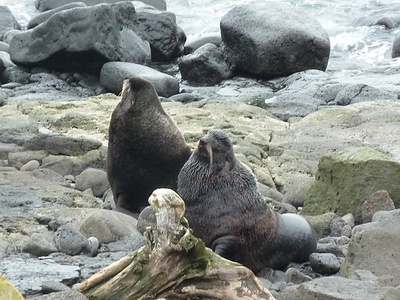
Northern fur seal
Pelagic pinniped that breeds on islands in the North Pacific; northern fur seals use Canadian waters seasonally for foraging and migrations.
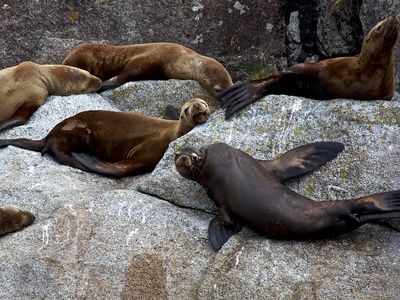
Steller sea lion
Large sea lion of the North Pacific, found along western Canadian coasts. Steller sea lions use rocky haul-outs and forage extensively; some local populations are monitored for declines.
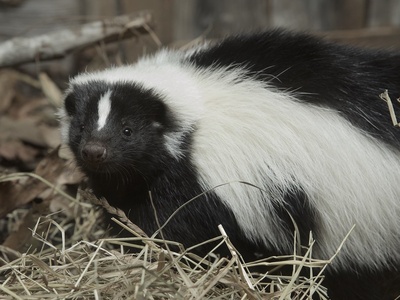
Striped skunk
Nocturnal omnivore noted for its defensive scent spray. Striped skunks live in fields and near humans, feeding on insects, eggs and small vertebrates; common and adaptable.
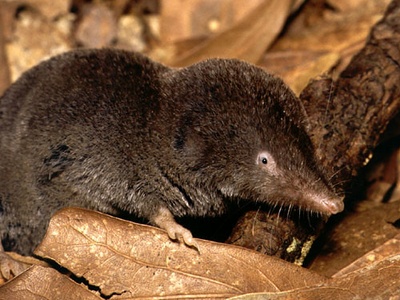
Short-tailed shrew
Insectivorous shrew of moist woods and fields. Short-tailed shrews have venomous saliva to subdue prey and high metabolic rates, influencing local invertebrate and small-vertebrate communities.
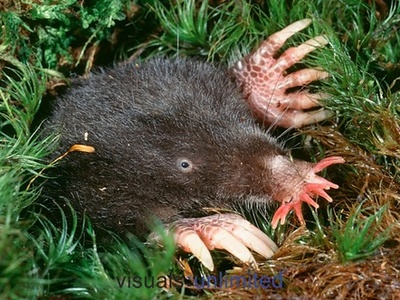
Star-nosed mole
Wetland and lowland mole with a unique star-shaped nose for tactile foraging. Star-nosed moles forage underwater and in saturated soils, consuming invertebrates and small prey.
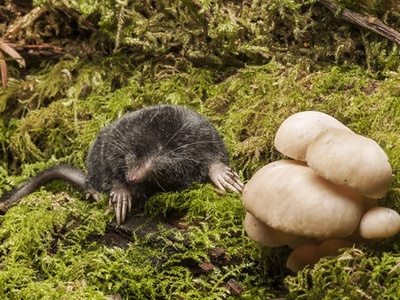
American shrew mole
Small western mole associated with moist forest floors. American shrew moles forage in shallow soils and are seldom seen above ground, reflecting rich microhabitats.
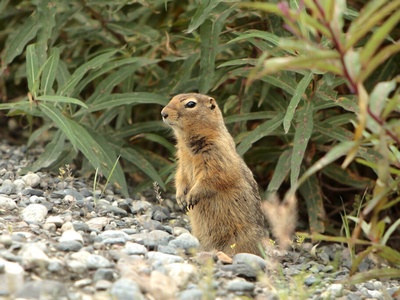
Arctic ground squirrel
Tundra ground squirrel that hibernates long winters beneath permafrost-influenced soils. Arctic ground squirrels have social colonies and are important prey for Arctic predators.
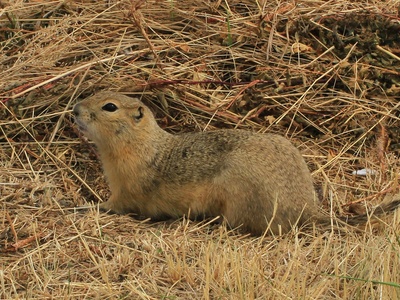
Richardson’s ground squirrel
Prairie ground squirrel occupying grasslands and agricultural areas. Richardson’s squirrels dig burrows and have colony dynamics, sometimes considered pests by farmers.
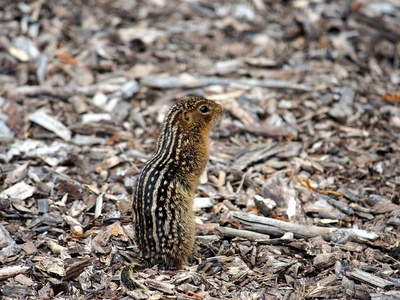
Thirteen-lined ground squirrel
Striped prairie squirrel of grasslands and road edges. Thirteen-lined ground squirrels hibernate and are prominent burrowers influencing soil and plant communities.
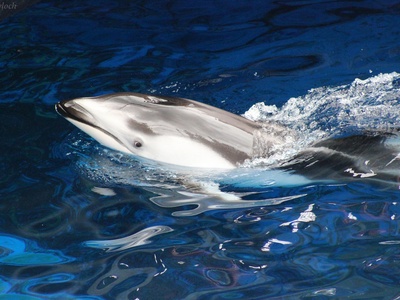
Pacific white-sided dolphin
Energetic offshore dolphin frequenting Pacific Canadian waters. Pacific white-sided dolphins form large pods and are common in productive coastal upwellings near British Columbia.
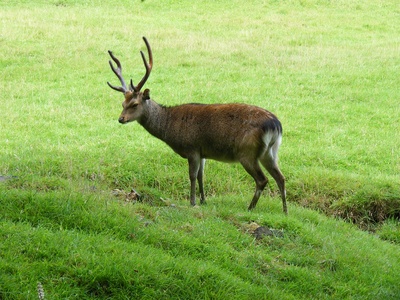
Sika deer
Introduced East Asian deer with established populations on Vancouver Island and parts of coastal BC. Sika deer occupy forest understories and are managed due to hybridization and habitat impacts.