Bahrain’s islands and surrounding waters host a surprising mix of wildlife despite the country’s small size and urban development. From coastal mangroves and offshore seagrass beds to city gardens and desert fringes, mammals turn up in marine, rural and built environments.
There are 18 Mammals of Bahrain, ranging from Black rat to Spinner dolphin. For each species the list includes these columns: Scientific name, Status in Bahrain: Presence: native / introduced / vagrant / marine; confidence (confirmed or uncertain), and Habitat and where found — you’ll find below.
Are any of Bahrain’s mammals protected or of conservation concern?
Some species have regional or international protection (for example marine mammals like dolphins are often covered by protection measures), while others are common or locally introduced. Conservation status varies by species and is best checked against IUCN listings and local regulations; the list below flags presence and confidence to help prioritize which records warrant attention.
How were introduced or vagrant species determined in the list?
Presence categories rely on published records, museum specimens, vetted observations and published surveys; “introduced” indicates human-mediated arrival, “vagrant” denotes rare or accidental occurrences, and each entry notes whether the record is confirmed or uncertain to reflect the strength of evidence.
Mammals of Bahrain
| Common name | Scientific name | Status in Bahrain: Presence: native / introduced / vagrant / marine; confidence (confirmed or uncertain) | Habitat and where found |
|---|---|---|---|
| Dugong | Dugong dugon | marine; confirmed | Shallow coastal seagrass beds around Bahrain, especially southern shores and near islands |
| Indo-Pacific bottlenose dolphin | Tursiops aduncus | marine; confirmed | Coastal and nearshore waters, bays and shipping channels around Bahrain |
| Spinner dolphin | Stenella longirostris | marine; uncertain | Offshore waters of the Persian Gulf near Bahrain; occasional vagrant sightings |
| House mouse | Mus musculus | introduced; confirmed | Urban areas, homes, ports, farms and gardens across Bahrain |
| Black rat | Rattus rattus | introduced; confirmed | Ports, historic districts, roofs, warehouses and coastal storage sites |
| Brown rat | Rattus norvegicus | introduced; confirmed | Urban sewers, markets, agricultural areas and coastal wharves |
| Feral cat | Felis catus | introduced; confirmed | Urban neighborhoods, fishing villages, islands and farms near human settlements |
| Domestic dog | Canis lupus familiaris | introduced; confirmed | Urban neighborhoods, peri-urban outskirts, farms and some islands (strays observed) |
| Dromedary camel | Camelus dromedarius | introduced; confirmed | Farms, desert margins, cultural sites and occasional roaming on outskirts and islands |
| Goat | Capra hircus | introduced; confirmed | Farms, peri-urban areas and some feral individuals on less-inhabited islands and outskirts |
| Sheep | Ovis aries | introduced; confirmed | Farms, agricultural holdings, markets and peri-urban areas |
| Cattle | Bos taurus | introduced; confirmed | Farms and agricultural holdings, occasional grazing on outskirts |
| Donkey | Equus asinus | introduced; confirmed | Rural farms, historical sites, tourist areas and occasional feral individuals |
| Horse | Equus caballus | introduced; confirmed | Stables, racetracks, equestrian centers, private holdings; not wild |
| Kuhl’s pipistrelle | Pipistrellus kuhlii | native; confirmed | Urban areas, date plantations, gardens and buildings; roosts in crevices and old structures |
| Lesser mouse-tailed bat | Rhinopoma hardwickii | native; uncertain | Desert fringes, rocky outcrops and older structures on islands; sparse, localized records |
| Desert hedgehog | Paraechinus aethiopicus | native; uncertain | Scrub, arid fringes, palm groves and undeveloped islands; occasional records |
| Cheesman’s gerbil | Gerbillus cheesmani | native; uncertain | Sandy patches, dunes and scrub on some islands and undeveloped coastal fringes |
Images and Descriptions
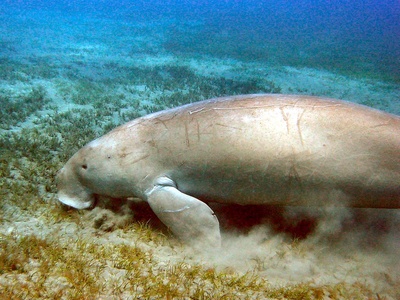
Dugong
Large, gentle sirenian that grazes seagrass; rare but regularly recorded in Bahrain’s seagrass meadows. Vulnerable globally, best chances to see them from boat trips around quieter southern islands and shallow bays.
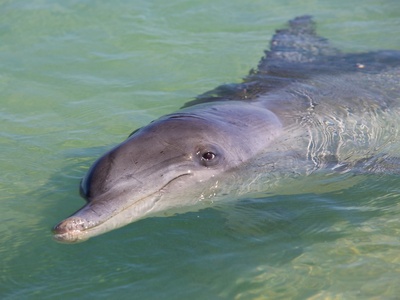
Indo-Pacific bottlenose dolphin
Coastal dolphin often seen in small groups near Bahrain’s shores. Intelligent and acrobatic, commonly spotted from ferries and small boats; an iconic local marine mammal studied by regional researchers.
Spinner dolphin
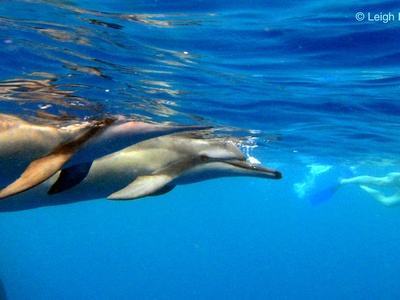
Slender, fast dolphins known for aerial spinning leaps; recorded occasionally in Bahrain’s territorial waters as vagrants. Less common than coastal species, sightings are unpredictable on offshore trips.
House mouse
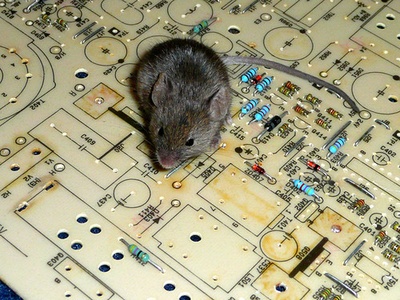
Tiny commensal rodent ubiquitous in towns and ports. Thrives in human-built environments, common in homes, markets and agricultural stores. Abundant and a frequent nuisance species.

Black rat
Agile, climbing rodent closely tied to human settlements. Black rats inhabit roofs, warehouses and gardens in Bahrain’s older districts and port areas, often spread by shipping and trade.
Brown rat
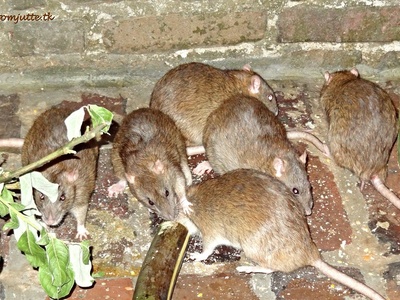
Larger, burrowing rat common in seaport and urban environments. Found around markets, sewers and storage areas; often dominant in wetter, low-lying parts of towns.
Feral cat
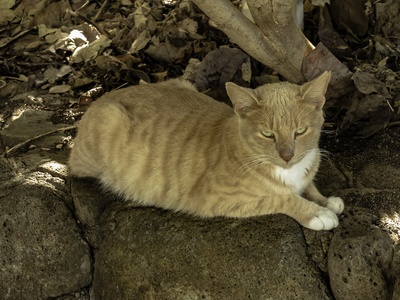
Feral and free-roaming cats are widespread in Bahrain, thriving on refuse and small prey. Common around markets, ports and islands, with notable impacts on local bird and reptile populations.
Domestic dog
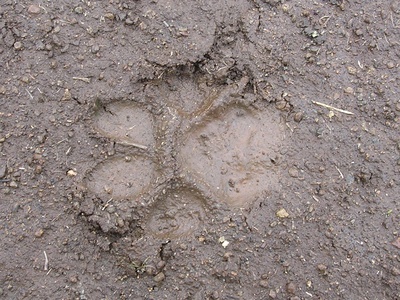
Domestic dogs are common as pets and working animals; stray populations occur in urban and peri-urban areas. Seen near settlements and markets — generally familiar to people but sometimes territorial.
Dromedary camel
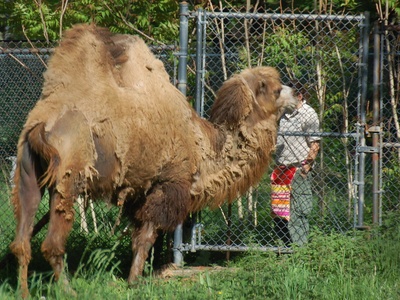
The one-humped camel is part of Bahrain’s cultural heritage; kept for racing, transport and tourism. Seen around farms, desert edges and at public events, well adapted to arid conditions.
Goat
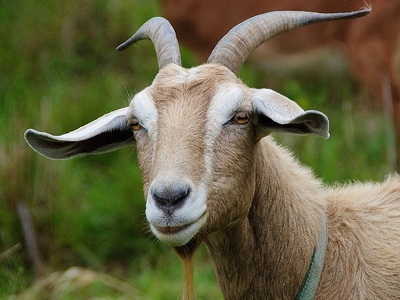
Domestic goats are common livestock; feral or free-ranging individuals occur on islands and scrubby outskirts. Hardy browsers that can alter native vegetation where populations are unmanaged.
Sheep
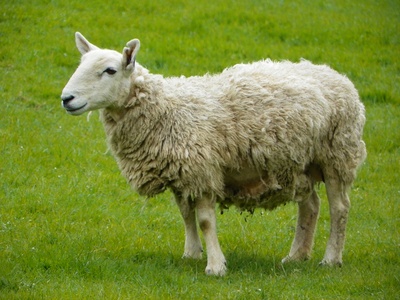
Sheep are widespread livestock used for meat and cultural purposes. Found on farms and smallholdings across Bahrain; not wild but numerous and important to local agriculture and cuisine.
Cattle
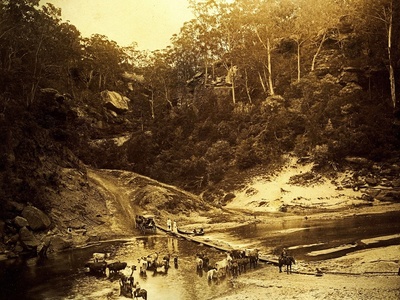
Domestic cattle are kept in small herds for dairy and meat. Mostly managed on farms and holdings; established as part of Bahrain’s agricultural sector.
Donkey
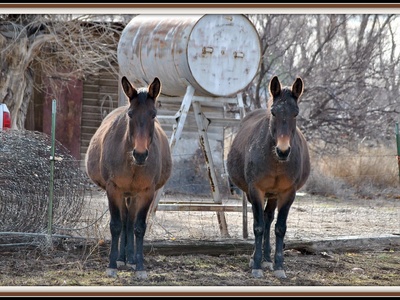
Donkeys are traditional working animals found on farms and near older villages. Once common for transport, they remain visible around rural areas and cultural heritage sites.
Horse
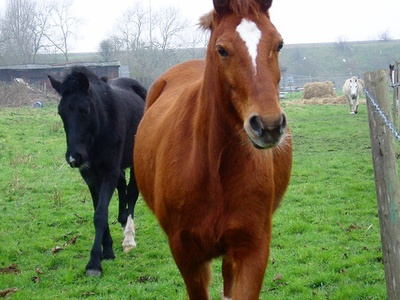
Horses are prominent in Bahrain’s sporting and cultural life, kept at racetracks and private stables. They are domestic but very visible in equestrian events and national traditions.
Kuhl’s pipistrelle
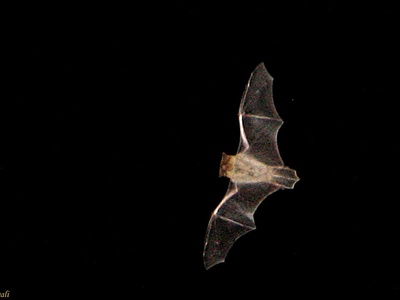
Small insectivorous bat common across the Gulf. Found in cities and near palms in Bahrain, active at dusk hunting insects. Roosts in buildings and is often the most frequently encountered bat.
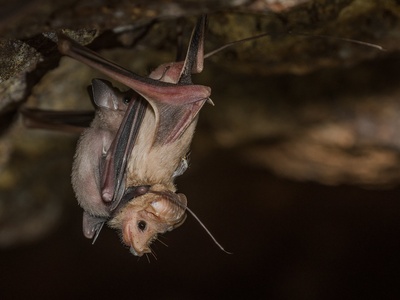
Lesser mouse-tailed bat
Distinctive bat with a long tail projecting beyond the tail membrane; a desert-adapted insectivore. Reports from Bahrain exist but are scarce, so its local status needs further study.
Desert hedgehog
Small nocturnal insectivore adapted to hot deserts. Hedgehogs are known from neighboring regions; sightings in Bahrain are occasional and would benefit from targeted surveys for confirmation.
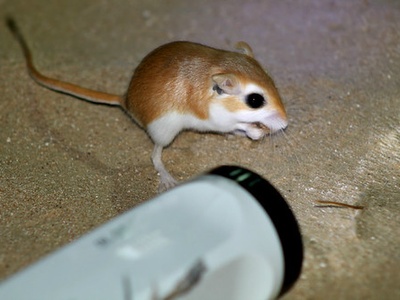
Cheesman’s gerbil
Small burrowing rodent typical of Arabian deserts; credible but sparse records suggest occasional populations in sandier islands and undeveloped areas in Bahrain, often overlooked by casual observers.