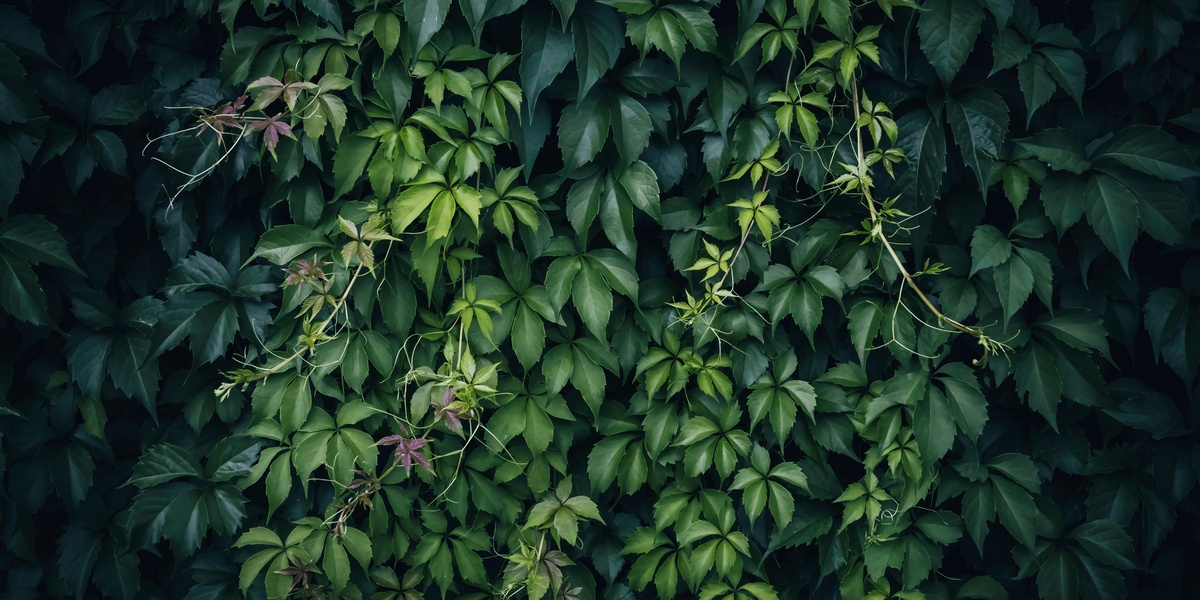
English ivy (Hedera helix) arrived in North America with European colonists in the 1600s and quickly became a familiar sight on old brick buildings and in shady gardens. Over the centuries the vine and its cousin have shaped campus quads and urban streetscapes alike: picture a stone wall cloaked in deep green year‑round beside a university façade that lights up red in October when the other vine takes its turn in the spotlight.
That visual overlap leads to real confusion when people decide what to plant, how to manage vines on buildings and trees, or whether a stand of groundcover needs removal. Though both are called “ivy” and often used for covering walls and ground, English ivy and Boston ivy are different plants with distinct leaves, climbing methods, seasonal behavior, ecological impacts, and maintenance needs — and knowing those differences matters for gardeners, homeowners, and urban planners. When gardeners compare english ivy vs boston ivy, the right choice depends on site, desired seasonal interest, and long‑term management plans.
Appearance and Growth Habits
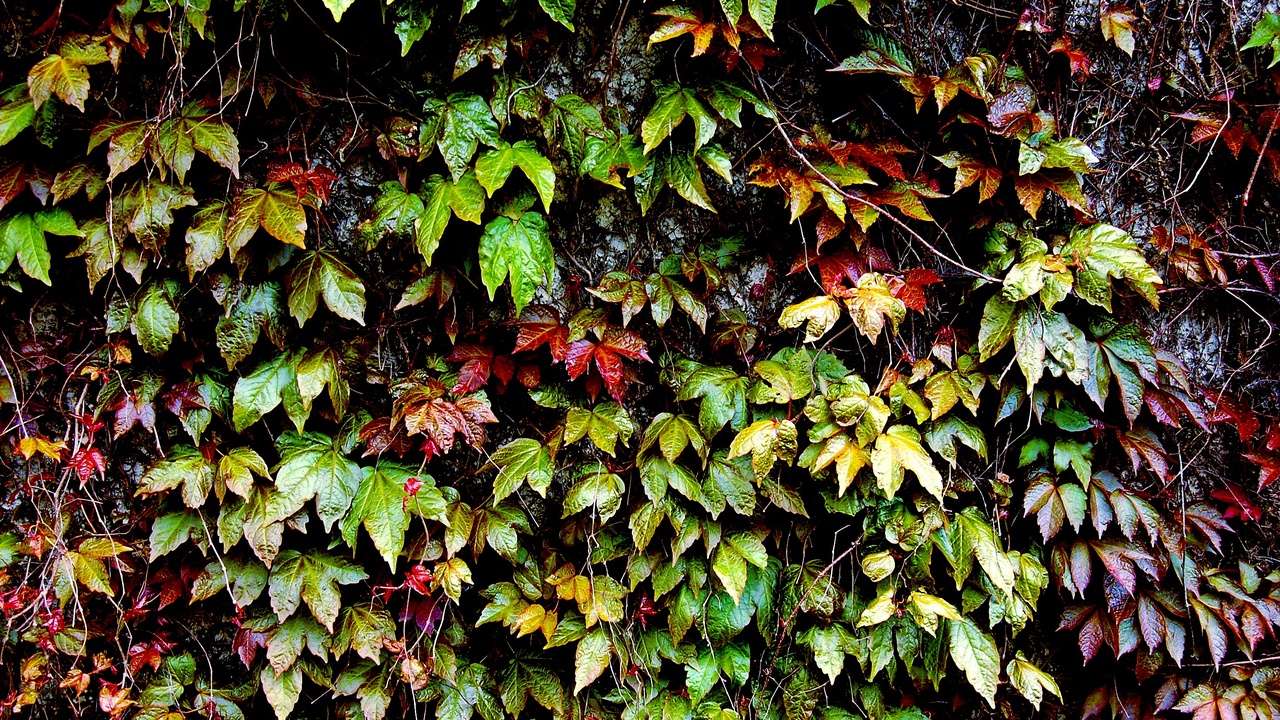
This category covers what you can see at a glance and how each vine actually climbs. English ivy displays evergreen, lobed leaves that form dense mats, while Boston ivy (Parthenocissus tricuspidata) has simpler, usually three‑lobed leaves that are deciduous and flash color in autumn. Use botanical references like the Royal Horticultural Society or the Missouri Botanical Garden for photos and regional advice.
Both vines can climb high in favorable conditions — generally around 6–10 m (20–33 ft) on façades and trees — but they look and behave differently up close, which affects identification and management.
1. Leaf shape and texture
English ivy has glossy, leathery, deeply lobed leaves that stay green through winter; individual leaves are often about 2–8 cm across. Boston ivy bears simpler leaves that are usually three‑lobed but sometimes nearly unlobed; they tend to be thinner and more papery, typically 5–12 cm across. In autumn Boston ivy commonly turns shades of red, orange, and purple (September–November in many temperate zones), while English ivy remains green.
Tactile differences help identification too: run your hand over a shady stone wall and the leatheriness of Hedera helix is obvious, whereas a sunlit brick façade covered in Parthenocissus will feel lighter and show seasonal color shifts.
2. Climbing method and adhesive structures
English ivy climbs with countless tiny aerial rootlets that cling in crevices and to rough surfaces; those rootlets can be tenacious and leave residue when removed. Boston ivy climbs by tendrils that end in small, circular adhesive pads which stick to smooth masonry.
Both can reach roughly 6–10 m (20–33 ft) under good conditions, but their attachments have different practical consequences: removing English ivy from tree trunks or porous stone often risks bark or mortar damage unless cut at the base and worked off carefully, while adhesive pads from Boston ivy can often be scraped or softened away with less structural harm (though staining or mortar residue can still occur). Extension offices and campus facilities often note these differences when planning removals.
3. Seasonal behavior: evergreen versus deciduous
The core seasonal distinction is simple: English ivy is usually evergreen, providing winter screening and year‑round green texture; Boston ivy is deciduous and drops leaves in autumn, offering bright fall color and increased winter light on façades once leaves are gone.
In many temperate regions English ivy is hardy in USDA zones roughly 4–9, while Boston ivy commonly fares well in zones 4–8. Choose English ivy for continuous coverage in shaded spots; pick Boston ivy where seasonal interest and winter light are priorities.
Ecology and Behavior
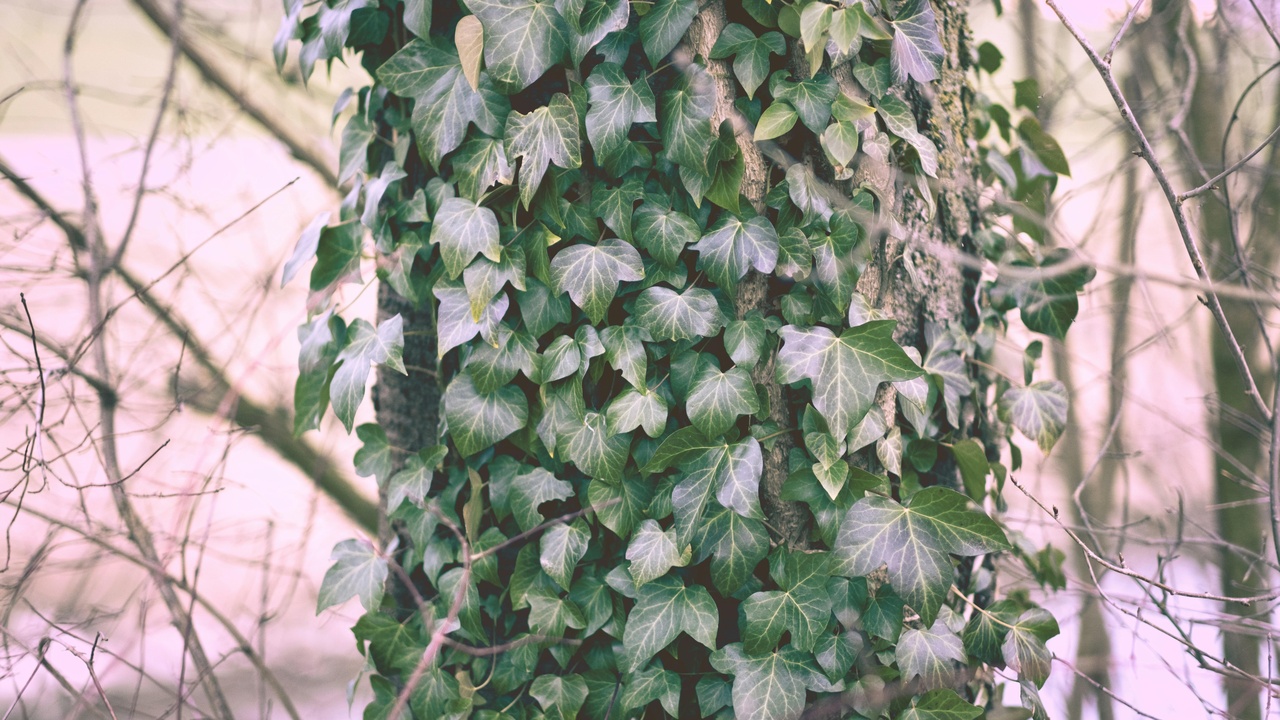
Look beyond appearances: these vines interact with ecosystems in different ways. English ivy is regarded as invasive in parts of the U.S. and can form dense mats that suppress native plants and seedling recruitment. Boston ivy is less commonly labeled invasive, but it can naturalize in some areas. Both provide wildlife value — berries and shelter — yet their long‑term impact on biodiversity and structure health varies. State extension services and park managers often weigh these trade‑offs when recommending planting or removal.
4. Invasiveness and ecological impact
English ivy is listed as invasive in regions such as the Pacific Northwest and portions of the mid‑Atlantic, where municipal crews and volunteer groups run removal programs to protect native understory and tree regeneration. Dense mats of Hedera helix can suppress native herbaceous plants and seedlings and make restoration harder.
Boston ivy rarely forms the same thick groundcover, though it can naturalize along edges. Practical control for invasive stands is to cut vines at the base, remove climbing sections once they die, and dispose of clippings responsibly so they don’t re‑root.
5. Wildlife interactions and seasonal food value
Both species produce small flowers and fruits that attract birds. English ivy blooms in late summer and produces blue‑black berries that often mature in winter, providing food for thrushes and cedar waxwings. Boston ivy also yields small fruits eaten by birds during colder months.
Those berries are valuable when other food is scarce, but dense, long‑standing ivy beds can reduce plant diversity and thus long‑term habitat quality for insects and ground‑foraging species. Audubon and local extension offices discuss this trade‑off when advising urban wildlife plantings.
6. Disease and pest susceptibility
Each vine has its typical pests and pathogens. English ivy often shows problems like leaf spot and scale insects; Boston ivy can develop powdery mildew or fungal leaf diseases in persistently humid sites. Good cultural care reduces pressure.
Inspect vines at least twice during the growing season and prune annually to improve air circulation. For scale on ivy, horticultural oil applications are a standard extension‑recommended treatment, while improving airflow and avoiding overhead irrigation help limit fungal issues on Boston ivy.
Practical Uses, Maintenance, and Landscaping
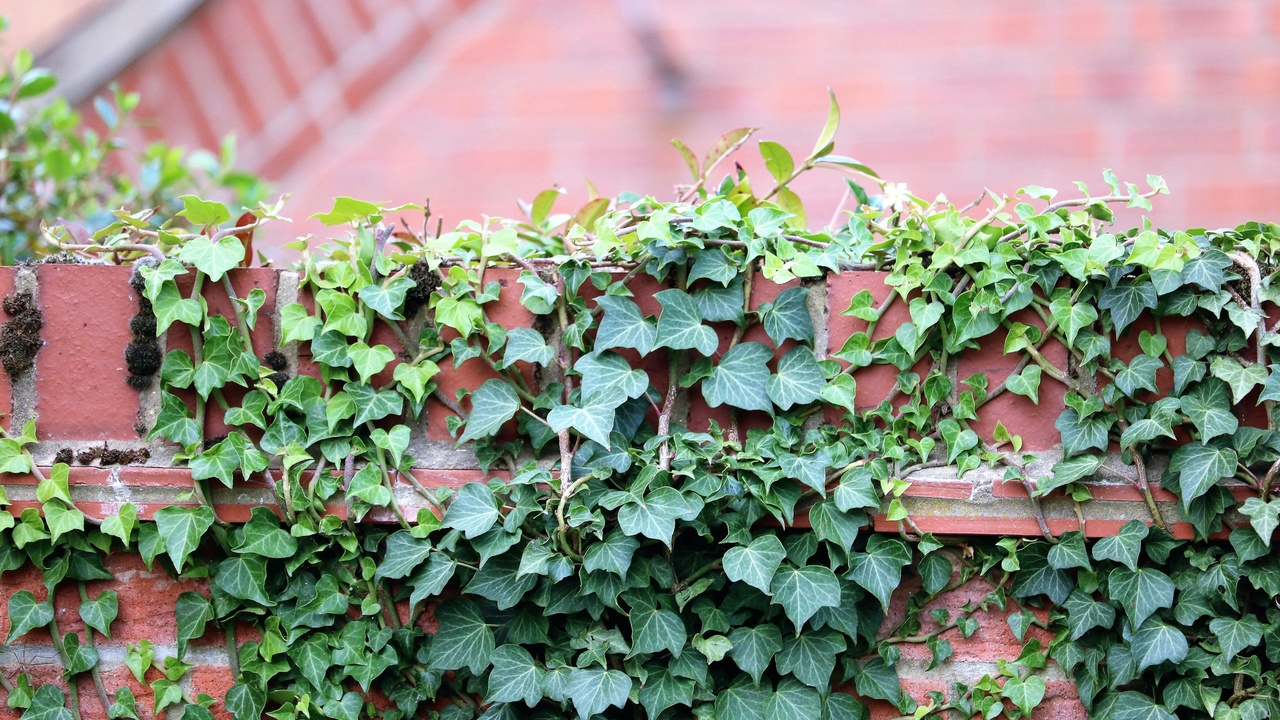
Choosing between the two comes down to site conditions, desired function, and willingness to maintain or remove the vine later. English ivy serves well as an evergreen groundcover in shade and for screening; Boston ivy is a common choice for masonry façades when seasonal color and a climbing specimen are desired. Both can live for decades with basic care, but they require different ongoing attention.
7. Uses in landscaping and architecture
Boston ivy is often the go‑to for architectural character—think brick buildings on college campuses that blaze red in autumn—because it clings to masonry and shows dramatic seasonal color. English ivy is frequently used on shaded slopes and under trees to suppress weeds and provide year‑round green; it can form mats several metres across if left unchecked.
Avoid planting either vine directly against historic stonework or on mature tree trunks without a clear management plan, since both can complicate future repairs or damage bark over time.
8. Care requirements and longevity
English ivy prefers shade and steady moisture and needs periodic pruning to prevent smothering other plants. Boston ivy tolerates full sun to partial shade and benefits from late‑winter pruning to shape and limit spread. Both propagate easily from stem cuttings (a 10–15 cm cutting rooted in moist mix will often take).
Practical rules: inspect vines twice each growing season, prune once annually, remove basal shoots to control spread, and when removing large climbing sections cut at the base and allow upper portions to die before pulling them down to minimize surface damage.
Summary
- Leaf shape and texture give quick ID cues: evergreen, lobed leaves for English ivy; simpler, often three‑lobed leaves and fall color for Boston ivy.
- Climbing structures differ: aerial rootlets on Hedera helix versus adhesive pads on Parthenocissus—this affects removal and potential surface damage.
- Ecological trade‑offs matter: English ivy can be invasive in some regions and suppress native plants; both provide winter berries for birds but long‑term habitat effects differ.
- Choose based on site and goals: use English ivy for year‑round shade screening and Boston ivy for façade interest and seasonal color; inspect and prune regularly, and consult local extension services for invasive‑species guidance.