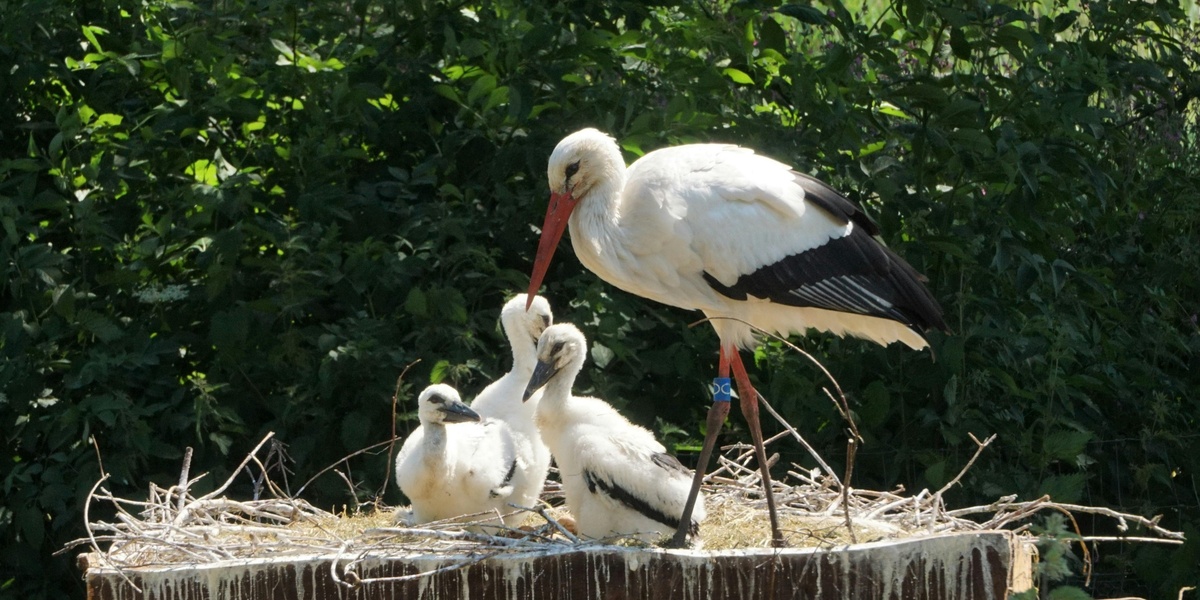
Aukštaitija National Park, established in 1974, was one of Lithuania’s early moves to protect habitats that shelter much of the country’s wildlife. The park’s mosaic of old-growth forest, lakes and wetlands is a good symbol of a small nation doing big work: roughly one-third of Lithuania is still forested, and more than 300 bird species have been recorded across its lakes, deltas and coasts.
That mix of woods, wetlands, meadows and shoreline matters for people as well as animals. These native species provide services like water purification, flood moderation and pest control, they draw nature-minded visitors, and they act as living gauges of landscape health.
Anyone curious about the wildlife of lithuania will find a lot to admire. Below are eight emblematic animals, grouped by habitat—forests, freshwater, birds, and coastal/grassland specialists—that illustrate both the region’s biodiversity and the conservation actions that keep it thriving. Picture a spring morning in the Nemunas Delta: cranes calling over reedbeds as the sun lifts mist from the river—that scene tells you why these places are worth protecting.
Forest Predators and Large Mammals
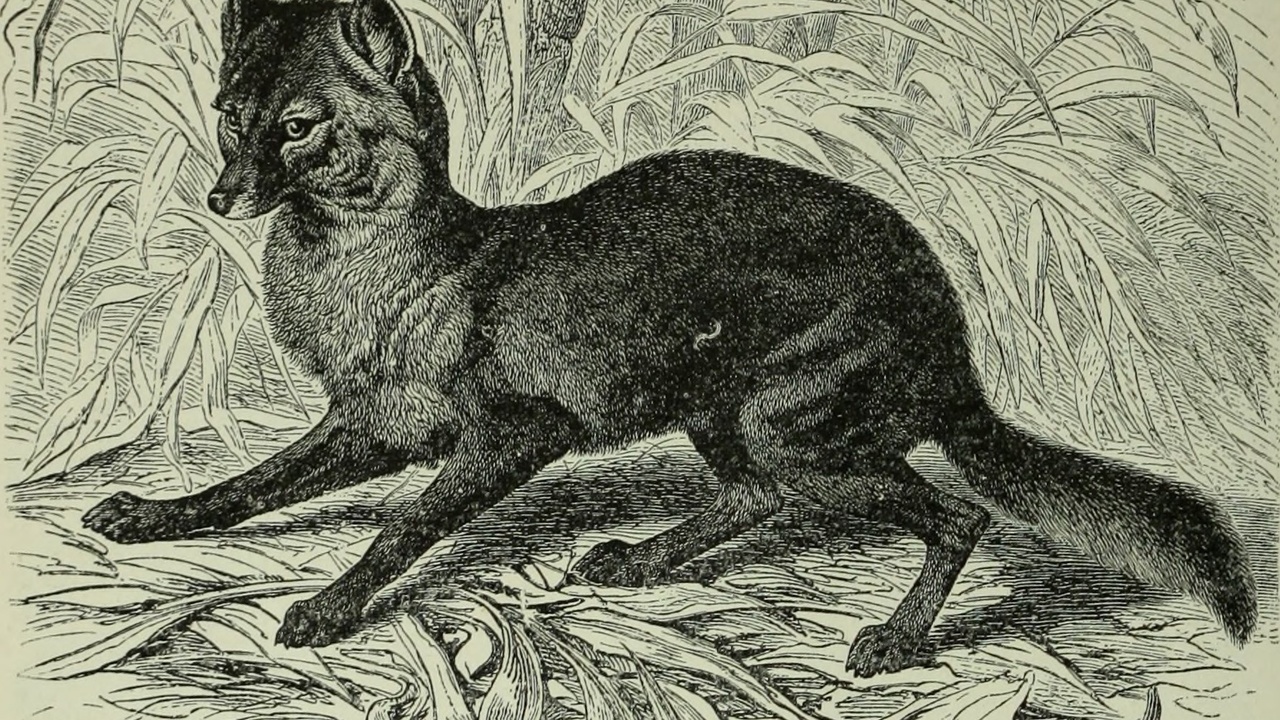
Forests cover roughly one-third of Lithuania and act as refuges for apex predators and sizeable herbivores. Protected areas such as Aukštaitija and Žemaitija National Parks, together with governmental forest monitoring programs, support viable populations and guide sustainable forestry practices. These mammals help maintain ecological balance and are a growing draw for wildlife tourism and scientific study.
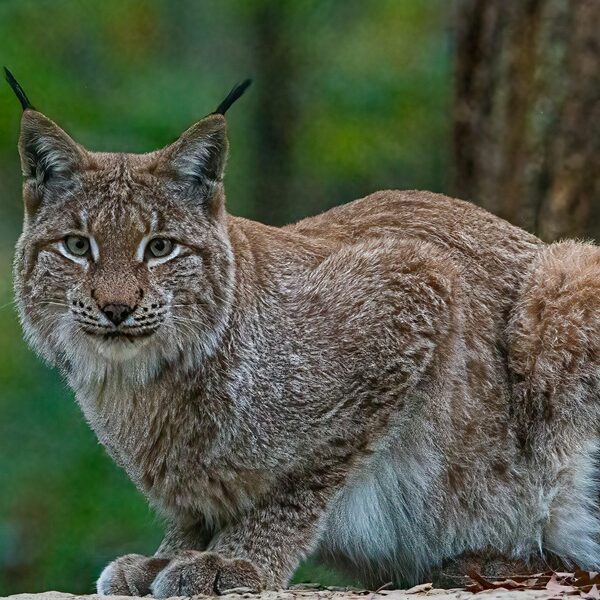
1. Eurasian lynx (Lynx lynx)
The Eurasian lynx is an elusive forest predator present in Lithuania’s woodlands. As an apex carnivore, it helps regulate deer numbers and maintain vegetation balance on the forest floor.
Protection under national law and inclusion in European conservation frameworks have helped local populations stabilize, and camera-trap monitoring across the Baltics shows recovery trends over recent decades. Researchers and park rangers regularly record lynx activity in Aukštaitija and the Žagarė region.
Because lynx require large, connected forest tracts and healthy prey populations, their presence is a practical indicator of forest ecosystem health. Ongoing monitoring—camera traps and field surveys—helps managers tailor corridors and anti-poaching efforts.
2. European bison (Bison bonasus)
Europe’s largest land mammal, the European bison, has become a regional symbol of rewilding. Reintroductions across the Baltics since the late 20th century have re-established breeding herds in protected reserves and managed enclosures.
Lithuania participates in transboundary conservation with Poland and Belarus, tracking genetics and movements to ensure healthy populations. Bison influence forest structure through grazing and browsing, creating a patchwork of open and wooded habitats that benefit many plants and birds.
For visitors, guided bison-watching tours in designated reserves offer a chance to observe these animals safely, while managers balance restoration goals with measures such as fenced release areas and veterinary oversight.
Wetlands and Freshwater Species
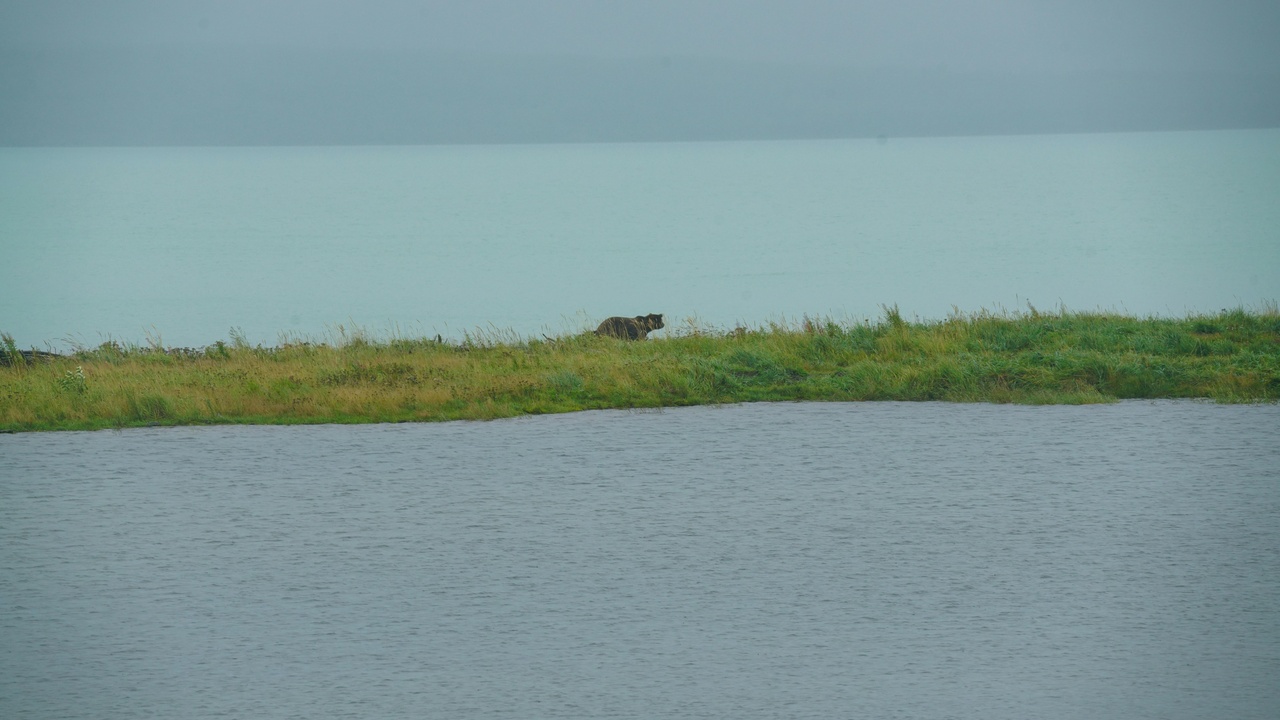
Lakes, rivers and deltas make Lithuania’s wetlands biodiversity hotspots. Areas like Žuvintas Reserve and Nemunas Delta Regional Park are key stops for migrants and refuges for aquatic mammals.
Species such as the otter and beaver deliver tangible ecosystem services: they help maintain water quality, create wetland habitat, and buffer flood peaks. Protected wetland networks also support recreation and local economies through birdwatching and guided nature tours.
3. Eurasian otter (Lutra lutra)
The Eurasian otter is a semi-aquatic mammal found along Lithuania’s rivers, lagoons and larger lakes. Otters are sensitive to pollution and habitat fragmentation, so their presence often signals cleaner waterways.
Sightings are most commonly reported along the Nemunas River and Curonian Lagoon, and regional surveys show localized recoveries where riparian buffers and fish stocks have improved. Protecting riverbanks and reducing contaminants benefit otters as well as fisheries and recreation.
4. European beaver (Castor fiber)
Beavers are keystone ecosystem engineers that build dams, create ponds and increase habitat complexity on streams and small rivers. Their activity boosts local biodiversity by forming wetlands that support birds, amphibians and aquatic plants.
Beaver dams can moderate flows and store water, reducing downstream flood peaks and expanding wetland area. In Lithuania, beavers are documented on numerous local streams; managers sometimes negotiate solutions where dams affect agriculture, balancing ecological benefits with land use.
Monitoring and small-scale mitigation—fish-pass structures or selective dam adjustments—help maintain the benefits of beaver activity while addressing conflicts with landowners.
Avian Icons: Raptors and Migratory Birds

Lithuania is a crucial stopover and breeding ground for hundreds of bird species—more than 300 have been recorded—making it essential for flyway conservation. Sites such as Nemunas Delta and the Curonian Spit (inscribed as a UNESCO cultural landscape in 2000) are internationally important for migration counts and breeding colonies.
These birds are central to the wildlife of lithuania’s appeal: raptors and cranes serve as flagships for conservation, attract birdwatchers in spring and autumn, and indicate the condition of wetlands and coastal food webs.
5. White-tailed eagle (Haliaeetus albicilla)
The white-tailed eagle is a top predator along Lithuania’s coasts and lakeshores. Feeding mainly on fish and waterbirds, it nests on large trees and rocky promontories where food is abundant.
Protections introduced in the late 20th century, together with improving water quality, have supported population recovery across the Baltic region. Nests and regular observations occur around the Curonian Lagoon and in the Nemunas Delta, and local birding tours often focus on eagle-watching.
Healthy eagle numbers reflect intact aquatic food webs and conservation successes in managing pollutants and preserving nesting habitat.
6. Common crane (Grus grus)
The common crane is a conspicuous migratory species that stops and breeds in Lithuania’s wetlands and wet meadows. During peak migration, observers can count hundreds to thousands of cranes at hotspots like the Nemunas Delta.
Seasonal crane-watching events and local guides turn migration into a community attraction, supporting ecotourism and awareness. Reserve managers protect roosting and feeding sites through careful water-level management and by maintaining open meadows.
Cranes also underscore the link between traditional land uses—like late hay cutting—and healthy wet meadow ecosystems.
Grassland and Coastal Specialists
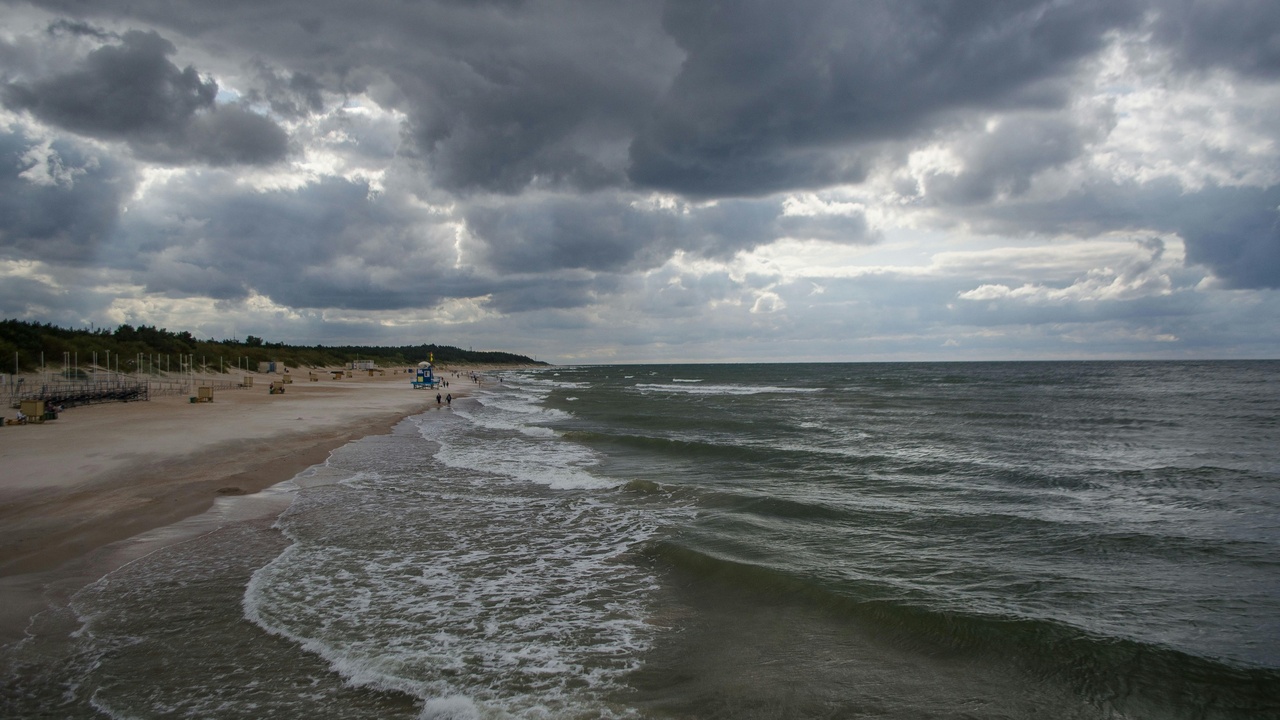
Transitional habitats—coastal dunes, spits and traditional hay meadows—harbor specialist species tied to cultural landscapes and undisturbed shores. Conservation here is often targeted: timing of hay cutting, protection of haul-out beaches, and marine monitoring are typical measures.
Maintaining those practices links biodiversity to rural livelihoods and coastal tourism, while local NGOs and park authorities monitor both birds and marine mammals to guide management.
7. Corncrake (Crex crex)
The corncrake is a secretive meadow bird valued by conservationists across Europe. Its decline stems from earlier mowing dates and loss of traditional hay meadows, but targeted measures can help populations persist.
Agri-environment schemes that delay hay cutting, alongside volunteer surveys that map territories, have been used in Lithuanian meadows to protect nesting birds. Local projects combine farmer payments and outreach so that mowing schedules support both livelihoods and corncrake reproduction.
For birders, listening for the corncrake’s rasping call at dawn is a rewarding sign that meadow management is working.
8. Grey seal (Halichoerus grypus)
The grey seal frequents Baltic coastal waters adjacent to Lithuania, using haul-out sites and offshore islands for resting and breeding. Peak haul-out activity often occurs in late summer and autumn at quieter shorelines of the Curonian Spit and nearby islands.
Seals attract marine wildlife watchers and serve as indicators of coastal ecosystem condition. Local monitoring records occasional strandings and tracks population trends, while marine protected areas and viewing guidelines help reduce disturbance from boats and beach visitors.
Responsible wildlife viewing—keeping distance, using binoculars, and following guide instructions—lets people enjoy seals without stressing them during sensitive periods such as pupping.
Summary
Key takeaways to remember about Lithuania’s natural heritage:
- Habitat diversity—forests, wetlands, meadows and coasts—supports a rich set of native species and underpins ecosystem services.
- Flagship animals like lynx, bison, eagles, cranes, otters, beavers, corncrakes and grey seals highlight different conservation priorities and successes.
- Protected areas and targeted management—Aukštaitija, Žuvintas, Nemunas Delta and the Curonian Spit—have produced measurable recoveries, though threats from development, pollution and changing land use remain.
- Take action locally: visit Nemunas Delta or the Curonian Spit with a licensed guide, support local conservation NGOs, participate in bird counts, and follow responsible wildlife-viewing guidelines.