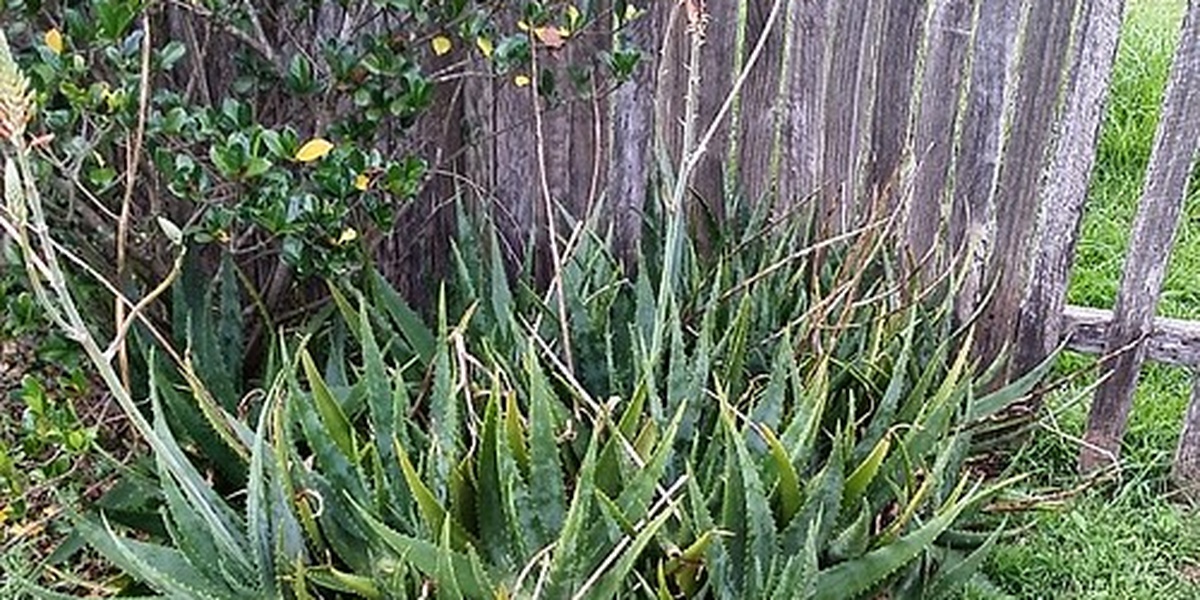
Desert landscapes hide a practical, often overlooked pharmacy: hardy species that survive extremes and have long served local communities for wounds, digestion, inflammation and other common ailments. Knowing which plants to use and where they grow helps make that traditional knowledge useful today.
There are 28 Desert Medicinal Plants, ranging from Acacia gum to Ziziphus. For each entry I list Scientific name,Medicinal use(s),Region/habitat so you can compare traditional uses and growing conditions — you’ll find below.
How can I tell which desert plants are safe to use medicinally?
Start with reputable field guides or local experts; many useful species have toxic lookalikes and effects depend on dose and preparation. Learn identifying features, avoid plants you can’t positively ID, test tiny amounts only after proper preparation, and consult a healthcare provider if you have conditions or take medications.
Can I grow these desert medicinal plants at home?
Yes, many are suitable for containers or xeriscaped gardens if you mimic arid conditions: fast-draining soil, infrequent deep watering, and lots of sun. Source seeds or cuttings from ethical suppliers, learn each species’ needs, and remember cultivation can change potency, so document how you grow and prepare each plant.
Desert Medicinal Plants
| Name | Scientific name | Medicinal use(s) | Region/habitat |
|---|---|---|---|
| Aloe vera | Aloe vera | Topical burn and wound healing | Arid regions worldwide, cultivated deserts |
| Agave | Agave americana | Wound poultice, anti-inflammatory | North American deserts, rocky slopes |
| Prickly pear | Opuntia ficus-indica | Blood sugar support, anti-inflammatory | American deserts, arid plains |
| Creosote bush | Larrea tridentata | Antimicrobial, cold remedy | SW North American deserts, flats and washes |
| Ephedra (Ma huang) | Ephedra sinica | Decongestant, stimulant | Asian and N. American arid regions, sandy soils |
| Yucca | Yucca schidigera | Anti-inflammatory, joint pain | SW deserts, dry slopes and washes |
| Jojoba | Simmondsia chinensis | Skin emollient, wound care | North American deserts, sandy soils |
| Mesquite | Prosopis glandulosa | Astringent, digestive tonic | SW deserts, dry riverbanks and plains |
| Neem | Azadirachta indica | Antiseptic, antiparasitic | South Asian arid regions, dry plains |
| Frankincense | Boswellia sacra | Anti-inflammatory, respiratory support | Arabian Peninsula arid hills and rocky slopes |
| Myrrh | Commiphora myrrha | Antiseptic, oral health | Arabian and Somali arid regions, dry hills |
| Guggul | Commiphora wightii | Lipid lowering, anti-inflammatory | Indian drylands, rocky scrub |
| Caper | Capparis spinosa | Digestive aid, anti-inflammatory | Mediterranean and Middle Eastern arid slopes |
| Ziziphus | Ziziphus spina-christi | Wound healing, mild analgesic | Arabian/North African deserts, wadis |
| White wormwood | Artemisia herba-alba | Digestive tonic, antimicrobial | North African and SW Asian deserts, stony plains |
| Acacia gum | Acacia senegal | Demulcent, diarrhea relief | Sahelian and arid thorn scrub, dry plains |
| Khat | Catha edulis | Stimulant, fatigue relief | Horn of Africa and Arabian highlands, arid highlands |
| Syrian rue | Peganum harmala | Antimicrobial, ritual fumigant | Middle Eastern and Central Asian deserts, saline flats |
| Eucalyptus | Eucalyptus camaldulensis | Expectorant, antiseptic | Australian arid river corridors and drylands |
| Rabbitbrush (desert tea) | Ericameria nauseosa | Cold remedy, digestive tea | Great Basin and Intermountain deserts, sandy flats |
| Syrian poppy (prickly poppy) | Argemone mexicana | Skin ailments, antimicrobial | Arid and disturbed soils in tropics and subtropics |
| Big sagebrush | Artemisia tridentata | Respiratory, antiseptic steam | Western North American deserts, foothills and plains |
| Desert cistanche | Cistanche deserticola | Tonic for vitality, kidney support | Gobi and Central Asian deserts, sandy soils |
| Licorice | Glycyrrhiza glabra | Demulcent, sore throat relief | Mediterranean and West Asian drylands |
| Moringa | Moringa oleifera | Nutrient tonic, anti-inflammatory | Tropical arid regions, Sahel and Indian drylands |
| Saltbush | Atriplex canescens | Digestive remedy, topical wash | Desert and semi-arid Americas, salty soils |
| Desert globe mallow | Sphaeralcea ambigua | Anti-inflammatory, wound poultice | SW North American deserts, washes and slopes |
| Bottle tree (Kigelia-like regional) | Kigelia africana | Topical wound and skin care | Arid to semi-arid African regions, riverine drylands |
Images and Descriptions
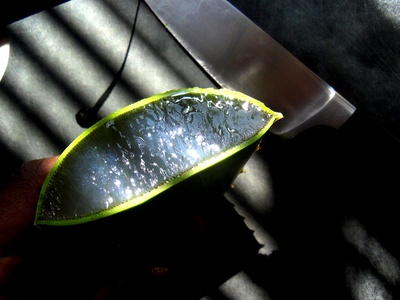
Aloe vera
Inner leaf gel applied topically for burns, minor wounds and skin irritation; gel or fresh pulp used directly or in salves. Generally safe topically, may cause allergic dermatitis; avoid use on deep infected wounds and ingestive dosing needs caution.
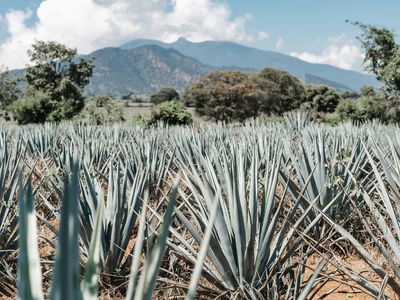
Agave
Sap and roasted leaf/rosette used as poultice for wounds and swelling; roasted heart used traditionally for poultices. Topical use common; raw sap can irritate skin and eyes; ingestive uses vary and may cause GI upset.
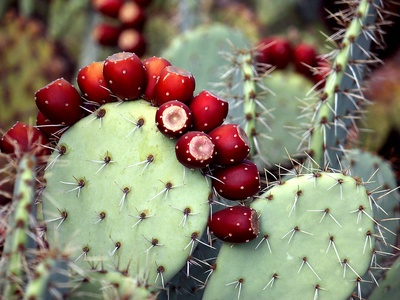
Prickly pear
Pads (nopales) and fruit used fresh, juiced or cooked for inflammation and glycemic support. Pads are eaten or made into teas; mild GI effects possible and may interact with diabetes medications.
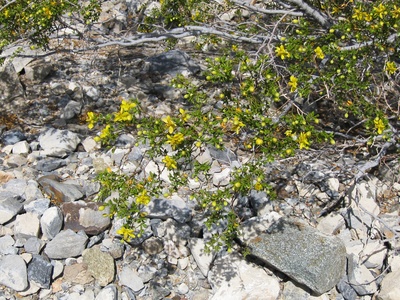
Creosote bush
Leaves brewed as tea or used as poultice for colds, wounds and infections. Strong compounds with antimicrobial activity; long-term internal use linked to liver/kidney toxicity and reproductive risks; use short-term and with caution.
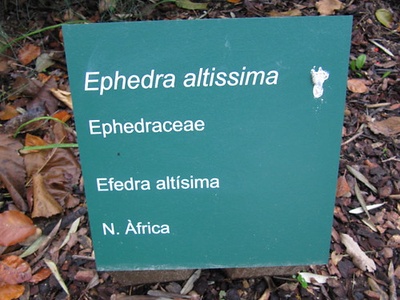
Ephedra (Ma huang)
Stems brewed into teas for bronchial congestion and as stimulant (ephedrine alkaloids). Effective but carries serious cardiovascular and CNS risks; contraindicated in heart disease, hypertension, pregnancy; many jurisdictions regulate use.
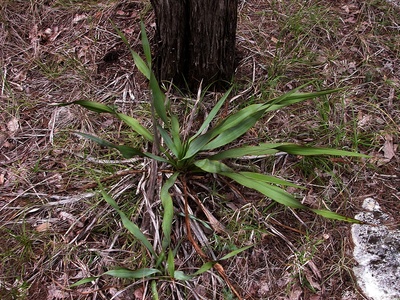
Yucca
Roots used as decoction or poultice for arthritis and skin inflammation; saponin-rich extracts used externally and orally. May cause GI irritation and hemolysis in high doses; avoid self-medicating at high concentrations.
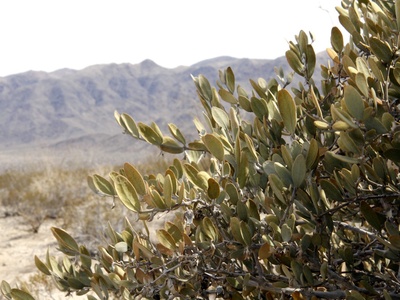
Jojoba
Seed oil used topically as moisturizer and in wound salves; cold-pressed oil applied to dry or damaged skin. Generally safe topically; not for internal use; allergic reactions rare but possible.
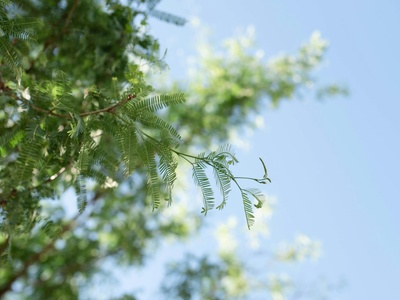
Mesquite
Pods and bark used as poultice or decoction for diarrhea and wound care; pods are ground or boiled for syrups. Generally safe in traditional doses; watch for bitter alkaloids and potential hypoglycemic effects.
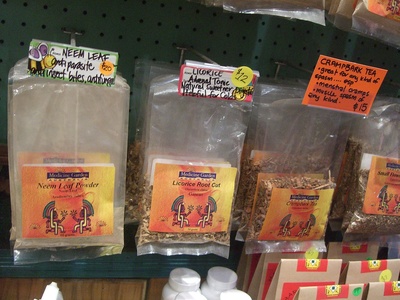
Neem
Leaves, oil and bark used topically for skin infections and internally as antiparasitic decoctions. Effective antimicrobial properties; avoid in pregnancy, infants, and in large internal doses due to toxicity risk.

Frankincense
Resin burned or prepared as tincture/tea for inflammation and breathing issues; boswellic acids used for joint inflammation. Generally well tolerated; may cause mild GI upset and interact with anti-inflammatories.
Myrrh
Resin used as mouthwash, topical antiseptic or diluted tincture for wounds. Traditionally chewed or applied; avoid during pregnancy and in large internal doses; may irritate mucous membranes.
Guggul
Resin taken as extract for cholesterol and inflammation; chewed or processed into tablets. Can interact with thyroid medications and warfarin; may cause GI upset and allergic reactions.
Caper
Buds and leaves used pickled or as decoction for digestive complaints and liver support. Consumed as food or tea; generally safe in culinary amounts; concentrated extracts may cause GI sensitivity.
Ziziphus
Leaves and bark applied as poultice or brewed into tea for wounds, skin and mild pain. Topical use common and usually safe; internal use needs caution if combined with other sedatives.
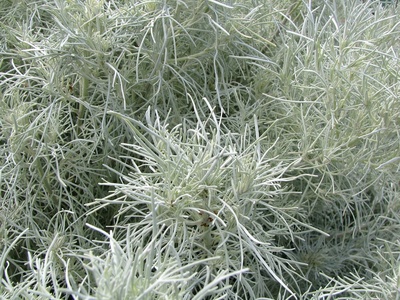
White wormwood
Leaves brewed as bitter tea for digestion, fevers and microbial issues. Contains volatile oils; avoid in pregnancy and with seizure disorders; long-term use not recommended.
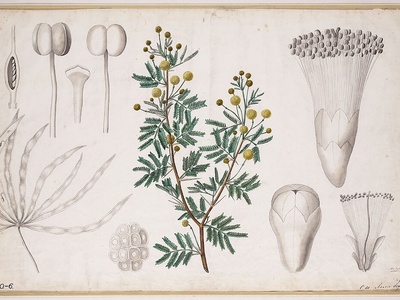
Acacia gum
Gum dissolved in water as demulcent for sore throats and diarrhea; used as poultice for wounds. Generally safe and gentler; may cause allergic reactions in sensitive individuals.
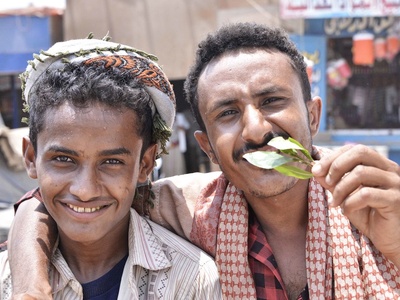
Khat
Fresh leaves chewed for stimulant effects and appetite suppression. Contains cathinone, a potent stimulant; risk of dependence, insomnia, cardiovascular strain; banned or controlled in some countries.
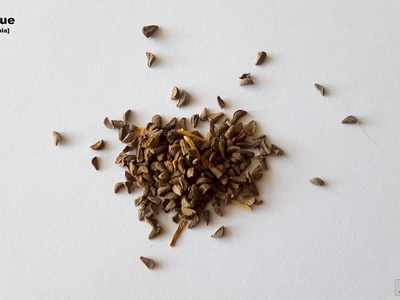
Syrian rue
Seeds used as decoction, smoke or paste for infections and ritual purposes; contains MAOI alkaloids (harmala). Risky with many drug interactions, contraindicated in pregnancy and with SSRIs.
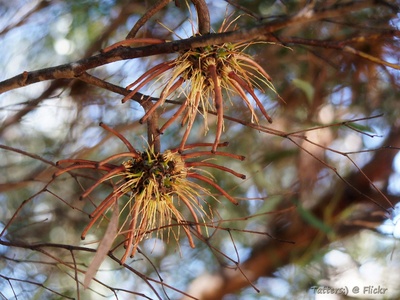
Eucalyptus
Leaves brewed into teas or steam inhalations for coughs and nasal congestion; essential oil used topically when diluted. Oil can irritate skin, not for infants, and toxic if swallowed in large amounts.
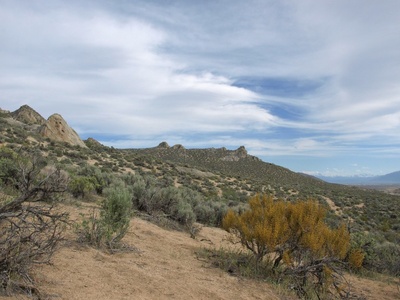
Rabbitbrush (desert tea)
Aerial parts brewed as “desert tea” for colds and stomach complaints. Traditionally steeped; generally mild but avoid excessive intake; possible allergen for Asteraceae-sensitive people.
Syrian poppy (prickly poppy)
Seeds and latex used traditionally for skin infections and as purgative; contains toxic alkaloids—use is risky. Topical traditional uses exist but internal use can cause severe poisoning.
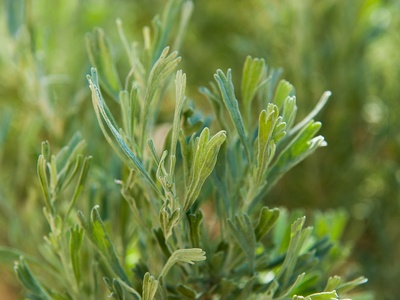
Big sagebrush
Leaves used in steam inhalations and poultices for colds and muscle pain. Volatile oils can be irritating; avoid pregnancy and prolonged internal use.
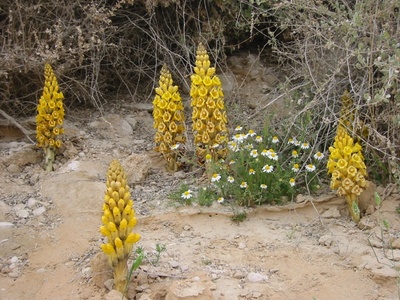
Desert cistanche
Dried stems used in traditional Chinese medicine as tonic (Rou Cong Rong) for kidney yang and fatigue; typically decocted. Generally used under TCM guidance; beware of adulteration and consult clinician for interactions.
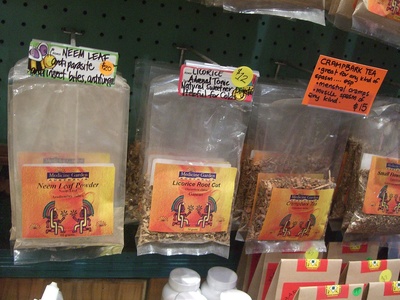
Licorice
Root used as tea or syrup for cough, sore throat and as demulcent. Long-term or high-dose use can cause hypertension and hypokalemia; avoid with heart disease and pregnancy.
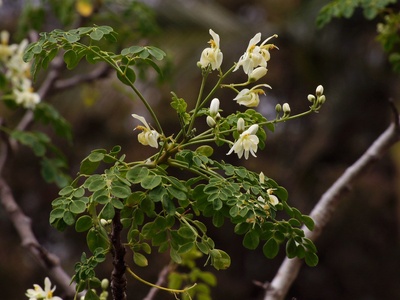
Moringa
Leaves eaten fresh, dried or brewed as tea for nutrition, fever and inflammation. Generally safe as food; high-dose extracts may lower blood pressure or affect glucose—monitor if on medications.
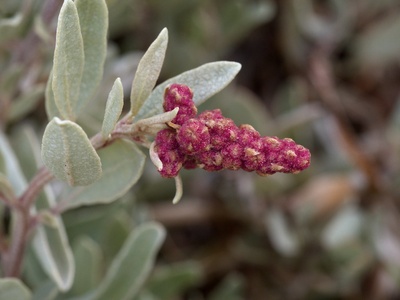
Saltbush
Leaves used as poultice or brewed for digestive complaints and skin washes. Traditionally safe in small amounts; high salt content may affect electrolyte balance if consumed in large quantities.
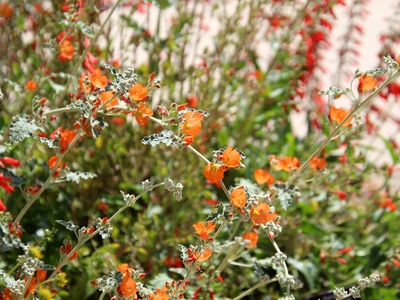
Desert globe mallow
Aerial parts mashed for topical poultices or brewed as tea for coughs and skin inflammation. Topical use common and generally safe; internal use limited and should be conservative.
Bottle tree (Kigelia-like regional)
Fruit and bark used topically in poultices and oils for wounds and skin infections; prepared as ointments or fermented extracts. Topical use common; potential skin sensitivity; avoid unprocessed internal ingestion.