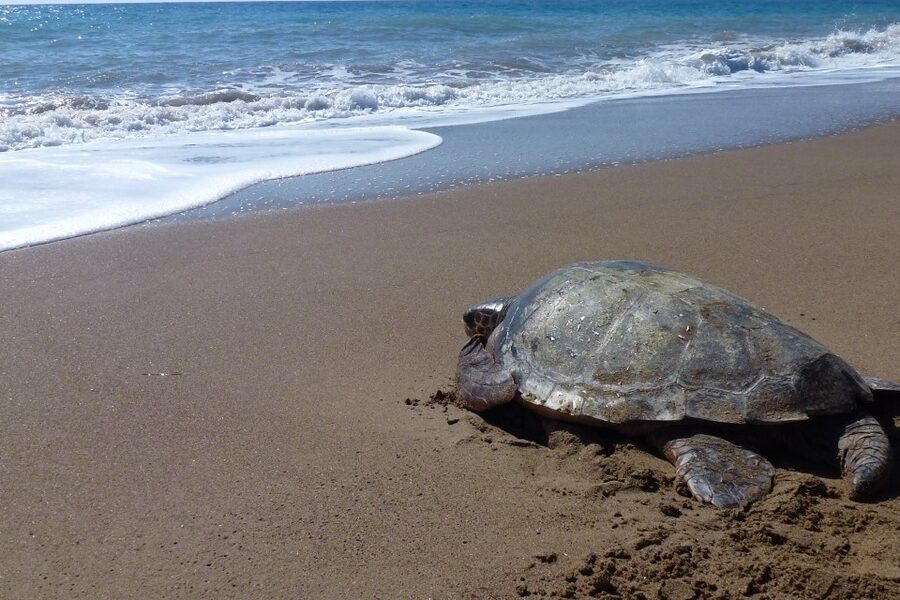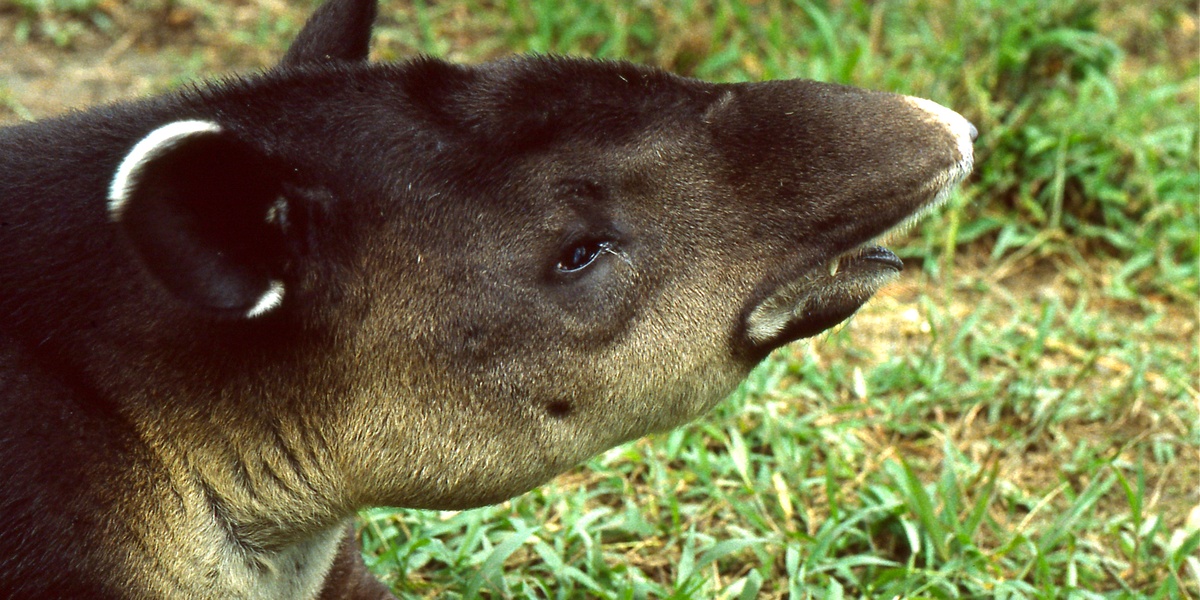
Nicaragua’s mix of Caribbean coasts, volcanic lakes and humid lowland forest supports wildlife that’s often out of sight — from marshes and river mouths to cloud-forest canopy. Local reserves and remote river corridors harbor species few visitors encounter, making the country a rewarding place for curious naturalists.
There are 20 Rare Animals in Nicaragua, ranging from the American crocodile to the Yellow‑naped Amazon and showing the list covers reptiles, birds and mammals across habitats. For each species, you’ll find below Scientific name,IUCN status,Where found (regions/protected areas) so you can see both conservation status and where to look.
Where are the best places in Nicaragua to try to see these rare animals?
Protected areas like Bosawás, Indio Maíz and the Río San Juan wetlands, plus coastal estuaries and lake islands, concentrate habitat for many rarer species; plan guided visits during the right season (dry vs. wet), use local guides, and focus on dawn/dusk surveys for higher sighting chances.
How threatened are these species and what practical steps can visitors take to help?
Threat levels vary by species (check the IUCN status in the list below), but habitat loss and illegal trade are common pressures; support local reserves, avoid buying wildlife products, follow park rules, and choose tour operators who contribute to conservation.
Rare Animals in Nicaragua
| Common name | Scientific name | IUCN status | Where found (regions/protected areas) |
|---|---|---|---|
| Baird’s tapir | Tapirus bairdii | Endangered | Bosawás, Indio Maíz, Río San Juan lowlands |
| Jaguar | Panthera onca | Near Threatened | Bosawás, Indio Maíz, Río San Juan lowlands |
| Central American spider monkey | Ateles geoffroyi | Endangered | Bosawás, Indio Maíz, Caribbean lowlands |
| Great green macaw | Ara ambiguus | Endangered | Río San Juan, Indio Maíz, southern Caribbean lowlands |
| Yellow‑naped Amazon | Amazona auropalliata | Endangered | Pacific lowlands, Río San Juan fringe, fragmented forests |
| Harpy eagle | Harpia harpyja | Near Threatened | Bosawás, Indio Maíz, remote mature rainforest |
| Leatherback sea turtle | Dermochelys coriacea | Critically Endangered | La Flor Wildlife Refuge, Pacific nesting beaches |
| Hawksbill sea turtle | Eretmochelys imbricata | Critically Endangered | Caribbean beaches, Pearl Cays, San Juan area |
| Green sea turtle | Chelonia mydas | Endangered | Gulf of Fonseca, Caribbean and Pacific nesting beaches |
| Olive ridley sea turtle | Lepidochelys olivacea | Vulnerable | La Flor, Chacocente, Pacific arribada beaches |
| West Indian manatee | Trichechus manatus | Vulnerable | Río San Juan wetlands, coastal estuaries, Caribbean lagoons |
| White-lipped peccary | Tayassu pecari | Vulnerable | Bosawás, Indio Maíz, southern lowlands |
| Margay | Leopardus wiedii | Near Threatened | Bosawás, Indio Maíz, Caribbean lowlands |
| Resplendent quetzal | Pharomachrus mocinno | Near Threatened | Jinotega cloud forests, northern highlands |
| King vulture | Sarcoramphus papa | Near Threatened | Río San Juan wetlands, lowland forests |
| Great curassow | Crax rubra | Vulnerable | Bosawás, Indio Maíz, lowland forest remnants |
| Crested guan | Penelope purpurascens | Least Concern | Bosawás, Indio Maíz, Caribbean lowlands |
| Neotropical river otter | Lontra longicaudis | Near Threatened | Río San Juan, northern river systems, coastal estuaries |
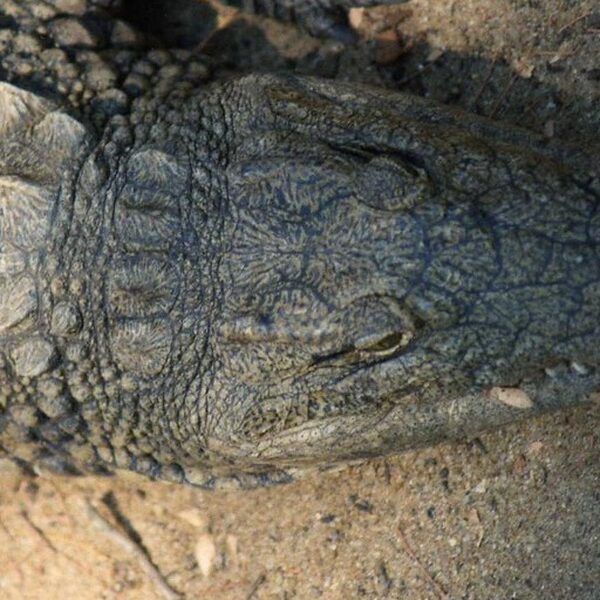
| American crocodile | Crocodylus acutus | Vulnerable | Gulf of Fonseca, Río San Juan, coastal estuaries |
| Jabiru | Jabiru mycteria | Least Concern | Río San Juan wetlands, southern marshes |
Images and Descriptions
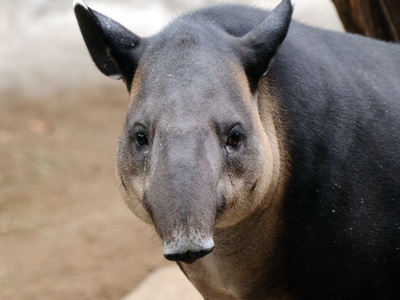
Baird’s tapir
Large, secretive forest herbivore; nationally scarce and globally Endangered. Best spotted at dawn/dusk near streams or mud wallows in intact lowland rainforest. Look for distinctive snout and fresh footpaths or dung piles on quiet forest trails.
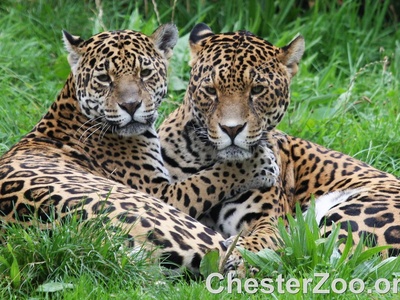
Jaguar
Iconic top predator, rare and elusive in Nicaragua. Mostly nocturnal; chance sightings along riverbanks, forest clearings and logging roads. Signs include large tracks and scratch marks; guided night surveys or hides near game trails improve odds.
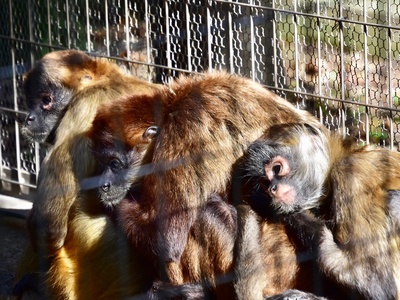
Central American spider monkey
Highly arboreal, noisy primate that is locally scarce and Endangered. Listen for long, high-pitched calls in tall canopy. Best seen in undisturbed lowland rainforest—early mornings in protected areas offer the best chance.
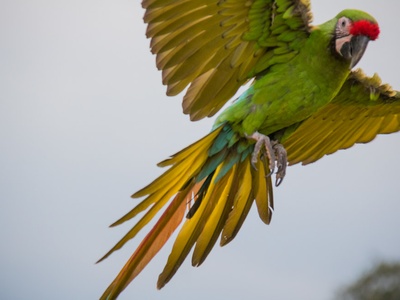
Great green macaw
Striking, large parrot with a tiny national population; globally Endangered. Look for pairs or small flocks feeding on wild palms and large trees. Early morning stakeouts near known nesting trees in Río San Juan improve sightings.
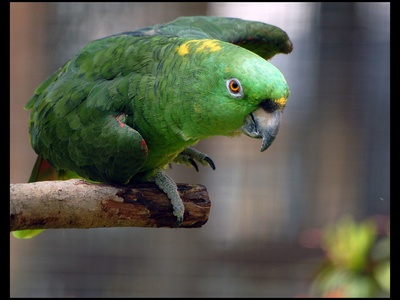
Yellow‑naped Amazon
Colorful parrot once widespread but now scarce and Endangered in Nicaragua. Listen for loud chatter at dawn; small flocks may roost in tall trees near farms and remnant forest patches.
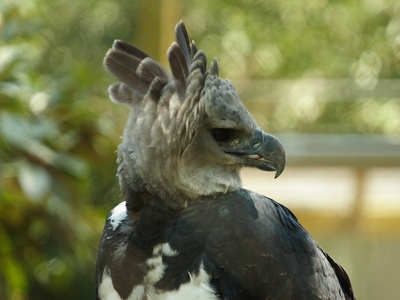
Harpy eagle
Spectacular large raptor and rare forest predator. Extremely hard to see; best chance in vast tracts of primary rainforest where guides know historical territories. Look for enormous nests and early morning soaring above canopy.
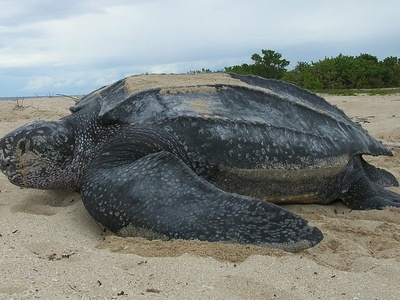
Leatherback sea turtle
Largest sea turtle, Critically Endangered; nests on a few Pacific beaches in Nicaragua. Nighttime nesting patrols in nesting season give best chances. Look for massive tracks and flattened body impressions on sandy shores.
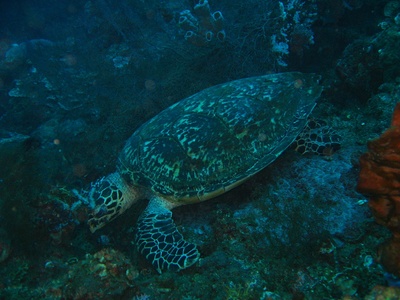
Hawksbill sea turtle
Beautiful, small sea turtle that forages on reefs and nests on Caribbean cays. Critically Endangered and locally scarce; organized beach patrols and snorkeling trips increase chances of encounters.
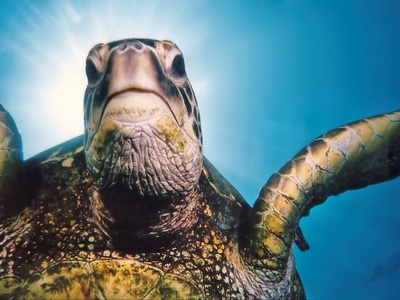
Green sea turtle
Large herbivorous turtle with endangered global status; regular but locally uncommon visitor to feeding and nesting sites. Best spotted by snorkeling seagrass beds or joining guided night beach watches during nesting season.
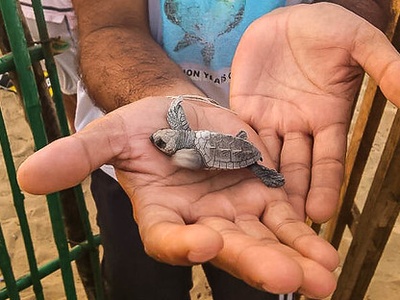
Olive ridley sea turtle
Small, gregarious turtle known for mass nesting events (arribadas) at specific Pacific beaches. Vulnerable globally and scarce nationally; arrive at established nesting reserves and follow guided patrol schedules to observe nesting.
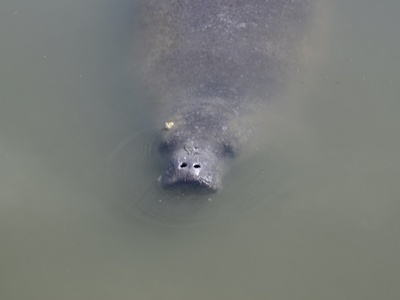
West Indian manatee
Gentle, slow-moving marine mammal that is Vulnerable and locally scarce. Look for rounded backs and slow surfacing in calm estuaries and river mouths; best seen from quiet boat trips at dawn or dusk.
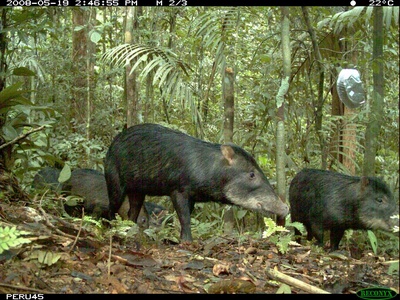
White-lipped peccary
Social pig-like mammal that moves in large herds; Vulnerable and patchily distributed in intact rainforest. Listen for troop movement and rooting sounds; dawn/dusk forest edges and riverbanks are prime spots with experienced guides.
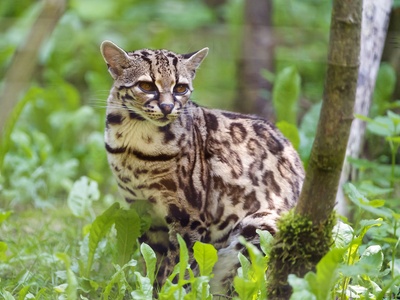
Margay
Small, nocturnal spotted wildcat, arboreal and elusive. Near Threatened and rarely seen; spotlighting at night and listening for small mammal activity in primary forest may yield glimpses. Look for long tail used for balance in trees.
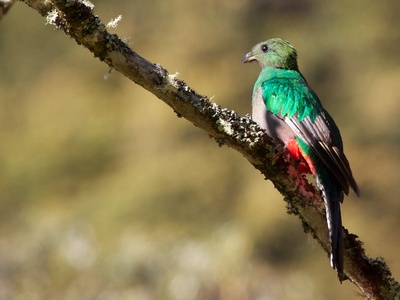
Resplendent quetzal
Brilliant, long-tailed trogon living in cloud forest; Near Threatened and localized. Best seen in higher-elevation oak-pine-cloud transitions at dawn, scanning fruiting trees and forest edges with binoculars and quiet observation.
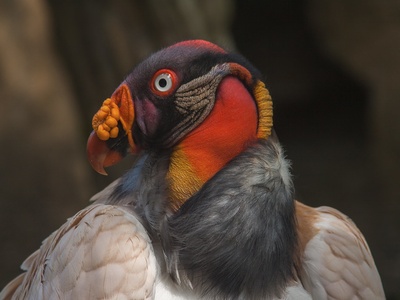
King vulture
Large, striking vulture with colorful head; nationally scarce and Near Threatened. Often seen gliding over wetlands and river corridors. Look for soaring birds above carrion or in communal roosts at forest openings.
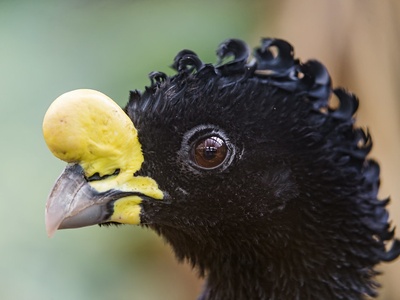
Great curassow
Large, terrestrial gamebird vulnerable from hunting and habitat loss. Secretive and rare; dawn/dusk forest tracks and quiet forest trails in protected areas can reveal roosting birds or feeding flocks.
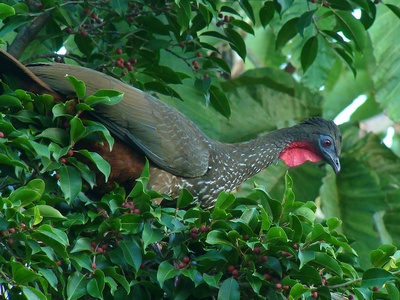
Crested guan
Large, noisy forest bird that is patchily common but locally scarce in degraded areas. Look for raucous calls and flock movement high in the canopy; fruiting trees attract groups for daytime viewing.
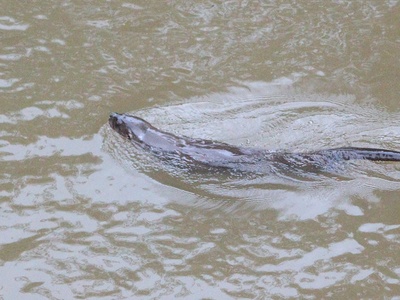
Neotropical river otter
Agile semi-aquatic predator that is rare and patchily distributed. Best chance at dawn/dusk along calm river edges, sandbars and mangrove channels; watch for sleek bodies and nut-brown wakes.
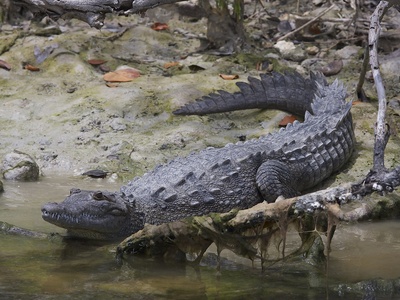
American crocodile
Large crocodilian species of rivers and brackish coastal waters; Vulnerable and declining in some areas. Nighttime spotlight surveys along riverbanks and estuaries reveal reflective eyes and sunning adults on banks.
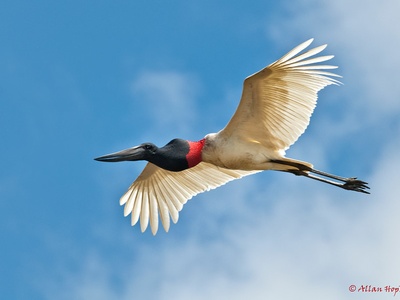
Jabiru
Imposing stork with dramatic silhouette, locally scarce in Nicaragua. Seen standing in shallow wetlands hunting fish. Early-morning wetland boat trips and scanning marsh edges improve chances of spotting this solitary bird.