Colombia is one of the world’s most biodiverse countries, home to roughly 10% of the planet’s species and about 1,900 bird species — more than any other nation.
From the high Andean páramos and cloud forests to the Amazon floodplains, Pacific mangroves, Caribbean lowlands and the Orinoquía savannas, the country’s varied landscapes have shaped a remarkable array of life. Biodiversity supports clean water, pollination, climate resilience and local livelihoods, and it fuels scientific discoveries and nature-based tourism that sustain communities. This piece highlights 12 species — grouped by mammals, birds, small but mighty taxa, and hidden gems — that capture why conservation matters for people and places across Colombia, and why the wildlife of colombia is worth celebrating and protecting.
Mammals that Define Colombia’s Wilds
Mammals in Colombia range from large, roaming herbivores and apex predators to secretive forest dwellers, and many are keystone or culturally important species. They regulate food webs, disperse seeds and attract nature-based tourism that benefits rural economies. Conservation hotspots like Los Llanos, the Amazon and Andean forests are critical for maintaining healthy mammal populations and the cultural ties many communities have with these animals.
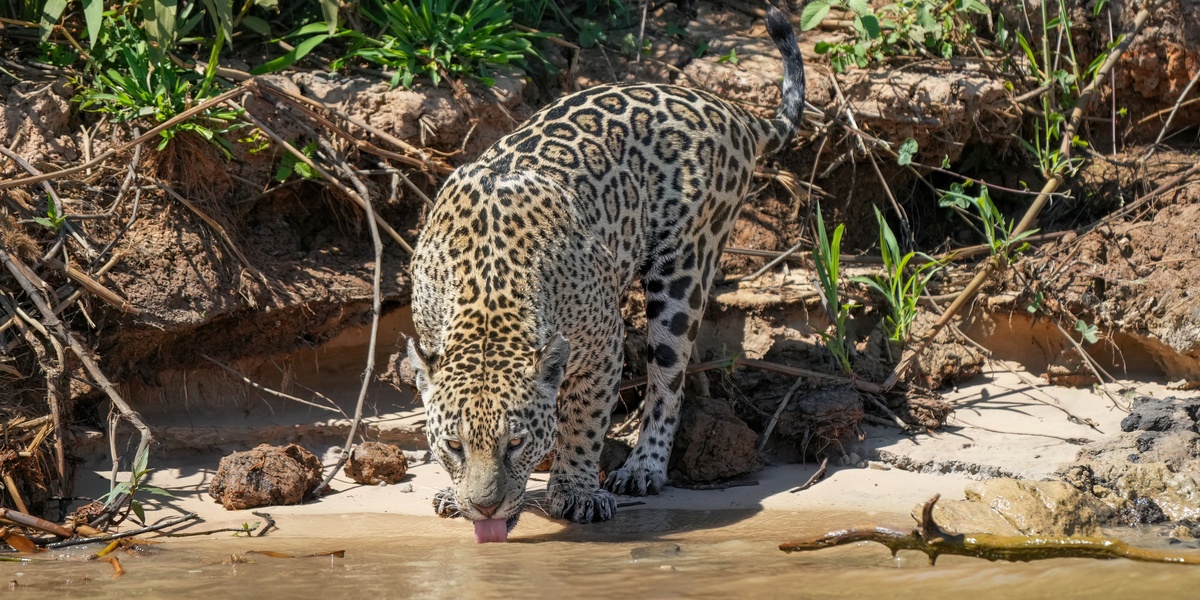
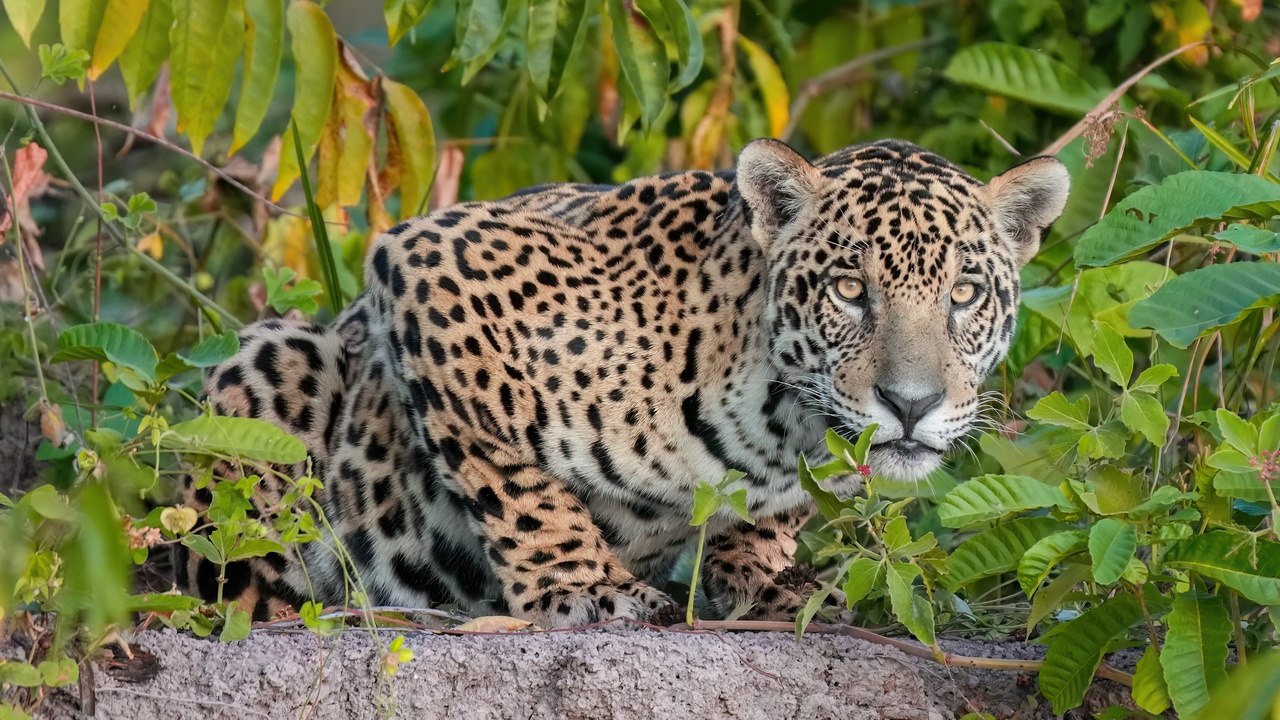
1. Jaguar (Panthera onca)
The jaguar is Colombia’s top big-cat and a landscape-scale predator whose presence signals ecosystem health. Adults can weigh up to about 100 kg and patrol large territories, controlling herbivore numbers and influencing prey behavior across savannas and forests.
Jaguars help maintain balanced populations of deer, capybara and peccary, which in turn affects vegetation structure and wetland dynamics. They also draw wildlife tourists and fund local guides and conservation partners through sightings-focused trips. Camera-trap networks and GPS-collar studies in Los Llanos and the Colombian Amazon provide data used by researchers and ranching communities to reduce conflict and promote coexistence.
2. Spectacled Bear (Tremarctos ornatus)
The spectacled bear is South America’s only bear species and Colombia’s sole native bear, recognizable by pale markings around the face. It depends on Andean cloud forests and montane palms for fruits, bromeliads and other foods.
Beyond cultural value for many Indigenous and rural communities, spectacled bears act as seed dispersers that support forest regeneration. Conservation efforts in Andean corridors — including reserve management and community programs that protect crops and create alternative livelihoods — help reduce human-bear conflict while preserving critical forest habitat.
3. Giant Anteater (Myrmecophaga tridactyla)
The giant anteater is built for a diet of ants and termites, with a long snout and tongue and a distinctive bushy tail; individuals can reach about 1.8–2 m in length including the tail. Their specialized feeding keeps insect populations in check across savanna and wetland systems.
Anteaters are useful indicators of intact grassland and seasonally flooded habitats such as those in Los Llanos and protected national parks. Sightings form part of wildlife-viewing itineraries, and habitat-restoration initiatives benefit both anteaters and farmers by maintaining the ecological functions that support grazing and water retention.
Birds: Color, Size, and Cultural Symbols

With nearly 1,900 recorded species, Colombia is unmatched in bird diversity; birds are highly visible indicators of habitat quality and are a major driver of ecotourism. From high-elevation scavengers to flashy understory residents, birds illustrate the need for landscape-scale protection across the Andes, Amazon, Chocó and coastal lowlands.
4. Andean Condor (Vultur gryphus)
The Andean condor is a cultural emblem of the high Andes, famed for a wingspan that can reach about 3 m. As a large scavenger it plays a key role in nutrient recycling by consuming carrion and reducing disease risk across páramo and open mountain habitats.
Conservation measures—including captive-breeding, reintroduction efforts and monitoring in páramo reserves—aim to bolster local populations. Condor-watching around the Sierra Nevada and other Andean sites supports educational programs that link traditional knowledge and modern conservation.
5. Harpy Eagle (Harpia harpyja)
The harpy eagle is one of the world’s most powerful forest raptors, adapted to hunt monkeys and sloths with massive talons and a wingspan up to around 2 m. It requires large, contiguous tracts of lowland rainforest to breed and raise young.
Protecting habitat for harpies conserves countless canopy-dwelling species as well. Nest surveys and NGO-led protection of nesting trees in the Darién, Amazonian foothills and other reserves help keep known breeding territories safe from logging and disturbance.
6. Cock-of-the-rock (Rupicola peruvianus) and Scarlet Macaw (Ara macao)
The male cock-of-the-rock is famous for its flaming-orange plumage and spirited courtship displays at communal leks, while the scarlet macaw dazzles with red, yellow and blue feathers and loud, recognizable calls. Both species depend on intact forest structure—clearing and nest-tree loss threaten their numbers.
Well-managed birding routes and community-guided tours that protect cock-of-the-rock lek sites in cloud forests and macaw nesting zones on the Pacific coast and in the Amazon provide income for locals and incentives to preserve large trees and forest patches.
Amphibians, Reptiles, and Insects: Small but Mighty
Colombia’s amphibian and insect richness is extraordinary, and these small organisms punch above their weight ecologically and scientifically. They provide pollination, pest control and novel compounds for medicine, and many are sensitive indicators of water and forest health.
7. Poison Dart Frog (Gold/Phyllobates spp.)
The golden poison frog and related Phyllobates species are notable for bright aposematic coloration and potent skin alkaloids; indigenous groups historically used these toxins for hunting darts. Their striking colors warn predators and reflect complex chemical ecology.
Scientists study frog alkaloids for pharmaceutical leads, but these species rely on intact rainforest and clean waterways. Populations in Chocó and Pacific lowlands are focal points for habitat protection and community outreach aimed at reducing pollution and preserving breeding streams.
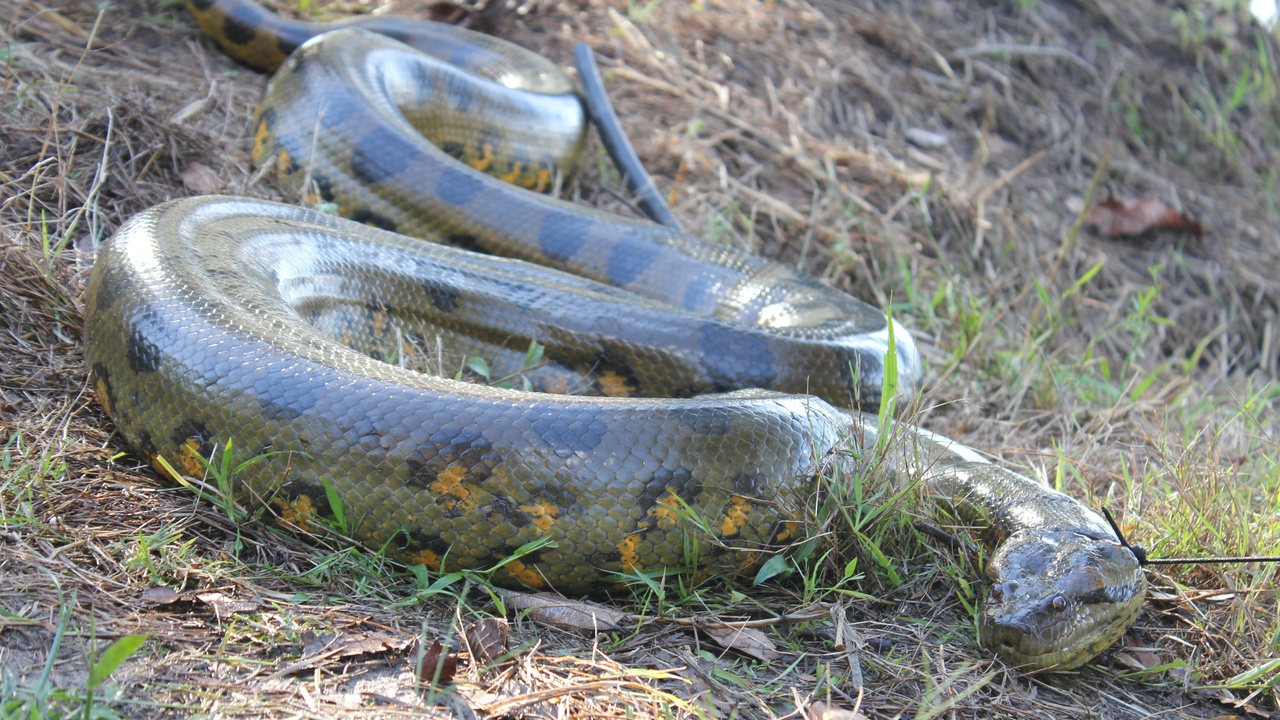
8. Green Anaconda (Eunectes murinus)
The green anaconda is among the world’s largest snakes, commonly exceeding 5 m in length, and is an ambush predator in rivers, oxbow lakes and seasonally flooded plains. As a top aquatic constrictor, it helps regulate populations of fish, caiman and other prey.
Healthy river systems in the Amazon and Orinoco basins support anaconda populations; sightings along tributaries attract naturalists and inform local folklore. Scientific surveys of large reptiles and river conservation initiatives help protect the floodplain habitats on which they depend.
9. Blue Morpho Butterfly (Morpho spp.)
Blue morpho butterflies are unforgettable for iridescent wings that span roughly 12–15 cm; their color comes from microscopic wing scales that produce structural coloration rather than pigments. They are most visible in the forest understory when sunlight catches their wings.
Morphos are flagship species for rainforest education, butterfly houses and ecotourism programs at Amazon lodges. Researchers study their wing structure for biomimetic materials, while trails and exhibits help raise awareness about forest conservation.
Unique and Lesser-Known Species — Hidden Gems

Beyond headline species, Colombia harbors many lesser-known animals that reveal how different habitats — river channels, montane streams and forest canopies — each support distinctive life. Local conservation and Indigenous stewardship often focus on these endemics, underscoring that protecting habitat benefits many at once.
10. Pink River Dolphin (Inia geoffrensis)
The pink river dolphin is famous for its pale coloration and social behavior in the Amazon and Orinoco basins; adults typically reach about 2–2.5 m. These freshwater dolphins use complex river habitats for feeding and socializing.
They are important to riverine ecotourism and hold cultural significance for many Indigenous groups, but face threats from fishing gear entanglement and hydropower changes. Colombian Amazon lodges and river communities run outreach programs to reduce bycatch and monitor local populations.
11. Glass Frog (Family Centrolenidae)
Glass frogs are remarkable for translucent belly skin that sometimes reveals internal organs, and they breed on vegetation overhanging montane streams. Males guard egg clutches, and tadpoles drop into the water below when they hatch.
Because they depend on clean, cool streams, glass frogs serve as freshwater-health indicators in Andean cloud forests. Researchers monitor population trends in protected montane reserves, and stream protection programs benefit amphibians and downstream human communities alike.
12. Three-Toed Sloth (Bradypus variegatus)
The three-toed sloth is a slow-moving canopy specialist with algae-suffused fur that supports a tiny ecosystem of its own, including moths and microbes. Its deliberate lifestyle aids canopy nutrient cycling and epiphyte dispersion.
Sloth-friendly ecotourism and canopy-connection projects help reduce road mortality and fragmentation impacts, particularly on the Caribbean lowlands. Rescue and rehabilitation centers along the coast also play a role in returning injured individuals to safe habitat corridors.
Summary
- Colombia’s extraordinary species richness underpins ecosystem services, cultural values and nature-based livelihoods.
- The featured mammals, birds, amphibians, reptiles and insects each play distinct ecological roles—from apex regulation to pollination and nutrient cycling.
- Protecting riverine, montane and forested habitats benefits both local communities and the many endemic species that depend on them.
- Support Indigenous-led conservation, local protected-area stewardship and responsible wildlife-tour operators to make conservation tangible on the ground.
- Learn more, visit with respect and consider contributing to community science and conservation groups that monitor and protect the wildlife of colombia.