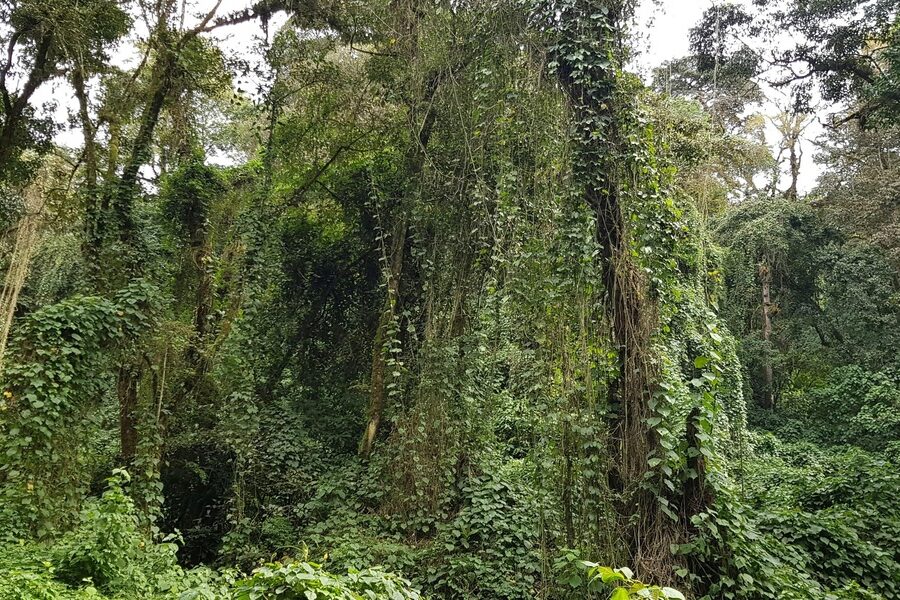
Brazil’s plant life reflects a huge variety of climates and ecosystems — from the Amazon and Cerrado to the Atlantic Forest and coastal wetlands. That range means common garden species sit alongside rare endemics and important medicinal plants used by local communities.
There are 45 Plants of Brazil, ranging from Aechmea fasciata (silver vase) to Yerba mate; for each entry you’ll find below Scientific name,Family,Region / habitat so you can quickly scan taxonomy and native range — you’ll find below.
How can I use this list to help identify a plant I found in Brazil?
Start by matching the region or habitat on the list to where you found the plant, then compare the scientific name and family to field guides or a plant ID app; scientific names reduce confusion from local common names. If identification is still uncertain, take clear photos of leaves, flowers and growth form and check with local herbaria or online plant communities.
Are the plants listed native species or cultivated introductions?
The list includes both native species and commonly cultivated plants that are significant in Brazil; the Region / habitat column indicates natural ranges versus widespread cultivation, so you can tell whether an entry is typically wild, endemic, or often grown in gardens and plantations.
Plants of Brazil
| Common name | Scientific name | Family | Region / habitat |
|---|---|---|---|
| Pau-Brasil | Paubrasilia echinata | Fabaceae | Atlantic Forest, coastal |
| Brazil nut | Bertholletia excelsa | Lecythidaceae | Amazon |
| Açaí palm | Euterpe oleracea | Arecaceae | Amazon, coastal floodplains |
| Cupuaçu | Theobroma grandiflorum | Malvaceae | Amazon |
| Cacao | Theobroma cacao | Malvaceae | Amazon, humid forests |
| Rubber tree | Hevea brasiliensis | Euphorbiaceae | Amazon |
| Cashew | Anacardium occidentale | Anacardiaceae | Caatinga, Northeast Brazil |
| Jabuticaba | Plinia cauliflora | Myrtaceae | Atlantic Forest, SE Brazil |
| Pau-ferro | Libidibia ferrea | Fabaceae | Cerrado, Caatinga, Atlantic Forest edges |
| Ipê-amarelo | Handroanthus serratifolius | Bignoniaceae | Amazon, Cerrado, Atlantic Forest |
| Ipê-roxo | Handroanthus impetiginosus | Bignoniaceae | Atlantic Forest, Cerrado |
| Paraná pine | Araucaria angustifolia | Araucariaceae | Araucaria forests, southern Brazil |
| Juçara palm | Euterpe edulis | Arecaceae | Atlantic Forest |
| Buriti (moriche) | Mauritia flexuosa | Arecaceae | Amazon, Pantanal, seasonally flooded areas |
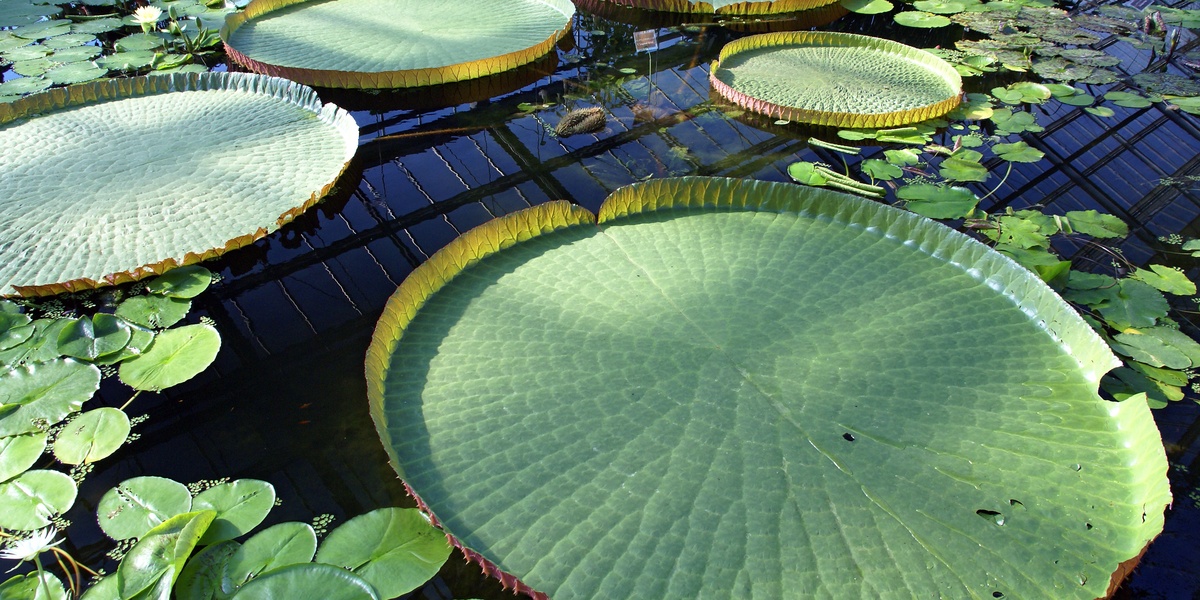
| Giant water lily | Victoria amazonica | Nymphaeaceae | Amazonian floodplains |
| Red mangrove | Rhizophora mangle | Rhizophoraceae | Coastal mangroves, estuaries |
| Butiá | Butia odorata | Arecaceae | Pampa, southern coastal areas |
| Yerba mate | Ilex paraguariensis | Aquifoliaceae | Atlantic Forest, southern Brazil |
| Pequi | Caryocar brasiliense | Caryocaraceae | Cerrado |
| Baru | Dipteryx alata | Fabaceae | Cerrado |
| Mandacaru cactus | Cereus jamacaru | Cactaceae | Caatinga, arid Northeast |
| Mangaba | Hancornia speciosa | Apocynaceae | Caatinga, Cerrado coastal zones |
| Babassu palm | Attalea speciosa | Arecaceae | Maranhão, Cerrado, transition zones |
| Pitanga | Eugenia uniflora | Myrtaceae | Atlantic Forest, Cerrado, widespread |
| Guaraná | Paullinia cupana | Sapindaceae | Amazon (Lower Amazon, Amazonas) |
| Guava | Psidium guajava | Myrtaceae | Widespread, disturbed forest, Atlantic Forest edges |
| Silk floss tree | Ceiba speciosa | Malvaceae | Atlantic Forest, Cerrado, urban areas |
| Brazilian rosewood (jacarandá-da-bahia) | Dalbergia nigra | Fabaceae | Atlantic Forest, Bahia |
| Sumaúma (kapok) | Ceiba pentandra | Malvaceae | Amazon, riverbanks |
| Xaxim (tree fern) | Dicksonia sellowiana | Dicksoniaceae | Atlantic Forest, montane |
| Cat’s claw | Uncaria tomentosa | Rubiaceae | Amazon |
| Jurema | Mimosa tenuiflora | Fabaceae | Caatinga, NE Brazil |
| Barbatimão | Stryphnodendron adstringens | Fabaceae | Cerrado |
| Cassava | Manihot esculenta | Euphorbiaceae | Widespread, disturbed areas, savanna edges |
| Brazilian pepper tree (aroeira) | Schinus terebinthifolia | Anacardiaceae | Atlantic Forest, coastal plains |
| Queen palm | Syagrus romanzoffiana | Arecaceae | Atlantic Forest, coastal, urban |
| Aechmea fasciata (silver vase) | Aechmea fasciata | Bromeliaceae | Atlantic Forest, epiphytic |
| Cattleya labiata (Brazilian cattleya) | Cattleya labiata | Orchidaceae | Atlantic Forest, NE Brazil |
| Peach palm | Bactris gasipaes | Arecaceae | Amazon, Cerrado edges |
| Tucumã palm | Astrocaryum aculeatum | Arecaceae | Amazon, floodplain edges |
| Copaiba | Copaifera langsdorffii | Fabaceae | Cerrado, Atlantic Forest edges |
| Golden trumpet (ipê amarelo da seca) | Handroanthus ochraceus | Bignoniaceae | Cerrado, Caatinga edges |
| Ficus insipida (fig) | Ficus insipida | Moraceae | Amazon, riparian forests |
| Pitomba-do-cerrado | Eugenia klotzschiana | Myrtaceae | Cerrado |
| Amburana | Amburana cearensis | Fabaceae | Cerrado, Caatinga |
Images and Descriptions

Pau-Brasil
National symbol of Brazil, historically prized for red heartwood used as dye and instrument timber. Small pinnate leaves and orange-red flowers identify it; now rare and legally protected after centuries of overexploitation and coastal forest loss.
Brazil nut
Massive emergent tree producing large spherical fruits full of edible Brazil nuts. Tall canopy tree with smooth bark and heavy woody capsules; key for Indigenous and local economies, biodiversity, and forest regeneration, vulnerable where logging or clearing occurs.
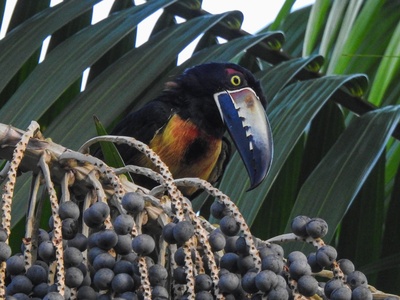
Açaí palm
Slender, clustering palm whose dark purple açaí berries fuel a major global food trend. Grows in flooded forests and estuaries, with long pinnate leaves; central to riverine livelihoods, nutrition, and local agroextractive systems across northern Brazil.
Cupuaçu
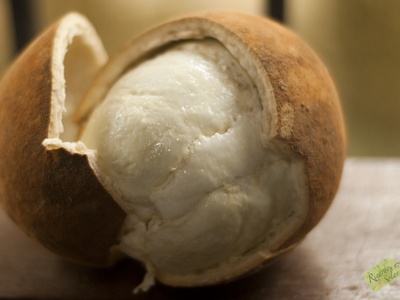
Rainforest tree producing large oval pods of fragrant, creamy pulp used in sweets and beverages. Thick ridged pods and broad leaves identify it; culturally important in Amazonian cuisine and agroforestry, valued for flavor and nutritious pulp.
Cacao
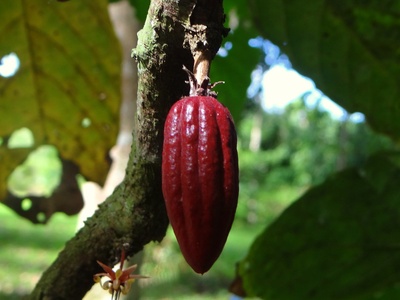
Small understory tree with colorful pods borne on trunk and branches; source of cocoa and chocolate. Recognizable by large oblong pods and paired leaves; native to Amazon basin and integral to local livelihoods and conservation agroforestry systems.
Rubber tree
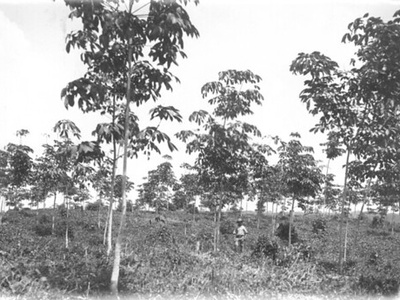
Tall latex-producing tree central to the historical rubber boom. Smooth pale bark tapped for latex, with compound leaves and small flowers; native forest populations persist, important culturally and economically where wild or managed.
Cashew
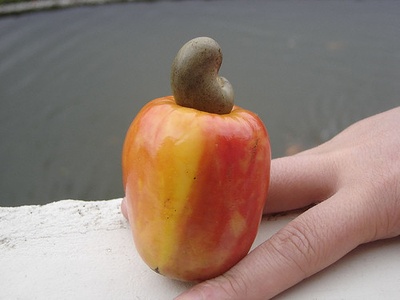
Small deciduous tree with distinctive kidney-shaped nut attached beneath a colorful pseudofruit (cashew apple). Drought-adapted and native to northeastern Brazil; fruit and nuts are economically important and widely used in local cuisine and industry.
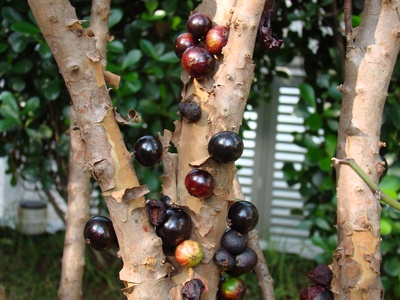
Jabuticaba
Small tree that fruits directly on its trunk (cauliflory), producing grape-like dark berries. Smooth bark and clustered cauliflorous fruit are unmistakable; berries eaten fresh or made into jellies and wines, common in home gardens and forest margins.
Pau-ferro
Hardwood tree valued for dense, dark timber and medicinal bark. Compound leaves and small yellow flowers mark the species; well-adapted to seasonally dry soils of Cerrado and Caatinga, used locally and under pressure from logging.
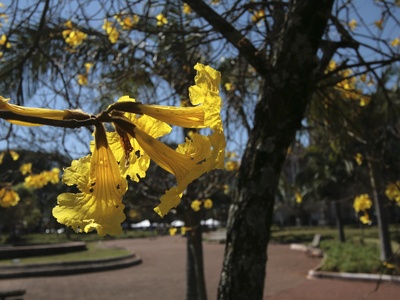
Ipê-amarelo
Large deciduous tree famed for brilliant yellow trumpet-shaped flowers that create seasonal displays. Thick bark and compound leaves identify it; blossoms attract pollinators, culturally celebrated, and ipês face threats from timber harvest and habitat conversion.
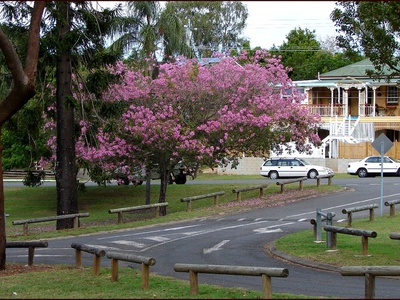
Ipê-roxo
Showy purple-pink flowering tree with rough bark and fern-like compound leaves. Spectacular blossoms appear in dry-season displays, attracting birds and insects; prized for timber and cultural importance, facing local declines from exploitation.
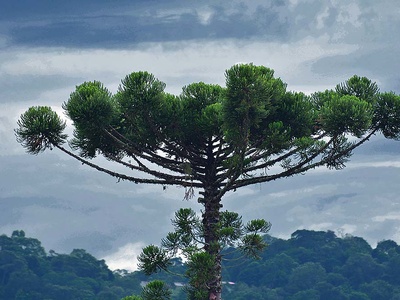
Paraná pine
Towering conifer with umbrella-like crown and edible seeds known as pinhão. Distinctive whorled branches and large cones; iconic of southern Brazilian highlands, critically endangered due to historic logging and land conversion, culturally significant to local communities.
Juçara palm
Single-stemmed palm once heavily harvested for heart of palm, with slender trunk and feathery crown. Produces dark fruits; decline from overharvest and forest loss has conservationists promoting sustainable alternatives and restoration in Atlantic Forest fragments.
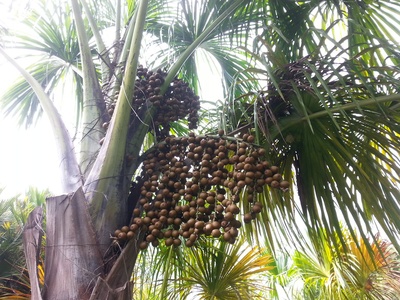
Buriti (moriche)
Swamp-loving palm forming dense stands with scaly trunk and feathery crown; produces orange, oil-rich fruits used locally for food and craft. Key habitat and resource in floodplains and wetlands, supporting wildlife and human livelihoods.
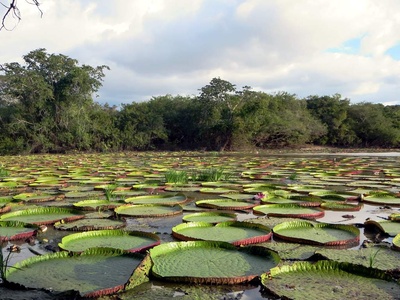
Giant water lily
Enormous floating lily with circular leaves up to several meters across and dramatic nocturnal flowers. A botanical icon of Amazon rivers and lakes, easily noticed in calm waters; supports aquatic wildlife and draws tourists and scientists.
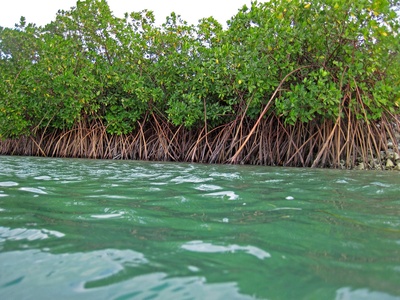
Red mangrove
Salt-tolerant tree with distinctive prop roots and viviparous propagules, forming protective coastal mangroves. Thrives in tidal flats and estuaries, crucial for fisheries, shoreline stability, carbon storage and as nursery habitat for many marine species.
Butiá
Clumping palm with blue-green pinnate leaves and sweet-tart orange fruits used for jams and liqueurs. Tolerant of cooler climates and saline soils, emblematic of southern grasslands and coastal dunes and culturally important in local food traditions.
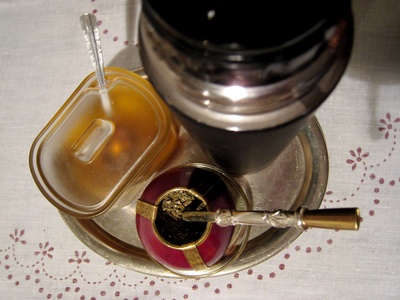
Yerba mate
Evergreen tree harvested for mate tea leaves, a central social beverage. Shiny serrated leaves and small white flowers; native to subtropical Atlantic Forest and culturally essential across southern Brazil, Paraguay and Argentina.
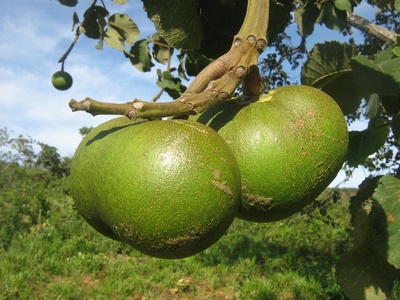
Pequi
Spiny-fruited tree producing aromatic yellow pulp used in central Brazilian cuisine. Large glossy leaves and distinctive spiky fruits with oily flesh identify it; culturally prized but sometimes controversial for strong flavor, emblematic of Cerrado landscapes.
Baru
Large Cerrado tree producing hard-shelled nutritious nuts (baru) and durable timber. Compound leaves and thick bark; nuts are increasingly popular as local superfood and the species plays a key role in savanna ecology and agroforestry.
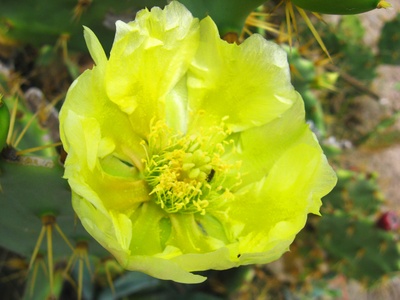
Mandacaru cactus
Columnar cactus with iconic silhouette, white nocturnal flowers and edible fruit. Deep roots and water-storing stems allow survival in arid Caatinga; culturally symbolic of drylands and important for traditional diets and wildlife.
Mangaba
Small fruit tree with milky latex and sweet yellow fruits prized locally (mangaba). Shiny leaves and tubular white flowers are typical; used fresh or processed, important for local economies in northeastern Brazil’s dry and transitional zones.
Babassu palm
Large palm producing tight clusters of oily seeds used for cooking, soap, and fuel. Masses of fruit and broad pinnate leaves identify it; central to rural economies and traditional extraction systems in northern Brazil and Maranhão.
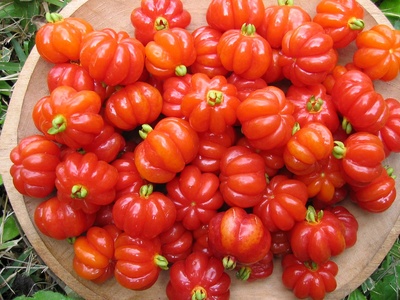
Pitanga
Shrub or small tree with glossy leaves and ribbed cherry-like fruits ranging from red to deep purple. Aromatic and tangy fruits are eaten fresh or processed; adaptable to many habitats, common in gardens and forest edges across Brazil.
Guaraná
Climbing vine with pinnate leaves and distinctive red-and-black seeds high in caffeine, used traditionally and in modern beverages. Clusters of small flowers yield seeds that are economically critical to Amazonian communities and global products.
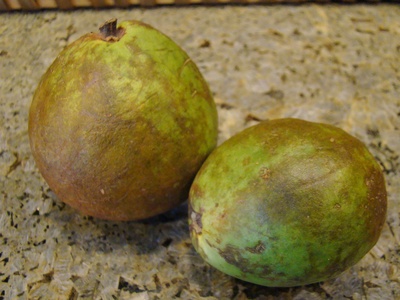
Guava
Small tree with fragrant white flowers and round edible fruits used fresh and in preserves. Tolerant of disturbed sites and common across Brazil, guava supports markets and home gardens and is easily recognized by its sweet scent and pale flesh.
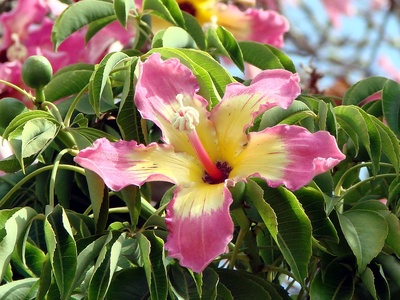
Silk floss tree
Deciduous tree with thorny trunk, palmate leaves and large pink-to-white showy flowers; produces silk-like seed fibers. Often planted as an ornamental but native to forest margins, celebrated for dramatic flowering and cultural presence in cities.
Brazilian rosewood (jacarandá-da-bahia)
Highly prized hardwood with fragrant, richly colored heartwood long used for fine furniture and instruments. Compound leaves and small flowers identify it; now critically endangered from historic overharvest and habitat loss, legally protected.
Sumaúma (kapok)
Tall emergent tree with buttressed trunk and showy pale flowers, producing lightweight kapok fiber. A majestic canopy species that creates nesting sites for wildlife and holds cultural importance for Amazonian peoples and forest structure.
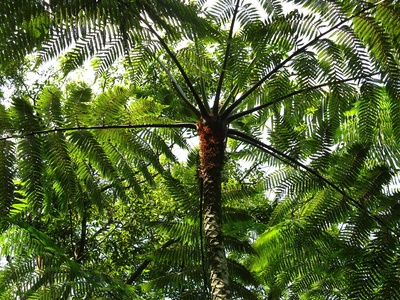
Xaxim (tree fern)
Large, slow-growing tree fern with shaggy, fibrous trunk and arching fronds; historically harvested for horticulture. Forms dense crowns in humid montane forests; threatened by collection and habitat loss, important for understory microhabitats.
Cat’s claw
Woody vine with hooked thorns that cling to canopy trees; used in traditional Amazonian medicine for anti-inflammatory and immune-supporting preparations. Small opposite leaves and clustered tubular flowers make it recognizable among medicinal forest plants.
Jurema
Shrubby tree with bipinnate leaves and dense cream-colored flower spikes; bark and resin are used traditionally for skin remedies and cultural rituals. Extremely drought-hardy and a characteristic species of dry Caatinga landscapes.
Barbatimão
Small tree with compound leaves and spiky seed pods, known for tannin-rich bark used in traditional wound-healing and antimicrobial remedies. Abundant in Cerrado savannas and valued by local communities for medicinal extracts and artisanal uses.
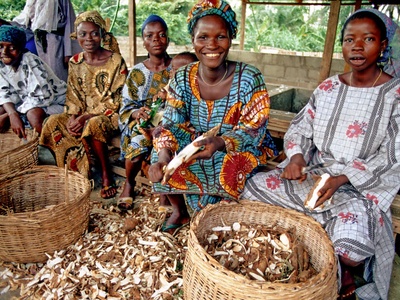
Cassava
Tuberous-rooted shrub domesticated in South America and vital as a staple food. Palmate leaves and starchy roots processed into farinha and tapioca. Both cultivated and wild forms occur across Brazil, central to rural diets and cultures.
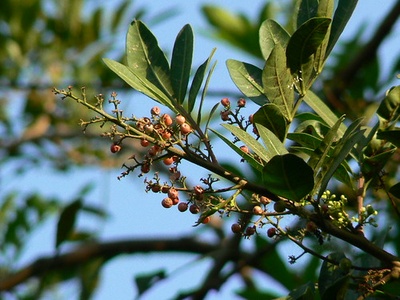
Brazilian pepper tree (aroeira)
Small evergreen tree with feathery leaves and clusters of pink peppercorn-like berries. Native to South America, widely used as ornamental and for traditional remedies; has invasive tendencies outside its native range but is familiar in many Brazilian landscapes.
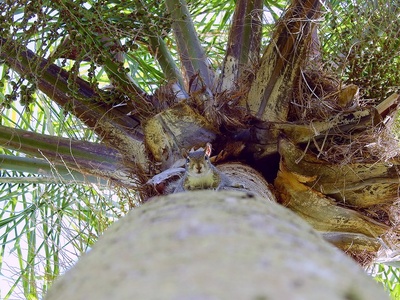
Queen palm
Elegant, single-trunk palm with feathery leaves and orange fruits favored by wildlife. Naturally occurs in southern and southeastern Brazil, commonly planted in urban landscapes, and forms wild cohorts in forest edges and valleys.
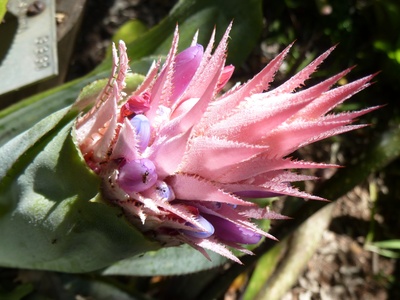
Aechmea fasciata (silver vase)
Striking tank bromeliad with broad silver-striped leaves and a tall pink inflorescence. Grows epiphytically on trees or on rocks in Atlantic Forest; supports moisture and invertebrates, popular in cultivation yet ecologically important in wild forests.
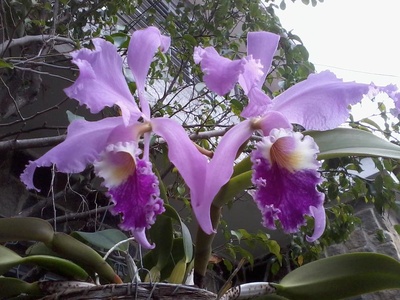
Cattleya labiata (Brazilian cattleya)
Iconic showy orchid with large fragrant magenta blooms, prized by collectors and admirers. Epiphytic on branches of humid forest trees, sensitive to disturbance; endemic populations highlight Atlantic Forest orchid diversity and conservation needs.
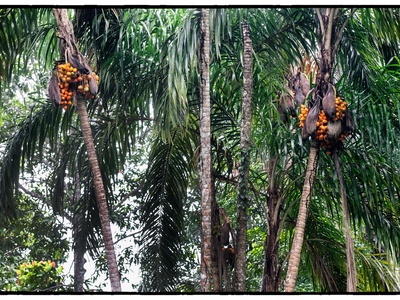
Peach palm
Spiny clustered palm cultivated and wild for its starchy fruits and hearts-of-palm. Multiple-stemmed and robust, producing orange edible fruits used traditionally and in agroforestry; supports rural diets and sustainable management programs in Amazonian and transitional zones.
Tucumã palm
Spiny palm with thick trunk and edible orange flesh used for oil and food. Notable for stout spines on trunk and fronds; important to riverine communities and wildlife, commonly found along Amazonian floodplain margins.
Copaiba
Large tropical tree exuding copaiba oil-resin used traditionally as an anti-inflammatory and for wood. Pinnate leaves and winged fruits identify it; resin tapping and selective use support livelihoods while encouraging standing forest conservation.
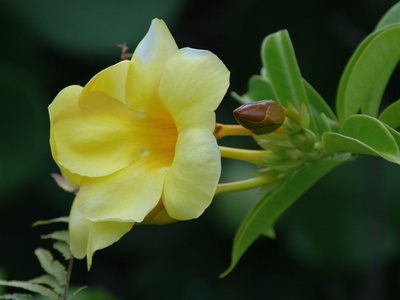
Golden trumpet (ipê amarelo da seca)
Deciduous tree with brilliant yellow trumpet-shaped flowers during dry season, creating spectacular landscapes. Smooth bark and pinnate leaves characterize it; typical of dry forests and savanna transitions and important for pollinators and cultural seasonal displays.
Ficus insipida (fig)
Large strangler fig often forming massive trunks with abundant figs eaten by birds and mammals. A keystone riparian species with aerial roots and dense canopy, supporting wide food webs and seed dispersal along Amazonian waterways.
Pitomba-do-cerrado
Shrub or small tree producing yellow-orange fruits known locally as pitomba-do-cerrado. Glossy leaves and white flowers precede aromatic fruits used fresh or processed; a regional Cerrado fruit valued by communities and for native food initiatives.
Amburana
Medium tree with aromatic bark used in traditional medicine and carpentry; pinnate leaves and pale, fragrant flowers. Endemic to dry tropical regions of northeastern and central Brazil and threatened by logging and habitat conversion, culturally significant in local craft.