The “cats are aloof” myth needs to die. Some cats will tolerate you from across the room, sure. But the breeds on this list will follow you to the bathroom, sleep on your chest, and cry at the door when you leave for work. That last part isn’t always a feature.
If you want a cat that bonds like a small, judgmental dog, affectionate cat breeds exist and they’re not subtle about it. The trick is matching the kind of affection to your life. A Ragdoll that goes limp in your arms is a different animal than a Siamese that narrates your every move at top volume. Both love you. They just express it in ways that suit very different households.
Below: 12 of the cuddliest cat breeds, what their affection actually looks like day to day, and a comparison table so you can scan instead of read all 2,000 words. Plus the stuff most lists skip — why some breeds turn clingy, which cats suit apartments versus families, and an honest reminder that a shelter mutt can out-love any of them.
Table of Contents
- Quick comparison table
- What makes a cat breed affectionate
- The 12 most affectionate cat breeds
- Best affectionate breed for your situation
- The downside nobody mentions: velcro cats
- How to encourage affection in any cat
- Affection isn’t guaranteed (and that’s fine)
Quick comparison table
If you only have 30 seconds, here’s the whole post in a grid. “Velcro factor” is how likely the breed is to follow you everywhere and dislike being alone.
| Breed | Affection style | Energy | Grooming | Velcro factor | Best for |
|---|---|---|---|---|---|
| Ragdoll | Goes limp, lap-loving | Low–medium | Medium | High | Calm homes, beginners |
| Siamese | Vocal, shadow-like | High | Low | Very high | People who are home a lot |
| Maine Coon | Gentle giant, near you not on you | Medium | High | Medium | Families, dog people |
| Sphynx | Heat-seeking, under the covers | High | High (skin care) | Very high | Allergy-aware, attentive owners |
| Burmese | Lap glue, demanding | Medium–high | Low | High | Companionship seekers |
| Persian | Quiet, regal lap cat | Low | Very high | Low–medium | Quiet apartments |
| Ragamuffin | Mellow, holdable | Low–medium | Medium | Medium–high | Kids, first-timers |
| Scottish Fold | Sits near you, loyal | Low–medium | Medium | Medium | Apartments, couples |
| Birman | Sweet, follows softly | Low–medium | Medium | Medium | Multi-pet homes |
| Tonkinese | Playful, on your shoulder | High | Low | High | Active households |
| Devon Rex | Clownish, body-heat lover | High | Low | High | Allergy-aware, playful homes |
| Abyssinian | Interactive, supervises you | High | Low | Medium | Engaged, busy owners |
What makes a cat breed affectionate
Affection in cats isn’t really about breed. It’s about three things that correlate with certain breeds.
First, sociability — how much a cat seeks out contact versus tolerates it. This is partly genetic and partly set in the first seven weeks of life. Kittens handled gently by humans before week seven grow up dramatically friendlier, which is why early socialization matters more than pedigree. The ASPCA notes that early handling shapes lifelong human bonding.
Second, energy and play drive. A cat that wants to interact will end up near you simply because you’re the interesting thing in the room. High-engagement breeds like Abyssinians read as affectionate because they’re constantly involved in whatever you’re doing.
Third, heat-seeking. This one’s underrated. Hairless and thin-coated breeds (Sphynx, Devon Rex) burrow into laps and beds partly because you’re warm. The cuddling is real, but it’s also thermoregulation. Doesn’t make it less sweet at 3 a.m. when one’s wedged under your chin.
The breeds below score high on at least one of these. The very cuddliest score on all three. If your priority is a cat that physically settles in your lap rather than one that simply hovers nearby, it’s worth scanning a dedicated rundown of lap cat breeds and their lap-likelihood before you decide.
The 12 most affectionate cat breeds
1. Ragdoll — the one that goes limp in your arms
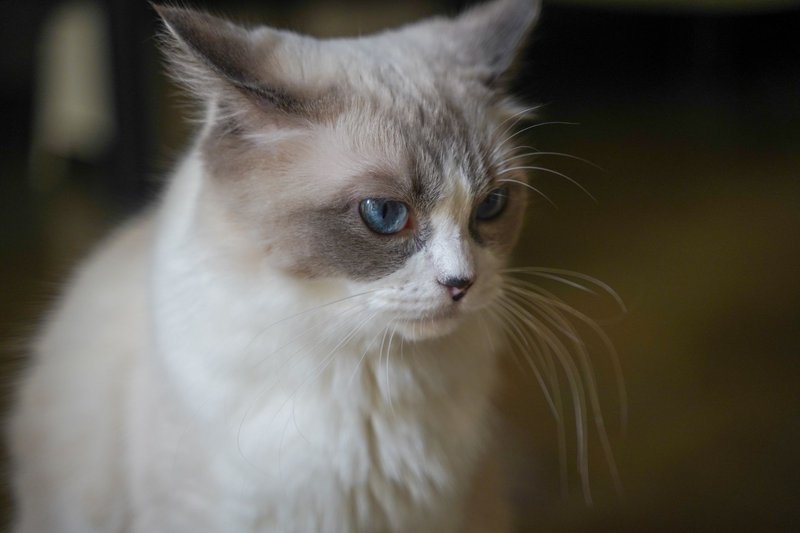
The Ragdoll earned its name honestly: pick one up and it flops, relaxing into whatever position you put it in. Most cats stiffen or squirm when held. Ragdolls melt.
They’re floor cats more than counter cats — they tend not to climb much, and they’ll meet you at the door and trail you room to room at ground level. The semi-long coat needs a brush a couple of times a week to dodge mats, but it doesn’t have the dense undercoat that makes Persians a project. For a first-time owner who wants a guaranteed lap cat, this is the safe bet.
2. Siamese — affection with a running commentary
If you want a quiet cuddler, scroll on. The Siamese is the most vocal cat on this list and arguably the most attached. They bond hard to one or two people and announce their feelings in a loud, almost human cry that the breed is famous for.
A Siamese will sleep under your covers, sit on your keyboard, and protest loudly when you close a door between you. They’re whip-smart and need stimulation, so a bored Siamese becomes a destructive one. Best for someone who’s home often and doesn’t mind a chatty roommate.
3. Maine Coon — the gentle giant
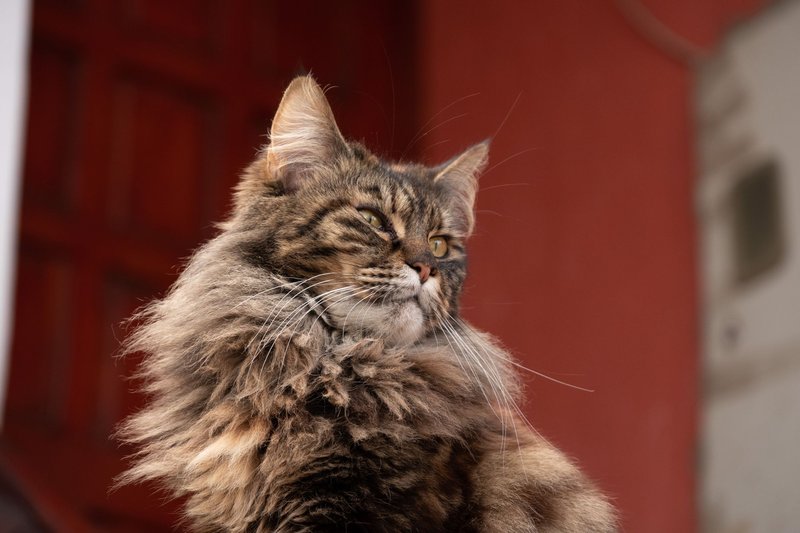
Maine Coons are the breed that converts dog people. They’re enormous (males regularly hit 15–18 pounds), they chirp and trill instead of meow, and many actually like water. Their affection is dignified — a Maine Coon usually wants to be near you rather than on you, supervising from the next cushion.
The shaggy water-resistant coat needs regular brushing, especially the britches and belly where mats hide. Their size and patience make them famously good with kids and other pets.
4. Sphynx — heat-seeking velcro
The hairless Sphynx is one of the most affectionate cats alive, and a lot of that is physics: with no coat, they’re cold, and you’re a radiator. They’ll burrow under blankets, drape across your neck, and seek out other cats and dogs to pile on.
The catch is maintenance. That bare skin produces oil that would normally coat fur, so Sphynx cats need weekly baths and ear cleaning — upkeep that lands them on most lists of high-maintenance cat breeds. They’re often called hypoallergenic — they’re not, since the allergen Fel d 1 comes from saliva and skin, not just hair, but they shed less of it around the house. Allergy-prone owners should spend time with one before committing.
5. Burmese — the lap that demands a lap
Burmese cats don’t ask for attention; they assume it. They’re known for parking on the nearest lap and staying put, and they keep a kitten-like playfulness well into adulthood. The short satin coat needs almost no grooming.
They genuinely struggle with being left alone for long stretches — this is a companionship breed, full stop. Pair one with another cat or be home a lot.
6. Persian — the quiet aristocrat
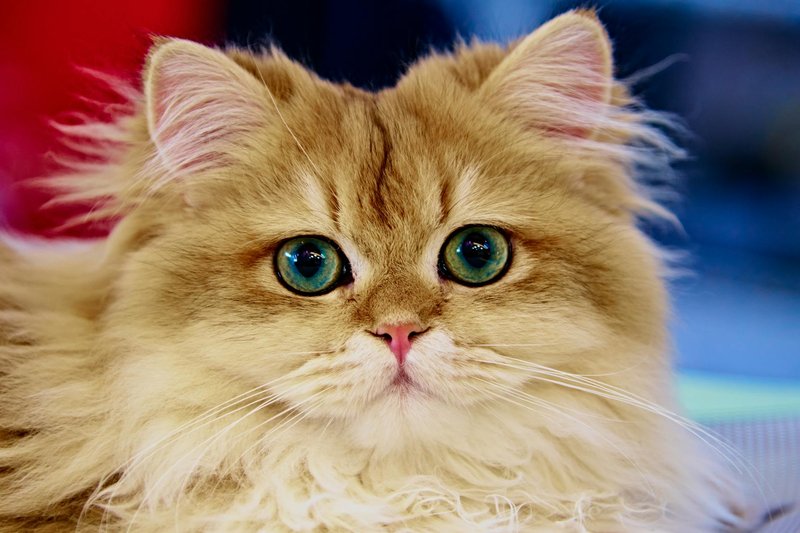
Persians are the calm option. They want a warm lap and a peaceful room, and they’ll reward you with steady, undemanding affection. They don’t follow you around or yell. They wait for you to come to them, then settle in for the long haul.
That flat face and long coat come with real upkeep: daily brushing, regular eye wiping, and awareness of the breathing issues that flat-faced (brachycephalic) cats can have. For a quiet apartment and an owner who finds grooming meditative, few breeds are cozier.
7. Ragamuffin — the holdable teddy bear
A close cousin of the Ragdoll, the Ragamuffin is bred for exactly one thing: being a sweet, mellow, holdable companion. They go slack when picked up, tolerate handling that would offend most cats, and adapt easily to kids and chaos.
The coat is plush but less prone to matting than a Persian’s. If you want a Ragdoll’s temperament with a bit more variety in color and a slightly sturdier build, this is it.
8. Scottish Fold — the loyal little owl
Those folded ears (caused by a cartilage gene) give the Scottish Fold its owl look, and the personality matches the soft appearance. Folds bond closely to their people, like to be in the same room, and are calm enough for apartment life.
One honest note: the same gene that folds the ears affects cartilage throughout the body and can cause painful joint disease. Reputable breeders manage this carefully, and the breed’s welfare concerns are worth reading before you buy.
9. Birman — the soft-spoken shadow
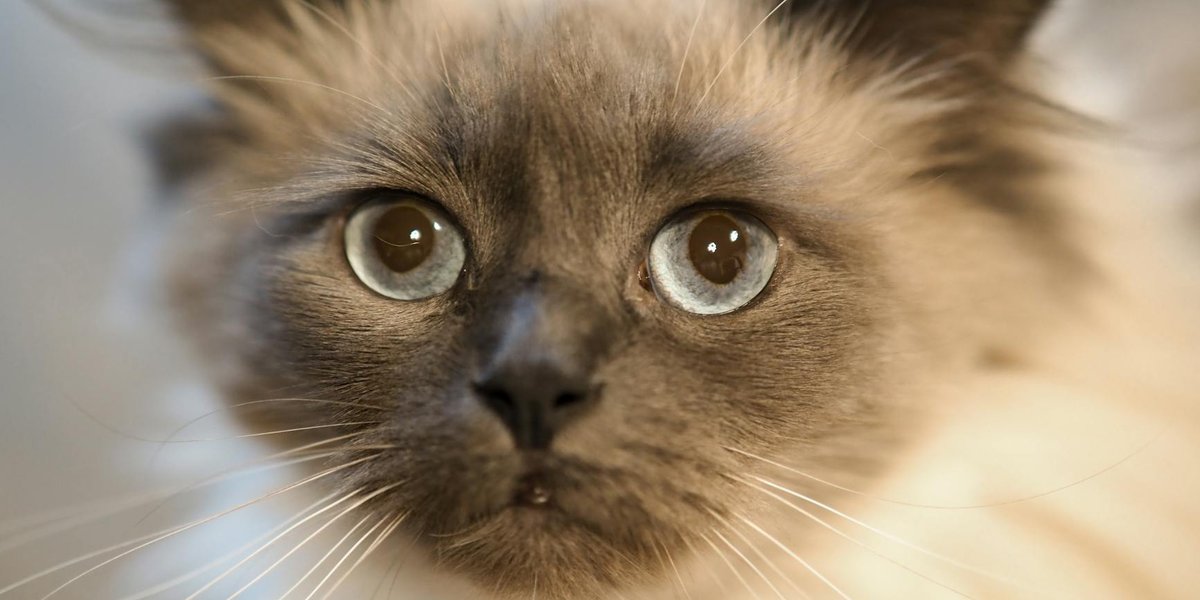
Birmans are the diplomats of the cuddly-cat world. Sweet, quiet, and gentle, they follow you around without the neediness of a Siamese and get along famously with other animals. They have striking blue eyes and white “gloves” on every paw.
The silky coat lacks a heavy undercoat, so it resists matting and needs only occasional brushing. A great pick for a multi-pet home that wants harmony, not drama.
10. Tonkinese — the shoulder rider
Cross a Siamese with a Burmese and you get the Tonkinese: the social intensity of one, the lap-loving of the other, dialed to a manageable middle. They love to ride on shoulders, play fetch, and stay involved in everything.
Lower-volume than a Siamese but still chatty, the Tonkinese suits an active household that wants interaction without constant yelling.
11. Devon Rex — the four-legged clown
The Devon Rex looks like a pixie — big ears, curly thin coat, mischievous face — and acts like one. They’re heat-seekers that wedge into your clothes, perch on shoulders, and wag through the house demanding to be part of the action.
The sparse curly coat sheds little, making them another lower-allergen option (again, not truly hypoallergenic). Highly playful and people-focused, they need a home that engages with them.
12. Abyssinian — the affectionate supervisor
The Abyssinian shows love through participation. This is not a lap cat that sits still; it’s the cat perched on the bookshelf watching you cook, the one that has to inspect every bag you bring home. Their affection is the affection of constant involvement.
The ticked, short coat is wash-and-wear easy. Best for an engaged owner who wants a busy, interactive companion rather than a warm blanket with a heartbeat.
Best affectionate breed for your situation
The cuddliest breed on paper isn’t the right breed for everyone. Match it to your life.
- First-time owners: Ragdoll or Ragamuffin. Easygoing, forgiving, guaranteed lap time, no surprises.
- Families with kids: Maine Coon or Ragamuffin. Big, patient, and hard to ruffle.
- Apartments and small spaces: Persian or Scottish Fold. Low-energy, content to stay close without needing to roam.
- People home all day: Siamese, Burmese, or Tonkinese. They want the company and will be happiest with it.
- Allergy-aware households: Sphynx or Devon Rex spread less Fel d 1 around the house — but test your reaction with a real cat first, because no breed is genuinely allergy-free.
- Multi-pet homes: Birman. The peacemaker that slots into the existing hierarchy without fuss.
If your evenings are the main event — couch, blanket, a cat draped over your legs — it’s also worth browsing breeds picked specifically for calm, affectionate company on chill evenings, which leans toward the low-energy end of this list.
The downside nobody mentions: velcro cats
Most affectionate-breed lists sell the dream and skip the bill. Here it is.
The same intensity that makes Siamese, Burmese, Sphynx, and Tonkinese cats so loving makes them prone to separation anxiety. A velcro cat left alone for ten hours a day can develop real problems: yowling, over-grooming until there are bald patches, refusing food, or litter box protests aimed squarely at you. This is documented feline behavior, not just a quirk.
If you travel constantly or work long days away from home, the most affectionate breeds are the wrong choice — you’ll come home to a stressed animal and a destroyed couch arm. A second cat helps, but it’s not a guarantee. Be honest about your schedule before you bring home a breed that was engineered to need you.
How to encourage affection in any cat
Breed sets the ceiling. Your behavior decides whether the cat reaches it. These work on any cat, pedigree or not.
- Let the cat set the pace. Forcing contact backfires. Sit nearby, ignore the cat, and let curiosity bring it to you. Cats trust people who don’t grab.
- Use the slow blink. Slowly closing and opening your eyes is genuine cat body language for “I’m safe.” A 2020 study from the University of Sussex found cats are more likely to approach humans who slow-blink at them.
- Feed and play on a routine. Predictability builds security, and a secure cat is an affectionate one.
- Play before cuddle time. A 10-minute hunt-and-pounce session burns energy and ends with a calm, lap-ready cat. Wand toys beat laser pointers, which leave nothing to “catch.”
- Reward closeness, not chasing. Treat the cat when it chooses to be near you, not when you’ve cornered it.
Do this for a few weeks and even a standoffish cat usually warms up. Affection is a relationship, not a setting.
Affection isn’t guaranteed (and that’s fine)
Here’s the part the breeders won’t lead with: buying an affectionate cat breed buys you better odds, not a contract. Individual personality varies wildly within any breed. There are aloof Ragdolls and lap-hogging tabbies from the shelter parking lot.
Plenty of the most loving cats anyone’s ever owned were random domestic shorthairs that picked their person and never let go. Early socialization, a stable home, and patience matter more than papers. If your heart’s set on cuddles, the shelter is full of cats who’d flop into your lap tomorrow — and adopting one costs a fraction of a pedigree kitten.
So treat this list as a starting point, not a shopping cart. The cuddliest cat in your life will probably be the one you build trust with, whatever its lineage says.