Whether you live in a compact city flat or a roomy country house, the cat breed you choose affects daily routines, space needs, and how much time you’ll spend grooming and playing. High-energy or long-coated cats can change your schedule and setup more than you might expect.
There are 20 high-maintenance cat breeds, ranging from Abyssinian to Turkish Van. For each one, you’ll find below a compact table listing Scientific name, Weight (kg), and Maintenance focus so you can compare grooming, activity and health needs at a glance.
How can I tell if a high-maintenance cat breed will fit my lifestyle?
Look at time, space and budget: do you have hours for grooming and play each day, room for active behavior, and funds for regular vet care? Match those realities to a breed’s typical needs (coat type, energy level, common health issues) and consider meeting a cat or breeder first to gauge temperament.
What are the most common care needs for these breeds?
Expect frequent grooming for long or dense coats, daily interactive play for high-energy types, regular dental and health checks for breed-specific risks, and environmental enrichment to prevent boredom; addressing these reduces behavior problems and keeps the cat healthy.
High-Maintenance Cat Breeds
| Name | Scientific name | Weight (kg) | Maintenance focus |
|---|---|---|---|
| Persian | Felis catus | 3.5-6.0 | Daily grooming; brachycephalic and PKD screening needs |
| Himalayan | Felis catus | 3.5-6.0 | Long-coat maintenance, brachycephalic health monitoring |
| Exotic Shorthair | Felis catus | 3.5-6.0 | Facial/respiratory care; moderate grooming needs |
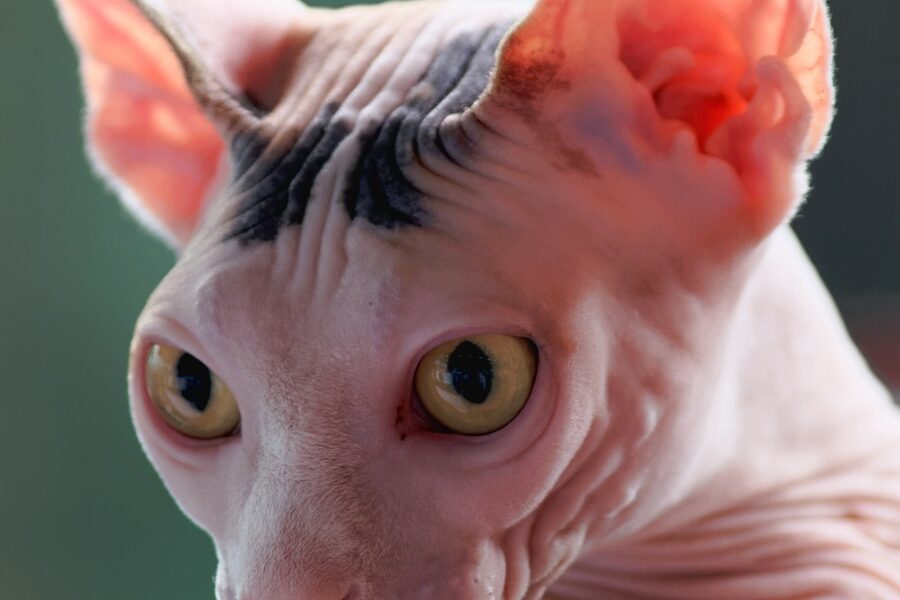
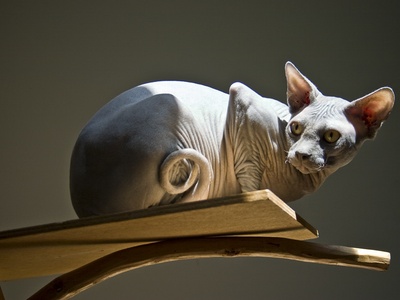
| Sphynx | Felis catus | 3.5-6.0 | Skin care, temperature sensitivity, frequent bathing |
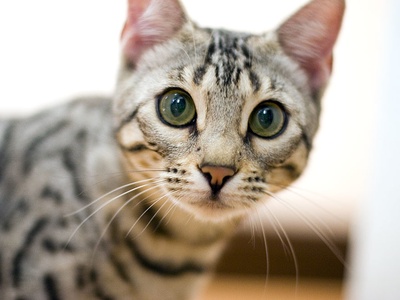
| Bengal | Felis catus×Prionailurus bengalensis | 4.0-7.0 | High activity, enrichment needs; occasional hybrid legal issues |
| Savannah | Felis catus×Leptailurus serval | 4.5-11.0 | Large size, extreme activity, legal/special housing needs |
| Chausie | Felis catus×Felis chaus | 4.0-8.0 | High energy, social needs; hybrid background care |
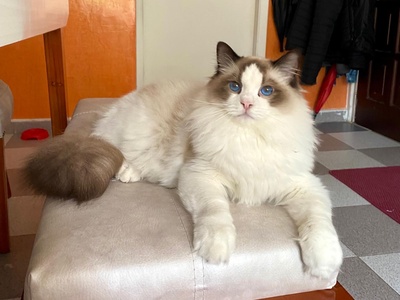
| Ragdoll | Felis catus | 4.5-9.0 | Large size, social dependency, HCM screening advised |
| Maine Coon | Felis catus | 4.5-8.0 | Seasonal grooming, HCM and hip screening |
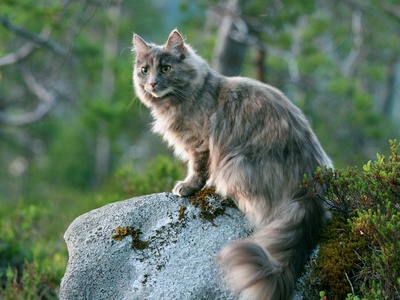
| Norwegian Forest Cat | Felis catus | 4.0-7.0 | Thick double coat requires seasonal care; large, active |
| Somali | Felis catus | 3.5-5.5 | Long coat grooming plus high activity and social needs |
| Abyssinian | Felis catus | 3.0-5.5 | Very active, needs enrichment and social time |
| Siamese | Felis catus | 2.5-5.5 | High social and vocal needs; separation sensitivity |
| Balinese | Felis catus | 2.5-5.5 | Long coat care plus Siamese-level social needs |
| Oriental (Shorthair/Longhair) | Felis catus | 2.5-5.5 | High social needs; longhair variant needs grooming |
| Cornish Rex | Felis catus | 2.5-5.0 | Thin coat, temperature sensitivity, active social needs |
| Devon Rex | Felis catus | 2.5-5.0 | Skin/temperature care, high social energy |
| Scottish Fold | Felis catus | 2.5-6.0 | Hereditary bone/joint disorders; requires veterinary monitoring |
| Manx | Felis catus | 3.5-6.5 | Potential spinal/urinary issues; requires health monitoring |
| Turkish Van | Felis catus | 4.0-7.0 | Active, water-loving, modest grooming but high activity |
Images and Descriptions
Persian
Persians have long, dense coats needing daily brushing plus regular eye and facial care. Brachycephalic facial structure and PKD risk demand ongoing vet screening. Common as indoor pets; not ideal for active families without grooming help (CFA; veterinary sources).

Himalayan
Himalayans are colorpoint Persians with identical high grooming needs and brachycephalic concerns. Regular brushing, eye cleaning, and PKD/HCM checks are recommended. Suits calm, indoor homes where owners can commit to frequent coat care (CFA; breed clubs).
Exotic Shorthair
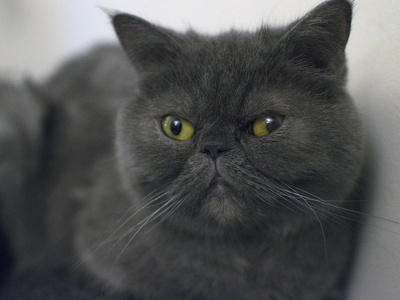
Exotic Shorthairs have Persian-type faces with a short coat; they still need tear-stain care and monitoring for brachycephalic respiratory problems. Coat is lower-maintenance than Persians but vets recommend regular health screening (CFA; veterinary literature).
Sphynx
Hairless Sphynx cats need regular baths to remove oil buildup, protection from sun, and warm indoor environments. They’re social and demand attention; owners should be prepared for frequent skin and ear care (CFA; veterinary sources).
Bengal
Bengals are energetic and intelligent; they require abundant playtime, vertical space, and mental stimulation. Some early-generation Bengals carry hybrid ancestry requiring permitting in some areas. Best for active households that provide enrichment (TICA; feline behavior sources).
Savannah
Savannahs (especially early generations) are large, highly active, and may require special permits. They need secure, roomy environments and experienced owners aware of behavioral and veterinary complexities (TICA; hybrid-breed guidance).
Chausie
Chausies are athletic, curious, and strongly social; they thrive with lots of play and space. Hybrid origin means some owners encounter unique behavioral and legal considerations. Not ideal for first-time owners (TICA; breed clubs).
Ragdoll
Ragdolls are very social and often follow owners around; they need companionship and can be stressed by long absences. Breed predisposition to HCM means routine cardiac screening is wise. Suited to families who can provide attention (CFA; veterinary cardiology).
Maine Coon
Maine Coons have thick, long coats requiring regular brushing and seasonal shedding management. They’re large and prone to HCM and hip dysplasia in some lines, so veterinary screening is recommended. Good for homes with space (CFA; veterinary sources).
Norwegian Forest Cat
Norwegian Forest Cats have dense, weather-resistant coats that shed seasonally and need grooming to prevent mats. They’re active climbers who benefit from vertical space. Regular coat care and attention suit outdoor-safe or spacious indoor homes (CFA; breed clubs).
Somali
Somalis are long-haired Abyssinians with silky coats needing brushing and a high drive for play and interaction. They suit owners who enjoy interactive play and routine coat maintenance (CFA; feline care sources).
Abyssinian
Abyssinians are highly energetic and curious; they require daily interactive play, environmental enrichment, and social interaction. Grooming is light but owners must commit to mental stimulation to prevent behavioral issues (CFA; behavior sources).
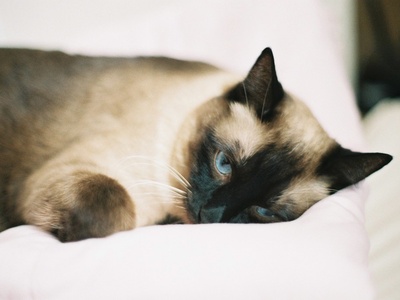
Siamese
Siamese cats are famously vocal and people-oriented, often demanding attention and companionship. They do well in interactive homes and can develop behavior issues if left alone long-term. Ideal for attentive households (CFA; behavior literature).
Balinese
Balinese are long-haired Siamese variants needing regular grooming and lots of social interaction. They combine coat maintenance with high vocal and companion needs; suited to owners who want a talkative, affectionate cat and will groom regularly (CFA).
Oriental (Shorthair/Longhair)
Oriental breeds are vocal, energetic, and bond strongly with owners. Longhair variants need routine brushing. They’re best for households offering interaction, play, and enrichment rather than long solo periods (CFA; breed clubs).
Cornish Rex
Cornish Rex cats have a fine curly coat that provides less insulation, so they need warm environments and skin/ear care. They’re playful and people-focused, requiring attention and indoor comfort (CFA; veterinary sources).
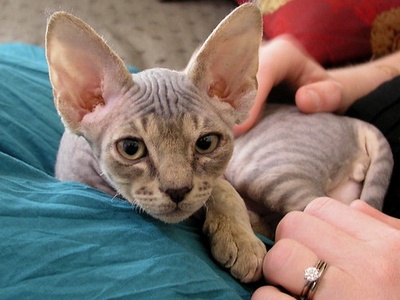
Devon Rex
Devon Rex cats have short, soft coats and can be heat-seeking; they need warm indoor environments and social interaction. Regular ear and skin checks are useful. Suits owners who want an affectionate, active companion (CFA).
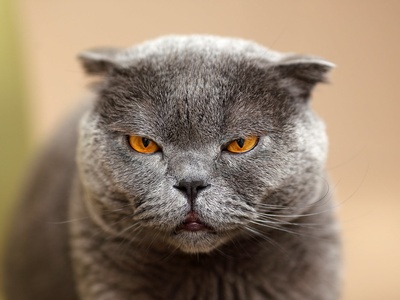
Scottish Fold
Scottish Folds may carry osteochondrodysplasia causing painful degenerative joint disease; breeders and owners should monitor mobility and avoid supporting harmful breeding practices. Regular veterinary oversight is recommended (CFA; veterinary genetics).
Manx
Manx cats can inherit spinal defects and related urinary or bowel problems (“Manx syndrome”). Prospective owners should plan for veterinary monitoring and understand potential mobility or surgical needs. Suits committed owners (CFA; veterinary sources).
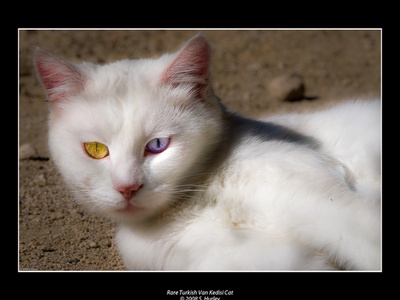
Turkish Van
Turkish Vans are active swimmers and need space and enrichment. Their semi-long coat requires routine brushing; they prefer interactive homes with opportunities for play and water access (breed clubs; CFA).