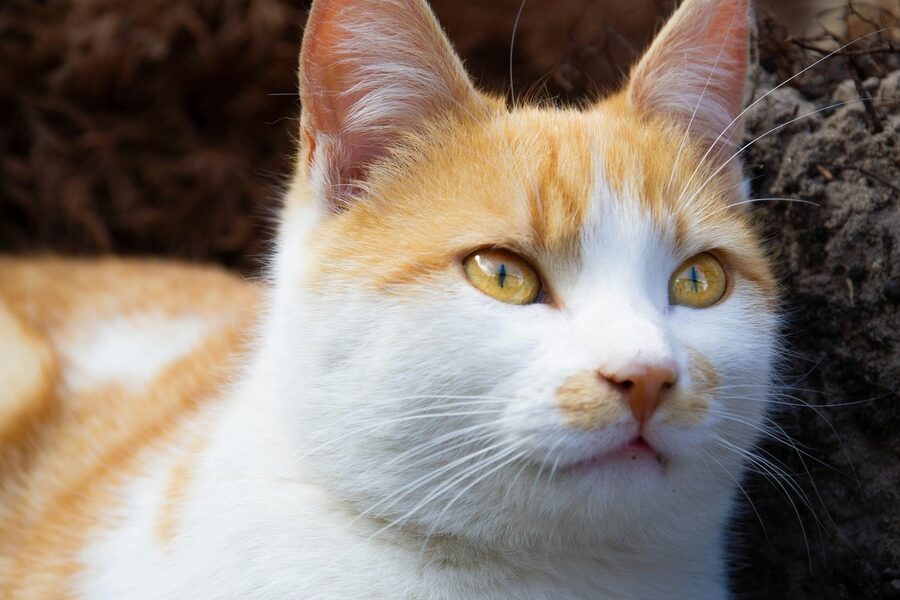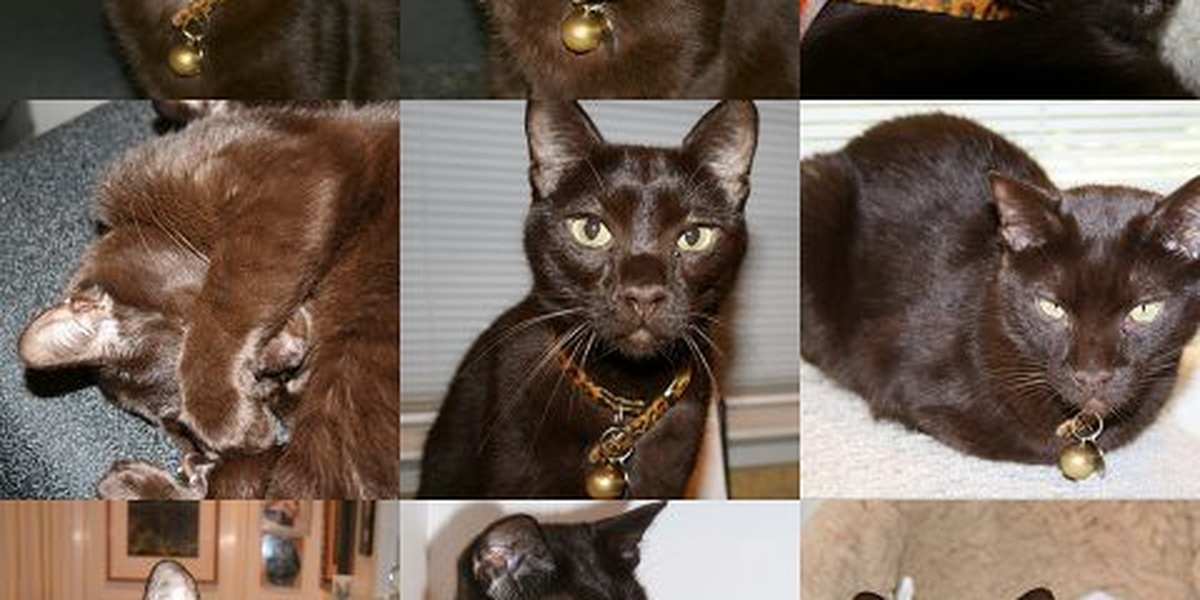
Across city apartments and country homes, brown-toned cats add a warm, earthy presence that often goes unnoticed in breed roundups. Whether you notice a rich sable coat on a lap cat or a subtle cinnamon shading outdoors, these traits point to a surprising variety of breeds and genetics.
There are 29 brown cat breeds, ranging from Abyssinian to Turkish Angora. For each entry you’ll find below the Scientific name, Brown variant (recognized?), Origin (region/country), so you can quickly see the taxonomy, whether a brown form is officially acknowledged, and where the breed developed—you’ll find those details below.
How can I tell if a cat belongs to one of these brown breeds?
Look for a combination of coat color, pattern, body type and documented pedigree; single traits alone aren’t definitive. Photographs and basic markings can narrow possibilities, but breed standards and registration papers (or a reputable breeder or rescuer) are the most reliable way to confirm whether a cat matches one of the listed breeds.
Are brown coat variants consistently recognized by cat registries?
Recognition varies by registry and by breed—some organizations accept specific brown or chocolate varieties, others do not—often depending on historical standards and genetic naming (e.g., chocolate vs. brown). Check the “Brown variant (recognized?)” column below and consult specific registry rules for confirmation.
Brown Cat Breeds
| Breed | Scientific name | Brown variant (recognized?) | Origin (region/country) |
|---|---|---|---|
| Abyssinian | Felis catus | Ruddy/sorrel (warm brown); recognized CFA/TICA/GCCF | Ethiopia/ancient Egypt |
| Somali | Felis catus | Ruddy/sorrel longhair (brown ticked); recognized CFA/TICA/GCCF | Somalia/East Africa (longhair Abyssinian) |
| Burmese | Felis catus | Sable/sepia (dark brown); recognized CFA/TICA/GCCF | Myanmar (Burma) |
| Siamese | Felis catus | Seal point (brown points); recognized CFA/TICA/GCCF | Thailand (Siam) |
| Balinese | Felis catus | Seal point (brown points); recognized CFA/TICA/GCCF | United States (longhaired Siamese) |
| Tonkinese | Felis catus | Natural mink (brownish mink); recognized CFA/TICA/GCCF | Southeast Asia origin (developed in North America) |
| Havana Brown | Felis catus | Chestnut/burnt brown solid; recognized TICA/GCCF (varies by registry) | United Kingdom (developed in Europe) |
| Egyptian Mau | Felis catus | Bronze/brown spotted; recognized CFA/TICA/GCCF | Egypt (modern Egypt/Mediterranean) |
| Ocicat | Felis catus | Tawny/brown spotted (brown tabby); recognized CFA/TICA/GCCF | United States (bred from Abyssinian/Siamese/American Shorthair) |
| Maine Coon | Felis catus | Brown tabby (classic/mackerel); recognized CFA/TICA/GCCF | Northeastern United States (Maine) |
| Norwegian Forest Cat | Felis catus | Brown tabby; recognized CFA/TICA/GCCF | Scandinavia (Norway) |
| British Shorthair | Felis catus | Brown/tabby/chocolate (varies); recognized (varies by registry) | United Kingdom |
| American Shorthair | Felis catus | Brown tabby; recognized CFA/TICA/GCCF | United States |
| Scottish Fold | Felis catus | Brown tabby; recognized (varies by registry) | Scotland |
| Manx | Felis catus | Brown tabby; recognized CFA/TICA/GCCF | Isle of Man (British Isles) |
| Sphynx | Felis catus | Chocolate/cinnamon skin markings; recognized CFA/TICA/GCCF | Canada (modern breed) |
| Devon Rex | Felis catus | Chocolate/cinnamon/brown variants; recognized CFA/TICA/GCCF | United Kingdom |
| Cornish Rex | Felis catus | Chocolate/cinnamon/brown variants; recognized CFA/TICA/GCCF | United Kingdom (Cornwall) |
| Ragdoll | Felis catus | Seal point (brown points); recognized CFA/TICA/GCCF | United States |
| Birman | Felis catus | Seal point (brown points); recognized CFA/TICA/GCCF | Myanmar/France (development) |
| Persian | Felis catus | Brown/tabby/chocolate variants; recognized CFA/TICA/GCCF | Iran (Persia) |
| Oriental Shorthair | Felis catus | Chocolate/cinnamon/brown varieties; recognized CFA/TICA/GCCF | United Kingdom/United States (from Siamese) |
| Singapura | Felis catus | Sepia agouti (brown ticked); recognized CFA/TICA/GCCF | Singapore |
| Exotic Shorthair | Felis catus | Brown/tabby variants; recognized CFA/TICA/GCCF | United States (Persian cross) |
| Japanese Bobtail | Felis catus | Brown/tabby patterns (mackerel/spot); recognized CFA/TICA/GCCF | Japan |
| Turkish Angora | Felis catus | Brown/tabby accepted (varies by registry) | Turkey |
| Selkirk Rex | Felis catus | Brown/tabby/chocolate variants; recognized CFA/TICA/GCCF | United States |
| LaPerm | Felis catus | Brown/tabby/chocolate variants; recognized TICA/GCCF (varies) | United States |
| Aegean | Felis catus | Brown/tabby common; recognition varies (TICA/WCF) | Greece (Aegean islands) |
Images and Descriptions

Abyssinian
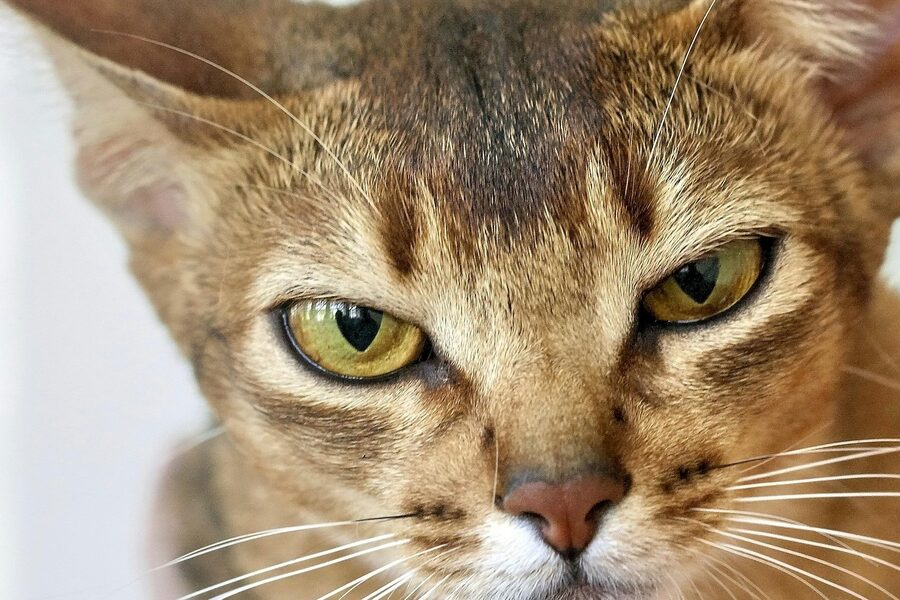
Abyssinians are sleek, active cats famous for their ticked “ruddy” coat — a warm brown agouti. Brown is a standard, well-recognized color. Friendly, curious and energetic, they suit owners who enjoy playful, interactive pets and easy grooming.
Somali
The Somali is the longhaired Abyssinian with the same warm ruddy brown ticking. Brown is a key, registry-recognized shade. They are lively, affectionate, and high-energy, with expressive fur that needs regular brushing and lots of playtime.
Burmese
Burmese often display a rich sable or sepia brown coat; this deep brown is a hallmark of the breed and officially recognized. They are people-focused, affectionate, and adaptable, making excellent companions for families and singles alike.
Siamese
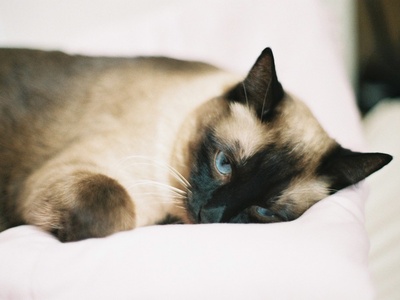
Siamese colorpoints include seal (brown) points on ears, face, paws, and tail with a lighter body. Seal point is one of the classic, well-recognized brown-related colors. Vocal, social, and intelligent, Siamese need attention and stimulation.
Balinese
Balinese are the longhaired counterparts of Siamese and share seal point (brown) coloring. The brown points are official and common. They are graceful, talkative, and affectionate, with silky coats that need moderate grooming.
Tonkinese
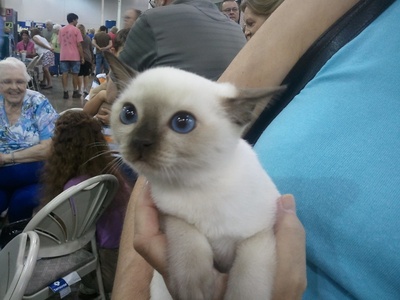
Tonkinese show a mink pattern that blends Siamese and Burmese traits; brownish mink shades are recognized. They are playful, people-oriented, and adaptable, often described as a sociable middle ground between Siamese and Burmese.
Havana Brown
Havana Brown is bred specifically for a rich, warm chestnut brown coat and green eyes; the brown is the breed’s defining feature and is recognized by many registries. They are affectionate, intelligent, and slightly reserved with strangers.
Egyptian Mau
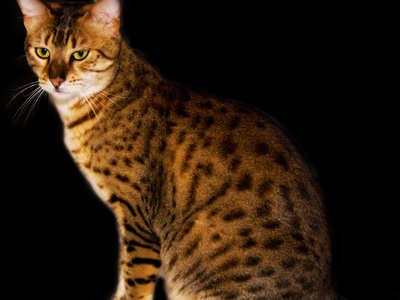
The Egyptian Mau’s naturally occurring bronze or brown-spotted coat is a hallmark of the breed and officially accepted. They are athletic, loyal, and playful, known for speed and a loving but independent personality.
Ocicat
Ocicats display a wild-looking tawny or brown spotted coat that is a recognized color. They are outgoing, confident, and social, often dog-like in behavior and eager for interaction and play.
Maine Coon
Maine Coons commonly occur in brown tabby patterns, a standard and widely accepted color. These large, gentle cats are friendly, adaptable, and great with families, notable for tufted ears and shaggy coats needing moderate grooming.
Norwegian Forest Cat
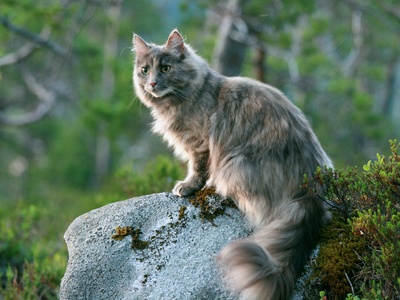
Norwegian Forest Cats often appear in brown tabby varieties, which are standard for the breed. They’re robust, playful, and independent outdoorsy cats with thick double coats suited to colder climates and family life.
British Shorthair
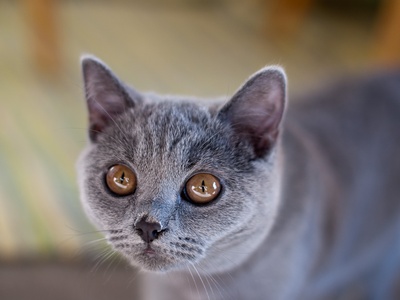
British Shorthairs can show brown and chocolate tabby variants accepted by many registries. Known for their stocky build and calm temperament, they’re affectionate but independent and adapt well to quiet households.
American Shorthair
American Shorthairs commonly come in brown tabby patterns that are standard and widely seen. Hardy and easygoing, they make reliable family pets with moderate activity levels and a friendly, tolerant nature.
Scottish Fold
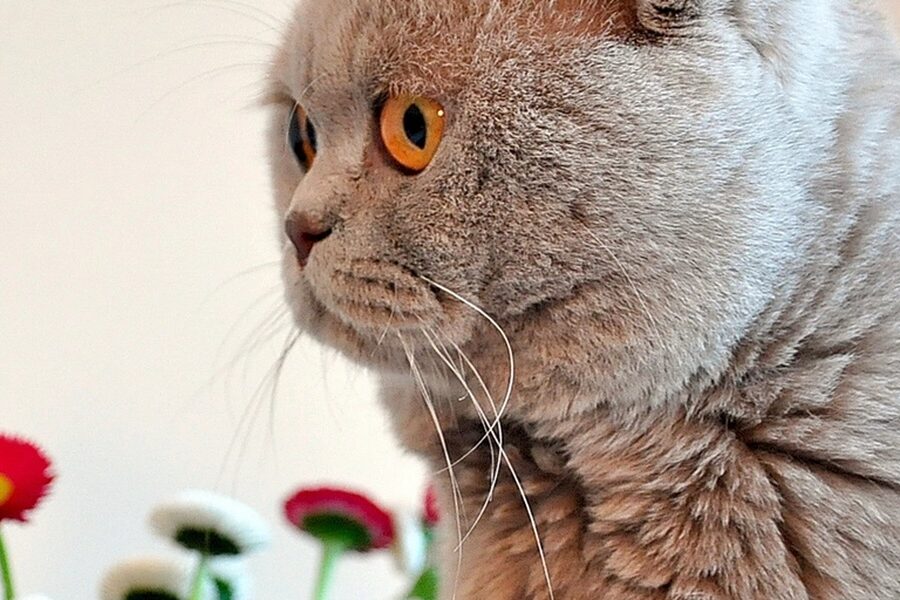
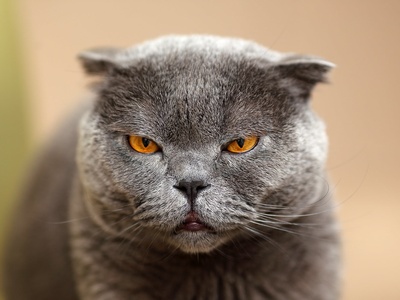
Scottish Folds frequently have brown tabby coats, accepted by many registries. Known for their folded ears and sweet, gentle disposition, they are calm, affectionate companions that prefer close human company.
Manx
Manx cats often display brown tabby patterns that are standard for the breed. Tail-less to short-tailed, they are sturdy, playful, and people-friendly, with a reputation for doglike loyalty and good-hearted temperaments.
Sphynx
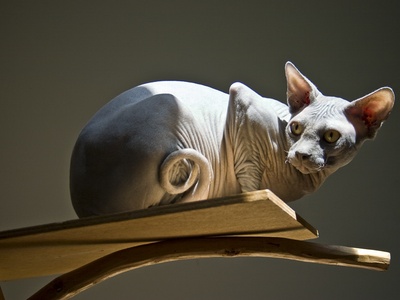
Sphynx show coat colors as skin pigmentation; chocolate and brownish tones are recognized and can be seen on their down-covered bodies. They are affectionate, energetic, and need regular skin care and warmth from humans.
Devon Rex
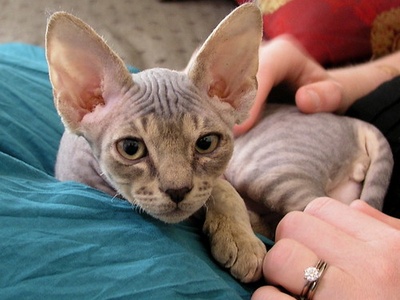
Devon Rex cats may display brown-related colors like chocolate or cinnamon among accepted shades. With large ears, curly coats, and impish personalities, they are playful, affectionate, and crave interaction with owners.
Cornish Rex
Cornish Rex can present chocolate and brownish shades in their short curly coats; registries accept these. They are active, agile, and people-oriented, enjoying play and companionship while needing minimal grooming.
Ragdoll
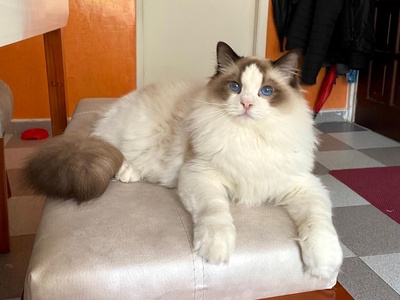
Ragdolls have colorpoint varieties including seal (brown) points that are standard and common. Known for relaxed, floppy behavior when handled, they’re gentle, affectionate, and excellent with families and children.
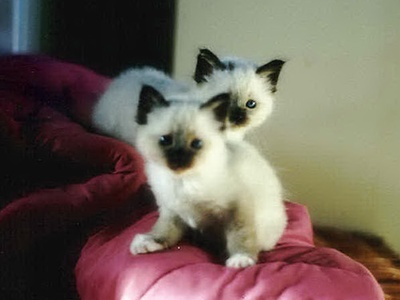
Birman
Birmans exhibit seal point coloring among recognized point varieties; brown points are standard. They’re gentle, sociable, and quiet cats, often described as calm, affectionate, and good with families and other pets.
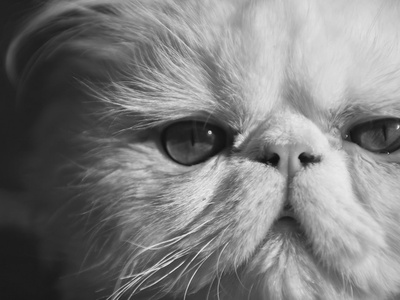
Persian
Persians can occur in brown tabby and chocolate varieties that are accepted by major registries. Renowned for long, flowing coats and a placid nature, Persians need regular grooming and calm household environments.
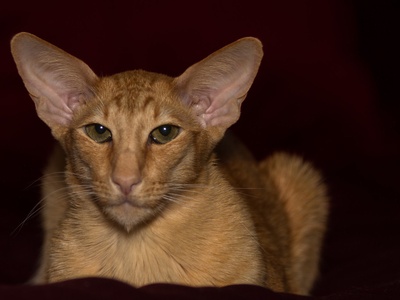
Oriental Shorthair
Oriental Shorthairs accept chocolate, cinnamon and brown shades as standard colors. Sleek, vocal, and social, they favor active households and form strong bonds, often following owners around.
Singapura
Singapura cats have a distinctive sepia agouti coat — a small, warm brown ticked pattern that’s a breed hallmark and recognized. They’re affectionate, playful, and small in size, making them lively apartment companions.
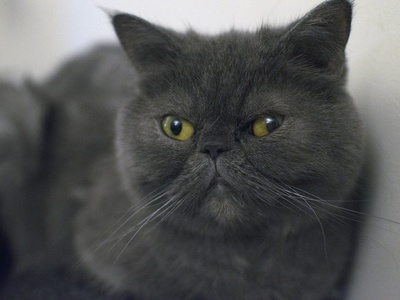
Exotic Shorthair
Exotic Shorthairs share Persian-type colors including brown tabby variants that are recognized. They blend Persian looks with a short coat, offering a calm, affectionate temperament and easier grooming than longhair Persians.
Japanese Bobtail
Japanese Bobtails often come in brown tabby varieties, which are accepted by registries. Distinctive for their short “pom-pom” tails, they are playful, vocal, and highly social, with a history in folklore and art.
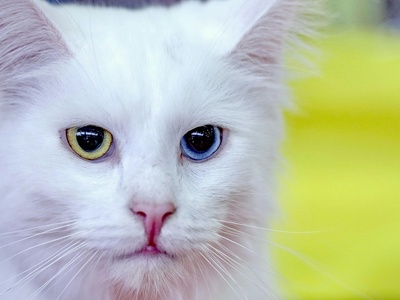
Turkish Angora
Turkish Angoras can show brown tabby patterns among accepted colors depending on registry. They are graceful, intelligent, and energetic cats with silky coats; historically prized in Turkey and affectionate with family members.
Selkirk Rex
Selkirk Rex accepts brown and chocolate tabby shades in its curly-coated varieties. They’re known for plush, loose curls and a calm, sweet temperament, making them affectionate lap cats that handle family life well.
LaPerm
LaPerms can appear in brown tabby and chocolate shades accepted by many registries. Their curly, textured coats are unique; they are affectionate, playful, and adaptable, enjoying attention without being overly demanding.

Aegean
Aegean cats commonly show brown tabby patterns and are a natural island breed; acceptance by registries varies. They are hardy, friendly, and sociable, often enjoying outdoor exploration and close bonds with families.