Liberia declared independence in 1847 and still protects swaths of the Upper Guinean Rainforest that once stretched across West Africa.
Spread across 111,369 km² and home to roughly ~5.1 million people, Liberia shelters pockets of exceptional biodiversity—from intact lowland rainforest to mangrove-lined coasts. That mix makes Liberian wildlife distinct: many large mammals, canopy specialists, shore-nesting turtles, and myriad pollinators persist here even as logging, mining, hunting, and the international wildlife trade squeeze habitats and populations.
This piece profiles ten species and groups that define the country’s natural heritage, highlights why each matters ecologically and culturally, and points to practical conservation work—often run by local communities and groups such as Fauna & Flora International (FFI) and IUCN partners. Here are the top 10 diverse wildlife of Liberia and why each matters.
Iconic Rainforest Mammals
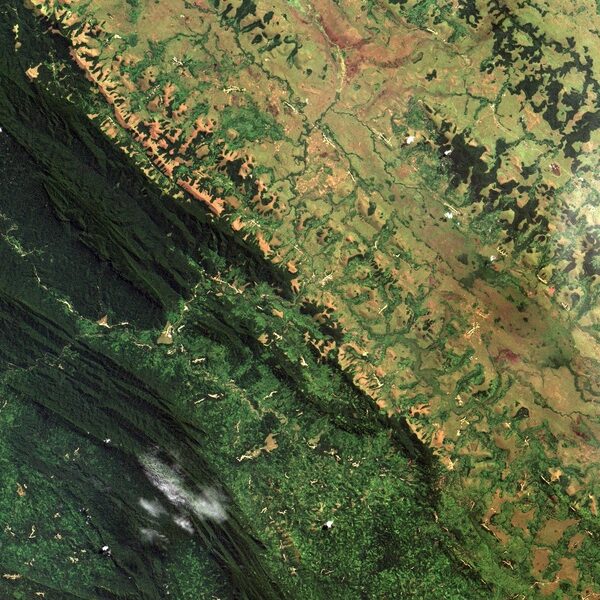
Liberia’s remaining intact rainforest supports rare, large mammals that are focal points for regional conservation and tourism. Sapo National Park—the country’s flagship protected area at roughly ~1,800 km²—contains some of the best remaining habitat for these species and serves as a base for research and patrols.
Primary threats include industrial and small-scale logging, mining encroachment, and unsustainable hunting for bushmeat and ivory. These pressures fragment habitat, reduce animal movement, and weaken the ecological roles mammals perform, such as seed dispersal and creating wallows or forest gaps that benefit other species.
Conservation actors—international NGOs (e.g., Fauna & Flora International), local community forest guards, and government rangers—combine anti-poaching patrols, community outreach, and scientific monitoring to protect populations and foster ecotourism opportunities that provide local income.
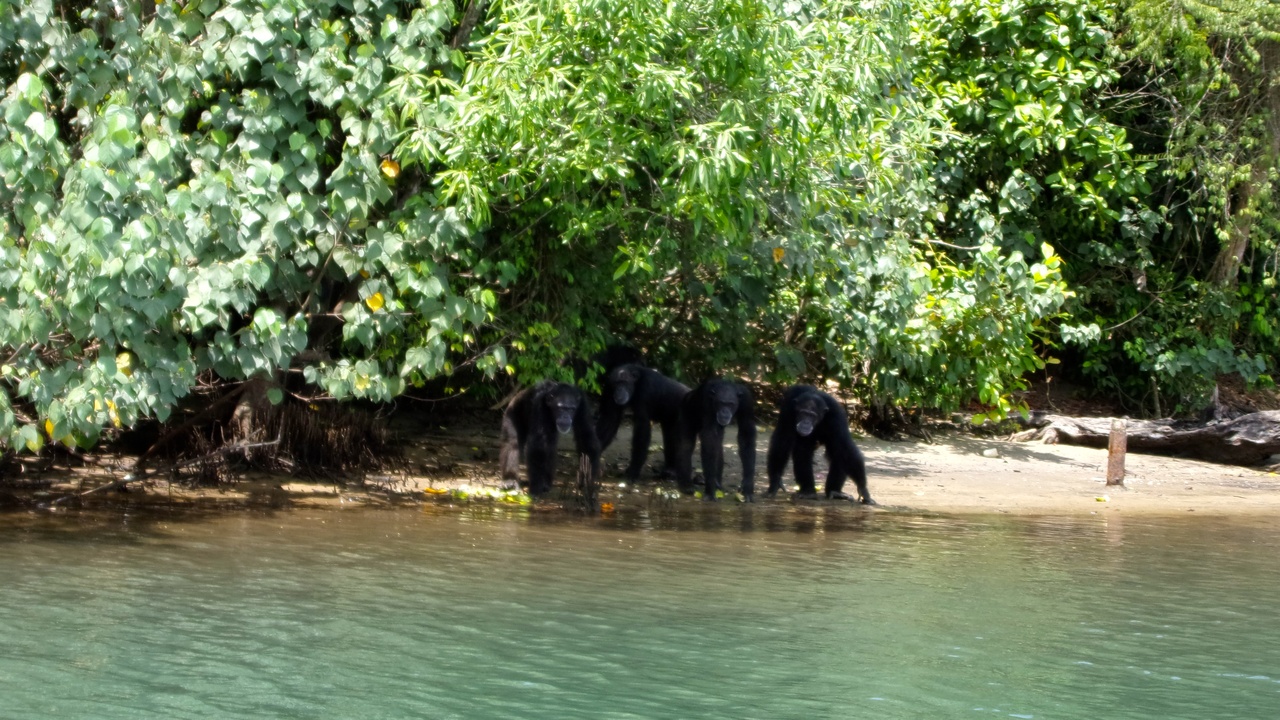
1. West African Chimpanzee (Pan troglodytes verus)
The West African chimpanzee is a keystone primate in Liberia’s forests, shaping plant communities through seed dispersal and serving as a cultural symbol for many local groups.
This subspecies has suffered steep declines across West Africa and is the subject of IUCN concern; in Liberia, chimpanzees persist in forest blocks including Sapo and community forests. Field teams conduct primate surveys and camera-trap studies to monitor troop numbers and movements.
Local conservation programs—community-based anti-poaching patrols supported by NGOs and researcher-led habituation studies—help reduce hunting pressure and create ecotourism and research opportunities that directly fund protection and local livelihoods.
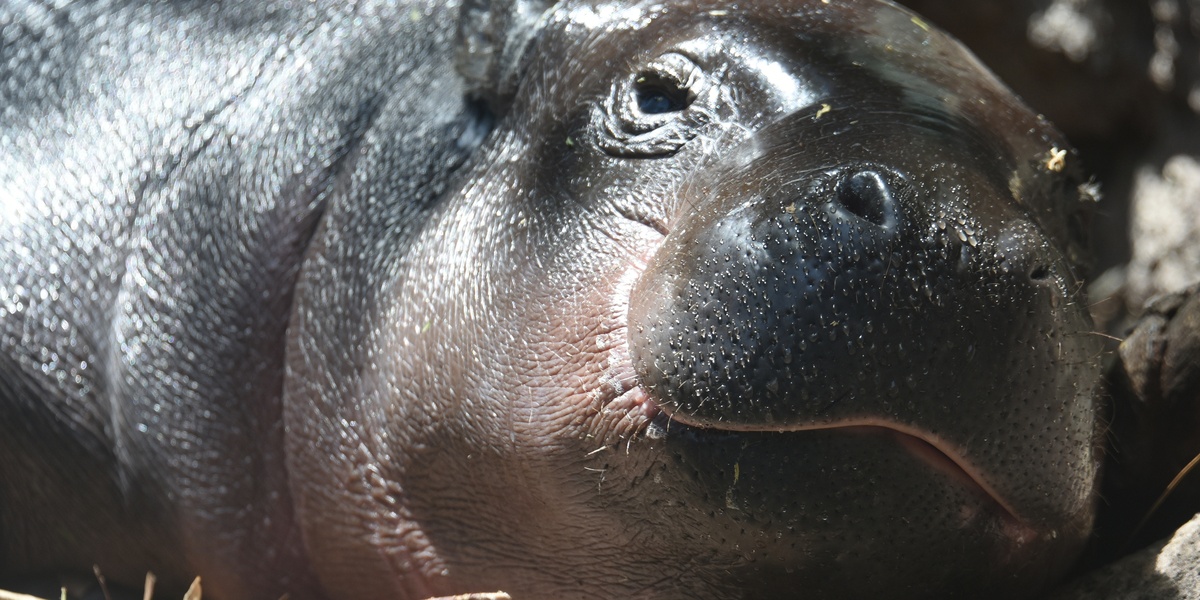
2. Pygmy Hippopotamus (Choeropsis liberiensis)
Restricted in range and tied to riverine forest, the pygmy hippopotamus is one of Liberia’s most emblematic mammals and occurs in remnant wet forest and swamp habitats.
Wild numbers are low—perhaps a few thousand at most globally—so Liberia’s river corridors and intact swamp forest matter for the species’ survival. Pygmy hippos alter vegetation and create wallows used by amphibians and invertebrates, influencing aquatic habitat dynamics and water quality for people downstream.
Conservation links in-situ protection of river corridors with ex-situ captive-breeding programs in several international zoos; community efforts to protect freshwater habitat yield dual benefits for water security and this rare mammal.
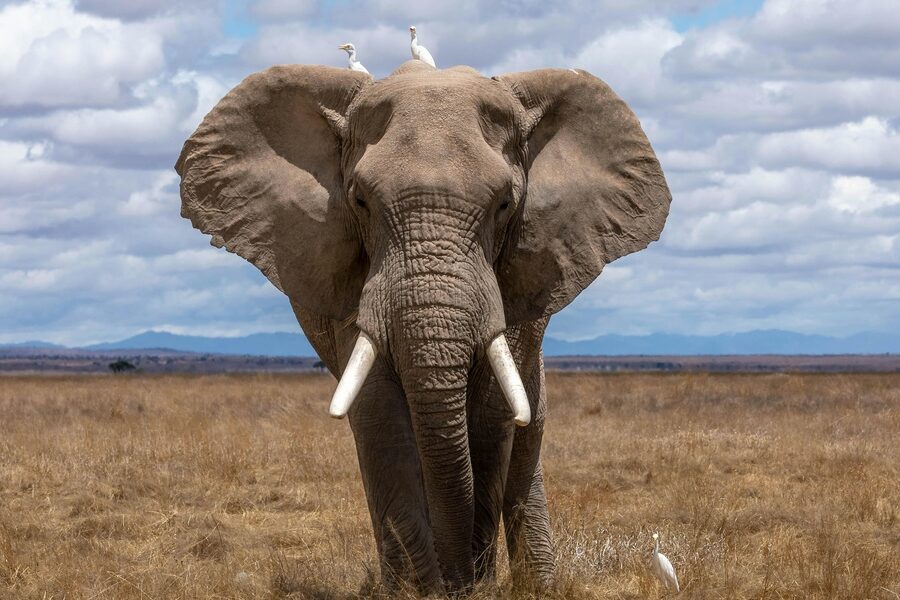
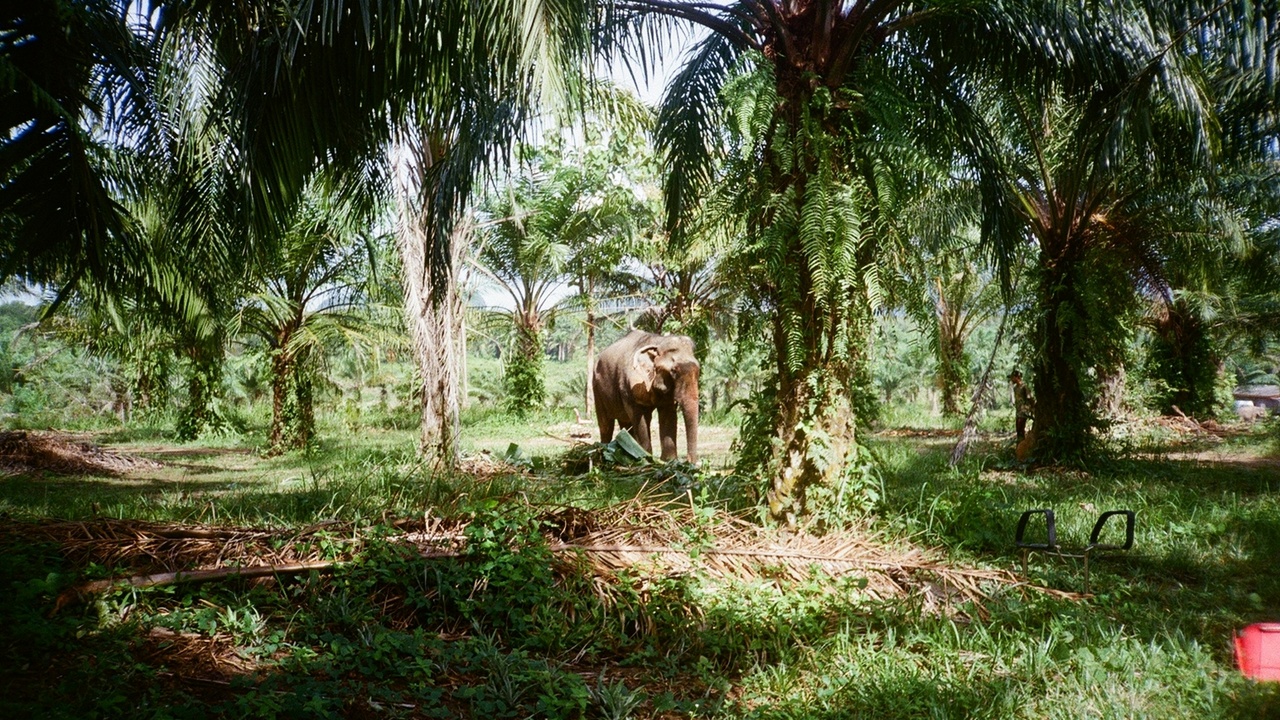
3. African Forest Elephant (Loxodonta cyclotis)
Smaller and more forest-adapted than savanna elephants, forest elephants survive in Liberia’s mature rainforest patches and perform outsized ecological roles as dispersers of large-seeded trees and as forest engineers.
Across West and Central Africa these elephants have declined dramatically due to poaching for ivory and habitat loss. In Liberia, anti-poaching patrols, transboundary coordination with neighboring states, and strengthened law enforcement aim to reduce illegal killing and trafficking.
Studies show that elephants transport seeds for tree species that otherwise would not disperse far; protecting elephant movement corridors thus helps maintain forest composition and long-term carbon storage—another incentive for conservation financing and ecotourism.
Primates and Small Mammals
Liberia’s canopy and secondary forests host a diversity of smaller primates and mammals that serve as indicators of forest integrity. When these species persist, it signals functioning forests with intact food webs.
Hunting for bushmeat and fragmentation from roads or agricultural expansion threaten many arboreal species. Protecting small primates conserves broader biodiversity because their ecological roles—pollination, seed predation, and insect control—cascade through the system.
Conservation work often emphasizes community education, sound- and camera-trap surveys, and corridor restoration to reconnect fragments—actions that benefit not only primates but also local people who rely on healthy forests.
4. Diana Monkey (Cercopithecus diana)
The Diana monkey is a striking, long-tailed canopy primate found in Liberia’s forest canopy; it feeds on fruit and insects and lives in social groups that use vocal calls to stay cohesive.
Highly sensitive to hunting, Diana monkeys decline quickly near human settlements. Researchers use vocal and camera-trap surveys to estimate populations and help protected-area managers prioritize patrol routes and community outreach.
Educational programs in nearby villages—paired with alternative protein and income options—have reduced bushmeat demand locally, demonstrating how outreach and monitoring work together to conserve this species.
5. Western Red Colobus (Piliocolobus badius)
A canopy specialist, the western red colobus depends on continuous tree cover and acts as both seed predator and browser, influencing forest regeneration patterns.
Forest fragmentation isolates groups and reduces genetic exchange; corridor projects that reconnect fragments directly benefit red colobus and other arboreal species. Field surveys document declines where canopy continuity breaks down.
Rescue and rehabilitation efforts—sometimes led by regional primate centers—and targeted habitat protection help stabilize local populations while informing land-use planning to minimize further canopy loss.
6. African Civet and Other Small Carnivores
Small carnivores like the African civet play a key mesopredator role, controlling rodents and insect populations and supporting ecological balance in forest and agricultural margins.
These species face threats from snaring and habitat loss, but camera-trap records across forest margins show they persist where human pressures are lower. Their presence often correlates with healthier small-mammal communities.
Farmers benefit from natural pest control provided by carnivores, and civets feature in local folklore—an entry point for eco-education programs that frame carnivore protection as both an ecological and agricultural benefit.
Birds, Reptiles, and Amphibians
Liberia’s mix of coastal, mangrove, freshwater and inland forest habitats supports both resident birds and migratory species, alongside diverse reptiles and amphibians that indicate water and forest health.
High-value birds such as the African grey parrot face heavy pressure from the international pet trade, while amphibians decline where rivers and wetlands suffer pollution or altered flow. Reptiles such as crocodiles tie river ecosystems to local fisheries and culture.
Protecting these taxa helps control insects, disperse seeds, and maintain freshwater quality, delivering ecological services that people rely on—making birds, reptiles, and amphibians both conservation priorities and practical indicators of habitat condition.
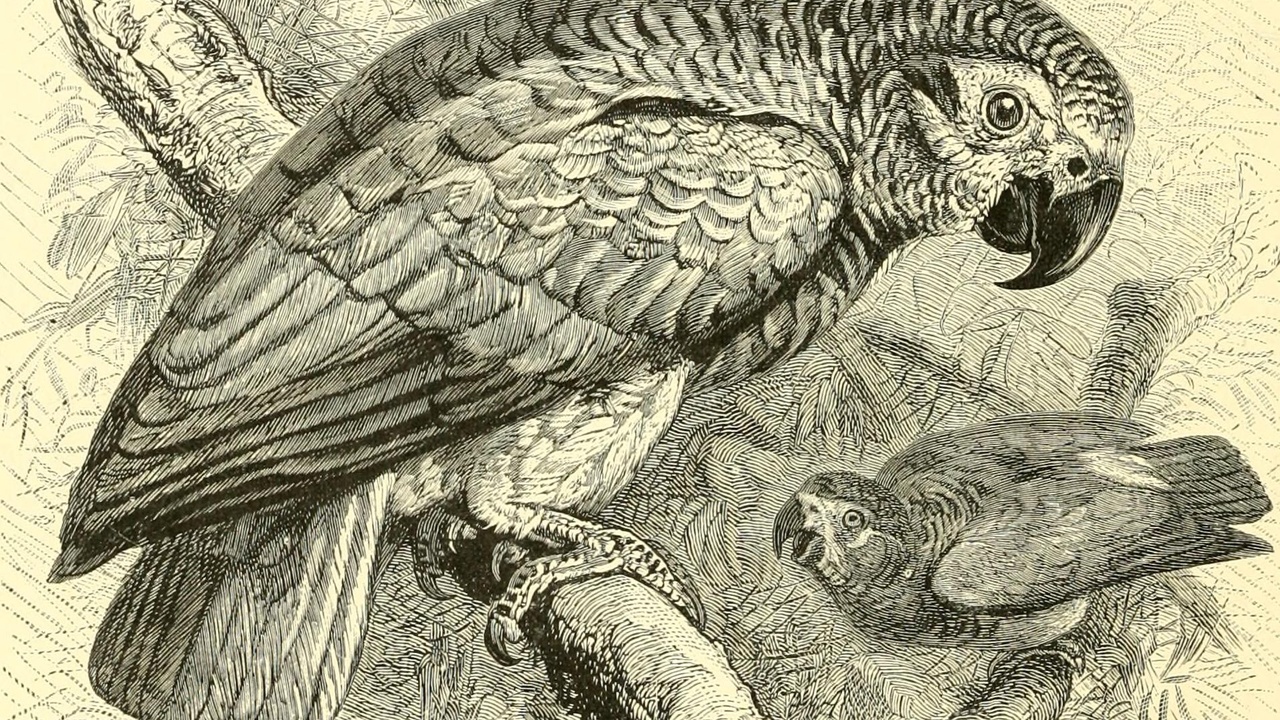
7. African Grey Parrot (Psittacus erithacus)
The African grey parrot is native to Liberian forests and prized in the international pet trade, which has driven heavy trapping and population declines across West Africa.
Listed under CITES, the species draws conservation attention for both legal protection and on-the-ground enforcement. Rescue, rehabilitation, and release programs—often run by regional wildlife groups—aim to return confiscated birds to suitable habitat where possible.
Community-based monitoring and education reduce trapping pressure by offering alternative livelihoods and raising awareness about the long-term value of live birds for ecotourism and ecosystem function.
8. Nile Crocodile and Freshwater Reptiles
Freshwater reptiles such as the Nile crocodile inhabit Liberia’s rivers, lagoons, and mangrove systems and act as apex aquatic predators that help regulate fish populations.
These species intersect with local fishing communities—sometimes creating conflict, sometimes featuring in cultural practices. They are sensitive to habitat alteration, pollution, and river modification from upstream activities.
Traditional river management practices and community-led monitoring provide practical ways to reduce conflict and document crocodile distribution, while informing sustainable fisheries management.
Coastal, Aquatic, and Invertebrate Players
With roughly 560 km of coastline, Liberia links mangrove estuaries, sandy beaches, and inland freshwater networks; these habitats support nesting sea turtles, productive fisheries, and abundant invertebrate life that underpins food webs.
The wildlife of liberia includes coastal species dependent on intact mangroves and beaches; protecting those shores reduces erosion, supports fishery nurseries, and buffers communities against storms. Mangrove restoration projects have concrete benefits for fishers and biodiversity alike.
Conservation here often combines nest protection, community patrols, and mangrove rehabilitation—actions that generate local employment and protect both biodiversity and human well-being along the coast.
9. Sea Turtles (Leatherback, Olive Ridley)
Leatherback and olive ridley turtles nest on Liberia’s beaches, making the coast a vital link in West African turtle conservation networks.
Threats include coastal development, artificial lighting, and fisheries bycatch. Community-based nest monitoring and patrolling programs protect eggs, involve volunteers, and provide small incomes through ecotourism and conservation stipends.
Where protected beaches and local stewardship exist, hatchling survival increases; those successes translate directly into both biological recovery and local pride in stewardship.
10. Pollinators and Freshwater Fish (Foundation Species)
Pollinators—bees, butterflies, and other insects—and freshwater fish such as tilapia support food security and forest regeneration in Liberia’s agricultural and riverine systems.
Pollinators boost crop yields and maintain wild plant reproduction, while freshwater fish supply protein and market income for riverside and coastal communities. Threats include pesticide use, habitat loss, and water pollution from upstream activities.
Agroforestry practices that restore flowering trees and community fishery co-management projects for tilapia and native species have practical benefits: higher yields, healthier rivers, and greater resilience for people and biodiversity.
Summary
These ten species and groups—spanning large mammals, primates, birds, reptiles, marine turtles, pollinators, and fish—illustrate why Liberia’s habitats matter ecologically, culturally, and economically. Sapo National Park (~1,800 km²) remains a keystone reserve for forest-dependent species, while coastal mangroves and beaches sustain marine life and human livelihoods. Major threats include habitat loss from logging and mining, hunting and the illegal wildlife trade, and water degradation that impacts amphibians, fish, and invertebrates.
Practical conservation advances already underway emphasize community-based protection, targeted monitoring (camera traps, nest patrols, and sound surveys), and partnerships with groups such as Fauna & Flora International and IUCN. Small investments in patrols, habitat restoration, and alternative livelihoods yield outsized returns for biodiversity and people alike—especially when local communities lead the work.
Supporting local initiatives, reputable conservation organizations, or community nest and forest protection programs helps secure the future for these species and the people who depend on healthy ecosystems and the wildlife of liberia.
Key Takeaways
- Protecting intact forest and coastal habitats preserves ecological functions and livelihoods.
- Community-led patrols and monitoring (camera traps, nest walks) deliver measurable conservation wins.
- Trade and unsustainable hunting threaten high-value species like chimpanzees and African grey parrots.
- Learn more and support reputable groups working in Liberia—donate, volunteer, or back community programs.