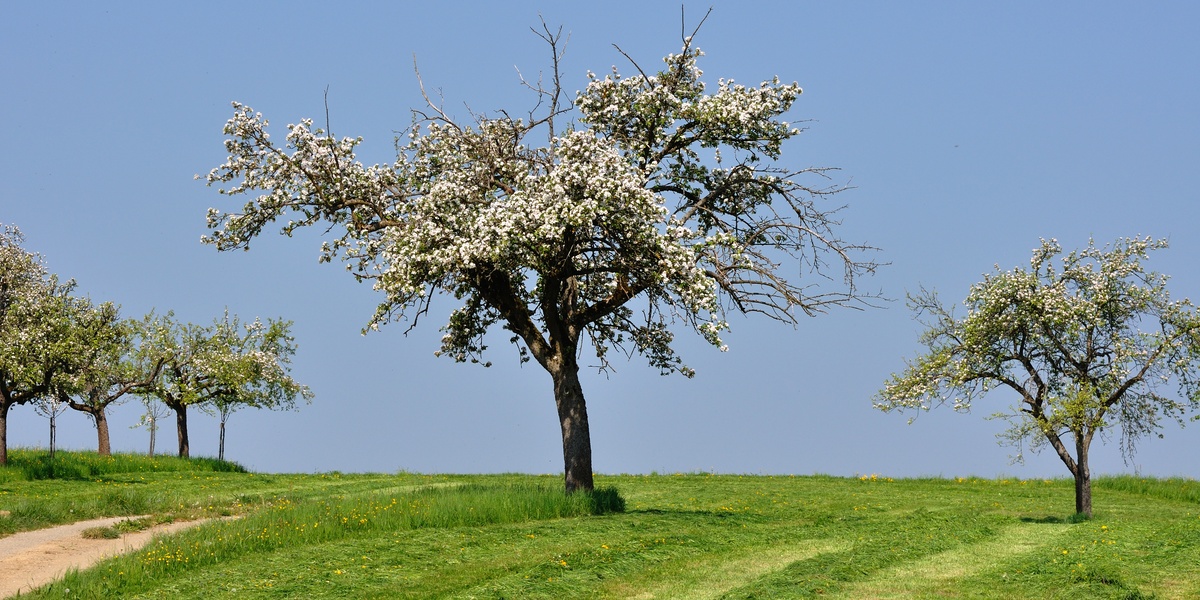
From orchard-lined valleys to hedgerow-rich countryside, Germany supports a wide variety of fruit—cultivated in gardens and farms, and growing wild in woodlands and meadows. Local markets and seasonal festivals showcase both common table fruits and lesser-known regional favorites.
There are 37 Fruits of Germany, ranging from Apple to Wild strawberry. Each entry lists Scientific name, Season, Regions so you can tell when and where each fruit appears — you’ll find below.
Which fruits from this list are easiest to grow in a typical German home garden?
Apples, plums, currants and strawberries are generally the simplest choices: they tolerate a range of soils, have clear pruning and care schedules, and are widely adapted across German regions. Check the Season and Regions columns in the list to match varieties to your local climate, and choose disease-resistant cultivars for lower maintenance.
How can I safely identify and forage wild fruits like the Wild strawberry?
Use the Scientific name column alongside Season and Regions to confirm identity, and learn a few key appearance markers (leaf shape, flower structure, fruit color). Carry a regional field guide or use a trusted local foraging group; when in doubt, don’t eat it. The list below helps narrow candidates by when and where they typically appear.
Fruits of Germany
| Name | Scientific name | Season | Regions |
|---|---|---|---|
| Apple | Malus domestica | Aug–Oct | All states; orchards, traditional meadows |
| Pear | Pyrus communis | Aug–Oct | Orchards in Baden-Württemberg, Rhineland-Palatinate, Hesse |
| Quince | Cydonia oblonga | Sep–Oct | Home gardens, orchards in southwestern Germany |
| Medlar | Mespilus germanica | Oct–Nov | Historic orchards, hedgerows in central and southern Germany |
| Sweet cherry | Prunus avium | Jun–Jul | Warm regions: Rhineland-Palatinate, Baden-Württemberg, Bavaria |
| Sour cherry (Morello) | Prunus cerasus | Jun–Aug | Orchards and gardens nationwide |
| Plum | Prunus domestica | Jul–Sep | Orchards across Germany, especially Baden-Württemberg |
| Mirabelle | Prunus domestica subsp. syriaca | Aug–Sep | Western and southwestern Germany, orchards |
| Damson | Prunus insititia | Aug–Sep | Hedgerows and old orchards nationwide |
| Greengage (Reine Claude) | Prunus domestica | Aug–Sep | Warmer orchards in southwest Germany |
| Sloe (Blackthorn) | Prunus spinosa | Sep–Oct | Hedgerows, countryside nationwide |
| Apricot | Prunus armeniaca | Jul–Aug | Warm Rhine valley areas and Baden-Württemberg |
| Peach | Prunus persica | Jul–Aug | Southern microclimates, Baden-Württemberg and Rhineland-Palatinate |
| Grape | Vitis vinifera | Sep–Oct | Vineyards: Rhineland-Palatinate, Baden-Württemberg, Saarland, Saxony |
| Strawberry (cultivated) | Fragaria × ananassa | Jun–Jul | Fields and gardens nationwide |
| Wild strawberry | Fragaria vesca | Jun–Jul | Woodland edges, meadows nationwide |
| Raspberry | Rubus idaeus | Jun–Aug | Hedgerows, gardens and farms nationwide |
| Blackberry | Rubus fruticosus agg. | Jul–Sep | Hedgerows, woodland edges nationwide |
| Red currant | Ribes rubrum | Jun–Jul | Home gardens, farms across Germany |
| Black currant | Ribes nigrum | Jul–Aug | Commercial plantations, gardens nationwide |
| White currant | Ribes rubrum (var.) | Jun–Jul | Gardens and specialty plots nationwide |
| Gooseberry | Ribes uva-crispa | Jun–Aug | Gardens, hedgerows and small farms |
| Elderberry | Sambucus nigra | Aug–Sep | Woodland edges, hedgerows and fields nationwide |
| Sea buckthorn | Hippophae rhamnoides | Oct–Nov | Coastal dunes, Baltic and North Sea coasts |
| Bilberry (wild blueberry) | Vaccinium myrtillus | Jul–Aug | Acidic forests, heathlands in uplands |
| Highbush blueberry | Vaccinium corymbosum | Jul–Aug | Cultivated plantations and gardens |
| Lingonberry | Vaccinium vitis-idaea | Sep–Oct | Bogs, coniferous forests and heathlands |
| Cranberry (bog cranberry) | Vaccinium oxycoccos | Sep–Oct | Peat bogs in northern Germany |
| Aronia (black chokeberry) | Aronia melanocarpa | Aug–Sep | Cultivated in orchards and windbreaks nationwide |
| Serviceberry (Juneberry) | Amelanchier ovalis | Jun | Hedgerows, parks and gardens nationwide |
| Rowan (mountain ash) | Sorbus aucuparia | Sep–Oct | Forests, hills and uplands nationwide |
| Hawthorn | Crataegus monogyna | Sep–Nov | Hedgerows, wood edges nationwide |
| Cornelian cherry | Cornus mas | Jun–Jul | Gardens, parks and hedgerows |
| Rose hip | Rosa canina | Sep–Nov | Hedgerows, fields and roadside scrub nationwide |
| Crabapple | Malus sylvestris | Sep–Oct | Wild hedgerows, orchards and meadows nationwide |
| Hardy kiwi (kiwiberry) | Actinidia arguta | Sep–Oct | Specialist gardens, sheltered southern sites |
| Mulberry | Morus alba | Jun–Jul | Parks, old gardens and warm sites |
Images and Descriptions
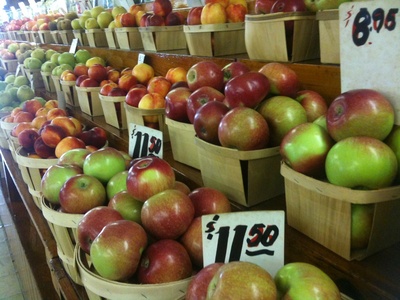
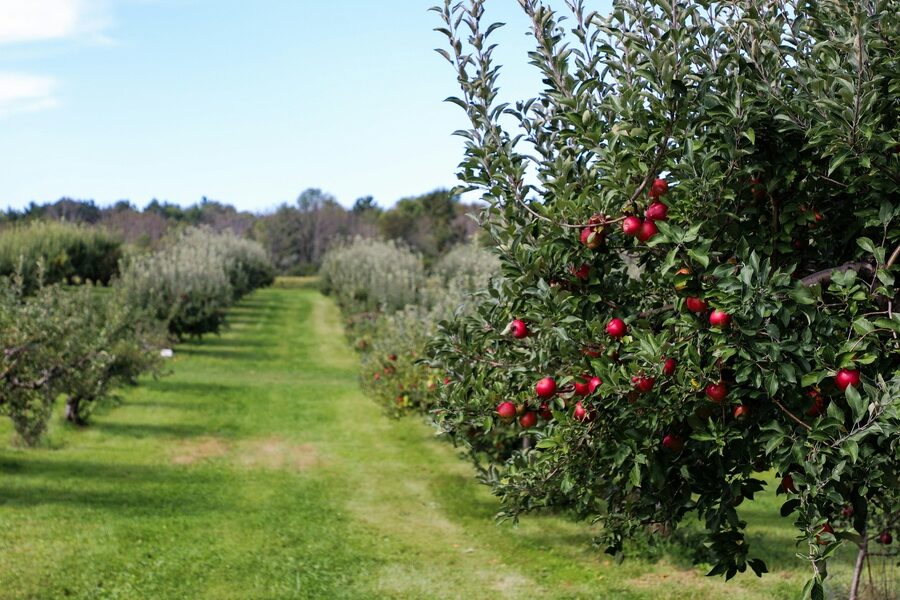
Apple
Crisp to sweet-tart apples are Germany’s staple fruit. Eaten fresh, baked into cakes, made into applesauce or cider, and found in orchards, village gardens and wild hedgerows across the country.
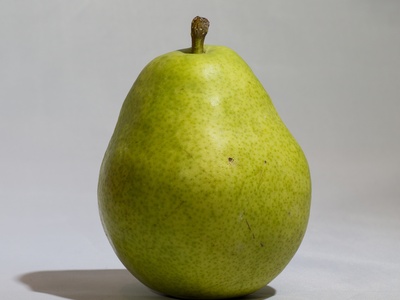
Pear
Juicy, often buttery pears are eaten fresh, poached, or baked. Common in traditional orchards and farm markets, they’re used in desserts, preserves and regional dishes.
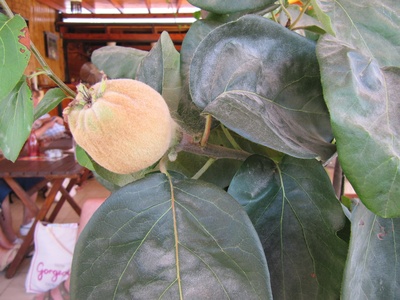
Quince
Hard and aromatic raw, quince is cooked into jam, paste (quince cheese) or baked. Fragrant trees are common in older gardens and small orchards, prized for preserves.
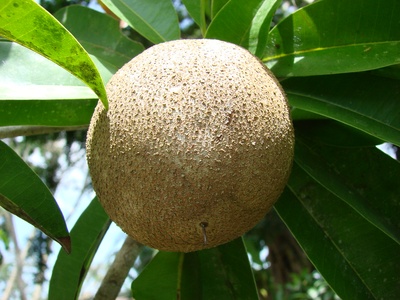
Medlar
Medlars need bletting to sweeten; they become soft, brown and custardy. Foraged from old orchards or garden trees, used in jams, desserts and traditional recipes.
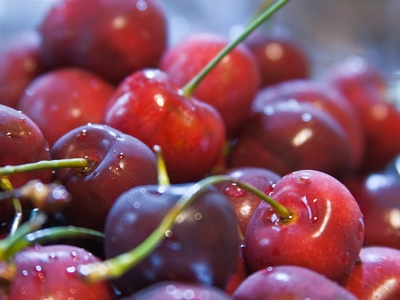
Sweet cherry
Sweet cherries are eaten fresh, preserved or baked in cakes and tarts. Found in orchards, home gardens and some wild stands near villages.
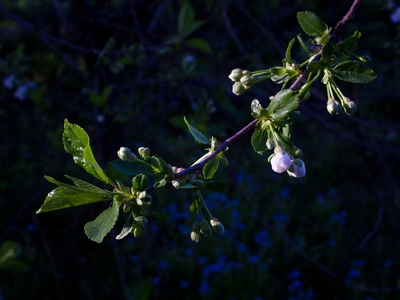
Sour cherry (Morello)
Tart and richly flavored, sour cherries are ideal for compotes, pies, liqueurs and brandies. Common in backyard trees and small farms.
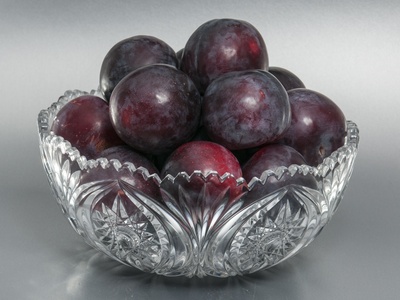
Plum
Plums range from sweet to tart and are used fresh, in jams, cakes, and for drying or distilling. Widely cultivated and found in hedgerows.

Mirabelle
Small sweet-yellow plums prized for jam and brandy. Mirabelles grow in orchards and are celebrated locally for preserves and desserts.
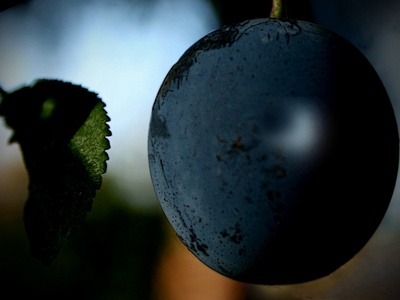
Damson
Firm, tart damsons are excellent for jams, chutneys and traditional spirits. Often found in hedgerows and heritage orchards.

Greengage (Reine Claude)
Sweet, honeyed greengages are prized fresh and in desserts or preserves. Grown in specialty orchards and kitchen gardens.
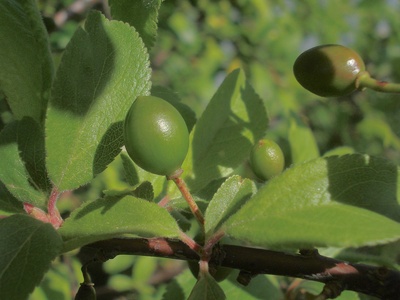
Sloe (Blackthorn)
Small, astringent berries used after frost to make sloe gin, jams and syrups. Foraged from hedgerows and thickets across rural Germany.

Apricot
Fragrant and sweet, apricots are eaten fresh, preserved or dried. Cultivated in warmer regions and backyard orchards where summer ripens them well.
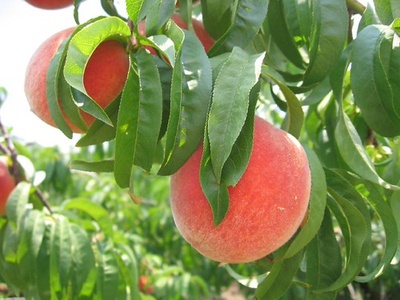
Peach
Juicy, aromatic peaches are grown in sheltered sites and warm valleys. Eaten fresh, grilled, baked or made into preserves in sunny gardens.
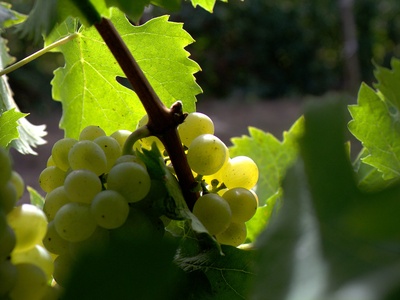
Grape
Grapes are central to Germany’s wine culture; eaten fresh, fermented into wine or made into juices and jams. Vineyards dominate river valleys and terraces.
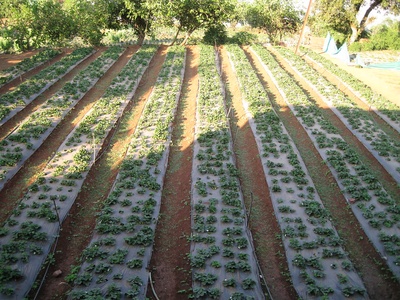
Strawberry (cultivated)
Sweet domestic strawberries are eaten fresh, in cakes, jams and salads. Pick-your-own farms and garden beds offer peak flavor in early summer.
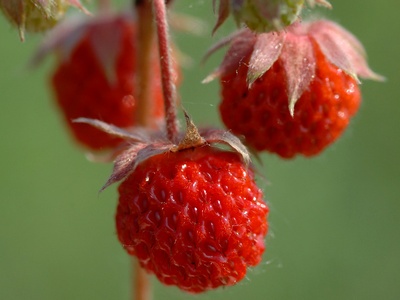
Wild strawberry
Tiny, intensely aromatic berries are delightful raw or in desserts. Foraged from woodland clearings and wild meadows during early summer.
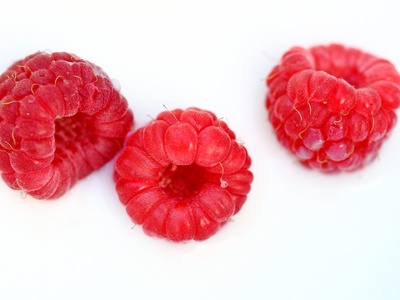
Raspberry
Sweet to tart raspberries are eaten fresh, in jams, desserts and liqueurs. Both wild cane fruits and cultivated varieties are common in fields and hedgerows.

Blackberry
Juicy, sweet blackberries are foraged from bramble thickets and used in jams, pies, cordials and sauces; late-summer staple for foragers.
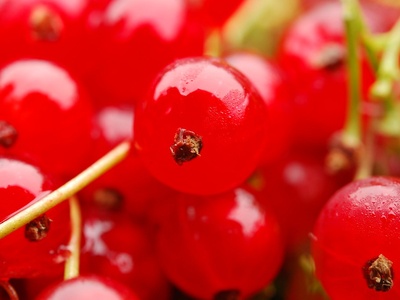
Red currant
Tart red currants are used in jellies, sauces and desserts, often cultivated in gardens and small farms or found in old allotments.
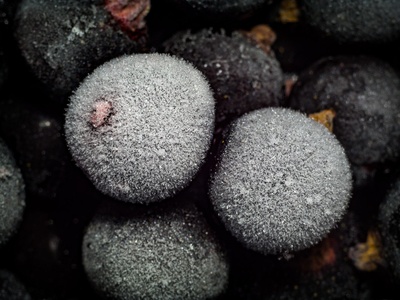
Black currant
Strongly aromatic and tart, black currants are made into juices, syrups and jams. Widely cultivated and also sold at markets.

White currant
Milder than red currants, white currants are eaten fresh or in desserts and preserves; commonly grown in home gardens.
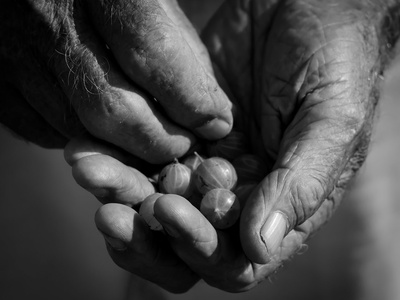
Gooseberry
Tart to sweet gooseberries are used in pies, jams and sauces. Found in traditional gardens and sometimes in wild hedgerows.

Elderberry
Dark elderberries are cooked into syrups, jams and jams or fermented into wine—raw berries are toxic. Foraged from hedgerows and field margins.

Sea buckthorn
Vivid orange berries are intensely tart and vitamin-rich, used for juices, oils and jams. Often planted for coastal stabilization and harvested commercially.
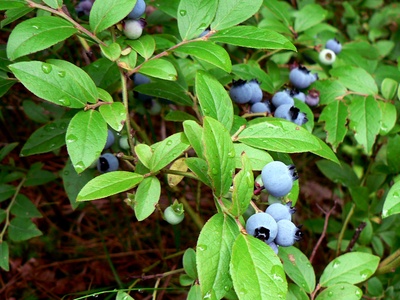
Bilberry (wild blueberry)
Small, intensely flavored wild berries foraged in forests; eaten fresh, in pancakes, jams and desserts; common in heath and upland woods.
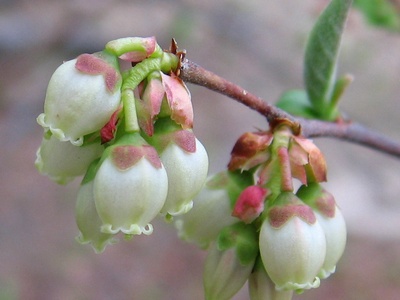
Highbush blueberry
Larger cultivated blueberries are eaten fresh, baked or made into jams. Grown commercially and in home gardens on acidic soils.
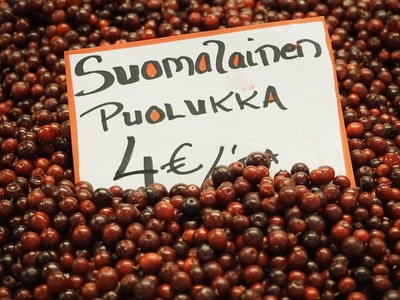
Lingonberry
Tart red berries used as a sauce with savory dishes, in jams and preserves. Foraged in moors and northern forests.
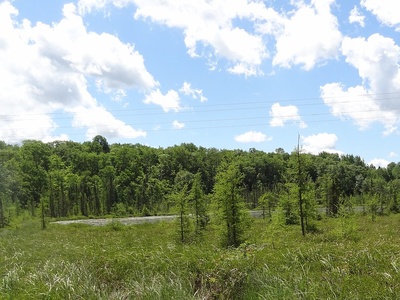
Cranberry (bog cranberry)
Small tart cranberries grow in peat bogs and are used in sauces, jams, and baking; usually foraged or harvested from boglands.
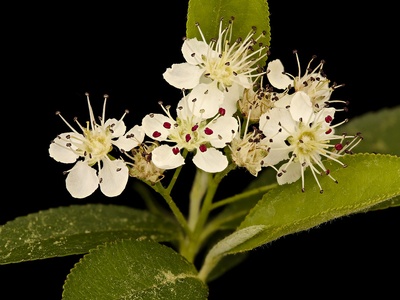
Aronia (black chokeberry)
Astringent, antioxidant-rich berries are often processed into juices and jams. Increasingly cultivated for commercial use and small-scale gardens.
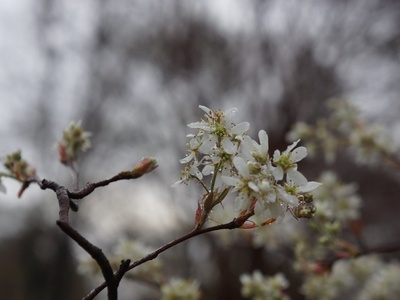
Serviceberry (Juneberry)
Sweet, blueberry-like berries ripen in early summer; eaten fresh or baked into pies and jams. Found in hedgerows and ornamental plantings.
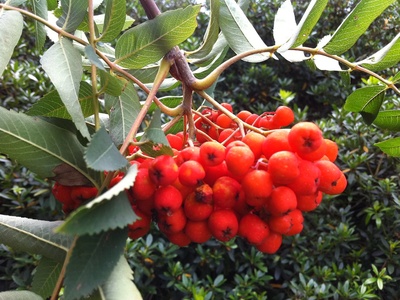
Rowan (mountain ash)
Tart, orange-red berries are used cooked into jellies and liqueurs after frost. Common in woodlands, hedgerows and mountain areas.
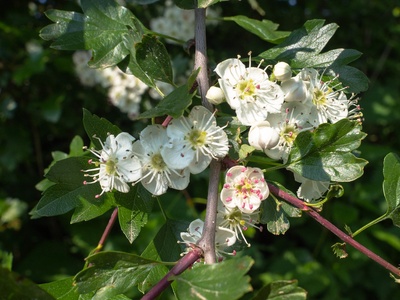
Hawthorn
Small, apple-like haws are mildly astringent; made into jellies or syrups. Foraged from hedgerows and field margins.

Cornelian cherry
Tart, firm red fruits ripen early summer and are used for preserves and liqueurs. Often found in older gardens and ornamental hedges.
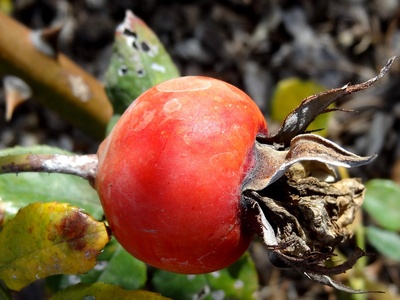
Rose hip
Vitamin C–rich hips are dried for tea, made into syrups, jams and jellies. Abundant in hedgerows after late summer.
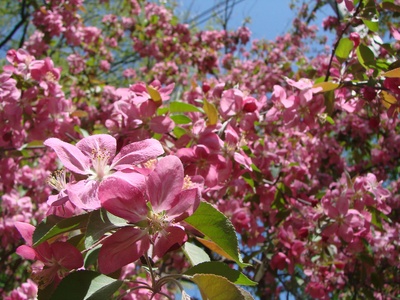
Crabapple
Small, tart wild apples are used for jellies, cider blends and preserves. Foraged from hedgerows and ancient orchards.
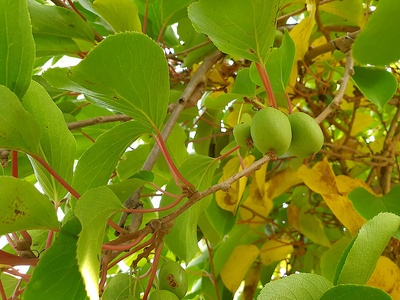
Hardy kiwi (kiwiberry)
Small, smooth-skinned kiwiberries are sweet and eaten whole; increasingly grown in home gardens and sheltered sites in warmer regions.
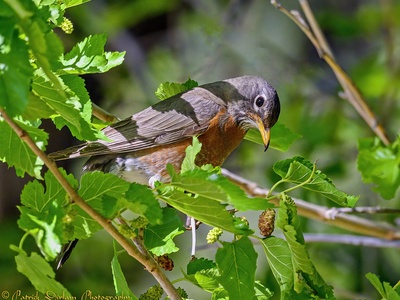
Mulberry
Sweet, blackberry-like mulberries are eaten fresh, baked or made into jams. Found on older trees in towns and warm gardens.