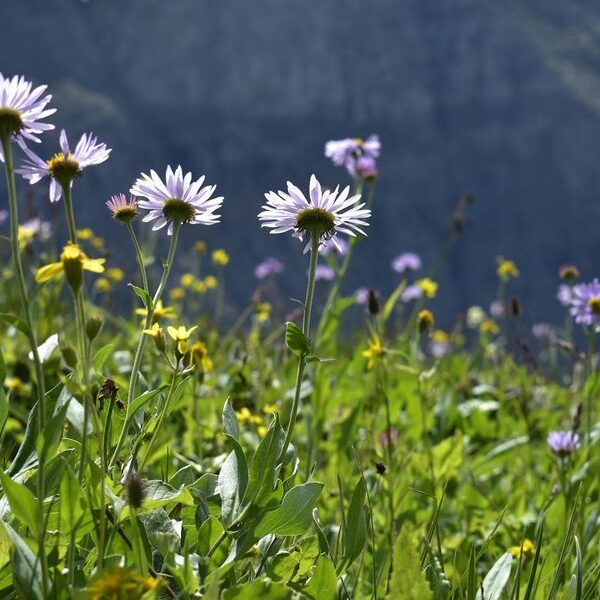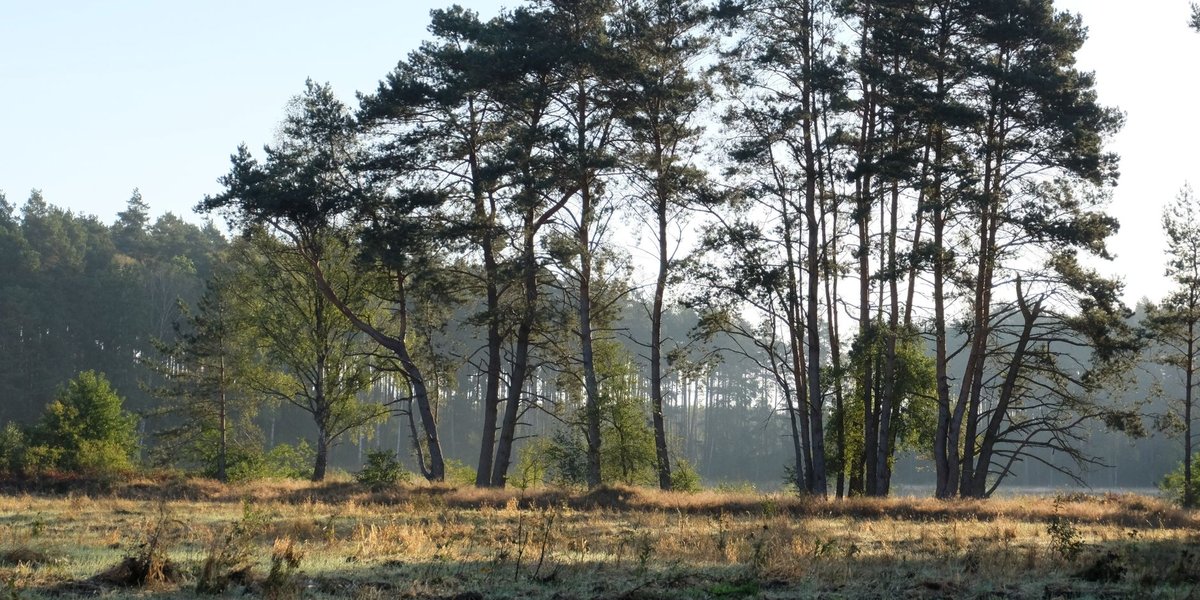
Stand in an old-growth pine savanna in late spring and you can count more than 40 plant species in a single square meter of ground. That number isn’t a typo. The longleaf pine savannas of the U.S. Southeast pack in more plant diversity at ground level than almost any temperate ecosystem on Earth, and most of that life happens below your knees — in the grass, the bogs, and the seeps that fire and water keep open.
The trees get the name. The groundcover does the work.
This guide sorts the plants by what they are and where they grow, so you can actually identify what you’re looking at instead of hunting for species names buried inside ecology essays. We start with the canopy, drop into the grasses, then get into the strange stuff: the carnivores, the orchids, and the bog wildflowers that make a wet pine flatwood worth getting your boots muddy for.
Table of Contents
- Why this ecosystem is so weird
- The dominant tree: longleaf pine
- Groundcover grasses
- Carnivorous plants
- Orchids of the savanna
- Bog wildflowers
- Quick-reference identification table
- Plants by habitat: where to look
Why this ecosystem is so weird
Two forces shape everything that grows here: fire and water.
Pine savannas burn. Historically, lightning lit these grasslands every one to three years, and the plants didn’t just survive it — they came to depend on it. Frequent low fire clears out shrubs and hardwoods that would otherwise shade out the groundcover, recycles nutrients, and triggers flowering in dozens of species. Suppress fire for a decade and the open, grassy savanna collapses into a dense, dark thicket. The orchids and pitcher plants vanish first.
Water sorts the rest. A pine savanna isn’t one habitat — it’s a gradient. The high, dry sandhills drain fast and bake. The low wet flatwoods and seepage bogs stay soggy for months. That moisture gradient is why the same forest can hold drought-adapted wiregrass on a rise and water-loving pitcher plants in a swale fifty feet away.
The soil ties it together: sandy, acidic, and starved of nutrients. That nutrient poverty is exactly why carnivorous plants thrive here. When the dirt can’t feed you, you eat bugs instead. The longleaf pine ecosystem once covered around 90 million acres across the Southeast and now sits at roughly three percent of that, which is why so many of the plants below are conservation priorities.
The dominant tree: longleaf pine
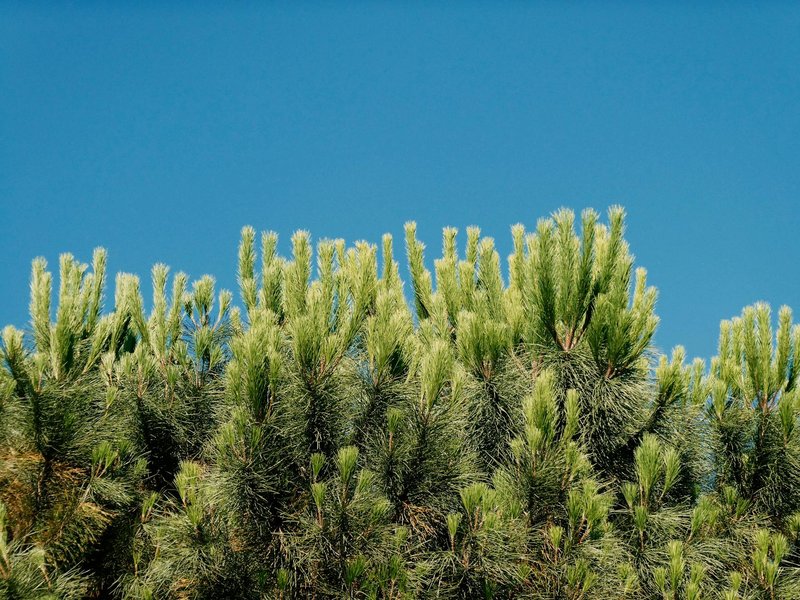
Longleaf pine (Pinus palustris) is the keystone. Everything else assembles around it.
You can ID it by the needles — 8 to 18 inches long, bright green, bundled in threes, clustered at the branch tips like pom-poms. The cones are huge, 6 to 10 inches, among the largest of any eastern pine. But the real tell is the grass stage. For its first several years, a longleaf seedling looks exactly like a clump of grass: no trunk, just a tuft of needles hiding a growing taproot. It sits there, sometimes for years, building roots and waiting out fire that would kill a normal seedling. Then it bolts skyward in a single growing season.
A mature longleaf can live over 300 years and grow past 100 feet. The open, widely spaced crowns are what let so much sunlight reach the ground — which is the whole reason the understory is so rich.
Groundcover grasses
The grasses are the matrix. They carry the fire that keeps the savanna open, and they make up the bulk of that famous square-meter diversity.
Wiregrass (Aristida stricta / Aristida beyrichiana) is the signature. Fine, wiry, knee-high blades that curl at the tips into a loose, springy mound. It’s the fuel that spreads ground fire evenly, and it only flowers after a growing-season burn — find wiregrass in bloom and you’re standing in recently burned, healthy savanna. Wiregrass doesn’t transplant or recover easily once lost, which makes its presence a reliable sign of intact, never-plowed ground. The deep roots and fire-cued flowering it relies on are some of the classic characteristics of savanna plants that let this groundcover bounce back from burns that would kill less-adapted species.
Little bluestem (Schizachyrium scoparium) shows up on the drier sandhills. Blue-green in summer, it turns a coppery rust-red in fall, with fluffy white seed heads catching low light. It’s one of the more garden-friendly natives if you want this look at home.
Indiangrass (Sorghastrum nutans) is the tall one — chest-high or higher, with golden plume-like seed heads in late summer that practically glow at sunset.
Beargrass (Nolina species) isn’t a true grass at all. It’s a yucca relative with long, flat, fountaining leaves and a tall flower stalk. The name’s a holdover from its grass-like form.
Carnivorous plants
This is the section people drive hours for. The wet, nutrient-poor seeps and bogs of the pine savanna hold one of the densest concentrations of carnivorous plants on the continent.
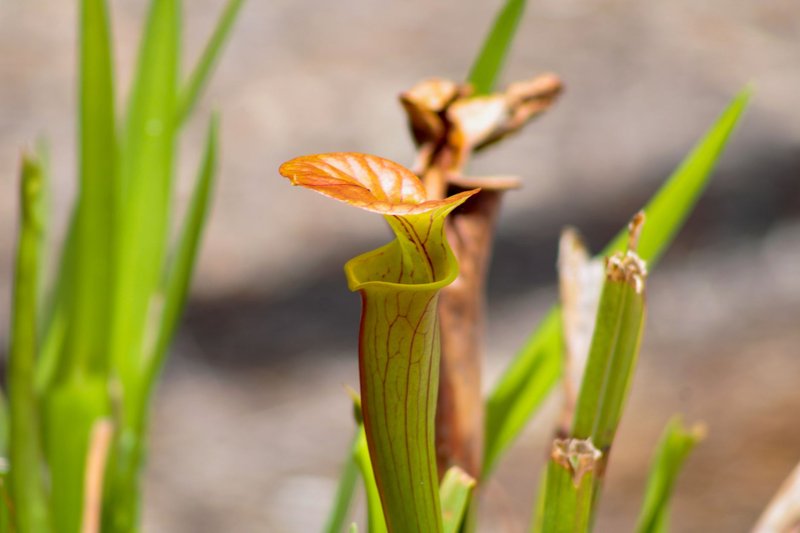
Pitcher plants (Sarracenia species) are the showstoppers. Their leaves form upright or sprawling tubes that fill with rainwater and digestive enzymes; insects slip on the waxy rim and drown. The yellow trumpet pitcher (Sarracenia flava) stands two to three feet tall with veined, hooded openings. The white-top pitcher (Sarracenia leucophylla) has striking white-and-green lattice patterning near the top. Spring brings nodding, umbrella-shaped flowers held above the traps on tall stalks.
Sundews (Drosera species) work small and low. Their leaves are studded with red, glistening tentacles tipped in sticky droplets that look like dew and don’t dry out. A gnat lands, sticks, and the leaf slowly curls around it. Get down on your knees on a wet seep and you’ll see them carpeting the bare mud.
Venus flytrap (Dionaea muscipula) is the famous one, and here’s the detail most people miss: it’s wild only in a roughly 75-mile radius around Wilmington, North Carolina, and nowhere else on the planet. Its snap-traps fringed with teeth close when an insect trips two trigger hairs in quick succession. Poaching from the wild is a felony in North Carolina. If you see one in habitat, photograph it and leave it.
Butterworts (Pinguicula species) round out the group — flat rosettes of greasy-looking, pale-green leaves that trap small insects on their sticky surface, topped by delicate violet-like flowers in spring. Several of these bog carnivores now turn up on lists of endangered wetland plants, squeezed by drainage and fire suppression as much as by collectors.
Orchids of the savanna
Wet pine savannas are quietly one of the best orchid grounds in North America.
Grass-pink orchid (Calopogon tuberosus) is the common spring showpiece — magenta-pink blooms on a slender stalk, with a bearded upper lip that fools bees into landing. Unlike most orchids, its showy lip is on top.
Yellow fringed orchid (Platanthera ciliaris) blooms mid-to-late summer in dazzling clusters of orange, each flower deeply fringed like torn lace. Hard to mistake for anything else.
Rose pogonia (Pogonia ophioglossoides) is smaller and pinker, a single fragrant bloom per stem with a fringed, yellow-bearded lip, scattered through the wettest seeps.
Orchids are the first to disappear when fire stops. Their presence is a near-guarantee you’re in well-managed habitat.
Bog wildflowers
Beyond the carnivores and orchids, the wet savanna floor produces a long, rolling show of bloom from spring through fall.
Orange milkwort (Polygala lutea) earned the field nickname “bog Cheetos” — clover-sized heads of intense, almost neon orange that really do look like the snack scattered across the green. Once you’ve heard the name you can’t unsee it.
Meadow-beauty (Rhexia species) carries four-petaled pink to magenta flowers with showy curved yellow anthers; the seed capsules afterward look like tiny urns.
Colic-root (Aletris species) sends up a slender spike of small, white, tubular flowers with a distinctive bumpy, mealy-looking surface — like the buds were dusted in granular frost.
Yellow-eyed grass (Xyris species), bog buttons (Lachnocaulon), and various sunflowers, blazing stars, and goldenrods fill in the season, which is part of why a single intact savanna can register that 40-plus species per square meter. The Nature Conservancy notes these groundcover communities are among the most species-rich plant assemblages in North America.
Quick-reference identification table
| Plant | Scientific name | Look for | Habitat |
|---|---|---|---|
| Longleaf pine | Pinus palustris | 8–18 in needles in 3s; grass-stage seedlings | Dry to moist |
| Wiregrass | Aristida spp. | Fine wiry blades, curling tips | Dry–mesic |
| Little bluestem | Schizachyrium scoparium | Blue-green turning rust-red in fall | Dry sandhills |
| Indiangrass | Sorghastrum nutans | Tall, golden plume seed heads | Mesic |
| Beargrass | Nolina spp. | Yucca-like fountaining leaves | Dry sandhills |
| Trumpet pitcher plant | Sarracenia flava | Tall yellow hooded tubes | Wet bogs/seeps |
| Sundew | Drosera spp. | Sticky red-tentacled rosettes | Wet bare mud |
| Venus flytrap | Dionaea muscipula | Toothed snap-traps | Wet seeps (NC only) |
| Grass-pink orchid | Calopogon tuberosus | Magenta blooms, lip on top | Wet savanna |
| Yellow fringed orchid | Platanthera ciliaris | Orange fringed clusters | Wet savanna |
| Orange milkwort | Polygala lutea | Neon-orange “bog Cheetos” heads | Wet flatwoods |
| Meadow-beauty | Rhexia spp. | Pink petals, curved yellow anthers | Wet seeps |
Plants by habitat: where to look
The single most useful trick for reading a pine savanna is to watch your feet. A few inches of elevation change which plants you’ll find.
Dry sandhills (high, fast-draining): Longleaf still dominates the canopy, but the understory shifts to drought-tolerant species — little bluestem, beargrass, turkey oak scattered in, and prickly pear in the most exposed sand. No pitcher plants up here; it’s too dry.
Mesic flatwoods (the broad middle): The classic wiregrass-and-longleaf savanna. Wiregrass and indiangrass carpet the ground, with grass-pink orchids and a wide scatter of wildflowers. This is where that 40-species square meter lives.
Wet savanna and seepage bogs (low, soggy): The carnivore zone. Pitcher plants, sundews, and butterworts cluster in the seeps; orange milkwort, meadow-beauty, and the fringed orchids fill the saturated ground. If your boots are sinking, slow down and look closely.
Find a savanna that holds all three zones, with wiregrass in flower and pitcher plants in the low spots, and you’ve found something rare: intact, fire-managed, never-plowed longleaf habitat. Most of the original 90 million acres is gone. The patches that remain are some of the richest square meters of plant life on the continent — and the best ones reward you for looking down.