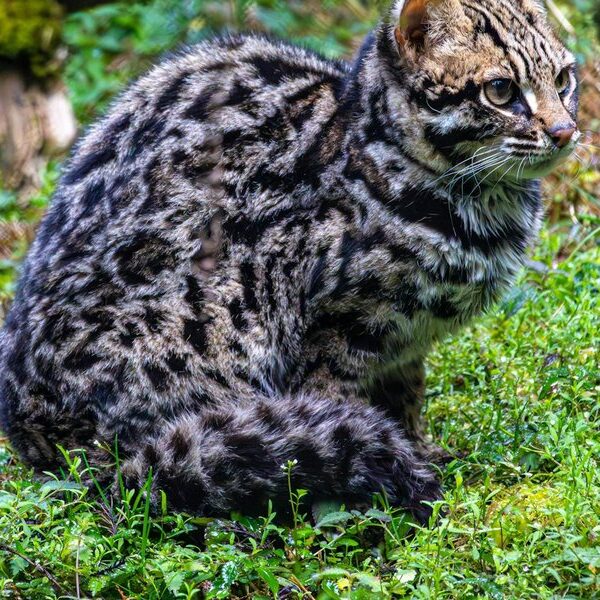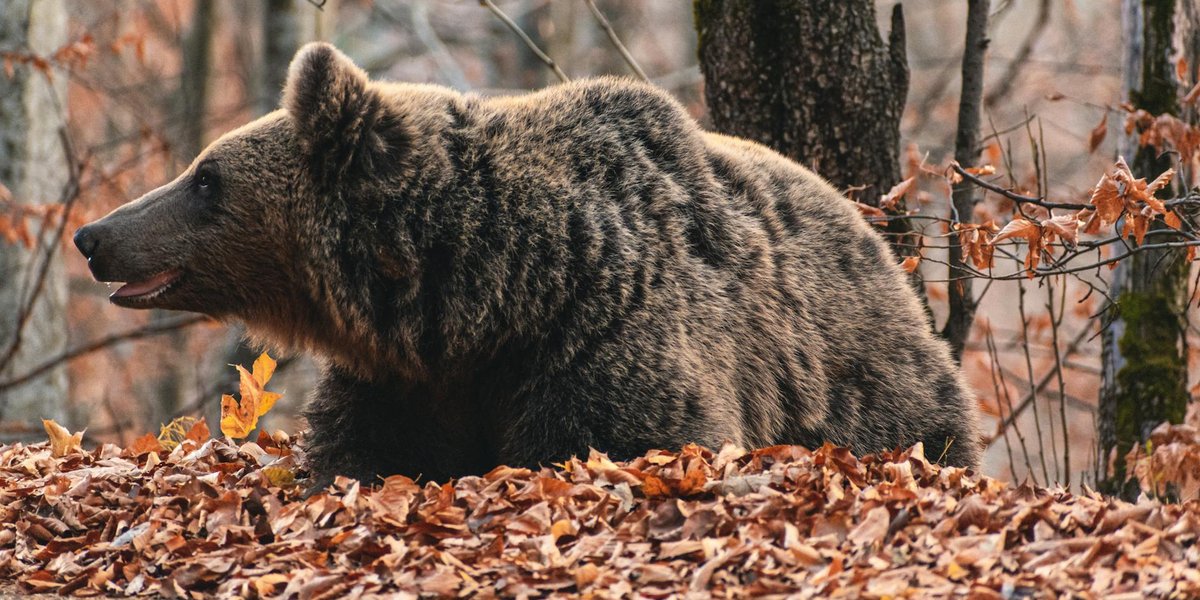
Here’s the honest version most “Top 10” lists won’t lead with: Ukraine is one of the safer places in Europe to walk into a forest. There are no big cats hunting hikers, no aggressive wild dogs in the countryside, no snake that will chase you down. The most dangerous animal in the country is a creature the size of a sesame seed, and it doesn’t bite so much as latch on.
That doesn’t mean nothing can hurt you. The Carpathian Mountains still hold brown bears and wolves. The Black Sea coast hides a fish that delivers one of the most painful stings in European waters. And spring grass conceals ticks that carry diseases worth taking seriously.
So this list is ranked by realistic likelihood, not by how scary the animal looks. The thing most likely to send you to a pharmacy comes first. The thing everyone fears but almost nobody encounters comes last.
Table of Contents
- The Quick Verdict
- 1. Ticks
- 2. Common Adder (Vipera berus)
- 3. Greater Weever Fish
- 4. Karakurt Spider
- 5. Wild Boar
- 6. Grey Wolf
- 7. Eurasian Lynx
- 8. Brown Bear
- Quick-Reference Table
- FAQ
The Quick Verdict
If you’re visiting Ukraine and worried about wildlife, here’s the bottom line: check yourself for ticks after any walk through grass or forest, and watch where you step on Black Sea beaches to avoid the weever fish. Those two account for nearly all the realistic risk a traveler faces.
Everything else — bears, wolves, vipers — exists, but encounters are rare and almost always avoidable. Ukraine’s large predators live mostly in the Carpathians and actively avoid people. You’re far more likely to be inconvenienced by a tick bite than threatened by anything with teeth.
1. Ticks
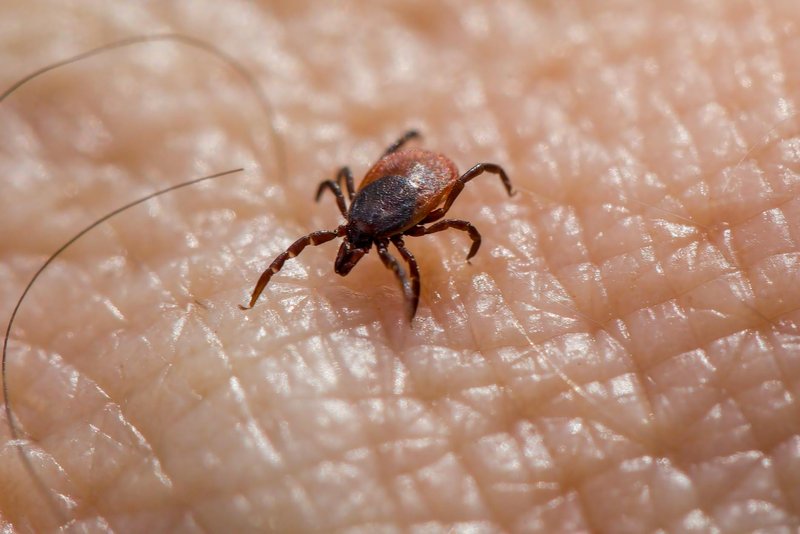
Start here, because this is the one that matters. Ticks are by far the most common wildlife hazard in Ukraine, active from roughly April through October, peaking in late spring and early autumn. They’re found across the entire country — forests, meadows, parks, even tall grass in urban green spaces.
The bite itself is painless, which is the problem. You won’t feel it happen. The danger is what they transmit: Lyme disease (borreliosis) and tick-borne encephalitis (TBE), both of which are present in Ukraine. Lyme is the more common of the two, and the CDC notes that an expanding circular “bull’s-eye” rash is one of its hallmark early signs.
What to do: After any time outdoors, do a full-body tick check — behind knees, waistline, hairline, armpits. If you find one attached, remove it with fine-tipped tweezers by gripping as close to the skin as possible and pulling straight up, steadily. Don’t twist, burn it, or smother it in oil — those old methods make it worse. Watch the bite site for two to four weeks. If a spreading rash, fever, or flu-like symptoms appear, see a doctor and mention the bite. A TBE vaccine exists and is worth considering if you’re planning serious time in Ukrainian forests.
2. Common Adder (Vipera berus)
The common European adder is the snake you might actually meet, and it’s the most widespread venomous snake in Ukraine. You’ll find it across forests, wetlands, and grasslands, often basking on rocks or trails in spring as it warms up after winter. It’s recognizable by the dark zigzag pattern running down its back.
Here’s the reassuring part: the adder is not aggressive. It bites only when stepped on, grabbed, or cornered, and a meaningful share of defensive bites are “dry,” delivering little or no venom. Bites are rarely fatal to healthy adults — the NHS describes adder venom as causing significant local swelling and pain but death as very rare. Children, the elderly, and anyone with a strong allergic reaction face higher risk.
Ukraine’s south also hosts the rarer steppe viper and, in limited areas, the nose-horned viper, but encounters with those are uncommon.
What to do: Don’t try to catch, kill, or photograph it up close — most bites happen during exactly those attempts. If bitten, stay calm, keep the limb still and below heart level, remove rings or tight clothing before swelling starts, and get to a hospital. Antivenom exists for severe cases.
3. Greater Weever Fish

This is the Black Sea coast’s nasty surprise, and the one beachgoers least expect. The greater weever is a small fish that buries itself in sandy shallows with only its venomous dorsal spines exposed. Step on one in the surf and those spines drive into your foot, delivering a sting that’s frequently described as among the most painful in European coastal waters.
The pain peaks within the first couple of hours and can radiate up the entire leg. It’s rarely dangerous to healthy people, but it is genuinely agonizing, and the venom can cause swelling that lasts for days.
What to do: Immerse the affected foot in water as hot as you can tolerate without scalding — around 40°C / 104°F — for 30 to 90 minutes. Weever venom is heat-sensitive, and hot water breaks it down and dulls the pain dramatically. Remove any visible spine fragments. Watch for signs of infection afterward. Wearing water shoes in the shallows is the simplest prevention there is.
The Black Sea also has the occasional jellyfish (including the stinging Pelagia) and stingrays in sandy areas, but the weever is the standout hazard.
4. Karakurt Spider
The karakurt is the European cousin of the black widow — same Latrodectus genus, same neurotoxic venom. In Ukraine it lives mainly in the dry southern steppe regions and the area around the Black Sea and Crimea, favoring hot, arid grassland. The female is the dangerous one, glossy black, sometimes with faint reddish spots.
Bites are uncommon and usually happen when someone disturbs the spider’s low ground-level web or rolls onto one while lying in the grass. The venom can cause “latrodectism” — intense muscle pain, cramps, sweating, and nausea that build over hours. It’s serious but very rarely fatal in healthy adults, and antivenom exists.
What to do: If bitten, clean the area, apply a cold pack, and seek medical care promptly, especially if widespread muscle pain or cramping develops. Don’t lie directly on the ground in southern steppe areas during summer without a groundsheet.
5. Wild Boar
Wild boar are common across Ukraine’s forests and increasingly near agricultural land and even urban edges. An adult boar can weigh well over 100 kilograms, and that mass plus surprisingly fast tusks makes them the large animal most likely to actually injure a person here — not because they’re hunting you, but because a startled or cornered boar will defend itself.
The real danger windows are narrow but predictable: a sow with piglets, a wounded animal, or a boar surprised at close range. Outside those situations, they almost always flee.
What to do: Give them distance, especially mothers with young. Never get between a sow and her piglets. If a boar acts aggressively, back away slowly and put a solid object — a tree, a car, a fence — between you and it. They charge in straight lines and don’t climb.
6. Grey Wolf
Ukraine has a real and stable wolf population, concentrated in the Carpathian Mountains, the northern forests, and the Polissia region — including the wildlife that has flourished in the Chernobyl Exclusion Zone. Wolves are genuinely present, and that surprises people who assume they were wiped out of Europe.
But attacks on humans are extraordinarily rare. The IUCN’s wolf specialists and decades of European data point the same direction: healthy wild wolves avoid people. The vast majority of you will never see one, and the ones you do see will be running the other way. The realistic concern is rabies in an unwell animal, not predation.
What to do: Don’t approach or feed any wolf, and steer well clear of one acting tame or disoriented — that’s the rabies warning sign. If you encounter one at close range, don’t run; back away while facing it, make yourself look large, and make noise.
7. Eurasian Lynx
The Eurasian lynx is Ukraine’s only wild cat large enough to be worth listing, and it lives in the dense forests of the Carpathians and parts of the north. It’s a beautiful, secretive predator — tufted ears, short tail, roughly the size of a large dog.
It’s on this list mostly to answer the question people actually search (“are there big cats in Ukraine?”). The honest answer: yes, but it poses essentially no threat to humans. Lynx are solitary, shy, and nearly impossible to spot in the wild. Documented attacks on people are virtually nonexistent. Seeing one would be a privilege, not a hazard.
What to do: Nothing, really. Enjoy the sighting from a distance and consider yourself lucky. Don’t approach if it’s cornered or appears sick.
8. Brown Bear
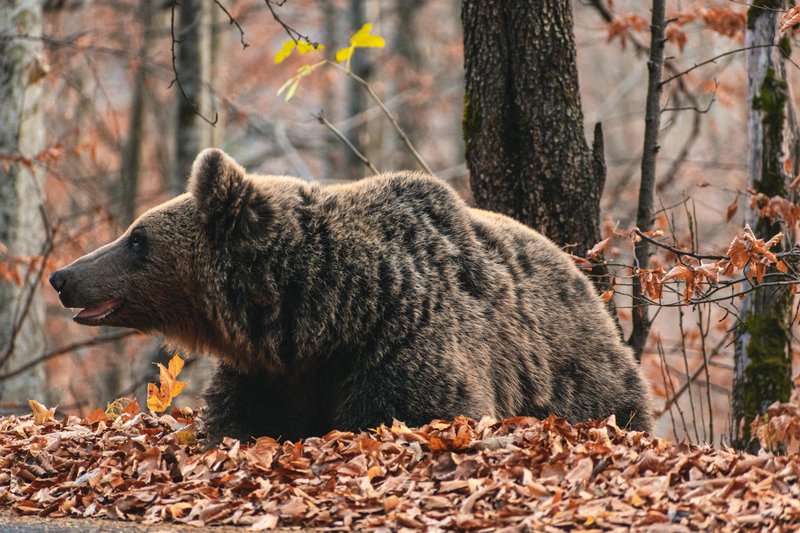
The brown bear ranks last not because it’s harmless — a brown bear is the most physically dangerous animal on this list — but because the odds of a Ukrainian encounter are so low. Bears here are confined almost entirely to the Carpathian Mountains, with a population in the low hundreds across that range. Most Ukrainians never see one in their lives.
When trouble happens, it follows the global pattern: a surprised bear, a mother defending cubs, or a bear conditioned to human food. They aren’t stalking hikers.
What to do: In bear country, make noise as you hike so you never surprise one — most attacks are startled bears. Store food away from your tent. If you meet a bear, don’t run (it triggers chase instinct) and don’t climb a tree (they climb better than you). Back away slowly while talking in a calm, firm voice. Carry bear spray if you’re trekking the remote Carpathians.
Quick-Reference Table
| Animal | Threat Level | Where You’d Meet It | What to Do |
|---|---|---|---|
| Ticks | Moderate (common) | Everywhere, grass & forest, Apr–Oct | Check & remove with tweezers; watch for rash/fever |
| Common adder | Low–Moderate | Forests, wetlands nationwide | Don’t touch; keep still, hospital if bitten |
| Weever fish | Low (very painful) | Black Sea sandy shallows | Soak foot in hot water 40°C |
| Karakurt spider | Low–Moderate | Southern steppe, Black Sea region | Cold pack, seek care for muscle pain |
| Wild boar | Low (avoidable) | Forests, farmland nationwide | Give distance, put object between you |
| Grey wolf | Very low | Carpathians, northern forests, Chernobyl zone | Don’t run; back away, look large |
| Eurasian lynx | Negligible | Carpathian & northern forests | Enjoy the rare sighting |
| Brown bear | Low odds, high stakes | Carpathian Mountains only | Make noise, don’t run, back away slowly |
FAQ
Are there bears in Ukraine? Yes, brown bears live in the Carpathian Mountains, numbering in the low hundreds. They’re confined almost entirely to that range, so the average traveler will never encounter one.
Are there wolves in Ukraine? Yes. Ukraine has a stable grey wolf population in the Carpathians, the northern forests, and notably the Chernobyl Exclusion Zone, where wildlife has thrived without people. Attacks on humans are extremely rare.
Are there lions or big cats in Ukraine? No lions. The only native wild cat large enough to mention is the Eurasian lynx, which lives in northern and Carpathian forests and poses no real threat to humans — sightings are rare and harmless.
What’s the most dangerous animal in Ukraine? By realistic risk, it’s the tick, because of how common bites are and the diseases they can transmit (Lyme and tick-borne encephalitis). By raw physical danger, it’s the brown bear, but encounters are extremely uncommon.
Are there venomous snakes in Ukraine? Yes. The most widespread is the common adder (Vipera berus), with the steppe viper found in the south. Bites are rare and seldom fatal to healthy adults, but you should seek medical care for any snakebite.
Is it safe to swim in the Black Sea? Generally yes. The main wildlife hazard is the greater weever fish, which buries in sandy shallows. Wearing water shoes prevents most stings. Jellyfish and stingrays are occasional but minor concerns.
The takeaway: Ukraine simply isn’t a place where wildlife should top your worry list. Pack water shoes for the coast, do a tick check after every hike, and give large animals their space in the Carpathians. Do that, and the country’s wild side is far more rewarding than it is risky.