The boreal forest covers a third of the world’s forested land, stretching across Canada, Scandinavia, and Russia in a vast band of spruce, fir, and pine. Most people think of it as empty wilderness. Cooks who know better think of it as a spice rack.
Boreal forest spices are not exotic imports or trendy restaurant tricks. Many of them have been used by Indigenous peoples across northern North America for centuries — the Cree, Ojibwe, and Métis communities built whole culinary traditions around these plants. Nordic foragers have their own parallel catalog. What’s surprising is how usable these flavors are in a modern kitchen, once you know what you’re working with.
This guide covers 10 of the most accessible and culinarily interesting boreal forest spices. For each one, you’ll get the flavor profile, how to actually cook with it, and where to find it (with or without a foraging basket).
Table of Contents
- Wild Sumac
- Labrador Tea
- Sweet Fern
- Balsam Fir Tips
- Juniper Berries
- Spruce Tips
- Wintergreen
- Wild Bergamot
- Yarrow
- Sweetgrass
- Foraging Safely and Sustainably
- Where to Buy Boreal Spices Online
Wild Sumac {#wild-sumac}
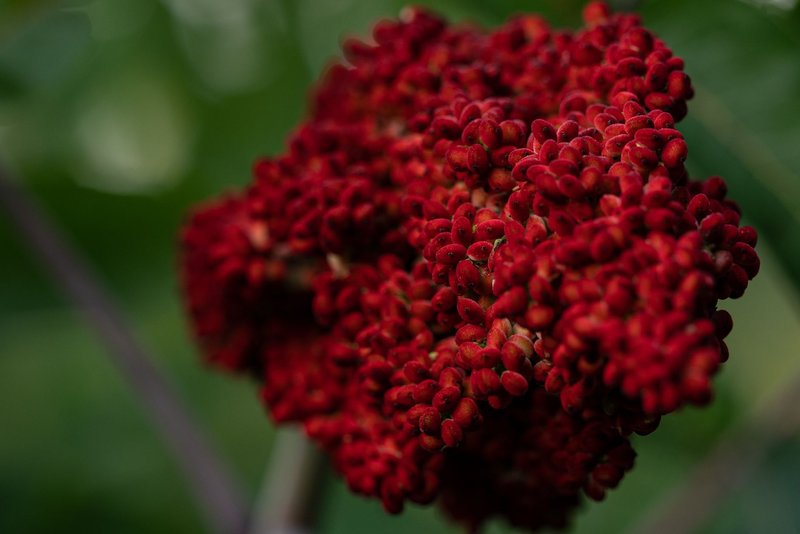
Flavor: Tart, fruity, lemony — similar to tamarind with a drier, more astringent edge. Think of it as North America’s answer to Middle Eastern sumac, which is a close relative.
Staghorn sumac (Rhus typhina) grows prolifically at the edges of boreal forest clearings, roadsides, and disturbed ground. The clusters of dark red berries, called bobs or drupes, ripen in late summer and persist through winter, making them one of the more forgiving wild harvests.
How to cook with it: Soak the dried berry clusters in cold water for 20 minutes, then strain through cheesecloth to produce a tart, crimson liquid called sumac-ade or sumac water. Use it anywhere you’d use lemon juice: in salad dressings, marinades for wild game, or deglazing a pan after searing duck. Ground dried sumac works as a dry rub on venison or pork ribs, where it cuts through fat the way citrus zest would. Métis cooks have long used it to season soups and stews, adding acidity without vinegar.
Sourcing: Forageable across most of eastern and central Canada and the northern U.S. Make sure you’re harvesting staghorn or smooth sumac — both are edible. Poison sumac (Toxicodendron vernix) grows in wet, swampy areas and has white berries, not red ones. The confusion is largely mythological among experienced foragers, but it’s worth knowing.
Labrador Tea {#labrador-tea}
Flavor: Somewhere between black tea and pine needle, with a floral, resinous note underneath. Slightly medicinal in large amounts — the key is restraint.
Rhododendron groenlandicum (formerly Ledum groenlandicum) is one of the most iconic boreal plants, a low evergreen shrub with woolly rusty undersides on its narrow leaves. It grows in bogs and wet forest edges across the boreal zone from Alaska to Newfoundland.
How to cook with it: Use it as a tea by steeping 3–4 fresh or dried leaves per cup for 5 minutes — longer and it turns bitter. More interesting in the kitchen: use a strong Labrador tea infusion as a braising liquid for rabbit or ptarmigan, where its pine-floral notes echo the animal’s natural diet. It pairs well with blueberries, another boreal staple. A small handful of leaves added to a pot of wild rice while it cooks adds depth without dominating.
A note on dosage: Labrador tea contains ledol and other compounds that can cause headaches or digestive upset in large quantities. A few leaves in a pot of food or a properly steeped cup of tea is fine. Don’t eat the leaves directly or brew concentrations stronger than a standard cup of tea.
Sourcing: Found in most boreal and subarctic regions. Dried Labrador tea is increasingly available from Canadian specialty spice sellers and Indigenous food producers.
Sweet Fern {#sweet-fern}
Flavor: Resinous, warm, and a little spicy — like a cross between bay leaf and nutmeg, with a faintly herbal tobacco note. Dry the leaves and it intensifies.
Sweet fern (Comptonia peregrina) is not actually a fern — it’s a woody shrub with fern-shaped leaves. It grows on dry, sandy, open land along forest edges, especially in the Canadian Shield region and New England. Crush a leaf and the smell is immediately distinct: warm, balsamic, and complex.
How to cook with it: Use dried sweet fern leaves like bay leaves — add 2–3 to braises, soups, and bean dishes, then remove before serving. It’s particularly good with fatty meats: slow-roasted pork shoulder, duck confit, or a venison stew. Sweet fern and maple syrup is a classic Québécois combination; the resinous note of the fern cuts through the sweetness effectively. You can also use it to smoke foods on a grill — a small bundle of dried sweet fern added to charcoal or wood chips gives smoked trout a distinctive northern character.
Sourcing: Less commonly sold commercially than some boreal spices, but specialty foraging suppliers do carry it dried. Easy to identify and forage in the right habitat.
Balsam Fir Tips {#balsam-fir-tips}
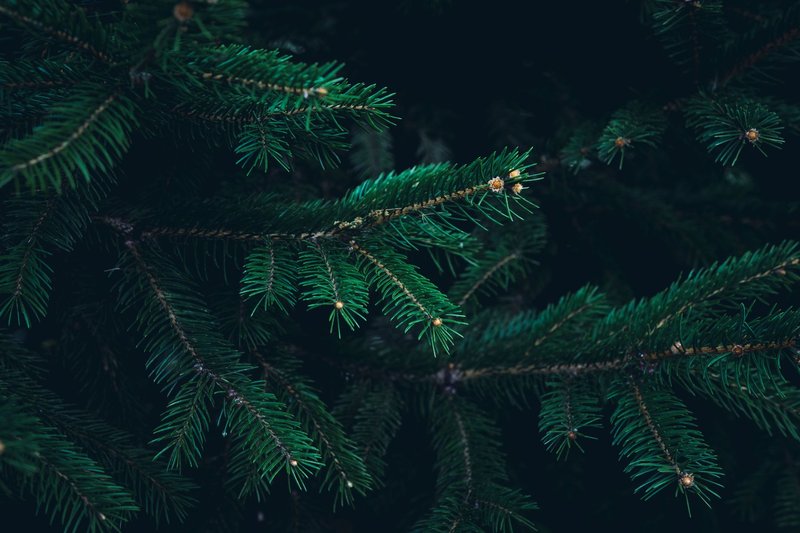
Flavor: Citrusy, resinous, and unmistakably forest-like. Young spring tips taste almost like grapefruit peel infused with pine — much brighter and less medicinal than mature needles.
Balsam fir (Abies balsamea) is one of the signature trees of the Canadian boreal forest, and its new spring growth (the pale green tips that emerge in May and early June) is genuinely one of the more interesting wild flavors available in North America.
How to cook with it: The timing matters — harvest the tips when they’re still tender and bright green, before they fully harden. From there, the applications are wide. Infuse them in cream for a panna cotta or ice cream base. Make a compound butter by blending blanched and chopped fir tips with softened butter, salt, and a little lemon zest — exceptional on grilled fish or roasted carrots. Balsam fir tip syrup (simmer tips with equal parts sugar and water for 20 minutes, then strain) works as a cocktail ingredient or glaze for roasted parsnips. High-end Canadian restaurants have been using this flavor for years; it translates well to a home kitchen.
Sourcing: Forageable wherever balsam fir grows. Harvest from multiple trees, taking only a small amount from each so you don’t stress the tree. Dried fir tips and fir tip products are sold by several Canadian specialty producers.
Juniper Berries {#juniper-berries}
Flavor: Piney, citrusy, and resinous, with a sharp bitterness that mellows during cooking. The dominant flavor in gin, for reference.
Common juniper (Juniperus communis) grows across the boreal zone and is one of the most widely distributed plants on Earth. The dark blue-black berries take two years to ripen fully. Fresh berries are more pungent; dried ones are more concentrated.
How to cook with it: Crush a few berries before using them — their flavor compounds are locked in the tough skin. Classically paired with game: venison, wild boar, and elk all benefit from a marinade or sauce built on crushed juniper, red wine, and black pepper. Juniper also works well with pork belly and duck. For something less conventional, add three or four crushed dried berries to a pot of lentils while they cook — the resinous note adds a layer of complexity that’s hard to place but easy to enjoy. Nordic cooks use juniper extensively in charcuterie and cured fish. A branch of juniper added to a smoking fire gives salmon or herring a distinctive northern flavor.
Sourcing: Widely available dried from spice retailers. Forageable where juniper grows — but note that not all juniper species produce palatable berries. Stick to Juniperus communis for culinary use.
Spruce Tips {#spruce-tips}
Flavor: Bright, citrusy, and piney — younger and more acidic than balsam fir tips, with a flavor that’s been compared to sour green apple meets resin. One of the most versatile boreal flavors.
White spruce (Picea glauca) and black spruce (Picea mariana) are both prime candidates. The new growth emerges in late April to early June depending on latitude, and the flavor window is short — a few weeks at most before the tips harden and turn bitter.
How to cook with it: Spruce tip salt is easy to make and genuinely useful: blend fresh tips with coarse sea salt in a food processor and spread on a baking sheet to dry. Use it on eggs, fish, popcorn, or the rim of a cocktail glass. Spruce tip vinegar (pack tips into a jar, cover with white wine vinegar, steep two weeks) gives you a year-round ingredient that adds boreal character to dressings. Spruce tips pair well with dairy — a spruce tip crème brûlée or cheesecake is a legitimate thing that several Canadian restaurants serve. Fermented spruce tip beer is a traditional Indigenous preparation and worth trying as a home brewing experiment. If you want to go further, the Taiga Spices: The Complete List is a useful reference for expanding your palette beyond the entries covered here, with foraging seasons and flavor notes for more than two dozen related ingredients.
Sourcing: Widely forageable. Spruce tip products (syrups, salts, vinegars) are available from specialty Canadian and Nordic food producers.
Wintergreen {#wintergreen}
Flavor: Exactly what it sounds like — clean, sweet mint with a cooling finish, the same compound (methyl salicylate) that flavors birch beer and old-school wintergreen candies. Fresh leaves have a more subtle, rounded version of that flavor.
Gaultheria procumbens is a low-growing ground cover of the boreal forest floor, its small red berries and glossy leaves persisting through snow. It’s one of the few wild plants whose flavor most people already know from artificial flavoring.
How to cook with it: Use fresh leaves like mint — in compound butters, infused into cream for desserts, or muddled into cocktails. The red berries are edible and slightly sweet; add them to wild fruit jams or scatter them over a cheese plate. Dried wintergreen leaves make an excellent tea, either alone or blended with Labrador tea to soften the latter’s resinous edge. For savory applications, wintergreen pairs surprisingly well with chocolate — a wintergreen-infused ganache or hot chocolate is better than it has any right to be.
Sourcing: Forageable across the eastern boreal zone. Dried wintergreen is sold by herbal retailers; look for food-grade sources rather than supplement capsules.
Wild Bergamot {#wild-bergamot}
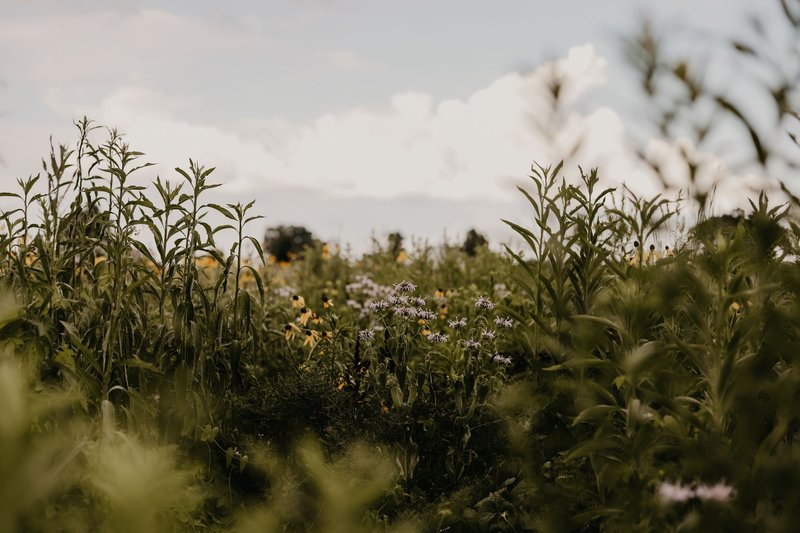
Flavor: Oregano-adjacent with floral, citrusy overtones — the name “bergamot” comes from its resemblance to the bergamot orange used in Earl Grey tea, though they’re unrelated. Stronger and more complex than dried Italian oregano.
Monarda fistulosa grows in open meadows, forest edges, and clearings at the southern edges of the boreal zone. Its lavender-pink flowers are distinctive in summer. Both leaves and flowers are edible.
How to cook with it: Treat it like a stronger, more interesting oregano. Use it in grain dishes (wild rice, farro, freekeh), tomato-based sauces, or roasted root vegetables. The flowers are excellent in salads or as a garnish — they look good and taste like the leaves, just slightly milder. Wild bergamot tea was used medicinally by several Indigenous Nations and makes a pleasant, aromatic drink. Dried wild bergamot holds its flavor well, unlike some herbs that turn to dust after a month in a jar.
Sourcing: Available from specialty herb suppliers. Also easy to grow from seed if you want a reliable home supply — it’s a perennial that thrives in poor soil and dry conditions.
Yarrow {#yarrow}
Flavor: Bitter, peppery, and herbal — assertive enough that a little goes a long way. Some describe it as a combination of tarragon and black pepper with a medicinal undertone.
Achillea millefolium grows in open areas throughout the boreal zone and is one of the most recognizable wild plants in North America and Europe. Its feathery leaves and flat-topped white or pink flower clusters are hard to mistake once you know them.
How to cook with it: Use yarrow sparingly in savory applications — a few leaves in a braise, a small amount dried and added to a spice rub. It works well with lamb, where its bitterness echoes the animal’s natural flavor. Young leaves in early spring are the mildest; older summer growth becomes progressively more bitter. Yarrow has been used to bitter beer since before hops became standard — adding a small amount to a home brew is historically accurate and produces an interesting result. It’s also used in some Nordic aquavit recipes.
Sourcing: One of the most widely forageable plants in the temperate and boreal world. Available dried from most herb suppliers.
Sweetgrass {#sweetgrass}
Flavor: Warm, vanilla-like, and lightly hay-scented — coumarin, the same compound in woodruff and tonka bean, gives it that distinctive sweet note. Unlike most herbs, it’s used more for fragrance and subtle background flavor than as a primary seasoning.
Hierochloe odorata (also called holy grass) holds deep cultural significance for many Indigenous peoples across North America, where it’s used in ceremony, basket weaving, and medicine. That context matters — use it thoughtfully.
How to cook with it: Infuse sweetgrass into cream, milk, or melted butter by simmering briefly and steeping, then strain before using. A sweetgrass panna cotta or custard captures its vanilla-haystack quality in a way that’s genuinely distinct from vanilla extract. Sweetgrass-infused honey makes an interesting condiment for cheese. It’s also used to flavor vodka and other spirits in Poland (żubrówka bison grass vodka uses a close relative, Hierochloe odorata). The flavor is subtle enough that it works best in preparations where you want a background note rather than a headline.
Sourcing: Purchase from Indigenous-owned food businesses when possible — this is a culturally significant plant and supporting Indigenous producers is the right approach. Do not forage sweetgrass from Indigenous territories without permission.
Foraging Safely and Sustainably {#foraging-safely-and-sustainably}
A few rules that apply to all of the above:
Positive identification first. Don’t eat anything you can’t identify from at least two independent sources. A field guide specific to your region (not a generic North American one) plus confirmation from a local foraging group or experienced forager is the standard bar.
Harvest lightly. Take no more than 10–15% of any plant population in a given area. For trees like spruce and balsam fir, take from multiple trees rather than stripping one.
Know the regulations. Many parks and protected areas prohibit foraging, or limit it to personal use quantities. Check local rules before you go.
Timing matters. Most of these plants have a peak harvest window — usually spring for new growth, late summer for berries and seeds. Harvesting outside the window usually means inferior flavor anyway.
According to research published in the Journal of Ethnobiology and Ethnomedicine, Indigenous knowledge systems around plant harvesting have developed sustainable practices over generations — there’s real depth in those traditions beyond what any single foraging guide can capture.
Where to Buy Boreal Spices Online {#where-to-buy-boreal-spices-online}
Can’t forage? Several Canadian and Nordic producers sell these spices in dried, powdered, or prepared form:
- Boreal Heartland (borealheartland.ca) — seasoning blends using spruce, juniper, and other boreal ingredients
- North American Herb & Spice — carries a boreal forest product line including spruce and fir-based products
- Maple Treasures / Les Trésors d’Érable — Quebec-based, carries wild sumac, Labrador tea, and other boreal pantry items
- Local Indigenous food producers — increasingly present on Etsy and regional food markets; the best source for sweetgrass and culturally significant plants
The quality difference between freshly foraged or well-sourced dried spices and something that’s been sitting in a generic herb bottle for two years is significant. These are not forgiving flavors — the volatiles that make spruce tips interesting are gone fast.
The boreal forest spice rack isn’t a trend — it’s a tradition that largely got bypassed when European-style cooking standardized around Mediterranean herbs. The flavors are distinctive, the plants are often abundant, and the culinary applications are more practical than they first appear. Start with spruce tips or wild sumac; both are easy to source and easy to use. Once you’ve cooked with them a few times, the rest of this list starts making sense in a very direct, sensory way.