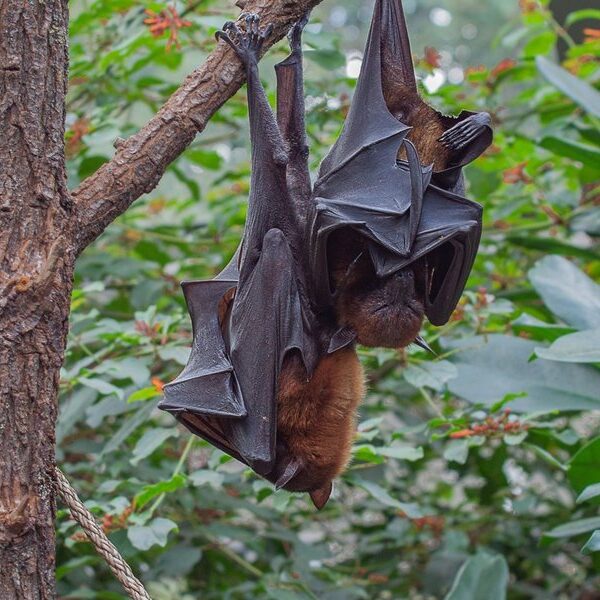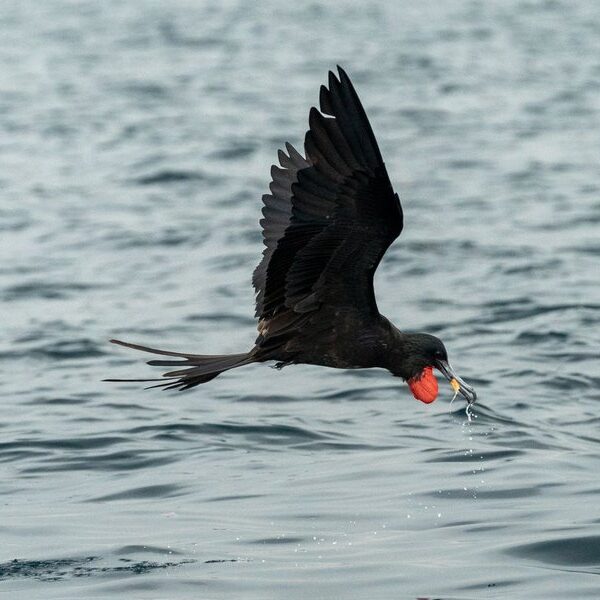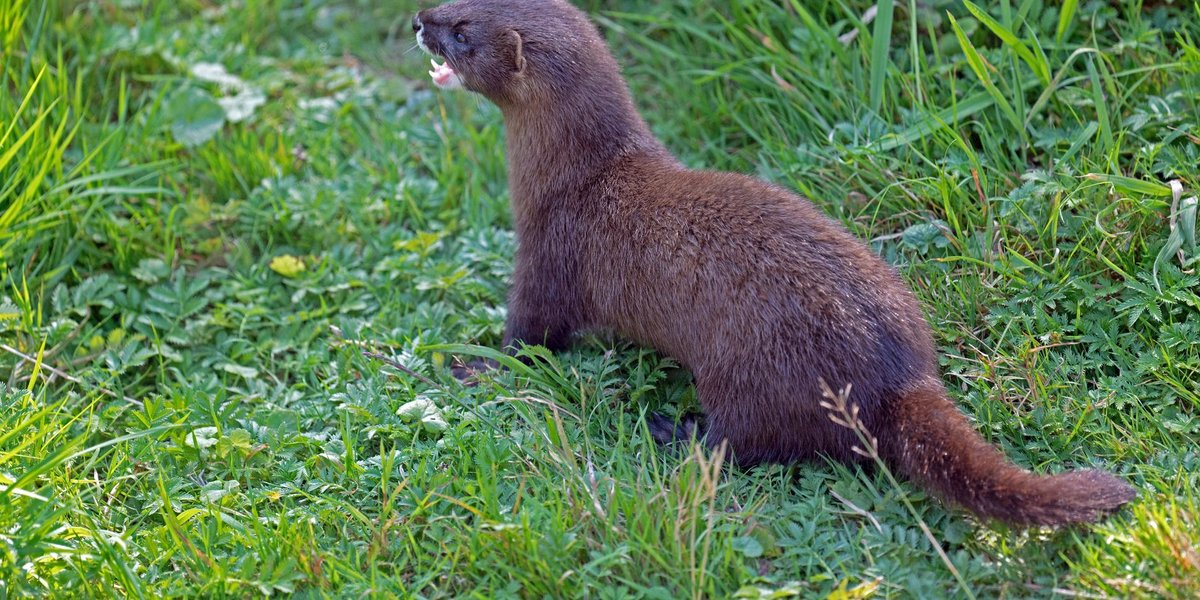
Moldova is small, landlocked, and farmed harder than almost anywhere else in Europe. More than half its land is plowed cropland, which means wild habitat here doesn’t get the luxury of stretching out. What’s left clings to river corridors, a handful of forest reserves, and the wetlands along the Dniester and Prut. That squeeze is the whole story behind the country’s endangered species list — and it’s why a creature like the European mink, once common across these river valleys, is now functionally gone from the wild here.
This is the roster you actually came for: which animals and plants are threatened in Moldova, what IUCN status each carries, and the specific reason each one is in trouble. Organized by group, with a status-coded table at the end so you can scan it fast.
Table of Contents
- The short version
- Why Moldova’s wildlife is under pressure
- Endangered mammals
- Endangered birds
- Endangered fish
- Reptiles and amphibians
- Endangered plants
- How Moldova is fighting back: the Emerald Network
- Status-coded reference table
- FAQ
The short version
Moldova has roughly 46 species flagged as endangered or threatened across its territory, spanning mammals, birds, fish, reptiles, amphibians, insects, and plants. The flagship cases are the European mink (critically endangered, almost certainly extinct locally), the great bustard (the world’s heaviest flying bird, down to scattered remnants), several sturgeon species in the Danube–Dniester basin, and the meadow viper. The main culprits are the same everywhere: habitat loss to agriculture, river damming, drainage of wetlands, and pollution. The bright spot is the Emerald Network, a protected-area system that now covers dozens of sites and targets the most vulnerable species directly.
Why Moldova’s wildlife is under pressure
Three forces do most of the damage here, and they compound each other.
First, agriculture. Moldova has one of the highest shares of arable land in Europe, and the historic spread of vineyards, orchards, and grain fields ate into the steppe grasslands and floodplain forests that ground-nesting birds and grassland mammals depend on. When the great bustard needs open, undisturbed steppe to nest and a plow turns that steppe every spring, the math doesn’t work.
Second, the rivers. The Dniester and Prut were dammed and channelized through the 20th century. Dams block sturgeon from reaching upstream spawning grounds — a sturgeon that can’t migrate doesn’t reproduce — and they alter the flow regime that floodplain wetlands need to stay wet.
Third, fragmentation. Even where habitat survives, it survives in patches. A mink population split across three disconnected river segments isn’t one population; it’s three small ones, each too small to ride out a bad year. That’s the quiet killer behind a lot of the names below.
Endangered mammals
European mink (Mustela lutreola) — Critically Endangered. This is Moldova’s most urgent case and one of Europe’s most threatened mammals overall. The species has collapsed across nearly its entire historic range, and in Moldova it’s considered effectively extinct in the wild. The decline tracks habitat loss along rivers, water pollution, and — brutally — competition and disease pressure from the invasive American mink, an escapee from fur farms that outcompetes its smaller European cousin.
Eurasian otter (Lutra lutra) — Near Threatened globally, but locally rare and protected. The otter is a water-quality bellwether: it needs clean rivers with healthy fish stocks and undisturbed banks for its holts. Pollution and bank development along Moldova’s waterways have pushed it into a thin, scattered presence. Where you find otters, you’re looking at one of the healthier stretches of river left.
European ground squirrel (Spermophilus citellus) — Endangered. A steppe specialist that lives in colonies on short-grass grassland. Plowing those grasslands for crops destroys the burrow systems an entire colony depends on, and once a colony is gone it doesn’t recolonize easily. It’s also a key prey species, so its decline ripples up to raptors like the imperial eagle.
Steppe polecat and several bat species also appear on national protection lists, tied to the same grassland and cave/roost-site losses. The mink, the otter, and the ground squirrel are only part of the picture; the full list of rare animals in Moldova reaches deeper into the country’s lesser-known raptors, amphibians, and reptiles.
Endangered birds
Birds are where Moldova’s habitat squeeze shows up most visibly, because so many of the at-risk species are grassland and wetland specialists with nowhere to retreat.
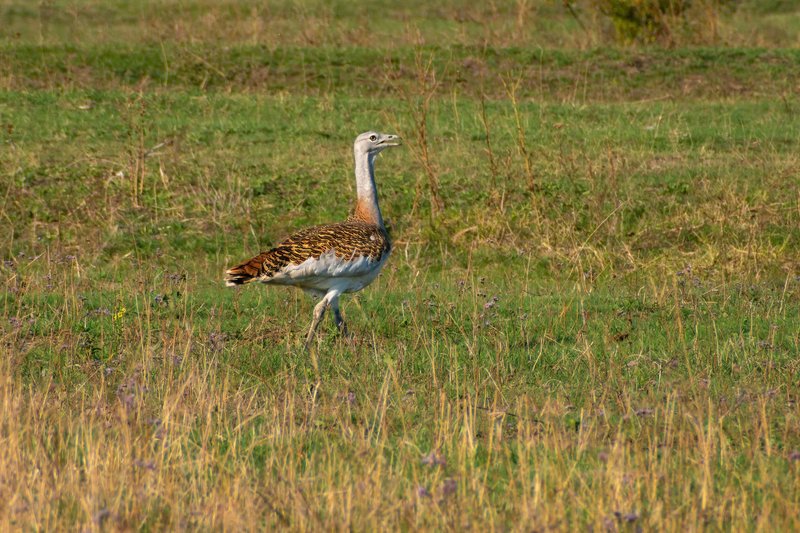
Great bustard (Otis tarda) — Vulnerable globally, locally on the edge. One of the heaviest flying birds on Earth, the bustard needs vast, open, undisturbed steppe to perform its elaborate ground courtship and to nest. Mechanized agriculture is almost perfectly designed to wreck that: spring plowing destroys nests, and the open landscape it favors is exactly the land farmers want. Moldova’s population is a fragment of what it once was.
Egyptian vulture (Neophron percnopterus) — Endangered globally. A small migratory vulture that’s declined sharply across its whole range from poisoning (often secondary, via poisoned carcasses meant for other animals), collisions with power lines, and reduced food availability. In Moldova it’s a rare passage and breeding visitor at the northern edge of its range.
Imperial eagle (Aquila heliaca) — Vulnerable. A magnificent steppe-and-forest-edge raptor that suffers from the same one-two punch: loss of the open hunting grounds where its prey (like the ground squirrel above) lives, plus persecution and power-line mortality.
Corncrake (Crex crex), lesser kestrel, and several waterbirds round out the national red list, all tied to the loss of wet meadows and undisturbed grassland.
Endangered fish
The Danube–Dniester–Prut river system is the front line here, and the sturgeons are the headline.
Sturgeons — multiple species, mostly Critically Endangered. The basin historically hosted several sturgeon species, including the beluga (Huso huso), Russian sturgeon (Acipenser gueldenstaedtii), and stellate sturgeon (Acipenser stellatus). Sturgeons are among the most threatened group of animals on the IUCN Red List, and the reasons are textbook: dams cut them off from upstream spawning grounds, overfishing (much of it driven by the caviar trade) removed the slow-breeding adults faster than they could be replaced, and pollution degraded the water. A fish that takes a decade or more to mature can’t absorb that kind of pressure.
Other freshwater fish on national protection lists include species tied to clean, flowing water and intact floodplains — the same conditions dams and pollution erode.
Reptiles and amphibians
Meadow viper (Vipera ursinii) — Vulnerable and one of Europe’s most threatened snakes. It’s a small, non-aggressive viper of damp grasslands and steppe meadows, and it lives or dies with that specific habitat. Grassland conversion to cropland is the direct driver. Because it has such narrow habitat needs and limited mobility, fragmentation hits it especially hard. It’s far from alone on the continent — the meadow viper sits within a broader roster of endangered species across Europe that share the same grassland and wetland losses driving its decline in Moldova.
Several amphibians — including fire-bellied toads and tree frogs — appear on national lists, threatened by the drainage of the small wetlands and floodplain pools they breed in. Amphibians are doubly exposed because they’re sensitive to both water pollution and habitat loss, and Moldova’s intensive agriculture delivers both.
Endangered plants
The plant side of the list is dominated by steppe and forest species squeezed by land conversion. Moldova’s native feather grasses (Stipa species) — the signature plants of healthy steppe — have retreated as grasslands were plowed. Several wild orchids, peonies, and rare forest herbs are protected at the national level, surviving mainly inside reserves like Codru, the country’s oldest scientific nature reserve, which protects a remnant of the central forest belt and the plant communities that come with it. When you read that a plant survives “mainly in Codru,” that’s not a fun fact — it means the reserve boundary is roughly the boundary of the species’ survival.
How Moldova is fighting back: the Emerald Network
The most important conservation tool here is the Emerald Network, the protected-area system set up under the Council of Europe’s Bern Convention to safeguard the continent’s most threatened species and habitats. Moldova has expanded its contribution to the network considerably, designating dozens of sites that target specific vulnerable species — bustards, mink habitat, sturgeon spawning stretches, steppe grasslands — rather than just drawing lines around scenic land. According to the UN Biodiversity Lab, these designations have meaningfully increased the area under protection.
Alongside the Emerald sites sit the older national reserves: Codru (forest), Prutul de Jos (lower Prut wetlands, a Ramsar site), Pădurea Domnească (floodplain forest along the Prut), and Iagorlîc (Dniester reservoir habitats). These are where the rarest plants and many of the listed animals actually persist. Protection on paper is one thing; the reserves are where it becomes real.
The honest assessment: it’s helping, but it’s a holding action. Protected areas slow the bleeding, and for species like the bustard and the steppe orchids they may be the difference between survival and loss. For the European mink, the protection probably arrived too late for a wild local population — and the future, if there is one, runs through captive breeding and reintroduction, not just habitat lines on a map.
Status-coded reference table
| Species | Scientific name | Group | IUCN status | Main threat |
|---|---|---|---|---|
| European mink | Mustela lutreola | Mammal | Critically Endangered | Habitat loss, invasive American mink |
| Beluga sturgeon | Huso huso | Fish | Critically Endangered | Dams, overfishing (caviar) |
| Russian sturgeon | Acipenser gueldenstaedtii | Fish | Critically Endangered | Dams, overfishing |
| Stellate sturgeon | Acipenser stellatus | Fish | Critically Endangered | Dams, overfishing |
| Egyptian vulture | Neophron percnopterus | Bird | Endangered | Poisoning, power lines |
| European ground squirrel | Spermophilus citellus | Mammal | Endangered | Grassland plowing |
| Great bustard | Otis tarda | Bird | Vulnerable | Steppe loss, mechanized farming |
| Imperial eagle | Aquila heliaca | Bird | Vulnerable | Habitat loss, persecution |
| Meadow viper | Vipera ursinii | Reptile | Vulnerable | Grassland conversion |
| Eurasian otter | Lutra lutra | Mammal | Near Threatened | Water pollution, bank development |
| Feather grasses | Stipa spp. | Plant | Nationally protected | Steppe plowing |
FAQ
How many endangered species does Moldova have? Around 46 species are listed as endangered or threatened across Moldova, spanning mammals, birds, fish, reptiles, amphibians, insects, and plants. The exact number shifts as the national Red Book is updated and as IUCN reassesses individual species.
What is the most endangered animal in Moldova? The European mink (Mustela lutreola) is the strongest candidate — it’s classed as Critically Endangered and is considered effectively extinct in the wild in Moldova, driven out by habitat loss and the invasive American mink. Sturgeons in the Danube–Dniester basin are in similarly dire shape.
Why are so many of Moldova’s species endangered? Because Moldova is one of the most intensively farmed countries in Europe. Cropland has replaced the steppe grasslands and floodplain forests that wildlife needs, rivers have been dammed and polluted, and the remaining habitat is fragmented into patches too small to sustain healthy populations.
Is the European mink the same as the American mink? No — and that’s the problem. The European mink is a separate, native species. The American mink is an invasive escapee from fur farms that outcompetes the European mink and spreads disease to it, which is a major reason the native species has collapsed.
What is being done to protect Moldova’s wildlife? The main framework is the Emerald Network of protected areas under the Bern Convention, backed by national reserves like Codru, Prutul de Jos, and Pădurea Domnească. These target specific threatened species and habitats. For the most depleted species, recovery will likely also depend on captive breeding and reintroduction.