Poison and venom get used interchangeably in casual conversation, and that’s wrong in a way that actually matters. A poisonous animal hurts you if you touch it or eat it. A venomous animal hurts you because it decided to — a bite, a sting, an active injection. Mix them up and you’ll misjudge which animals on this list are dangerous to admire from a foot away and which ones you should never pick up at all.
Most “most poisonous animals” lists blur the line anyway, because readers searching for this topic want the full cast of toxic characters, not a taxonomy lecture. This one does the same, but flags which mechanism you’re dealing with as we go, so you walk away actually understanding the distinction instead of just collecting trivia.
Table of Contents
- TLDR: The Toxic Twelve
- Poison vs. Venom vs. Toxin
- 1. Golden Poison Frog
- 2. Pufferfish
- 3. Box Jellyfish
- 4. Inland Taipan
- 5. Deathstalker Scorpion
- 6. Blue-Ringed Octopus
- 7. Cane Toad
- 8. Monarch Butterfly
- 9. Hooded Pitohui
- 10. Hawksbill Sea Turtle
- 11. Stonefish
- 12. Spanish Fly (Blister Beetle)
- Poisonous Animals You Might Actually Run Into
- What to Do If You’re Exposed
TLDR: The Toxic Twelve
If you’re here for the short version, this is the lineup, ranked roughly by how little margin for error they give you:
- Golden poison frog — skin toxin strong enough to kill ten grown men, no bite required
- Pufferfish — a delicacy that kills its own chefs
- Box jellyfish — venom fast enough to stop your heart before you reach shore
- Inland taipan — the most toxic snake venom on the planet, drop for drop
- Deathstalker scorpion — brutal sting, and the source of a cancer-imaging drug
- Blue-ringed octopus — a painless bite that can leave you unable to breathe
- Cane toad — an invasive species that poisoned its way across a continent
- Monarch butterfly — poisonous since caterpillarhood, and it advertises the fact
- Hooded pitohui — a songbird whose feathers can numb your tongue
- Hawksbill sea turtle — a meal that has killed entire island villages
- Stonefish — looks like a rock, stings like a branding iron
- Spanish fly — a “love potion” that’s actually just poison
Poison vs. Venom vs. Toxin
| Term | What it means | Example |
|---|---|---|
| Venom | Injected into you, actively, through a bite, sting, or spine | Box jellyfish, taipan, scorpion |
| Poison | Absorbed by you — through skin contact, or by eating the animal | Golden poison frog, pufferfish |
| Toxin | The umbrella term for the harmful chemical itself, regardless of delivery | Tetrodotoxin, batrachotoxin, cardenolides |
A rattlesnake is venomous — it bites you. A pufferfish is poisonous — you have to eat it wrong. Some of the animals below, like the box jellyfish and the taipan, are technically venomous rather than poisonous, but they show up on every “poisonous animals” list ever written, ours included, because readers come looking for the world’s most toxic creatures, not a semantics quiz.
1. Golden Poison Frog
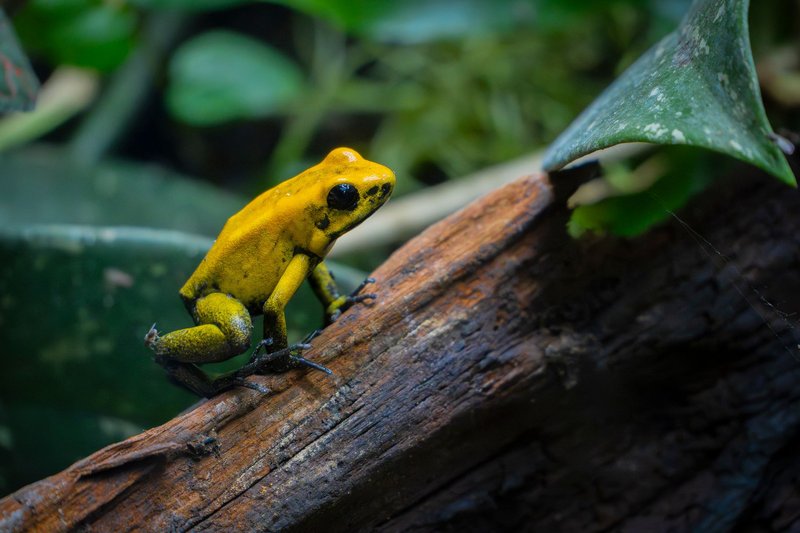
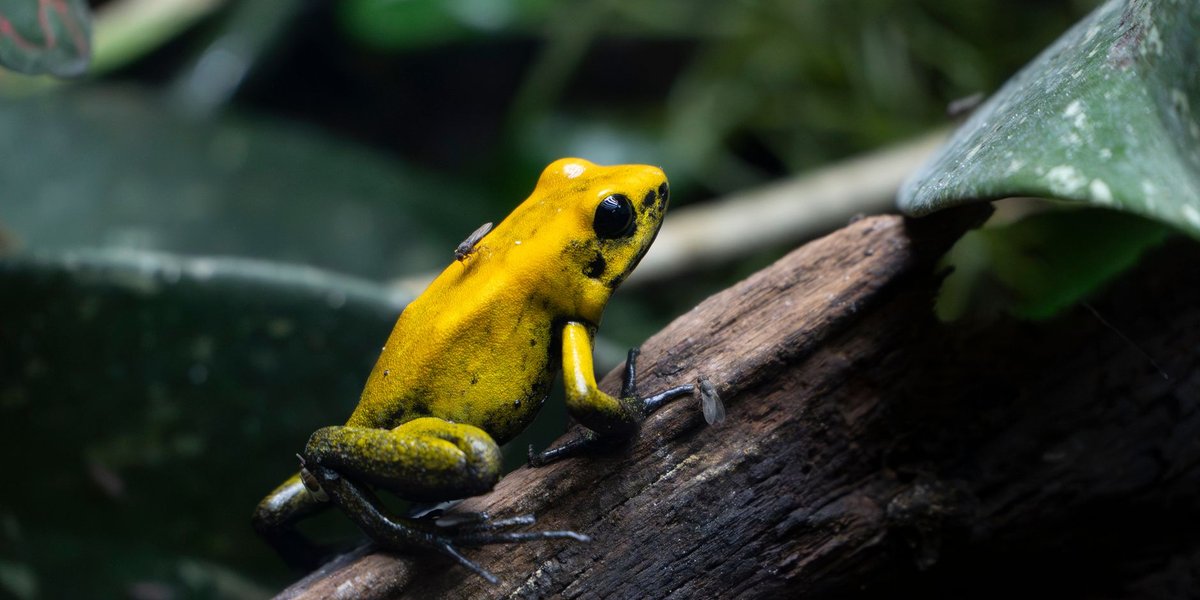
The golden poison frog (Phyllobates terribilis) is about two inches long and carries enough batrachotoxin in its skin to kill roughly ten adult humans — with no bite, sting, or contact beyond a bare hand. The toxin blocks sodium channels in your nerves, locking muscles including your heart into permanent contraction.
Indigenous Emberá hunters in the Colombian rainforest have used the frog for centuries, wiping blowgun darts across its back before hunting. One frog can coat 40 to 50 darts. Wild frogs get their toxicity from alkaloid-rich insects in their diet; captive-bred ones raised on crickets and fruit flies are harmless enough to be sold as pets, which tells you the frog isn’t manufacturing poison so much as concentrating it. The species is listed as Endangered on the IUCN Red List, with illegal logging and mining shrinking its already narrow Colombian range.
2. Pufferfish
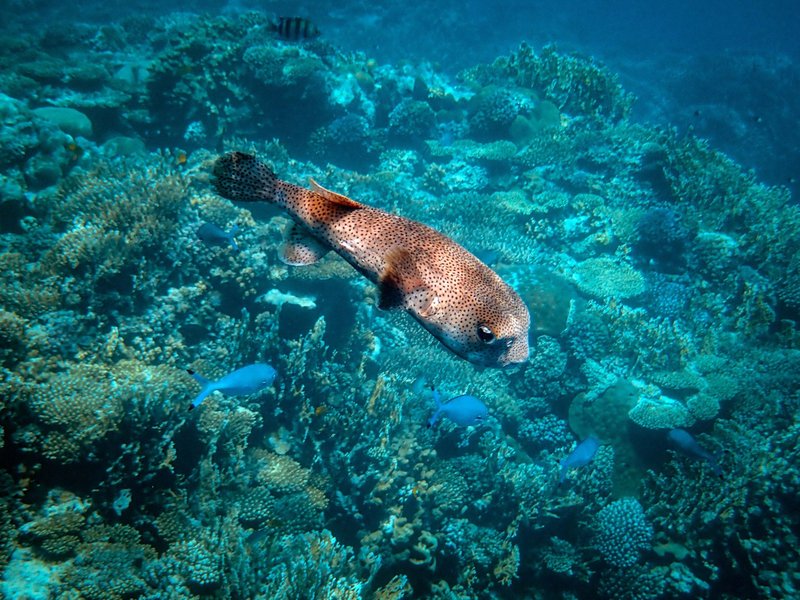
Tetrodotoxin, the compound packed into a pufferfish’s liver, skin, and ovaries, is roughly 1,200 times more poisonous than cyanide, and there’s no antidote. One fish carries enough to kill around 30 people. In Japan, fugu is a licensed delicacy — chefs train for years and pass a government exam before they’re allowed to serve it — because the margin between a numbed lip (the desired effect) and respiratory paralysis is that thin.
Licensed restaurants rarely kill anyone. Home cooks do. Fatal poisonings still happen most years in Japan, almost always from someone preparing an unlicensed catch themselves, and National Geographic notes that even a trace of the wrong organ left on the flesh can be lethal within minutes.
3. Box Jellyfish
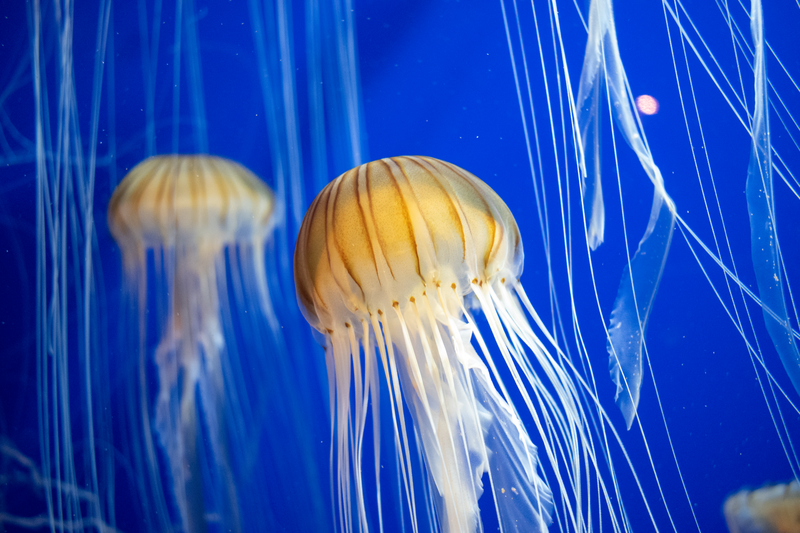
The Australian box jellyfish (Chironex fleckeri) carries venom in each of its roughly 60 tentacles, delivered through thousands of microscopic harpoons that fire on contact. It’s fast — a serious sting can trigger cardiac arrest before a swimmer even reaches the beach. Queensland’s government records at least 70 confirmed fatal stings in state waters since 1880, more than sharks and crocodiles combined manage in the same stretch of coastline.
Vinegar, not urine, is the correct field response — it deactivates unfired stinging cells still stuck to the skin. This is one you outrun with prevention: stinger nets and full-body suits during Australia’s jellyfish season, October through May in the north.
4. Inland Taipan
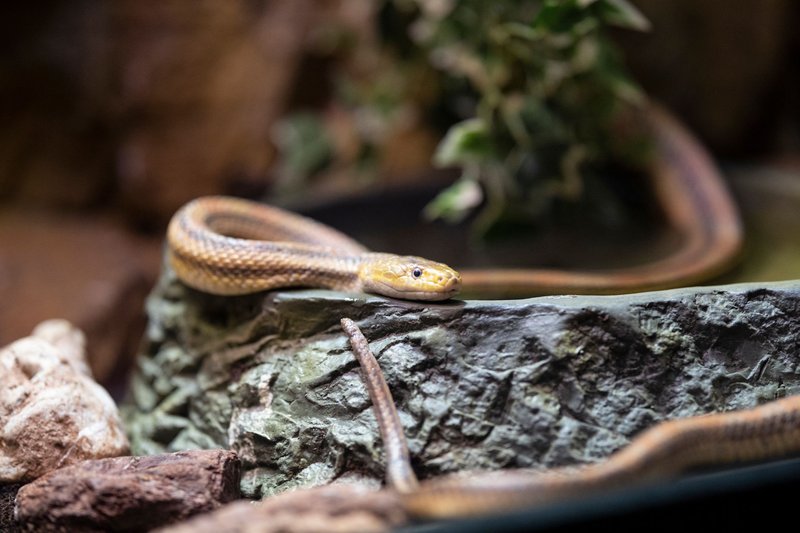
Australia’s inland taipan has the most toxic venom of any snake on Earth, measured by how little it takes to kill a lab mouse. A single bite can deliver enough venom to theoretically kill well over 100 adult humans, and it acts fast, attacking the blood’s ability to clot and shutting down the nervous system within the hour.
Here’s the twist: nobody has died from one in recorded history. The taipan lives in remote Australian outback, avoids people by instinct, and antivenom developed in the 1950s has neutralized every known bite since. It’s the most dangerous snake you’ll never meet.
5. Deathstalker Scorpion
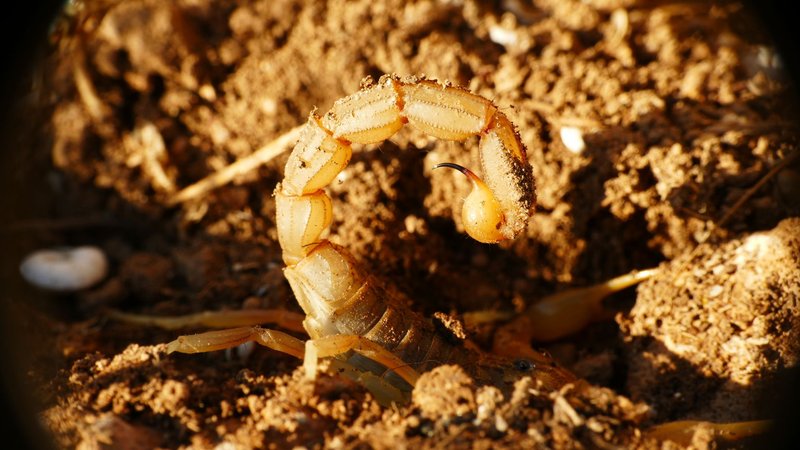
The deathstalker, found across North Africa and the Middle East, delivers one of the most painful stings of any scorpion — searing, immediate, and dangerous for children, the elderly, or anyone with a heart condition. For a healthy adult, it’s usually agony rather than a death sentence.
The stranger fact: deathstalker venom contains chlorotoxin, a peptide that binds selectively to glioma brain tumor cells and barely touches healthy tissue. Researchers have used a synthetic version as a fluorescent “tumor paint,” letting surgeons see cancerous tissue glow during operations. A creature built to be feared turned out to be useful for finding what’s trying to kill people in an entirely different way.
6. Blue-Ringed Octopus
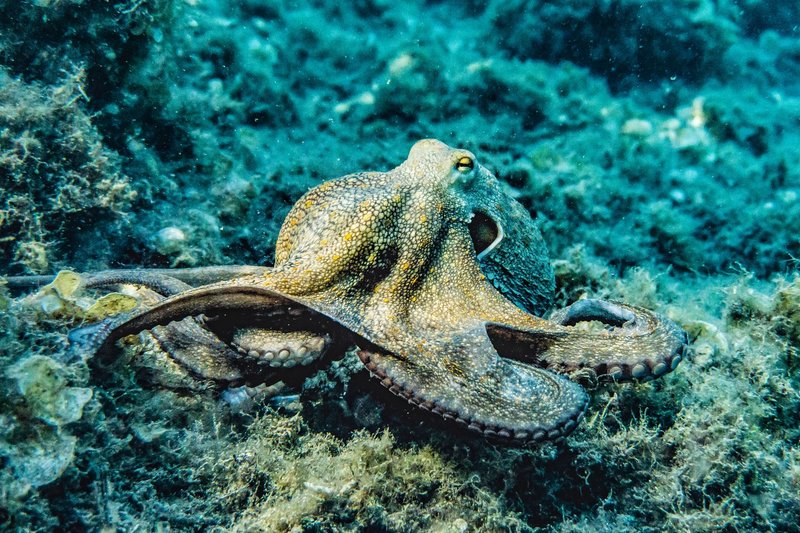
It’s the size of a golf ball, and its bite often doesn’t hurt enough to notice. That’s the problem. The blue-ringed octopus, found in tide pools from Australia to Japan, carries tetrodotoxin — the same compound in pufferfish — in its saliva. Paralysis sets in within minutes, and because there’s no antivenom, treatment is entirely supportive: keep the person breathing, often with manual or mechanical ventilation, until the toxin clears their system on its own, which can take hours.
Its rings flash electric blue as a warning when it’s provoked. Most victims never see it happen.
7. Cane Toad
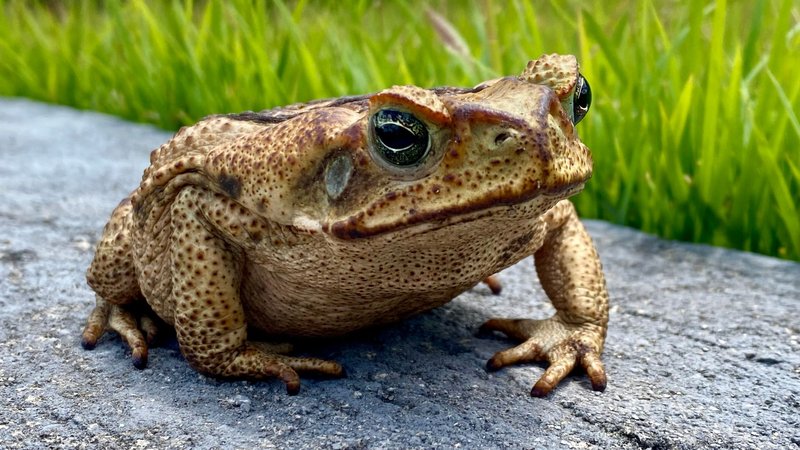
Australia imported 102 cane toads from Hawaii in 1935 to eat beetles destroying sugarcane crops. The toads ignored the beetles, which fly too high for a toad to catch, and instead bred into the hundreds of millions, spreading across the continent. Their parotoid glands secrete bufotoxin, a compound that can stop a predator’s heart within minutes of a bite or mouthing.
Native Australian predators, from quolls to freshwater crocodiles, had no evolutionary reason to know better, and populations of several species crashed wherever the toad’s range expanded. Pet dogs remain frequent victims today — a dog that bites or mouths a cane toad can go into cardiac distress inside fifteen minutes.
8. Monarch Butterfly
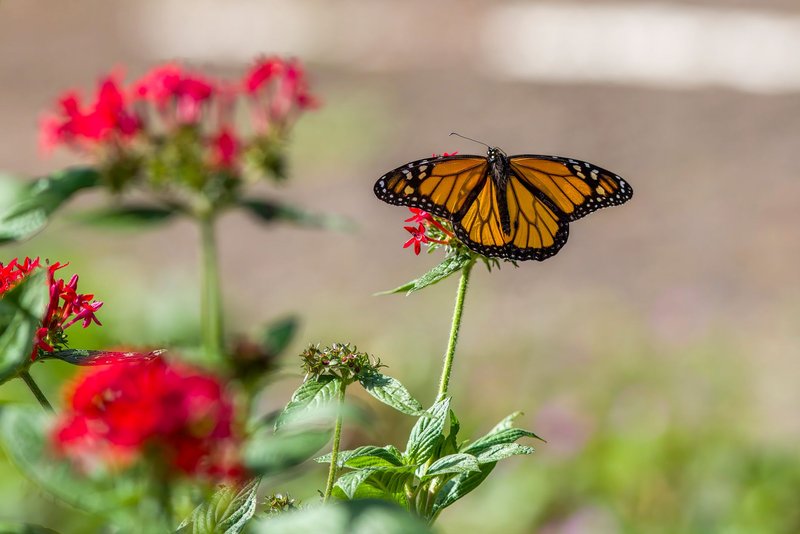
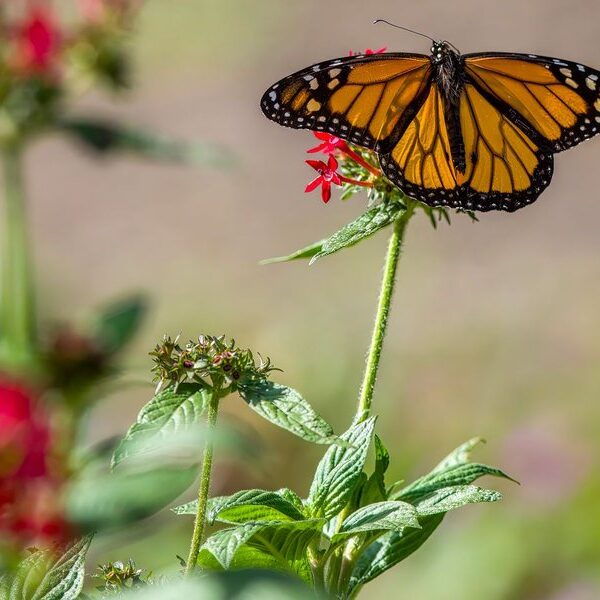
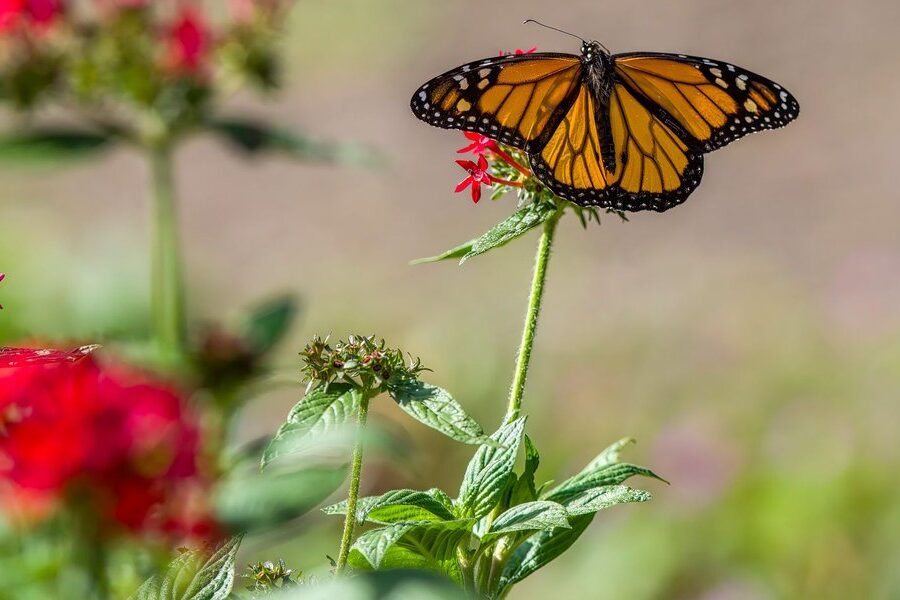
Monarch caterpillars eat almost nothing but milkweed, a plant most other animals avoid because it’s loaded with cardenolides — heart-disrupting compounds. Rather than being harmed, the caterpillar stores the toxin in its own tissue, carries it through metamorphosis, and keeps it as an adult butterfly. The orange and black pattern is advertising, not decoration.
Scientific American covers the classic experiment behind this: researchers fed monarchs to caged blue jays that had never encountered one before. The jays ate them without hesitation on the first try, then vomited within minutes — and after one bad meal, refused every monarch offered afterward. One butterfly, a lifetime lesson.
9. Hooded Pitohui
New Guinea’s hooded pitohui was the animal that broke the “birds aren’t poisonous” assumption. In 1989, ornithologist Jack Dumbacher got scratched and bitten while untangling one from a mist net, then absentmindedly put his fingers in his mouth. His lips and tongue went numb and started burning. He eventually traced the sensation to batrachotoxin — the exact compound in the golden poison frog’s skin — coating the bird’s feathers and skin.
Local communities in Papua New Guinea had known for generations, calling it a “rubbish bird” not fit to eat, and preparing it (when eaten at all) with techniques that strip the skin first. The bird likely gets the toxin the same way the frog does: through toxic beetles in its diet.
10. Hawksbill Sea Turtle
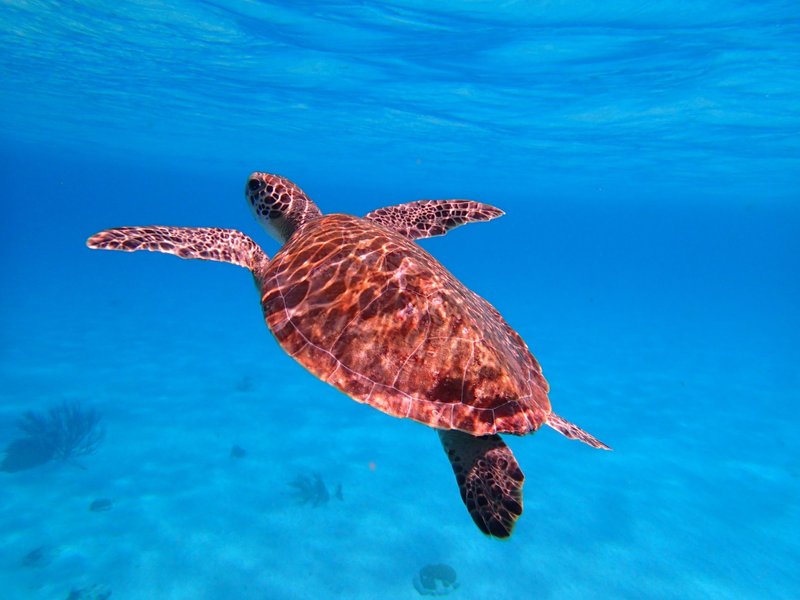
Hawksbill turtles eat sponges and algae that are themselves toxic to most animals, and over a lifetime, those toxins accumulate in the turtle’s fat and organs without harming the turtle at all. Eat the turtle, though, and you’re eating decades of concentrated poison. The resulting illness, chelonitoxism, has caused fatal poisoning outbreaks in Pacific Island communities, including cases in Kiribati and Madagascar where entire families sharing a single turtle meal have died together.
There’s no way to tell a toxic turtle from a safe one by looking, cooking doesn’t neutralize the toxin, and there’s no antidote — which is a large part of why hawksbill turtles, already critically endangered from the tortoiseshell trade, are protected from harvest across most of their range today.
11. Stonefish
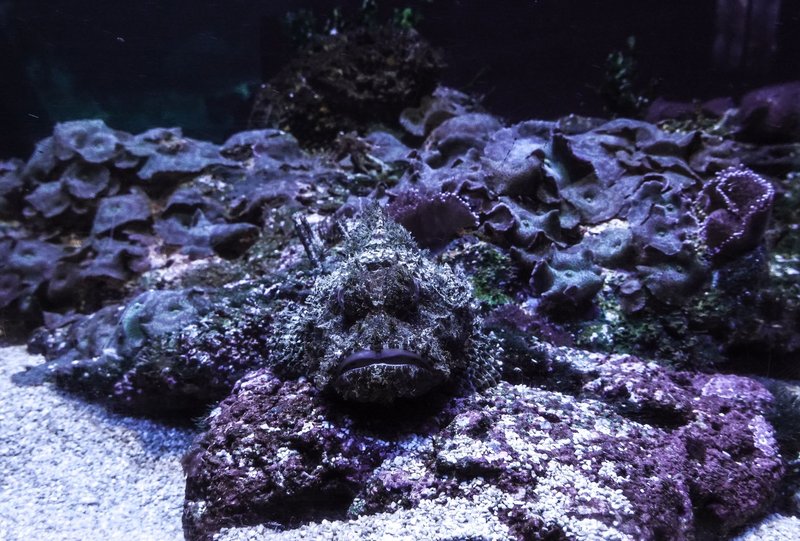
The stonefish is the most venomous fish known, and its real weapon is camouflage. It lies motionless on reef floors and in shallow tide pools, textured and colored like an ordinary rock, until a bare foot presses down on one of the 13 venomous spines along its back. The sting is often described as the worst pain a person can experience, capable of causing tissue death, paralysis, and — without treatment — heart failure.
Reef shoes solve this problem completely. So does antivenom, developed in Australia in 1959, which has made stonefish deaths in treated cases extremely rare today.
12. Spanish Fly (Blister Beetle)
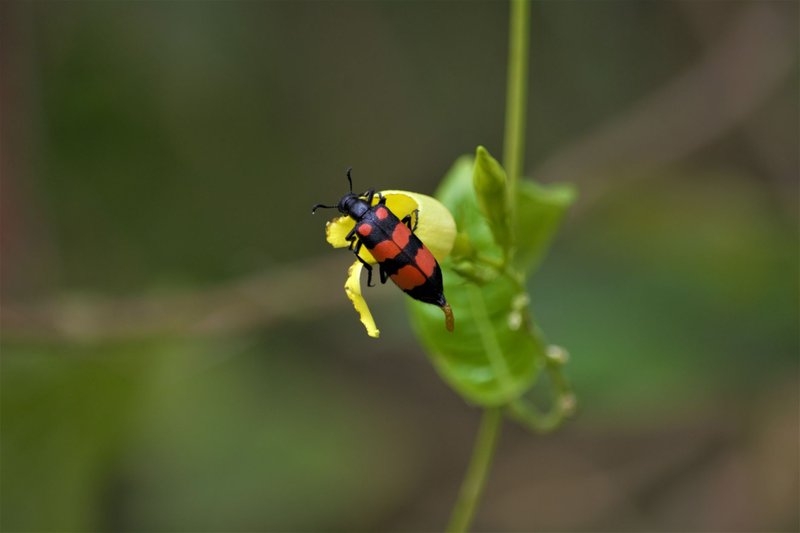
“Spanish fly” isn’t a fly — it’s a dried, crushed blister beetle, and its folk reputation as an aphrodisiac is one of history’s more dangerous rumors. The beetle’s defensive compound, cantharidin, causes blistering on contact and severe internal damage if swallowed: it inflames the urinary tract, kidneys, and digestive system, and produces a burning sensation that some people historically mistook for arousal. It has killed people who took it as a supposed love potion, in doses that were, in reality, just poison.
Livestock face a more mundane version of the same risk: horses can die from cantharidin poisoning after eating hay contaminated with crushed blister beetles, a real and recognized hazard for anyone who keeps them.
Poisonous Animals You Might Actually Run Into
Nobody reading this is likely to step on a stonefish this week. You’re more likely to meet one of these:
- American toads and other backyard toads secrete bufotoxin from their skin, mild in humans but genuinely dangerous for dogs and cats that bite or mouth them — the same family of compound as the cane toad, at a much lower dose.
- Fire salamanders, common across parts of Europe, ooze a milky, alkaloid-laced secretion when threatened that can irritate skin and is dangerous if it reaches your eyes or mouth.
- Lionfish, increasingly common in home aquariums and now invasive along the US Atlantic and Gulf coasts, deliver a venomous sting through their spines — technically venomous, not poisonous, but a real backyard-pond and reef-diving hazard.
- Monarch caterpillars, if you’re a gardener who plants milkweed, are harmless to handle but mildly toxic if eaten by a curious pet or toddler.
- Poison dart frogs kept as pets lose their toxicity within a generation or two in captivity, once their wild alkaloid-rich diet is gone — one of the few cases where “don’t touch the poisonous frog” genuinely doesn’t apply.
What to Do If You’re Exposed
Most “poisonous animals” content stops at the trivia. Here’s what actually matters if you or someone with you gets stung, bitten, or has eaten something they shouldn’t have:
- Call for help immediately. In the US, Poison Control is reachable 24/7 at 1-800-222-1222, free and confidential, and can tell you in under a minute whether you need to get to a hospital. For marine stings or bites causing difficulty breathing, chest pain, or spreading paralysis, call 911 instead — don’t wait to see if it gets worse.
- For jellyfish stings, rinse with vinegar, not fresh water (fresh water can trigger unfired stinging cells to fire). Remove tentacles with tweezers or a gloved hand, never bare fingers.
- For a suspected poisonous bite or sting, keep the affected limb still and below heart level if possible, and try to note the time of exposure — it matters for treatment.
- If an animal was eaten — a mishandled pufferfish, a hawksbill turtle, a wild mushroom mistaken for something else — don’t wait for symptoms to confirm your fear. Tetrodotoxin and similar toxins can take hours to peak, and by the time symptoms are obvious, treatment options have narrowed.
- Never attempt folk remedies — sucking a wound, applying ice directly, using a tourniquet, or cutting the skin — all of these do more harm than the original exposure in most documented cases.
Poisonous animals earn their reputation honestly, but the danger is almost always avoidable: watch where you step on a reef, don’t eat anything you can’t identify with total confidence, and keep pets away from toads and caterpillars they’re curious about. The golden poison frog has killed far fewer people than the fugu chef’s knife slipping at the wrong moment — respect scales with proximity, not with how good the animal looks on a list.