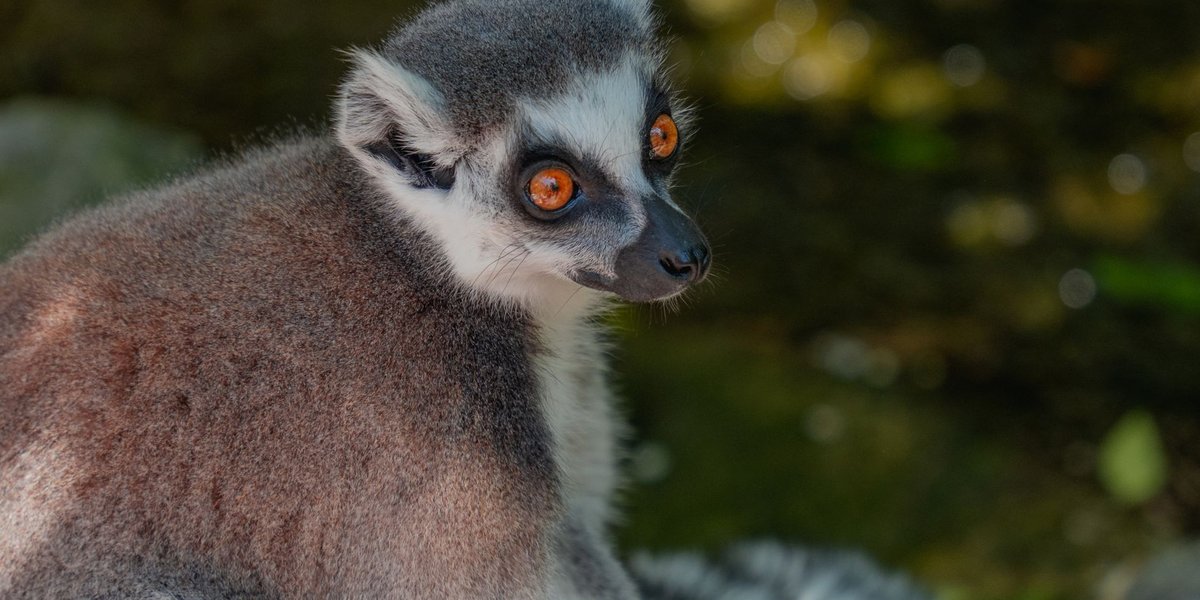
Mongoose lemurs are primarily frugivores — fruit is the backbone of their diet — but the full answer is more interesting than that, because what they eat depends heavily on the season. In the wet months they’re fruit-and-leaf eaters. In the dry season, one tree’s nectar can account for roughly 80% of everything they consume. That single shift drives a lot of what makes this species (Eulemur mongoz) unusual.
Here’s the complete breakdown.
Table of Contents
- The Short Answer
- What’s on the Menu
- Wet Season vs. Dry Season
- The Kapok Connection
- Herbivore or Omnivore?
- How and When They Feed
- Pollinators and Seed Dispersers
- Captive vs. Wild Diet
- How Diet Shapes Their Behavior
The Short Answer
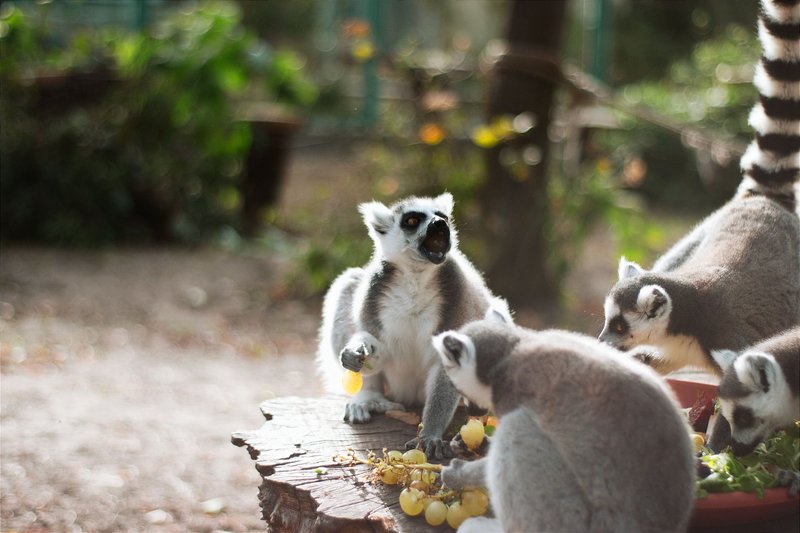
Mongoose lemurs eat mostly fruit, supplemented by flowers, nectar, leaves, and pollen, with the occasional insect, beetle grub, fungus, and even bits of dead wood. A few have been recorded snacking on small birds. They’re not strict herbivores — they lean omnivore — but the animal protein is a minor sideshow next to the plants.
The headline detail: their diet flips with Madagascar’s two seasons. The wet season brings fruit and young leaves. The dry season turns them into nectar specialists, fixated on the flowers of the kapok tree.
What’s on the Menu
Across the year, a mongoose lemur’s diet pulls from a handful of categories:
- Fruit — ripe fruit is the staple, the food they’ll choose first when it’s available. This is what earns them the “frugivore” label.
- Flowers and nectar — not a garnish but a core food group, especially when fruit runs short.
- Pollen — eaten directly off flowers, and a real source of protein for an animal that doesn’t hunt much.
- Leaves — young, tender leaves more than tough mature ones. Folivory ramps up when better options aren’t around.
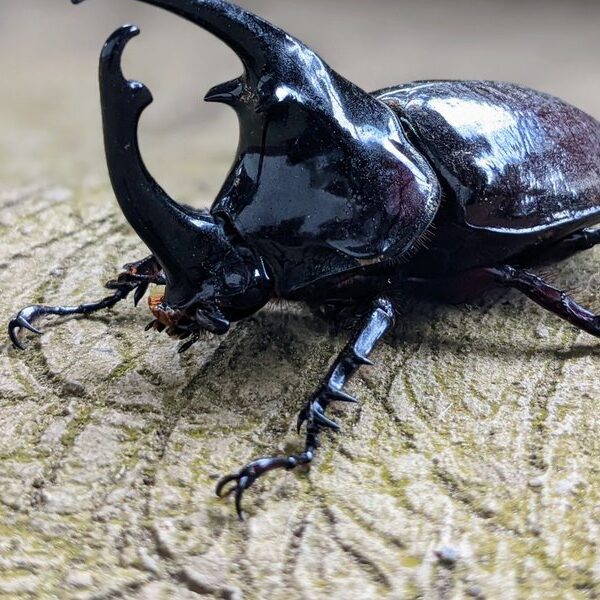
- The surprising extras — beetles and beetle grubs, fungi, and gnawed dead wood. There are even scattered reports of mongoose lemurs eating small birds, which puts a firm asterisk on calling them vegetarians.
The variety here isn’t random. It’s a flexible eater making the best of a landscape that swings between abundance and scarcity — the same opportunistic strategy you see across Madagascar’s native animals, where seasonal extremes reward generalists.
Wet Season vs. Dry Season
This is the part most species profiles skip, and it’s the most important thing to understand about how mongoose lemurs eat. Their diet doesn’t just shift — it transforms.
| Wet Season | Dry Season | |
|---|---|---|
| Dominant food | Fruit | Kapok nectar (~80% of intake) |
| Secondary foods | Young leaves, flowers, insects | Flowers, pollen, leaves |
| Activity pattern | More daytime feeding (diurnal) | Shifts toward nighttime (nocturnal) |
| Why the change | Fruit is abundant | Fruit is scarce; flowering trees fill the gap |
In the wet season, mongoose lemurs behave like the fruit-and-leaf eaters you’d expect. When the dry season arrives and fruit dries up, they pivot hard toward flowering trees — and one tree above all.
The Kapok Connection
The kapok tree (Ceiba pentandra) is the hinge the whole dry-season diet swings on. Its large, nectar-heavy flowers bloom when little else is fruiting, and mongoose lemurs cash in. During the dry months, kapok nectar and pollen can make up around 80% of their food intake — an extraordinary level of dependence on a single resource.
Kapok is one of the tallest trees in the tropical forests it grows in, and its flowers open at night, releasing a scent that pulls in nocturnal feeders. That timing meshes neatly with the mongoose lemur’s tendency to feed after dark during the dry season. The lemur gets a reliable meal; the tree gets a courier.
Herbivore or Omnivore?
A common search and a fair question. The honest answer: mongoose lemurs are omnivores that act mostly like herbivores.
The vast majority of what they eat is plant matter — fruit, flowers, nectar, pollen, leaves. But the documented insects, grubs, fungi, and the rare small bird tip them over the line from pure herbivore into omnivore territory. If you need one word, “frugivore” describes the dominant strategy; “omnivore” is the technically correct classification.
How and When They Feed
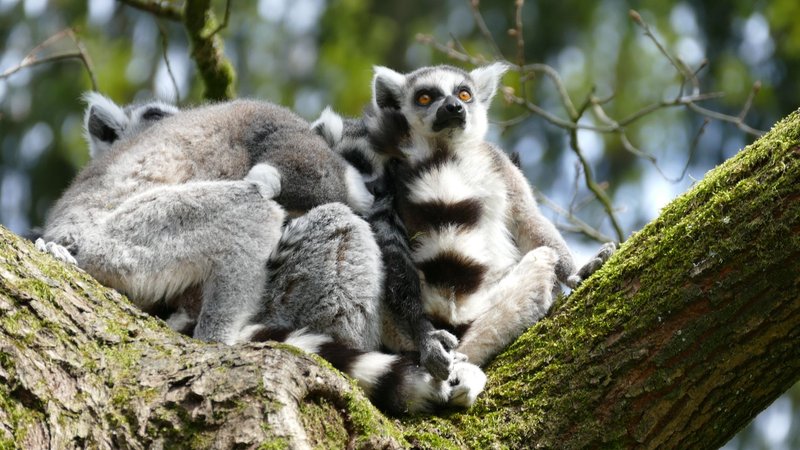
Mongoose lemurs are unusual among lemurs for being cathemeral — active in bursts across both day and night rather than strictly one or the other. Crucially, that activity pattern tracks the food supply. They tend to feed more during daylight in the wet season and shift toward nighttime feeding in the dry season, which lines up perfectly with kapok’s night-blooming flowers.
This flexibility, documented by groups like the Duke Lemur Center, means they’re not locked into a single feeding window. They eat when the food is best, whenever that happens to be.
Pollinators and Seed Dispersers
Eating fruit and nectar makes mongoose lemurs more than just consumers — it makes them gardeners.
When they drink kapok nectar, pollen sticks to their faces and fur and gets carried tree to tree, helping the kapok reproduce. When they eat fruit, the seeds pass through their gut and get deposited elsewhere, often far from the parent tree. As IUCN and conservation researchers have noted, frugivorous lemurs are significant seed dispersers in Madagascar’s forests, and losing them can ripple out into the plant communities that depend on them. Plenty of other tropical rainforest consumers play this same double role of eating and replanting, but the mongoose lemur’s lunch is part of how its forest regrows.
Captive vs. Wild Diet
Most articles ignore captive diets entirely, which leaves a gap worth filling for anyone visiting a zoo or curious about lemurs in human care.
In zoos and sanctuaries, mongoose lemurs can’t access kapok nectar or seasonal Madagascan fruit, so keepers approximate the diet with:
- A rotation of fruits and vegetables
- Leafy greens and browse for the folivore side of their appetite
- Commercial primate biscuits or “leaf-eater” pellets for balanced protein and micronutrients
- Occasional insects to cover the omnivore element
The goal is to mimic the variety and the fruit-forward balance of the wild diet without the dramatic seasonal swing. It works for nutrition, but it can’t replicate the kapok dependency that defines wild feeding — which is one reason field observation still matters so much for understanding the species.
How Diet Shapes Their Behavior
Here’s the link the standard profiles miss: what a mongoose lemur eats helps explain how it lives.
Because their key dry-season resource is patchy and concentrated — a flowering tree here, another there — mongoose lemurs travel and forage in small family groups rather than large troops, typically a pair and their offspring. Big groups would strip a single kapok in flower far too fast. Researchers studying Eulemur mongoz have linked this resource pattern to the species’ small group sizes and to the female dominance seen across many lemurs, where females get priority access to the best food — an edge that matters when you’re feeding hungry offspring.
So the diet isn’t just trivia. It’s the thread connecting where these lemurs go, who they live with, and who eats first.
If you came here asking what mongoose lemurs eat, the one-line version is: fruit, with a dramatic dry-season pivot to kapok nectar, plus flowers, leaves, and a few insects on the side. The longer version is that this little frugivore’s menu quietly shapes almost everything else about its life.