TLDR
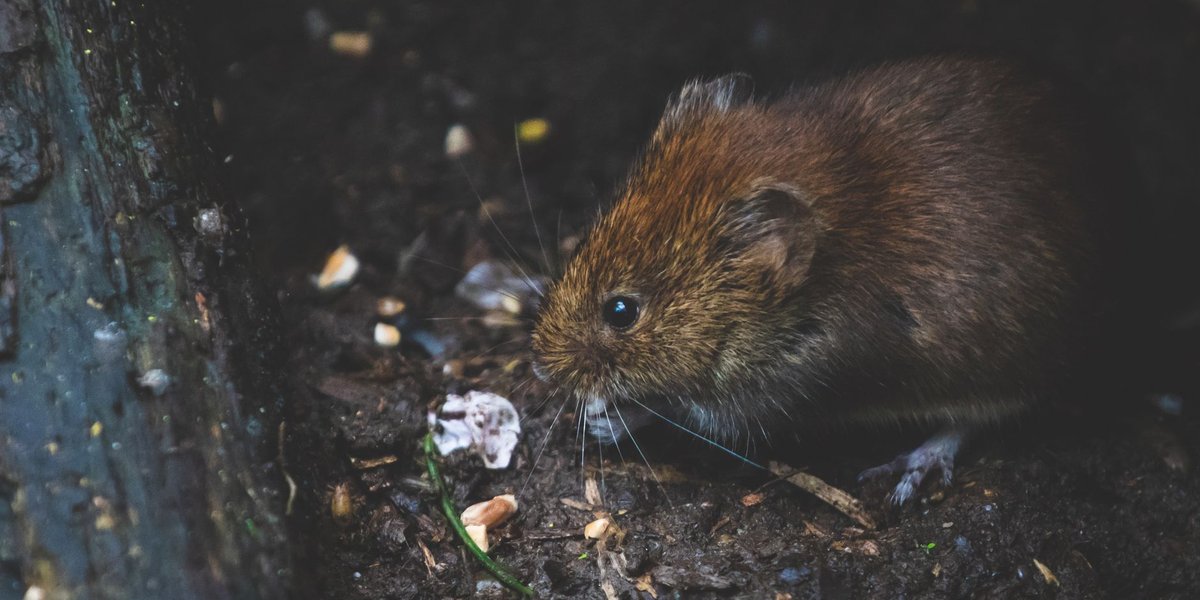
Red-backed voles are opportunistic omnivores that change menus with the calendar: tender shoots and leaf petioles in spring, berries and fruit through summer, nuts and seeds in fall, and a year-round backup diet of bark, roots, lichens, fungi, and insects. Northern red-backed voles (Myodes rutilus) will also scavenge or eat meat when the chance arises — including, occasionally, each other.
Table of Contents
- The quick answer: what’s on the menu
- Spring: shoots and petioles
- Summer: berries take over
- Fall: stocking up on nuts and seeds
- Winter: the cache under the snow
- The year-round backup foods
- Northern vs. southern red-backed voles: does diet differ?
- When voles eat meat
- Why this diet matters for the food web
- FAQ
The quick answer: what’s on the menu
If you want the short version before the detail, here it is:
| Season | Primary food |
|---|---|
| Spring | Young shoots, leaf petioles |
| Summer | Berries, fruit |
| Fall | Nuts, seeds |
| Winter | Cached seeds and nuts, bark, roots |
| Year-round | Bark, roots, lichens, fungi, insects |
That’s the pattern researchers at Animal Diversity Web have documented across both major North American species — the southern red-backed vole (Myodes gapperi) and its northern cousin (Myodes rutilus). Neither one sticks to a single food group. They eat what’s abundant and switch the moment something better comes into season.
Spring: shoots and petioles
When snow retreats and the forest floor turns green again, voles go straight for the softest, most nutrient-dense parts of new growth — the petioles (the little stalks connecting a leaf to its stem) and the youngest shoots pushing up through leaf litter. This is the tenderest window of the plant’s growth cycle, and voles time their foraging to catch it before the tissue toughens and fiber content climbs.
It’s also when breeding ramps up, so the extra protein and moisture in spring greens matter more than they would later in the year.
Summer: berries take over
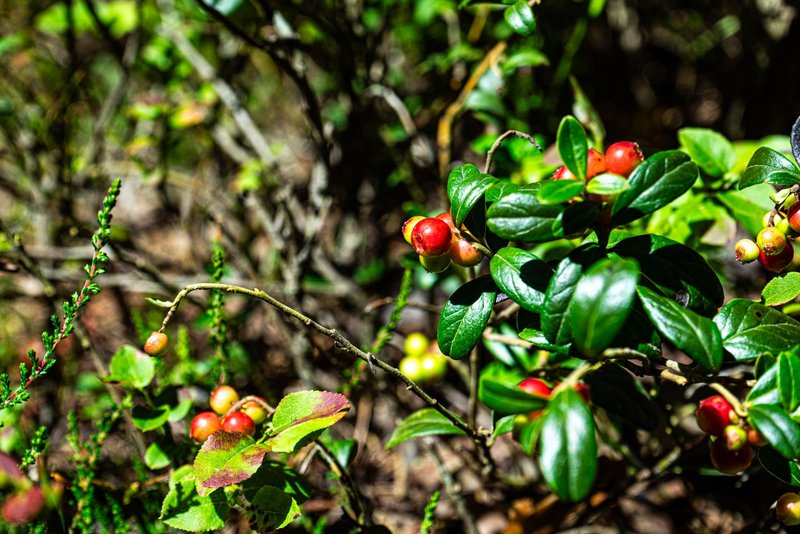
By midsummer, berries and soft fruit become the dominant food source wherever they’re available — blueberry, bunchberry, and other understory shrubs common in the boreal and mixed forests these voles call home. Berries pack sugar and water efficiently, which is useful for an animal that rarely travels far from its burrow to drink.
This is also the period when red-backed voles are easiest to trap for research, since bait mimicking ripe fruit works especially well.
Fall: stocking up on nuts and seeds
As berries disappear, the diet pivots hard toward nuts and seeds — acorns, conifer seeds, and whatever hard mast the local forest produces. This isn’t just about taste; nuts and seeds store far better than berries, and a vole that’s about to spend months underground needs food that won’t rot in a cache.
Fall is when caching behavior kicks into high gear, which sets up the next season’s survival strategy entirely.
Winter: the cache under the snow
Red-backed voles don’t hibernate. Instead, they stay active all winter under the insulating layer of snow known as the subnivean zone — a network of tunnels and air pockets between the ground and the snowpack where temperatures stay far more stable than the air above. Inside that zone, they raid the nut and seed stockpiles they built in autumn and supplement with bark and roots dug up along the way.
The subnivean lifestyle is the reason these voles can stay active through a Yukon or Alaska winter that would kill most small mammals outright. The snow isn’t a barrier — it’s the roof of their winter house.
The year-round backup foods
Underneath the seasonal headline foods, four items show up in the diet in every season: bark, roots, lichens, and fungi, plus the occasional insect. None of these are the preferred meal, but they’re the fallback that keeps a vole fed during a poor berry year or a late spring. Fungi in particular play a bigger role than most people expect — some vole populations act as spore dispersers for underground fungi, functionally the same ecological role played by squirrels and other small mammals in forest soil health.
Northern vs. southern red-backed voles: does diet differ?
The two main North American species split roughly along geography — Myodes gapperi (southern) ranges across the northern U.S. and Canada, while Myodes rutilus (northern) pushes further into subarctic Alaska, the Yukon, and Siberia. Their diets overlap heavily: berries dominate whenever available, with shoots, seeds, bark, and fungi filling the gaps. According to the Alaska Department of Fish and Game, berries are generally the single biggest food item for northern red-backed voles whenever they’re in season, more so than for meadow voles sharing the same range, which lean harder on grasses and sedges.
The practical difference is less about what they eat and more about how much variety is on offer — southern voles in temperate forests have access to a longer growing season and more plant diversity, while northern voles compress the same feeding strategy into a shorter subarctic summer.
When voles eat meat
Red-backed voles aren’t strict herbivores, and the northern species in particular will take meat when it’s on offer. Insects are a regular minor component of the diet, and there are documented cases of outright carnivory: if one vole dies in a trap, others nearby will feed on the carcass. It’s not routine predation — voles aren’t hunting other mammals — but it does mean “omnivore” is the accurate label, not “herbivore.”
Why this diet matters for the food web
Red-backed voles are a staple prey species for owls, weasels, martens, foxes, and other small predators across boreal and temperate forests. Their diet flexibility is part of why populations stay dense enough to support that predator load — a species locked into one food source would crash the moment that source failed. Voles that can pivot from berries to bark to insects within the same year keep churning out the biomass that feeds everything above them on the food chain.
FAQ
Do red-backed voles eat garden plants? Yes, if your yard borders forest edge habitat. They’ll nibble seedlings, bark on young trees, and root vegetables, though they’re less of a chronic garden pest than meadow voles, which prefer open grassy areas closer to lawns and gardens.
Are red-backed voles considered a pest? Not typically. They favor forest floor and leaf litter over cultivated land, so most homeowners only notice them near woodland edges rather than in vegetable beds.
Do voles eat bark and roots? Yes, year-round, though it’s a supplemental food rather than a preferred one — they turn to bark and roots more heavily in winter and early spring when other options are scarce.
What eats red-backed voles? Owls, weasels, martens, red foxes, and other small-to-midsize predators rely on red-backed voles as a core part of their diet, especially in boreal forest ecosystems where vole density drives predator population cycles.