Cameroon is called “Africa in miniature” because it packs rainforest, volcanic highlands, savanna and Sahel-edge scrub into one country. The flowers follow the same pattern. Some grow nowhere else, some reached Cameroon from other continents and never left, and a few are now sold in markets from Douala to Bamenda.
This guide covers 12 flowers of Cameroon, sorted by where you’d find them: rainforest, the Mount Cameroon highlands, savanna and wetlands, and gardens and farms. Each entry gives the common and scientific name, the habitat, what to look for, and one fact worth remembering.
Contents
- Rainforest flowers
- Highland flowers of Mount Cameroon and the west
- Savanna and wetland flowers
- Cultivated flowers: gardens, farms and kitchens
- Flowers in daily life and the local flower trade
Rainforest flowers
The southern and coastal forests hold most of Cameroon’s orchids. Kew’s botanists have spent years documenting them, and new species still turn up. Flowers here live high up, on branches and trunks, so you often spot them from below by looking for color against the canopy.
1. Calyptrochilum christyanum (Christy’s orchid)
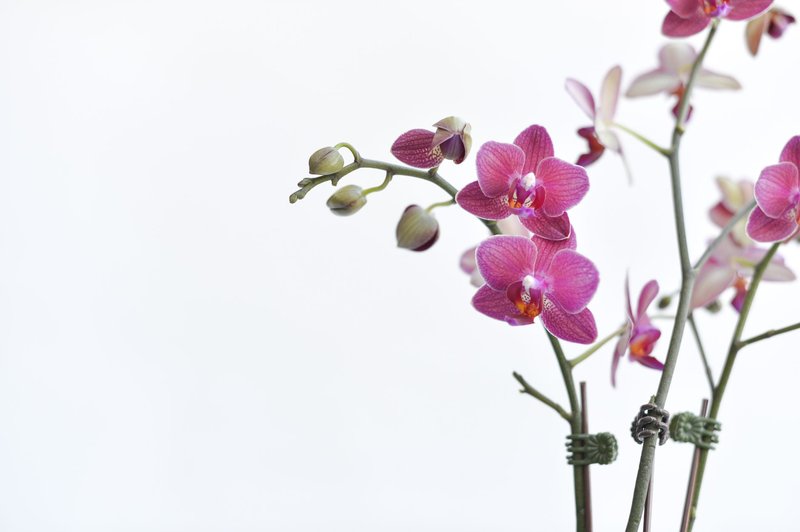
This is an epiphytic orchid, meaning it grows on tree trunks and branches rather than in soil. It sends out long, climbing stems that can hang or sprawl for a meter or more, with small white to cream flowers that carry a spotted, fleshy lip. It’s common across West and Central African lowland forest, so you’ll find it in Cameroon’s southern and coastal woods. The easy way to recognize it is the stem: leaves are arranged in two neat rows along a long, wiry axis, with flowers on short stalks in between.
2. Spiral ginger (Costus afer)
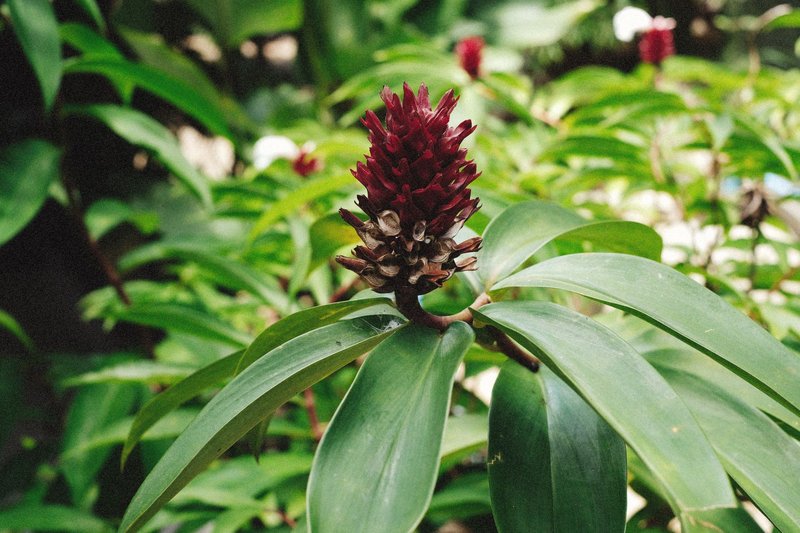
Spiral ginger grows along forest edges, stream banks and clearings. The stem twists as it rises, which gives the plant its name, and it ends in a tight cone of overlapping red bracts. The bracts are what you see from a distance. The delicate white flower pushes out of the cone for a day and is gone by evening. People across the region use the stems as a source of water and the sap in traditional medicine, so the plant is familiar well beyond botany.
3. African tulip tree (Spathodea campanulata)
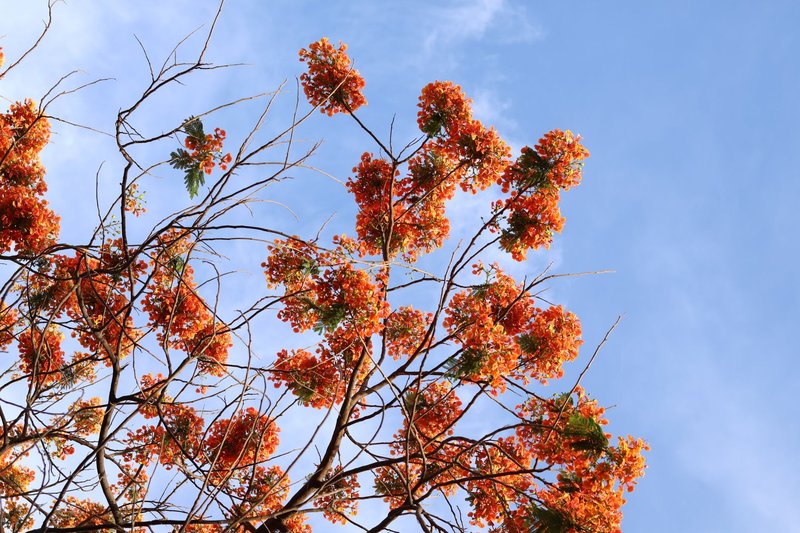
Technically a tree, but nothing else in the country produces this much flower at once. The orange-red blooms sit in clusters at the branch tips and open from the outside in. Its native range runs through West and Central Africa, and Cameroonian towns plant it as a shade and street tree. The unopened buds hold water, and children squeeze them to squirt each other. The tree has also escaped into many tropical countries, where it counts as an invasive species.
Highland flowers of Mount Cameroon and the west
Mount Cameroon rises to about 4,040 meters, making it the highest peak in West and Central Africa and an active volcano. The cooler, wetter slopes and the western highlands, around Bamenda and Mount Oku, create islands of montane habitat where plants evolve in isolation. That is where most of Cameroon’s endemics live.
4. Impatiens sakeriana (Saker’s busy Lizzie)
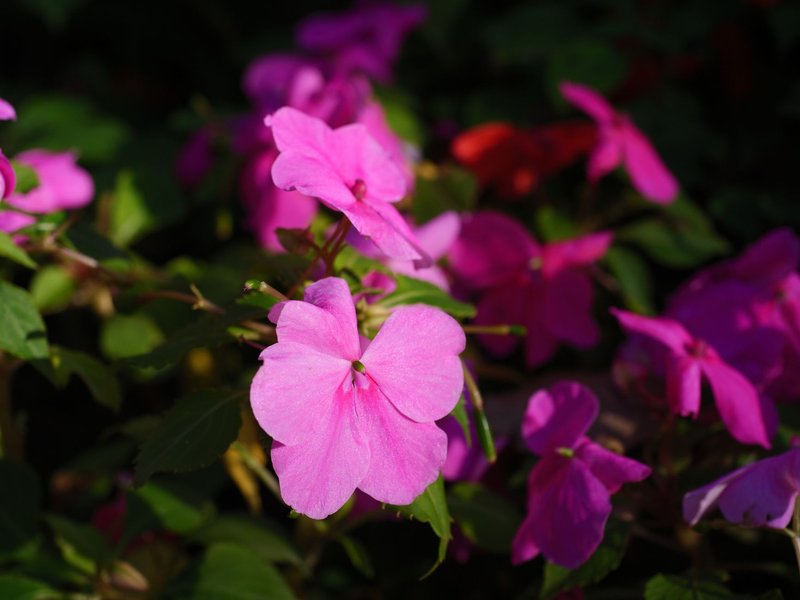
This is the best-known flower tied to Mount Cameroon. It grows as a soft-stemmed herb in the cool, damp forest of the highlands and carries pink to magenta flowers with a long, curved spur. That spur holds the nectar, and the plant is pollinated by sunbirds, whose curved bills fit the shape. Like other impatiens, ripe seed pods burst open when touched and throw their seeds outward. The species name honors Alfred Saker, the missionary who lived on the Cameroon coast in the 1800s.
5. Justicia camerunensis
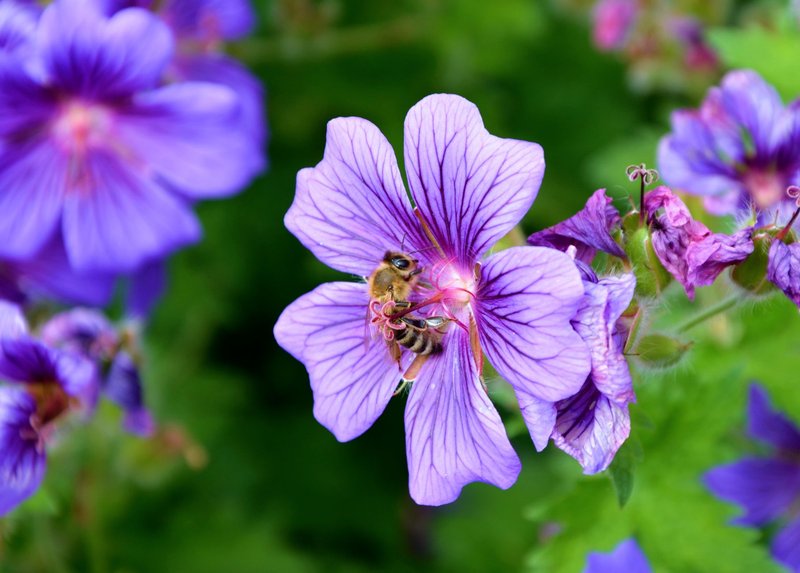
The name means “of Cameroon,” and the plant has few records outside it. It belongs to the acanthus family, which is easy to recognize: two-lipped, tubular flowers on a shrubby or herbaceous plant. Scientists know it from a thin set of collections, which is typical for highland and forest plants that are hard to reach. Species like this are the reason conservationists push to protect montane forest before it has been fully surveyed. For other forest plants in the same position, see rare rainforest plants. You can check the status of Cameroon’s threatened plants on the IUCN Red List.
Savanna and wetland flowers
North of the forest belt, the land opens into the Adamawa plateau, the Guinea savanna and the dry country around Lake Chad. Flowers here have to survive a long dry season, so they tend to time their blooms to the first rains or live in water year-round.
6. Flame lily (Gloriosa superba)
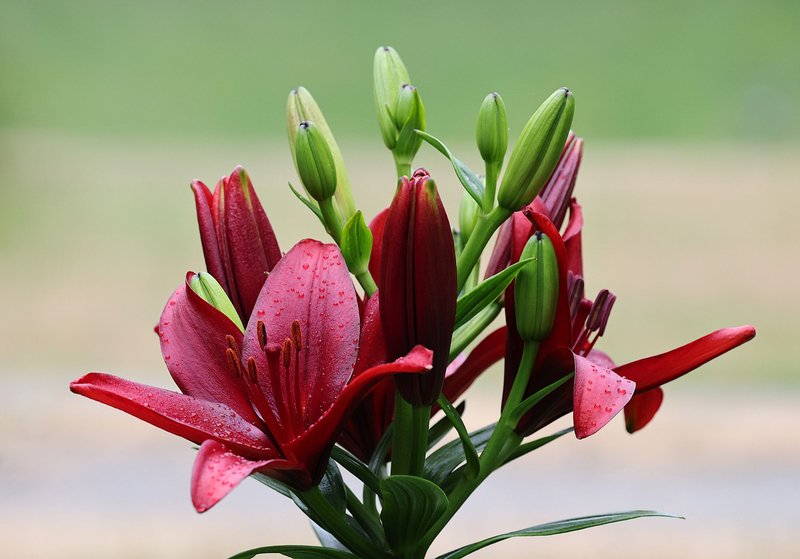
A climbing lily that grips other plants with tendrils at the tips of its leaves. The petals start green and yellow at the base and turn orange to red, with edges that curl backward like a flame. It grows in savanna, scrub and forest margins across tropical Africa. Every part of it, especially the underground tuber, is poisonous, and it contains colchicine, a compound that is also used as a medicine in controlled doses. Treat it as a plant to photograph, not to handle.
7. Blue lotus water lily (Nymphaea lotus)
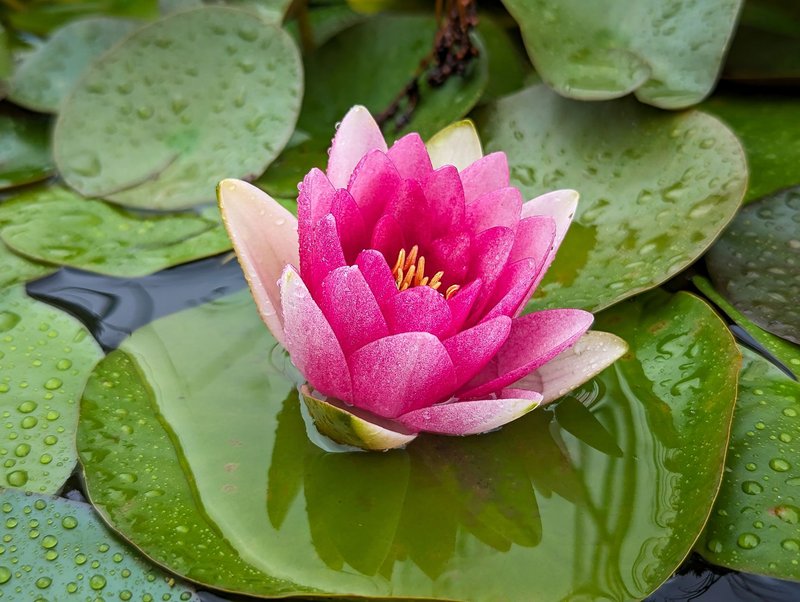
This water lily floats in ponds, slow rivers and seasonal pools across tropical Africa, including northern Cameroon. The white to pale pink flowers open in the evening and close in the morning, the opposite of most day-blooming water lilies. The leaves are round with toothed edges, which helps separate it from other species. The flowers sit just above the water on a stalk that lifts them a few centimeters clear.
Cultivated flowers: gardens, farms and kitchens
Many of Cameroon’s most visible flowers did not evolve there. They arrived as crops, ornamentals or medicinal plants and fit into local life. The best example is the flower farming around Buea and Penja, where cool, humid air and volcanic soil suit crops that struggle elsewhere.
8. Anthurium (Anthurium andraeanum)
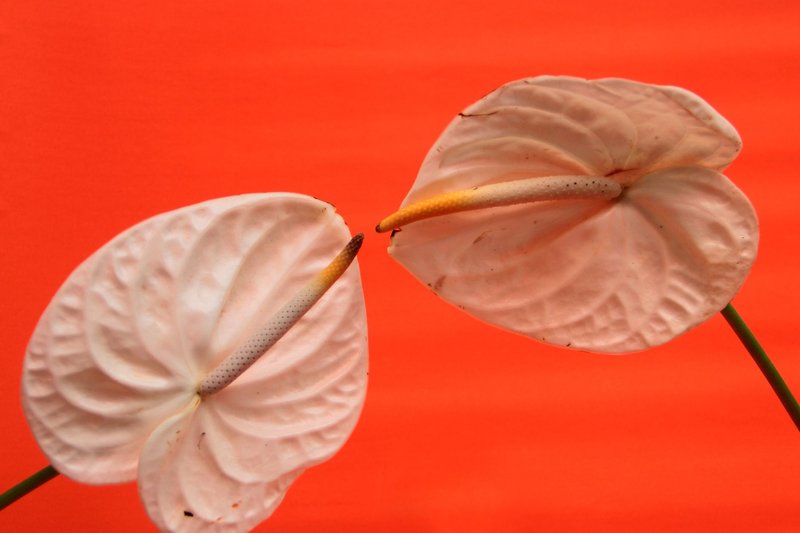
The glossy red “flower” is a modified leaf called a spathe. The real flowers are the tiny bumps on the spike, or spadix, that sticks out of it. Anthurium comes from tropical South America, but it has become one of the main cut flowers grown commercially in Cameroon. Its stems last several weeks in a vase, which is why it ships and sells well.
9. Peace lily (Spathiphyllum)
Same trick as the anthurium. The white hood is a spathe, and the real flowers cover the spike in the middle. Peace lilies also come from the American tropics, and they grow well under shade cloth in the humid highlands near Buea. They sell both as cut flowers and as potted houseplants, and they’re one of the few ornamentals that hold up in a dim room.
10. Roselle or foléré (Hibiscus sabdariffa)
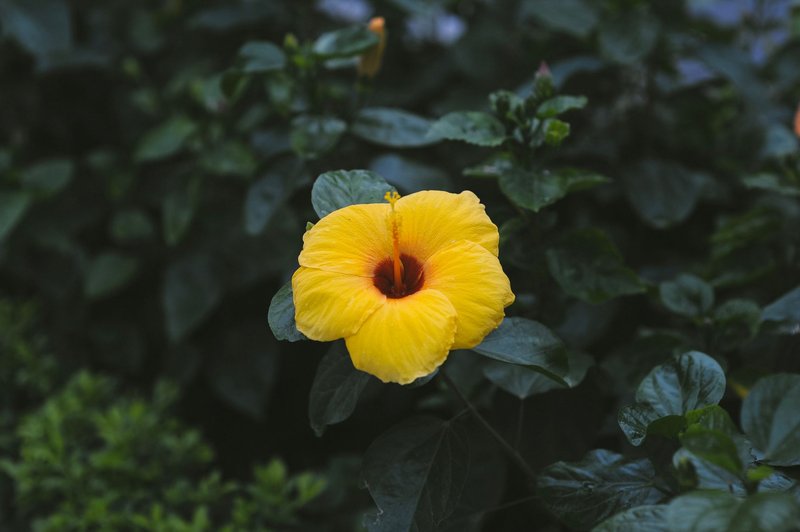
Cameroonians know this plant by the drink. The deep red, fleshy calyces that surround the seed pod are steeped to make foléré, a tart red drink served cold, usually sweetened and sometimes spiced with ginger or mint. The flowers themselves are pale yellow with a dark red throat and last only a day. The plant is a hibiscus cousin of the ornamental hibiscus (Hibiscus rosa-sinensis) that grows as hedges in villages and city yards throughout the country.
11. Cockscomb (Celosia argentea)
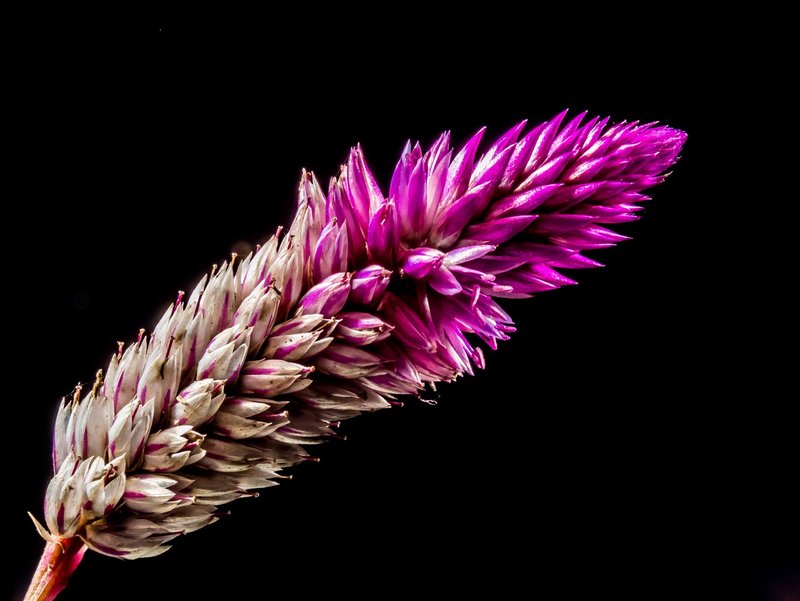
The crested red and magenta types are sold as ornamentals, and the plant earns its common name from the look of a rooster’s comb. The wild and green-leaved forms, though, are eaten as a leafy vegetable across West and Central Africa. The same plant works as a garden flower, a vegetable and a weed. Flower heads keep their color after drying, so they show up in dried arrangements as well.
12. Madagascar periwinkle (Catharanthus roseus)
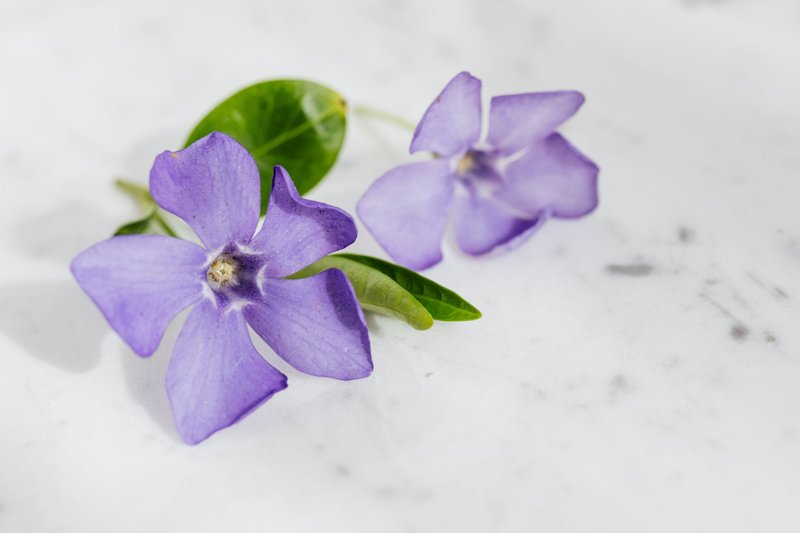
A small plant with five-petaled pink or white flowers that blooms nearly all year in warm climates. It’s native to Madagascar but grows in tropical gardens and waste ground everywhere, Cameroon included, and many households use it in home remedies. The plant matters outside Africa too. It is the original source of vincristine and vinblastine, two chemotherapy drugs used to treat leukemia and lymphoma.
Flowers in daily life and the local flower trade
Flowers show up in Cameroon in ordinary places. Hibiscus hedges mark property lines. Bouquets of anthurium and lilies appear at weddings, funerals and church services. Foléré turns up at celebrations and on market stalls. Medicinal plants like Costus afer and periwinkle get used in households long before anyone studies them in a lab.
There is also a commercial side. Cut-flower farms operate around Buea, Penja and Dibanda, near Douala, and they grow mostly anthurium, peace lily and roses. According to Business in Cameroon, the country still imported more than 21 billion FCFA in cut flowers from Kenya in 2023, which tells you local producers are not yet meeting demand. Farmers there have asked the government for support, and the gap suggests room for local growers to expand.
Where to see them
For the rainforest orchids and gingers, the forests of the south and the Mount Cameroon foothills near Buea offer the best odds. For endemics like Impatiens sakeriana, you need the cooler slopes above the farmland, ideally with a local guide who can read the terrain. In the north, time your visit for the rainy season, when savanna lilies and water lilies bloom. Cultivated flowers are the easiest: any market in Buea, Limbe or Douala will have them.