| Depth | Cu yd | Bags of 2 cu ft |
|---|---|---|
| 1 in | 0.31 | 5 |
| 2 in | 0.62 | 9 |
| 3 in | 0.93 | 13 |
| 4 in | 1.23 | 17 |
Show the math
10 × 10 = 100 sq ft100 sq ft × 3 in ÷ 12 = 25 cu ft25 ÷ 27 = 0.9259 cu yd; × 0.02832 = 0.7079 m³ (707.9 L)25 ÷ 2 = 12.5 → 13; 25 ÷ 3 = 8.333 → 9324 ÷ 3 in = 108 sq ft per cu yd (1 cu yd = 27 cu ft = 324 sq ft at 1 in)Short answer: Multiply the bed area in square feet by the mulch depth in inches, then divide by 324 to get cubic yards. A 10 ft by 10 ft bed (100 sq ft) mulched 3 in deep needs 0.93 cubic yards, which is 13 bags of 2 cu ft or 9 bags of 3 cu ft.
The usual mistake is buying by area alone. Depth drives the amount: doubling it doubles the mulch, and a small bed at 4 in deep can need more than a larger bed at 2 in. The calculator takes the shape, the depth and the bag size you will see at the store, and returns cubic yards, cubic meters and a bag count.
This article contains Amazon affiliate links. Florafaunafun earns a commission on qualifying purchases. See our affiliate disclosure.
How to use the mulch calculator
How to measure a bed for mulch
Split the bed into rectangles, circles and triangles, measure each one and enter them as separate beds. For a curved border, measure the longest and widest points of each lobe and treat it as a rectangle or a circle. For a raised bed, use the inside length and width of the frame, which is the surface you will cover (see our guide to building raised garden beds).
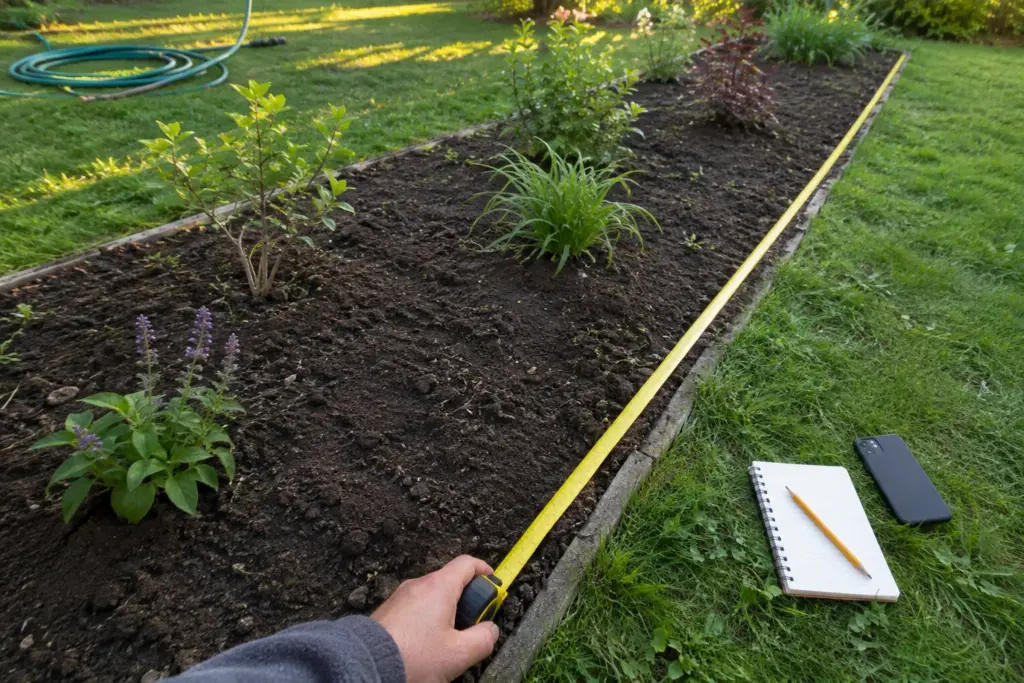
A tape measure is enough for most beds. For a long border or a large lawn edge, a measuring wheel saves walking the length twice.
Mulch calculator formula: cubic yards from area and depth
Cubic feet equal area in square feet times depth in inches divided by 12. One cubic yard is 27 cubic feet, so cubic yards equal area times depth divided by 324. The Clemson Extension mulch fact sheet uses the same rule: one cubic yard covers 324 sq ft at 1 in deep.
Worked example: 10 ft × 10 ft = 100 sq ft. 100 × 3 ÷ 324 = 0.93 cubic yards, or 25 cubic feet. In metric, cubic meters equal area in square meters times depth in centimeters divided by 100. A 3 m by 3 m bed at 7.5 cm needs 0.675 cubic meters, or 675 liters.
| Depth | One cubic yard covers | Mulch for 100 sq ft | Bags of 2 cu ft | Bags of 3 cu ft |
|---|---|---|---|---|
| 1 in | 324 sq ft | 0.31 cu yd | 5 | 3 |
| 2 in | 162 sq ft | 0.62 cu yd | 9 | 6 |
| 3 in | 108 sq ft | 0.93 cu yd | 13 | 9 |
| 4 in | 81 sq ft | 1.23 cu yd | 17 | 12 |
Scale the area up or down from 100 sq ft and the table matches the calculator at each depth.
How many bags of mulch equal a cubic yard
A cubic yard holds 13.5 bags of 2 cu ft or 9 bags of 3 cu ft. Bags are sold whole, so the calculator rounds up: 13.5 becomes 14. It adds no extra allowance on top of the rounding. On the metric setting the bag sizes are 40, 50 and 75 liters, and the 0.675 cubic meter bed above takes 17, 14 or 9 bags respectively.
When the bag count gets high, price a bulk delivery too. Bulk is sold by the cubic yard and arrives as a pile, so enter both prices in the calculator to see which total is lower for your quantity, and ask the supplier about delivery minimums.
How deep to mulch
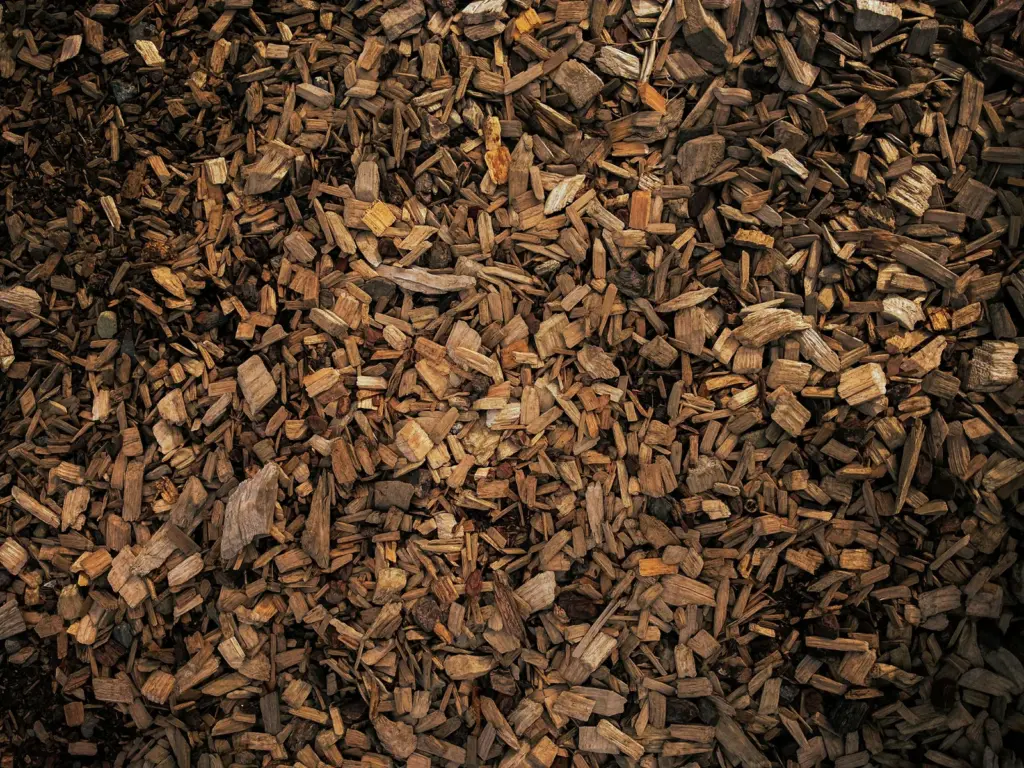
Most beds take 2-4 in of mulch (5-10 cm), and the calculator starts at 3 in. Finer or lighter material goes thinner, and coarse chips go thicker.
| Use | Depth range | Metric range | Starting depth |
|---|---|---|---|
| Beds (bark, chips) | 2-4 in | 5-10 cm | 3 in |
| Tree rings | 2-4 in | 5-10 cm | 3 in |
| Pine straw | 2-5 in | 5-12.5 cm | 3 in |
| Compost | 1-3 in | 2.5-7.5 cm | 2 in |
| Gravel and stone | 1-2 in | 2.5-5 cm | 1 in |
| Paths (coarse chips) | 3-4 in | 7.5-10 cm | 3 in |
| Top-up (total layer) | 2-3 in | 5-7.5 cm | 3 in |
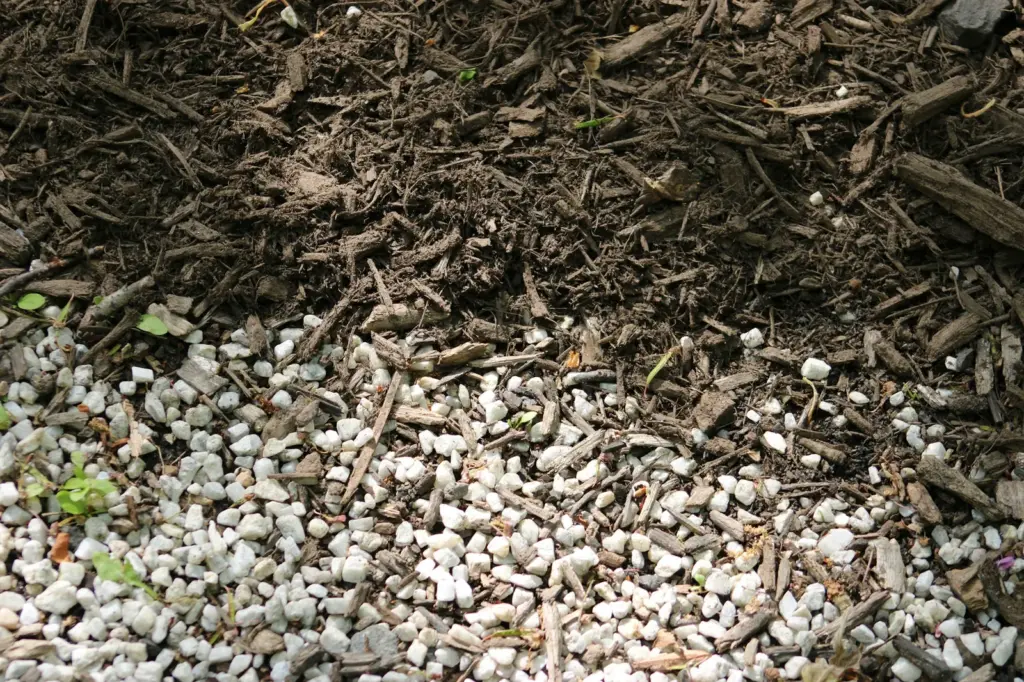
Compost works as a mulch at 1-3 in. Our guide to composting at home covers making your own.
How much mulch a tree ring needs
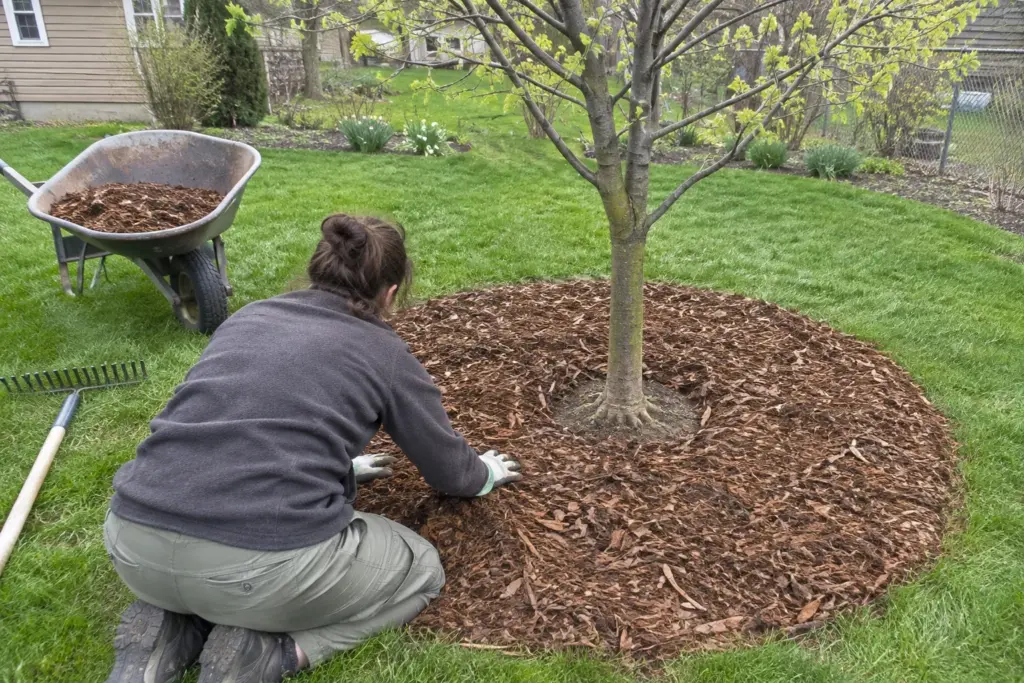
Pick the circle shape and enter the diameter of the ring. A ring 6 ft across at 3 in deep covers 28.3 sq ft and needs 0.26 cubic yards, which is 4 bags of 2 cu ft or 3 bags of 3 cu ft. The calculator does not subtract the bare gap around the trunk, so the result runs slightly high.
How much mulch to add to an existing layer
Use top-up mode and enter what is already there. A bed with 1 in left that you want back at 3 in needs 2 in of new mulch. Over 100 sq ft that is 0.62 cubic yards, or 9 bags of 2 cu ft or 6 bags of 3 cu ft. If the existing layer already meets your target, the tool returns zero.
Frequently asked questions
Multiply the bed area in square feet by the depth in inches and divide by 324 to get cubic yards. For 100 sq ft at 3 in deep that is 0.93 cubic yards.
One cubic yard covers 324 sq ft at 1 in deep, 162 sq ft at 2 in, 108 sq ft at 3 in and 81 sq ft at 4 in.
A cubic yard equals 13.5 bags of 2 cu ft or 9 bags of 3 cu ft. Buy 14 of the smaller bags, because bags are sold whole.
Divide the cubic feet you need by the bag size and round up. A 100 sq ft bed at 3 in deep takes 13 bags of 2 cu ft or 9 bags of 3 cu ft.
Use 2-4 in for most beds and start at 3 in. Do not go past 4 in, because deeper layers harm trees and plants.
Bags suit small jobs and bulk suits large ones. Enter a price per bag and a price per cubic yard in the calculator to compare the totals for your quantity.
Use the circle shape with the diameter of the ring and a depth of 3 to 4 in. The result runs slightly high because the bare gap around the trunk is not subtracted, and the mulch must stay off the bark.
Add mulch when the layer has thinned, usually after a year or two depending on the material. Measure what remains and add only the difference, keeping the total at 3 in or less.