Nepal’s dramatic slopes and lowland plains host a wide variety of wildlife adapted to different altitudes and climates, from riverbanks to forested hills. This list brings those animals together in one place so readers can get a quick sense of who lives where and how they compare by size and habitat.
There are 42 Animals of Nepal, ranging from Asian elephant to Wild water buffalo; for each species the table lists Scientific name,Size (cm),Habitat & elevation (m), which you’ll find below.
How were the 42 species on this list selected?
The list focuses on species with established records in Nepal—resident and regularly occurring migrants—based on park surveys, conservation reports and field guides; occasional vagrants and unconfirmed sightings were excluded to keep the list practical for observers and researchers.
Can I reliably see an Asian elephant or a Wild water buffalo in Nepal, and where should I go?
Yes—Asian elephants are most often seen in Chitwan and Bardia national parks and nearby forest corridors, while Wild water buffalo have key populations in Koshi Tappu Wildlife Reserve and select Terai wetlands; visits during the dry season with a local guide improve chances and safety.
Animals of Nepal
| Name | Scientific name | Size (cm) | Habitat & elevation (m) |
|---|---|---|---|
| Bengal tiger | Panthera tigris tigris | 250 | Terai sal forests, grasslands; 100–500 |
| Snow leopard | Panthera uncia | 100 | Alpine cliffs and scree; 3,000–5,500 |
| One-horned rhinoceros | Rhinoceros unicornis | 350 | Floodplain grasslands and riverine forests; 100–400 |
| Asian elephant | Elephas maximus | 250 | Riverine forests, grasslands; 100–1,200 |
| Red panda | Ailurus fulgens | 60 | Temperate bamboo forests; 2,000–4,000 |
| Himalayan black bear | Ursus thibetanus | 150 | Broadleaf and mixed forests; 1,000–3,000 |
| Sloth bear | Melursus ursinus | 150 | Dry deciduous and sal forests; 100–2,000 |
| Indian leopard | Panthera pardus | 140 | Varied habitats from Terai to foothills; 100–3,000 |
| Wild water buffalo | Bubalus arnee | 250 | Marshes, floodplains and oxbow lakes; 80–300 |
| Gaur | Bos gaurus | 300 | Moist deciduous and semi-evergreen forests; 200–1,200 |
| Himalayan tahr | Hemitragus jemlahicus | 100 | Alpine and subalpine slopes; 2,200–5,000 |
| Bharal (blue sheep) | Pseudois nayaur | 120 | Alpine meadows and scree; 3,000–5,000 |
| Sambar deer | Rusa unicolor | 150 | Moist forests and foothills; 100–2,500 |
| Spotted deer (Chital) | Axis axis | 100 | Open forest, grasslands and riverine areas; 100–1,500 |
| Hog deer | Axis porcinus | 80 | Tall grasslands and floodplain wetlands; 100–500 |
| Himalayan musk deer | Moschus leucogaster | 60 | Subalpine rhododendron and scrub; 2,500–4,000 |
| Rhesus macaque | Macaca mulatta | 55 | Varied forests and human areas; 0–3,000 |
| Himalayan monal | Lophophorus impejanus | 70 | Alpine rhododendron forests; 2,100–4,000 |
| Satyr tragopan | Tragopan satyra | 60 | Temperate broadleaf forests; 2,000–3,400 |
| Blood pheasant | Ithaginis cruentus | 40 | Rhododendron scrub and alpine woods; 2,500–4,500 |
| Bengal florican | Houbaropsis bengalensis | 45 | Tall grassland plains; 100–500 |
| Great hornbill | Buceros bicornis | 110 | Mature tropical and subtropical forests; 100–1,500 |
| Sarus crane | Antigone antigone | 150 | Wetlands, marshes and floodplains; 100–300 |
| Bar-headed goose | Anser indicus | 70 | High-altitude lakes and wetlands; breeds 3,000–5,500 |
| Black-necked crane | Grus nigricollis | 120 | Alpine wetlands and valleys; 3,000–5,000 |
| Himalayan griffon | Gyps himalayensis | 110 | High mountains and cliffs; 1,800–6,000 |
| White-rumped vulture | Gyps bengalensis | 80 | Lowland forests and human landscapes; 100–2,000 |
| Red-billed blue magpie | Urocissa erythrorhyncha | 60 | Broadleaf and mixed forests; 300–2,500 |
| Indian peafowl | Pavo cristatus | 100 | Open forest, agricultural lands, villages; 100–1,500 |
| Gharial | Gavialis gangeticus | 450 | Large rivers and deep pools; 70–400 |
| Mugger crocodile | Crocodylus palustris | 300 | Rivers, lakes and marshes; 100–400 |
| King cobra | Ophiophagus hannah | 400 | Tropical forests and foothills; 100–1,500 |
| Indian rock python | Python molurus | 300 | Forests, grasslands and wetlands; 100–800 |
| Common krait | Bungarus caeruleus | 100 | Fields, houses and scrub; 100–1,500 |
| Asian water monitor | Varanus salvator | 200 | Rivers, swamps and mangroves; 100–1,000 |
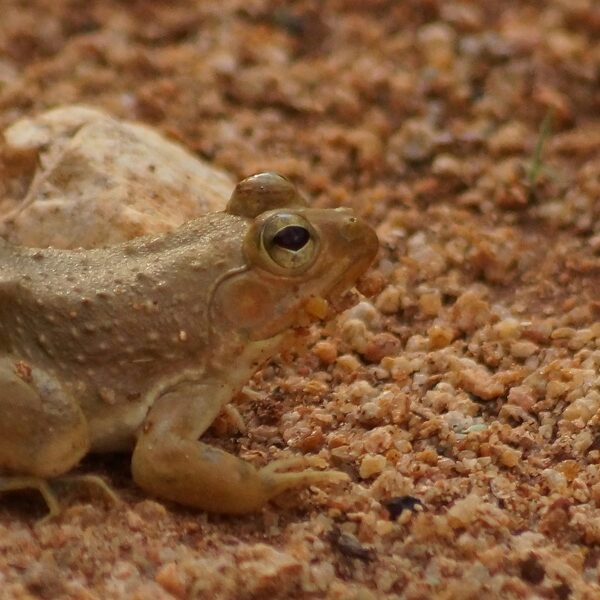
| Indian bullfrog | Hoplobatrachus tigerinus | 13 | Wetlands, paddy fields and ponds; 100–1,500 |
| Common Asian toad | Duttaphrynus melanostictus | 15 | Varied habitats from lowland to hills; 100–2,000 |
| Himalayan newt | Tylototriton verrucosus | 15 | Montane forest ponds and wetlands; 1,500–3,000 |
| Atlas moth | Attacus atlas | 25 | Tropical and subtropical forests; 100–1,500 |
| Common rose (butterfly) | Pachliopta aristolochiae | 8 | Gardens, forest edges and valleys; 100–2,000 |
| Himalayan honey bee | Apis laboriosa | 3 | Cliff faces and high valleys; 2,000–4,000 |
| Common tiger (butterfly) | Danaus genutia | 8 | Open habitats, gardens and forest edges; 100–2,000 |
Images and Descriptions
Bengal tiger
Powerful apex predator of Nepal’s lowland parks like Chitwan and Bardia. Solitary, territorial, hunts deer and wild boar. Iconic, secretive and best seen on guided safaris in early morning or late afternoon.
Snow leopard
Elusive high‑altitude cat found on remote Himalayan ridges. Solitary and crepuscular, preys on bharal and ibex. Prime viewing in Upper Mustang and Dolpa with luck; admired for its smoky coat and long tail.
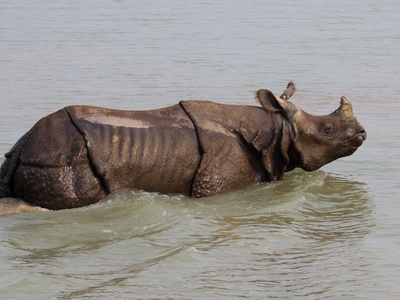
One-horned rhinoceros
Large, semi-aquatic herbivore of Terai parks like Chitwan. Feeds on grasses and wallows in wetlands. Slow but powerful and a conservation success story from heavy poaching to growing populations.
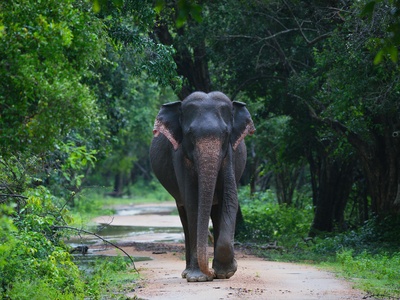
Asian elephant
Massive, social herbivore found in lowland protected areas and corridors. Lives in family groups, feeds on grasses and trees. Spectacular to see but can be secretive; important culturally and ecologically in Nepal.
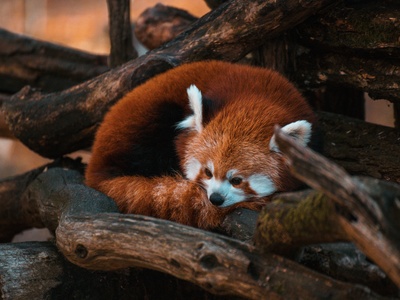
Red panda
Small, arboreal mammal with a bushy ringed tail and bamboo diet. Shy and crepuscular, best spotted in eastern Himalayan parks like Langtang and Ilam. Flagship for temperate forest conservation.
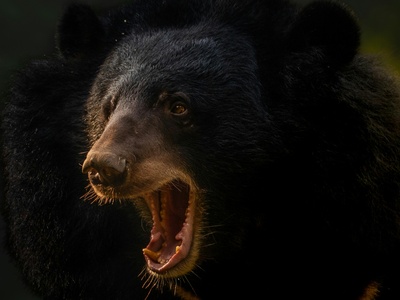
Himalayan black bear
Omnivorous forest bear that climbs trees to feed on fruits and honey. Solitary and most active at dawn or dusk; occurs across mid‑hills and can be seen in protected areas with patience.
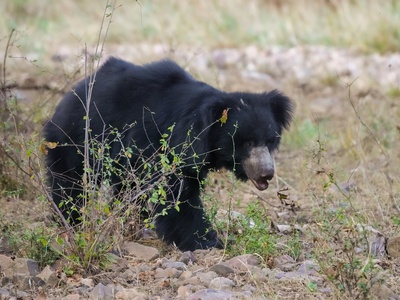
Sloth bear
Nocturnal insectivorous bear that feeds on termites and fruits. Shaggy coat and gap-toothed muzzle distinguish it. Found in lowland and lower hill forests, notably in Chitwan and Bardia.
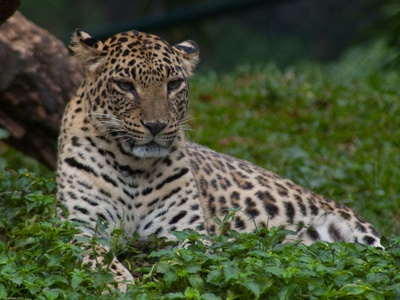
Indian leopard
Adaptable big cat that uses trees and rocky areas to stalk prey. Solitary and nocturnal, occurs near parks and forest edges; sightings often on night drives and camera‑trap surveys.
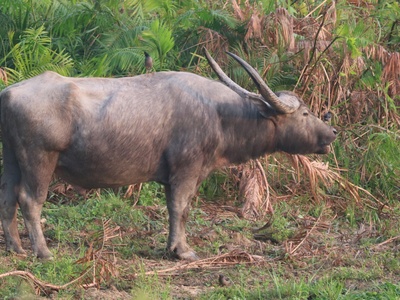
Wild water buffalo
Large, heavy wild bovine found in lowland wetlands like Koshi Tappu. Prefers shallow water and tall grass, forms large herds. Critically endangered with fragmented populations.
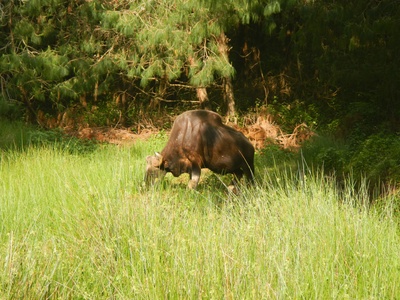
Gaur
Huge wild cattle known as Indian bison, living in herds. Powerful and slow-moving, grazes in forest clearings. Found in southern and central Nepal’s forested valleys.
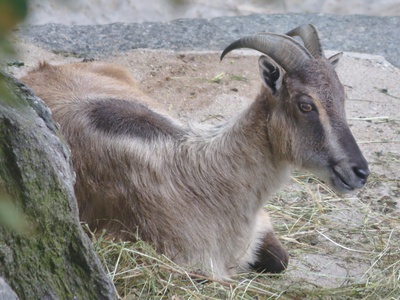
Himalayan tahr
Stocky wild goat with dense coat, sure-footed on steep cliffs. Grazes on alpine grasses and herbs; common in high Himalayan ranges and a favorite for trekkers and climbers to spot.
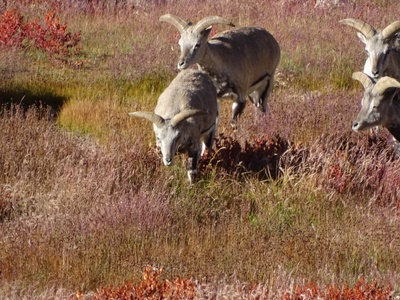
Bharal (blue sheep)
Gray‑blue mountain ungulate blending into rocky slopes. Lives in herds, grazes alpine grasses, and is primary prey of snow leopards. Common in high northern ranges and visible from trekking routes.
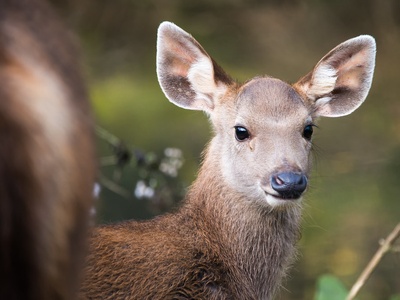
Sambar deer
Large, dark forest deer living in dense woodland. Browses and grazes in herds or small groups. Often seen at dusk in Chitwan, Bardia and hill forests.
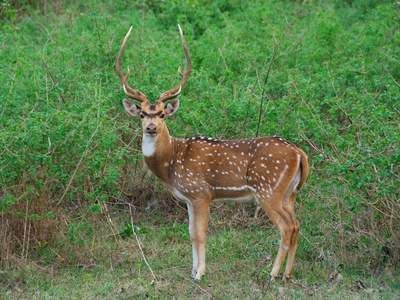
Spotted deer (Chital)
Attractive spotted deer common across Nepal’s lowlands and foothills. Forms large herds and is an important prey species for tigers and leopards; easy to spot in parks.
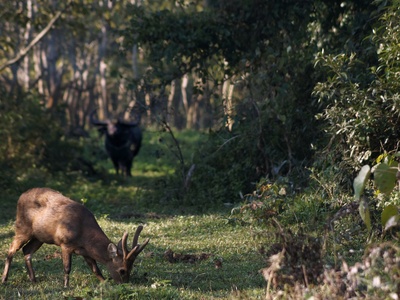
Hog deer
Smaller, low‑stature deer preferring dense grass and marshes. Timid and often hidden, found in Terai protected areas and riverine marshes; vulnerable to habitat loss.
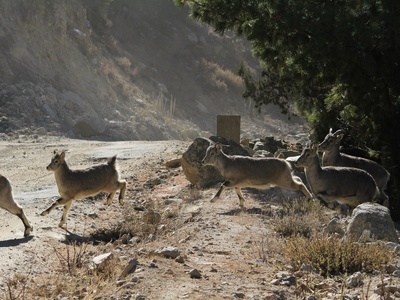
Himalayan musk deer
Secretive, small deer prized for musk scent glands. Solitary and crepuscular, it lives among shrubs and rocky slopes. Conservation concern due to poaching for musk.
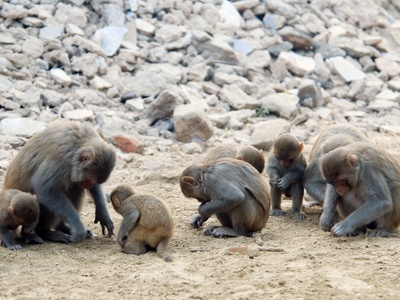
Rhesus macaque
Common, adaptable monkey seen from lowlands to mid‑hills and near temples. Diurnal and social, forms troops; bold around people but fascinating to watch in urban and wild settings.
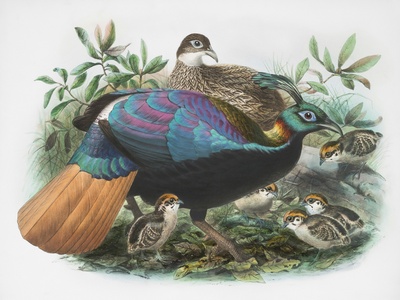
Himalayan monal
Nepal’s colorful national bird with iridescent male plumage. Forages on slopes and forest edges; best seen in high‑altitude parks like Langtang and Annapurna region during spring and summer.
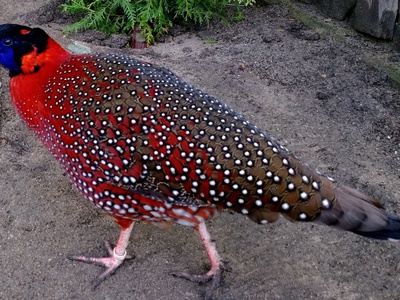
Satyr tragopan
Brightly coloured pheasant of higher forests. Males display during breeding season, hiding in dense undergrowth. Found in eastern and central Himalayan mid‑elevation forests.
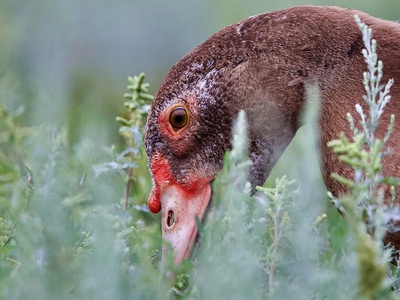
Blood pheasant
Small, cryptic mountain pheasant with splashed-red coloration. Lives in high shrub and forest edges; common along trekking routes in upper Himalaya and often seen at dawn.
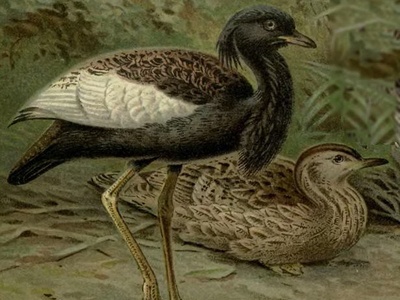
Bengal florican
Critically endangered bustard of lowland grasslands, males perform dramatic aerial displays. Seen in protected grasslands of the Terai; conservation focus because of habitat loss.
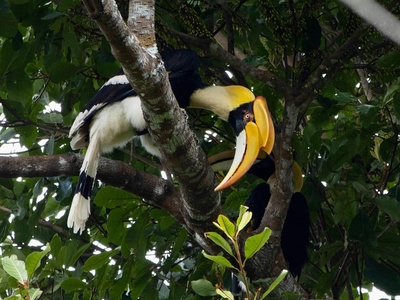
Great hornbill
Large, casque‑billed bird of lowland and foothill forests. Eats fruit and small animals, nests in tree cavities. Spectacular to see in intact forest tracts of eastern Nepal.
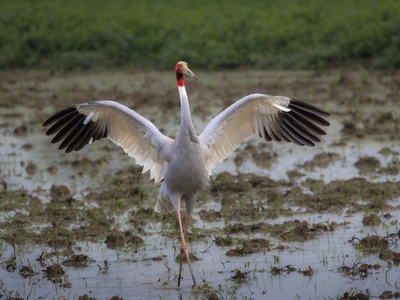
Sarus crane
World’s tallest flying bird found in lowland wetlands. Monogamous, often in pairs; conservation flagship found in fertile floodplains of southern Nepal.
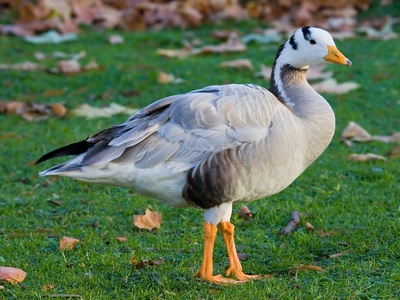
Bar-headed goose
Remarkable high‑altitude migrant that flies over the Himalaya. Breeds on Tibetan and Nepalese alpine lakes; winter movements and dramatic flocks attract birders.
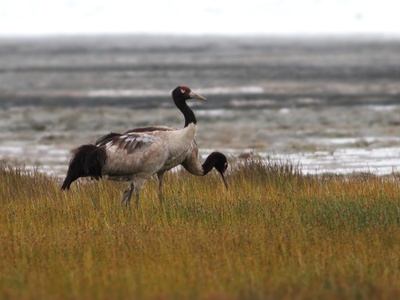
Black-necked crane
Elegant wintering crane visiting Trans‑Himalayan wetlands. Recognizable by black neck and grey body; culturally revered and rare, best seen in high valley wetlands in winter.
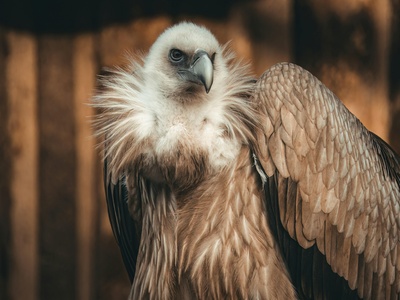
Himalayan griffon
Massive scavenging vulture gliding on thermals above ravines and high plateaus. Plays critical ecological role; often seen circling over high passes and carcass sites.
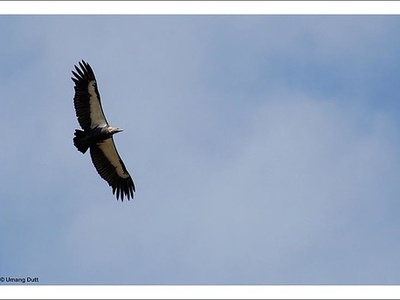
White-rumped vulture
Once common scavenger of villages and forests; now endangered from poisoning. Still present in some lowland areas and important for scavenging ecological services.
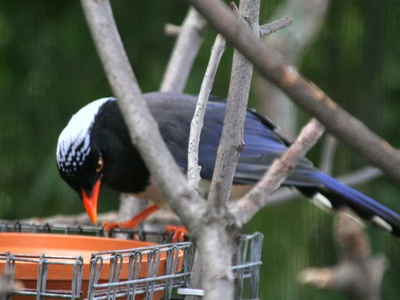
Red-billed blue magpie
Striking long‑tailed corvid with vivid blue plumage and red bill. Loud and gregarious, often seen in mid‑hills near human settlements and forest edges.
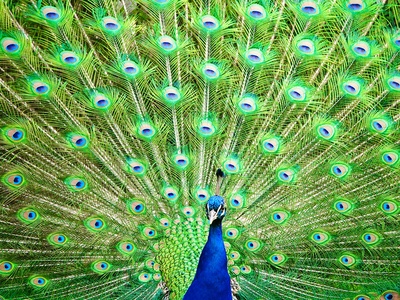
Indian peafowl
Spectacular male displays with large train make this national‑region bird highly noticeable. Common in Terai and lower hills, often near human habitation and gardens.
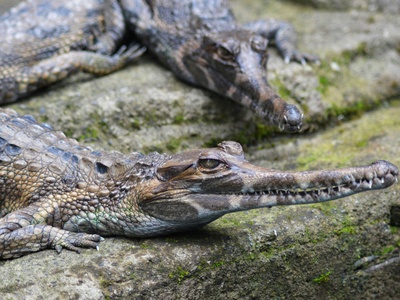
Gharial
Long‑snouted fish-eating crocodilian found in major rivers of southern Nepal. Highly specialized and endangered; best seen at river sanctuaries and conservation release sites.
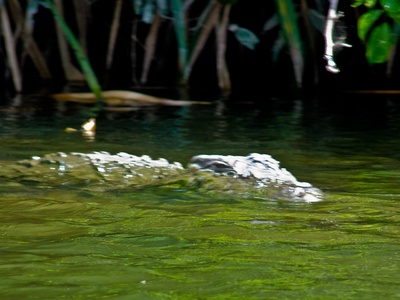
Mugger crocodile
Freshwater crocodile common in lowland rivers and reservoirs. Ambush predator that basks on riverbanks; visible in Chitwan rivers and protected wetlands.
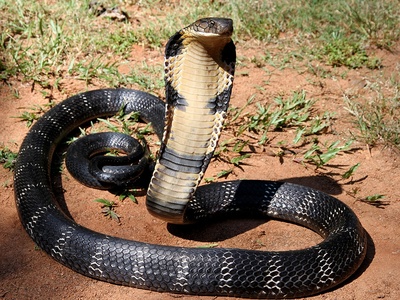
King cobra
World’s longest venomous snake, feeds mainly on other snakes. Prefers dense forest and riparian strips in lowlands and lower hills; respected and feared by locals.
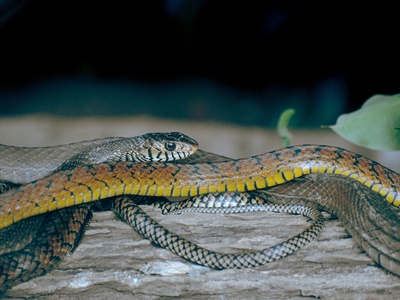
Indian rock python
Large constrictor that ambushes mammals and birds. Secretive but present in Terai and lowland forests; sometimes seen near watercourses at dusk.
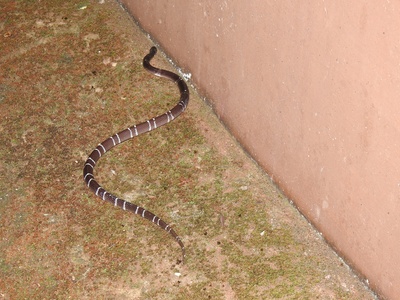
Common krait
Nocturnal highly venomous snake that hides in human‑modified habitats. Rarely aggressive if undisturbed; important to recognize and avoid at night in lowland regions.
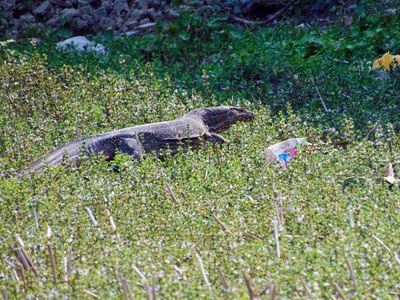
Asian water monitor
Large semi-aquatic lizard often seen basking along waterways. Omnivorous scavenger and predator, common in Terai rivers and wetlands.
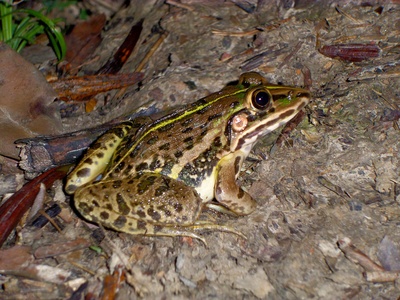
Indian bullfrog
Large, booming-voiced frog of lowland wetlands. Active in monsoon and breeding in shallow water; common in agricultural and marshy areas.
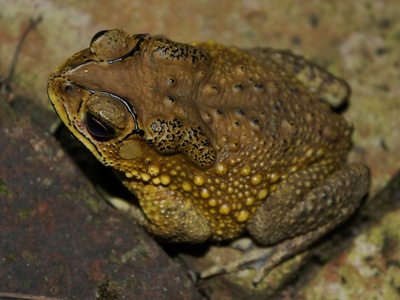
Common Asian toad
Widespread toad that tolerates disturbed habitats and village environments. Nocturnal and easy to hear during rains; common across Nepal’s elevation range.
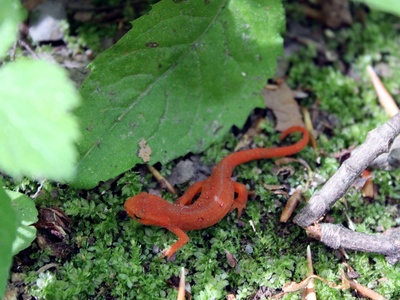
Himalayan newt
Rough-skinned amphibian of cool montane pools. Secretive and locally distributed, found in forested valleys; of interest to herpetologists and naturalists.
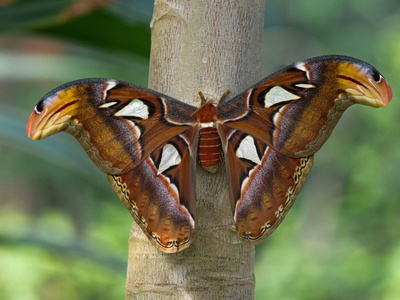
Atlas moth
One of the world’s largest moths with impressive wing patterns. Nocturnal and attracted to lights, seen in lowland forests and gardens; a highlight for insect enthusiasts.
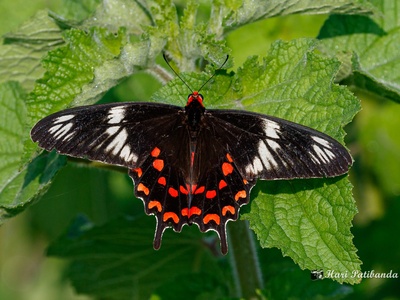
Common rose (butterfly)
Black and crimson swallowtail relative with slow, fluttering flight. Feeds on nectar and common in human-modified landscapes; easy to photograph in lowland and hill areas.
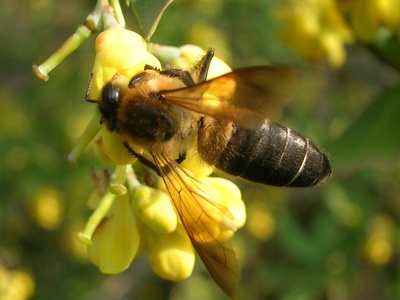
Himalayan honey bee
World’s largest honeybee that nests on vertical cliffs. Produces prized high‑altitude honey and has dramatic seasonal foraging flights; notable for cliffside colonies in Himalayan valleys.
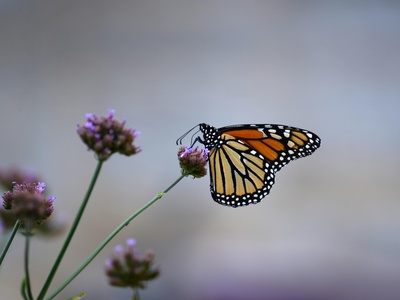
Common tiger (butterfly)
Bright orange-and-black butterfly resembling monarchs, common across Nepal. Feeds on nectar and milkweed relatives; often seen in lowlands and foothills during warm months.