Austria’s varied landscapes — from high alpine meadows to shaded lowland forests and wetland margins — host a rich patchwork of wild plants that change with elevation and season. Long-standing local knowledge and simple field observation make it easy to connect a name with a place on a walk or a garden visit.
There are 74 Austria’s native plants, ranging from Alpine columbine to Yellow gentian. For each species, the data is organized under Scientific name,Typical height (cm),Where found — you’ll find below.
How can I use this list to identify plants when I’m hiking?
Use the Scientific name to confirm identity with a field guide or app, compare the Typical height (cm) to what you observe, and match habitat notes under Where found; together those three columns narrow options quickly. Take photos of leaves, flowers and the overall habit, and cross-check flowering time if uncertain.
Are any of the listed species protected or regionally rare?
Yes — some species on the list are rare or legally protected in parts of Austria. Check regional Red Lists or federal conservation rules before collecting or disturbing plants, and contact local conservation authorities for guidance if you think you’ve found a rare species.
Austria’s Native Plants
| Name | Scientific name | Typical height (cm) | Where found |
|---|---|---|---|
| European beech | Fagus sylvatica | 2,000-4,000 | Mixed forests, lowlands to 1,200 m |
| Norway spruce | Picea abies | 2,000-3,000 | Montane forests, Alps to 2,000 m |
| Silver fir | Abies alba | 1,500-2,500 | Higher forests, eastern and central Alps, up to 1,800 m |
| Scots pine | Pinus sylvestris | 800-2,500 | Dry sites, lowlands to subalpine, wide distribution |
| European larch | Larix decidua | 800-1,800 | Alpine timberline forests, 700–2,400 m |
| Black pine | Pinus nigra | 800-2,000 | Dry inner-alpine and eastern regions, low to montane |
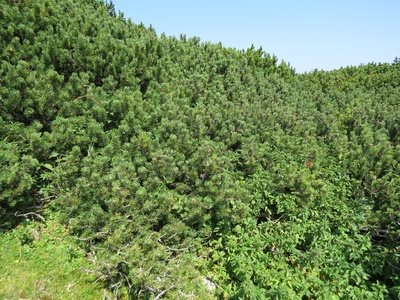
| Mountain pine | Pinus mugo | 50-400 | Alpine scrub, above treeline 1,200–2,300 m |
| Swiss stone pine | Pinus cembra | 800-1,500 | High Alps, 1,200–2,400 m |
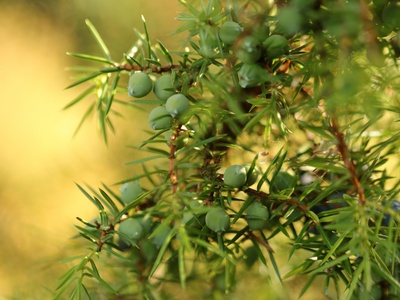
| Common juniper | Juniperus communis | 50-400 | Rocky slopes, grasslands, lowlands to subalpine |
| Rowan | Sorbus aucuparia | 400-1,000 | Mountain and mixed forests, 200–2,000 m |
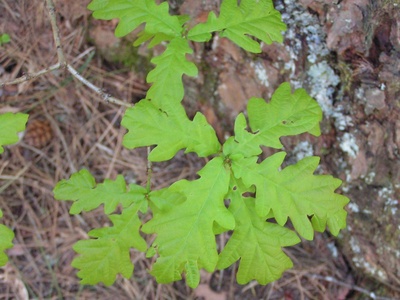
| Pedunculate oak | Quercus robur | 1,500-3,000 | Lowland forests and meadows, up to 700 m |
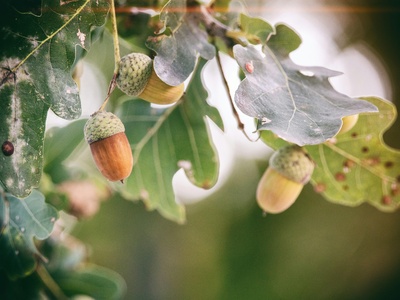
| Sessile oak | Quercus petraea | 1,500-3,000 | Hills and lower mountains, 200–1,200 m |
| Hornbeam | Carpinus betulus | 800-1,500 | Mixed deciduous forests, lowlands to 1,200 m |
| Silver birch | Betula pendula | 800-1,500 | Open woods, clearings, lowlands to montane |
| Black alder | Alnus glutinosa | 600-1,200 | Riverbanks, wetlands, lowlands to 1,200 m |
| Small-leaved lime | Tilia cordata | 1,000-1,800 | Mixed forests and parks, lowlands to 1,000 m |
| Wych elm | Ulmus glabra | 1,500-2,500 | Mountain and montane forests, 400–1,600 m |
| Edelweiss | Leontopodium nivale | 5-15 | Rocky alpine scree, 1,800–3,000 m |
| Stemless gentian | Gentiana acaulis | 5-10 | Alpine meadows and pastures, 1,400–2,800 m |
| Yellow gentian | Gentiana lutea | 50-120 | Subalpine meadows, 800–2,400 m |
| Alpine rose | Rhododendron ferrugineum | 30-60 | Subalpine heath and rocky slopes, 1,400–2,400 m |
| Bilberry | Vaccinium myrtillus | 10-50 | Woodland floors, acid soils, lowlands to subalpine |
| Lingonberry | Vaccinium vitis-idaea | 5-25 | Bogs, heath, coniferous forests, up to subalpine |
| Dog rose | Rosa canina | 100-250 | Hedges, woodland edges, lowlands to montane |
| Blackthorn | Prunus spinosa | 150-300 | Hedgerows, scrub, lowlands to montane |
| Hawthorn | Crataegus monogyna | 200-600 | Hedgerows, banks, lowlands to montane |
| Elder | Sambucus nigra | 300-600 | Woodland edges, hedges, lowlands to montane |
| Wild garlic | Allium ursinum | 15-40 | Damp deciduous woods, lowlands to montane |
| Lily of the valley | Convallaria majalis | 10-25 | Shady woods and clearings, lowlands to montane |
| Meadow buttercup | Ranunculus acris | 30-80 | Meadows and pastures, lowlands to montane |
| Oxeye daisy | Leucanthemum vulgare | 20-100 | Meadows, roadsides, lowlands to montane |
| Common poppy | Papaver rhoeas | 30-80 | Arable margins, disturbed ground, lowlands |
| Pasque flower | Pulsatilla vulgaris | 10-30 | Calcareous grasslands, lowlands to submontane |
| Cowslip | Primula veris | 10-30 | Meadows, open woods, lowlands |
| Wood anemone | Anemone nemorosa | 10-30 | Deciduous woods and shady banks, lowlands to montane |
| Hepatica | Hepatica nobilis | 5-15 | Oak and beech woods, lowlands to montane |
| Alpine columbine | Aquilegia alpina | 20-50 | Alpine meadows and rocky areas, 1,200–2,400 m |
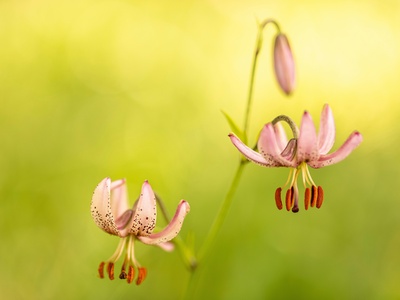
| Martagon lily | Lilium martagon | 60-150 | Woodland clearings and mountain meadows, 200–1,600 m |
| Wild crocus | Crocus vernus | 10-20 | Alpine meadows and forest clearings, subalpine |
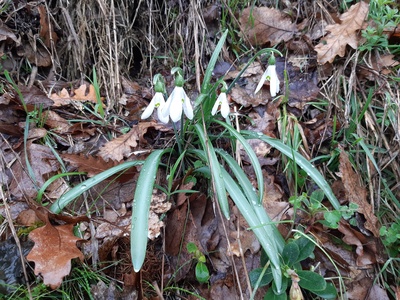
| Snowdrop | Galanthus nivalis | 10-20 | Woodlands and shaded banks, lowlands to montane |
| Yellow foxglove | Digitalis grandiflora | 50-120 | Forest edges, clearings, montane to subalpine |
| Common knapweed | Centaurea nigra | 20-60 | Meadows and roadside verges, lowlands to montane |
| Common yarrow | Achillea millefolium | 20-60 | Grasslands, roadsides, lowlands to montane |
| Harebell | Campanula rotundifolia | 15-50 | Dry grasslands, rocky slopes, lowlands to alpine |
| Peach-leaved bellflower | Campanula persicifolia | 30-80 | Meadows and forest margins, lowlands to montane |
| Marsh marigold | Caltha palustris | 20-60 | Wet meadows, stream banks, lowlands to montane |
| Common reed | Phragmites australis | 200-500 | Lakeshores, wetlands, lowlands |
| White water lily | Nymphaea alba | 10-50 | Slow lakes and ponds, lowlands to montane |
| Bogbean | Menyanthes trifoliata | 10-30 | Bogs and fens, lowlands to montane |
| Bog rosemary | Andromeda polifolia | 10-40 | Acid bogs and peatlands, lowlands to montane |
| Meadow sage | Salvia pratensis | 40-80 | Calcareous grasslands, meadows, lowlands |
| Field scabious | Knautia arvensis | 30-100 | Meadows, road verges, lowlands to montane |
| Dog’s mercury | Mercurialis perennis | 20-60 | Shady deciduous woods, lowlands to montane |
| St John’s wort | Hypericum perforatum | 20-60 | Grasslands and disturbed ground, lowlands to montane |
| Arnica | Arnica montana | 10-30 | Unimproved meadows and subalpine grasslands, 600–2,000 m |
| Coltsfoot | Tussilago farfara | 10-30 | Damp banks and disturbed soils, lowlands |
| Yellow flag iris | Iris pseudacorus | 60-100 | Wetlands, pond margins, lowlands to montane |
| Common valerian | Valeriana officinalis | 50-150 | Damp meadows and riverbanks, lowlands to montane |
| Autumn crocus | Colchicum autumnale | 10-30 | Meadows and damp grasslands, lowlands to montane |
| Stinging nettle | Urtica dioica | 50-200 | Disturbed ground, hedgerows, moist soils, lowlands |
| Tormentil | Potentilla erecta | 5-20 | Acid grasslands and heaths, lowlands to montane |
| Alpine saxifrage | Saxifraga paniculata | 5-20 | Rock crevices and scree, alpine to subalpine |
| Purple saxifrage | Saxifraga oppositifolia | 2-8 | High alpine rock and stable snowbeds, 2,200–3,000 m |
| Mountain avens | Dryas octopetala | 5-30 | Alpine and subalpine calcareous scree, 1,200–2,800 m |
| Alpine forget-me-not | Myosotis alpestris | 5-20 | Alpine meadows and scree, 1,500–2,800 m |
| Sweet woodruff | Galium odoratum | 10-30 | Shady deciduous woods and hedgerows, lowlands to montane |
| Goat willow | Salix caprea | 200-500 | Forest edges, wet meadows, lowlands to montane |
| Grey willow | Salix cinerea | 100-400 | Wet ground, stream sides, lowlands to montane |
| Aspen | Populus tremula | 500-1,500 | Open woods and hillsides, lowlands to montane |
| Lady’s slipper orchid | Cypripedium calceolus | 30-60 | Calcareous woods and meadows, lowlands to montane |
| Bee orchid | Ophrys apifera | 20-40 | Dry calcareous grasslands, lowlands |
| Early-purple orchid | Orchis mascula | 20-60 | Woodlands, meadows, lowlands to montane |
| Common spotted orchid | Dactylorhiza fuchsii | 20-60 | Damp meadows, woodland rides, lowlands to montane |
| Stonecrop (alpine) | Saxifraga paniculata var. | 5-20 | Rock ledges and crevices, alpine |
Images and Descriptions
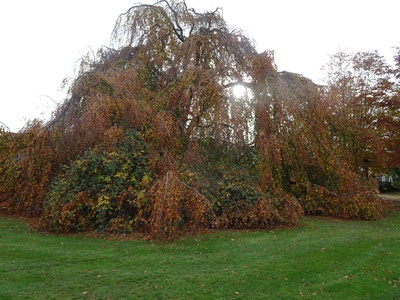
European beech
Large smooth-barked tree with broad canopy and elliptical leaves. Flowers in spring, beech nuts in autumn. ID by smooth grey bark and dense shade; important for biodiversity and sustainable forestry in Austria.
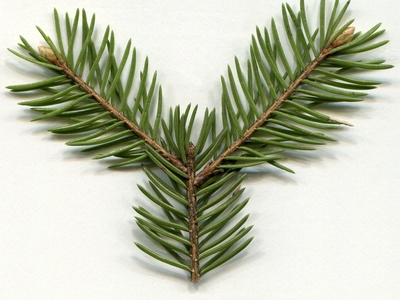
Norway spruce
Tall conifer with hanging cones and needle leaves, common in Austrian mountains. Cones and downward drooping branchlets identify it. Flowers spring; crucial timber tree and wildlife habitat, but sensitive to drought.
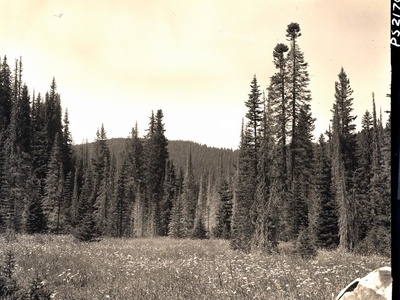
Silver fir
Elegant conifer with flattened needles and upright cones. Needles with two white bands underneath help identification. Shade-tolerant forest species, valued for timber and forest ecology.
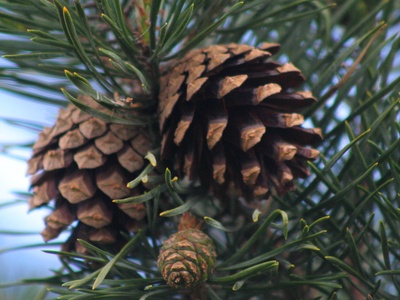
Scots pine
Red-barked trunk, paired needles and conical crown help identify this pine. Seeds in spring; tolerant of poor soils, used in reforestation and stabilising sandy sites.
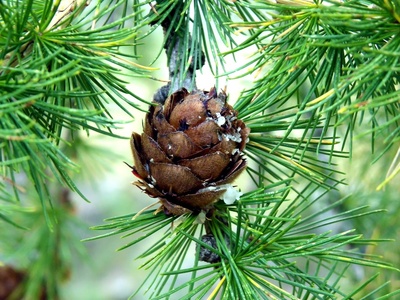
European larch
Deciduous conifer shedding needles in autumn, with small clustered cones. Soft, bright green spring needles and bare winter branches are distinctive. Valuable for mountain timber and erosion control.
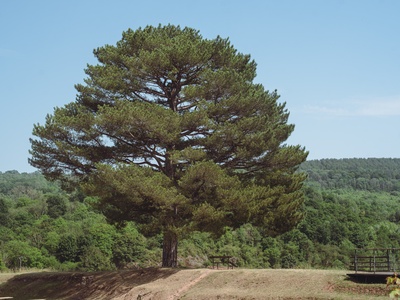
Black pine
Robust pine with dark bark and stout needles in pairs. Tolerant of poor soils and urban planting; identify by thick, fissured bark and dense crown.
Mountain pine
Dwarf, shrubby pine forming mats or small trees. Short, paired needles and twisted habit make it recognizable. Important for alpine stabilization and shrubland biodiversity.

Swiss stone pine
Slow-growing conifer with dense needles in clusters and large long-lived cones. Tolerant of cold sites; good ID by columnar habit and resinous smell. Valuable for mountain ecosystems.
Common juniper
Sprawling shrub with needle-like leaves and blue-black berries. Berries ripen autumn and are aromatic. Used traditionally for flavoring and habitat restoration; often slow-growing and long-lived.

Rowan
Small tree with pinnate leaves and bright orange-red berry clusters in autumn. White spring flowers and serrated leaflets help ID. Birds disperse seeds; culturally valued and resilient.
Pedunculate oak
Massive tree with lobed leaves and long-stalked acorns. Robust trunk and spreading crown identify it. Supports high biodiversity, historically important for timber and grazing.
Sessile oak
Similar to pedunculate oak but acorns nearly stalkless and leaves on long stalks. Wood and wildlife value high; prefers well-drained soils.
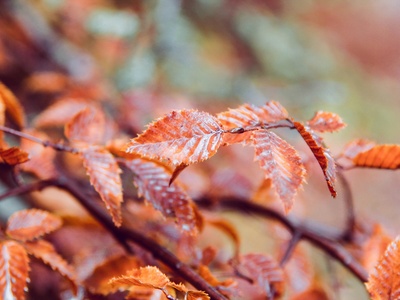
Hornbeam
Dense, fluted trunk and serrated, ovate leaves. Beech-like appearance but tougher wood. Common in hedgerows and forest edges; coppices provide sustainable wood.
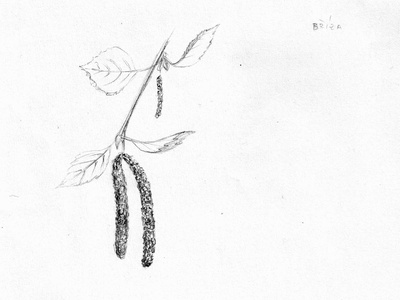
Silver birch
White peeling bark with triangular leaves and drooping branches make it unmistakable. Early catkins in spring; pioneer species that colonizes disturbed soils.
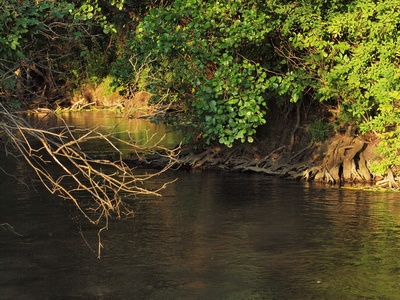
Black alder
Dark, warty bark and rounded leaves; male catkins and woody seed cones persist on branches. Nitrogen-fixing roots stabilize riverbanks and support wetland ecosystems.
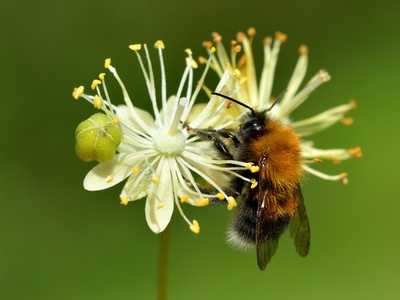
Small-leaved lime
Heart-shaped leaves and fragrant summer flower clusters attract pollinators. Identifiable by smooth bark and dense crown. Historically important in villages and for bee forage.
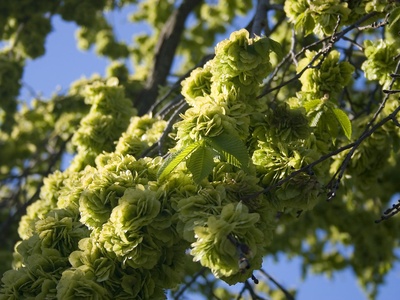
Wych elm
Large leaves with asymmetrical base and rough texture; samara (winged seed) in spring. Once common, vulnerable to disease but still native in Austrian woods.
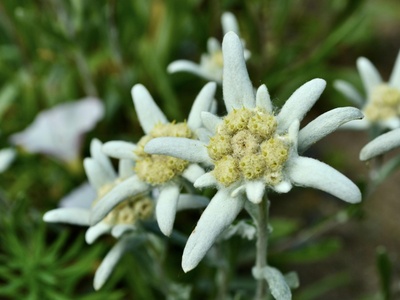
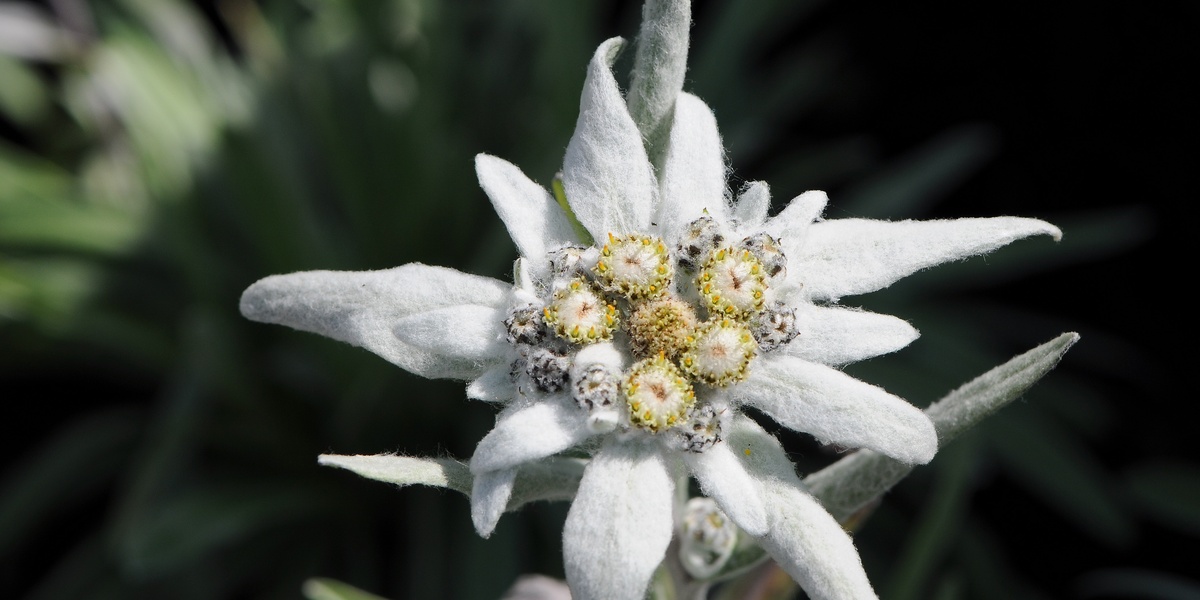
Edelweiss
Iconic woolly white star-shaped flower that blooms in summer. Low cushion plant with fuzzy leaves; classic alpine ID. Protected and symbolic, avoid picking in the wild.
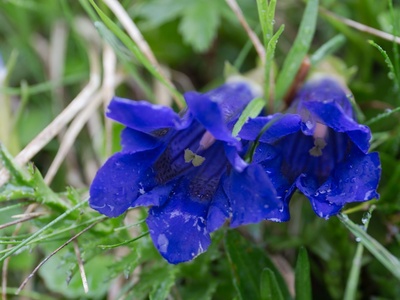
Stemless gentian
Deep cobalt-blue, bowl-shaped flowers close to the ground in late spring–summer. Leaves in a basal rosette; prized for alpine gardens and pollinators.
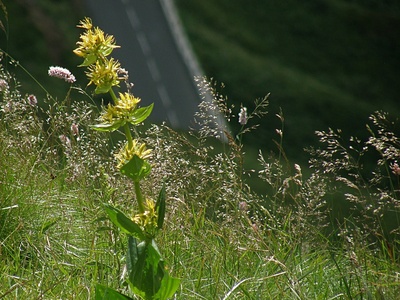
Yellow gentian
Tall herb with large opposite leaves and yellow clustered flowers in midsummer. Roots are bitter and used historically in liqueurs; distinctive by size and leaf arrangement.
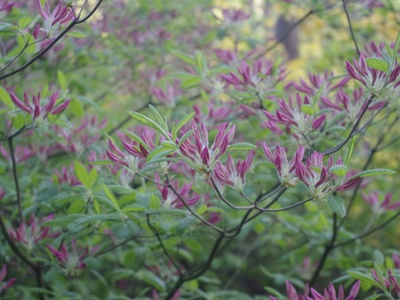
Alpine rose
Evergreen shrub with leathery leaves and clusters of pink tubular flowers in summer. Rust-coloured leaf undersides help ID. Forms dense stands in acid soils.
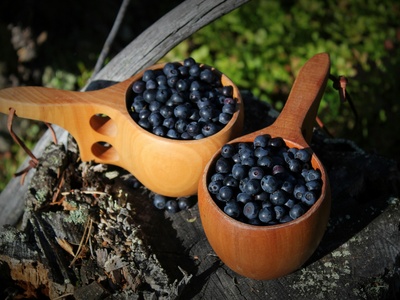
Bilberry
Low shrub with small edible blue-black berries ripening mid–late summer. Bell-shaped flowers and toothed leaves identify it. Important wild food and wildlife resource.
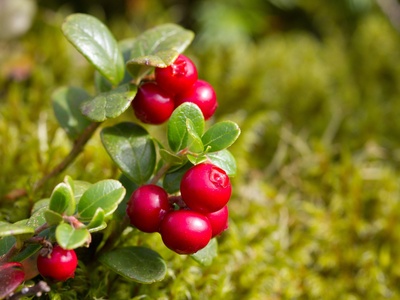
Lingonberry
Evergreen low shrub with glossy leaves and red berries in autumn. Distinctive bright red fruit and waxy leaves; used in preserves and tolerant of harsh sites.
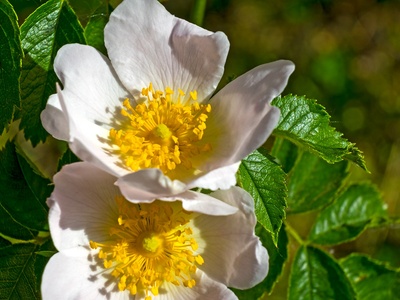
Dog rose
Arching shrub with pink to white five-petalled flowers in summer and round red hips in autumn. Prickly stems and pinnate leaves aid ID. Hips are vitamin-rich and wildlife food.
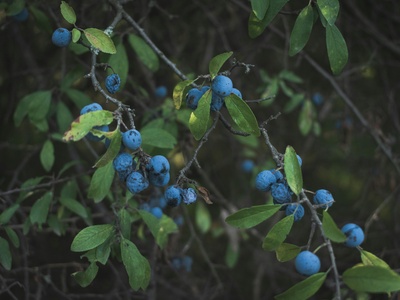
Blackthorn
Dense thorny shrub with white spring blossoms and small dark plums (sloes) in autumn. Distinctive gnarled branches and sharp spines; used for sloe gin and wildlife shelter.
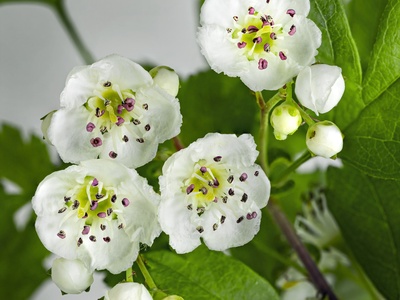
Hawthorn
Small tree with lobed leaves, dense thorny branches and white spring flowers followed by red haws. Excellent for biodiversity and traditional hedging.
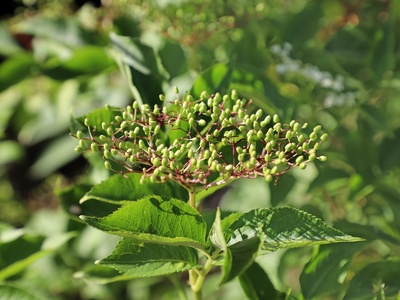
Elder
Arching shrub with flat clusters of fragrant creamy-white flowers in late spring and black berries in autumn. Flowers used for cordial and berries after cooking; wildlife-friendly.
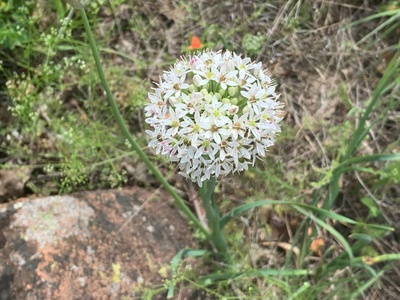
Wild garlic
Bold, broad green leaves and clusters of starry white flowers in spring give a garlic scent when crushed. Excellent groundcover; forage caution: can resemble poisonous plants.
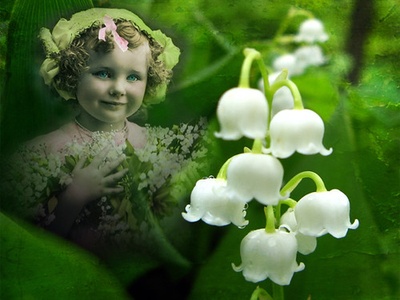
Lily of the valley
Low perennial with hanging white bell flowers in late spring and red berries later. Sweetly scented blooms and paired oval leaves make it recognizable; poisonous if eaten.
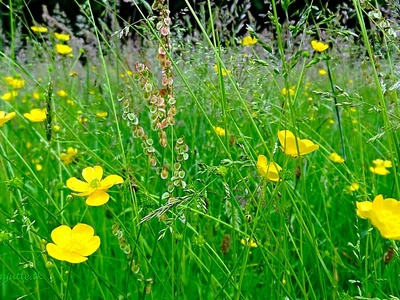
Meadow buttercup
Tall buttercup with deeply divided leaves and bright yellow glossy flowers in late spring–summer. Common in hay meadows; avoid grazing effects as it can be toxic to livestock when fresh.
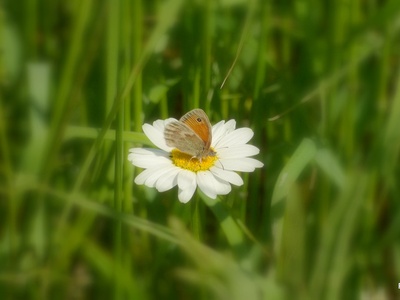
Oxeye daisy
Classic white-petalled daisy with yellow disc flowering summer. Long-lived perennial, good for pollinators and common in traditional meadows.
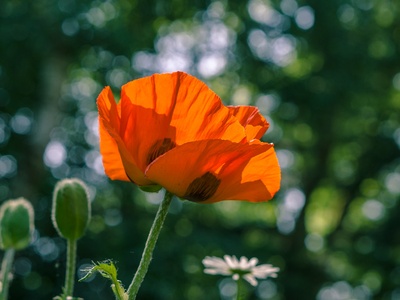
Common poppy
Showy red flowers with black centers in late spring–summer. Single, papery petals and seed capsules identify it. Often abundant in fallow fields and roadside edges.
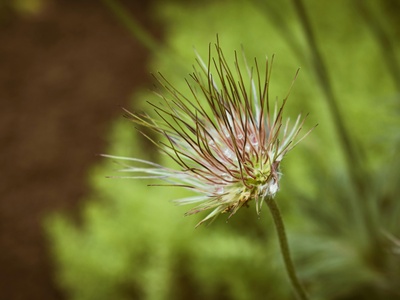
Pasque flower
Downy leaves and nodding purple flowers in early spring are distinctive. Early bloomer on dry, sunny slopes; protected in parts and valued for wildflower gardens.
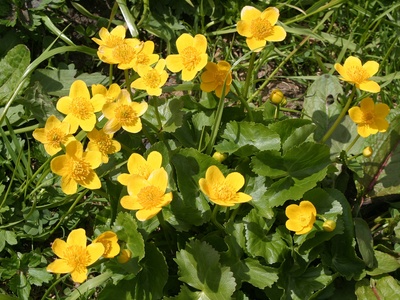
Cowslip
Umbels of yellow tubular flowers in spring atop slender stems. Basal rosette of leaves and pleasant fragrance. Indicator of unimproved meadows and good for pollinators.
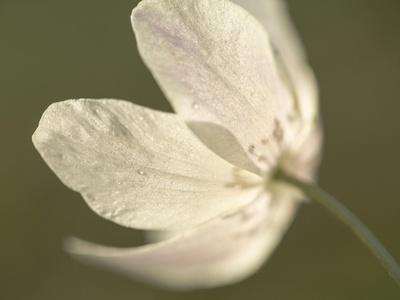
Wood anemone
Delicate white or pale pink flowers in early spring atop thin stalks. Spreads by rhizomes forming carpets; an early woodland indicator species.

Hepatica
Low perennial with leathery three-lobed leaves and blue to pink spring flowers. Early bloomer on forest floor; appreciated for delicate spring colour.
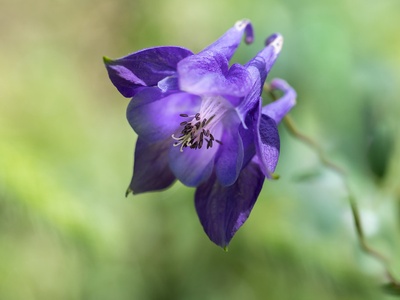
Alpine columbine
Striking deep blue to purple nodding flowers with spurred petals in early summer. Distinctive by long nectar spurs; prefers calcareous soils in high mountains.
Martagon lily
Upward-facing turk’s-cap lilies with spotted tepals and reflexed petals in early summer. Tall stems with whorled leaves; attractive to gardeners but protected in some areas.
Wild crocus
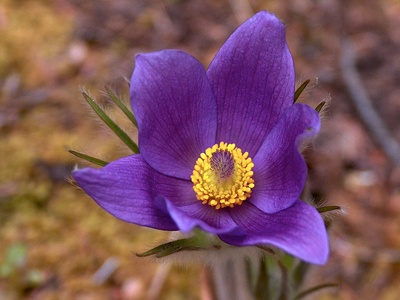
Violet to lilac goblet flowers in early spring emerging from corms. Grass-like leaves with central white stripe help ID. Early nectar source for insects.
Snowdrop
Delicate white nodding bell flowers in late winter–early spring. Two green markings inside inner petals identify it. Often forms carpets in ancient woodlands; protected locally.

Yellow foxglove
Tall spikes of tubular yellow flowers in summer; broader few-marked throats differentiate from common foxglove. Biennial/perennial that attracts bees; toxic if ingested.
Common knapweed
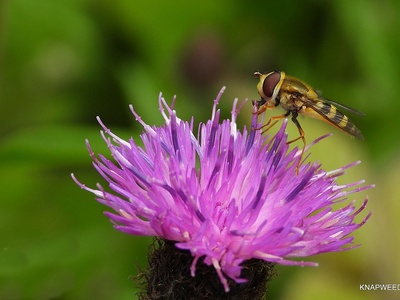
Purple thistle-like heads on wiry stems in summer. Rough leaves and single flower heads attract bees and butterflies; characteristic of species-rich hay meadows.
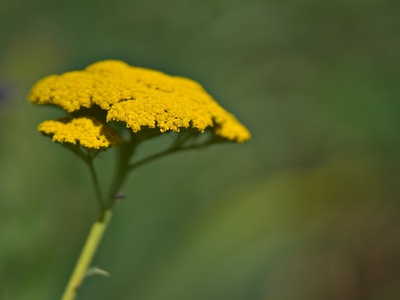
Common yarrow
Flat-topped clusters of tiny white flowers with feathery aromatic leaves. Blooms summer to autumn; easy to identify and useful in traditional medicine and wildlife gardens.
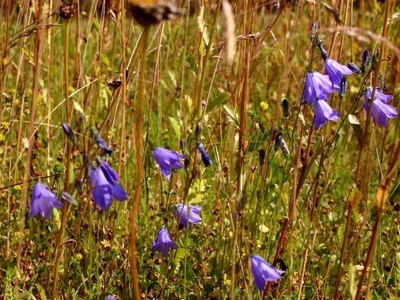
Harebell
Slender stems with nodding blue bell flowers in summer. Small, round basal leaves and wiry habit give name. Common on exposed sites and attractive to pollinators.
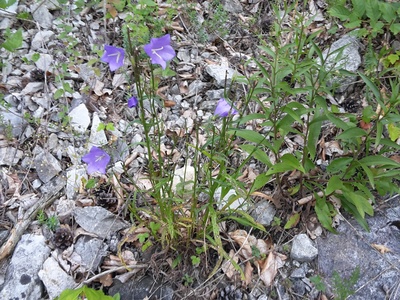
Peach-leaved bellflower
Tall stems with large bell-shaped blue to white flowers in summer. Lanceolate leaves and showy blooms make it popular in wildflower plantings; native in Austria.
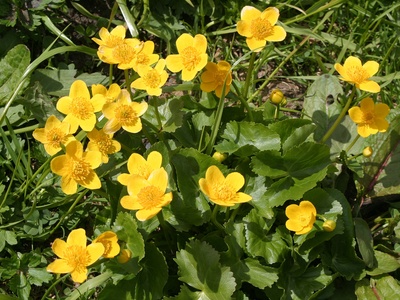
Marsh marigold
Shiny yellow bowl-shaped flowers in early spring and rounded glossy leaves. Grows in standing water or saturated soils; early nectar source for insects.
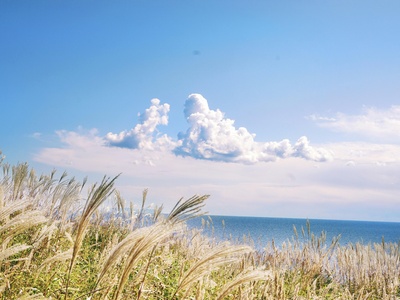
Common reed
Tall grass with feathery flower plumes in late summer. Dense stands at water margins identifiable by height and broad leaves; important habitat for birds and insects.
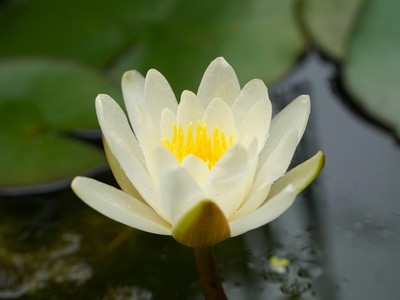
White water lily
Floating rounded leaves and large white fragrant flowers in summer. Flowers rest on the water surface; classic pond species supporting aquatic biodiversity.
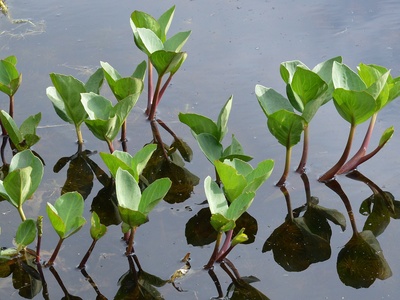
Bogbean
Clustered trifoliate leaves and starry white-pink flowers in spring. Grows in shallow water or saturated peat; indicator of healthy peatland habitats.
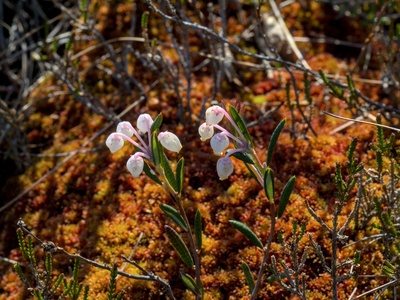
Bog rosemary
Low evergreen shrub with narrow leaves and bell-shaped pink flowers in spring. Prefers nutrient-poor, acidic peat; uncommon and habitat-specific.
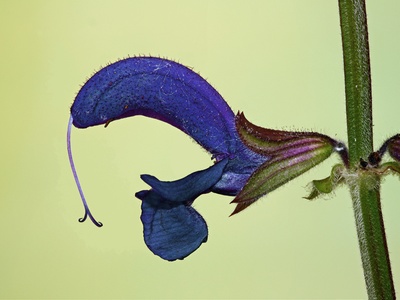
Meadow sage
Tall spikes of deep blue to purple flowers in late spring–early summer. Square stems and aromatic leaves identify it. Important nectar plant for bumblebees and butterflies.
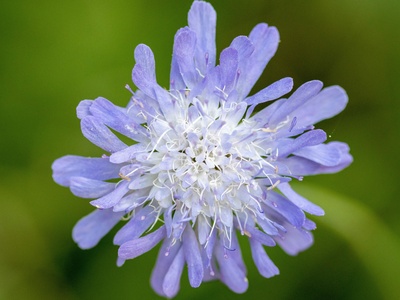
Field scabious
Pale lilac pincushion heads on long stalks throughout summer. Rough basal leaves and globular flowers; attractive to many pollinators and common in traditional meadows.
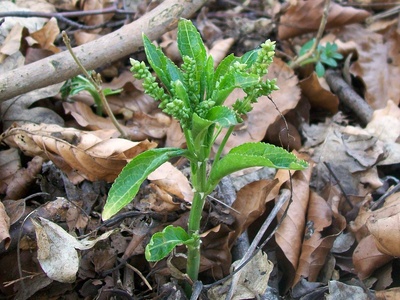
Dog’s mercury
Unassuming plant with opposite leaves and greenish drooping flowers in spring. Often forms dense carpets in ancient woodlands; toxic if ingested.
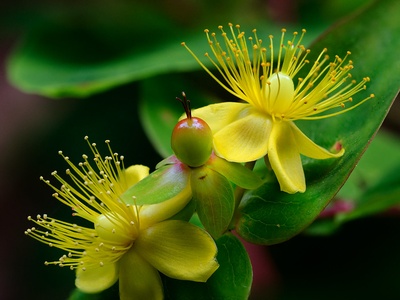
St John’s wort
Yellow flowers with tiny translucent dots on petals bloom in summer. Leaves have punctate glands; traditional medicinal uses but collect responsibly and note habitat value.
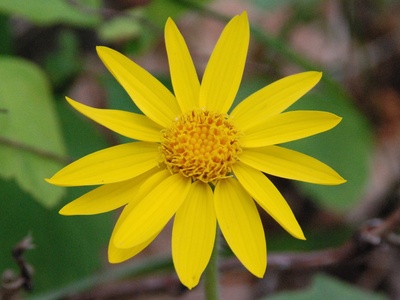
Arnica
Rosette of hairy leaves and yellow daisy-like flowers in summer. Indicator of low-nutrient grassland and often legally protected; roots and flowers used in home remedies.
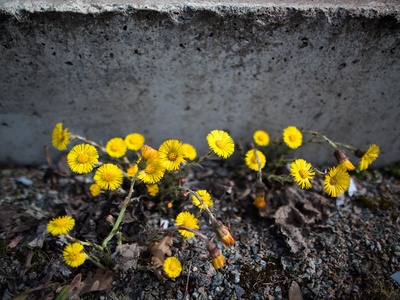
Coltsfoot
Early yellow dandelion-like flowers before leaves appear in spring. Large heart-shaped leaves follow; distinctive phenology and common in degraded sites.
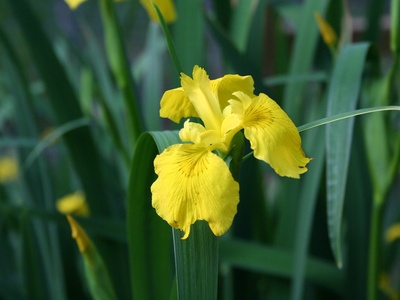
Yellow flag iris
Large yellow iris flowers in late spring–summer with sword-like leaves. Sturdy wetland plant providing habitat and bank stabilization; identifiable by showy blooms.
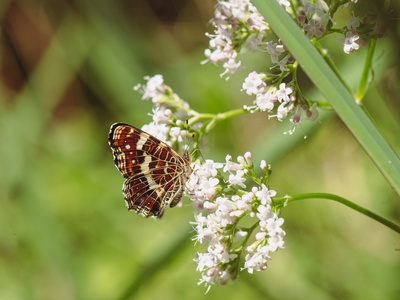
Common valerian
Clusters of sweetly scented pale pink flowers in summer atop hollow stems. Leaves pinnate and fragrant; traditional medicinal plant and wildlife-friendly.
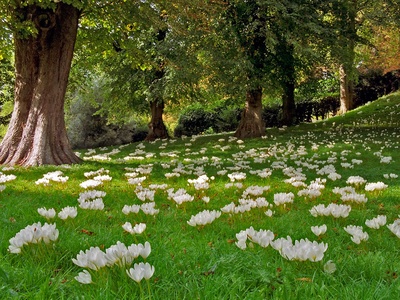
Autumn crocus
Lipstick-pink flowers appear in autumn from bulb-like corms before leaves. Distinctive late flowering and toxic alkaloids; important to recognize and not confuse with edible species.

Stinging nettle
Tall herb with serrated opposite leaves and stinging hairs. Green inconspicuous flowers in summer. Valuable for butterflies, caterpillars, and traditional uses when processed.
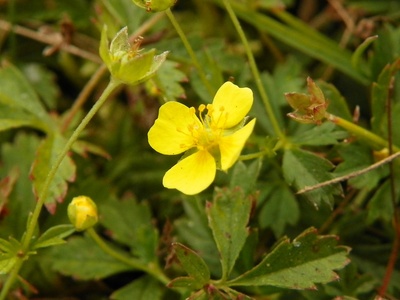
Tormentil
Low mat-forming perennial with four-petalled yellow flowers in summer. Small size and medicinal astringent history; indicator of poor soils and species-rich habitats.
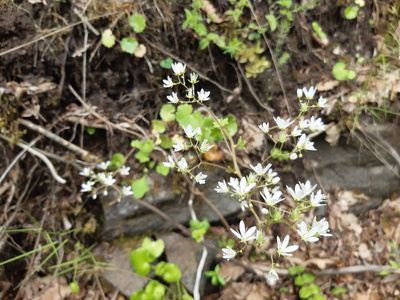
Alpine saxifrage
Creeping rosettes with white starry flowers in summer. Tolerant of rocky, exposed sites; forms cushions on cliffs and walls, prized in rock gardens.
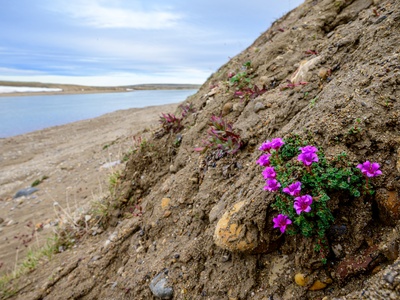
Purple saxifrage
Tiny cushion plant with deep purple flowers in early summer. One of the highest-flowering plants in the Alps; distinctive color and habit.
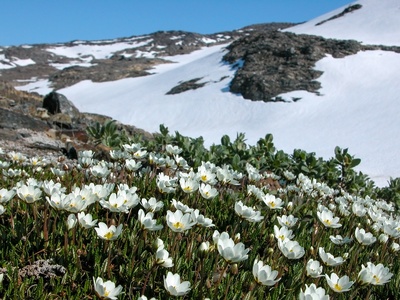
Mountain avens
Low evergreen shrub with white eight-petalled flowers and round leaves. Forms mats on limestone outcrops; indicator of cold, well-drained alpine habitats.
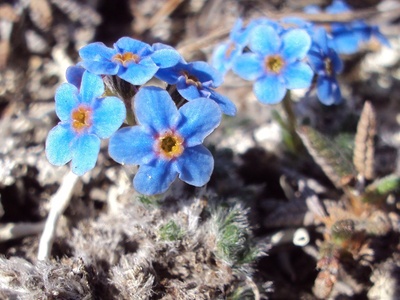
Alpine forget-me-not
Tiny bright blue flowers with yellow centers in summer. Low tufted habit and early nectar source; common in alpine flower displays.
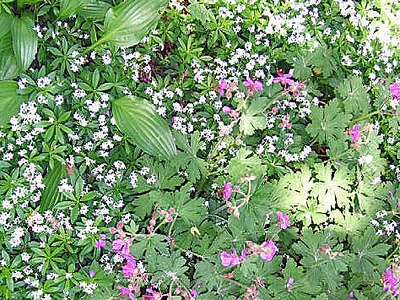
Sweet woodruff
Sweetly scented whorled leaves and tiny white spring flowers. Often used as groundcover in shade; distinctive fragrance when dried.
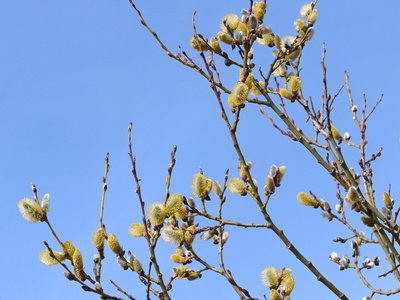
Goat willow
Fuzzy, silvery male catkins in early spring and rounded leaves. Shrubby tree often first to flower, providing early pollen for bees and catkin-eating wildlife.
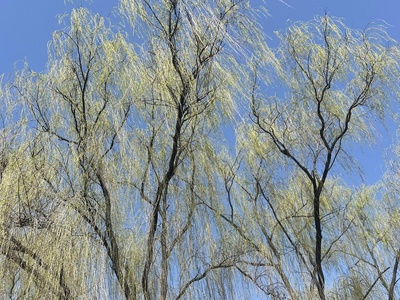
Grey willow
Densely branching shrub with greyish leaves and early catkins. Tolerant of waterlogged soils and common in fen and wetland habitats.
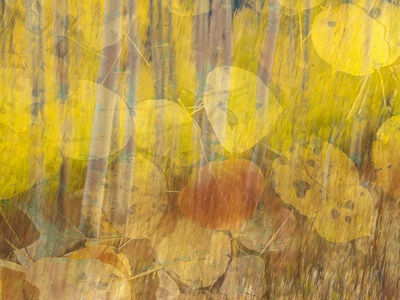
Aspen
Shimmering rounded leaves on flattened petioles create trembling effect in wind. Clonal colonies common; small catkins in spring and rapid colonizer of disturbed ground.
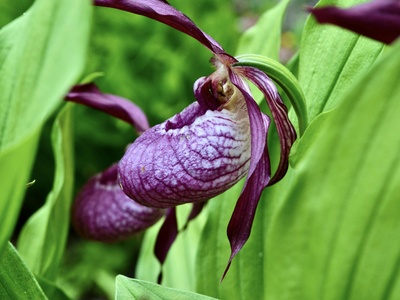
Lady’s slipper orchid
Large, showy yellow pouch-shaped flower in late spring. Distinctive slipper morphology and rhizomatous habit; very rare and strictly protected in Austria.
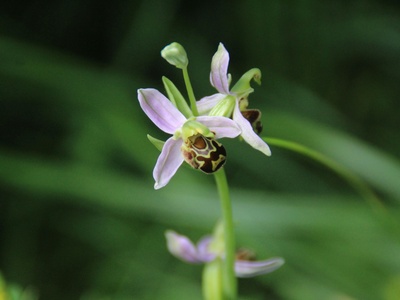
Bee orchid
Pink sepals and a brown velvety lip mimicking a bee; blooms in late spring. Pollination strategy involves sexual mimicry; local and interesting for orchid enthusiasts.
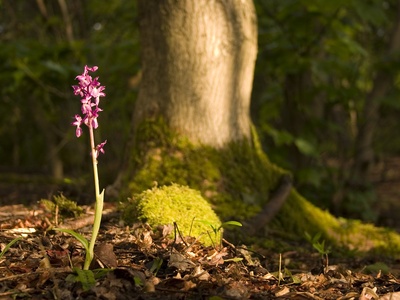
Early-purple orchid
Purple spike of flowers in spring with spotted leaves. Robust terrestrial orchid found in diverse habitats; attractive and variable in colour.
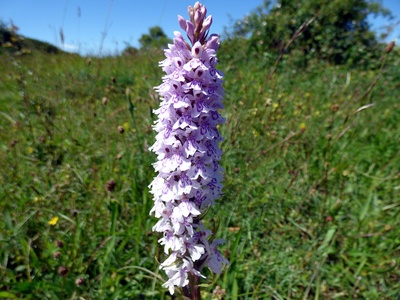
Common spotted orchid
Pale spotted leaves and dense spikes of pink-lilac flowers in early summer. Prefers calcareous to neutral soils and supports specialist pollinators.
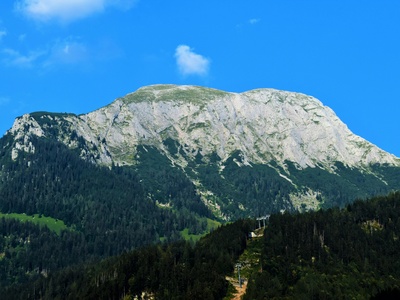
Stonecrop (alpine)
Cushion-forming rock plant with white flowers in summer. Very drought and cold tolerant, great for rock gardens and natural alpine communities.