Antigua and Barbuda sit at a crossroads for Caribbean birdlife — short flights from shore to scrub and wetlands mean you can see seabirds, shorebirds, and small land species without traveling far. Local parks, mangroves and roadside trees make the islands especially handy for both casual observers and visiting birders.
There are 53 Birds of Antigua and Barbuda, ranging from the American kestrel to the Zenaida dove. For each species you’ll find below Scientific name,Size (cm),Status & where seen — you’ll find below.
Which species are year-round residents versus migrants on the islands?
Check the “Status & where seen” column: residents are noted as resident or breeding and are common around suitable habitat (for example, the Zenaida dove), while migrants and passage species are listed with seasons or locations where they’re typically observed.
How should I use this list to plan a birding outing in Antigua and Barbuda?
Start by filtering species by the “Status & where seen” and habitat notes, match those to local sites (mangroves, wetlands, coast, scrub), bring binoculars sized for expected distances, and time visits for early morning or known migration periods to maximize sightings.
Birds of Antigua and Barbuda
| Common name | Scientific name | Size (cm) | Status & where seen |
|---|---|---|---|
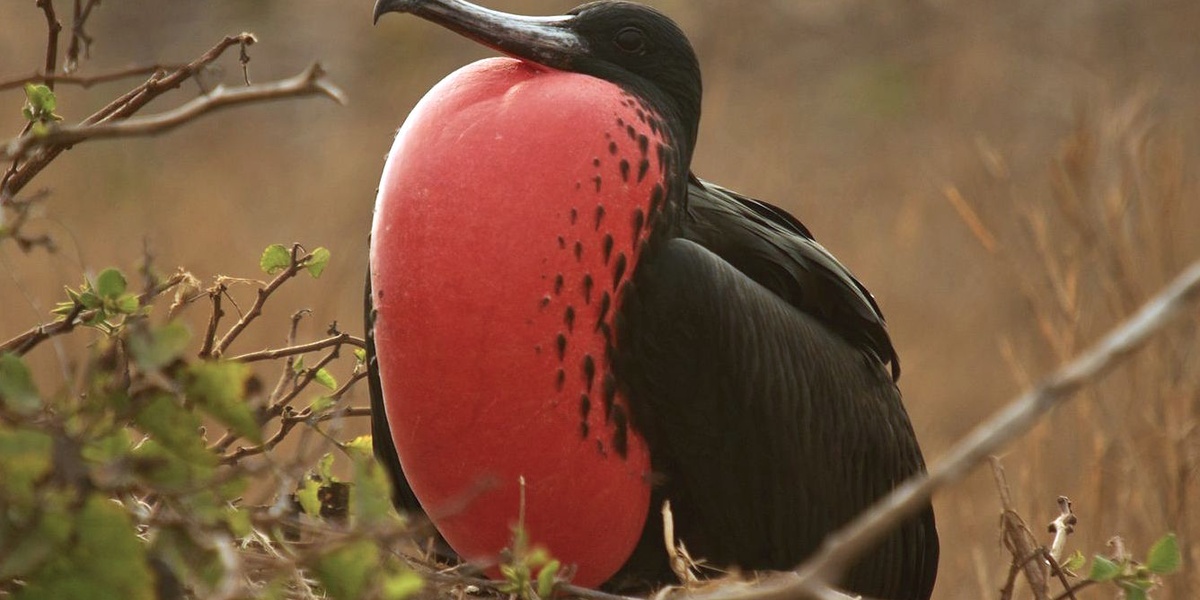
| Magnificent frigatebird | Fregata magnificens | 90 | Resident; common on both islands; coastal roosts, foraging offshore |
| Brown pelican | Pelecanus occidentalis | 102 | Resident; common around bays and cays; coastal waters, fishing piers |
| Brown booby | Sula leucogaster | 64 | Regular breeder; common on offshore cays; coastal rocks and reefs |
| Red-billed tropicbird | Phaethon aethereus | 43 | Regular offshore breeder; cays and cliffs; seen year-round |
| Brown noddy | Anous stolidus | 40 | Common breeder on cays; offshore, coastal rookeries |
| Black noddy | Anous minutus | 38 | Regular breeder on some cays; offshore rookeries |
| Sooty tern | Onychoprion fuscatus | 33 | Common offshore breeder; pelagic and coastal waters |
| Bridled tern | Onychoprion anaethetus | 30 | Regular offshore and coastal; nests on rocky cays |
| Royal tern | Thalasseus maximus | 48 | Common migrant/winter visitor; beaches and sandbars |
| Sandwich tern | Thalasseus sandvicensis | 42 | Regular migrant; coastal waters and beaches |
| Least tern | Sternula antillarum | 23 | Seasonal breeder; sandy beaches and flats; locally common |
| Laughing gull | Leucophaeus atricilla | 38 | Abundant resident/migrant; beaches, coast, towns year-round |
| Black skimmer | Rynchops niger | 45 | Uncommon but regular; sandy shores and lagoons |
| American oystercatcher | Haematopus palliatus | 46 | Uncommon resident; rocky shores, mangroves, sandbars |
| Black-bellied plover | Pluvialis squatarola | 30 | Common migrant; mudflats, beaches; autumn-spring |
| Ruddy turnstone | Arenaria interpres | 22 | Common migrant/winter visitor; rocky shores and jetties |
| Sanderling | Calidris alba | 18 | Common migrant/winter; sandy beaches and wrack line |
| Semipalmated sandpiper | Calidris pusilla | 15 | Common migrant; mudflats and sandy shores in migration |
| Willet | Tringa semipalmata | 34 | Regular migrant/winter; saltmarshes, mudflats and beaches |
| Whimbrel | Numenius phaeopus | 45 | Common migrant; mudflats and shores in spring/fall |
| Wilson’s plover | Charadrius wilsonia | 19 | Uncommon resident; sandy beaches, mangrove edges |
| Semipalmated plover | Charadrius semipalmatus | 17 | Common migrant; beaches and flats during migration |
| Great blue heron | Ardea herodias | 115 | Regular resident; mangroves, wetlands, coasts year-round |
| Great egret | Ardea alba | 100 | Common resident; wetlands, mangroves, ponds year-round |
| Snowy egret | Egretta thula | 56 | Common resident; shallow waters, mudflats, mangroves year-round |
| Little blue heron | Egretta caerulea | 56 | Regular resident; mangroves, marshes, lagoons year-round |
| Tricolored heron | Egretta tricolor | 58 | Regular resident; coastal lagoons and mangroves year-round |
| Cattle egret | Bubulcus ibis | 44 | Common resident/forager; fields, pastures, wetlands year-round |
| Green heron | Butorides virescens | 46 | Resident; mangroves, ponds, shaded wetlands year-round |
| Yellow-crowned night-heron | Nyctanassa violacea | 53 | Uncommon-resident; mangroves, creeks, tidal pools; nocturnal |
| Osprey | Pandion haliaetus | 55 | Regular migrant/resident; coastlines, lagoons year-round |
| Turkey vulture | Cathartes aura | 67 | Common resident; widespread; soars over island interior year-round |
| American kestrel | Falco sparverius | 31 | Uncommon resident; open areas, roadside perches year-round |
| Rock pigeon | Columba livia | 32 | Introduced; common in towns and harbors year-round |
| Zenaida dove | Zenaida aurita | 27 | Common resident; gardens, scrub, mangroves year-round |
| Common ground dove | Columbina passerina | 18 | Common resident; scrub, gardens, roadsides year-round |
| Smooth-billed ani | Crotophaga ani | 37 | Common resident; open fields, scrub, gardens year-round |
| Antillean mango | Anthracothorax dominicus | 12 | Resident; gardens and flowering trees on both islands year-round |
| Bananaquit | Coereba flaveola | 11 | Abundant resident; gardens, scrub, forests year-round |
| Lesser Antillean bullfinch | Loxigilla noctis | 13 | Common resident; scrub, gardens, woodlands year-round |
| Black-faced grassquit | Melanospiza bicolor | 11 | Common resident; grasslands, roadsides, gardens year-round |
| Carib grackle | Quiscalus lugubris | 29 | Common resident; towns, mangroves, fields year-round |
| Northern mockingbird | Mimus polyglottos | 28 | Common resident; gardens, scrub, towns year-round |
| Gray kingbird | Tyrannus dominicensis | 24 | Common resident; coastal trees, roadsides, salt flats year-round |
| Barn swallow | Hirundo rustica | 17 | Regular migrant; nests on buildings, forages over fields spring-fall |
| Palm warbler | Setophaga palmarum | 14 | Common migrant/winter visitor; scrub, open woods during migration |
| Yellow warbler | Setophaga petechia | 13 | Regular migrant and local breeder; mangroves, scrub, gardens year-round |
| Prairie warbler | Setophaga discolor | 12 | Common breeder/migrant; scrub, low trees year-round |
| Northern waterthrush | Parkesia noveboracensis | 15 | Regular migrant; mangroves, marsh edges during migration |
| American redstart | Setophaga ruticilla | 12 | Common migrant; wood edges, gardens in spring/fall |
| House sparrow | Passer domesticus | 16 | Introduced; common in towns and settlements year-round |
| West Indian whistling-duck | Dendrocygna arborea | 48 | Uncommon resident; wetlands, lagoons, Barbuda lagoons year-round |
| Common tern | Sterna hirundo | 35 | Regular migrant; coastal waters and beaches in migration |
Images and Descriptions
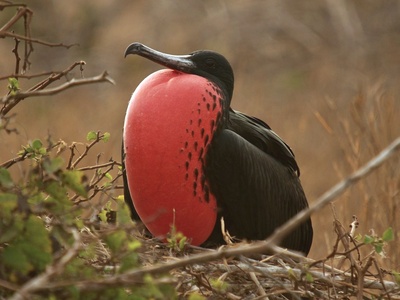
Magnificent frigatebird
Huge, fork-tailed seabird with a distinctive gular pouch in males. Often seen soaring over harbors and beaches, kleptoparasitizing terns and gulls; striking in-flight silhouette makes it unmistakable.
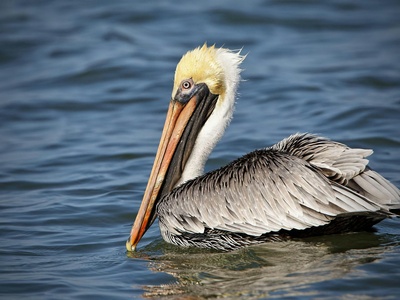
Brown pelican
Large, heavy-bodied seabird that plunges for fish. Look for the low, line-flying pelicans by beaches and near fish markets—bold and unmistakable with a long bill and pouch.
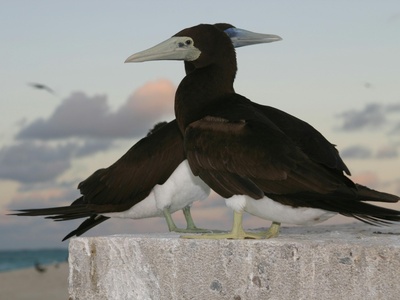
Brown booby
Stocky, diving seabird with dark upperparts and white belly. Often nests on isolated cays; watched fishing in groups and plunging from height to catch fish.
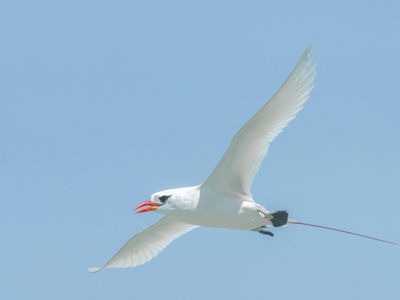
Red-billed tropicbird
Elegant seabird with long tail streamers and bright red bill. Circles near breeding cliffs and offshore islets—one of the most striking tropical ocean species.
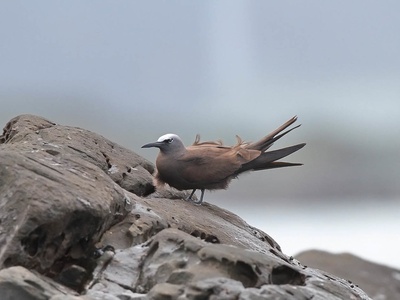
Brown noddy
Dark tern-like seabird often nesting in trees or shrubs on small islands. Slow, buoyant flight and plain dark plumage distinguish it from other terns.
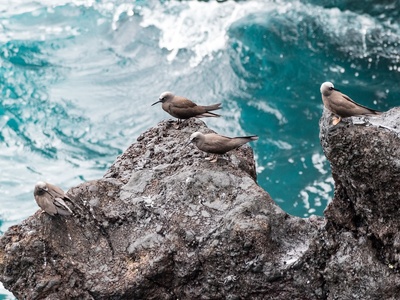
Black noddy
Similar to Brown Noddy but usually darker with a paler head. Found nesting in colonies on isolated islets; less tolerant of human disturbance.
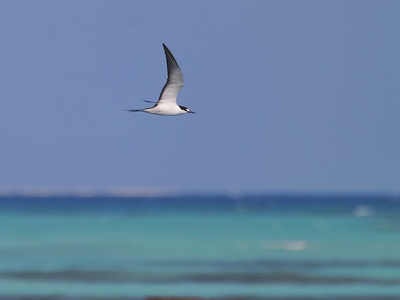
Sooty tern
Graceful, long-winged tern that nests in dense colonies on remote cays. Seen far offshore and along coasts in large flocks—appears almost all dark above.

Bridled tern
Slender tern with a pale eye-line (“bridle”). Often flies low over waves and rests on rocky islets; less colonial than sooty terns.
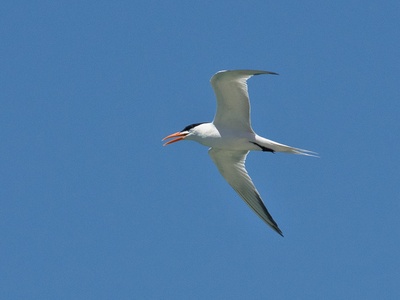
Royal tern
Large tern with a shaggy crest and heavy orange bill. Frequently seen feeding inshore and resting on sandy beaches; loud, raucous calls.
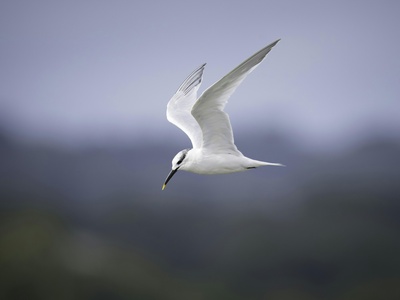
Sandwich tern
Elegant tern with a thin black bill with yellow tip and crest. Forages by plunge-diving in inshore waters and forms flocks at roosts.
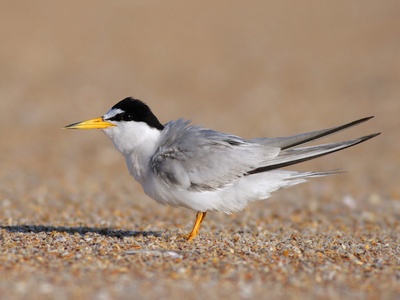
Least tern
Tiny, agile tern nesting on bare sand. Watch for delicate flight and habit of hovering before diving; vulnerable to human disturbance on beaches.
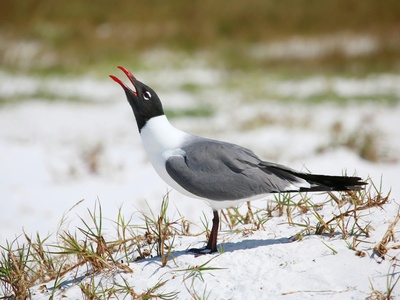
Laughing gull
Noisy, ubiquitous gull with black hood in summer. Thrives around human activity—seen scavenging at markets, beaches and coastal wetlands.
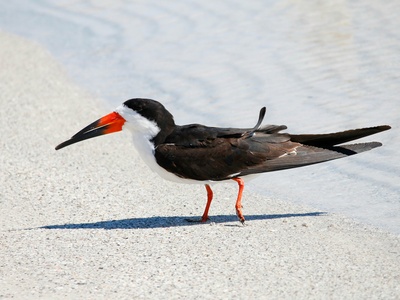
Black skimmer
Distinctive with long lower bill used to “skim” water for fish at dusk. Low-flying and dramatic; roosts in small groups on beaches and flats.
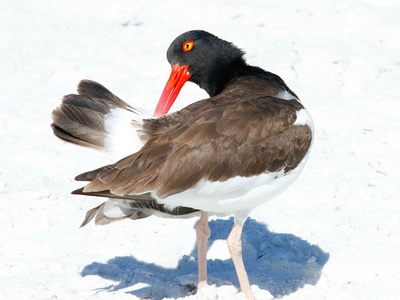
American oystercatcher
Bold black-and-white shorebird with thick orange bill used to pry shellfish. Often seen along rocky coasts and tidal flats probing for bivalves.
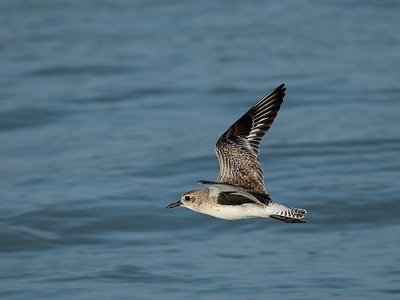
Black-bellied plover
Chunky plover that turns strikingly black-bellied in breeding plumage. Forages on tidal flats and open beaches—one of the largest shorebirds you’ll meet.
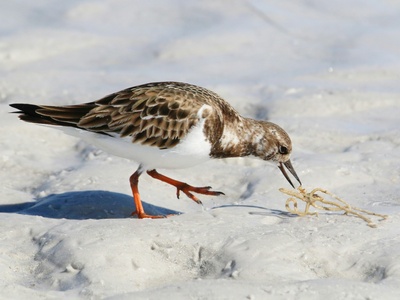
Ruddy turnstone
Spunky shorebird that flips stones to find prey. Look for patterned black-and-white face and orange legs on rocky coasts and breakwaters.
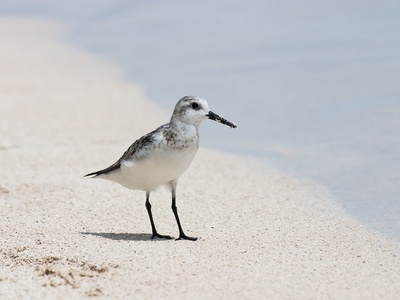
Sanderling
Tiny, energetic sandpiper that races waves on shorelines. Pale winter plumage and habit of running with surf make it a beach favorite.
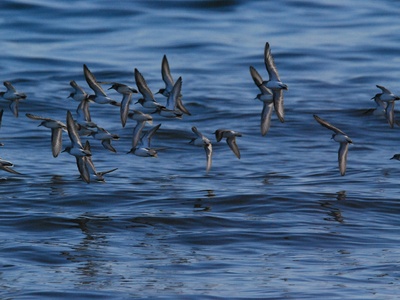
Semipalmated sandpiper
Small peep that favors mudflats and tidal pools during migration. Short bill and compact shape distinguish it from similar sandpipers.
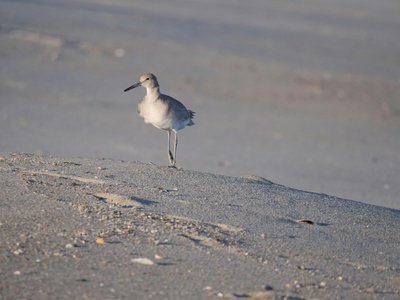
Willet
Sturdy shorebird with loud, piercing call. Often solitary or in small groups, probing mud and sand—watch for the bold white wing bar in flight.
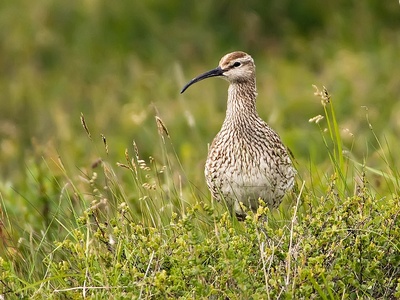
Whimbrel
Large curlew with distinctive down-curved bill used to probe for crabs and invertebrates. Often seen on mudflats and beaches in migration.
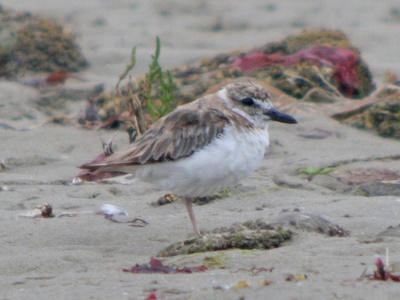
Wilson’s plover
Chunky, short-billed plover that feeds on crabs along shorelines. Slightly larger than semipalmated plover with stout bill and bold behavior.
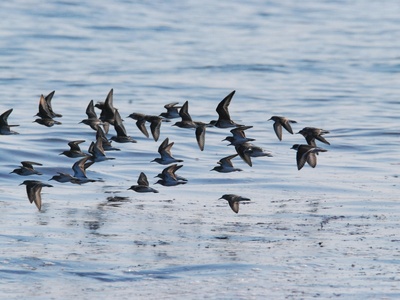
Semipalmated plover
Small, neat plover with partial webbing on toes. Forages on sandy flats—look for single breast band and quick runs.
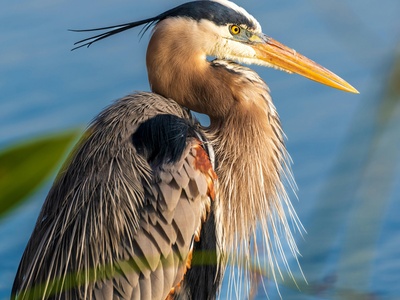
Great blue heron
Tall, stately heron often seen alone stalking fish in shallow water. The largest heron in the region—slow, deliberate movements and hunched posture are diagnostic.
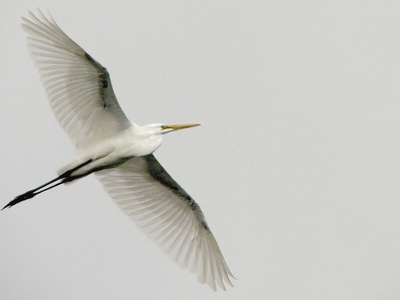
Great egret
Elegant white egret with long S-shaped neck and yellow bill. Feeds widely in shallow water—flakes of breeding plumes were once prized.
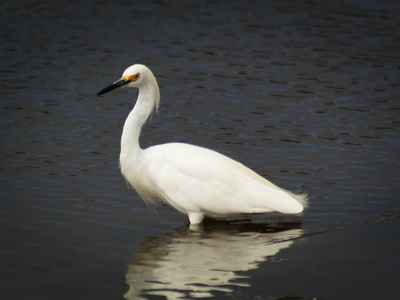
Snowy egret
Smaller white egret with black bill and yellow feet. Active feeder, often seen running and stirring water to flush prey.
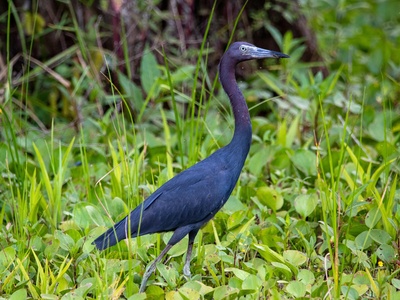
Little blue heron
Slender heron with slate-blue adult plumage. Juveniles are white and can be mistaken for other egrets—adults hunt patiently for fish and crustaceans.
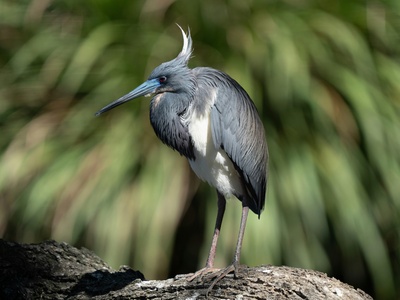
Tricolored heron
Slender, dark heron with white belly and flashy breeding colors. Agile hunter that often wades in shallow water, stirring for small fish.
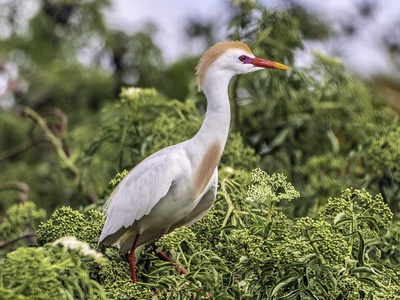
Cattle egret
Chunky, short-legged egret frequently seen near livestock or in disturbed fields. Often found away from water catching insects stirred up by animals.
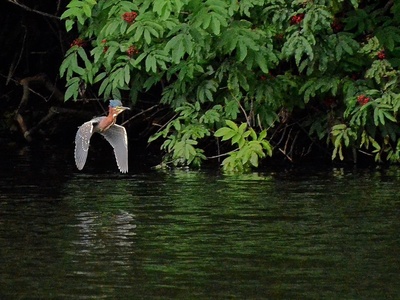
Green heron
Small, compact heron with a hunched posture and bold greenish back. Patient ambush hunter—sometimes uses bait to lure fish.
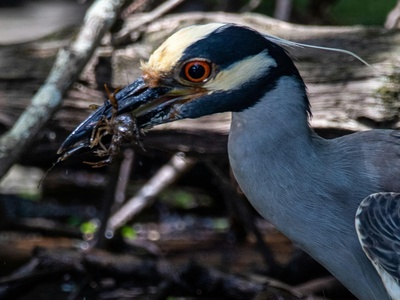
Yellow-crowned night-heron
Stocky night-heron that feeds on crabs and crustaceans, often at dusk. Look for chunky build and distinctive yellow crown patch.
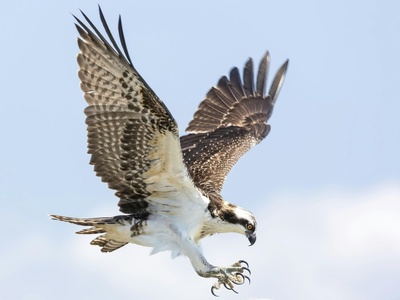
Osprey
Fish-eating raptor often seen hovering over water then diving feet-first. White underparts and dark eye stripe make it easy to ID.
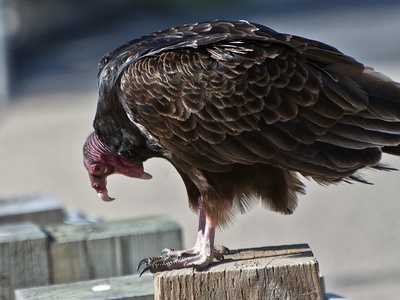
Turkey vulture
Large scavenger with V-shaped soaring flight and keen sense of smell. Bare red head and slow wingbeats are diagnostic.
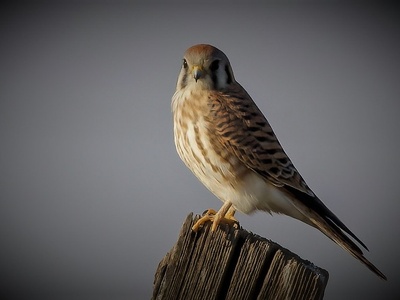
American kestrel
Small, colorful falcon often seen perched on wires, hovering briefly before diving for insects and small vertebrates.
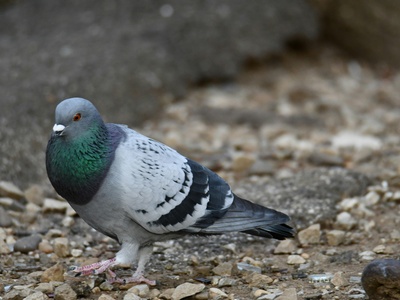
Rock pigeon
Familiar city pigeon introduced worldwide. Variable plumage, often found around buildings and docks scavenging scraps.
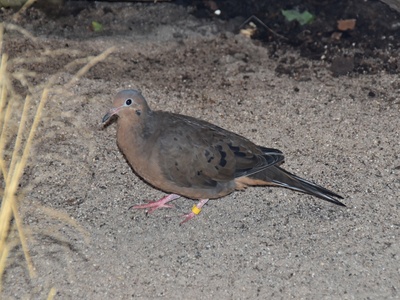
Zenaida dove
Soft cooing dove common in open habitats and towns. Gray-brown with subtle markings—often seen feeding on the ground.
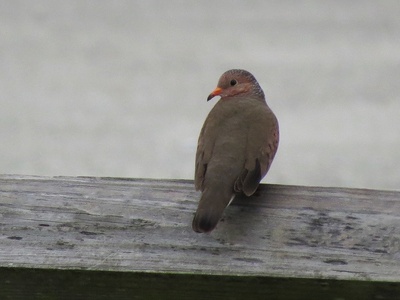
Common ground dove
Tiny, compact dove with a delicate coo and scaly-looking neck pattern. Often seen darting across the ground in small groups.
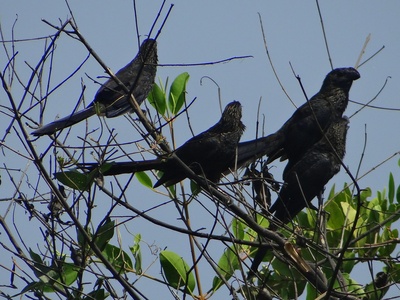
Smooth-billed ani
Gregarious black cuckoo relative that nests communally. Long tail and slow undulating flight; noisy and conspicuous in open areas.
Antillean mango
Local hummingbird with glossy green and bronze plumage. Visits flowers and feeders—easy to spot when it perches and flicks its tail.
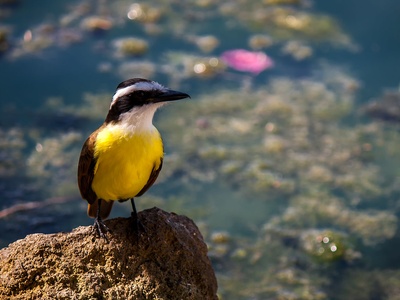
Bananaquit
Tiny, active nectar-feeder with a curved bill and bright yellow underparts. Bold around feeders and flowers—often the most common garden bird.
Lesser Antillean bullfinch
Small, stout finch with chunky bill. Males darker, females browner—feeds on seeds and fruit; a signature Caribbean landbird.
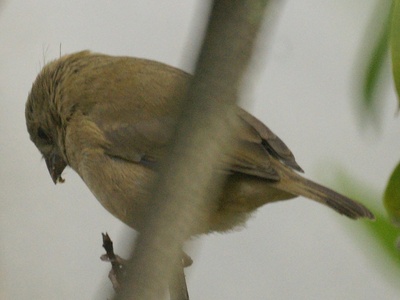
Black-faced grassquit
Small, stubby finch with a short bill and jaunty posture. Often found in grassy areas feeding on seeds—male has a darker face.
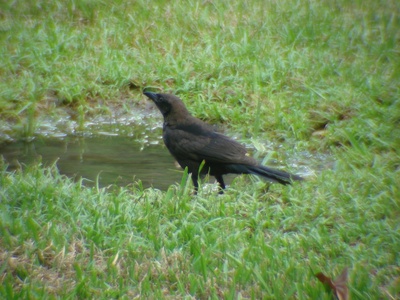
Carib grackle
Social, long-tailed blackbird with glossy plumage and loud calls. Bold around people and often seen in flocks along coasts and fields.
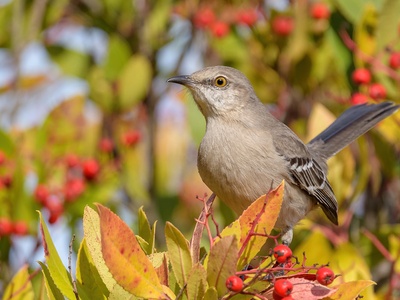
Northern mockingbird
Gray, medium-sized songster known for mimicking calls. Perches prominently and sings a long varied repertoire—very familiar in yards and hedgerows.
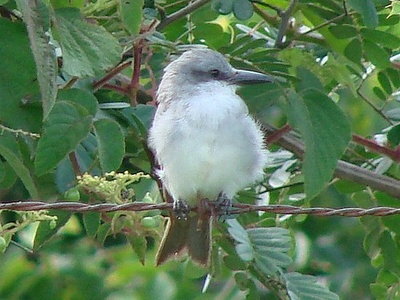
Gray kingbird
Bold flycatcher that sits conspicuously on wires and posts sallying for insects. Loud, distinctive calls and a habit of chasing intruders.
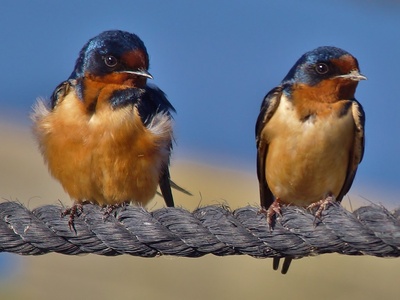
Barn swallow
Sleek, long-tailed swallow that swoops low over water and fields catching insects—nests on human structures in sheltered sites.
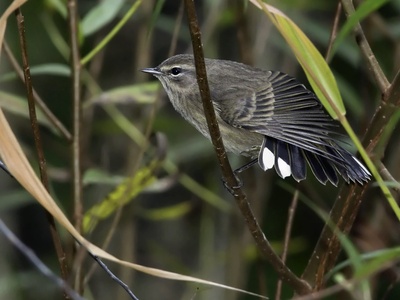
Palm warbler
Small, active warbler that bobs tail and forages low in vegetation. Yellowish wash and diagnostic tail-bobbing help separate it from other warblers.
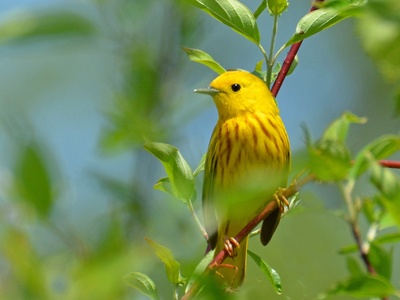
Yellow warbler
Bright yellow songbird often seen in shrubby growth. Sweet song and active foraging on leaves—common and conspicuous when present.
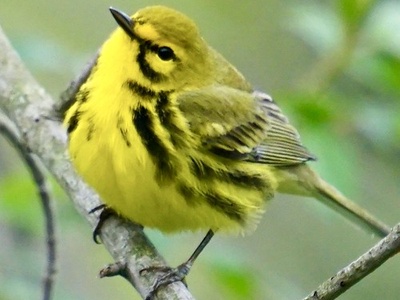
Prairie warbler
Distinctive streaked yellow warbler with a buzzy insect-like song. Prefers scrubby habitats and edges—flits actively through branches.
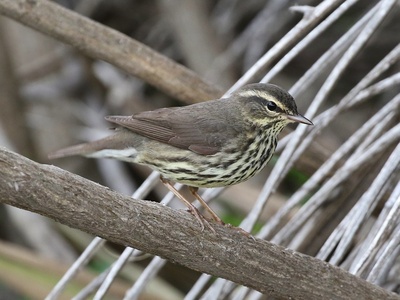
Northern waterthrush
Brown-streaked warbler that walks on the ground probing leaf litter. Often near water, with rapid teetering movements and loud chips.
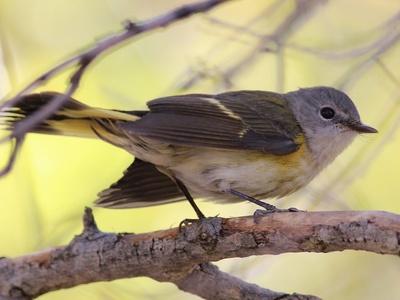
American redstart
Black-and-orange (male) or gray-and-yellow (female) warbler that fans tail to startle insects—active and flashy in foliage.
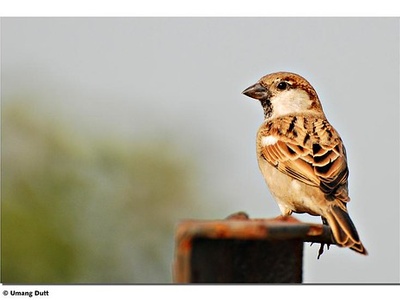
House sparrow
Small, chunky introduced sparrow found around human habitation. Males are streaked with gray and chestnut—ubiquitous in urban areas.
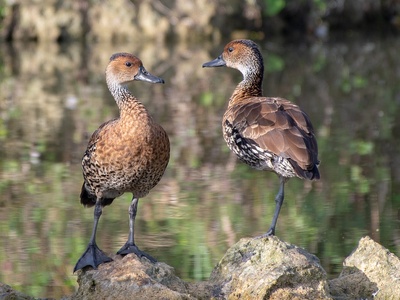
West Indian whistling-duck
Large, vocal duck with a whistling call. Prefers mangrove lagoons and remote wetlands; conservation concern in the region due to habitat loss.
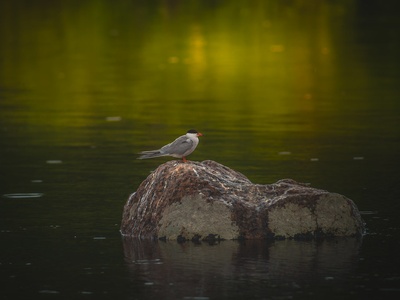
Common tern
Graceful, long-winged tern that plunges for fish inshore. Slim silhouette and forked tail distinguish it from other medium terns.