Australia’s landscapes — from windswept coasts to eucalyptus woodlands and inland scrub — create habitats for a remarkable variety of birds. Whether you’re walking a city park or standing on a rocky headland, there’s often a mix of familiar and surprising species to spot.
There are 40 Birds of Australia, ranging from Australasian Gannet to Willie Wagtail. For each species, the list shows Scientific name,Status,Range (states/regions) so you can match common and scientific names, check conservation status, and see where each bird occurs — you’ll find below.
How up-to-date is the status and range information?
The list compiles recent field records and common references, but bird ranges and statuses change with new surveys and seasonal movements. Use the Status and Range (states/regions) columns as a starting point, and cross-check with local birding groups, BirdLife Australia, or eBird for the latest updates before planning trips.
What’s the most practical way to use this list in the field?
Focus on the Scientific name for clear identification, consult the Range column to narrow possibilities by region, and use a phone app or pocket field guide for photos and calls. Treat the list as a quick reference, then confirm sightings with binoculars, notes, and photos.
Birds of Australia
| Common name | Scientific name | Status | Range (states/regions) |
|---|---|---|---|
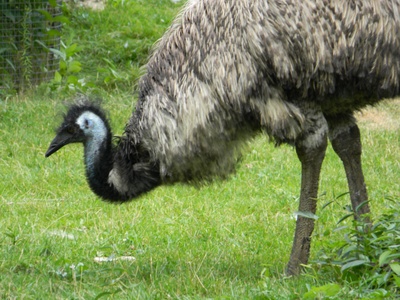
| Emu | Dromaius novaehollandiae | Native | Most mainland states and territories |
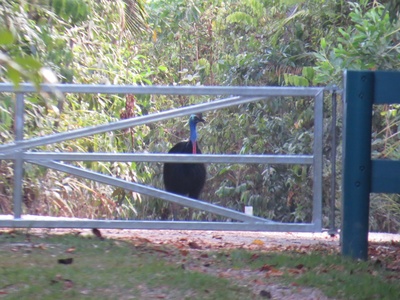
| Southern Cassowary | Casuarius casuarius | Native | Far North Queensland rainforests |
| Wedge-tailed Eagle | Aquila audax | Native | Most mainland states and territories |
| Australian Pelican | Pelecanus conspicillatus | Native | Coasts, inland lakes and rivers nationwide |
| Black Swan | Cygnus atratus | Native | Coastal and inland wetlands, widespread |
| Pacific Black Duck | Anas superciliosa | Native | Freshwater wetlands nationwide |
| Straw-necked Ibis | Threskiornis spinicollis | Native | Widespread mainland Australia |
| Little Penguin | Eudyptula novaehollandiae | Native | Southern coasts, Tasmania and offshore islands |
| Regent Honeyeater | Anthochaera phrygia | Native (critically endangered) | Remnant woodlands of central NSW and Victoria |
| Superb Fairywren | Malurus cyaneus | Native | Southeastern Australia and Tasmania |
| Willie Wagtail | Rhipidura leucophrys | Native | Widespread Australia |
| Magpie-lark | Grallina cyanoleuca | Native | Widespread Australia |
| Australian Magpie | Gymnorhina tibicen | Native | Most states and territories |
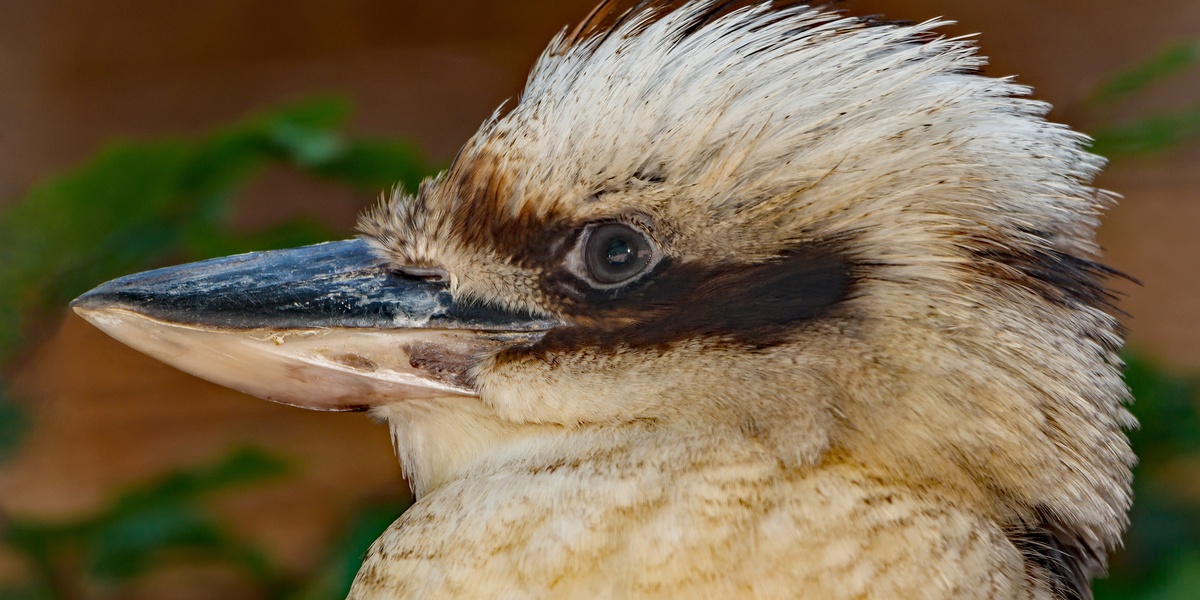
| Laughing Kookaburra | Dacelo novaeguineae | Native | Eastern and southern mainland, introduced areas |
| Rainbow Lorikeet | Trichoglossus moluccanus | Native | Coastal eastern Australia and urban areas |
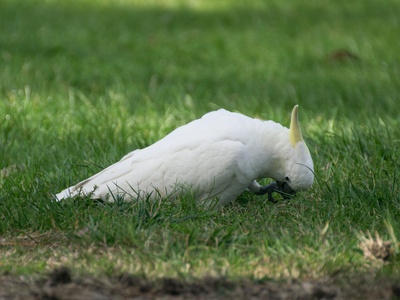
| Sulphur-crested Cockatoo | Cacatua galerita | Native | Eastern and northern Australia, urban areas |
| Galah | Eolophus roseicapilla | Native | Widespread mainland Australia |
| Major Mitchell’s Cockatoo | Lophochroa leadbeateri | Native | Arid and semi-arid inland Australia |
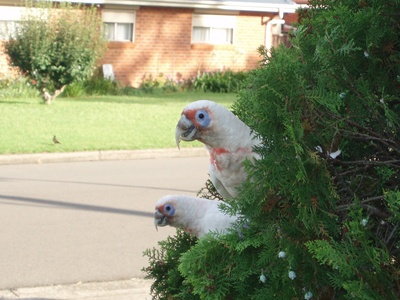
| Long-billed Corella | Cacatua tenuirostris | Native | Southeastern Australia, introduced elsewhere |
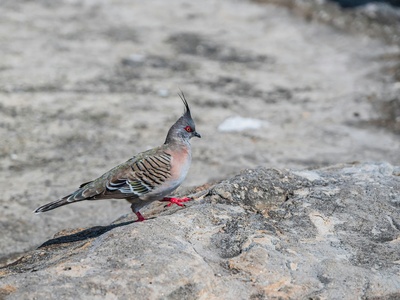
| Crested Pigeon | Ocyphaps lophotes | Native | Widespread mainland Australia |
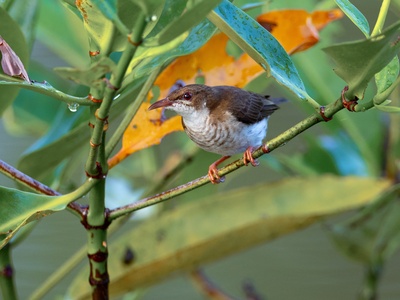
| Brown Honeyeater | Lichmera indistincta | Native | Northern and eastern Australia |
| Noisy Miner | Manorina melanocephala | Native | Eastern Australia and urban areas |
| Red Wattlebird | Anthochaera carunculata | Native | Southern and eastern Australia |
| New Holland Honeyeater | Phylidonyris novaehollandiae | Native | Southern and eastern Australia, Tasmania |
| Eastern Rosella | Platycercus eximius | Native | Southeastern Australia and Tasmania |
| Red-tailed Black Cockatoo | Calyptorhynchus banksii | Native | Northern and eastern woodlands |
| Little Corella | Cacatua sanguinea | Native | Northern, eastern and parts of southern Australia |
| Pied Butcherbird | Cracticus nigrogularis | Native | Northern and eastern Australia |
| Black-faced Cuckooshrike | Coracina novaehollandiae | Native | Widespread Australia |
| Australasian Gannet | Morus serrator | Native | Southern coasts and offshore islands |
| Silver Gull | Chroicocephalus novaehollandiae | Native | Coasts, harbours and inland waters nationwide |
| Pacific Gull | Larus pacificus | Native | Southern coasts of Australia |
| Crested Tern | Thalasseus bergii | Native | Coastal Australia and offshore islands |
| Osprey | Pandion haliaetus | Native | Coasts and inland waterways Australia-wide |
| Sooty Oystercatcher | Haematopus fuliginosus | Native | Southern rocky shores and islands |
| Masked Lapwing | Vanellus miles | Native | Widespread across mainland and coasts |
| Red-necked Stint | Calidris ruficollis | Native (migrant) | Coastal mudflats and estuaries nationwide |
| Bar-tailed Godwit | Limosa lapponica | Native (migrant) | Coastal mudflats around Australia |
| Great Knot | Calidris tenuirostris | Native (threatened migrant) | Northern and eastern non-breeding coasts |
| Wandering Albatross | Diomedea exulans | Vagrant | Offshore southern waters and subantarctic islands |
Images and Descriptions
Emu
Huge flightless bird with long neck and legs, brown shaggy plumage and strong stride. Found across mainland Australia, favouring open plains and woodland. Iconic, fast runner and important cultural species for many Indigenous communities.
Southern Cassowary
Large, powerful forest bird with glossy black feathers, casque and blue-red neck; secretive resident of tropical rainforests in north Queensland. Rare and dangerous if threatened; important seed disperser and conservation priority in fragmented habitats.
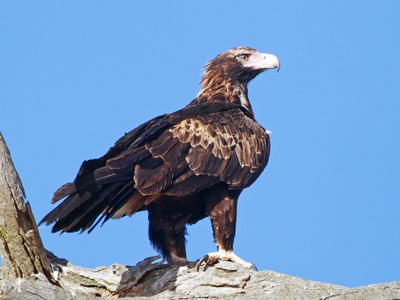
Wedge-tailed Eagle
Australia’s largest raptor with long wedge-shaped tail and broad wings; brown plumage and powerful build. Widespread across open country and mountains, scavenges and hunts mammals and birds; culturally significant and often seen soaring.
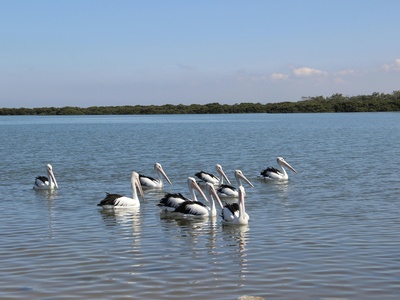
Australian Pelican
Huge waterbird with enormous bill pouch and black-and-white plumage, often seen on lakes, rivers and coasts. Feeds by scooping fish and sometimes competes with humans for fish; nomadic following water availability.
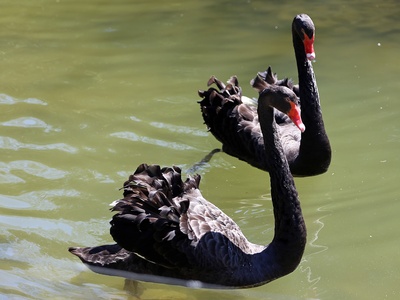
Black Swan
Elegant all-black swan with red bill and long curved neck, often in large flocks on lakes and estuaries. Breeds in wetlands and is widespread across southern and eastern Australia; famous for seasonal movements and social displays.
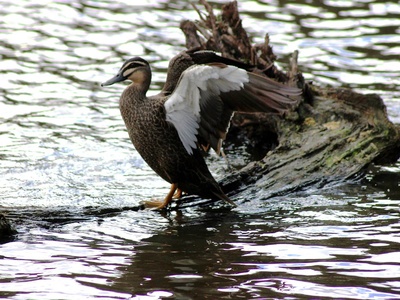
Pacific Black Duck
Common, dabbling duck with brown mottled plumage and distinctive pale eyebrow stripe. Found across freshwater wetlands, rivers and ponds in all states, adapts well to human-altered habitats and often seen in urban parks.
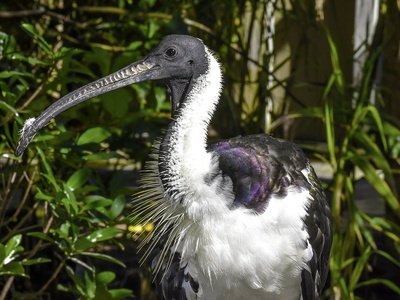
Straw-necked Ibis
Black-and-white ibis with straw-like neck plumes and bare black face; often forms large nomadic flocks. Forages in paddocks, wetlands and floodplains for insects and frogs, benefiting widely from agricultural landscapes.
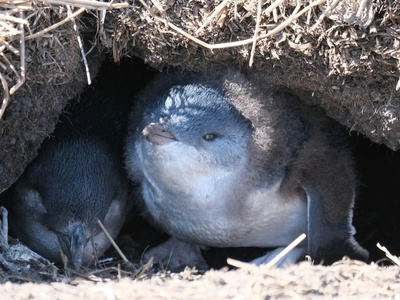
Little Penguin
Smallest penguin species, blue-grey back and white belly, nocturnal colony nester on coastal Tasmania, Victoria and southern Australia. Comes ashore at dusk; popular with wildlife tourists and vulnerable to introduced predators and habitat loss.
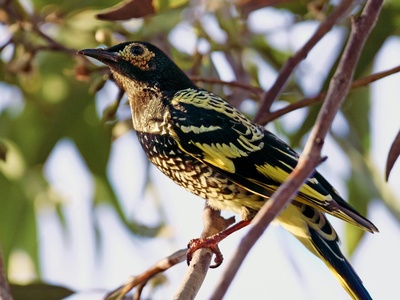
Regent Honeyeater
Striking black-and-yellow honeyeater with curved bill; mostly restricted to remnant box-ironbark woodlands in central NSW and Victoria. Very rare and declining due to habitat loss and nectar competition; focal species for restoration and captive release programs.
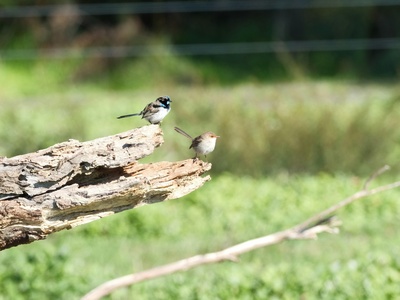
Superb Fairywren
Tiny, energetic songbird; males have electric blue breeding plumage and black face, females brown. Common in gardens, scrub and woodland across southeastern Australia and Tasmania; bold, insectivorous and forms cooperative family groups.

Willie Wagtail
Black-and-white, large-headed fantail with long fanned tail, often flicking tail while hunting insects. Very territorial and common across varied habitats from arid zones to urban parks; known for bold behaviour near humans.
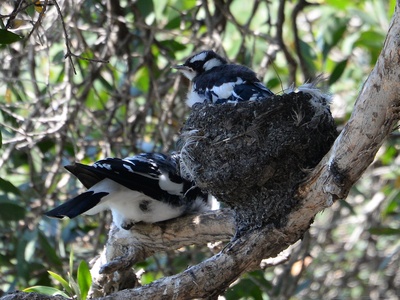
Magpie-lark
Black-and-white friendly passerine with contrasting facial pattern, often seen on lawns and near water. Builds mud nests, pairs defend territories; common across most of Australia including urban areas and farms.
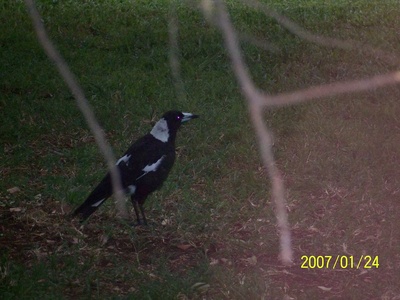
Australian Magpie
Bold black-and-white songbird with flute-like carolling, territorial and often tame in suburbs. Builds large stick nests, sometimes swoops at people during breeding season; varies regionally in calls and plumage, widely.
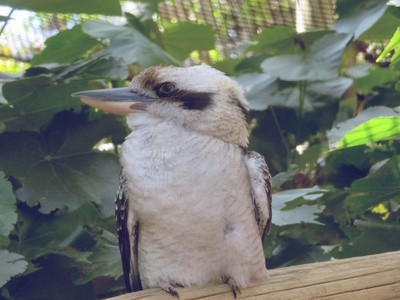
Laughing Kookaburra
Large kingfisher with loud laughing call, brown-and-white plumage and strong bill. Perches conspicuously in woodlands and urban areas, preys on reptiles, insects and small mammals; famously emblematic Australian sound.
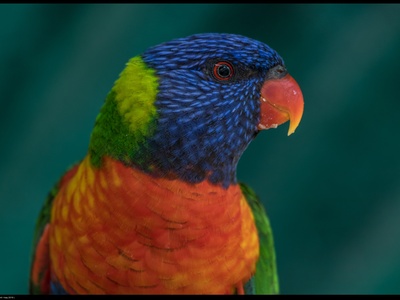
Rainbow Lorikeet
Vivid multicoloured parrot with brush-tipped tongue for nectar; noisy and common in coastal woodlands and cities of eastern Australia. Highly social, often visits gardens and flowering trees, sometimes considered a pest by fruit growers.
Sulphur-crested Cockatoo
Large white cockatoo with yellow crest and loud raucous calls, often seen in flocks in eucalypt forests, farmland and urban parks. Intelligent, long-lived, causes occasional damage to crops and structures.

Galah
Pink-and-grey cockatoo commonly seen in large noisy flocks over open country and urban parks. Ground-feeds on seeds, strong pair bonds and acrobatic flight; iconic and adaptable species across much of Australia.

Major Mitchell’s Cockatoo
Striking white cockatoo with pink face and bright crest, prefers woodlands and arid inland scrub. Shy, nomadic and less common than galah; particularly prized by birdwatchers for showy crest display.
Long-billed Corella
White cockatoo with long pale bill and rosy underwings, noisy and often forms flocks in farmland and urban edges. Excavates nests in trees and is locally abundant where populations have expanded.
Crested Pigeon
Slender grey pigeon with tall crest and black wing bars, makes distinctive whistling wing sound in flight. Common in open country, parks and gardens across most of Australia, often feeds on seeds on the ground.
Brown Honeyeater
Small, olive-brown honeyeater with slender bill that feeds on nectar and insects. Common in mangroves, forest edges and gardens across northern and eastern Australia; inconspicuous yet active and vocal bird.
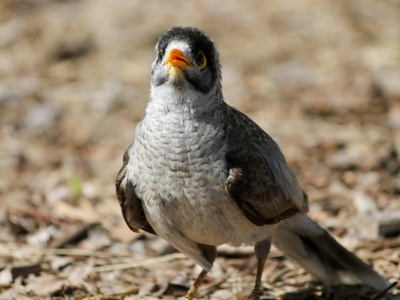
Noisy Miner
Grey, yellow-faced social honeyeater known for aggressive territorial behaviour and dominance in urban habitats. Builds communal nests, often excludes smaller birds; very common in cleared woodlands and suburban areas of eastern Australia.
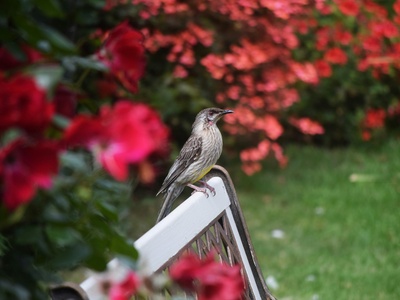
Red Wattlebird
Large honeyeater with bare red facial wattles, streaked brown plumage and loud piping calls. Common in woodlands, gardens and coastal heath; important pollinator and frequently visits flowering eucalypts and trees.
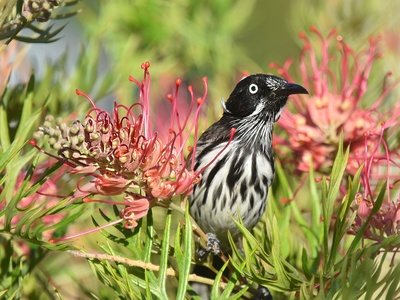
New Holland Honeyeater
Black-and-white honeyeater with white eyebrow and brush-tipped bill, energetic and noisy in heathland and coastal shrub. Common in southern and eastern Australia, important nectar feeder and territorial around flowering shrubs.
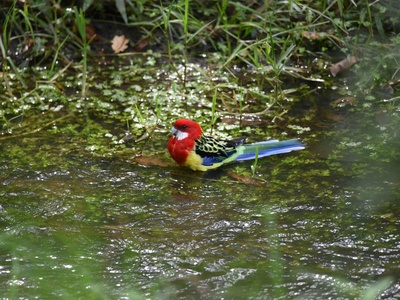
Eastern Rosella
Colourful medium parrot with red head, yellow belly and scalloped back; often seen in woodlands and gardens. Nest-cavity breeder that feeds on seeds and fruits; introduced populations exist in some urban areas.
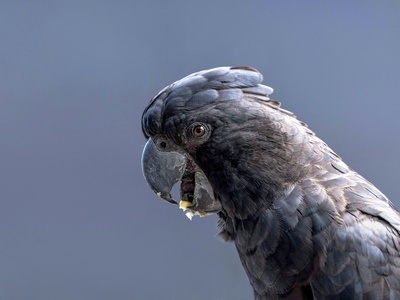
Red-tailed Black Cockatoo
Large black cockatoo with bright red tail panels (males) and strong beak for cracking seeds. Found from northern tropics to eastern woodlands, locally threatened by habitat loss and illegal trade.
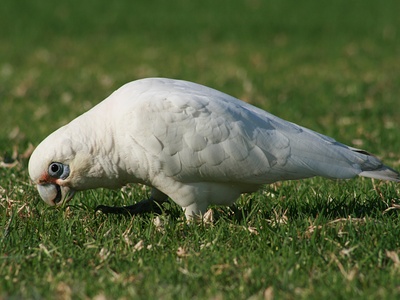
Little Corella
Small white cockatoo with pale bill and noisy communal roosts, often forms large flocks in agricultural and urban areas. Excavates nest hollows and can become locally abundant where watering points exist.
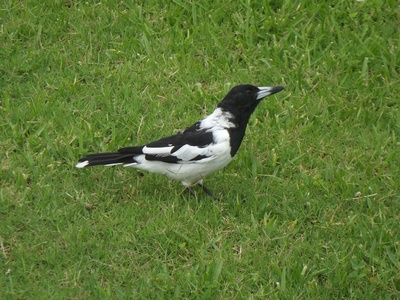
Pied Butcherbird
Black-and-white passerine with melodious, complex song and hooked bill used to impale prey. Perches conspicuously in open woodland and urban fringes; territorial and recognisable by clear, flute-like phrases often sung daily.

Black-faced Cuckooshrike
Grey songbird with black facial mask and hooked bill, feeds on insects and fruit. Often seen perched high in trees across woodlands and urban parks; migratory populations move seasonally annually.
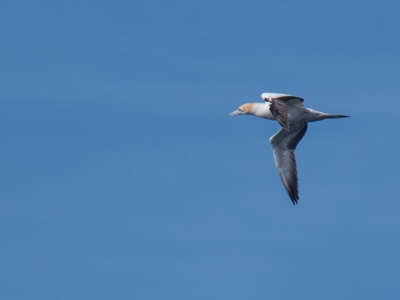
Australasian Gannet
Large white seabird with black wingtips and yellowish head, plunges from height to catch fish. Breeds in dense colonies on southern offshore islands; spectacular aerial fishing displays and long-distance migrants.
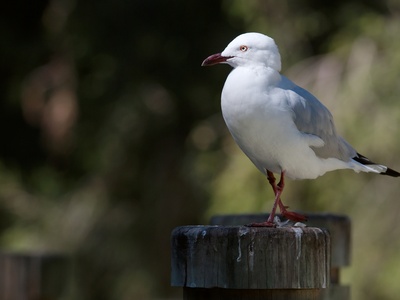
Silver Gull
Small coastal gull with white plumage, grey wings and red bill; abundant at beaches, harbours and urban areas. Scavenger that thrives on human refuse; ubiquitous and bold around people and picnic sites.
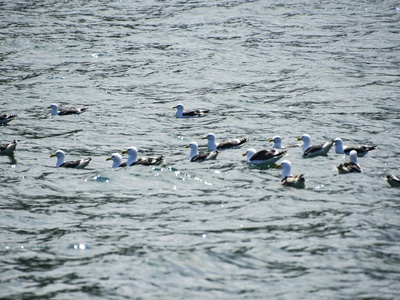
Pacific Gull
Large robust gull with heavy bill, black wingtips and white plumage; less common than silver gull and often found on exposed southern beaches and cliffs. Powerful predator and scavenger with slow wingbeats.
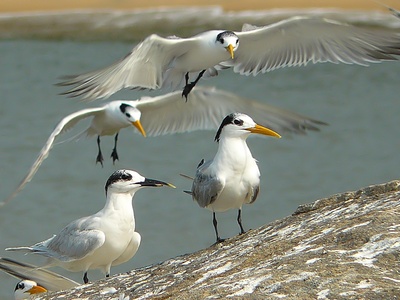
Crested Tern
Sleek seabird with black crest and slender forked tail, pale grey back and white underside. Dives for fish from hovering positions and nests in large coastal colonies on sand and rock islands.
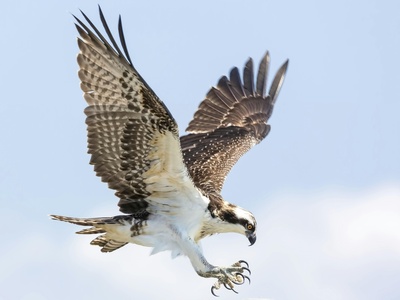
Osprey
Fish-eating raptor with dark eye-stripe, white underparts and long hooked talons; nests on poles, trees and cliffs near water. Seen along coasts and inland waterways, excellent fishermen known to plunge-dive for prey.
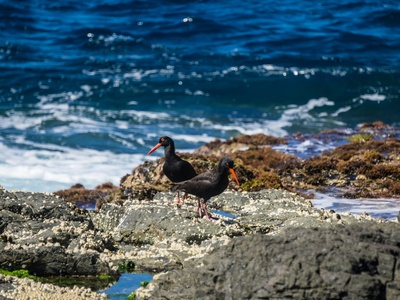
Sooty Oystercatcher
Black shorebird with red bill and eyes, often found on rocky coastlines, estuaries and islands. Feeds on shellfish and marine invertebrates by probing; striking, sedentary birds of the intertidal zone.
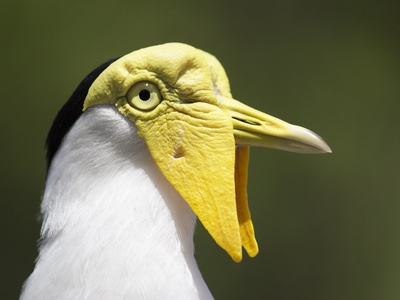
Masked Lapwing
Large plover with protective wattles and loud alarm calls, common on lawns, fields and wetlands. Bold nest-defender that will swoop during breeding season; easily recognised by chunky build and long legs.
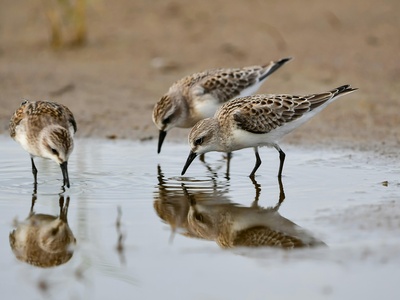
Red-necked Stint
Tiny migratory sandpiper with fine bill and streaked breeding plumage; winters in mudflats and estuaries around Australia after long flights from Arctic breeding grounds. Key species for tidal wetland conservation.
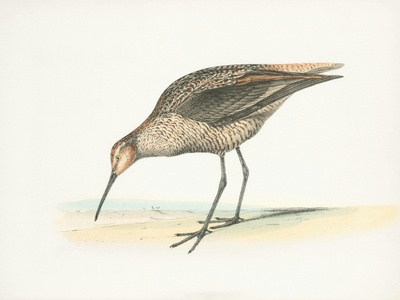
Bar-tailed Godwit
Large migratory shorebird with long slightly upturned bill and barred tail in flight; famous for epic non-stop migrations from Alaska to southern Australia. Feeds on worms and molluscs in estuaries and mudflats.
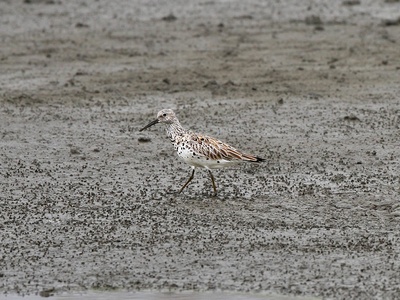
Great Knot
Plump grey-brown migratory sandpiper that visits northern and eastern Australian coasts in large flocks during non-breeding season. Critically endangered due to habitat loss on migration stopovers; feeds on benthic invertebrates.
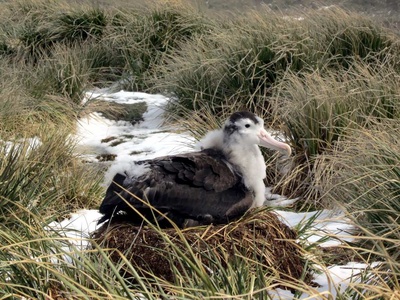
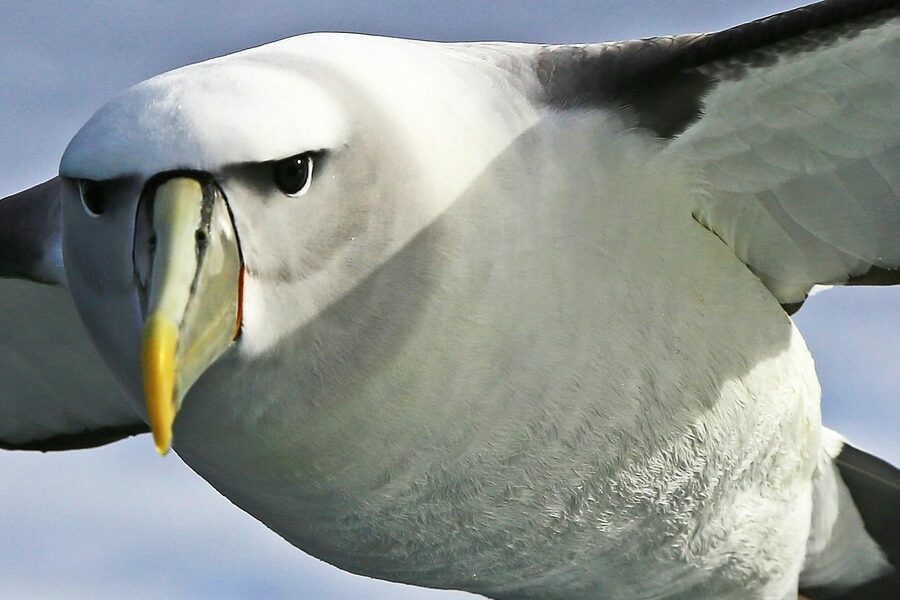
Wandering Albatross
Huge white albatross with massive wingspan and pale plumage; glides across southern oceans and is occasionally recorded near southern Australian waters and subantarctic islands. Exceptional long-distance voyager, rarely seen close to shore.