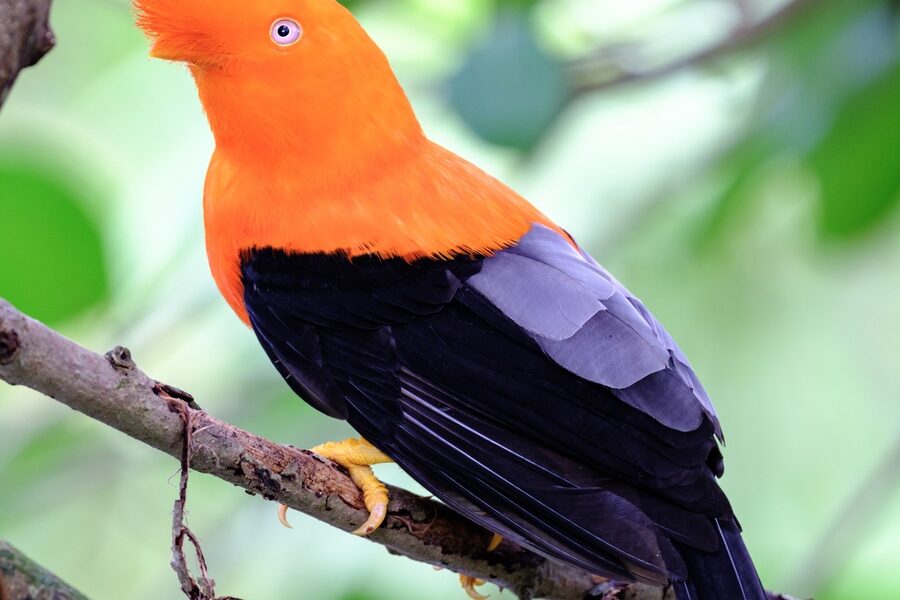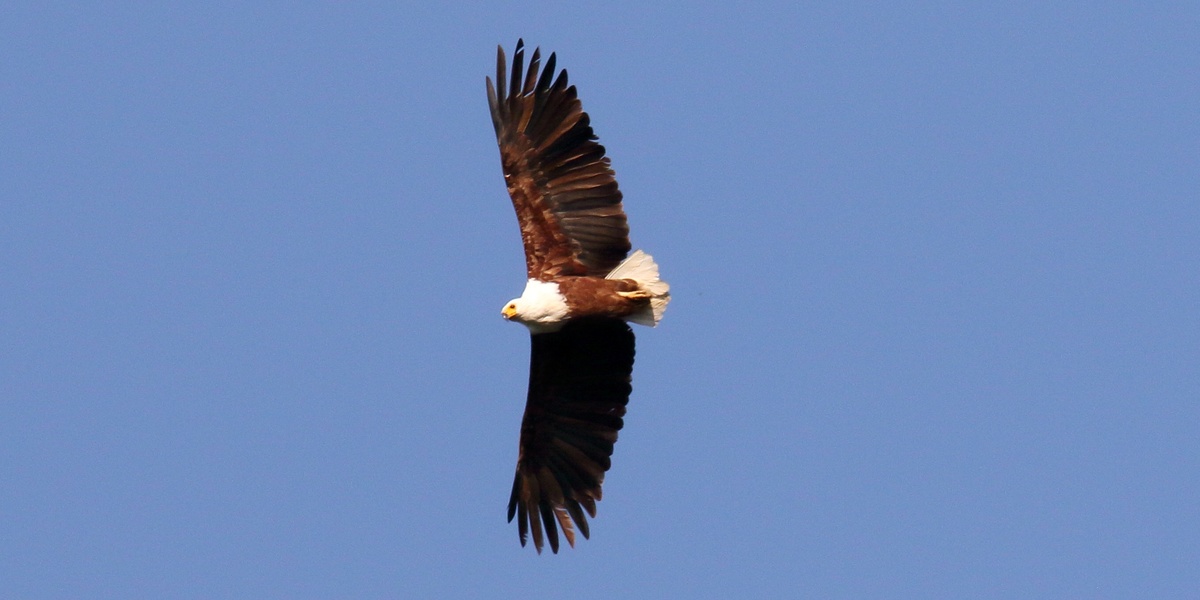
Ghana’s mix of rainforest, savanna and coastal wetlands makes it one of West Africa’s most accessible places to watch birds, whether you’re exploring Mole National Park or the mangroves near the coast. Seasonal movements and resident species mean a single day’s outing can yield very different sightings depending on habitat and time of year.
There are 60 Birds of Ghana, ranging from African Cuckoo to Zitting Cisticola. For each species, you’ll find below the columns Scientific name,Length (cm),Status & habitat so you can compare identification details, size and where each bird is typically found.
Which Ghana habitats offer the best chance to see many species in one trip?
Forest edges and marshy wetlands are top spots—forests hold specialized canopy and understorey species, while wetlands and coastal lagoons attract waterbirds and migrants; savanna and farmland are good for open-country species. Visit during the dry season (roughly November–April) when water concentrates birds and visibility is better.
How can I use the Scientific name, Length (cm), and Status & habitat columns when planning outings?
Use the Scientific name for precise ID and cross-referencing, Length (cm) to judge size in the field, and Status & habitat to target likely locations and assess how common a species is; combine those three columns to create route-specific checklists or to prioritize species you most want to find.
Birds of Ghana
| Common name | Scientific name | Length (cm) | Status & habitat |
|---|---|---|---|
| African Fish Eagle | Haliaeetus vocifer | 63 | common resident, lakes, rivers, coastal estuaries |
| Palm-nut Vulture | Gypohierax angolensis | 60 | resident, oil-palm and mangrove wetlands |
| Hooded Vulture | Necrosyrtes monachus | 55 | scarce resident, savanna towns and open country |
| White-backed Vulture | Gyps africanus | 85 | uncommon resident, savanna and woodland |
| Yellow-billed Kite | Milvus aegyptius | 55 | common resident and migrant, towns and waterways |
| Shikra | Accipiter badius | 30 | common resident, woodland and gardens |
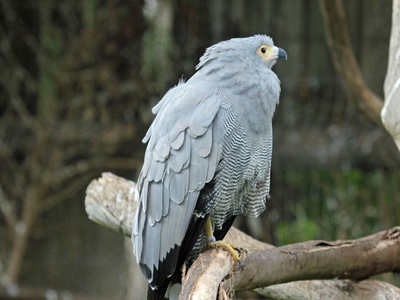
| African Harrier-Hawk | Polyboroides typus | 52 | resident, forests and agricultural edges |
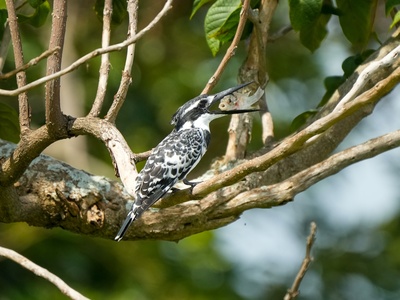
| Pied Kingfisher | Ceryle rudis | 25 | common resident, rivers, lagoons and coasts |
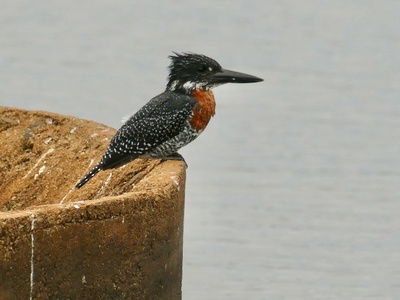
| Giant Kingfisher | Megaceryle maxima | 42 | uncommon resident, large rivers and lakes |
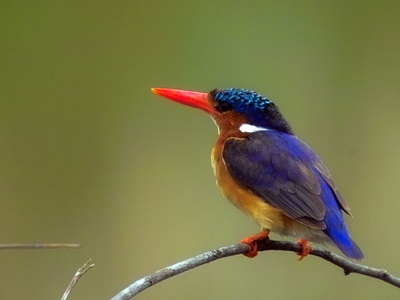
| Malachite Kingfisher | Corythornis cristatus | 13 | common resident, reedbeds and small streams |
| African Pygmy Kingfisher | Ispidina picta | 11 | scarce resident, forest streams and shaded pools |
| Woodland Kingfisher | Halcyon senegalensis | 22 | common resident and migrant, woodland and savanna |
| Great Blue Turaco | Corythaeola cristata | 70 | resident, primary and secondary forest canopy |
| Guinea Turaco | Tauraco persa | 45 | resident, forest and gallery woodland |
| African Grey Parrot | Psittacus erithacus | 33 | uncommon resident, lowland rainforest |
| Senegal Parrot | Poicephalus senegalus | 23 | common resident, savanna and woodlands |
| Common Bulbul | Pycnonotus barbatus | 20 | very common resident, gardens and scrub |
| African Thrush | Turdus pelios | 24 | common resident, woodland and gardens |
| Blue-bellied Roller | Coracias cyanogaster | 30 | common resident, woodland edge and savanna |
| Little Bee-eater | Merops pusillus | 15 | common resident, savanna and forest clearings |
| White-throated Bee-eater | Merops albicollis | 23 | summer visitor and migrant, riverbanks and sandbanks |
| African Pied Wagtail | Motacilla aguimp | 20 | common resident, rivers, towns and shorelines |
| Barn Swallow | Hirundo rustica | 17 | common migrant, farmlands and towns |
| Wire-tailed Swallow | Hirundo smithii | 17 | common resident, riverbanks and lakeshores |
| Village Weaver | Ploceus cucullatus | 14 | very common resident, wetlands and farmland |
| Northern Red Bishop | Euplectes franciscanus | 11 | common resident, grasslands and marsh edges |
| Red-billed Firefinch | Lagonosticta senegala | 11 | common resident, gardens and scrub |
| Bronze Mannikin | Spermestes cucullata | 9 | common resident, savanna, gardens and cultivation |
| Pied Crow | Corvus albus | 46 | very common resident, towns, coast and farmland |
| Piapiac | Ptilostomus afer | 28 | common resident, savanna and farmland |
| Helmeted Guineafowl | Numida meleagris | 53 | common resident, savanna and farmland |
| African Jacana | Actophilornis africanus | 25 | common resident, freshwater marshes and ponds |
| Spur-winged Lapwing | Vanellus spinosus | 31 | common resident, wetlands and shorelines |
| Laughing Dove | Spilopelia senegalensis | 25 | common resident, towns and dry scrub |
| African Green Pigeon | Treron calvus | 22 | common resident, woodlands and forest edges |
| Great Egret | Ardea alba | 95 | common migrant/resident, wetlands and coasts |
| Little Egret | Egretta garzetta | 65 | common resident, wetlands and coasts |
| Grey Heron | Ardea cinerea | 84 | common resident, rivers, lakes and coasts |
| Goliath Heron | Ardea goliath | 120 | rare resident, large rivers and lakes |
| Hamerkop | Scopus umbretta | 56 | common resident, marshes, rivers and lakeshores |
| African Spoonbill | Platalea alba | 80 | uncommon visitor, shallow wetlands and marshes |
| African Openbill | Anastomus lamelligerus | 80 | resident, wetlands and flooded fields |
| Yellow-billed Stork | Mycteria ibis | 95 | uncommon resident, wetlands and floodplains |
| Marabou Stork | Leptoptilos crumenifer | 120 | uncommon resident, wetlands and rubbish dumps |
| Black-winged Stilt | Himantopus himantopus | 38 | common migrant/resident, shallow lagoons and mudflats |
| Common Sandpiper | Actitis hypoleucos | 22 | common migrant, riverbanks and shores |
| Wood Sandpiper | Tringa glareola | 25 | common migrant, marshes and shallow wetlands |
| Whimbrel | Numenius phaeopus | 45 | common migrant, sandy shores and estuaries |
| African Skimmer | Rynchops flavirostris | 38 | local resident, river sandbanks and estuaries |
| Klaas’s Cuckoo | Chrysococcyx klaas | 16 | common resident, forest edges and woodlands |
| African Emerald Cuckoo | Chrysococcyx cupreus | 20 | local resident, moist forest and gallery woodland |
| Yellow-billed Barbet | Trachyphonus purpuratus | 20 | resident, forest and wooded savanna |
| African Golden Oriole | Oriolus auratus | 25 | migrant/resident, forest edge and woodlands |
| Black-necked Weaver | Ploceus nigricollis | 18 | resident, forest edges and mangroves |
| Zitting Cisticola | Cisticola juncidis | 11 | common resident and migrant, grassland and fields |
| Violet-backed Starling | Cinnyricinclus leucogaster | 16 | common resident, woodland and forest edges |
| Greater Blue-eared Starling | Lamprotornis chalybaeus | 21 | common resident, savanna and towns |
| Northern Fiscal | Lanius humeralis | 21 | common resident, open country and farmland |
| African Cuckoo | Cuculus gularis | 30 | migrant/resident, woodland and forest edges |
| Diederik Cuckoo | Chrysococcyx caprius | 16 | common migrant, savanna and woodland edge |
Images and Descriptions
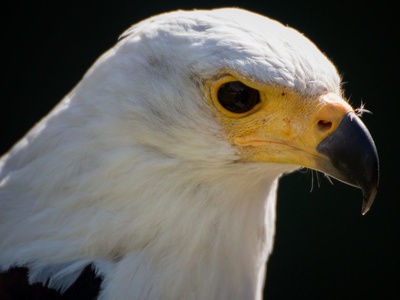
African Fish Eagle
A large, unmistakable raptor with a white head and chest contrasting dark body and strong hooked bill. Frequent on Volta Lake and coastal rivers; famous cry and skillful fish-catching make it a must-see for Ghana birders.
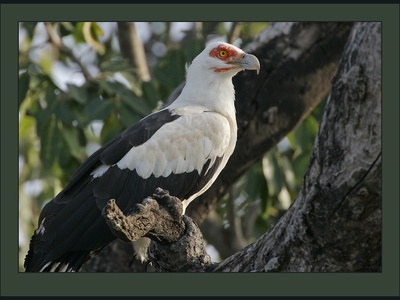
Palm-nut Vulture
Striking specialist that feeds on palm fruit and crabs more than fish. Bold white and brown plumage and a pale face; easy to find near coastal palm groves and plantations, especially around estuaries and swampy forest edges.
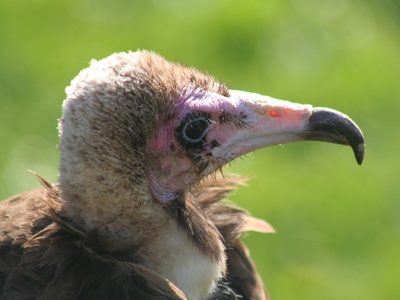
Hooded Vulture
Small, slender vulture with a hooded, bare brown head and pale bill. Often seen scavenging around villages and markets; populations have declined, so sightings in Ghana are now notable and concerning for conservation.
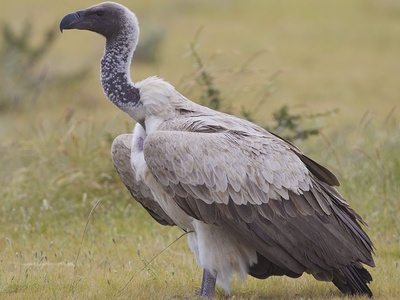
White-backed Vulture
Large, pale-backed vulture that soars in thermal columns over savanna. Shows broad wings and white lower back when perched. Declining across West Africa; seeing one in Ghana is a key sighting for raptor enthusiasts.
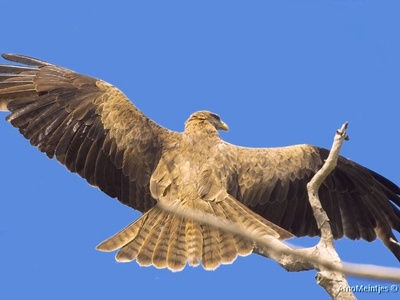
Yellow-billed Kite
A familiar raptor with a yellow bill and forked tail that scavenges and hawks insects. Ubiquitous around towns, shorelines and farmland; often mobbing other birds and easy to recognize in flight.
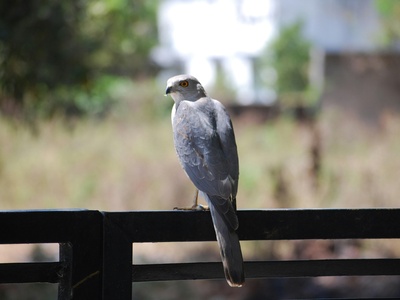
Shikra
Compact accipiter with fine, barred underparts and sharp hooked bill. Hunts small birds and lizards from woodland edges and urban gardens; watch for its short, rapid wingbeats and inquisitive behaviour near towns.
African Harrier-Hawk
Unique long-legged raptor with pale underparts and double-jointed legs used to probe nests. Often seen near farms and forest edges; clever foraging tactics and lanky silhouette make it distinctive in Ghana.
Pied Kingfisher
Black-and-white hovering kingfisher often seen above rivers and estuaries. Dives vertically for fish and is easy to spot on posts and buoys. One of Ghana’s most reliable waterbirds for visitors.
Giant Kingfisher
The largest African kingfisher, chunky with barred belly and bold crest. Prefers wide rivers and large lakes; powerful dives and a booming call make identification straightforward when present along the Volta and coastal waterways.
Malachite Kingfisher
A tiny, bright kingfisher with electric blue back and rufous underparts. Darts from low perches to catch insects and small fish in forest streams and marsh edges; a colourful forest and wetland jewel in Ghana.
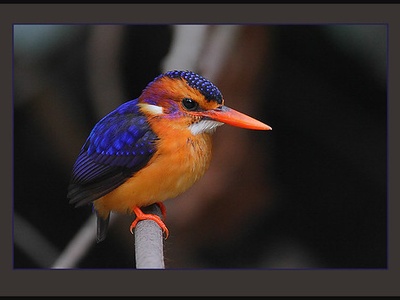
African Pygmy Kingfisher
Tiny, compact kingfisher with vivid blue and orange plumage. Shy and often secretive in forested streams; best sought in riverine forest where its small size and rapid habits reveal it.
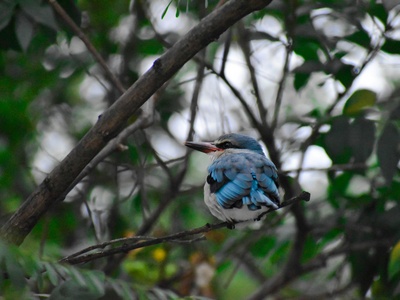
Woodland Kingfisher
Bright blue-backed kingfisher with white underparts and noisy call. Perches conspicuously in open woodland, farmland and roadside trees; common and easily spotted across Ghana’s drier zones.
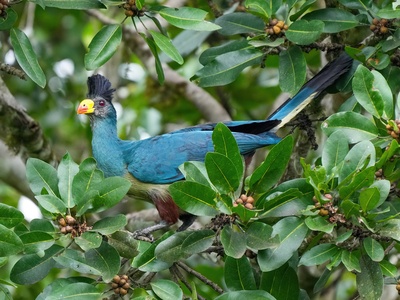
Great Blue Turaco
Spectacular large turaco with vivid blue-green plumage and bold crest. Makes loud raucous calls and moves in canopy flocks; a highlight of Ghana’s larger forest reserves like Kakum and Atewa.
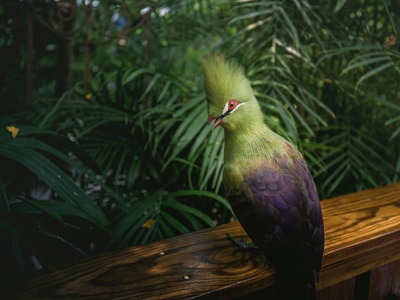
Guinea Turaco
Green-bodied turaco with red wing patches and crest; agile in canopy and noisy in flocks. Common across Ghanaian forests and forest edges, often seen feeding on fruiting trees and banana plants.
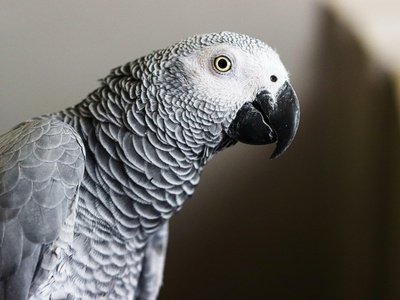
African Grey Parrot
Famed for intelligence and vocal mimicry; grey body with red tail. Historically common in Ghana’s forests but heavily trapped; finding one in protected forest is remarkable and conservation-sensitive.
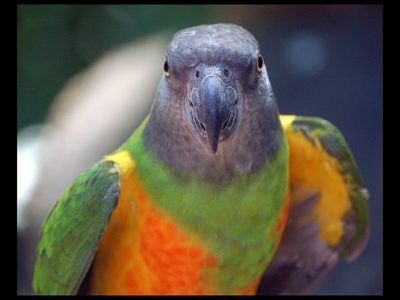
Senegal Parrot
Stocky parrot with green body and yellow breast band. Tolerant of human-altered landscapes and often seen in small noisy flocks near villages and farmland throughout Ghana.
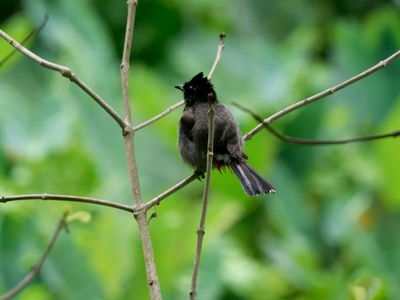
Common Bulbul
Plain olive-brown songbird with a distinctive melodious song and active behaviour. Ubiquitous in gardens, farms and secondary growth; often the most heard bird in urban and rural Ghana.
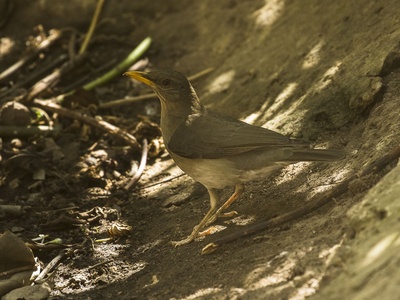
African Thrush
Plain brown thrush with spotted breast and melodic song. Feeds on fruit and insects; common in gardens and forest edges, often heard at dawn and dusk around towns.
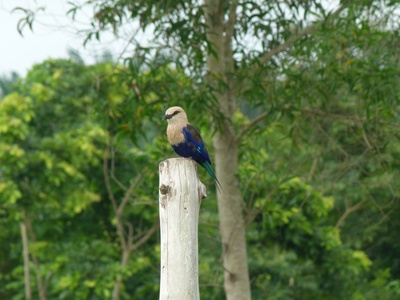
Blue-bellied Roller
Bold turquoise-and-chestnut roller that perches conspicuously on wires and treetops before spectacular aerial sallies. A colorful savanna specialist and an easy-to-find roller in Ghana’s open country.
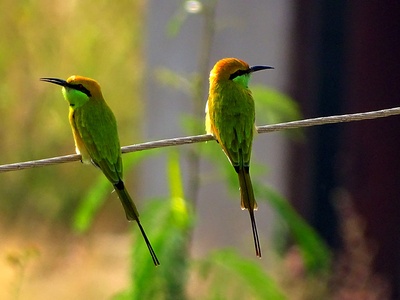
Little Bee-eater
Tiny, agile bee-eater with green and yellow plumage and rapid aerial sallies for insects. Often in pairs or small groups perched low; common in open woodland and riverine habitats.
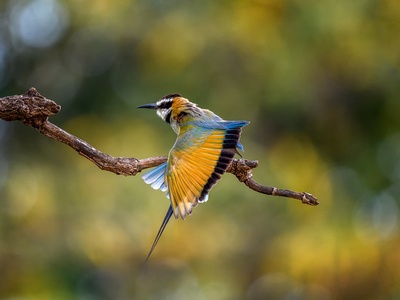
White-throated Bee-eater
Striking multicoloured bee-eater with white throat and strong forked tail. Breeds in colonies on river sandbanks during the dry season; a spectacular migrant that draws birders to nesting sites.
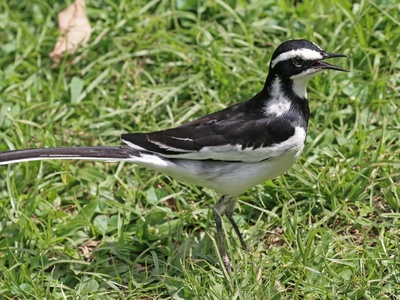
African Pied Wagtail
Black-and-white wagtail often seen bobbing on rocks and mudflats by rivers and coasts. Bold and tolerant of people; a regular sight along Ghana’s waterways and harbours.
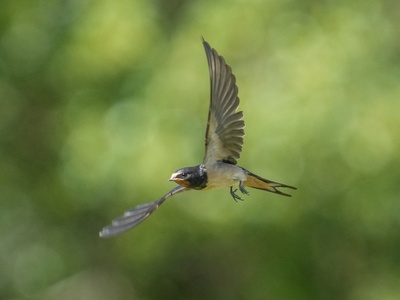
Barn Swallow
Familiar long-distance migrant with forked tail and glossy blue upperparts. Arrives seasonally to breed and forage over open fields and villages; often nests on buildings in towns.
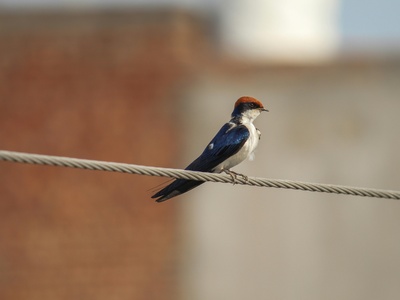
Wire-tailed Swallow
Elegant swallow with metallic blue upperparts and distinctive wire-like tail streamers. Nests under bridges and cliffs; often seen hawking insects over water and fishing pools.
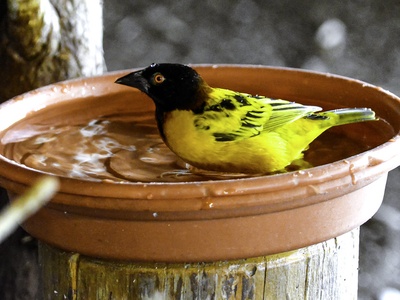
Village Weaver
Loud, sociable weaver with bright yellow breeding plumage and skillful hanging nests. Colonies are common in wetlands and farmed areas; easy to spot and integral to rural Ghanaian bird life.
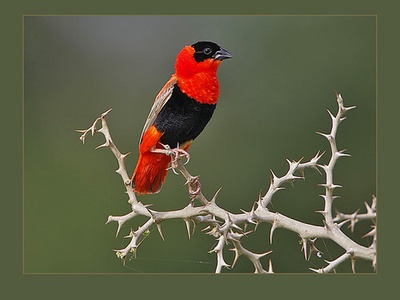
Northern Red Bishop
Male breeding birds are brilliant red-and-black balls of colour atop reeds. Found in wet grasslands and marsh margins; spectacular in the breeding season and a favourite of photographers.
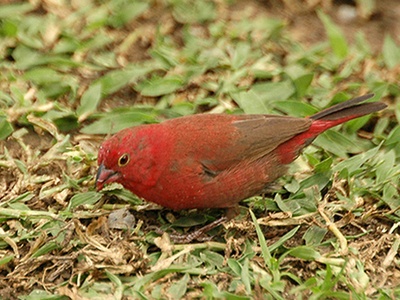
Red-billed Firefinch
Small, stocky finch with bright red bill and underparts in males. Occurs in scrub, farmland and village gardens; often seen in mixed seed-eater flocks near habitation.
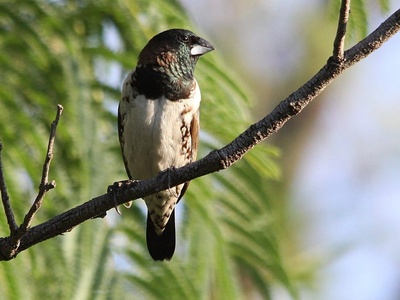
Bronze Mannikin
Tiny, social estrildid finch with glossy bronze upperparts and white belly. Forms noisy flocks and visits gardens and roadside scrub; often seen feeding on seeds at ground level.
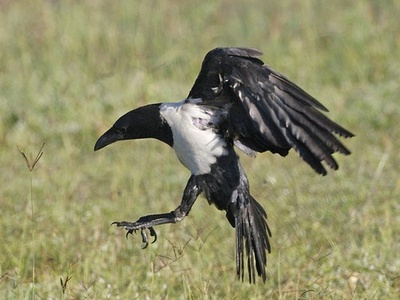
Pied Crow
Large black-and-white crow common in urban areas and open country. Bold generalist scavenger, often seen perching on buildings and coastal rocks; ubiquitous across Ghana.
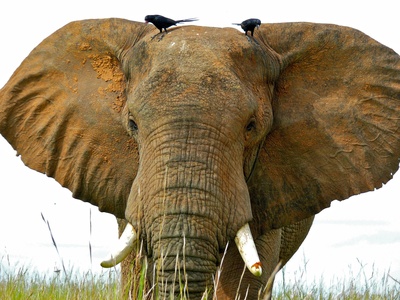
Piapiac
Glossy black corvid-like bird with long tail and inquisitive habits. Often follows livestock and hangs around villages; distinctive calls and antics make it a familiar companion to rural observers.
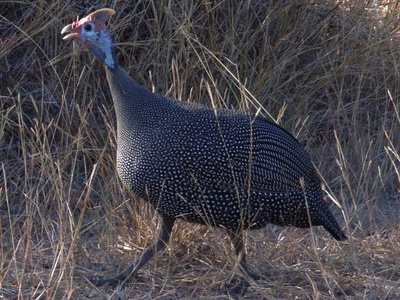
Helmeted Guineafowl
Stocky ground bird with spotted plumage and bare helmeted head. Lives in flocks across open savanna and farmland; noisy and unmistakable, often seen foraging near villages.
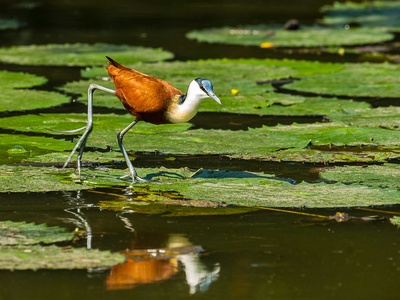
African Jacana
Long-toed wader that walks on floating vegetation; chestnut and white with long toes. Common on freshwater wetlands and rice paddies; prized for its unique stance and elegant walk.
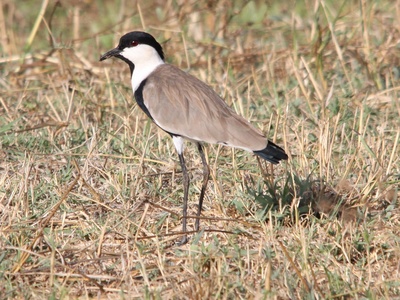
Spur-winged Lapwing
Bold plover with black-and-white face pattern and distinctive spur on wing. Found on mudflats, flooded fields and riverbanks; often noisy and territorial, easy to observe at close range.
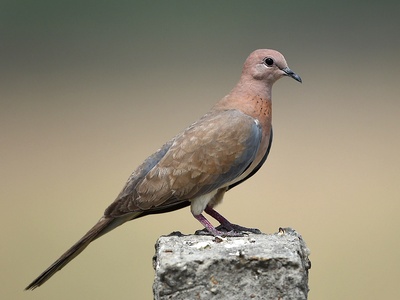
Laughing Dove
Small, gentle dove with pinkish breast and subtle spotted neck. Frequent in towns, gardens and farmland; soft cooing calls and tame behaviour make it a common urban species.
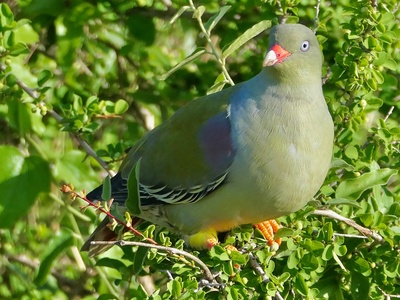
African Green Pigeon
Plump, green-fringed pigeon that feeds on figs and fruit in canopy. Often detected by their arboreal movements and quiet calls; look for them in fruiting trees across Ghana.
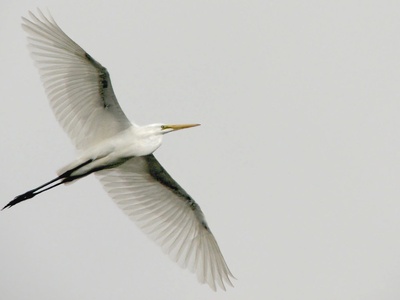
Great Egret
Tall white heron with long neck and yellow bill; elegant when hunting in shallow water. Occurs widely on marshes, lagoons and coastal mudflats; impressive when in breeding plumes.
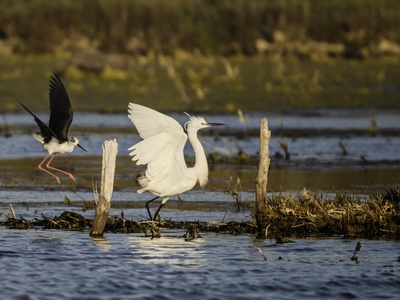
Little Egret
Slender white heron with black legs and yellow feet; active foot-stirring fisher in shallow water. Frequent on lagoons, rice fields and mangroves; a widespread wetland specialist in Ghana.
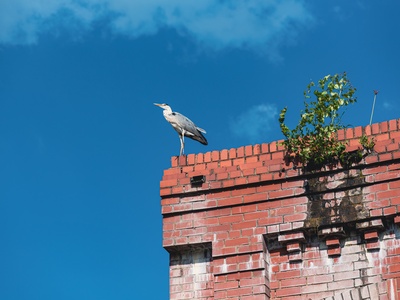
Grey Heron
Large, grey-and-white heron with long neck and slow, deliberate hunting style. Seen along rivers, lakes and coastal areas; often solitary and easy to spot on exposed banks.
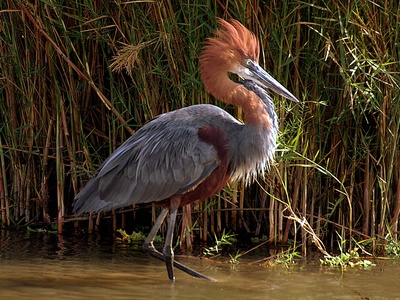
Goliath Heron
Africa’s largest heron, massive and slow-moving with a deep croak. Prefers large, undisturbed lakes and river channels; a memorable sight when present in Ghana’s larger wetlands.
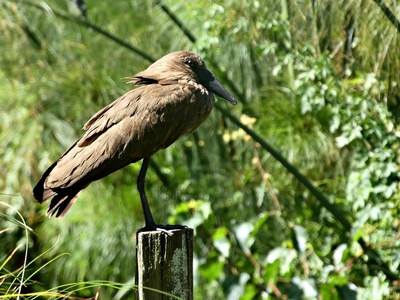
Hamerkop
Medium brown waterbird with a unique hammer-shaped head and long bill. Builds enormous nests and feeds on fish and amphibians; familiar on Ghana’s wetlands and river edges.
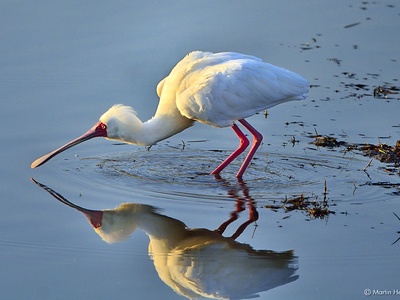
African Spoonbill
White wader with flattened spoon-shaped bill used to sweep for prey. Seen on larger shallow lakes and marshes; striking in flight and often in mixed wader flocks.
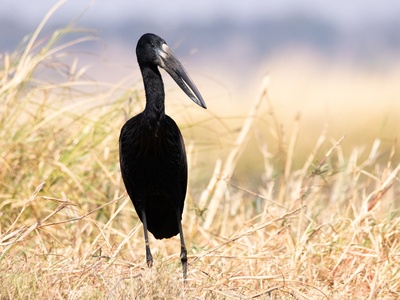
African Openbill
Distinctive stork with gap between mandibles specialized for snatching snails. Found feeding in shallow wetlands and rice paddies; an unusual-looking but locally common stork in Ghana.
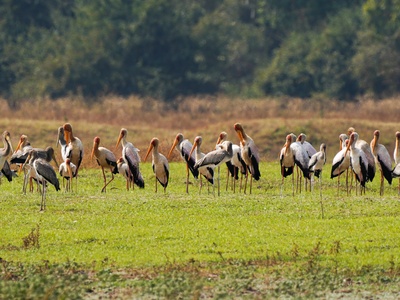
Yellow-billed Stork
Large white stork with pink legs and yellow bill; probes mud for fish and frogs. Occurs on larger floodplains and lagoons; elegant in flight and often in mixed feeding flocks.
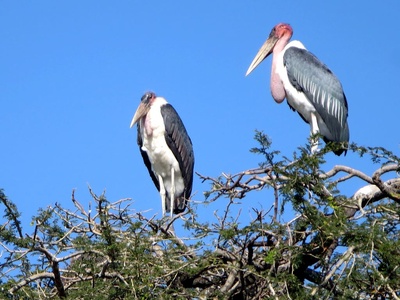
Marabou Stork
Huge, bare-headed stork with expansive wings and scavenging habits. Seen near wetlands and human refuse sites; impressive size and ungainly posture make it unmistakable.
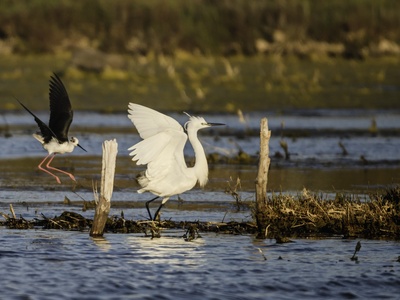
Black-winged Stilt
Slender wader with long pink legs and thin bill; wades in shallow water catching invertebrates. Frequent on coastal lagoons and inland pans, easy to spot by legs and delicate gait.
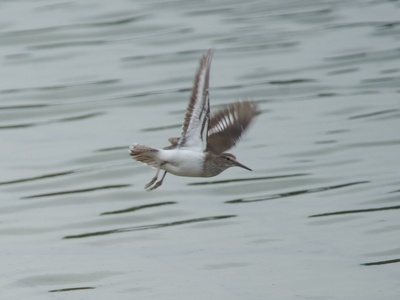
Common Sandpiper
Small, brown-backed wader with distinctive bobbing motion and white underwing stripe. Arrives seasonally and forages on rocky shores and riverbanks; familiar to shoreline watchers in Ghana.
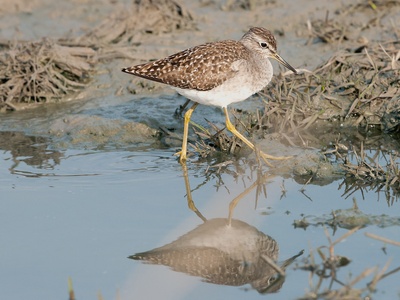
Wood Sandpiper
Small, speckled migratory wader that probes mud for insects. Shows in small flocks on flooded fields and lagoons; regular passage migrant through Ghana’s wetlands.
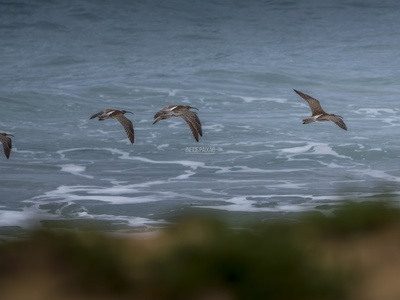
Whimbrel
Large curlew with long downcurved bill and streaked head. Moves along sandy beaches and estuaries on migration, probing for crustaceans; a dramatic curved bill sets it apart.
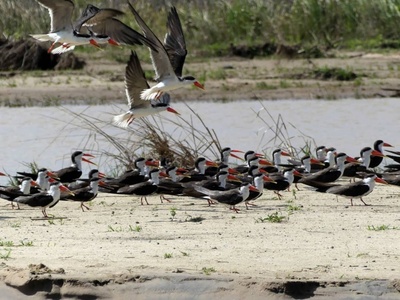
African Skimmer
Unusual tern-like bird that flies low with lower mandible skimming water to catch fish. Best seen on wide rivers and coastal estuaries; highly distinctive behaviour and striking black-and-white plumage.
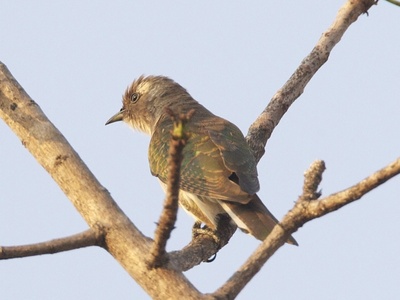
Klaas’s Cuckoo
Tiny metallic-green cuckoo with a sharp call; brood parasite of small passerines. Skulks in forest edges and secondary growth; its bright sheen flashes in dappled forest light.
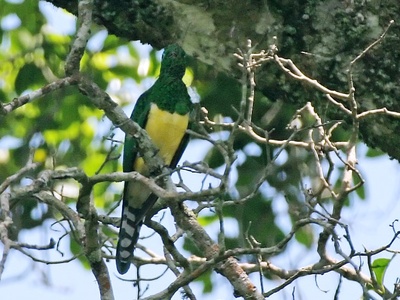
African Emerald Cuckoo
Vivid green and rufous cuckoo with a musical puk-puk call. Secretive in canopy but noticeable by song during breeding; a prized sighting in Ghana’s rainforest reserves.
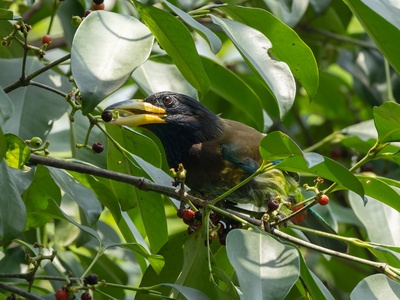
Yellow-billed Barbet
Chunky barbet with heavy bill and spotted underparts. Favors forest edges and tall trees; drums and calls are first clues before this distinctive bird appears in fruiting trees.
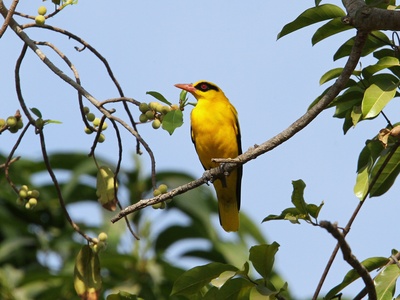
African Golden Oriole
Glossy yellow and black oriole with flute-like song. Often heard before seen, it inhabits forest edges and cultivated areas; a sleek, melodious presence in Ghanaian woodlands.
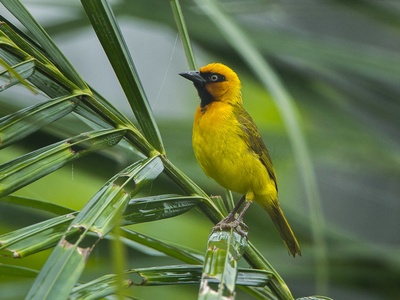
Black-necked Weaver
Forest-dwelling weaver with black face and strong nest-building habits. Found in gallery forest and mangrove edges; colonial nesters that add movement and colour to wooded riversides.
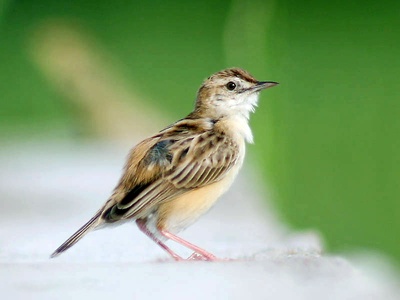
Zitting Cisticola
Tiny, plain brown warbler with a repetitive “zitting” song flight. Occupies grasslands, rice fields and roadside verges; small size and song are key to detection across open habitats.
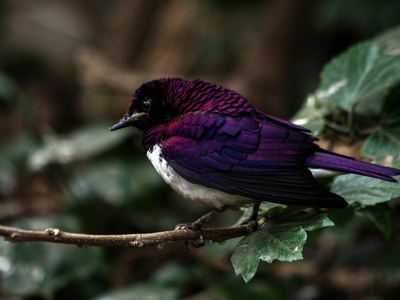
Violet-backed Starling
Striking sexually dimorphic starling: male brilliant violet back, female streaked brown. Feeds on fruit and insects in canopy; noticeable at fruiting trees and clearings.
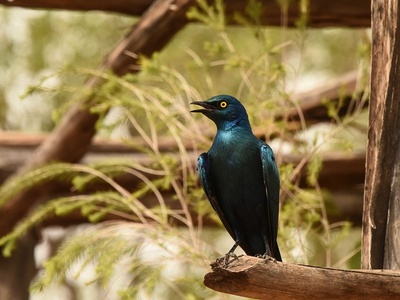
Greater Blue-eared Starling
Iridescent blue-green starling with bright eye and gregarious habits. Forms large flocks in savanna and urban parks; noisy and conspicuous, often seen near livestock and settlements.
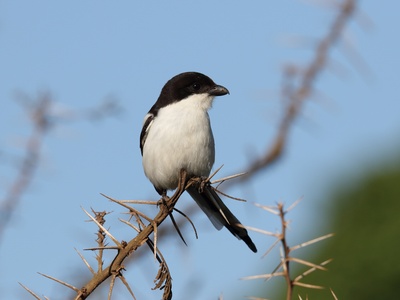
Northern Fiscal
Shrike with grey back, white underparts and black mask perched conspicuously on wires. Hunts insects and small vertebrates; a familiar roadside predator in Ghana’s open landscapes.
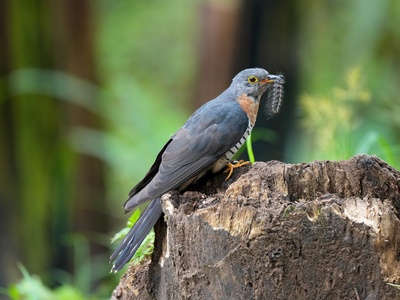
African Cuckoo
Medium cuckoo with barred underparts and distinctive descending call. Brood parasite of smaller passerines; arrives in breeding season and is more often heard than seen in wooded areas.
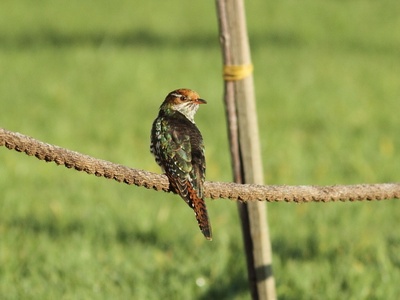
Diederik Cuckoo
Small glossy cuckoo with rapid, repetitive call. Often heard in farmland and open woodland; a common brood parasite with flash of metallic green when it moves through foliage.