Honduras sits at the crossroads of North and South America, with mountains, lowland rainforests, mangroves and Caribbean islands that support a rich mix of resident and migrant birds. Whether you’re scanning the canopy of a cloud forest or watching shorebirds along the coast, the country’s habitats offer distinct species assemblages and seasonal visitors.
There are 50 Birds of Honduras, ranging from American Kestrel to Yellow‑naped Amazon. For each species the entries are organized with the exact fields Scientific name,Occurrence & status,Main locations & habitat — you’ll find these details below.
How current and reliable is this list?
This list is based on recent regional checklists and commonly used field databases; expect most residents and regular migrants to be included, while rare vagrants or newly recorded species may appear as updates. For the most current status check local birding groups, national checklists, or community databases like eBird.
Where should I go in Honduras to see the most species?
Aim for habitat variety: visit cloud forests and montane reserves for highland endemics, lowland rainforests for many resident species, and coastal wetlands, mangroves or islands for shorebirds and parrots; mornings, the breeding season, and guided local tours will improve your chances.
Birds of Honduras
| Common name | Scientific name | Occurrence & status | Main locations & habitat |
|---|---|---|---|
| Honduran Emerald | Amazilia luciae | Resident — Endangered | Northeast dry scrub, savannas (La Mosquitia) |
| Resplendent Quetzal | Pharomachrus mocinno | Resident/elevational migrant — Near Threatened | Cloud forests of western highlands (Sierra de Omoa) |
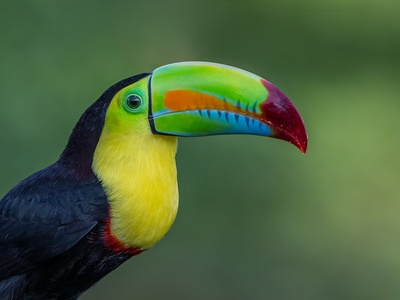
| Keel-billed Toucan | Ramphastos sulfuratus | Resident — Least Concern | Lowland rainforests, Caribbean slope, forest edges |
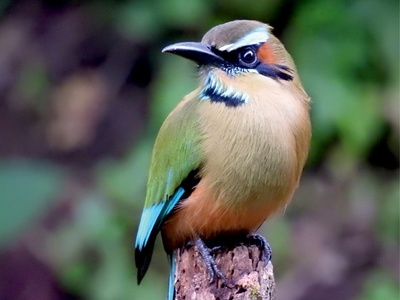
| Turquoise-browed Motmot | Eumomota superciliosa | Resident — Least Concern | Pacific lowlands, dry forest, gardens |
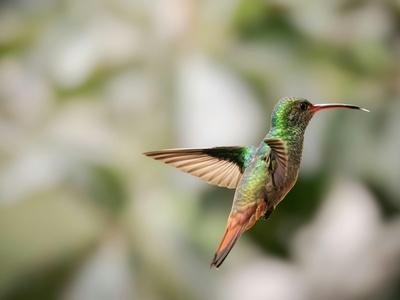
| Rufous-tailed Hummingbird | Amazilia tzacatl | Resident — Least Concern | Forest edges, gardens across lowlands |
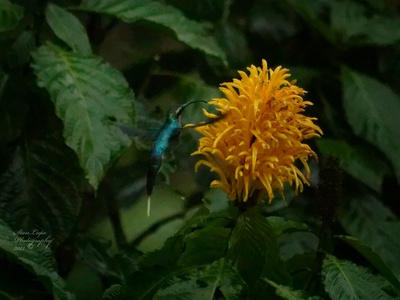
| Long-billed Hermit | Phaethornis longirostris | Resident — Least Concern | Lowland forest understory, edges, understory streams |
| Ruby-throated Hummingbird | Archilochus colubris | Migratory — Least Concern | Passes in spring/fall, gardens and forest edges |
| Scarlet Macaw | Ara macao | Resident — Least Concern | Caribbean lowlands, large remnant forest patches |
| Great Green Macaw | Ara ambiguus | Resident — Endangered | Caribbean lowlands, large primary forest fragments |
| Yellow‑naped Amazon | Amazona auropalliata | Resident — Endangered | Pacific lowlands, fragmented dry forests |
| Magnificent Frigatebird | Fregata magnificens | Resident — Least Concern | Coastal bays, Gulf of Fonseca, offshore cays |
| Brown Pelican | Pelecanus occidentalis | Resident — Least Concern | Coasts, estuaries, rocky shores |
| Neotropic Cormorant | Nannopterum brasilianum | Resident — Least Concern | Lagoons, estuaries, rivers and coastal wetlands |
| Anhinga | Anhinga anhinga | Resident — Least Concern | Freshwater wetlands, mangroves, lakes and ponds |
| Snowy Egret | Egretta thula | Resident/migrant — Least Concern | Mangroves, coastal flats, lagoons |
| Roseate Spoonbill | Platalea ajaja | Seasonal visitor — Least Concern | Coastal lagoons, mangroves, shallow estuaries |
| Wood Stork | Mycteria americana | Seasonal/resident — Near Threatened | Wetlands, seasonally flooded savannas and lagoons |
| Turkey Vulture | Cathartes aura | Resident — Least Concern | Open areas, roadsides, widespread across Honduras |
| Black Vulture | Coragyps atratus | Resident — Least Concern | Human areas, coasts, open lowlands |
| Osprey | Pandion haliaetus | Migratory/Resident — Least Concern | Coastal waters, estuaries, rivers and lakes |
| Swallow‑tailed Kite | Elanoides forficatus | Seasonal — Least Concern | Lowland forests and mangroves during migration |
| Roadside Hawk | Rupornis magnirostris | Resident — Least Concern | Open woodland, forest edges, plantations |
| Great Black Hawk | Buteogallus urubitinga | Resident — Least Concern | Riverine forests, mangroves, lowland woodlands |
| Laughing Falcon | Herpetotheres cachinnans | Resident — Least Concern | Lowland forest edges, gallery forest, open woodland |
| Bat Falcon | Falco rufigularis | Resident — Least Concern | Forest edges, clearings, river corridors |
| American Kestrel | Falco sparverius | Resident/migrant — Least Concern | Open fields, agricultural areas, towns |
| King Vulture | Sarcoramphus papa | Resident — Near Threatened | Large tracts of lowland forest and protected areas |
| Lineated Woodpecker | Dryocopus lineatus | Resident — Least Concern | Lowland and foothill forests, large trees |
| Pale‑billed Woodpecker | Campephilus guatemalensis | Resident — Near Threatened | Primary lowland forest, large trees and mature stands |
| Collared Aracari | Pteroglossus torquatus | Resident — Least Concern | Lowland humid forest, foothills and forest edge |
| Montezuma Oropendola | Psarocolius montezuma | Resident — Least Concern | Lowland forest edges, clearings and cacao plantations |
| Great‑tailed Grackle | Quiscalus mexicanus | Resident — Least Concern | Urban areas, wetlands, agricultural lowlands |
| Yellow‑headed Caracara | Milvago chimachima | Resident — Least Concern | Open lowlands, pastures, ranchlands and edges |
| Green Jay | Cyanocorax yncas | Resident — Least Concern | Lowland deciduous forest, second growth and edges |
| Clay‑colored Thrush | Turdus grayi | Resident — Least Concern | Forests, gardens and parks; widespread low to mid elevations |
| Black‑and‑white Warbler | Mniotilta varia | Winter visitor — Least Concern | Forests and mangroves during wintering season |
| Yellow Warbler | Setophaga petechia | Resident/migrant — Least Concern | Shrubs, mangroves, forest edges and riparian areas |
| Palm Tanager | Thraupis palmarum | Resident — Least Concern | Open woodland, plantations, gardens and mangroves |
| Blue‑gray Tanager | Thraupis episcopus | Resident — Least Concern | Forest edges, gardens and secondary forest canopy |
| Crimson‑collared Tanager | Ramphocelus sanguinolentus | Resident — Least Concern | Lowland forest edge, second growth, Pacific slope |
| Bay‑headed Tanager | Tangara gyrola | Resident — Least Concern | Humid forest canopy, foothills and edges |
| Spotted Sandpiper | Actitis macularius | Migratory/winter — Least Concern | Rivers, lake shores, mangrove edges and coasts |
| Sanderling | Calidris alba | Winter visitor — Least Concern | Sandy beaches and exposed shorelines along both coasts |
| Ruddy Turnstone | Arenaria interpres | Seasonal migrant — Least Concern | Rocky shores, beaches and coastal flats |
| American Oystercatcher | Haematopus palliatus | Resident — Near Threatened | Coastal sandbars, rocky shores and estuaries |
| Brown Jay | Psilorhinus morio | Resident — Least Concern | Dry forests, scrub, edges and lowland woodlands |
| Mangrove Cuckoo | Coccyzus minor | Resident — Least Concern | Coastal mangroves, shorelines and scrub |
| Groove‑billed Ani | Crotophaga sulcirostris | Resident — Least Concern | Open areas, pastures, hedgerows and scrub |
| Lesser Nighthawk | Chordeiles acutipennis | Migratory/resident — Least Concern | Open lowlands, savannas and clearings at night |
| Common Black Hawk | Buteogallus anthracinus | Resident — Least Concern | Mangroves, rivers, coastal lagoons |
Images and Descriptions
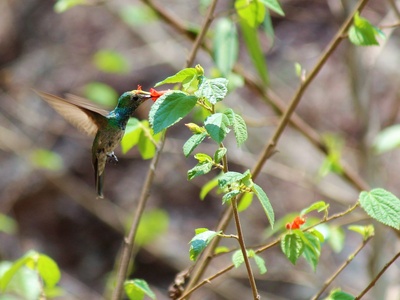
Honduran Emerald
Tiny, green hummingbird endemic to Honduras; bright gorget in males, favors flowering scrub and lowland savanna. Localized distribution makes it vulnerable; prized by birders for its restricted range and flashy flight displays.
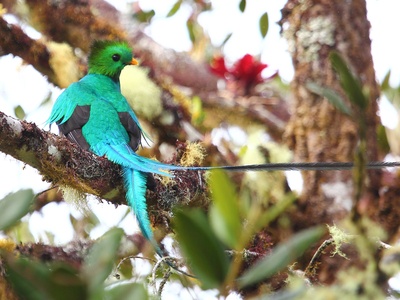
Resplendent Quetzal
A dazzling, emerald-green trogon with long tail streamers and red belly. Keeps to cool cloud forest; shy and often heard before seen. Cultural icon and sought-after species for montane birdwatching.
Keel-billed Toucan
Large, colorful-billed toucan common in forest canopy. Noisy and social, it eats fruit and nests in tree cavities. Easily spotted on lowland forest tours and coffee-farm edges.
Turquoise-browed Motmot
Striking motmot with turquoise brow and racketed tail tips. Perches openly on wires and branches, hunting insects and small vertebrates. Often found in open dry forest and village edges; a favorite among photographers.
Rufous-tailed Hummingbird
A common medium hummingbird with rufous tail and metallic green back. Bold and territorial at feeders, it inhabits gardens and forest clearings from lowlands to foothills and is frequently encountered by visitors.
Long-billed Hermit
Slender, curved-billed hermit that feeds by trap-lining flowers in shaded understory. Males sing from perches and build dangling nests. Prefers intact forest corridors and shaded riverbanks.
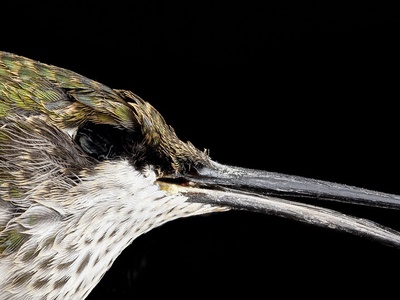
Ruby-throated Hummingbird
Tiny migratory hummingbird with iridescent male gorget; crosses Central America during migration. Seen at feeders and flower-rich edges in spring and fall; a delight for migrant-watchers.
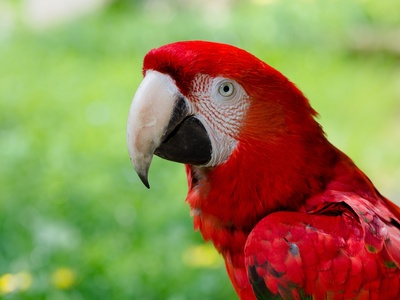
Scarlet Macaw
Large, scarlet parrot with bright blue and yellow wing feathers. Flies in noisy flocks, feeds on fruits and seeds. Populations reduced by habitat loss but still seen in protected lowland forests.
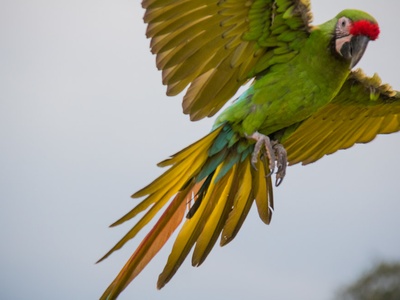
Great Green Macaw
Massive green macaw with blue flight feathers and red forehead. Depends on large trees and mature forest; rare and local. Conservation priority due to fragmentation and pet trade impacts.
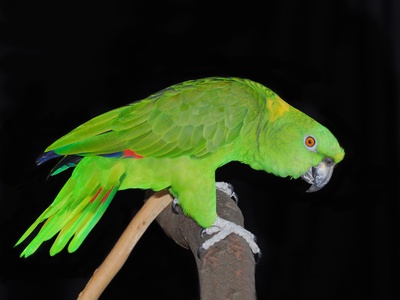
Yellow‑naped Amazon
Medium green parrot with yellow nape and loud, social calls. Favors coastal dry forest and plantations; threatened by trapping and habitat loss but still observed in remnant woodlands.
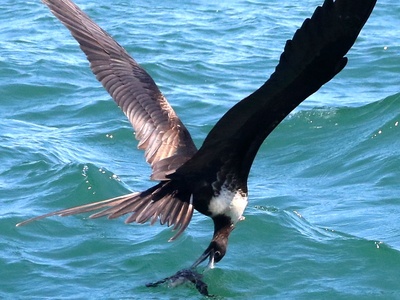
Magnificent Frigatebird
Large, aerial seabird with forked tail and males’ inflatable red gular pouch. Soars above coasts snatching food or harassing other birds; common around Honduran shores and islands.
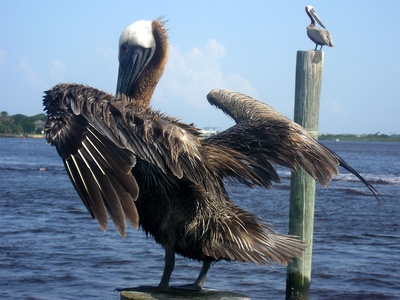
Brown Pelican
Familiar coastal bird with massive bill and throat pouch, dives or scoops fish. Often seen perched on pilings and feeding inshore; widespread along Pacific and Caribbean coasts.
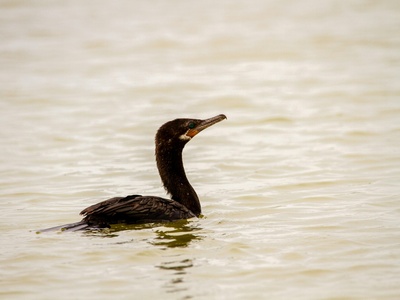
Neotropic Cormorant
Small cormorant that fishes in shallow waters, often seen drying wings on rocks or posts. Tolerant of human-modified wetlands and common on inland and coastal waterways.
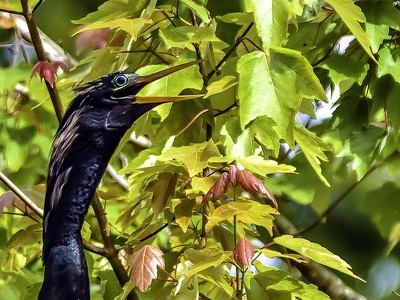
Anhinga
Slim, long-necked waterbird that swims with body low and spears fish. Dries wings on branches; silent and secretive. Common in freshwater marshes and mangrove channels across the country.
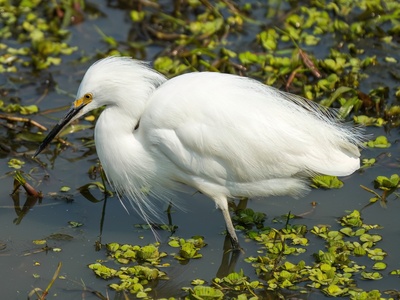
Snowy Egret
Elegant white egret with black bill and yellow feet; active feeder in shallow water. Often seen in flocks along mangroves and estuaries, probing for fish and crustaceans.
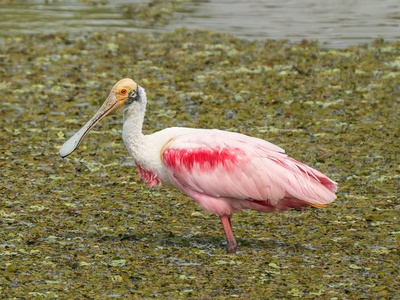
Roseate Spoonbill
Pink, spoon-billed wader that sweeps its bill side-to-side in shallow water. Occurs seasonally along coasts and is striking in flight or feeding flocks in mangrove lagoons.
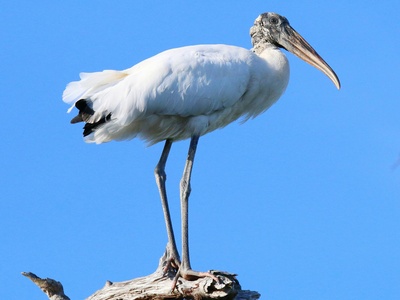
Wood Stork
Large, stately stork with bare head that feeds in shallow water. Irregular local movements tied to water levels; colonies form in mangroves and flooded forest during breeding.
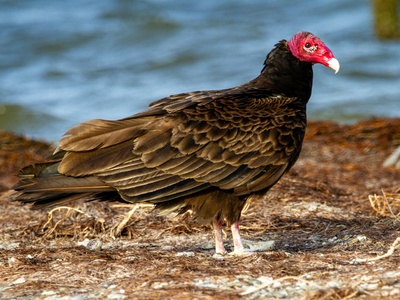
Turkey Vulture
Large scavenging bird with keen sense of smell, often seen soaring in broad wings with dihedral. Ubiquitous in all open habitats, feeding on carrion and roadkill.
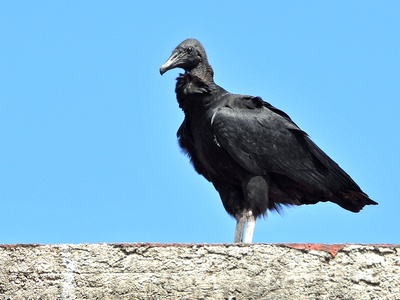
Black Vulture
Dark-bodied scavenger often in groups, bold around towns and beaches. Less reliant on smell than turkey vultures and frequently competes at feeding sites.
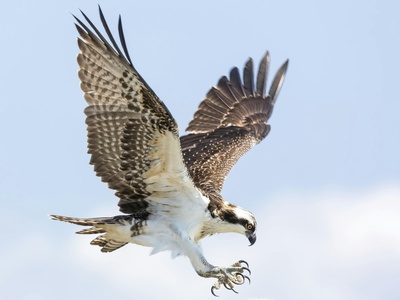
Osprey
Fish-eating raptor that nests on posts and mangrove islands. Plunges to catch fish with reversible outer toes; seen year-round in suitable waters and during migrations.
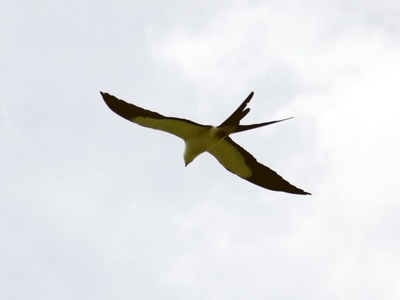
Swallow‑tailed Kite
Graceful black-and-white raptor with deeply forked tail, renowned for aerial agility. Passes through or winters in lowland forest corridors and mangrove-lined coasts.
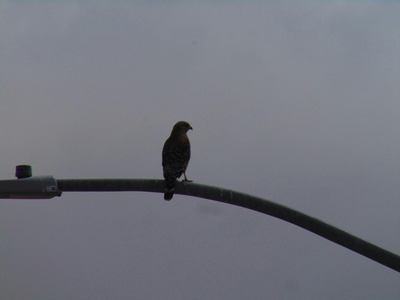
Roadside Hawk
Small, common hawk perching conspicuously along roads and clearings. Hunts small reptiles and birds; adaptable to human-altered landscapes and frequently seen by roadside.
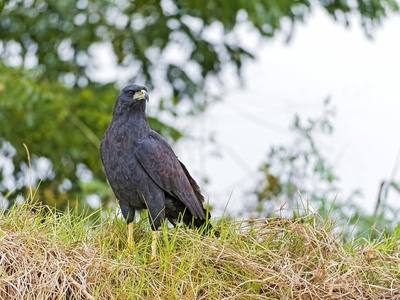
Great Black Hawk
Powerful, dark hawk of riparian habitats that hunts crabs, fish and small vertebrates. Often seen perched over mangrove channels or along riverbanks.
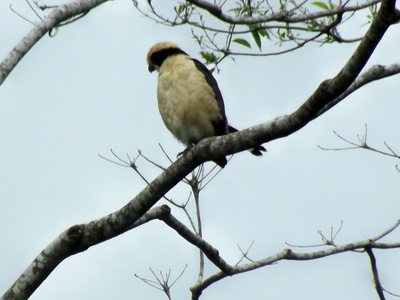
Laughing Falcon
Distinctive slender falcon-like bird whose loud, laughing call reveals its presence. Specializes on snakes and larger reptiles; perches openly to scan for prey.
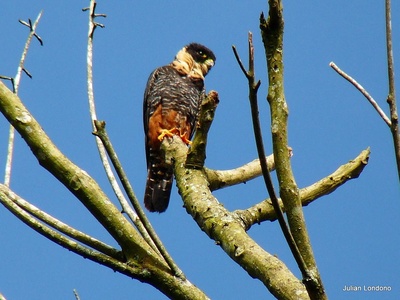
Bat Falcon
Small, swift raptor that hunts bats and insects at dusk. Fast, bold hunter that frequents forest edges and open river valleys; often seen near nesting cavities.
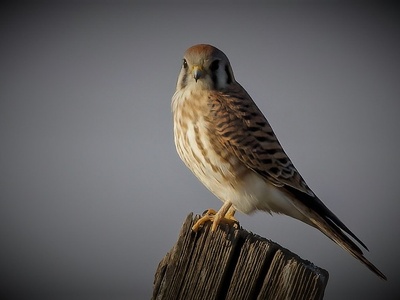
American Kestrel
Small, colorful falcon that hovers above fields hunting insects and small rodents. Widespread and adaptable, seen perched on wires and posts throughout Honduras.
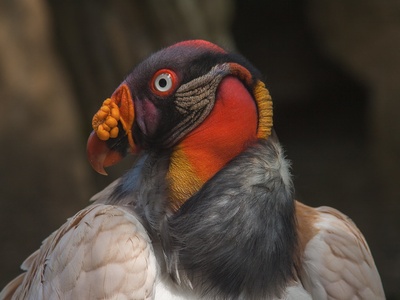
King Vulture
Striking, colorful vulture with a pale body and orange head; a forest scavenger that follows troop movements. Local and patchily distributed in intact primary forest.
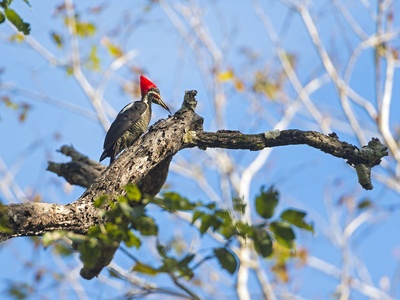
Lineated Woodpecker
Large black woodpecker with red crest and loud drumming. Excavates nest cavities in big trees and is common in mature forests and well-wooded landscapes.
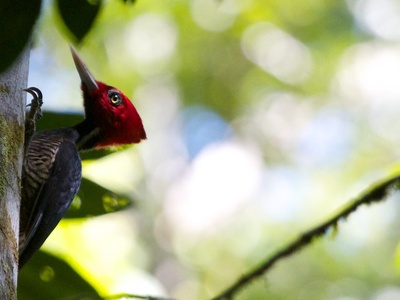
Pale‑billed Woodpecker
Impressive, large woodpecker with pale bill and crimson head. Requires big trees for nesting and foraging; declining where old-growth is lost.
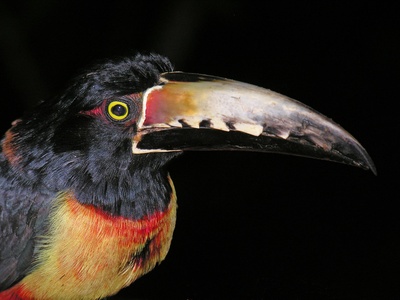
Collared Aracari
Small, colorful toucanet with a slender bill and social behavior. Forages in fruiting trees in mixed-species flocks; common in foothill and lowland forests.
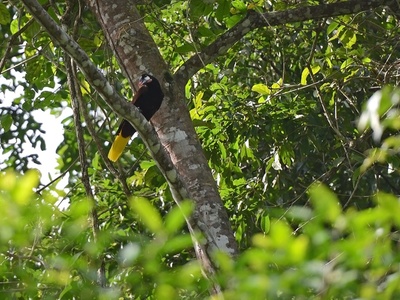
Montezuma Oropendola
Large, hanging-flocked oropendola that builds elongated woven nests. Males vocal and conspicuous; common in open forest and agricultural mosaics.
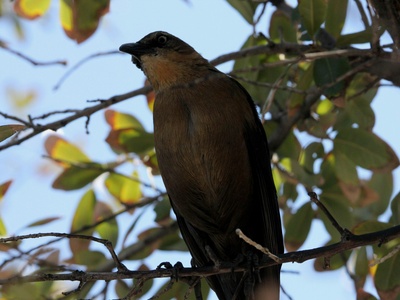
Great‑tailed Grackle
Large, glossy black passerine with long tail and loud calls. Highly adaptable, common in towns and wetlands where it forages on ground and in shallow water.
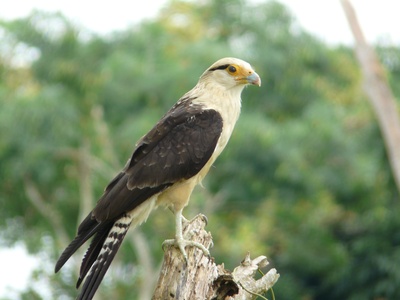
Yellow‑headed Caracara
Small, opportunistic raptor often near human activity, feeding on insects, carrion and small vertebrates. Frequently seen perched on fences or roadside posts.
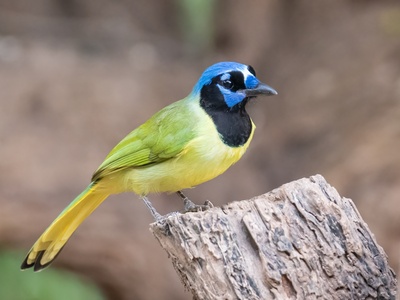
Green Jay
Bright green-and-blue jay with loud chattering calls and bold behavior. Lives in family groups, foraging for insects and fruit in canopy and edges.
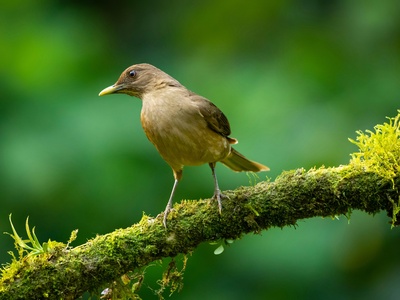
Clay‑colored Thrush
Plain brown thrush with melodious song; common in gardens and open woodlands. Friendly and adaptable, often the first familiar songbird for visitors.
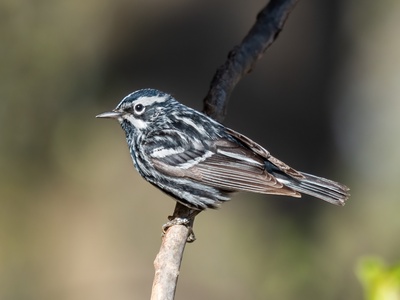
Black‑and‑white Warbler
Striped warbler that creeps along trunks and branches probing bark for insects. Winters in Honduran forests and mangroves, frequenting mature woodlands and shaded habitats.
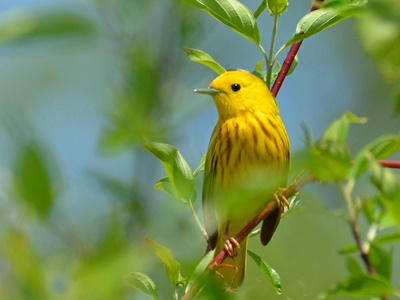
Yellow Warbler
Bright yellow warbler often with reddish streaks on breast. Occurs as resident and migratory populations; common in thickets, wetlands and mangrove edges.
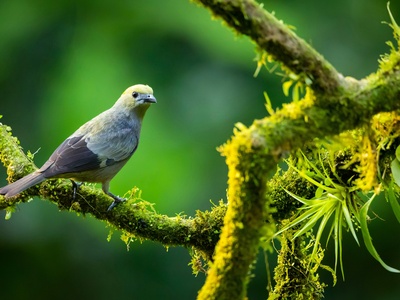
Palm Tanager
Plain olive-blue tanager often seen in pairs or small flocks. Eats fruit and insects, frequently visits feeders and cultivated areas in lowlands.
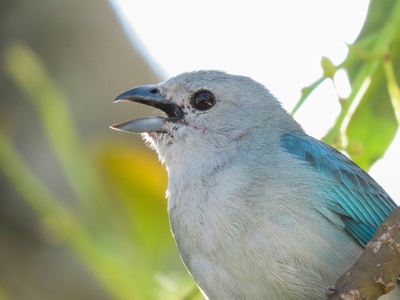
Blue‑gray Tanager
Pale blue, medium-sized tanager common in towns and forest edges. Friendly and conspicuous, often in mixed flocks feeding on fruit and insects.
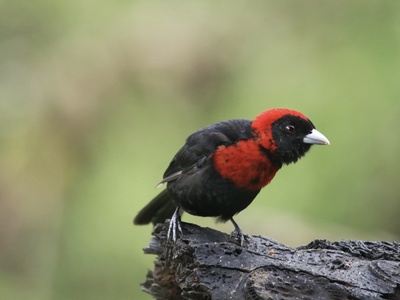
Crimson‑collared Tanager
Bold black-and-red tanager seen in pairs along forest edges. Feeds on fruit and insects and is a colorful inhabitant of Pacific lowland patches and gardens.
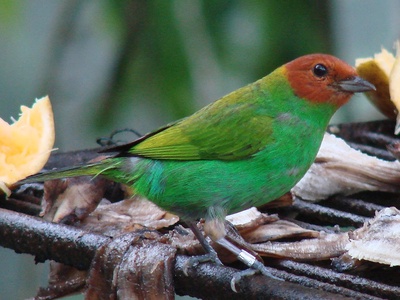
Bay‑headed Tanager
Small, multi-colored tanager with patterned head and yellow underparts. Prefers canopy of humid forests; often joins mixed-species flocks for foraging.
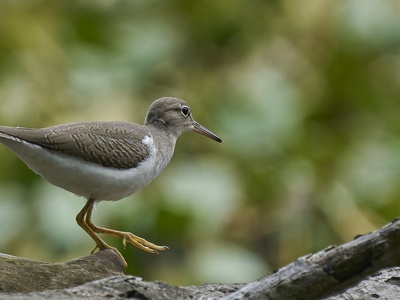
Spotted Sandpiper
Active, bobbing shorebird with spotted breeding plumage; hunts along edges of freshwater and marine habitats. Seen during migration and winter across Honduras’ waterways.
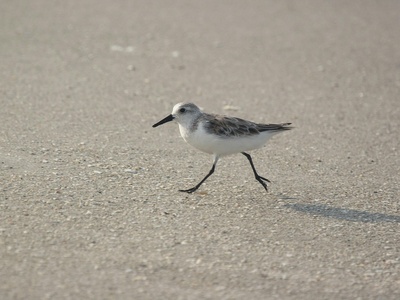
Sanderling
Small, pale sandpiper that runs with the surf searching for invertebrates. Common winter visitor on beaches and sandbars; compact and highly migratory.
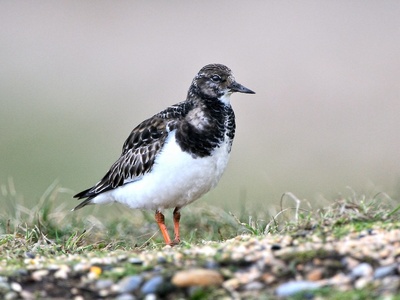
Ruddy Turnstone
Sturdy shorebird with bold plumage and turning behavior to flip stones for prey. Regular winter visitor along rocky coasts and sandy beaches around Honduras.
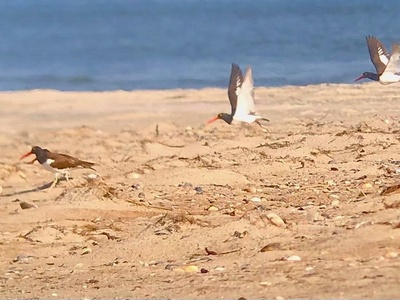
American Oystercatcher
Large, black-and-white shorebird with bright orange bill used to pry bivalves. Localized along coasts; vulnerable to disturbance but still seen on protected beaches and estuaries.
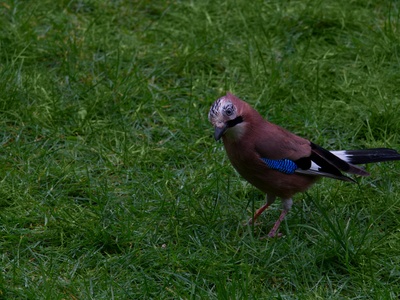
Brown Jay
Noisy, sociable jay with brown plumage that forages in groups. Bold around human habitations and common in deciduous forests and agricultural mosaics.
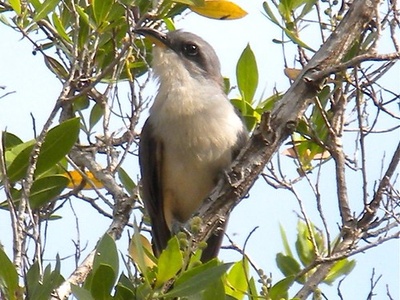
Mangrove Cuckoo
Secretive cuckoo with long tail and mellow call that inhabits dense mangroves. Wary and often heard rather than seen, it hunts insects and small vertebrates.
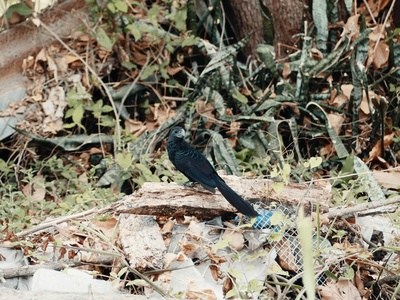
Groove‑billed Ani
Black, communal cuckoo-like bird often in small groups. Eats insects and fruits, nests communally in low trees; common in disturbed and open habitats.
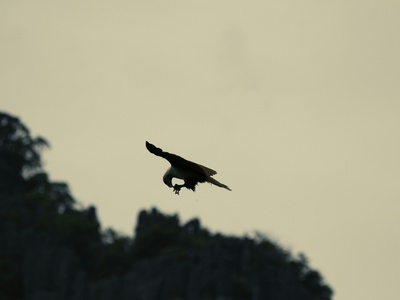
Lesser Nighthawk
Nocturnal nightjar that hawks insects at dusk and dawn. Cryptic plumage and silent flight; seen over open areas and roosting on roads or low branches.
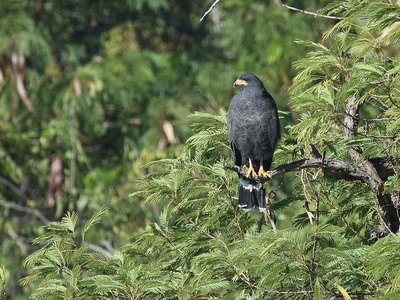
Common Black Hawk
Stocky raptor frequently seen perched over waterways hunting crabs and fish. Prefers riparian and mangrove habitats and is a reliable species for coastal birdwatchers.