Deserts can feel empty at first glance, but look closer and you’ll find a surprising variety of small, hardy creatures adapted to heat, sand and sparse water. Many are most active at dawn or dusk, making quiet encounters all the more memorable for hikers and photographers.
There are 28 Cute Desert Animals, ranging from Antelope ground squirrel to Three-toed jerboa. For each, you’ll find below Scientific name,Size (length cm),Range / Habitat to make identification, size and distribution easy to scan as you explore the list below.
How can I safely observe these desert animals in the wild?
Visit during cooler hours (early morning or late afternoon), keep a respectful distance, use binoculars or a zoom lens, avoid feeding or approaching young, and stay on marked trails to reduce stress on wildlife and minimize your risk.
Are any of these species threatened, and how can I help?
Some desert species face habitat loss, climate impacts and human disturbance, though many remain locally common; check regional conservation statuses, support habitat protection and responsible ecotourism, and contribute to citizen science or local conservation groups to help monitor and protect populations.
Cute Desert Animals
| Name | Scientific name | Size (length cm) | Range / Habitat |
|---|---|---|---|
| Fennec fox | Vulpes zerda | 30 cm | Sahara, Arabian deserts; sand dunes, scrub |
| Lesser Egyptian jerboa | Jaculus jaculus | 9 cm | North African deserts; sandy dunes, sparse scrub |
| Baluchistan pygmy jerboa | Salpingotulus michaelis | 4 cm | Iranian-Pakistani deserts; sandy plains, dunes |
| Desert kangaroo rat | Dipodomys deserti | 12 cm | Sonoran, Mojave deserts; sandy flats, shrublands |
| Meerkat | Suricata suricatta | 25 cm | Kalahari, Namib deserts; burrows in arid scrub and plains |
| Sand cat | Felis margarita | 40 cm | Sahara, Arabian, Central Asian deserts; sandy and rocky plains |
| Desert hedgehog | Paraechinus aethiopicus | 18 cm | Arabian, Saharan deserts; dunes, scrub |
| Sandfish skink | Scincus scincus | 18 cm | Sahara, Arabian deserts; shifting sand dunes |
| Desert tortoise | Gopherus agassizii | 30 cm | Mojave, Sonoran deserts; arid scrub, burrows |
| Leopard gecko | Eublepharis macularius | 20 cm | Afghan-Pakistan deserts; rocky, stony deserts |
| Bearded dragon | Pogona vitticeps | 45 cm | Australian arid interior; rocky outcrops, spinifex |
| Spiny-tailed lizard | Uromastyx aegyptia | 30 cm | North African, Arabian deserts; rocky crevices, lava fields |
| Horned lizard | Phrynosoma platyrhinos | 9 cm | North American deserts; sandy, rocky areas |
| Elf owl | Micrathene whitneyi | 13 cm | Sonoran, Mojave deserts; cactus woodlands, cavities |
| Burrowing owl | Athene cunicularia | 22 cm | North and South American deserts; grasslands, burrows |
| Roadrunner | Geococcyx californianus | 55 cm | Southwestern U.S. deserts; scrub, open ground |
| Ruppell’s fox | Vulpes rueppellii | 45 cm | Sahara, Arabian deserts; dunes, rocky plains |
| Greater bilby | Macrotis lagotis | 35 cm | Australian arid zones; sand dunes, spinifex burrows |
| Namaqua chameleon | Chamaeleo namaquensis | 30 cm | Namib Desert; rocky arid plains and dunes |
| Desert spadefoot toad | Scaphiopus couchii | 8 cm | Chihuahuan, Sonoran deserts; ephemeral pools, sandy flats |
| Antelope ground squirrel | Ammospermophilus leucurus | 26 cm | Mojave, Sonoran deserts; open flats, scrub |
| Banner-tailed kangaroo rat | Dipodomys spectabilis | 20 cm | Chihuahuan deserts; sandy soils, creosote scrub |
| Syrian (golden) hamster | Mesocricetus auratus | 18 cm | Levant deserts and steppes; arid plateaus, burrows |
| Three-toed jerboa | Dipus sagitta | 11 cm | Central Asian deserts (Gobi); sandy steppes, dunes |
| Black-tailed jackrabbit | Lepus californicus | 50 cm | Mojave, Sonoran deserts; open desert flats, scrub |
| Pygmy gerbil | Gerbillus henleyi | 7 cm | North African and Arabian deserts; sandy plains, sparse vegetation |
| Long-eared jerboa | Euchoreutes naso | 6 cm | Gobi and Central Asian deserts; sandy dunes, arid plains |
| Mulgara | Dasycercus cristicauda | 18 cm | Australian desert plains; spinifex grasslands, sand dunes |
Images and Descriptions
Fennec fox
Tiny fox with enormous ears that radiate charm and help cool it. Nocturnal and burrowing, it has a round face and big eyes that people find irresistible. Least Concern overall but faces local habitat pressure and pet trade threats.
Lesser Egyptian jerboa
Small hopping rodent with oversized hind legs and a round head—looks like a tiny kangaroo. Nocturnal sand-dweller that bounces across dunes; social in burrow systems. Generally common but habitat change can reduce local populations.
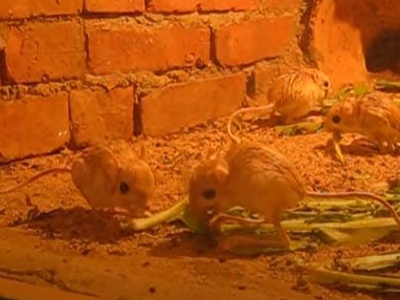
Baluchistan pygmy jerboa
One of the smallest desert rodents, almost mouse-sized with delicate limbs and a fluffy tail tuft. Extremely adapted to sandy deserts and mostly nocturnal. Rare and poorly known; localized populations vulnerable to disturbance.
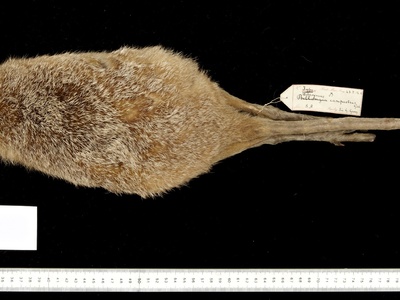
Desert kangaroo rat
Small, big-eyed rodent with powerful hind legs and a long tail for balance—adorable and bouncy. Lives in burrows and can survive with minimal water. Locally common but threatened where habitat is fragmented.
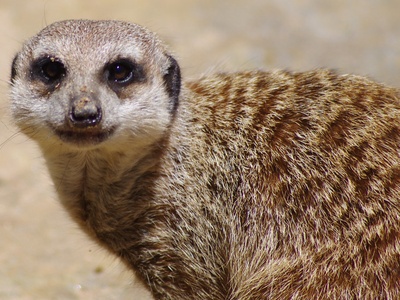
Meerkat
Social, upright-foraging mammal famous for sentry poses and playful group interactions. Large eyes and expressive faces make it a crowd favorite. Populations stable in protected areas but face livestock and land-use pressures.
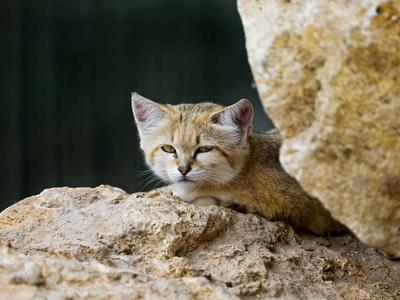
Sand cat
Small wild cat with a flat face, big ears and plush fur adapted to cold nights—strikingly cute and secretive. Solitary and nocturnal, it’s poorly studied and faces habitat loss and persecution in parts of its range.
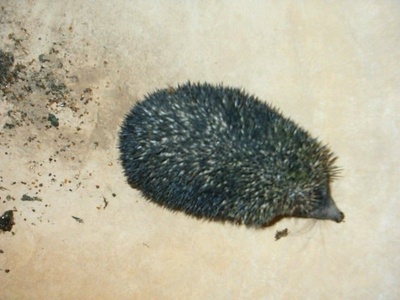
Desert hedgehog
Compact, spiny little mammal that curls into a ball when threatened—classic ‘cute’ hedgehog look. Nocturnal insectivore that digs shallow burrows. Locally common but impacted by road mortality and development.

Sandfish skink
Smooth, rounded lizard that “swims” through sand—small, plump body and friendly appearance make it popular. Diurnal and specialized for hot dunes. Not globally threatened but sensitive to habitat disturbance from development.
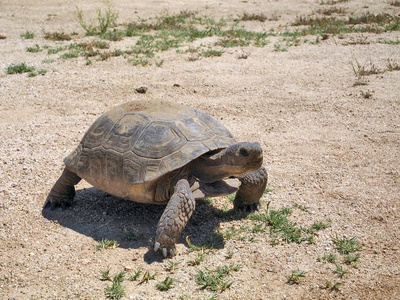
Desert tortoise
Slow-moving, domed-shelled reptile with a patient, placid face many find endearing. Spends much time in burrows to avoid heat. Threatened by habitat loss, disease and road mortality; conservation efforts ongoing.
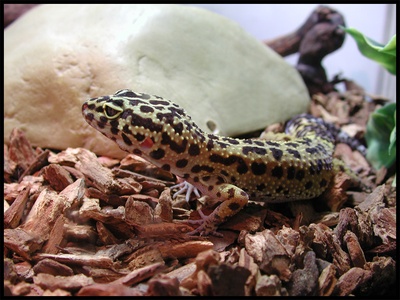
Leopard gecko
Chunky-eyed gecko with expressive faces and bumpy tails—very popular for its cute, docile look. Nocturnal and terrestrial in rocky desert habitats. Wild populations face local collection pressure, though captive-bred numbers are high.
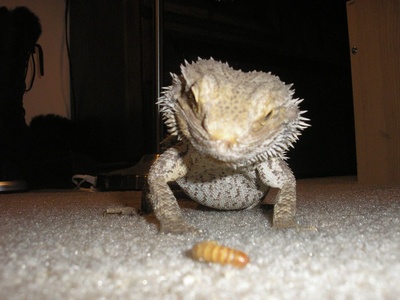
Bearded dragon
Friendly, broad-headed lizard with a smiling appearance and calm demeanor; popular pet. Basks on rocks in arid Australia and displays beard flares. Not threatened; habitat modification is main local pressure.
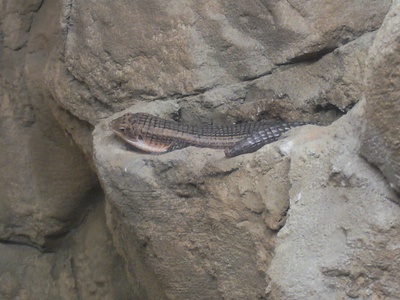
Spiny-tailed lizard
Chunky, rounded herbivorous lizard with a compact body and armor-like tail—decidedly charming. Diurnal and sun-loving, they shelter in rock crevices. Several species are vulnerable from collection and habitat loss.
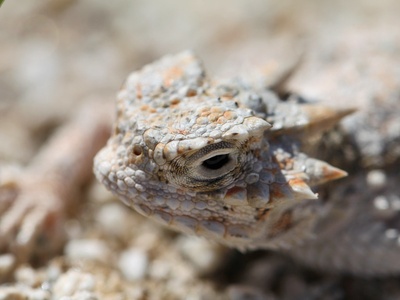
Horned lizard
Little flat-bodied lizard with a toad-like face and tiny spikes—quirky and appealing. Ambushes ants and freezes in place for camouflage. Many species are declining from habitat loss and invasive fire ants.
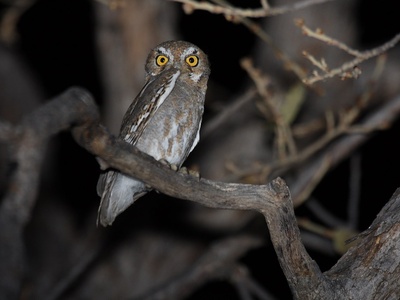
Elf owl
Tiny owl with big dark eyes and a round head—very cute and fierce for its size. Roosts in cavities and feeds on insects. Populations stable but dependent on mature trees and snag cavities.
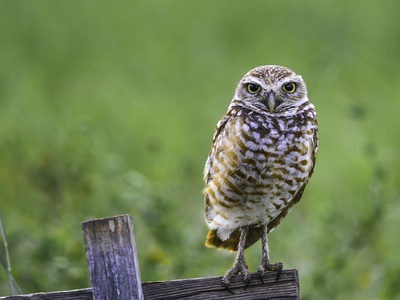
Burrowing owl
Small, long-legged owl often seen near ground-level burrows; big eyes and bold personality make it endearing. Diurnal and ground-nesting. Many populations decline due to habitat conversion and human disturbance.
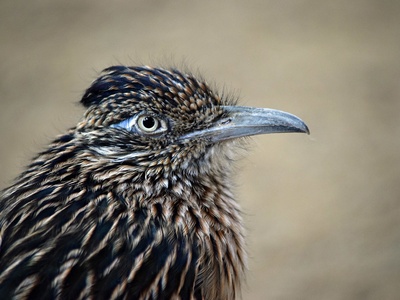
Roadrunner
Fast-running bird with a curious, quirky look—long tail and expressive crest. Hunts insects, lizards and small mammals on the ground. Enjoyed by desert-lovers; habitat changes can reduce local numbers.
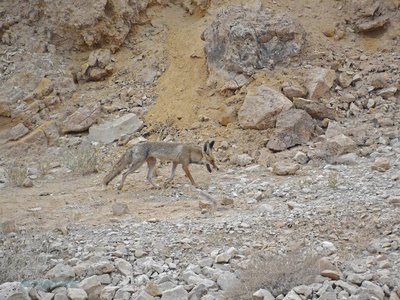
Ruppell’s fox
Slender desert fox with large ears and a delicate face—looks both fox-like and adorable. Nocturnal and secretive, it hunts insects and small mammals. Faces local threats from persecution and habitat degradation.
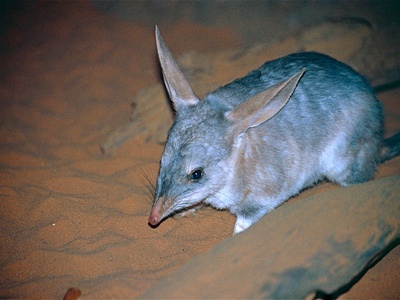
Greater bilby
Soft-furred, long-eared marsupial with a teddy-like face and long snout—very appealing. Nocturnal burrower that eats insects and tubers. Endangered in the wild; conservation and reintroduction programs are active.
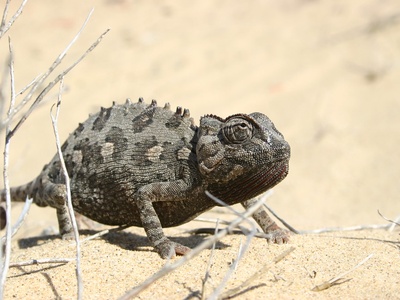
Namaqua chameleon
Chameleon with a stout body and tiny, tonally colorful displays—slow-moving and oddly cute. Well adapted to rocky desert microhabitats. Local populations sensitive to habitat change and collection.
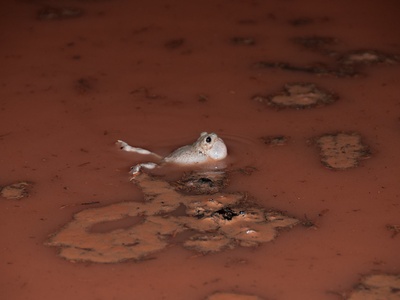
Desert spadefoot toad
Plump, round-bodied toad that spends most of its life underground and emerges after rains—cute when inflated and hopping. Breeds explosively in temporary pools; conservation tied to preserving ephemeral wetlands.
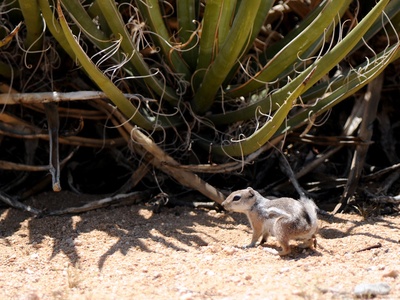
Antelope ground squirrel
Diurnal, bushy-tailed rodent with big eyes and quick movements; often seen standing alert—charming and personable. Eats seeds and insects. Locally common but sensitive to heavy disturbance and habitat loss.
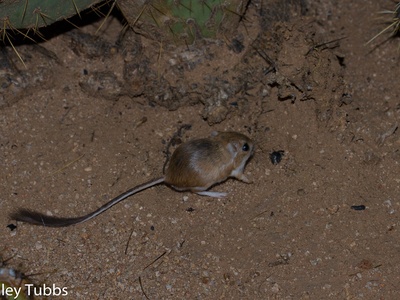
Banner-tailed kangaroo rat
Large, charismatic kangaroo rat with a tufted tail and big hind legs—adorable hopper of the night. Lives in extensive burrow systems. Populations decline where rangeland and land use change occur.
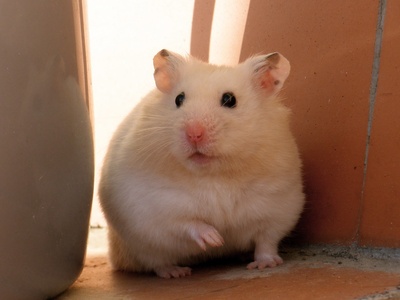
Syrian (golden) hamster
Plump, furry rodent with cheek pouches and a round face—famously cute. Native to arid regions around Syria, largely known from captive populations. Wild populations threatened historically; captive stock widespread.
Three-toed jerboa
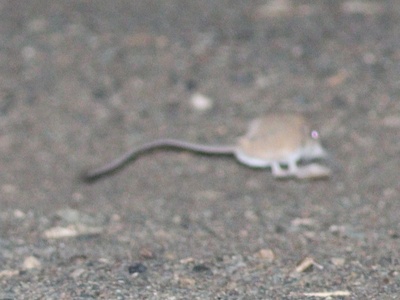
Long-legged, tiny hopping rodent with a fluffy tail and oversized ears—looks like a miniature desert dancer. Nocturnal and elusive. Adapted to extreme cold deserts; local habitat change can impact populations.
Black-tailed jackrabbit
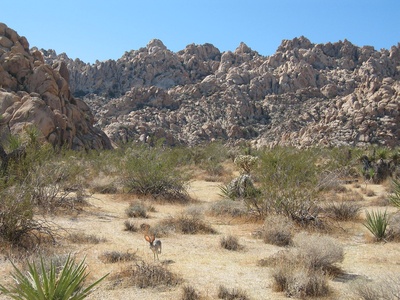
Large-eared hare with expressive eyes and long legs—appealing to many for its wild rabbit-like charm. Mostly crepuscular and fast. Generally common, though local populations fluctuate with habitat and predator changes.
Pygmy gerbil
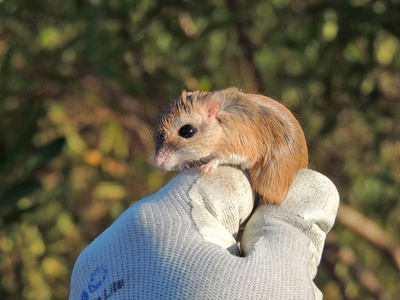
Tiny, round-faced gerbil with delicate features and a fluffy tail—very endearing. Nocturnal seed-eater adapted to arid sands. Usually common where habitat intact, but localized threats exist.
Long-eared jerboa
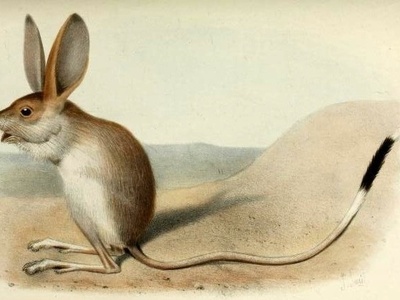
Strikingly cute with enormous ears and delicate hind legs, this tiny nocturnal hopper looks almost mythical. Extremely specialized and rare in sightings; considered vulnerable due to habitat loss.
Mulgara
Small, cat-sized marsupial with alert eyes and a bushy tail—playful and curious. Nocturnal carnivore of arid Australia. Populations have declined but targeted conservation is helping recover some areas.