Botswana’s rivers, floodplains and open savannas host a wide range of wildlife, and that diversity includes species people need to respect and avoid under certain conditions. Whether you’re on a guided safari or walking near a campsite, a little preparation goes a long way toward staying safe.
There are 28 Dangerous Animals in Botswana, ranging from African buffalo to Warthog. For each species you’ll find the Scientific name, Danger (level & typical harm), and Where in Botswana — practical details you’ll find below.
How can I reduce the risk of a dangerous animal encounter in Botswana?
Stay with a licensed guide, keep clear distances, and never try to feed or approach wild animals. Be extra cautious around water at dawn and dusk (hippos and crocodiles), secure food and rubbish at camps, remain in vehicles where advised, and follow park rules and ranger instructions—most incidents happen when people become separated from their group or surprise an animal.
Which dangerous animals am I most likely to see on a safari or near lodges?
You’ll commonly see elephants, buffalo, hippos and warthogs; predators like lions and leopards or crocodiles are less frequent but present around water and game-rich areas. Encounters vary by region and season, so listen to guides who know local patterns and safe viewing distances.
Dangerous Animals in Botswana
| Name | Scientific name | Danger (level & typical harm) | Where in Botswana |
|---|---|---|---|
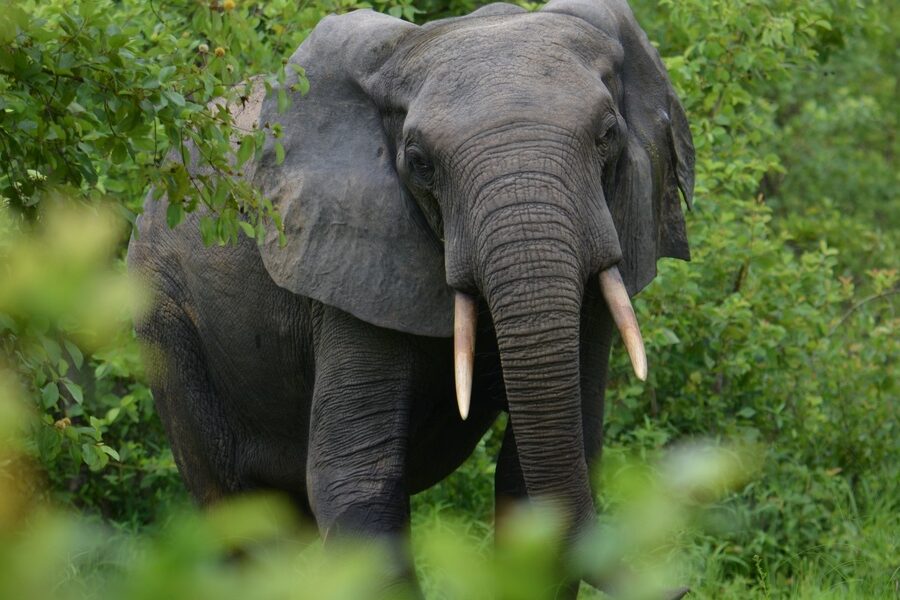
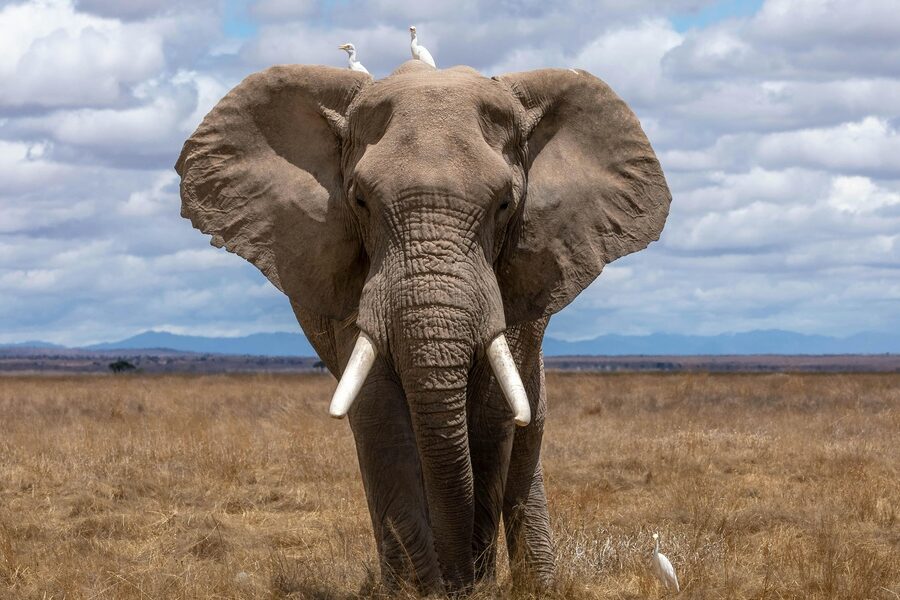
| African elephant | Loxodonta africana | High (charging, trampling) | Okavango, Chobe, national parks |
| African buffalo | Syncerus caffer | High (goring, trampling) | Chobe, Okavango, Linyanti, floodplains |
| Hippopotamus | Hippopotamus amphibius | High (biting, trampling, capsizing) | Rivers, delta channels, Okavango, Chobe |
| Nile crocodile | Crocodylus niloticus | High (drowning, bite) | Rivers, pans, Okavango channels, Chobe River |
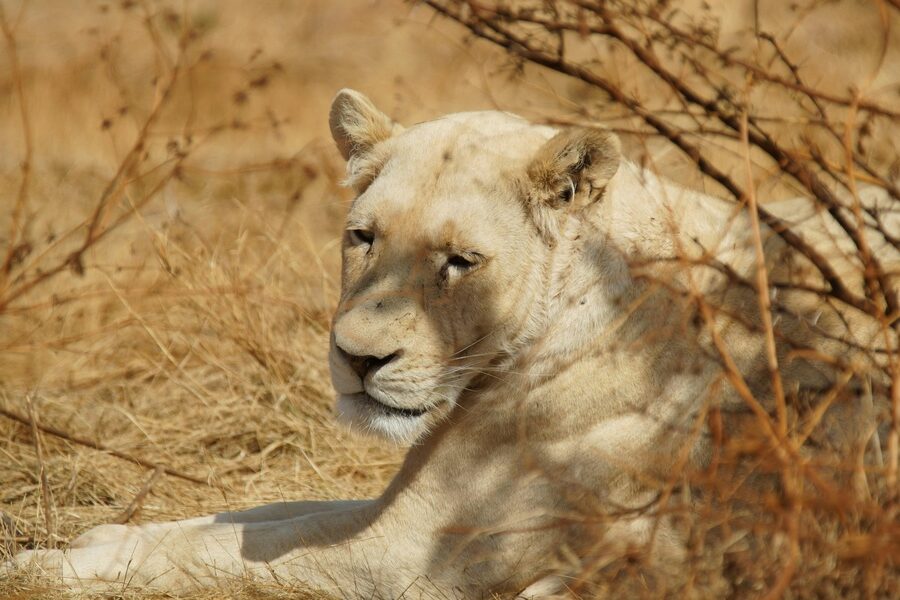
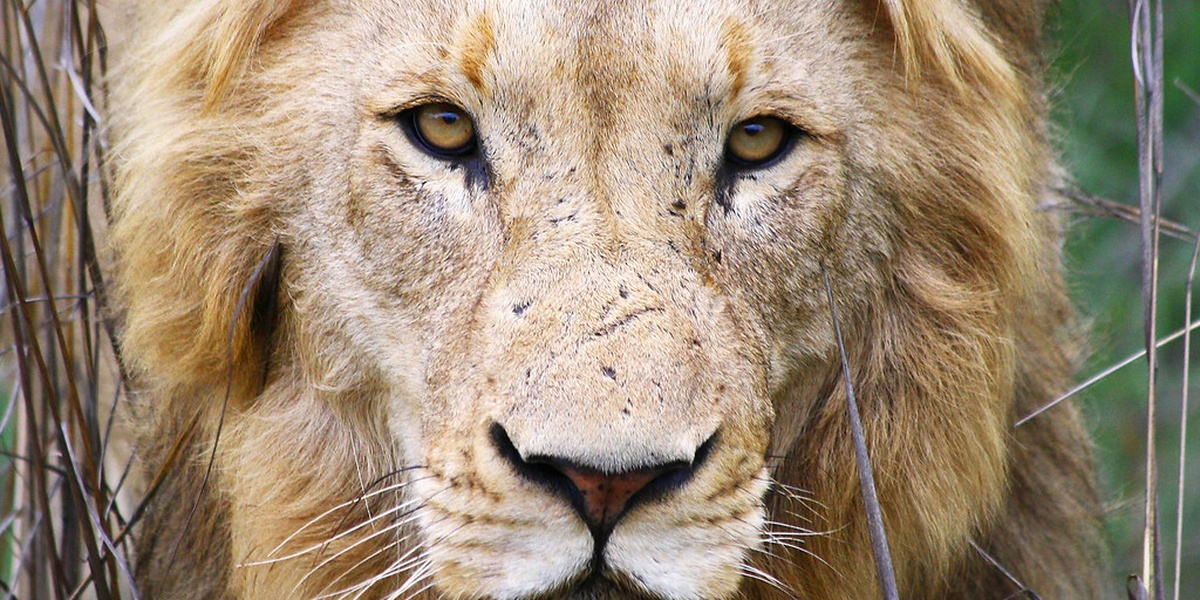
| Lion | Panthera leo | High (mauling, predation) | Parks and reserves: Chobe, Moremi, Central Kalahari |
| Leopard | Panthera pardus | High (ambush attack, mauling) | Wooded areas in Okavango, Chobe, riverine thickets |
| Spotted hyena | Crocuta crocuta | High (bite, mauling) | Savanna, Kalahari fringes, Chobe region |
| Brown hyena | Parahyaena brunnea | Moderate (bite, scavenging) | Kgalagadi, arid southwest |
| Cheetah | Acinonyx jubatus | Moderate (bite, mauling; rare) | Savanna and grasslands in Central Kalahari, Okavango |
| African wild dog | Lycaon pictus | Low (bite, pack attack; rare) | Okavango, Moremi, Kgalagadi fringes |
| Black-backed jackal | Canis mesomelas | Low (bite, disease transmission) | Widespread: Kalahari, savanna, around settlements |
| Chacma baboon | Papio ursinus | Moderate (bite, scratch, aggressive raids) | Rocky outcrops, Kalahari fringes, settlements |
| Vervet monkey | Chlorocebus pygerythrus | Low (bite, scratch, disease) | Woodland, riverine areas, camp fringes |
| Warthog | Phacochoerus africanus | Moderate (charging, tusk goring) | Open savanna, Kalahari, pans |
| Ostrich | Struthio camelus | Moderate (kick, trampling) | Kalahari, open plains, pans |
| Cape porcupine | Hystrix africaeaustralis | Low (quill injury) | Kalahari, woodlands, rocky areas |
| Honey badger | Mellivora capensis | Moderate (bite, aggressive defense) | Kalahari, savanna, rocky areas |
| Black rhinoceros | Diceros bicornis | High (charging, goring) | Kalahari margins, parts of north (conservation areas) |
| African rock python | Python sebae | Moderate (constriction, bite) | Riverine forests, Okavango channels, pans |
| Nile monitor | Varanus niloticus | Low (bite, laceration, infection) | Rivers, wetlands, Okavango channels |
| Black mamba | Dendroaspis polylepis | High (neurotoxic bite) | Wooded savanna, rocky hills in north and east |
| Puff adder | Bitis arietans | High (cytotoxic bite) | Grassland, savanna, Kalahari, roadside |
| Boomslang | Dispholidus typus | High (hemotoxic bite; delayed severe effects) | Woodland, riverine trees, Okavango fringes |
| Mozambique spitting cobra | Naja mossambica | High (venomous bite, venom spit into eyes) | Savanna, riverine areas, human settlements |
| Thick-tailed scorpion | Parabuthus transvaalicus | High (venomous sting) | Kalahari dunes, arid scrublands |
| Button spider (false black widow) | Latrodectus geometricus | Moderate (neurotoxic bite) | Around buildings, grassland, camps |
| Tsetse fly | Glossina morsitans | Moderate (disease transmission: African trypanosomiasis) | Wooded floodplains, riverine strips, Okavango |
| Malaria mosquito | Anopheles gambiae | High (disease transmission: malaria) | Northern regions, Okavango, floodplains (seasonal) |
Images and Descriptions
African elephant
Massive, territorial herd animals that will charge if surprised, especially cows with calves or males in musth. Encounters occur on safari roads, near water or during bush walks; keep distance, stay in vehicles and follow guide instructions.
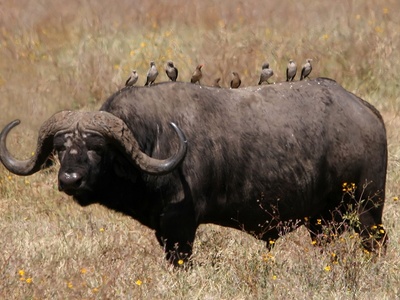
African buffalo
Aggressive and unpredictable when wounded or cornered, buffaloes often form large herds. They have killed hunters and tourists; dangerous near watering holes and when crossing roads. Give wide berth, avoid separating calves from adults.
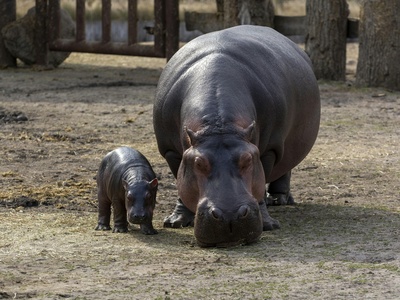
Hippopotamus
Highly territorial in water and surprisingly fast on land. Hippos attack boats and people near riverbanks at night. Most incidents occur during river travel or when walking too close to river edges; use guides and avoid nocturnal shoreline activity.
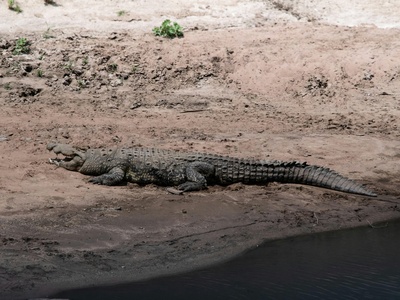
Nile crocodile
Ambush predator hiding in water, responsible for fatal attacks, especially near fishing areas and riverbanks. Avoid swimming, remain back from water edge, and be cautious loading/unloading boats at night or dawn.
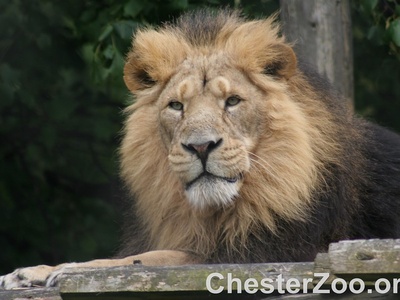
Lion
A top predator active at dawn, dusk, and night. Attacks on people are rare but can be fatal if humans approach cubs or get separated from vehicles. Stay in vehicles, keep quiet, and follow ranger guidance.
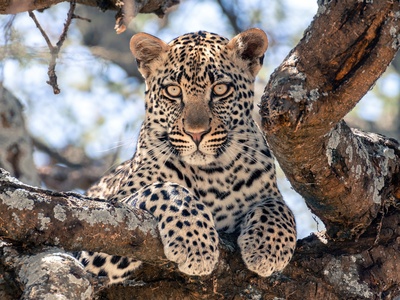
Leopard
Solitary, secretive ambush predator that may attack if surprised, especially at night or when guarding a kill. Encounters usually occur near lodges, on foot, or when walking at dusk; always use guides and avoid walking alone.
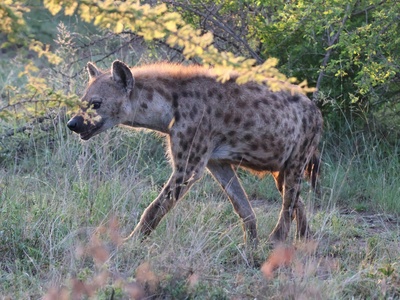
Spotted hyena
Powerful scavengers and hunters known to scavenge camps and attack livestock or vulnerable people at night. They can enter camp areas; secure food, sleep in protected structures and heed park rules.
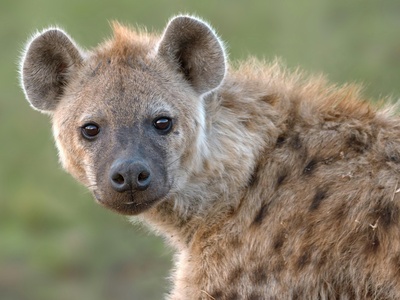
Brown hyena
Less common but bold scavenger in arid regions. Can bite or snatch food from unattended people or vehicles at night. Practice food security at campsites and avoid walking alone after dark.
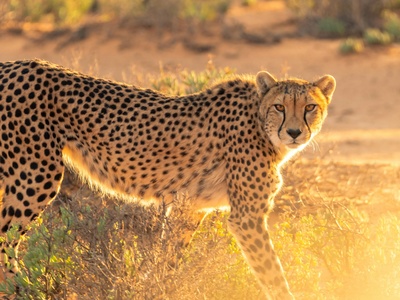
Cheetah
Generally shy of humans but powerful predators; attacks on people are very rare. Most danger arises from close approach in vehicles or attempting to handle habituated individuals. Observe from a distance and follow guides.
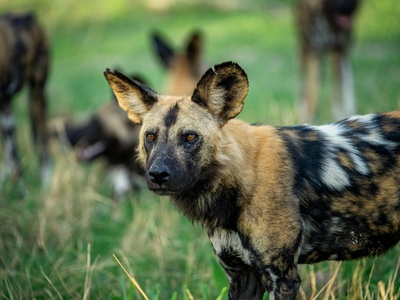
African wild dog
Highly social pack hunters that rarely attack humans. Risk increases if cornered, injured, or habituated. Sightings are spectacular but maintain distance; do not approach dens or pups.
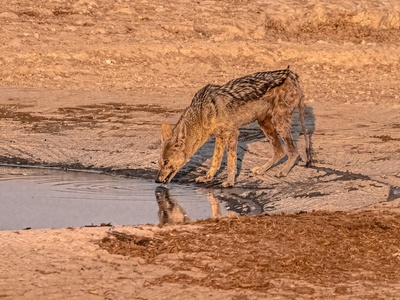
Black-backed jackal
Small opportunistic predator/scavenger that may bite if cornered or rabid, and can transmit disease. They are more a nuisance than deadly but avoid feeding or approaching them, secure food and waste.
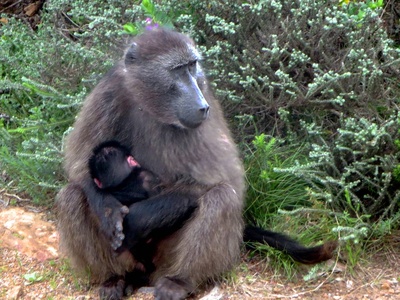
Chacma baboon
Large social primate that raids camps, vehicles, and homes. Baboons can bite and scratch, sometimes seriously, and may carry disease. Never feed them, keep windows closed and food secure.
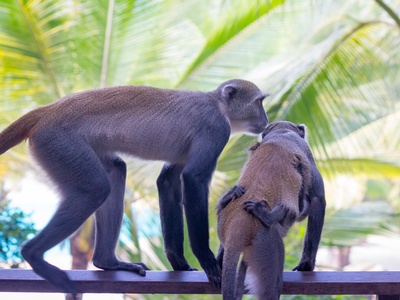
Vervet monkey
Smaller monkeys that can bite or scratch if threatened or habituated. They raid food and may transmit infections. Avoid feeding, secure food and keep a safe distance when on safari.
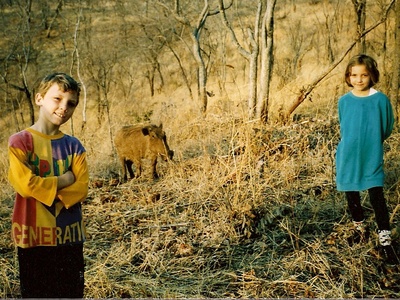
Warthog
Quick and agile with sharp tusks; warthogs can gore when cornered or protecting piglets. Encounters occur near roadsides and camps; give them room and avoid sudden approaches, especially at burrows.
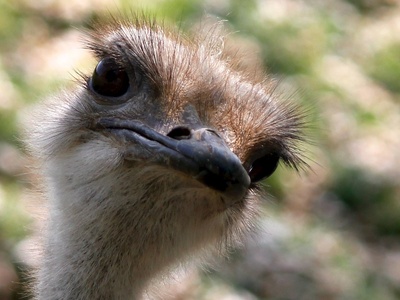
Ostrich
Large flightless bird capable of powerful kicks that can cause severe injury. Males defend territory during breeding season; encounters typically on open plains or near pans—do not approach or attempt to handle.
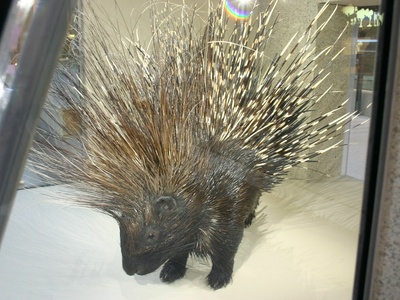
Cape porcupine
Nocturnal rodent with dangerous quills that can cause deep puncture wounds; humans usually injured by accidental contact or trying to handle. Give them space at night and avoid surprising them.
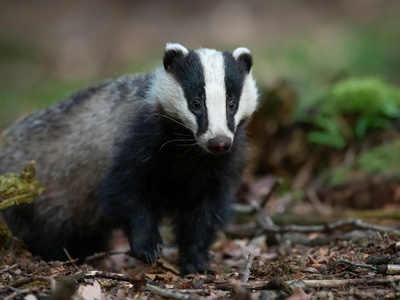
Honey badger
Fearless, strong animals that defend vigorously if cornered; bites and scratches can be serious. Rarely attack humans unprovoked, but avoid handling or approaching dens and injured animals.
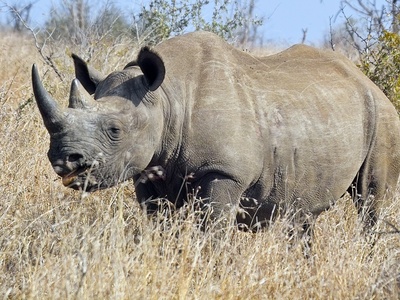
Black rhinoceros
Highly territorial and quick to charge when threatened; can gore vehicles or people who get too close. Observe strict distance rules during rhino tracking and follow ranger instructions.
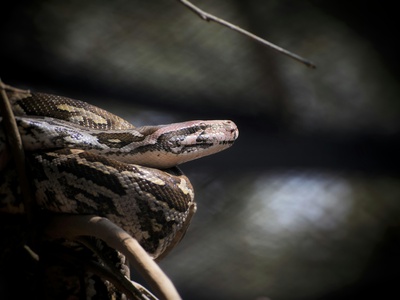
African rock python
Large constrictor that can overpower small people or pets. Encounters near water, in reedbeds or at night. Do not attempt to handle; report sightings to guides and keep camps sealed.
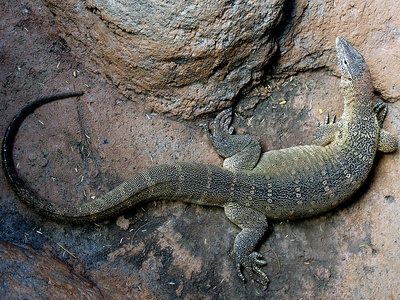
Nile monitor
Large lizard that can bite and cause deep lacerations; bites risk bacterial infection. Usually shy but will defend if cornered. Do not approach or provoke, especially near water.
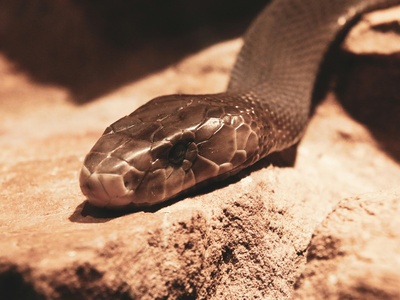
Black mamba
Extremely venomous and fast; bites can be rapidly fatal without antivenom. Typically avoid humans but may bite if surprised or cornered. Wear boots, avoid putting hands in crevices, and seek immediate medical help if bitten.
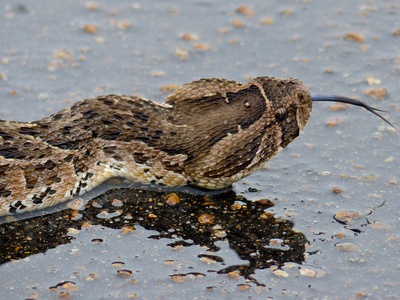
Puff adder
Cryptic, slow-moving snake responsible for many bites because people step on it. Venom causes severe tissue damage and possible systemic effects. Watch where you step, use a torch at night, and seek prompt medical care if bitten.
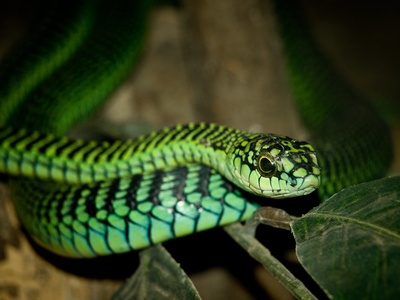
Boomslang
Arboreal snake with potent hemotoxic venom; bites may appear minor but can cause fatal bleeding days later. Rarely aggressive; treat any suspected bite seriously and obtain antivenom quickly.
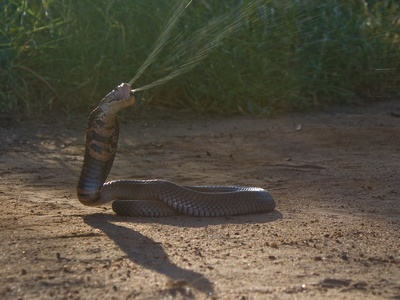
Mozambique spitting cobra
Spits venom to defend, which can cause severe eye injury and systemic effects if bitten. Often encountered near human habitation at night. Wear eye protection in high-risk work and seek urgent medical care for bites or eye exposure.
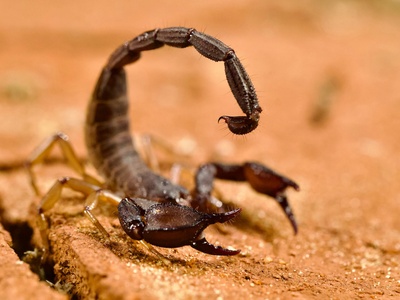
Thick-tailed scorpion
Highly venomous scorpion of arid regions; stings cause intense pain and can be life‑threatening, especially to children. Shake out boots and bedding, use a torch at night, and seek medical attention immediately if stung.
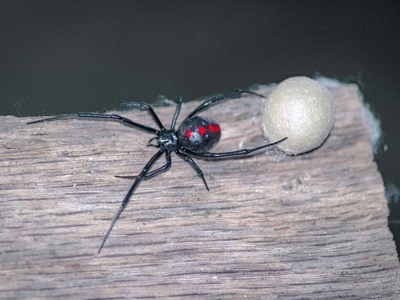
Button spider (false black widow)
Small but medically significant; bites cause pain, muscle cramps and systemic symptoms in some people. Often found in human structures. Avoid handling, check shoes and bedding, and seek medical advice if bitten.
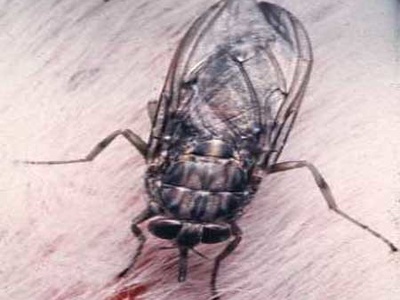
Tsetse fly
Blood‑sucking fly that transmits sleeping sickness; bites are painful and disease can be severe if untreated. Present in parts of northern Botswana; use repellents, wear neutral-colored clothing, and seek medical attention for persistent fevers after travel.
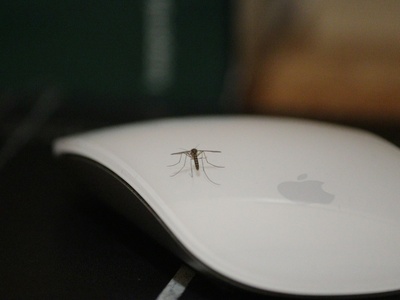
Malaria mosquito
Anopheline mosquitoes transmit potentially fatal malaria in parts of northern Botswana during the rainy season. Use prophylaxis, insect repellent, bed nets, and seek prompt treatment for fevers after exposure.