Georgia’s varied landscapes — from coastal marshes and barrier islands to Piedmont forests and urban neighborhoods — shape the wildlife you might encounter. Seasonal weather and human activity influence which species show up where and when, so awareness matters whether you’re hiking, gardening, or spending time near water.
There are 35 Dangerous Animals in Georgia, ranging from Aedes aegypti (yellow fever mosquito) to Yellowjacket (Eastern yellowjacket). For each entry the table lists Scientific name,Danger level,Habitat & range (GA) so you can quickly assess risk and where each species appears — you’ll find below.
How likely am I to encounter a dangerous animal in Georgia?
It depends on location and season: mosquitoes and ticks are common in warm months, snakes and spiders hide in brush or woodpiles, and yellowjackets turn up near food and trash; urban residents face different risks than backcountry visitors, so simple steps (repellent, proper clothing, tidy yards, caution around nests and water) reduce chances significantly.
What should I do if bitten or stung by one of these animals?
Move to a safe area, remain calm, wash the wound, and manage pain or bleeding (cold packs, elevation); remove visible stingers carefully, monitor for allergic reactions, and get medical help for severe symptoms, difficulty breathing, or signs of infection — keep a photo or specimen if safe to help with identification.
Dangerous Animals in Georgia
| Name | Scientific name | Danger level | Habitat & range (GA) |
|---|---|---|---|
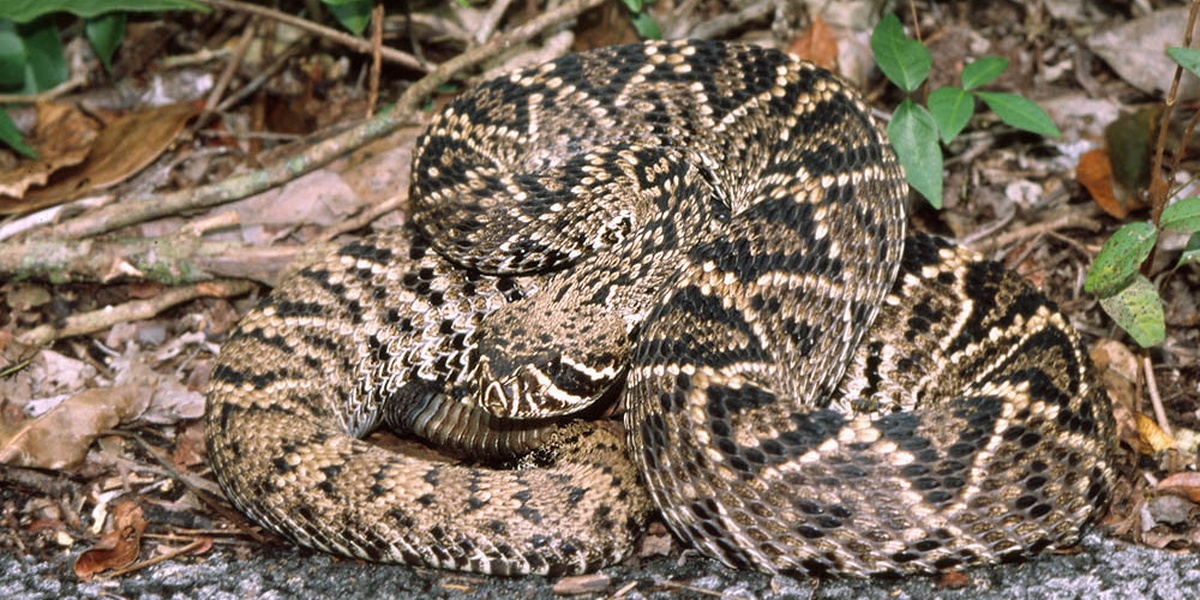
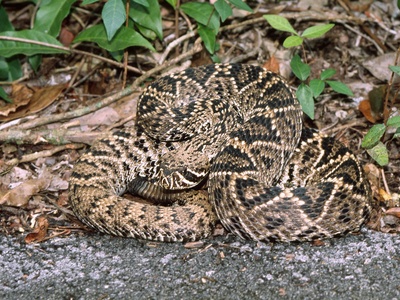
| Eastern diamondback rattlesnake | Crotalus adamanteus | High — venomous, large bite can be life‑threatening | Coastal plain, longleaf pine savannas, southeast Georgia |
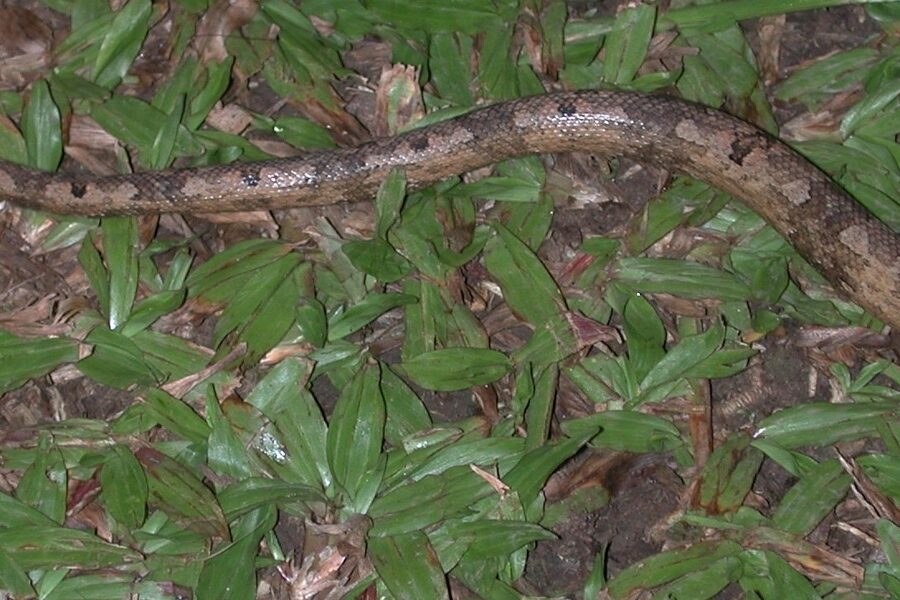
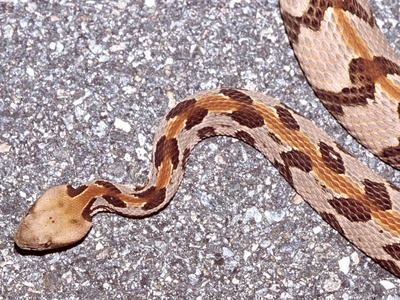
| Timber rattlesnake | Crotalus horridus | Moderate–High — venomous, can cause serious injury | North Georgia mountains, mixed hardwood forests |
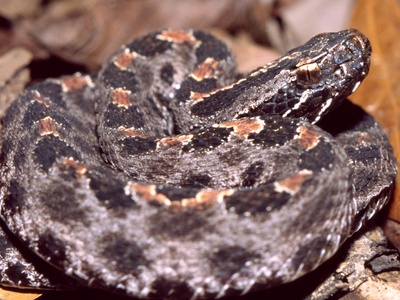
| Pigmy rattlesnake | Sistrurus miliarius | Moderate — venomous, small but medically significant bite | Pine flatwoods, wetlands, coastal plain statewide |
| Copperhead | Agkistrodon contortrix | Moderate — venomous, painful bite with local tissue damage | Woodlands, rocky bluffs, suburbs statewide |
| Cottonmouth (Water moccasin) | Agkistrodon piscivorus | Moderate — venomous, can inflict serious bites | Freshwater swamps, marshes, rivers statewide |
| Eastern coral snake | Micrurus fulvius | High — highly venomous neurotoxin, can be fatal if untreated | Pine flatwoods, sandy soils, coastal plain southern GA |
| Black widow spider | Latrodectus mactans | Moderate — venomous neurotoxin can cause severe symptoms | Woodpiles, barns, undisturbed structures statewide |
| Brown recluse spider | Loxosceles reclusa | Moderate — necrotic venom can cause tissue damage | Indoors, barns, boxes, southern Georgia homes |
| Lone star tick | Amblyomma americanum | High — aggressive biter, transmits ehrlichiosis, alpha‑gal allergy | Woodlands, brushy areas, statewide |
| Blacklegged (deer) tick | Ixodes scapularis | High — Lyme disease and other pathogens transmitted | Wooded, brushy north and east Georgia |
| American dog tick | Dermacentor variabilis | High — transmits Rocky Mountain spotted fever | Fields, trails, grassy edges statewide |
| Culex mosquitoes (West Nile vectors) | Culex spp. | Moderate — disease vector (West Nile, encephalitis) | Standing water, wetlands, urban areas statewide |
| Aedes albopictus (Asian tiger mosquito) | Aedes albopictus | Moderate — day‑biter, can transmit dengue/Zika/Chikungunya | Urban containers, yards, statewide except highest elevations |
| Aedes aegypti (yellow fever mosquito) | Aedes aegypti | Moderate — efficient viral vector (dengue, Zika) | Urban/suburban pockets, historically southern GA |
| American alligator | Alligator mississippiensis | High — large, powerful, can kill humans | Freshwater marshes, rivers, coastal estuaries statewide south of Fall Line |
| Black bear | Ursus americanus | Moderate — large, can maul if provoked or habituated | North Georgia mountains, mixed forests, national forests |
| Feral hog | Sus scrofa | High — aggressive, tusked, can gore or trample | Woodlands, agricultural areas, statewide rural regions |
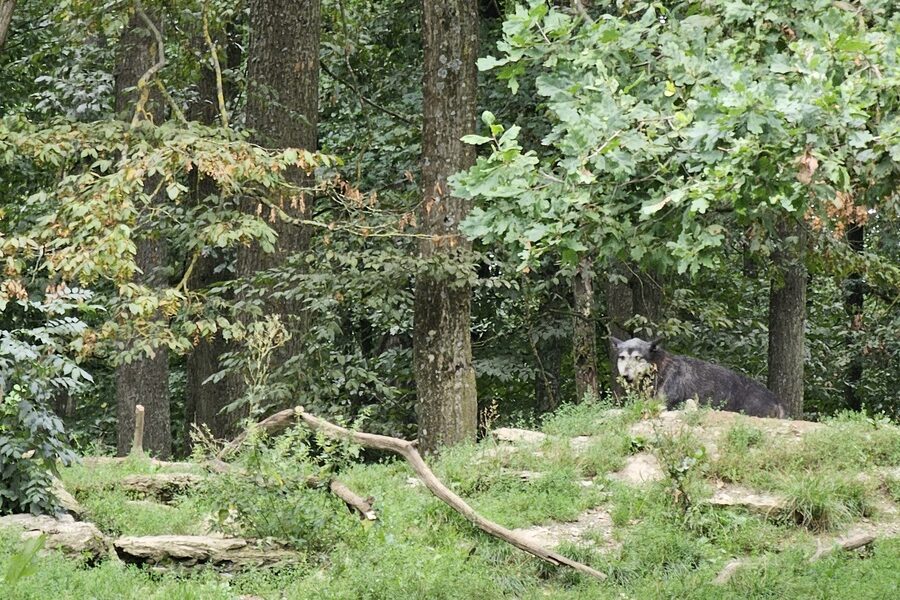
| Coyote | Canis latrans | Low–Moderate — can bite; rabies potential, threats to pets | Urban, suburban, rural areas statewide |
| Raccoon | Procyon lotor | Moderate — rabies vector, can bite if cornered | Urban, rural, waterways statewide |
| Bats (representative: big brown bat) | Eptesicus fuscus | Moderate — rabies reservoir, small bite risk | Buildings, caves, tree cavities statewide |
| Gray fox | Urocyon cinereoargenteus | Low–Moderate — can carry rabies; rare attacks | Woodlands, suburban edges statewide |
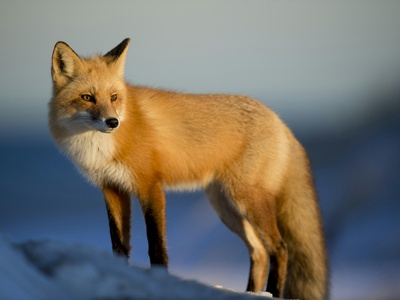
| Red fox | Vulpes vulpes | Low–Moderate — rabies risk; rare human attacks | Rural and suburban areas statewide |
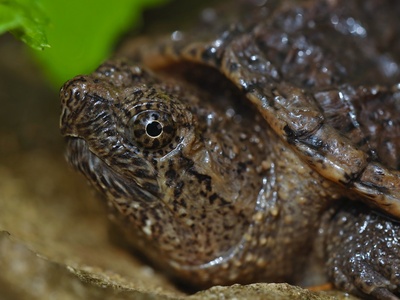
| Common snapping turtle | Chelydra serpentina | Low–Moderate — strong bite can injure fingers | Freshwater ponds, lakes, slow rivers statewide |
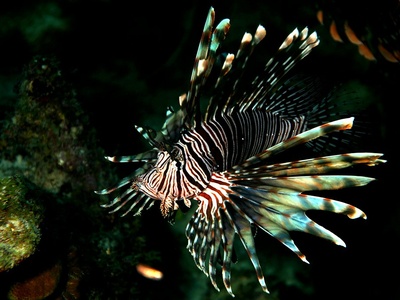
| Lionfish | Pterois volitans | Moderate — venomous spines cause severe pain | Offshore reefs, coastal waters, introduced Atlantic populations near GA coast |
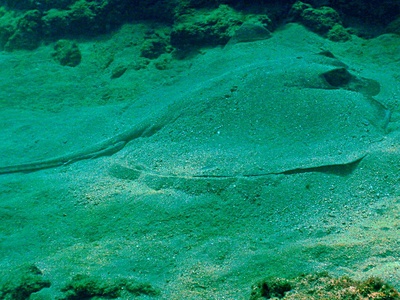
| Stingrays (southern/Atlantic) | Hypanus americanus | Moderate — venomous tail barb causes severe pain | Sandy shallow coastal waters, estuaries Georgia coast |
| Atlantic sea nettle (jellyfish) | Chrysaora quinquecirrha | Low–Moderate — painful stings, allergic reactions possible | Coastal waters, surf zone Georgia coast |
| Blacktip shark | Carcharhinus limbatus | Low–Moderate — bite risk to swimmers, generally not aggressive | Nearshore coastal waters, surf breaks Georgia coast |
| Bull shark | Carcharhinus leucas | Moderate — large, powerful, potential for serious attacks | Estuaries, coastal waters, tidal rivers Georgia coast and rivers |
| Red imported fire ant | Solenopsis invicta | Moderate — painful stings; allergic reactions can be severe | Lawns, fields, roadsides, urban areas statewide |
| Yellowjacket (Eastern yellowjacket) | Vespula maculifrons | Moderate — painful stings; anaphylaxis risk for sensitized individuals | Wooded edges, picnics, urban parks statewide |
| Paper wasp | Polistes metricus | Low–Moderate — painful sting; allergy risk | Eaves, shrubs, open woodlands statewide |
| Honey bee (feral/Apis) | Apis mellifera | Moderate — sting can cause fatal allergic reaction | Urban, rural, wild feral colonies statewide |
| White‑tailed deer | Odocoileus virginianus | Moderate — major secondary risk via vehicle collisions | Forests, suburbs, farmlands statewide |
| Domestic/human‑associated feral dogs (dangerous populations) | Canis familiaris | Moderate — bites and attacks, rabies potential | Urban, rural, suburbs where feral packs occur |
| Brown water/sea lice (coastal jellyfish larvae) [group] | Various (marine cnidarians) | Low — painful dermatitis, rare systemic reactions | Coastal surf and nearshore waters Georgia coast |
Images and Descriptions
Eastern diamondback rattlesnake
Largest rattlesnake in North America, typically 4–6 ft, heavy-bodied with diamond pattern; active spring–fall. Potent hemotoxic venom causes pain, swelling, bleeding. Give wide berth, back away slowly. If bitten, immobilize limb, seek emergency care; do not cut or suck wound.
Timber rattlesnake
Thick-bodied 2–4 ft rattlesnake with crossband pattern; active spring–early fall. Venom can cause severe local and systemic effects. Keep distance, avoid timber/rock ledges. For bites, call emergency services, keep victim calm and immobile, rapid transport to hospital.
Pigmy rattlesnake
Small stout rattler 1–2 ft with blotched pattern; secretive and often near ground cover. Venom causes pain, swelling; fatalities rare but medical care recommended. Avoid stepping over logs; if bitten, immobilize, seek medical evaluation promptly.
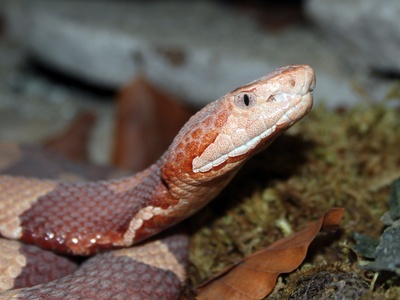
Copperhead
Medium-sized 2–3 ft snake with hourglass markings; active spring–fall, often in leaf litter. Venom causes severe pain and local tissue injury. Don’t handle; wear boots in woods. If bitten, keep victim calm, immobilize, seek urgent medical care.
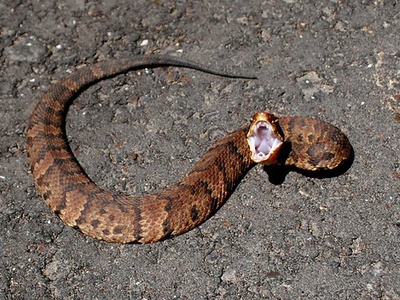
Cottonmouth (Water moccasin)
Thick, 2–4 ft semi‑aquatic snake with dark banding; often basks at water edges. Strikes are painful; venom causes swelling and tissue damage. Stay off logs at water’s edge; avoid swimming near murky banks. Seek emergency care after a bite.
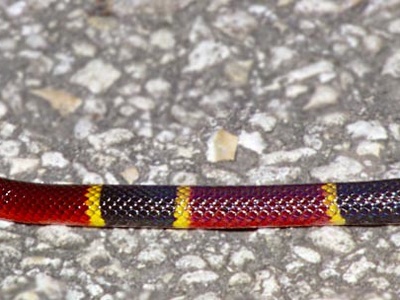
Eastern coral snake
Slender, 2–3 ft snake with red, yellow, black banding; secretive and fossorial. Neurotoxic venom can cause respiratory failure. Do not handle; antivenom and respiratory support needed—call 911 if bitten.
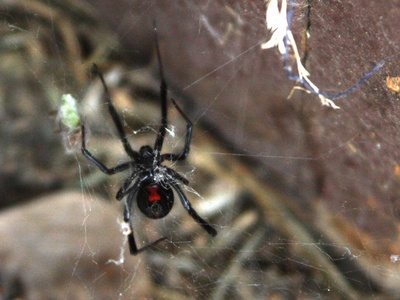
Black widow spider
Glossy black spider with red hourglass underside, legspan ~1–1.5 in; females more dangerous. Bites cause severe pain, muscle cramps, nausea. Avoid storage clutter, wear gloves lifting debris. Seek medical care; antivenom given for severe cases.

Brown recluse spider
Small tan to brown spider ½–¾ in body, violin-shaped mark; nocturnal and reclusive. Bite may produce painful blistering and necrosis in some cases. Avoid handling stored items, shake clothing. Clean bite, seek medical attention for worsening lesions.
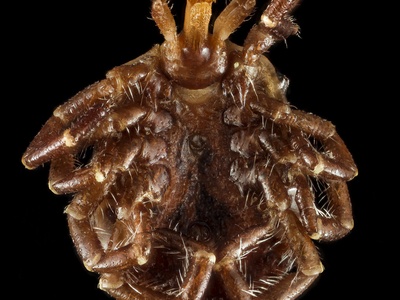
Lone star tick
Medium‑large tick common in woods and edges; nymphs and adults bite humans spring–fall. Transmits ehrlichiosis, STARI, and linked to red‑meat (alpha‑gal) allergy. Use repellents, tuck clothing, check for ticks. Remove promptly with fine tweezers; seek care if symptoms develop.
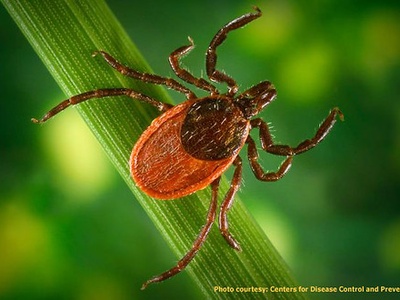
Blacklegged (deer) tick
Small tick that attaches in shady, humid areas; nymphs active spring–summer. Can transmit Lyme disease, anaplasmosis, babesiosis. Use permethrin-treated clothing, do tick checks. Remove attached ticks promptly; seek medical advice for rash or fever.
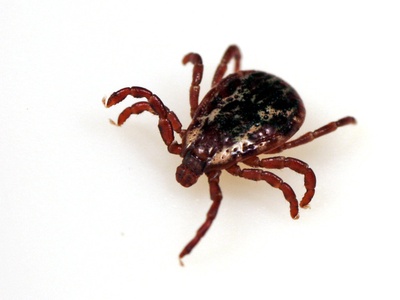
American dog tick
Common dog tick that climbs vegetation; adults active spring–summer. Can transmit Rocky Mountain spotted fever which can be severe. Wear repellents, check pets and people. Remove ticks promptly; seek medical care for fever after a bite.
Culex mosquitoes (West Nile vectors)
Night‑active mosquitoes that breed in stagnant water; peak summer–early fall. Can transmit West Nile and other arboviruses; many bites cause discomfort, few cause severe illness. Use screens, repellents, eliminate standing water to reduce risk. Seek care for neurological symptoms.
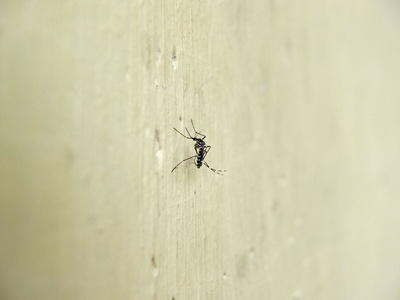
Aedes albopictus (Asian tiger mosquito)
Aggressive day‑biter with black‑white stripes; breeds in containers. Can transmit several viruses; bites are painful and numerous. Empty containers, use repellents, wear long sleeves. Seek medical care for febrile illness after travel/exposure.
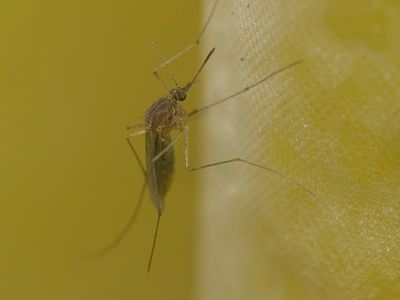
Aedes aegypti (yellow fever mosquito)
Small day‑biter with white markings, favors indoor/near‑home breeding. Highly competent vector for dengue/Zika; bites can spread disease during outbreaks. Prevent breeding, use screens and repellents. Seek medical care for febrile illness.
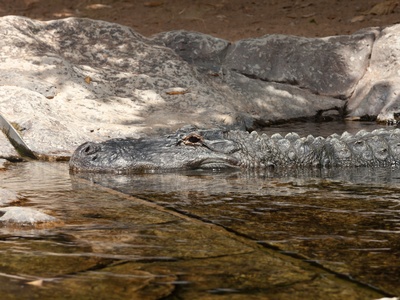
American alligator
Large reptile up to 10+ ft, ambush predator active year‑round in water edges. Can attack swimmers or people near water at night. Stay off marsh edges, don’t feed, keep pets leashed. If attacked, fight back and seek emergency care.
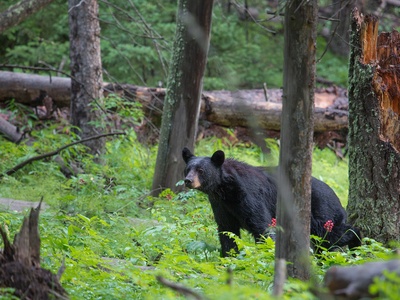
Black bear
Adult bears 150–500 lb, mostly shy but may approach food or cubs; active spring–fall. Store food securely, avoid close encounters. If threatened, make noise, back away; for attacks follow bear‑encounter guidance and seek medical care for injuries.
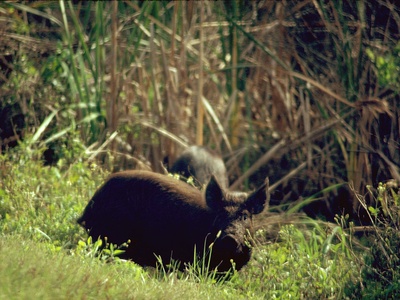
Feral hog
Heavily built pig 75–200+ lb, live in sounders; active year‑round nocturnally. Can charge and gore; destroy crops and carry diseases (brucellosis, pseudorabies). Avoid approaching, do not corner; get medical attention for bites or scratches, watch for infection.
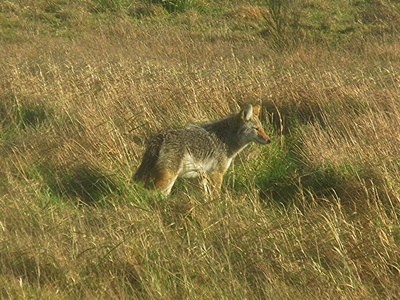
Coyote
Dog‑sized wild canid, often bold in suburbs; active dawn–night. Rare attacks on people but can injure pets and sometimes bite humans. Do not feed; make loud noises to scare off. Seek medical care for bites, consider rabies prophylaxis if exposure suspected.
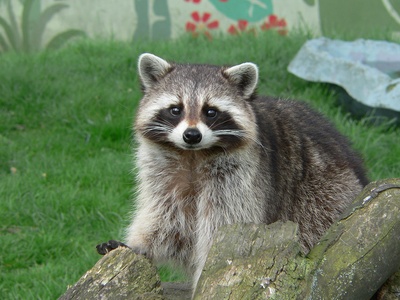
Raccoon
Medium mammal 10–30 lb, nocturnal, common near people. Can transmit rabies and cause bites when trapped/cornered. Avoid feeding and handling; secure garbage. If bitten or scratched, wash wound and seek medical/rabies evaluation promptly.
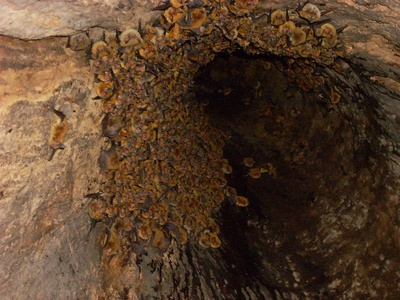
Bats (representative: big brown bat)
Small nocturnal mammals; many bat species can carry rabies though most are healthy. Avoid handling, seal homes to prevent entry. If direct contact or potential exposure, capture only by professionals and seek immediate medical advice for rabies post‑exposure prophylaxis.
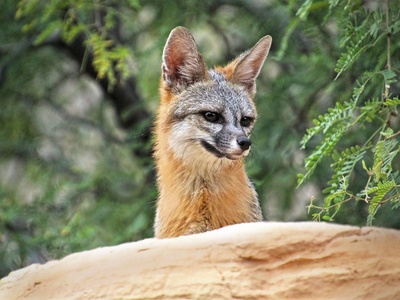
Gray fox
Small canid ~10–15 lb, climbs trees, mostly nocturnal. Rarely aggressive to humans but can carry rabies. Avoid feeding or handling. Seek medical attention for bites or scratches and rabies evaluation.
Red fox
Slim canid 8–15 lb, opportunistic forager; mostly nocturnal. Rarely attacks humans but will bite if cornered; can carry rabies. Do not approach; secure food sources. For bites, clean wound and seek medical care.
Common snapping turtle
Large aquatic turtle up to 25 in, strong jaws, usually reclusive. Can deliver serious bites when handled or when fingers near head. Avoid handling; use tools for relocation. For bite wounds, control bleeding, seek medical care for possible infection.
Lionfish
Invasive fish with ornate spines; 8–15 in body with venomous dorsal and pectoral spines. Stings produce intense pain, swelling; rarely systemic symptoms. Use puncture‑wound first aid (hot water immersion) and seek medical care for severe reactions.
Stingrays (southern/Atlantic)
Bottom‑dwelling rays often buried in sand; 2–6 ft wingspan. Stepping on tail barb causes intense pain, bleeding, sometimes infection. Shuffle feet when entering water, avoid touching. For stings, hot water immersion and seek medical care for wound care.
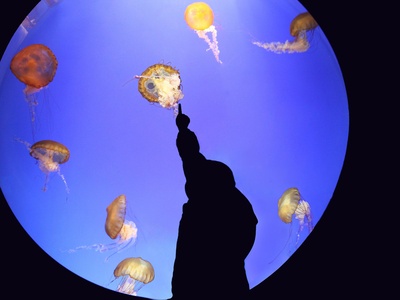
Atlantic sea nettle (jellyfish)
Translucent jellyfish with long tentacles; stings cause painful welts, itching, rarely severe allergic reactions. Avoid swimming near visible blooms; treat stings with vinegar and remove tentacles carefully, seek medical care for severe reactions.
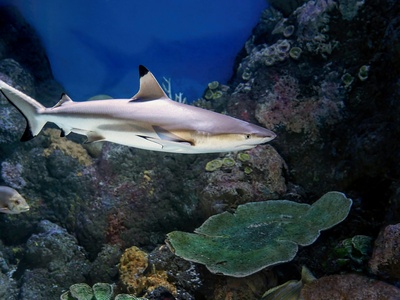
Blacktip shark
Common coastal shark 3–6 ft, often feeds in shallow surf. Rare bites occur, usually minor. Avoid swimming at dawn/dusk, near fishing activity, or with bleeding wounds. For shark bites, control bleeding, seek emergency medical attention immediately.
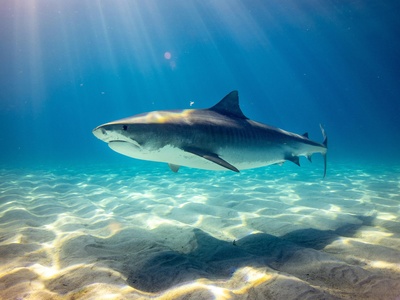
Bull shark
Robust shark to 7–11 ft that tolerates brackish water and can enter rivers. Large size and proximity to humans increases risk. Avoid swimming in murky, shallow water at night. For bites, prioritize hemorrhage control and urgent trauma care.
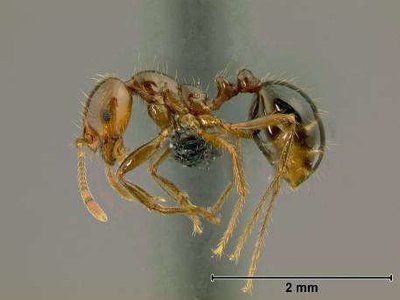
Red imported fire ant
Small reddish ants build mounds; aggressive defenders swarm and sting, causing burning pustules. Multiple stings can trigger anaphylaxis. Avoid disturbing mounds, wear shoes outdoors. For stings, wash area, apply cold, seek emergency care for breathing difficulty.
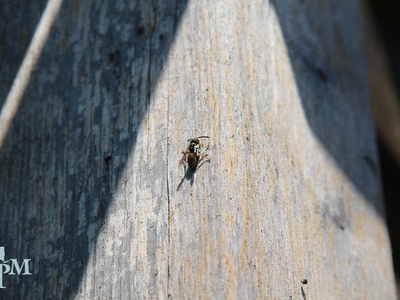
Yellowjacket (Eastern yellowjacket)
Aggressive social wasp ~½ in that nests in ground or structures; active summer–fall. Repeated stings or mass attacks can be dangerous. Keep food covered, avoid swatting near nests. For stings, remove stinger, cold compress, seek emergency care for severe reactions.
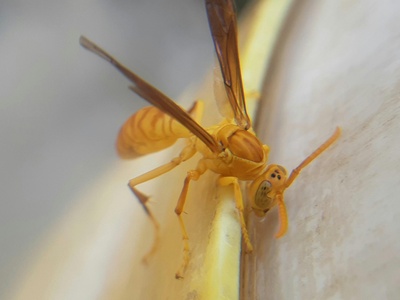
Paper wasp
Slim wasp with long legs and umbrella nests; usually less aggressive but will sting if disturbed. Avoid nests, do not provoke. Treat stings with cold compress and antihistamine; seek care for systemic symptoms.
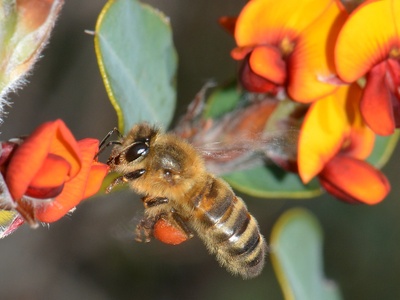
Honey bee (feral/Apis)
Honey bee ~½ in with hairy body; feral colonies common. Single stings painful; multiple stings or allergies can be life‑threatening. Leave swarms alone, call pest professionals. For anaphylaxis, use epinephrine and seek emergency care immediately.
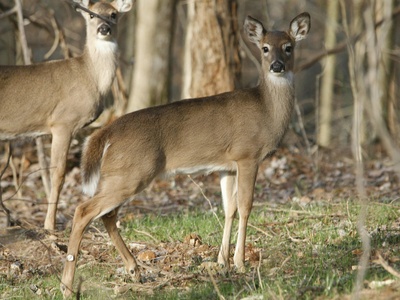
White‑tailed deer
Medium ungulate 80–300 lb, most active dawn–dusk and in rut season. Collisions with vehicles cause thousands of injuries and fatalities annually. Drive cautiously at dawn/dusk, use high beams when safe. After collision, check for injury and seek emergency care.
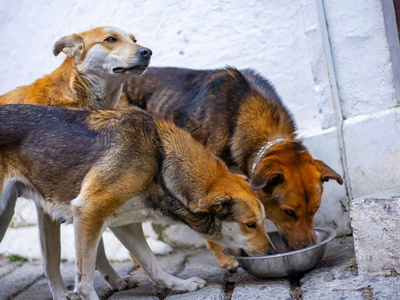
Domestic/human‑associated feral dogs (dangerous populations)
Unowned or feral dogs may form packs and attack humans or pets; variable size. Avoid approach, do not run. Report aggressive packs to animal control. For bites, clean wound and seek medical and rabies evaluation.
![Brown water/sea lice (coastal jellyfish larvae) [group]](https://florafaunafun.com/wp-content/uploads/2026/01/brown_water-sea_lice_coastal_jellyfish_larvae_group.jpg)
Brown water/sea lice (coastal jellyfish larvae) [group]
Tiny jellyfish larvae can cause itchy, burning skin rash after sea bathing. Avoid swimming during blooms; rinse with seawater, remove tentacles, use topical anti‑itch treatments and seek care for severe reactions.