Guinea-Bissau’s patchwork of coastal mangroves, rivers and dry savanna supports a wide range of wildlife, and some of those species can pose real health or safety concerns for residents and visitors. A little local knowledge goes a long way when you’re fishing, farming, or moving through rural areas.
There are 11 Dangerous Animals in Guinea-Bissau, ranging from Aedes mosquito to Tsetse fly. Each entry below is organized as Scientific name,Primary danger (max 15 words),Where found so you get a concise ID, the primary risk, and typical locations where the animal occurs — you’ll find below.
How can I reduce my risk of bites and infections while in Guinea-Bissau?
Use insect repellent with DEET or icaridin, sleep under treated bed nets, wear long sleeves and pants at dawn and dusk, and remove standing water around sleeping areas. Check travel-health guidance for malaria prophylaxis and routine vaccines, and seek prompt care for fever or suspicious bites.
Which animals on the list should I be most worried about day-to-day?
Mosquitoes (like Aedes) are the most frequent public-health concern because they spread dengue and other viruses; tsetse flies pose a risk in some rural zones via sleeping sickness, and large aquatic animals (e.g., crocodiles) are hazards near rivers. Awareness and simple precautions cover most everyday risks.
Dangerous Animals in Guinea-Bissau
| Common name | Scientific name | Primary danger (max 15 words) | Where found |
|---|---|---|---|
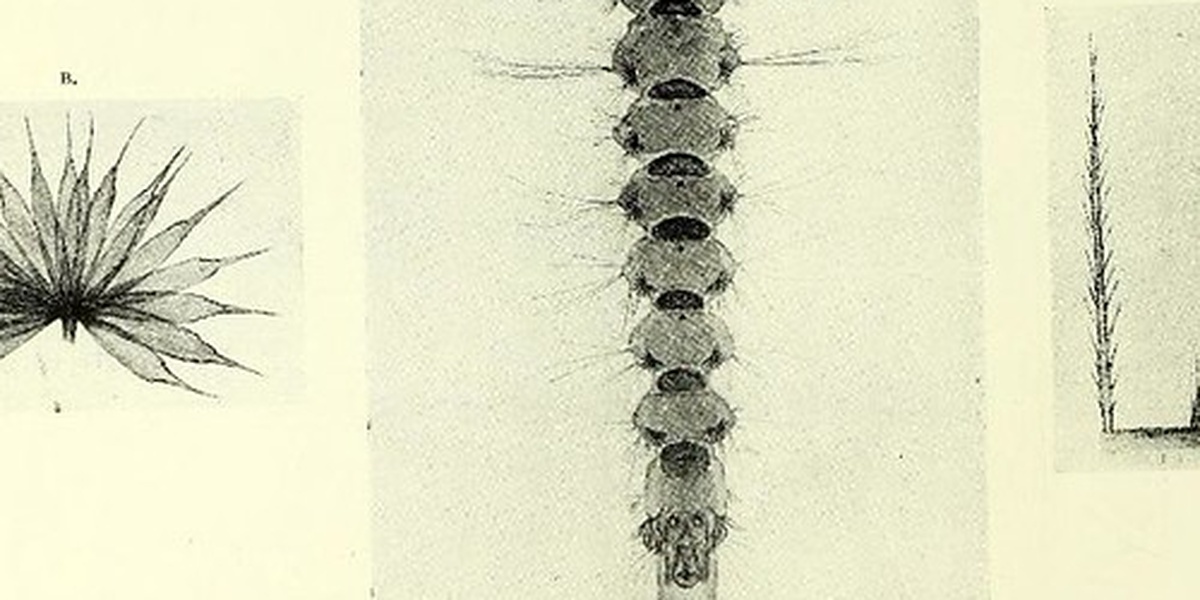
| Anopheles mosquito | Anopheles gambiae complex | Malaria transmission | Across Guinea-Bissau, especially rural areas, rice paddies, mangroves, rainy season |
| Aedes mosquito | Aedes aegypti | Dengue, yellow fever, Zika transmission | Urban and peri-urban areas, around standing water, containers, rainy season |
| Tsetse fly | Glossina palpalis (Glossina spp.) | Sleeping sickness vector (human trypanosomiasis) | Riverine and gallery forests, inland waterways and shaded vegetation |
| Blackfly | Simulium damnosum complex | Onchocerciasis (river blindness) vector | Fast-flowing rivers and streams in inland regions |
| Puff adder | Bitis arietans | Venomous bite causing severe local/systemic effects | Savanna, grasslands, farmland, near villages and footpaths |
| Saw-scaled viper | Echis ocellatus | Fast-acting venomous bite, bleeding coagulopathy | Dry scrub, savanna, agricultural fields, village outskirts |
| Spitting cobra | Naja nigricollis | Venomous bite; venom spit can cause eye injury | Savanna, farmland, near settlements, rocky outcrops |
| African rock python | Python sebae | Constriction capable of serious injury; occasional attacks | Riversides, wetlands, forests, agricultural edges |
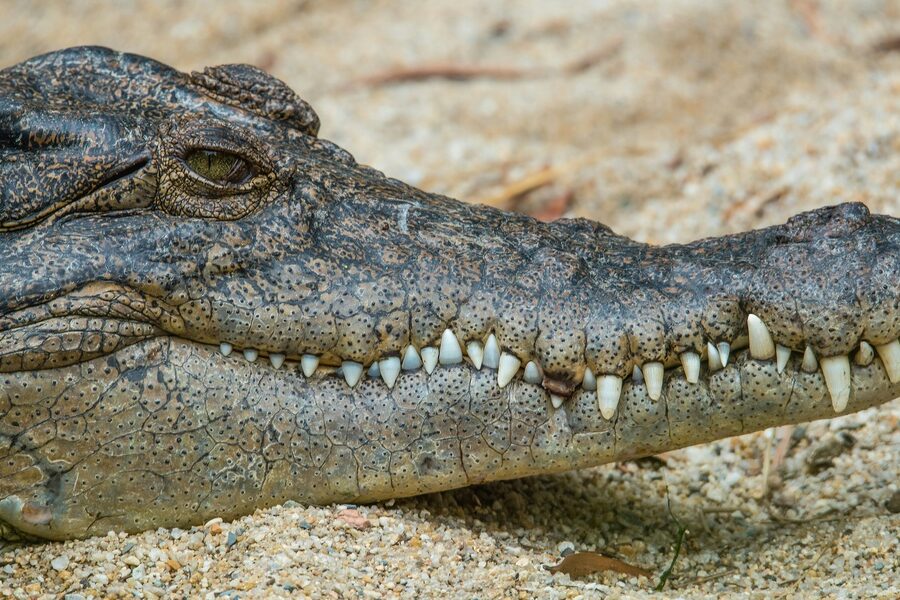
| Nile crocodile | Crocodylus niloticus | Ambush attacks, powerful bite and drowning risk | Rivers, estuaries, mangroves, coastal lagoons and inland waterways |
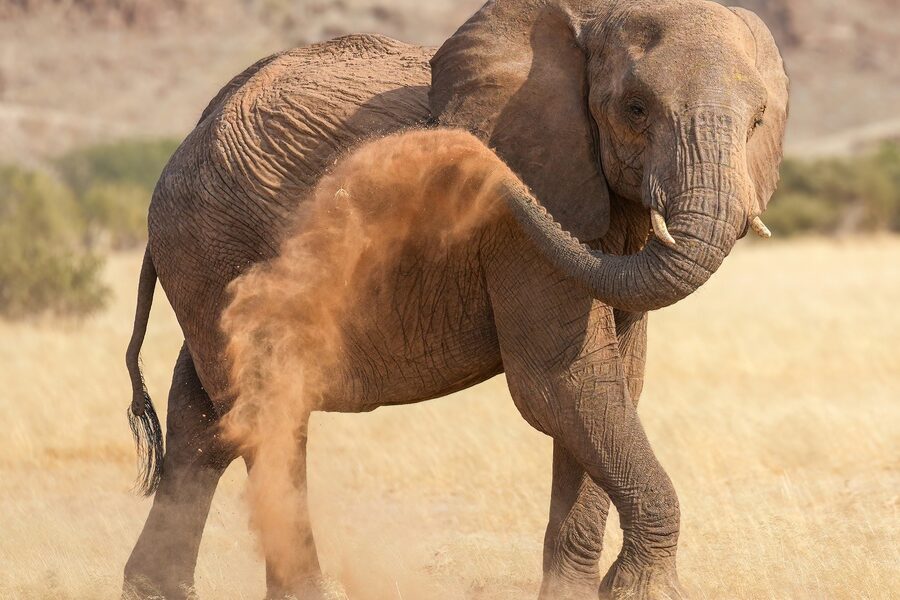
| Hippopotamus | Hippopotamus amphibius | Highly aggressive; trampling and drowning in waterways | Large rivers, seasonal lakes, mangrove channels, estuaries |
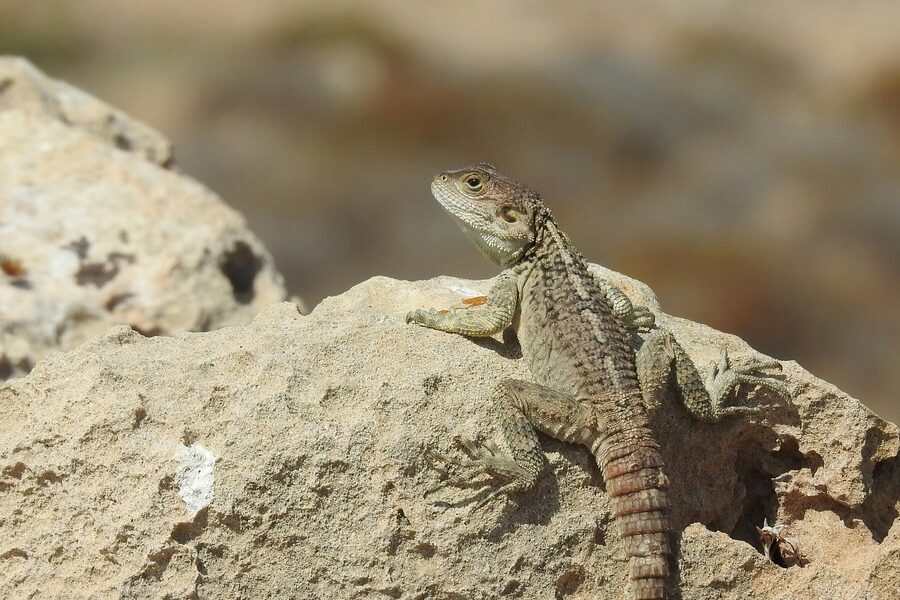
| Nile monitor | Varanus niloticus | Powerful bite; can be aggressive when cornered; infection risk | Freshwater edges, mangroves, rice fields, near human settlements |
Images and Descriptions
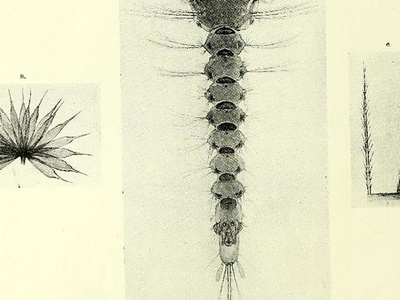
Anopheles mosquito
Primary malaria vector that bites at night; high risk in rural and peri-urban areas during rainy season. Use insecticide-treated bed nets, repellents, and seek prompt diagnosis and treatment if febrile.
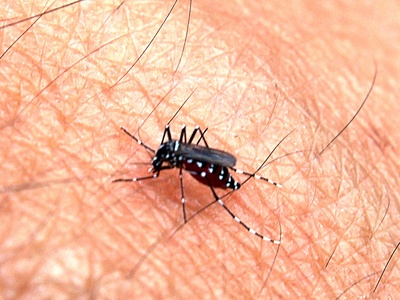
Aedes mosquito
Day-biting mosquito that spreads dengue and yellow fever. Breeds in small containers. Eliminate standing water, use repellents, screens, and ensure vaccination for yellow fever where recommended.
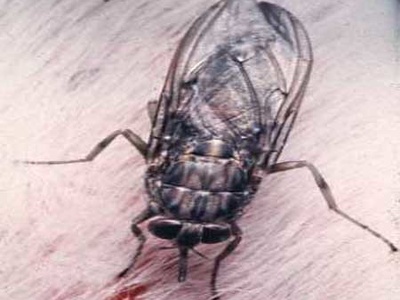
Tsetse fly
Riverine tsetse in forested and river corridors can transmit sleeping sickness. Avoid bushy riverbanks, use insect repellent, wear long sleeves, and seek care for persistent fever or swollen lymph nodes.

Blackfly
Blackflies breed in rapid rivers and transmit onchocerciasis, causing skin disease and possible blindness. Protect with repellents, clothing, and community control programs; ivermectin distribution reduces risk in affected areas.
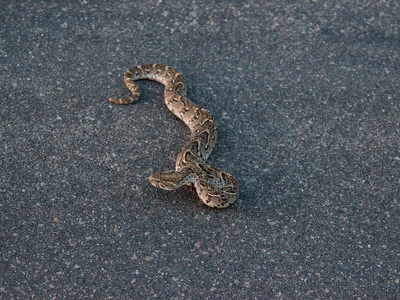
Puff adder
Widespread, heavy-bodied viper often encountered on ground and at night. Bites cause painful swelling and systemic effects. Watch where you step, wear boots, use torch at night, and seek urgent medical care after any bite.
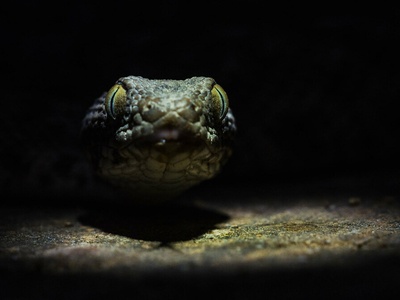
Saw-scaled viper
Small but highly venomous viper common in dry savanna and farmland. Often responsible for bites at night or when people work barefoot. Avoid tall grass, wear protective footwear, and get emergency antivenom treatment promptly.
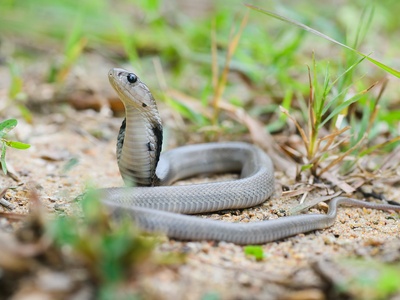
Spitting cobra
Spitting cobras defend by ejecting venom and can bite; eye exposure causes severe pain and possible vision damage. Back away slowly, avoid provoking, flush eyes with water after exposure, and seek medical attention for bites.
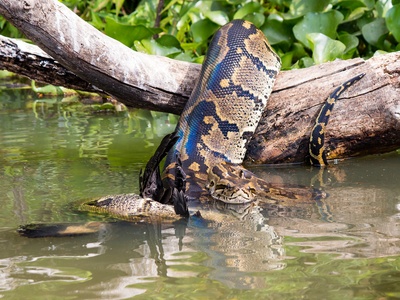
African rock python
Large constrictor that rarely attacks humans but can threaten children or livestock. Found near water and thick vegetation. Avoid handling, supervise children near snake habitat, and shun attempts to capture large snakes.
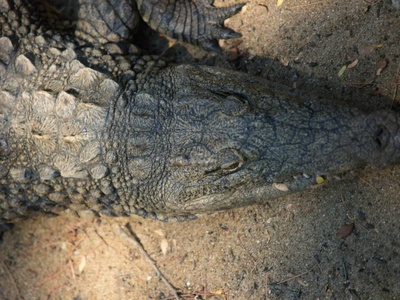
Nile crocodile
Large, territorial crocodile present in rivers and mangroves. Attacks occur at water margins. Do not swim alone in rivers, avoid night-time river access, keep distance from banks, and heed local warnings.
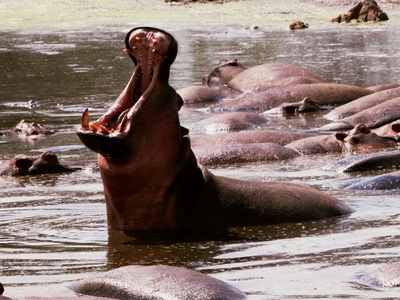
Hippopotamus
Despite herbivorous diet, hippos are extremely territorial and cause many fatal incidents near water. Give them wide berth, avoid boats at night, never pass between hippos and water, and follow local guidance.
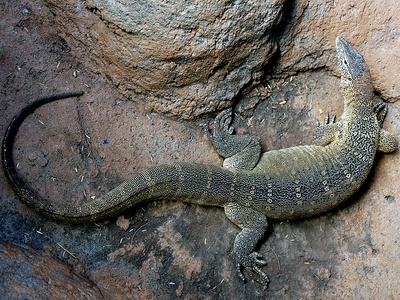
Nile monitor
Large aquatic lizard that may bite if handled or surprised; bites can be painful and prone to infection. Avoid picking up monitors, supervise children near water, and clean wounds thoroughly before seeing medical care.